#tbt GMU’s Person of the Year 2014

We all remember that Time Magazine awarded the Ebola Fighters their Person of the Year, right?

Well, George Mason President Angel Cabrera recognized Audrey Ferguson, an Ebola fighter who attended GMU, as his Mason Person of the Year. This is what he had to say about Audrey:

I was delighted, and not surprised, that one of our alumni was among the many unsung heroes who “risked, persisted and sacrificed” to save lives.  And I loved the piece of Mason Pride that she found and shared with us from the heart of Liberia.

When Audrey first came to Mason, she intended to study global affairs. Then she decided to pursue nursing and minor in global affairs, a combination not possible at many other institutions. It’s great that Mason enabled her to pursue both interests and helped prepare her for the important work that she is doing in our community and around the world.

Read Dr. Cabrera’s post here.

Pandora Report 4.11.15

It’s a public health weekend here at Pandora Report as we check out stories on TB and Polio. We also have other stories you may have missed.

Have a great week and see you back here next weekend!

Ancient Hungarian Crypt Offers Clues to Tuberculosis Origins

As one of the leading infectious disease killers, Tuberculosis, a bacterial infection, holds interest for scientists who disagree over the origins of the human disease. However, a new study in Nature Communications uses a cutting-edge approach called metagenomics to analyze corpses that were naturally mummified in a Hungarian crypt. Of 14 genomes found in eight of the corpses, researchers discovered that multiple strains were circulating in Hungary in the 18th century when these people died.

The Toronto Star—“‘All the historic genomes belonged to lineages that we see today,” said senior author Dr. Mark Pallen, a professor of microbial genomics at the University of Warwick. “So TB hasn’t changed much in 200 years … (and) it turns out that the most common ancestor of the Euro-American lineage that all our (tuberculosis) genomes belonged to dates back to late Roman times.’”

Polio, Cancer—One Nemesis May Counter the Other

Tomorrow, April 12, is the 60th anniversary of when Dr. Jonas Salk’s polio vaccine was declared to be effective. Today, as the world inches closer to full polio eradication, interesting news highlighted on “60 Minutes” looks at the polio virus’ ability to kill another lethal illness—Cancer. A genetically engineered strain of polio virus appears to thwart lethal brain cancer tumors.

The Huffington Post—“The modified polio virus seems to deactivate the cancer tumor’s ability to defeat immune capacities. Freed up, the immune system works at defeating the tumor. Miraculously, the immunotherapy workings spare healthy tissues, while killing cancer cells.”

Stories You May Have Missed

Image Credit: Pudelek

Pandora Report 4.5.15

I love when the stories find me, so we’ve got some big ones this week including the nuclear deal with Iran and the arrival of multi-drug resistant Shigella in the United States. We’ve also got an Ebola update and other stories you may have missed.

Enjoy your (Easter) Sunday, have a great week and see you back here next weekend!

An Iran Nuclear Deal Built on Coffee, All-Nighters and Compromise

For months—many, many, months—there has been discussion of potential for Iranian nuclear weapons and what the U.S. planned to do about it. This week, those questions were finally answered as a nuclear agreement between American and Iranian officials was reached in Lausanne, Switzerland.

New York Times—“The agreement calls for Tehran to slash its stockpile of nuclear materials and severely limit its enrichment activities, theoretically bringing the time it would take to produce a nuclear weapon to a year — a significant rollback from the current estimate of two to three months.

Both sides made significant compromises. For the United States, that meant accepting that Iran would retain its nuclear infrastructure in some shrunken form. For Iran, it meant severe limits on its production facilities and submitting to what Mr. Obama has called the most intrusive inspections regime in history.”

Drug-Resistant Food Poisoning Lands in the U.S.

Before I travelled to China in 2012, my doctor prescribed me ciprofloxacin. It was, in his opinion, almost guaranteed I would come into contact with some sort of bacteria that would result in the dreaded “travel tummy.” Now, Cipro-resistant Shigella (a bacterial infection of the intestines) is becoming a growing problem in Asia and around the world. Over the past year, the resistant strain has shown up in 32 U.S. states and was linked with international travel to India, the Dominican Republic, and Morocco. However, in many instances, people who got sick hadn’t travelled outside the U.S. meaning the strain has already started to circulate unrelated to international travel. This could be a real problem.

NPR—“‘If rates of resistance become this high, in more places, we’ll have very few options left for treating Shigella with antibiotics by mouth,” says epidemiologist Anna Bowen, who led the study. Then doctors will have to resort to IV antibiotics.

Shigella is incredibly contagious. It spreads through contaminated food and water. “As few as 10 germs can cause an infection,” Bowen says. “That’s much less than some other diarrhea-causing germs.’”

This Week in Ebola

It’s been awhile since we’ve had an Ebola update, which should mostly be interpreted as a good sign. And there are good signs, like the two experimental trials of Ebola vaccine candidates have proven to be both safe and effective. However, during a three-day countrywide shutdown in Sierra Leone, 10 new cases of Ebola were found. The good news is that there were not hundreds of hidden cases, as some feared, and the Head of Sierra Leone’s Ebola Response has said the small figures indicate that the country is now at the “tail end” of the epidemic. If things are going relatively well in Liberia and Sierra Leone, Ebola still remains entrenched in Guinea. This week Guinea closed its border with Sierra Leone as an effort to stamp out the virus. Even those who aren’t sick, or have recovered, must still deal with the after effects of the disease. This week, the Liberian government recommended that all Ebola survivors practice “safe sex indefinitely” until more information can be collected on the length of time the virus may remain present in bodily fluids. All these stories should serve as a reminder that even though Ebola may not be as present in the news, the disease is still affecting people around the world.

Stories You May Have Missed

Image Credit: Zeynel Cebeci

Pandora Report 3.28.15

This week we’re covering a new treatment for inhalation anthrax, Russian nuclear threats, chlorine accelerating antibiotic resistance and other stories you may have missed.

Have a great week and see you back here next weekend!

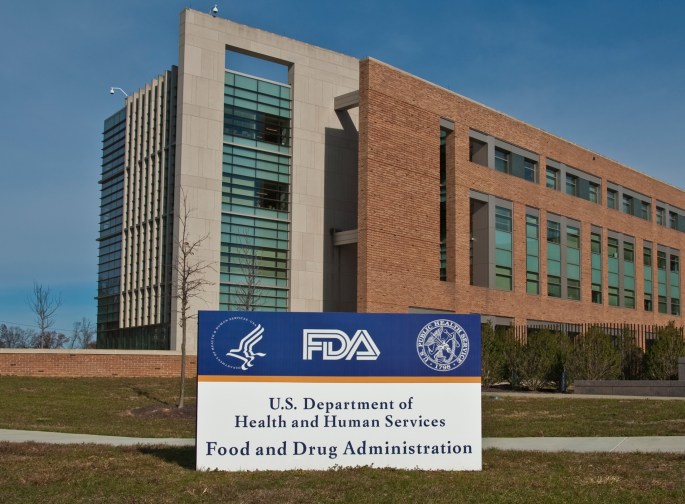
FDA Approves Emergent BioSolutions’ Inhaled Anthrax Treatment

Considered one of the most likely agents to be used in biological warfare, Anthrax now has a new enemy—Anthrasil. This treatment, developed by Emergent BioSolutions Inc., neutralizes toxins of Bacillus anthracis and requires only two doses to confer immunity, versus the three of BioThrax (the current treatment for inhaled anthrax).

Reuters—“The company developed the treatment, Anthrasil, as part of a $160 million contract it signed in 2005 with the Biomedical Advanced Research and Development Authority (BARDA), a part of the HHS. Anthrasil, which is approved in combination with other antibacterials, is already being stored in the U.S. Strategic National Stockpile, the company said on Wednesday. The drug is made using plasma from healthy, screened donors who have been immunized with Emergent Bio’s Anthrax vaccine, BioThrax, the only FDA-licensed vaccine for the disease. Anthrasil has an orphan drug designation and qualifies for seven years of market exclusivity.”

Russia Threatens to Aim Nuclear Missiles at Denmark Ships if it Joins NATO Shield

Denmark has said that in August it will contribute radar capacity on some of its warships to NATO’s missile defense system. Russia has now threatened to aim nuclear missiles at Danish warships if Copenhagen goes through with its actions. Moscow opposes the system arguing that it reduces the effectiveness of the Russian nuclear arsenal and could lead to a new Cold War-style arms race.

The World Post—“‘We have made clear that NATO’s ballistic missile defense is not directed at Russia or any country, but is meant to defend against missile threats. This decision was taken a long time ago, so we are surprised at the timing, tone and content of the statements made by Russia’s ambassador to Denmark,” [NATO spokeswoman Oana Lungescu] said. “Such statements do not inspire confidence or contribute to predictability, peace or stability.’”

Chlorine Treatment Can Accelerate Antibiotic Resistance, Study Says

Research presented at the American Chemical Society meeting last week shows that chlorine treatment of wastewater may actually encourage the formation of new antibiotics—rather than eliminating the drug residues. While scientists are looking for new antibiotics, this isn’t good news. ACS says that upon re-entering the environment, the new drugs—in theory—can promote the growth of antibiotic resistant bacteria. In a test, doxycycline was exposed to chlorine; the results are described below.

Gizmodo—“The study evaluated the changes in the antibacterial activity of the products that form in the reaction between doxycycline and chlorine using antibiotic resistance assays. The results showed that some of the transformation products have antibiotic properties. The products of chlorination were also examined…and several chlorinated products were detected. These transformation products may still select for antibiotic resistant micro-organisms in the environment even in the absence of the parent doxycycline molecule. This suggests that re-evaluation of wastewater disinfection practices may be needed.”

Stories You May Have Missed

Image Credit: The U.S. Food and Drug Administration

Pandora Report 3.21.15

This week we’ve got stories about pets and antibiotic resistance, a new Ebola patient in Liberia, rapid neutralization of chemical weapons, and other stories you may have missed.

Have a great week and see you back here next weekend!

Antibiotic Use in Pets Could Give Rise to Superbugs, Experts Warn

We all know that the overuse and over-prescription of antibiotics is leading to the end of antibiotic effectiveness and the rise of antibiotic resistant bacteria. According to Health Canada, this extends beyond humans to our furry friends, too. Many pet owners are purchasing the drugs at pet stores, but just like with humans, pets require monitored use of antibiotics and appropriate prescriptions for antibiotic treatment.

CBC News—“‘It might be cheaper, but it might cost you more in the long run if you don’t treat it right — if the dog gets another problem or needs a different antibiotic, or gets sicker, or dies because of inappropriate treatment. Or it might be that it builds up a resistance bacterium, then it gets an infection later that’s harder to treat or passes it to you and you get the disease,” said [Dr. Scott] Weese [infectious disease specialist at the Ontario Veterinary College at the University of Guelph].

Liberia Officials: New Patient Tests Positive for Ebola

This week, 16 Americans were flown from West Africa (via a really cool plane) back to the U.S. after exposure to Ebola from an infected Partners in Health co-worker. And lest those fighting the outbreak become too complacent, a new case of the virus has been diagnosed in Liberia. This news is especially devastating because the last patient with Ebola in Liberia was discharged on March 5 and the country was in the midst of the 42-day countdown that ensures the country is disease free. This new patient arrived in the emergency room of a Monrovia hospital on Thursday night, March 20.

Time—“She was identified as a suspected Ebola case and transferred to the hospital’s transit unit, where she could be isolated while awaiting test results. She is now at a treatment center. In a worrying sign, it is not clear where the woman became infected. She doesn’t seem to be linked to any of the people on an Ebola contacts list, [Dr. Francis]Kateh [acting head of Liberia’s Ebola Incident Management Team] said.”

A New Synthetic Compound Can Neutralize Chemical Weapons in Minutes 

A team of scientists from Northwestern University have developed a new compound that can deactivate chemical weapons in minutes. A naturally occurring enzyme usually produced by bacteria—called phosphotriesterases—can deactivate some pesticides, and nerve gases, in milliseconds. Researchers attempted to reproduce the same effects using a synthetic catalyst.

Gizmodo—“In tests published in Nature Materials, the team used their catalyst to deactivate a pesticide similar to nerve agents but safer to use in the lab. Experiments showed that the new compounds—known as NU-1000—deactivated half of the pesticide in 15 minutes. Further testing by U.S army facilities has shown that it neutralizes half of the nerve agent GD—more toxic than the well-known sarin—in just three minutes. The researchers claim that that’s 80 times faster than any previous compound has managed.”

Stories You May Have Missed

Image Credit: Lhixon

Pandora Report 3.15.15

For those of us at Mason, Spring Break is nearing its end. For the rest of us, however, it’s business as usual. This week we’ve got stories about engineering nuclear worries in South Africa, the eradication of guinea worm, the lasting health impacts of Ebola, and other stories you may have missed.

Have a great week, enjoy the longer daylight hours, and we’ll see you back here next weekend!

U.S. Unease about Nuclear-Weapons Fuel Takes Aim at a South African Vault

Located in a former silver vault at a nuclear research center near Pretoria, South Africa, is enough nuclear weapons explosive to fuel half a dozen bombs. Roughly 485 pounds of highly enriched uranium exist as remnants of the apartheid regime’s nuclear weapons program. U.S. officials worry that not only does this stockpile give South Africa the theoretical ability to regain its status as a nuclear-weapons state, but the stockpile’s vulnerability makes it a target for terrorist thieves. This isn’t a far-fetched concept, because in November 2007 two teams of raiders breached the fences at the nuclear center, entered the site, and broke into the central alarm station. Obama has urged President Jacob Zuma to transform the nuclear explosives into benign reactor fuel—with U.S. assistance—to no avail.

The Washington Post—“‘The bottom line is that South Africa has a crime problem,” [arms control expert Jon] Wolfsthal said. “They have a facility that is holding onto material that they don’t need and a political chip on their shoulder about giving up that material. That has rightly concerned the United States, which is trying to get rid of any cache of HEU [highly enriched uranium] that is still out there.’”

Tug of War: On the Verge of the Greatest Public Health Triumph of the 21st Century

As people work around the world to eradicate Polio, another public health enemy is about to be eliminated first—guinea worm. This parasite, found in rivers and streams, enters the body in larval form through contaminated drinking water. The larvae mature inside the body and move towards the skin’s surface in the form of a burning blister. When the infected human puts water on the blister, the worm bursts out into water, continuing the source infection cycle. However, the number of cases of guinea worm is way down—from 3.5 million cases in 1986 to 126 cases in 2014—thanks to a simple nylon filter attached to a drinking straw. The weave on the nylon is tight enough to filter out the larvae from drinking water.

Slate—“Vanquishing guinea worm would be arguably the first great public health triumph of the 21st century. It would also give new life to the human disease eradication movement, which suffered through 35 mostly frustrating years following the conquest of smallpox in 1980. The victory would prove to governments and private foundations that we can still accomplish eradication.”

Ebola Could Cause Thousands More Deaths—By Ushering in Measles

As Liberia removed their Ebola crematorium—with the declaration that the outbreak is contained—new cases of the disease are still popping up in Sierra Leone and Guinea and have resulted in nearly a dozen American volunteers returning to U.S. facilities for treatment.  And this week, in Science, researchers from NIH and four universities have warned that Ebola’s interruption in other health services—like immunization campaigns—could result in epidemics of preventable diseases with larger fatality numbers than Ebola. Specifically, they warn that up to 100,000 cases of measles could result in 16,000 additional deaths.

Wired—“Measles is already present in West Africa, so the team is not arguing that Ebola will revive an eradicated disease — although, poignantly, hard work in the three countries had recently forced measles incidence way down. “Between 1994 and 2003, the countries reported — and this is just how many they reported, not necessarily how many occurred — about 100,000 cases of measles,” Lessler said. “Whereas in the last decade, they’ve only reported 7,000. So they’ve done an excellent job of controlling the virus compared to the previous (decade).’”

Stories You May Have Missed


Image Credit: FEMA

Pandora Report 3.8.15

This whole “spring forward” thing is the worst, right? We won’t get that hour of sleep back until November! No matter, we must press on. This week we’ve stories about engineering TB-resistant Cows, McDonald’s chicken, Ebola vaccine strategy, and loads of other stories you may have missed.

Have a great week, enjoy the warm weather, and we’ll see you back here next weekend!

Tuberculosis-Resistant Cows Engineered in China

We often talk of tuberculosis as a problem for humans, but the bacterial disease also affects animals—from circus elephants, to badgers, and cows. This week, scientists in China announced production of a heard of genetically modified cattle capable of resisting bovine tuberculosis. This was done through the insertion of a TB resistant mouse gene, into the cow’s genetic makeup. Though the work is still in the early stages, a genetically modified cow could have massive benefits for farmers who could minimize the overuse of antibiotics within their herds.

Popular Science—“Many countries have tried unsuccessfully to get rid of the disease, often slaughtering thousands of cattle per year to try to stem the disease’s spread. The United Kingdom in particular is waging a war against the disease. In 2013, the government announced that it would wipe the disease out of the country in 25 years. But even a timeline of a quarter century a tricky proposition, as cattle aren’t the only host for the disease. Bovine TB can also thrive in wildlife like badgers, elk, and even deer, which can pass the disease to cattle and vice versa.”

Your McNuggets: Soon Without a Side of Antibiotics

First Chipotle, then Chick fil-A, now McDonalds. The fast food giant announced this week that within two years the company will stop buying chicken raised with certain antibiotics for its U.S. stores. This move doesn’t stop the overuse of antibiotics on farms, however, McDonald’s is the largest food-service buyer of chicken in America, so the decision could affect other restaurants and the production of other meats.

Wired—“The reason this announcement is so important is that, for decades, researchers have been linking the use of antibiotics in livestock-raising (and to a lesser extent in fish farming and fruit production) to the rise of antibiotic-resistant infections in humans. Multiple pieces of research show that low-dose antibiotic use on farms — use that doesn’t cure animal illness, but promotes growth and prevents infections — creates resistant bacteria that move off farm properties in water, dust and the meat that animals become. Those bacteria infect humans directly — via meat or because the bacteria contaminate a home or restaurant cooking surface — and they pass their resistance DNA to other bacteria as well.”

Guinea Ebola Vaccine Trial Uses Smallpox Strategy

Two different vaccines are being tested in the three West African countries affected by the recent Ebola outbreak. As the last Ebola patient in Liberia heads home, and the Vice President of Sierra Leone has put himself in voluntary quarantine after the death of one of his security personnel, Guinea looks to the successful eradication of smallpox as their model for their Ebola vaccination plan, which began on March 7. This, of course, was the use of “ring vaccination” in the 1970s.

NBC News—“Ring vaccination involves finding all the direct contacts of new Ebola cases and vaccinating them, creating a “ring” of immunity around patients.

“An effective vaccine to control current flare-ups could be the game-changer to finally end this epidemic and an insurance policy for any future ones,” said WHO assistant Director-General Marie-Paule Kieny.”

Stories You May Have Missed

Image Credit: Christopher Michel

Pandora Report 3.1.15

My apologies for no update last week, I had to make an unexpected, emergency, work-related trip to Dulles Airport, my old stomping grounds. But everything is under control and we’re back at it, covering stories from the past two weeks. Fittingly, we start off with airport screening, and also cover the Black Death, chemical weapons in Libya, Ebola, and other stories you may have missed.

Have a great week and stay safe in the weather out there!

Airport Screening for Viruses Misses Half of Infected Travelers

A team led by UCLA researchers has found that airport screening—for viruses like H1N1 and Ebola—misses at least half of infected travelers. The team found that no more than 25% of passengers answered honestly about their exposure to influenza in 2009 and that some may have been able to hide symptoms by taking over-the-counter drugs like acetaminophen. Timing of the screening may impact detection ability, too.

Science 2.0—“‘We found that for diseases with a long incubation period, such as Marburg and Ebola, taking passenger’s temperature to test for fever is particularly ineffective at the start of the epidemic but does pick up more cases as the epidemic stabilizes,” said Katelyn Gostic, a lead author of the study and a UCLA doctoral student in the laboratory of Professor James Lloyd-Smith. “With diseases such as swine flu, which take a shorter time to incubate, fever screening is the most effective method throughout an epidemic.’”

Plague Pandemic May Have Been Driven by Climate, Not Rats

Rats may have been incorrectly receiving centuries of blame for European plague, or Black Death. According to Nils Stenseth, of the University of Oslo, the introduction, and re-introduction, of the disease to Europe may have been caused by Asian climate events. Additionally, black rats where rare in Northern Europe, so the likely rodent culprit may have actually been gerbils. Moreover, the plague is not naturally found in Europe, but it is endemic in Asia in the rodents that live there. However, when the climate becomes warmer and wetter, rodent numbers drop and the fleas seek out alternative hosts, like domestic animals and humans.

Smithsonian—“The scientists will need more data to prove that Asian climate was responsible for all the reintroductions of plague to Europe. For instance, analysis of plague DNA from European victims who died at different time periods could strengthen the link between climate and outbreaks. “If our theory of climate-driven successive reintroductions is correct, we would expect to find great genetic bacterial variation between plague victims across time,” Stenseth explains. If the bacteria had instead come from a single introduction, there would be less genetic variation in the pathogen’s DNA, even when taken from victims from different times and locations.”

ISIS Chemical Weapons Libya: Military Warns Islamic State Might Have Mustard Gas, Sarin

Islamic State fighters in Libya have allegedly seized large amounts of chemical weapons including mustard gas and Sarin that reportedly belonged to the regime of Moammar Gadhafi. Last year, though, Libyan officials said they destroyed the last known stockpile from Gadhafi’s regime.

International Business Times—“The weapons are likely 10 years old and in a degraded state, but remain dangerous, former British Army officer Hamish de Bretton-Gordon told The Daily Mail Sunday. “While we don’t know how much IS has acquired, and though the Libyan Sarin dates back to the Gadhafi era, it would still have a toxicity and pose a danger,” he said. “Libya is virtually Europe and so the fear factor from a European perspective is huge. I should think the security forces will be watching this situation very closely.’”

This Week in Ebola

It’s been awhile since an Ebola update, but there was some good news worthy of coverage as schools re-opened in Liberia on February 16, as a sign that life is starting to return to normal. Countries are still keeping an eye out for the virus, including, inexplicably, North Korea, who has banned foreign runners from their April marathon (yes, that is actually a thing!) A piece appeared in the Journal of the American Society of Microbiology that indicated it is “very likely that at least some degree of Ebola virus transmission currently occurs via infectious aerosols generated from the gastrointestinal tract, the respiratory tract, or medical procedures.” However, there is some good news including a new product, similar to hand sanitizer, that can kill bacteria and viruses within 15 second of application and can work for up to six hours and a rapid diagnostic test for both Ebola and Dengue. Lastly, it wouldn’t be an Ebola update without a questionable article—this one is about a Baltimore wedding gown designer who went to New York Fashion with an Ebola suit. Sigh.

Stories You May Have Missed


Image Credit: Micah Sittig
Pandora Report 2.15.15

It’s the last holiday weekend before the summer and its too cold to go outside! Don’t worry, we’ve got some good reading while you’re staying warm inside: antibiotic resistance, U.S. Troops leaving West Africa, a new vaccine for polio and LOTS of stories you may have missed.

Enjoy your Monday holiday and have a safe and healthy week!

Rivers Can Be a Source of Antibiotic Resistance

As the U.S. Government increases its funding to fight growing antibiotic resistance, a study coming out of the University of Warwick’s School for Life Sciences and the University of Exeter Medical School points to rivers and streams as a major source of antibiotic resistance in the environment. The study of the Thames River found that greater numbers of resistant bacteria existed close to some wastewater treatment plants and that these plants are likely “to be responsible for at least half of the increase observed.”

R&D Magazine—“The team also found that several other factors affected the prevalence of antibiotic resistance, such as changes in rainfall and land cover. For example, heavy rainfall at a point surrounded by grassland raised resistance levels; whereas a heavy rainfall at a point surrounded by woodland reduced the levels seen.”

U.S. Bringing Home Almost All Troops Sent to Africa in Ebola Crisis

The U.S. military is bringing home nearly all troops that were sent to West Africa 10 months ago in order to fight the Ebola outbreak. This withdrawal comes at a time where 700 homes in Sierra Leone were put under quarantine after a new case was diagnosed in Freetown. Quarantine seems like a smart move, since researchers have now confirmed that the virus can remain contagious on a dead body for up to a week. Despite troops leaving, testing has begun in Liberia for two potential vaccine candidates.

CNN—“[Pentagon press secretary Rear Adm. John] Kirby said about 100 military service members will remain in West Africa to support the 10,000 civilian responders who remain. These service members will “build on a strong military partnership with the Armed Forces of Liberia to enhance their Ebola response efforts and provide disaster response training to the government of Liberia,” he said.”

Synthetic Vaccine Sought to Finally Eradicate Polio

While, after six months of no new cases, Africa is close to wiping out wild polio, a team of international scientists are working to create a wholly artificial vaccine to combat the disease. The Bill and Melinda Gates Foundation and the World Health Organization are providing a $647,000 grant to create an entirely synthetic approach that will address shortcomings in the existing vaccine. This new vaccine would be entirely virus free.

BBC—“…the existing oral vaccine uses a weakened version of the virus as its stimulus to provoke a response and protection in the patient. And in just a few particular individuals, this can set up an infection in the gut that then enables a reactivated virus to pass out of the body and spread to other, unvaccinated people.

But if the virus particle has no genetic machinery this transmission route is closed, and the World Health Organization and the Gates Foundation is to fund the scientists to engineer just such particle for use as a replacement vaccine.”

Stories You May Have Missed


Image Credit: Wikimedia Commons

Pandora Report 2.7.15

Whatta week, right?! Let’s jump right in to the stories. We’ve got the Subway, flu forecasting, American chemical weapons, and stories you may have missed.

Have a great weekend and a safe and healthy week!

A Close Look at the Germs Crawling Around the Subway

Every single day I ride the metro to work, and every single day, the first thing I do when I get to the office is wash my hands. And, really, that’s what everyone should be doing. A research team from the Weill Cornell Medical College spent the summer of 2013 swabbing turnstiles, subway poles, kiosks, benches, and other “human penetrated surfaces” in all 466 NYC subway stations.

Gothamist—“And they found quite a few signs of life—15,152 types of DNA, in fact—nearly half of which they identified as bacteria. Shocking!

[They] did manage to find some scary stuff, with E. coli, Staphylococcus aureus (skin infections, respiratory disease and food poisoning), Bacillus anthracis (anthrax), and even Yersinia pestis, which is associated with the bubonic plague, popping up in some swabs. Nearly all the stations harbored an antibiotic resistant bacteria called Stenotrophomonas maltophilia, one that often causes respiratory infections in hospitals.”

Forecasts May Soon Predict Flu Patterns

What if we could predict the flu like we predict the weather? That is what teams of researchers are looking at; devising and testing methods to predict the start, peak, and end of flu season. How will they do this? By combining data from the present with knowledge of past patterns to project what might happen in the future.

The Boston Globe—“If the CDC had a flu-season preview in hand, the agency could better time messages on use of vaccines and flu-fighting drugs.

Hospitals could plan staffing for patient surges or make sure key personnel are not on vacation when it appears the epidemic will probably peak. Parents could even take flu forecasts into account in scheduling birthday parties and play dates.”

U.S. to Destroy Largest Remaining Chemical Weapons Cache

Syria isn’t the only country working on destruction of its chemical weapons cache. The Pueblo Chemical Depot, in Southern Colorado, will begin neutralization of 2,600 tons of aging mustard agent in March. This action moves towards American compliance with a 1997 treaty that banned all chemical weapons.

USA Today—“‘The start of Pueblo is an enormous step forward to a world free of chemical weapons,” said Paul Walker, who has tracked chemical warfare for more than 20 years, first as a U.S. House of Representatives staffer and currently with Green Cross International, which advocates on issues of security, poverty and the environment.”

Stories You May Have Missed


Image Credit: Wikimedia Commons