The Background and Future Direction of P3CO

By Jessica Smrekar

Saving some of the most controversial discussions for the very last session, a conglomerate of private and government agencies came together to examine potentially pandemic pathogen care and oversight, nicknamed P3CO.  This collection of experts included Gerald Epstein of the White House Office of Science Technology and Policy, Ryan Ritterson from Gryphon Scientific LLC, and Mary Delarosa of HHS Office of the Assistant Secretary for Preparedness and Response. Each of these experts provided presentations that dissected the struggle between useful research of potentially pandemic pathogens (PPP) and the dual use this research may stimulate.

A large portion of the session was dedicated to analyzing the risk of gain of function studies with PPPs and how these risks compare to the benefits from such research. Gryphon is a specialized, small business consulting practice that has technical background in life sciences. Their analysis is dedicated to issues of global health and homeland security. This practice was contracted by the National Institutes of Health to run a risk and benefit analysis of gain of function research and provide an unbiased report of such research.  This proved to be a difficult task, as forecasting realized benefits of scientific research is challenging and risk analyses are hindered by data gaps.  Upon completion of this report, analysts found that though there are several concerning factors of gain of function research, such as lab accidents, accidental release and open sharing of research, the risk is relatively low when conducted in the proper manner.  There was found to be a low risk of lab accidents or potential for accidental release and the information released to the public did not increase the risk of potential threats.  With this information laid out, there was a plea to begin to fill in the data gaps that exist with missing biosafety information and to encourage timely and accurate incident reporting to keep the risks of this research from rising.

Funding for this research was also touched upon, which falls into the hands of the HHS.  This focused on the potential for pandemics and the creation of enhanced pathogens.  The rigorous system is set up to assess the research and review the risk and benefit analysis to establish the highest level of safety.  P3CO and enhanced pathogens are the main concern in this review, which covers pathogens that are highly transmissible and highly virulent and research to enhance virulence or transmissibility.  Such research runs through a multidisciplinary department evaluation and an advisory board to encourage transparency and public engagement.  This is considered the Pre-Funding Review and from this review HHS determines if funding will be provided, denied, or if modifications need to be made in order to receive funding.

The strong stigma against research of potentially pandemic pathogens is difficult to dislodge, but this panel of experts took up the challenge and discussed the topic through a full spectrum of risks, benefits, and how the scientific and policy community are working to protect the global community from harmful exposure.

Pills and Needles:  At the Forefront of Next Generation Pandemic Preparedness

by Stephen Taylor

How do you stop a pandemic?  Do you focus on rapid diagnosis and treatment of the infected?  Do you try to anticipate it and head it off at the start?  Do you vaccinate against the etiologic agent and stop it entirely?  The ‘Pills and Needles’ Panel on Monday, February 12th explored all of these options.  Distinguished speakers from the Defense Advanced Research Projects Agency (DARPA) and the Biomedical Advanced Research and Development Authority detailed prevention, planning, and response initiatives to better prepare the United States against pandemic threats.

Justin Yang, a project officer at BARDA, spoke about BARDA’s vision to shrink the gap between patients and treatment, both physically and temporally.  For instance, U.S. healthcare providers have access to a myriad of influenza diagnostics.  Using these tools in a timely manner however, is problematic.  Influenza diagnostic capabilities are not networked, meaning that there is a two-week lag in the U.S. to collect and disseminate influenza incidence data.  With the population’s view of flu outbreaks constantly stuck two weeks in the past, patients are less likely to be proactive about reporting to a healthcare provider with flu-like symptoms.  By the time most patients receive a flu diagnosis, they are well outside the window of effectiveness for antivirals like oseltamivir.  BARDA’s solution to this diagnostic lag is to empower individuals as pandemic first responders, taking a personalized approach to a global problem.  BARDA modeling shows that if individuals were equipped with either in-home or wearable diagnostics in advance of an influenza pandemic, their time to report to a health care provider would be shortened, their spread of the virus to others limited, and overall incidence of flu cases greatly reduced.  BARDA is applying this paradigm to other pathogens of pandemic potential with the aim of building an early identification ecosystem around next generation wearable diagnostic technology.

Continue reading “Pills and Needles:  At the Forefront of Next Generation Pandemic Preparedness”

 Artificial Intelligence for Biosurveillance/ Real-time Situational Awareness/ US Department of Homeland Security

By Mariam Awad

The purpose of this series of talks was to discuss how we can utilize machine learning for creating situational awareness of both intentional and naturally occurring biological incidents. One of the current hurdles in conducting biosurvillance for Bacillus anthracis and pandemic influenza include lack of tools that can rapidly structure, integrate and analyze large, disparate data with little human exposure and intervention. The speakers focused on how to apply advancement in artificial intelligence and machine learning towards analysis of data for decision makers. Topic areas ranged from detection, tracking, and forecasting events, as well as analysis of genomic data as it relates to understanding and characterizing a biological event.

One speaker discussed how we can integrate data from multiple streams. One cheap stream is scanning social media accounts to track the spread of disease. This data, while unstructured, can be useful by incorporating a program that would give the raw data parameters such as location, population and duration. One limitation for this potential tool is its inability to predict unknown diseases. How can we conduct surveillance for a bug we don’t know? How do you know what data is significant?

A group from Carnegie Mellon University has designed a program that detects new novel symptoms through a “key-word” scan. The program assigns a significance value to new symptoms as well as old. If those new symptoms are occurring over and over in the data, then scientists are able to pay attention to them and assess whether or not they are significant. For example, if the program finds “tainted coffee” while scanning the data, it will assign it a significance value and will be added to the “memory” for future encounters. This tells us what to search from within the data. The potential impact of this tool in biosurvillance and early detection is huge.


Dr. Ilaria Capua’s Keynote Speech – Science and the Government

By Jessica Smrekar

As the third keynote speaker, Dr. Ilaria Capua broke the mold and gave the conference a personal, quick, intimate glance into a darker side of the relationship between science and government.  This particular keynote described her story of shame, falsification, and the effects populism on the scientific community.  She began by stating this was the hardest speech she has ever had to give and that we would understand why by the end of it.  She then set the scene by speaking of the turmoil of the modern age and how this age has brought along hard times for everyone. Politics, science, journalism, all lack the respect and compassion that keeps society grounded. Dr. Capua went on to describe the shift society has undergone towards a “populist” and “post-truth” movement. The combination of these two ideologies has begun to shift public opinion away from fact-based knowledge and aims to appeal to emotional based reactions. Dr. Capua defined populism as a set of ideas or activities geared to get support from ordinary people by giving them what they want. Post-truth was defined as an ideology that denotes circumstances in which objective facts are less influential in the public opinion than emotional response. In this “fake news” era occurring now, it seems that populism, post-truth, and science are oil and water. While populism instigates decision-making based on sentiment in searching for “good” and “bad,” science is not so black and white.  Through post-truth extravagant interpretation of scientific breakthroughs, including vaccines, animal use in laboratories, and genetically modified organisms, populism has begun to chip away at the credibility of scientists and their respective studies. This was the trap that Dr. Capua found herself caught in.

A veterinarian by training, Dr. Capua began her career as director of the Division of Biomedical Science of the Istituto Zooprofilattico Sperimentale delle Venezie in Padua, Italy. She found herself smack in the middle of the H7N1 avian influenza pandemic in 1999 and began to migrate toward avian influenza research. Fast-forward to the 2005 H5N1 pandemic, Dr. Capua was hard at work sequencing the pandemic virus to further research on a vaccination program. Her research caught the eye of the World Health Organization, who confronted her and demanded the sequence be kept from the public domain. Dr. Capua, believing in transparency and sharing of data, refused the orders and published her virus sequence on the website GenBank, which allows the sequence to be available to fellow scientists and sparked the beginning of a data sharing debate. Continue reading “Dr. Ilaria Capua’s Keynote Speech – Science and the Government”

Pandora Report 2.23.2018

Happy Friday fellow biodefense friends! Curious about human migrant history? Ancient DNA is giving us some insight into our ancestors movements and habits. FluMist also just got the green light for use next flu season.

 Crossing the Rubicon: Horsepox Synthesis
Julius Caesar is said to have stated “alea iacta est” (the die is cast) as he led his army across the Rubicon river, triggering a point of no return in Roman history. In many ways, the horsepox synthesis is considered a new Rubicon for synthetic biology and the life sciences. While the lead researcher of the project and the private company backing it cite desires to advance progress in the pursuit of a new smallpox vaccine and identifying gaps (“Our hope is that this work will promote new and informed public health discussions relating to synthetic biology, stimulate new evaluation of [horsepox]-based vaccines, and advance the capacity to rapidly produce next-generation vaccines and poxvirus-based therapeutics.“), many are asking if they put profits ahead of public safety. The research team claimed they chose to synthesize the virus because they could obtain it no other way, but a recent article by NPR is challenging this. “There was another possibility, NPR has learned. Evans could have done research on a specimen of horsepox collected from the wild, but he didn’t pursue that alternative. He says using the natural virus might have prevented the pharmaceutical company he is working with from commercializing horsepox as a new vaccine for smallpox. But the head of the company told NPR that he had not been aware that this stored sample of horsepox was potentially available — and would not have wanted to synthesize the virus from scratch if he had known.” So now that we’ve ventured across the river, it seems that we may be learning more about dual-use research in general. Gregory Lewis notes that “Beyond the immediate issue of whether the horsepox work should have been performed (or published), the horsepox synthesis story highlights a more general challenge facing dual-use research in biotechnology: the unilateralist’s curse.” Lewis describes the unilateralist’s curse – “imagine that 100 scientists are individually deciding whether it would be a good idea to synthesize horsepox. All of them act impartially and in good faith: They would only conduct this work if they really thought it was on balance good for humankind. Each of them independently weighs up the risks and benefits of synthesizing horsepox, decides whether it is wise to do so, and acts accordingly. The situation arises from the fact that, if synthesis of horsepox is not to occur, all 100 scientists must independently decide not to pursue it; while if any of the scientists judges the benefits to outweigh the risks, he or she acts unilaterally to synthesize horsepox. Thus there is an ‘action bias’: Horsepox synthesis is more likely to occur when scientists act independently than when they agree to a decision as a group.” Has the quest for the “first strike” in scientific discovery outweighed the risks of dual-use research? The horsepox synthesis has cast a bright light upon the challenges of DURC oversight and the gaps we are struggling to even acknowledge. 

Examining Challenges & Possible Strategies to Strengthen U.S. Health Security
The National Academies of Science have released the latest proceedings of a workshop regarding the progress that has been made in the last 15 years towards improving health security, but also the gaps that exist. “On March 8–9, 2017, the National Academies of Sciences, Engineering, and Medicine’s Forum on Medical and Public Health Preparedness for Disasters and Emergencies hosted a two-day public workshop to acknowledge these persistent issues; to evaluate past, and perhaps inadequate, approaches to addressing them; and to discuss intentional and innovative new solutions. This publication summarizes the presentations and discussions from the workshop.” The report includes proposed priorities and challenges, underlying issues in health security, and potential strategies for strengthening American health security. Such strategies include developing a shared agenda, promoting a culture of learning and sharing, building the evidence base for policy and operations, etc. “Levy called for a paradigm shift toward conceptualizing health care, public health, the business community, and other sectors as parts of a whole that need to be integrated to provide a better environment for the community at large and better care for the community on a day-to-day basis.” Optimizing the exchange of information was also discussed, as was ensuring the interoperability of data across multiple systems. Participants also examined the financial components of health security and making the business case for investment.

 Biohacker’s Remorse
Last year saw contaminated CRISPR DIY kits hit Europe, but it did little to calm the biohacking stunts of Odin CEO Josiah Zayner. In a recent article, Zayner pointed to the moment another biotech CEO dropped trouser and injected himself with an untested herpes treatment mid-conference, as a wakeup call. “’Honestly, I kind of blame myself,’ Zayner told me recently. He’s been in a soul-searching mood; he recently had a kid and the backlash to the CRISPR stunt in October had been getting to him. ‘There’s no doubt in my mind that somebody is going to end up hurt eventually,’ he said.” Zayner says his past actions were efforts to provoke people in the industry who are involved in regulation and ethics in regards to roadblocks for CRISPR and DIY kits, noting that it’s a moral and ethical dilemma. Unfortunately, his sentiments aren’t doing much for those who feel his actions were attention-seeking stunts and he has yet to prove his concern for the DIY CRISPR risks. In case anyone was wondering if Zayner is still up to his old tricks, he also provided his latest video (Gut Hack) in which he attempts to give himself a fecal transplant. While this sounds gross (and it is), what’s more concerning is that an unlicensed and untrained individual is attempting to perform a very specific task that requires a stringent infection control guidelines and procedures. For those of us who have spent years working to perfect policies and practices so this medical procedure can be used to treat patients suffering from Clostridium difficile, this is not something to be taken lightly and isn’t exactly a good indicator that Zayner has learned from his mishaps. 

When Poor Infection Control Results In A Lawsuit
Who is responsible when hospitals decide to neglect infection prevention and control? A critical component to patient safety during medical care, infection control failures can result in the spread of infection – like the transmission of Ebola to healthcare workers. A recent court decision may be setting precedent for infection control responsibility during outbreaks. A Seoul court recently ordered the South Korean government to pay compensation to a patient who acquired MERS-CoV after the government failed to implement infection control. The patient “became infected while being admitted at a hospital in Daejeon where patient 16 was staying. Patient 16 moved there not knowing that had been infected by a different person, identified as patient 1 who infected 28 others, at Pyeongtaek St. Mary’s Hospital in Gyeonggi Province. Patient 1, who had been admitted to St. Mary’s more than two weeks after returning from a trip to Bahrain, a Middle Eastern country, May 4, reported suspected symptoms of MERS with health authorities the morning of May 18. However, the Korea Centers for Disease and Prevention (KCDC) dismissed it, saying the country had no reports of a MERS outbreak.” The court notes that if quarantine would have been implemented appropriately, it could have stopped the spread.

Budgeting for Medical Countermeasures
The Bipartisan Policy Center’s latest report highlights not only the growing concern for infectious disease threats, but also the role of medical countermeasures. Pointing to Project Bioshield and the procurement of 27 medical countermeasures, the white paper “will summarize the progress to date in procuring medical countermeasures and prior congressional funding mechanisms for Project BioShield. It will also discuss ways to optimize funding for medical countermeasures so that the existing public-private partnership can continue to thrive: namely, by restoring the program’s original multi-year funding structure.”

Can Nanoparticles Help Us Battle Antimicrobial Resistance?
As news emerges of an extensively drug-resistant (XDR) typhoid strain in Pakistan, it’s hard to imagine winning the battle of the resistant bug. Can nanoparticles tackle AMR? A research team led by Andrea O’Connor at the University of Melbourne is taking on antimicrobial resistance through nanoparticles and collaboration with a nearby hospital. “Together, the team found that selenium (a mineral that humans require in their diets to boost immunity and aid metabolism) in the form of nanoparticles can stop the growth of bacteria such as ‘Golden Staph’ (Staphylococcus aureus). Their findings are published in the Journal of Colloid and Interface Science. They think the nanoparticles do this by disrupting the membrane around the bacteria. ‘One of the ways that these nanoparticles can attack bacteria is by disrupting that membrane so they make the bacteria leaky, and then things can pass in and out of the bacteria in a way they normally wouldn’t’.” The team hopes that selenium nanoparticles have potential applications for when antibiotic efficiency dwindles, especially in terms of chronic wounds. Their nanoparticles have been tested against nine different kinds of bacteria and have found success against all of them.

 Tales From A Virus Hunter
With CDC and global health security funding in a dire situation, the days of virus hunters trekking through jungles and providing boots-on-the-ground support for outbreaks may be in jeopardy. Dr C.J. Peters is one of the old school virus hunters who tackled Rift Valley Fever and Bolivian hemorrhagic fever in their early days. “Peters was a virus hunter. That often meant spending time in the field, mostly in Latin America but also in Africa, where the work was interesting and the bosses far away. ‘If you’re in the shadow of the flagpole from headquarters, you’re in trouble,’ he explained. ‘Because there will be somebody poking into everything you’re doing.’ Virus hunting today is not what it used to be. There is still adventure to be had, with bold scientists seeking to uncover the mysteries of the unseen world and ultimately benefit human health. But things have also changed.”

Stories You May Have Missed:

  • Flu Vaccine Act– Last week several US senators released their proposal to invest $1 billion in research for a universal flu vaccine over the next five years. “From a total investment of $1 billion, the proposed law would direct $200 million each year over fiscal years 2019 through 2023 to universal flu vaccine research at the National Institutes of Health (NIH), according to a press release from Markey’s office. For comparison, he said the NIH’s National Institute for Allergy and Infectious Diseases (NIAID) spent about $64 million in fiscal year 2017 on universal flu vaccine research.”

Thank you for reading the Pandora Report. If you would like to share any biodefense news, events, or stories, please contact our Editor Saskia Popescu (biodefense@gmu.edu) or via Twitter: @PandoraReport

Pandora Report 2.16.2018


 White House Budget Hits Public Health
The White House has released their new plan, “Efficient, Effective, Accountable: An American Budget”, which sees an increase in military spending, funds for a U.S.-Mexico border wall, and a 10%  increase in spending from 2017. “The plan also calls for major cuts to Medicare, Medicaid, food stamps and other social programs — reductions that conservatives have long sought. But even with these reductions, which add up to more than $3 trillion in cuts over 10 years, the proposal would not bring the budget into balance because of the lost tax revenue and higher spending on other programs.” The 2019 budget proposal also includes $9.2 billion added after Congress lifted mandatory spending caps. “But the 2019 budget might not be as steady as it seems, because the White House is calling for the creation of three new institutes within the NIH. They include a National Institute for Research on Safety and Quality, which would replace the $324-million Agency for Healthcare Research and Quality within the Department of Health and Human Services (HHS). The Trump plan would also transfer the National Institute of Disability, Independent Living, and Rehabilitation Research from the HHS’s Administration for Community Living, and the National Institute of Occupational Safety and Health (NIOSH) to the NIH from the US Centers for Disease Control and Prevention (CDC).” The plan also includes a cap for how much salary a scientist can draw from an NIH grant (90%), gives NIH an additional $750 million for research towards the opioid crisis ($400 million of which must “be spent on public-private partnerships to develop new treatments”). Unfortunately, this proposed budget significantly weakens public health preparedness and response plans with a 43% reduction in the CDC’s Public Health Preparedness and Response Program. Furthermore, it includes hitting the CDC hard with a 12% reduction and plans to move the strategic national stockpile (SNS) to ASPR. Such plans severely impact global health security as funding for the GHSA is expected to drop. You can read a further overview on the health security outlook by the Johns Hopkins Center for Health Security here. There has also been increasing concern regarding the lack of a nominee for the head of the Office of Science and Technology Policy, especially since the de facto advisor is a 31-year-old political science major from Princeton

GMU Schar School MS Open House
Don’t miss out on our information session next week. This is a great chance to chat with faculty about the GMU Biodefense MS program (both online and in person). “The session will provide an overview of our master’s degree programs, an introduction to our world-class faculty and research, and highlights of the many ways we position our students for success in the classroom and beyond. Our admissions and student services staff will be on hand to answer your questions.” FYI – GMU biodefense students are making headlines for their dedication and passion for health security, come join the nerdom!

Next Generation Global Health Security Mentorship Program
Interested in becoming a mentor  or protege in health security? The NextGen Global Health Security Mentorship Program is a great way to build partnerships and collaborations for those passionate about health security. “The NextGen Global Health Security (NGGHS) Mentorship Program is an annual program aimed at connecting early to mid-career professional and students interested in global health security with experts in the field to enhance professional development. Mentors and Protégés are free to establish a program that suits them best. Meetings can be based on current events, suggested topics and/or other common areas of interest. The pair will maintain correspondence either in person, over the phone or by email, as often as they have decided feasible.” If you’re a GMU biodefense alum, also make sure to update your information in Stay Connected so you’ll get the latest in biodefense program news and opportunities!

The Anniversary of Kim Jong Nam’s VX Assassination
February 13th marked the one-year anniversary of the assassination of Kim Jong Un’s half brother at the Kuala Lumpur airport. Kim Jong Nam was attacked by two women who smeared VX nerve agent on his face. “The women claim they were tricked into believing they were part of a reality show, but the U.S. and South Korea say the murder was orchestrated by Pyongyang. The brazen killing came as North Korea was starting to accelerate its missile tests and countries around the world came under mounting pressure to enforce ever-tightening U.N. sanctions against Pyongyang.” In the wake of the attack, Malaysia is working to distance itself from its previously close relationship with Pyongyang. The murder trial, which started in October of 2017, is set to end in March of this year, with the two women maintaining their innocence. 

Biosafety Failures in UK Lab
The Health and Safety Executive (HSE) released findings from their investigations into more than 40 “mishaps” at specialist labs from 2015-2017. The labs were run by hospitals, private companies, and Public Health England (PHE), which reveals an unfortunate trend across many sectors. “One scientist at a PHE laboratory became sick after contracting Shigella, a highly contagious bacterial infection that causes most cases of dysentery in Britain. The incident led the HSE to send the agency an enforcement letter to improve its health and safety practices.” Incidents range from failure to communicate safety requirements for mailing samples to airflow failures and lab workers acquiring illnesses from lab safety mishaps.

Antimicrobial Resistance: Forging A New Strategy Against An Old Threat
GMU Biodefense students love all things health security and that includes antimicrobial resistance. PhD student Saskia Popescu is tackling the woefully insufficient response we’ve had over the years to this growing threat. Pointing to current challenges, initiatives, and research strategies, Popescu discusses current trends and hopeful plans to combat AMR. “What is to be done? There are several initiatives, like the Combating Antibiotic Resistant Bacteria Biopharmaceutical Accelerator (CARB-X), that seek to infuse life into the research and development of new drugs. There is also a push on health care providers and agriculture to reduce the use of antimicrobials. But these are all long-term solutions that may take years or decades to implement. Although long-term plans are critical, if you were hospitalized today with a highly resistant infection, what would be the short-term plan of action your heath care providers would take?”

ABSA Risk Group Database App
Check out the latest Risk Group Database resource (and app!) from the Association for Biosafety and Biosecurity (ABSA) International. “In many countries, including the United States, infectious agents are categorized in risk groups based on their relative risk. Depending on the country and/or organization, this classification system might take the following factors into consideration: pathogenicity of the organism, mode of transmission and host range, availability of effective preventive measures (e.g., vaccines), availability of effective treatment (e.g., antibiotics), and other factors.”

Blue Ribbon Study Panel on Biodefense Receives Grant to Advance Leadership and Reduce Catastrophic Risk
“The Blue Ribbon Study Panel on Biodefense announced today a $2.5 million grant from the Open Philanthropy Project. The grant allows the Panel to continue its leadership role in assessing our nation’s biodefense, issuing recommendations and advocating for their implementation, and identifying viable avenues for needed change to policy. The grant comes amidst heightened global tensions as North Korea and other regimes seek to develop biological weapons. It also arrives on the 100th anniversary of a catastrophic influenza pandemic that took the lives of millions around the world, a stark reminder of the dangers of biological events.”

Stories You May Have Missed:

  • DHS Announces Finalists in $300k Biothreat Prize Competition –  “The Department of Homeland Security (DHS) Science and Technology Directorate (S&T), in collaboration with the Office of Health Affairs National Biosurveillance Integration Center (NBIC), today announced five finalists for Stage 1 of the Hidden Signals Challenge. The challenge calls for the design of an early warning system that uses existing data to uncover emerging biothreats. The announcement was made at the American Society for Microbiology’s 2018 ASM Biothreats meeting.”
  • Seoul Virus Transmission – Have a pet rat at home? Make sure to practice safe rodent handling and hand hygiene as physicians are seeing cases of rodent-to-human transmission of Seoul virus. “After confirming Seoul virus infection in the Wisconsin patients, the CDC and the Wisconsin Department of Health Services investigated the source of the disease. ‘The outbreak spread from sales or trade of infected pet rats between people’s homes or between ratteries’ – places where rats are bred – ‘in 11 states,’ said Kerins, who coauthored the report.”

Thank you for reading the Pandora Report. If you would like to share any biodefense news, events, or stories, please contact our Editor Saskia Popescu (biodefense@gmu.edu) or via Twitter: @PandoraReport
Pandora Report 2.9.2018

Happy Friday fellow biodefense enthusiasts! The Winter Olympics are already starting off with a bang as Korean health officials have confirmed 128 cases of norovirus among security personnel, police officers, and Olympic workers.

WHO Releases List of Blueprint Priority Diseases
The WHO has just released their annual review of the Blueprint list of priority diseases, which includes a special tool for “determining which diseases and pathogens to prioritize for research and development in public health emergency contexts”. While the list includes diseases like Ebola, MERS and SARS, Nipah, and Zika, it is the inclusion of Disease X that highlights the unknowns of infectious diseases in the future.  “Disease X represents the knowledge that a serious international epidemic could be caused by a pathogen currently unknown to cause human disease, and so the R&D Blueprint explicitly seeks to enable cross-cutting R&D preparedness that is also relevant for an unknown ‘Disease X’ as far as possible.”

BioWatch Documents Left Behind on Flight
Biowatch officials are doing a bit of a damage control at the moment as multiple copies of an official DHS document regarding performances during a bioterrorism simulation were left behind on an airplane prior to the Super Bowl. The errant document offered a critique of how officials performed during a simulated release of the infectious disease anthrax in Minneapolis on the day of the Super Bowl. Other sensitive material was also found, CNN said, without further description.” Ironically, it was a CNN employee who discovered the forgotten papers in the seat-back pocket of a commercial plane. “The reports were accompanied by the travel itinerary and boarding pass of the government scientist in charge of BioWatch, the DHS program that conducted the anthrax drills in preparation for Super Bowl LII in Minneapolis. The reports were based on exercises designed to evaluate the ability of public health, law enforcement and emergency management officials to engage in a coordinated response were a biological attack to be carried out in Minneapolis on Super Bowl Sunday.” CNN waited to publish the incident until after Sunday’s game, but the papers revealed significant areas for response improvement during a bioterrorism incident. While not surprising, the identification of such gaps is critical for improvement however, it is the concerning nature of which they were left behind. Vulnerabilities are always present, but that doesn’t mean we want them being aired in the open for nefarious actors to utilize.

 GMU Biodefense PhD Student Selected As ELBI Fellow 
The Biodefense Graduate Program in the Schar School of Policy and Government at George Mason University is proud to announce that PhD student Yong-Bee Lim has been selected for the prestigious Emerging Leaders in Biosecurity Fellowship (ELBI) program within the Johns Hopkins Center for Health Security. Selected from a group of over 120 international applicants, the 2018 ELBI class includes professionals and scholars with a passion for health security and biosecurity. This year-long fellowship will deepen the biosecurity expertise and broaden the network of those passionate about furthering the field. Yong-Bee was also the recipient of an internship with the Center for Global Security Research at Lawrence Livermore National Laboratory and the SB7.0 Fellowship, which supported his attendance of an international synthetic biology conference in Singapore. His selection also marks the third consecutive year that the Schar School’s Biodefense program has had graduate students named ELBI fellows. Congrats Yong-Bee!

Smallpox Signalling
It’s been a couple of weeks since PLOS One published the horsepox synthesis paper and the truth is that many are still in awe that not only such work was done, but that it was published. Where were broader discussions regarding the merits of this research? Conversations about need to publish it? Moreover, what about the importance of oversight in the private biotech arena and not just those with federal funding? One thing is for certain though, this is a critical moment for life sciences and DURC oversight. “A vaccine against smallpox already exists. The research was carried out unilaterally, without a broader discussion of the merits beforehand. There are apparently few oversight mechanisms when experiments are done with private funding. The restrictions that now cover dual-use research funded by U.S. government — which include an independent review process, and a weighing of the risks and benefits, as well as the ethics — should be expanded to private-sector research.”

Topics of Interest at the DHS Meeting on Sequences of Interest
Synthetic biology has led to the creation of new products, markets, companies, and industries. At the same time, this technology poses potential risks to biosafety and biosecurity, as recently demonstrated by the synthesis of horsepox virus, a cousin of variola, the virus that causes smallpox.  On January 29-30, 2018, the Department of Homeland Security (DHS) Science and Technology Directorate sponsored a workshop to discuss the evolving role of databases that contain genetic sequences of pathogens and toxins that pose safety or security concerns, termed “sequences of interest.” The workshop brought together stakeholders from government, industry, and academia to discuss the need for such databases, review current databases and those under development, explore potential applications and users of these types of databases, and consider the potential risks that they pose due to malicious or inadvertent misuse. The workshop provided a valuable opportunity to explore the scientific and technical aspects of constructing such databases, maintenance and sustainability challenges, and the trade-offs involving functionality, accessibility, affordability, confidentiality, and security. While the workshop did not produce a consensus on the best path forward, it played an important role in educating the participants on the most critical issues and facilitating a dialogue among a diverse range of stakeholders on this important topic.  The workshop also came at a propitious time as stakeholders grapple with the changing landscape of the biotech industry and advances in DNA synthesis technology.  For instance, the International Gene Synthesis Consortium, a group of the leading DNA synthesis companies that have adopted customer and sequence screening protocols to prevent the misuse of their products, has expanded in size and geographic scope and recently updated its biosecurity protocols. The U.S. government is also reviewing the customer and sequence screening guidance it issued in 2010 and is considering whether, and how, to update it.  Should a decision be made to proceed, stakeholder engagement would be a significant part of the review, just as it was a significant part of the guidance’s original development.

The US Can’t Afford to Reduce Public Health Funding
GMU biodefense PhD alum Daniel M. Gerstein is evaluating the decision to reduce funding for global epidemic prevention activities and just how dangerous that would be for the United States. “Recent reporting suggests that the Trump administration is preparing to downsize the Centers for Disease Control’s (CDC) global epidemic prevention activities in 39 of 49 countries starting in 2019 when funding first authorized by Congress in 2014 expires. Such a move is potentially dangerous and could place the U.S. at significant risk.” Gerstein points to the notion of shared responsibility in global health security and how important efforts like the GHSA are for global public health. He also notes that the last decade alone has revealed just how undeniable public health is as a national security issue. “Without renewed funding, the long-term outlook could include weakened global disease surveillance and response systems, less capable partner nations and an increased likelihood of global disease outbreaks that would undoubtedly threaten the U.S.” Wanting more information regarding the implications of CDC cutting back on their global health security funding? Check out this article regarding the funding cliff the CDC is about to fall off.

Biosecurity in Putin’s Russia
The latest book from Raymond A. Zilinskas and Philippe Mauger delves into the biodefense world of Putin’s Russia. “In March 2012, at a meeting convened by the recently reelected Russian president Vladimir Putin, Minister of Defense Serdyukov informed Mr. Putin that a plan was being prepared for ‘the development of weapons based on new physical principles: radiation, geophysical wave, genetic, psychophysical, etc.’ Subsequently, in response to concerns expressed both in Russia and abroad, the Russian government deleted the statement from the public transcript of the meeting. But the question remains: Is Russia developing an offensive biological warfare program?”

Global Monitoring of Disease Outbreak Preparedness
The Harvard Global Health Institute has released their new report that is “a step towards developing a shared framework and monitoring mechanism” for outbreak response and preparedness. “This report is primarily intended for the community of policymakers and researchers concerned about the rising risks of domestic, regional, and global infectious disease epidemics, and the collective failure to take the coordinated actions required to reduce such risks. These risks include the expected health, economic, and societal costs that are borne by countries, regions, and even all nations in the case of pandemics (which are worldwide epidemics). These risks also include the consequences of increasing antimicrobial resistance (AMR) and its spread within regions and globally.” The report focuses on strengthening public health capacity as a foundation, improving S&T, reinforcing risk analysis and incentives for action, strengthening global mechanisms, and revised shared monitoring framework and next steps.

 The Fearsome Future of Flu
This year has been rough for seasonal flu and while it has been a cold dose of reality in terms of hospital response, are we really learning our lesson or just running from fire to fire? 2018 marks the centennial of the 1918/1919 influenza pandemic and with a larger, more connected population, have we made ourselves safer? The next flu virus with pandemic potential will either enhance our response capabilities or exploit our most damning weaknesses. “And influenza viruses excel at the element of surprise. Few would have guessed Mexico as the origin of that 2009 H1N1 pandemic, for example, notes Fukuda. That outbreak was recognized in San Diego—never considered a hotspot—when a little girl happened to seek treatment at a clinic participating in a study focused on diagnosis, Adalja explains. That’s why he believes it is important to build up the diagnostic capacity for frontline clinicians, and not be satisfied with non-specific diagnoses—failing to pin down the specific microbial cause.” Unfortunately, we are still practicing the methods of frenzied response, delayed information sharing, and dangerous hysteria that can spread even faster through social media. These concerns highlight yet another reason why we need a universal flu vaccine.

Johns Hopkins Center for Health Security Event: Healthcare Disaster Resilience
Don’t miss this event at the National Press Club Holeman Lounge on Thursday, February 22nd from 8:30-10am EST. The Johns Hopkins Center for Health Security will release new policy recommendations for building a more effective disaster health system in the United States. Speakers include Dr. Luciana Borio from the White House National Security Council staff, Sally Phillips of HHS, Linda Langston from the National Association of Counties, as well as Drs.Tom Inglesby, Eric Toner, Monica Schoch-Spana from the Center for Health Security.

 Genetic Sequencing and the Dangers of DIY Genome Editing
Nebula Genomics will sequence your genome for just under $1,000 and you can even share it using a blockchain.  “Nebula is the brainchild of geneticist George Church, PhD student Dennis Grishin, and graduate Kamal Obbad, all from Harvard. Mirza Cifric, CEO of Veritas Genetics, which offers a genome-sequencing service for $999, is a founding advisor. When you pay to take a DNA test—through 23andMe, Helix, or Ancestry.com, for example—the company that does the testing owns your genetic data. Nebula wants to sequence people’s entire genomes and let them own it, allowing them to earn digital money by sharing it.” While professionals may be providing your genomic data through these companies, many are looking to actually learn to experiment with genes themselves. DIY gene therapy is becoming increasingly accessible, which has many worried and the FDA issuing a warning to the public. The FDA, on “November 21 cautioned against do-it-yourself (DIY) gene therapies. But even as the agency’s statement also warned that selling gene editing kits aimed at homemade therapeutics is illegal, CRISPR–Cas9 kits are available to buy online, and the number of providers is growing, raising concerns that DIY gene therapy enthusiasts could be putting themselves and others at risk.”

Biodefense Policy Landscape Analysis Tool
B-PLAT is a new tool from Pacific Northwest National Laboratory scientists Rachel Bartholomew and Kristin Omberg that aims to help coordinate national biodefense preparedness. It “captures and presents a slew of information about U.S. efforts to protect its citizens and others around the world from threats as diverse as the flu, diseases like Ebola, threats from terrorists, potential risks to water and food supplies, and myriad other concerns. The tool is freely available. In 2017, PNNL chartered an internally funded working group, the Policy Wranglers, to capture relevant biodefense policy directives, public laws, and corresponding sections of the U.S. Code, in a format conducive to visualization. The resulting tool can be utilized to better understand the current state of the U.S. biodefense enterprise.” A presentation on B-LAT will also be made at ASM’s Biothreats next week as part of a town hall on Tuesday.

Stories You May Have Missed:

  • US Battles IV Bag Shortage During Record-Setting Severe Flu Season – GMU biodefense PhD student Saskia Popescu is looking at the impacts of this IV bag shortage during the severe flu season. “Even prior to Hurricane Maria, the United States was already battling challenges with meeting the demand for IV fluids; however, the storm crippled Puerto Rico-based manufacturing sites for materials. In a news release on January 16, the FDA reported that they were taking additional steps to combat the shortages, such as ‘asking companies to submit data to extend expiration dates for these products.’ They noted that, ‘if expiration dates can be safety extended [for these products], it would allow some near-expiry product that remains at the hospital level to be used’.”
  • DARPA Program to Track Genetic Markers for Past WMD Material Exposure – “The program is being called Epigenetic Characterization and Observation (ECHO), and its endgame is the creation of a field-deployable system that could analyze someone’s epigenome and identify markers of whether or not–in that person’s entire lifetime–been exposed to WMD-associated materials. DARPA officials are billing it as worlds quicker than sending to a lab to test for biological or chemical agents in clothing or hair.”

Thank you for reading the Pandora Report. If you would like to share any biodefense news, events, or stories, please contact our Editor Saskia Popescu (biodefense@gmu.edu) or via Twitter: @PandoraReport

Topics of Interest at the DHS Meeting on Sequences of Interest

Synthetic biology has led to the creation of new products, markets, companies, and industries. At the same time, this technology poses potential risks to biosafety and biosecurity, as recently demonstrated by the synthesis of horsepox virus, a cousin of variola, the virus that causes smallpox.  On January 29-30, 2018, the Department of Homeland Security (DHS) Science and Technology Directorate sponsored a workshop to discuss the evolving role of databases that contain genetic sequences of pathogens and toxins that pose safety or security concerns, termed “sequences of interest.” The workshop brought together stakeholders from government, industry, and academia to discuss the need for such databases, review current databases and those under development, explore potential applications and users of these types of databases, and consider the potential risks that they pose due to malicious or inadvertent misuse. Continue reading “Topics of Interest at the DHS Meeting on Sequences of Interest”

Pandora Report 2.2.2018

The world of health security has been busy this week as news of CDC leadership changes and ongoing flu troubles have caused ripples. A new mouse study is also hinting that West Nile virus may cause Zika-like birth defects. Check out Maryn McKenna’s latest article on changing the market for flu shots and the desperate need for innovation.

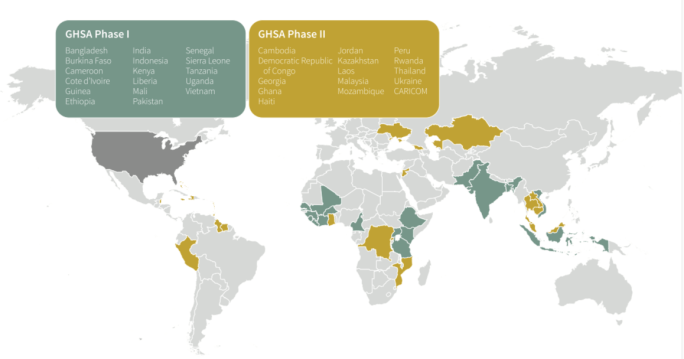
 CDC’s Plans to Scale Back Global Health Security Activity 
A recent article brought attention to CDC plans that would reduce efforts to prevent and respond to outbreaks on a global scale through the global health security agenda (GHSA). “In an email to U.S. and overseas leaders in its global health center, the CDC said it anticipates that if its funding situation remains the same, it will have to narrow activities to 10 ‘priority countries’ starting in October 2019. The email was reviewed by The Wall Street Journal.” The 10 countries include Vietnam, India, Nigeria, etc. “Reductions now would halt critical work midstream and result in a loss of newly trained local experts, said Tom Frieden, the former CDC director who led the effort until a year ago and is now president and chief executive of Resolve to Save Lives, an initiative working on strengthening epidemic preparedness.” In response to this alarming plan, the Global Health Security Agenda Consortium, Global Health Council, Next Generation Global Health Security Network, and Global Health Technologies Coalition, have drafted a letter to newly appointed HHS Secretary Alex Azar, regarding the serious implications of such actions. Sent to HHS, CDC, OMB, State and NSC leadership, they underline the funding ramifications of scaling back on CDC’s efforts regarding the GHSA. “US investments in global health security and deployed CDC personnel are making America safer today. For example, US investments in surveillance capacity in Cameroon have decreased the disease outbreak response time from 8 weeks to just 24 hours.” The letter highlights the recent Ebola and Marburg outbreaks as prime examples of work within the GHSA, but also what occurs when global efforts are not available or lacking. “As the United States and the world begin to reap the benefits of our investments in better disease preparedness, now is not the time to step back. The ongoing danger that biological threats pose to American health, economic, and national security interests demands dedicated and steady funding for global health security. Congress and the Administration must invest in our deployed global biodefense capability.” Nothing short of serendipitous, the National Academies have also released their report from a workshop on Exploring Partnership Governance in Global Health. “In global health, collaboration frequently occurs through public–private partnerships (PPPs), with public and private parties sharing risks, responsibilities, and decision-making processes with the objective of collectively and more effectively addressing a common goal. PPPs include government and industry as well as partners from a range of other sectors. The workshop examined what role governance assumes in global health PPPs through presentations and discussion on transparency and accountability, operational challenges, legal considerations, barriers and strategies for engagement, examples of governance structures and lessons learned, and measurement. This publication briefly summarizes the presentations and discussions from the workshop”

Antimicrobial Resistance Surveillance Efforts and Needs
While the outcome is not surprising, this first release of the WHO’s surveillance data on AMR isn’t pretty. Surveillance data is revealing high levels of antibiotic resistance are in fact, found worldwide. “WHO’s new Global Antimicrobial Surveillance System (GLASS) reveals widespread occurrence of antibiotic resistance among 500 000 people with suspected bacterial infections across 22 countries. The most commonly reported resistant bacteria were Escherichia coli, Klebsiella pneumoniae, Staphylococcus aureus, and Streptococcus pneumoniae, followed by Salmonella spp. The system does not include data on resistance of Mycobacterium tuberculosis, which causes tuberculosis (TB), as WHO has been tracking it since 1994 and providing annual updates in the Global tuberculosis report.” The GLASS program includes 52 countries (25 high-income, 20 middle-income, and 7 low-income countries) and was launched in 2015 as a way to better track and understand the complexities of AMR. Wellcome Trust has also just announced a new strategy to combat AMR on an international scale. SEDRIC (Surveillance and Epidemiology of Drug-Resistant Infections Consortium) will work to strengthen country capacity for AMR surveillance and detection. “We need to better understand where patients acquire bacteria that cause infections – are they acquiring bacteria from other patients, from healthcare settings, water or food or the general environment? Drug-resistant infections are, like us, international travellers. We need to track which borders they cross, and how quickly. Without detailed and up-to-date information we cannot effectively intervene.” SEDRIC will work to fix surveillance gaps across countries by focusing on improving global coordination, identifying critical gaps and barriers, and helping countries to adopt sustainable best practice and strategies. These surveillance efforts and strategies are desperately needed to understand the AMR problem at a global level, especially as it was reported that India’s farmed chickens are dosed with colistin (the antibiotic of last resort). 

CDC Director Steps Down
Dr. Brenda Fitzgerald has stepped down from her role as director of the CDC due to conflicts of interest. “Politico reported on Tuesday that Fitzgerald, a physician and former commissioner of the Georgia Department of Public Health, bought shares in a tobacco company a month into her leadership of CDC, an agency charged with safeguarding public health, including reducing rates of smoking. She took over leadership at CDC in July. After advising the HHS secretary of the status of her financial interests and the way in which it limited her ability to do her job, Azar accepted her resignation, HHS said in a statement.” Dr. Fitzgerald began her role in July and is the second of top health positions appointed by the Trump Administration to resign. Dr. Anne Schuchat is now the Acting Director for the CDC. 

GMU Master’s Open House – February 21st
We’re just a few weeks out from the GMU Schar School MS Open House on February 21st and you won’t want to miss this opportunity to talk to faculty about our biodefense graduate degrees. Whether you’re looking to attend in person or online, this is a great opportunity to discuss the application process, curriculum, and how students are supported in their academic and career goals.

 Hawaii’s False Missile Alert and The Woeful State of US Preparedness
For 38 minutes, residents of Hawaii were alerted that a ballistic missile was approaching the island. A deep-dive of this mishap has found that the “emergency worker who sent a false public safety alert on Jan. 13 warning of an imminent  ballistic missile attack on Hawaii believed that a ballistic missile was truly bound for the state after mishearing a recorded message as part of an unscheduled drill,”. A mix-up in communication between shift supervisors regarding when the drill would run led to a trickle-down of confusion as the day-shift workers were notified of a missile threat (as part of the drill). “Following standard procedures, the night-shift supervisor posing as Pacific Command played a recorded message to the emergency workers warning them of the fake threat. The message included the phrase ‘Exercise, exercise, exercise.’ But the message inaccurately included the phrase ‘This is not a drill.’ The worker who then sent the emergency alert failed to hear the ‘exercise’ portion of the message and acted upon the ‘This is not a drill’ part of the message that should not have been included, according to the report.” Furthermore, the computer systems in place that should’ve been a stop-gap did not detect the difference between test alerts and actual alerts. This event is a prime example of the traditional failure in emergency preparedness exercises (and real events) – communication. Such an event, while frustrating, should be utilized as a teaching tool to truly fix the communication gaps. Sometimes it’s the “did that seriously just happen?” events that teach us the most about the fissures in our preparedness.

Flu Wreaking Havoc on Hospitals, Infection Control Practices Struggling
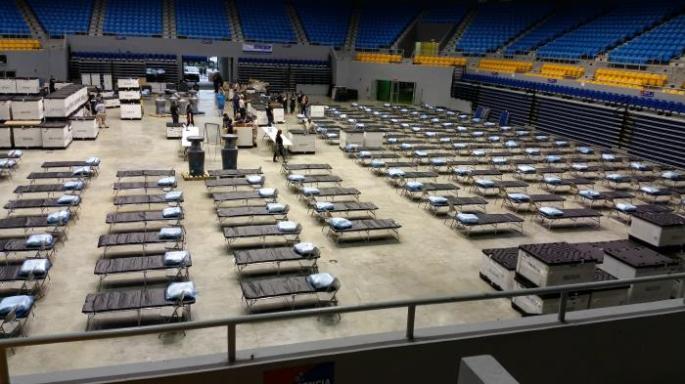
GMU Biodefense PhD student and infection preventionist Saskia Popescu is looking at the current flu situation from the perspective of infection control and healthcare response. “Hospitals are being hit hard by a rapid influx of individuals who are requiring isolation, treatment, and manpower during a time where health care institutions are already suffering from an intravenous (IV) bag shortage. I’ve seen some hospitals go on diversion because they are so inundated with patients that they are unable to accept any more. Hospitals are experiencing shortages of influenza testing kits, conference rooms and outside tents are being set up as triage/waiting areas, personal protective equipment (PPE) stores are being strained. Furthermore, infection prevention and control practices are being stressed against the influx of patients and staff calling in sick. All the while, clinicians are trying to maintain proper isolation precautions. To add insult to injury, a recent study on the transmissibility of aerosols and the role they play in spreading influenza has uncovered some disheartening results.”

Tests Link Syrian Government Stockpile to Largest Sarin Attack
Laboratories performing analysis for the Organisation for the Prohibition of Chemical Weapons (OCPW) have confirmed linkage between the Syrian government’s chemical weapons stockpile and the largest sarin attack of the civil war. “The tests found ‘markers’ in samples taken at Ghouta and at the sites of two other nerve agent attacks, in the towns of Khan Sheikhoun in Idlib governorate on April 4, 2017 and Khan al-Assal, Aleppo, in March 2013, two people involved in the process said. ‘We compared Khan Sheikhoun, Khan al-Assal, Ghouta,’ said one source who asked not to be named because of the sensitivity of the findings. ‘There were signatures in all three of them that matched’.” The test results further reinforce the widespread belief that the Assad regime has not destroyed their chemical weapons supply (and continues to use them), which would violate not only the Chemical Weapons Convention, but also several UNSC resolutions. Russia continues to maintain that the Syrian government has not carried out such attacks and that the OCPW inquiries aren’t reliable, but inspectors continue to find evidence of chemical weapons in Syria. “Independent experts, however, said the findings are the strongest scientific evidence to date that the Syrian government was behind Ghouta, the deadliest chemical weapons attack since the Halabja massacres of 1988 during the Iran-Iraq war.” “A match of samples from the 2013 Ghouta attacks to tests of chemicals in the Syrian stockpile is the equivalent of DNA evidence: definitive proof,” said Amy Smithson, a U.S. nonproliferation expert. “The hexamine finding ‘is a particularly significant match,’ Smithson said, because it is a chemical identified as a unique hallmark of the Syrian military’s process to make sarin. ‘This match adds to the mountain of physical evidence that points conclusively, without a shadow of doubt, to the Syrian government,’ she said.” Furthermore, experts are dispelling the notion that the attacks could have been carried out by rebels, noting that it would be impossible for them to achieve such a coordinated, large-scale attack.

Stories You May Have Missed:

  • South Korea Works to Eradicate Avian Flu Before Olympics – “With the PyeongChang Winter Olympics set to begin on Feb. 9, the South Korean Ministry of Agriculture, Food and Rural Affairs announced Monday that it had confirmed the presence of a highly pathogenic strain of the H5N6 avian influenza virus at two chicken farms south of Seoul, Korea JoongAng Daily reportsThe two farms both are approximately 80 miles to the west of PyeongChang. The government has culled 190,000 chickens at the farm in Hwaseong and another 144,000 at the farm in Pyeongtaek. It also has ordered that 430,000 chickens on farms in a 500-meter radius of the Pyeongtaek farm be slaughtered and has destroyed nearly 500,000 eggs at the Hwaseong farm as a precautionary measure. The government also will inspect and disinfect other farms in the area.”
  • Yellow Fever in Brazil – Cases of yellow fever have jumped in Brazil, based upon data from the Ministry of Health data. “In 1 week, the number of recorded deaths from yellow fever rose from 20 to 53, reported cases rose from 470 to 601, while confirmed cases jumped from 35 to 130, O Globo reported yesterday. All deaths have occurred in Minas Gerais, Sao Paulo, and Rio de Janeiro states. Ministry of Health data lag behind data from state officials, Brazilian media reported. The state health data for Minas Gerais notes 24 deaths (1 more than the federal government count), and Rio de Janeiro recorded 8 deaths (also 1 more than the federal total for that state.)  All reports indicate that Sao Paulo has 21 deaths.”

Thank you for reading the Pandora Report. If you would like to share any biodefense news, events, or stories, please contact our Editor Saskia Popescu (biodefense@gmu.edu) or via Twitter: @PandoraReport
Pandora Report 1.26.2018

In this week’s Pandora Report we’re taking a trip down the horsepox synthesis rabbit hole, looking at influenza transmission, and so much more. But first..the Bulletin of the Atomic Scientists just announced that the Doomsday Clock has been moved and is now two minutes to midnight. You can also read the full testimony from Dr. Tom Inglesby, director of the Johns Hopkins Center for Health Security, during the US Senate Committee hearing on the reauthorization of the Pandemic and All-Hazards Preparedness Act. The Senate has also just confirmed Alex Azar as the new head of Health and Human Services.

The Perilous Road of Horsepox Synthesis 
Unless you were in a state of flu-induced delirium, last Friday was a rather big day in with world of dual-use research of concern (DURC) news. The controversial publication of Dr. Evans’ synthesis of horsepox has brought about a flurry of discussion and debate regarding the implications of not only such research, but also the publication of it. Kai Kupferschmidt provided an overview of the history of this paper and what its publication means, so if you’re needing a refresher, I’d start there. As many within the biodefense and biosecurity industry read the paper, it sparked a renewed concern for how such research has exhumed a gap within DURC oversight and publication review. GMU’s biodefense guru and graduate program director Gregory Koblentz expanded upon his thoughts regarding these oversight failures. Pointing to not only the utter disaster that a smallpox re-emergence would be, he also evaluates the PLOS editorial statement and review of DURC work. “Given the serious potential risks that this research could be used to recreate variola virus, the blanket assertion by the PLOS Dual-Use Research Committee that the benefits of this research outweighs the risks is woefully insufficient. The committee dramatically understates the risks and overestimates the benefits this research presents. The U.S. government has outlined a number of factors to consider and questions to ask about dual-use research when weighing the risks and benefits of conducting and publishing such research. Although this research did not fall under current U.S. regulations on dual-use research of concern, the authors and publisher were well aware of the risks that I and others had raised and they had an ethical responsibility to carefully consider those risks before publishing the article.” NTI’s Dr. Elizabeth Cameron, VP of Global Biological Policy and Programs, weighed in on the publication and how it underlines the need for dialogue at a global level to reduce biological risks. Cameron notes that these hurdles aren’t getting smaller and the incremental approach just isn’t getting us where we need to be. “Moving forward, it’s clear that the capability to create and modify biological agents is outpacing governmental oversight and public debate. Now more than ever, scientific stakeholders, private sector actors, and biotechnology leaders should develop and take specific actions to mitigate risk and accelerate biosecurity innovation.” Dr. Tom Inglesby, director of the Johns Hopkins Center for Health Security, has also put forth commentary on the horsepox synthesis, pointing to the lack of clear-cut benefits and and that ultimately, it created a new risk. Inglesby notes that “The most important locus of control should be whether specific research is approved and funded in the first place. When scientists are considering the pursuit of research that has the potential to increase highly consequential national population-level risks, national authorities and leading technical experts on those issues should be part of the approval process. When there are highly consequential international population-level implications, international public health leaders should also be involved. When researchers put forth claims about potential benefits of this work to justify extraordinary risks, those claims ought not be accepted without discussion; those claims should instead be examined by disinterested experts with the expertise to validate or refute them.” GMU biodefense PhD student and infection preventionist Saskia Popescu also discussed the importance of this publication and why medical providers and researchers should be paying attention to the DURC debate.

ASM Biothreats
The American Society for Microbiology will be hosting their annual conference on biological threats from February 12-14 in Baltimore, MD. If you’re not able to attend, we’ve got you covered with in-depth reporting and analysis by some of GMU’s finest biodefense graduate students. Following the conference, we’ll be providing this report-out as we did with the 2017 conference, so make sure to check back for the scoop on all things ASM Biothreats.

Chemical Weapons – No Impunity
The International Partnership Against the Impunity for the Use of Chemical Weapons has just been launched! “Ringing together around 30 countries and international organizations, its purpose is to supplement the international mechanisms to combat the proliferation of chemical weapons. This intergovernmental initiative deals exclusively with the issue of impunity for the perpetrators of chemical attacks worldwide, and is a forum for cooperation in which the participating States have made several commitments that include gathering, compiling, and retaining all available information on those who use chemical weapons, etc.” Efforts like this are increasingly needed as the use of chemical weapons in Syria has been met with little adverse outcome for those at fault. GMU’s Dr. Gregory Koblentz highlighted Syria’s CW killchain, noting that “Bringing these criminals to justice, however, will be a long, slow, and difficult process. Many individuals who comprise Syria’s chemical weapons kill chain were listed in a U.N. Security Council resolution that was vetoed by Russia and China on Feb. 28.” Koblentz also points out that “So far, the only concrete steps to hold these individuals accountable for their actions are financial sanctions and travel bans imposed by the U.S. and European governments. Although the sanctions themselves are largely symbolic, by identifying these individuals and specifying their role in the chemical attacks, the United States and its European allies are laying the groundwork for future prosecutions once Assad is no longer in power.”

Germ Transmission While Flying
Dr. Nereyda Sevilla, George Mason Biodefense PhD 2017 alum, presented the results of her dissertation at the Transportation Research Board (TRB) 97th Annual Meeting held January 7–11, 2018, at the Walter E. Washington Convention Center, Washington, D.C. The information-packed program attracted more than 13,000 transportation professionals from around the world. Nereyda’s poster entitled “Germs on a Plane:  The Transmission and Risks of Airplane-Borne Diseases” was part of the Young Professional’s Research in Aviation Session.  Her research explored the role of air travel in the spread of infectious diseases, specifically Severe Acute Respiratory Syndrome (SARS), H1N1, Ebola, and pneumonic plague. She concluded that modeling showed that the spread of Ebola and pneumonic plague is minimal and should not be a major air travel concern if an individual becomes infected. On the other hand, H1N1 and SARS have higher infectious rates and air travel will facilitate disease spread across the country.

Schar School Career Fair
Schar School students and employers looking for talented graduate students – on Wednesday, February 14th from 2-5pm, GMU’s Schar School will be hosting a Career Fair at the Arlington campus. “The Schar School of Policy and Government at George Mason University, in conjunction with the School for Conflict Analysis and Resolution, will host our annual career and internship fair that attracts more than one hundred employers from federal, business, and non-profit organizations who are eager to meet our outstanding students.” For our readership – this is also a great place to recruit biodefense students who are passionate about health security!

Nonproliferation Review Call For Papers
Calling all writers of the nuclear, chemical, and biological weapons persuasion – the Nonproliferation Review is accepting manuscripts for publication in 2018! “All submitted manuscripts that are accepted for publication in Volume 25 are eligible to win the Doreen and Jim McElvany prize of $5,000, a $3,000 runner’s-up prize, or a $1,000 honorable mention prize. The deadline to submit is July 6, 2018; however, due to the limited number of pages that we can publish in a single volume, eligible articles will be accepted for publication on a rolling basis. It is therefore in authors’ interest to submit early to ensure consideration for the prize. Submissions must contribute new ideas and insights to the nonproliferation field. The Review’s editors welcome submissions on any topic related to weapons proliferation, including but not limited to chemical, biological, radiological, nuclear, and conventional weapons. Example topics include: activities and developments in international nonproliferation regimes; social, political, and economic dynamics of specific countries and regions with regard to weapons development and/or proliferation; new information on policies or weapons programs of specific countries; the spread of knowledge, materials, or technologies with potential destructive applications; the proliferation of new technologies impinging on international security; measures, either existing or proposed, to control proliferation; the causes of proliferation or nonproliferation; the consequences of proliferation, including its influence on strategic stability and its economic or environmental effects; and the relevant activities of non-state actors, such as nongovernmental organizations or terrorists.”

 Influenza Aerosols
A new study has found that influenza aerosol-spread is more common than previously thought, especially in relation to coughing and sneezing. “To measure transmission, each participant sat in a chamber for 30 minutes with his or her face in a large metal cone, part of a ‘Gesundheit machine’ that captures and measures influenza virus in exhaled breath. Patients were also asked to cough, sneeze, and say the alphabet three times. Altogether, researchers collected 218 nasopharyngeal samples and 218 breathing sample sessions. When the team analyzed the samples, they found that a significant number of patients routinely shed infectious virus—not just RNA particles—into particles small enough for airborne transmission. They were surprised to find that 11 (48%) of the 23 fine aerosol samples acquired when patients weren’t coughing had detectable viral RNA, and of those 8 contained infectious virus, suggesting that coughing isn’t a prerequisite for generating fine aerosol droplets.” The latest news points to not only the importance of staying home when sick, but also the ease of transmission of influenza viruses. While many thought transmission was limited to droplets (i.e. heavier particles that were sneezed/coughed out about three feet), this latest analysis may change the dynamics of isolation.

Stories You May Have Missed:

  • Addressing AMR in Lower-Income Countries – Fighting antimicrobial resistance (AMR) is a global challenge, but we need to ensure that our strategies account for a range of countries and the unique barriers they face. “Although traditional efforts to reduce the spread of antibiotic resistance in these countries have focused on antibiotic use in individuals, LMICs must also address the increasing roles of animal and environmental exposures in this public health crisis, write Maya Nadimpalli, PhD, University of Versailles Saint-Quentin-en-Yvelines, France, and colleagues. ‘In particular, current strategies do not prioritize the impacts of increased antibiotic use for terrestrial food-animal and aquaculture production, inadequate food safety, and widespread environmental pollution,’ the authors stress.”

Thank you for reading the Pandora Report. If you would like to share any biodefense news, events, or stories, please contact our Editor Saskia Popescu (biodefense@gmu.edu) or via Twitter: @PandoraReport