Pandora Report 2.3.2017

Happy Friday! Do you remember the Jurassic Park character Dr. Ian Malcolm and his famous “life finds a way” quote? Well, in this case, nature is finding its own resistance against gene drive in the wild.

Bioterrorism Preparedness & Response Position Paper 
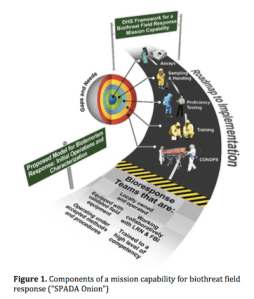
The InterAgency Board (IAB) has released their proposed model for bioterrorism response: initial operations and characterizations. “Under this model, responder organizations that meet eligibility requirements can apply to operate through contracts as approved bioterrorism response organizations within their own jurisdictions. These teams would be trained and equipped to meet a set of national standards and would work collaboratively with the Federal Bureau of Investigation (FBI) and the Centers for Disease Control and Prevention (CDC) Laboratory Response Network (LRN) in bioterrorism incident responses.” Within the report, you can find training standards and procedures for sampling and field biodetection devices. There is also a substantial section on funding that emphasizing the necessity of implementing and sustaining the bioterrorism response model via funding. The funding plan involves “three types of expenses: annual national program costs for WMD-CST and LRN participation of $22,237,824; participating response organizations start-up costs (per team) of $353,660—developed using a notional community;27 and annual participating response organizations costs of $66,332. This model does not address costs for validating field detection equipment performance, which could be significant.” This particular section breaks down costs that range from equipment maintenance to depreciation.

GMU Biodefense Master’s Open House
Looking to study about everything from anthrax to zika while advancing your education? Check out our biodefense master’s open houses – Thursday, February 16th and Wednesday, March 22nd at 6:15pm at our Arlington Campus. These open houses are a great opportunity to learn more about the GMU biodefense program, speak to a professor, and mingle with other biodefense gurus!

2017 ASM Biothreats Conference
The meeting on biothreat research, response, and policy is just around the corner and the Pandora Report is your source for this wonderful event! Registration is still open and we’ll be having four on-the-ground biodefense graduate student reporters giving us all the great updates from this three-day event. We’ll be live tweeting during the meeting and providing a substantial overview regarding certain sessions and more.
koblentz-moonGMU Biodefense Director Talks Growing Threats and Lack of Action
Take a venture down the biodefense rabbit hole with Dr. Gregory Koblentz! A member of the Scientist Working Group on Chemical and Biological Weapons at the Center for Arms Control and Non-Proliferation, you could say that Dr. Koblentz eats, sleeps, and breathes biodefense. His most recent work has looked at the role of responsible science in biodefense programs, dual-use research of concern, and the the growing concern of biosecurity/biosafety. In a recent report, “Koblentz indicates two factors that caused a concerning increase in the number of biodefense programs worldwide. The first was the global fear of the bioterrorist threat in the aftermath of 9/11, especially after the 2001 anthrax attacks. Also, since 2003, there have been several infectious disease outbreaks with global impact that caught people by surprise: SARS, H5N1, H1N1, Ebola and Zika. ‘There’s been a growth in the number of biosafety laboratories that are safe enough to do this work on these kinds of pathogens both because they’re caused by natural causes and also because of the fear of terrorists getting a hold of them.’ The growth in the number of programs poses additional risks themselves. Even though the biodefense programs are created as a means of stopping threats, the increased number of programs means that there are more chances for something bad to happen.” Dr. Koblentz points to the changing nature of biological threats – from state bioweapon programs to non-state actors and even naturally occurring outbreaks. The most recent BWC Review Conference is also a topic of concern for Dr. Koblentz, as he notes that it was “huge missed opportunity, and will setback efforts to reduce the risks posed by biological weapons and bioterrorism. At the outset of the conference [it] looked good. But in the final days of the conference, Iran sabotaged the proceedings and blocked the consensus needed to adopt any of these measures”

U.S. Biotech Rule – A Mixed Bag of Promises and Perils  screen-shot-2017-02-01-at-8-11-00-am
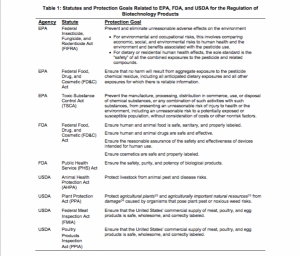
Regulations and policies have been struggling to keep up with the trajectory of genetic engineering. Reviewing these regulations falls on the FDA, EPA, and USDA, which means that they’re responsible for maintaining as modern and relevant practices as possible. Gene editing tools like CRISPR challenge these often slow efforts, however a new proposal was recently released, focusing on the path to market. This pathway, while built with good intentions, is often plagued with cracks. “Earlier this month, the White House released an update to the overarching system of biotech regulation, known as the Coordinated Framework for Regulation of Biotechnology. But it’s still up to individual agencies to clarify how they intend to classify and evaluate various GE products. In an apparent effort to get plans on the table before a change of administration, USDA and FDA put out draft proposals on 18 January addressing several categories of GE products”. As we reported a few weeks back, efforts to use genetically modified mosquitos to combat Zika, were met with residential resistance, which makes these regulations all the more sensitive. The FDA is responsible for overseeing “technologies for sterilizing and controlling animal populations, but giving it responsibility for gauging the environmental impact of a mosquito raised eyebrows on both sides of the debate”. Many have noted that the FDA truly doesn’t have the capacity to review such work in a timely manner. What about genetically engineered plants? Well, the USDA’s APHIS has specific definitions for what defines GE plants, however this definition previously focused on the production process and not the end product. “The proposed rule exempts certain products from the definition of GE, including plants containing inserted DNA from a sexually compatible species, and plants with DNA changes that could also be achieved through older chemical or radiation-based methods.” While many say that this change is good, others worry that the regulations tend to focus on projects that larger companies employ, while smaller companies lack the capacity for such controversial work, meaning that these regulations could inhibit their work.

The Cost of Cooperation in Global Health 
A recent publication in The Lancet looks to the financial backing for global health cooperation via the WHO, the World Bank, the Global Fund to Fight HIV/AIDS, TB, and Malaria, and Gavi, the Vaccine Alliance. Researchers found that the current financial flow allows donors to provide funds and assistance while maintaining closer control and monitoring throughout the entire project. “We highlight three major trends in global health governance more broadly that relate to this development: towards more discretionary funding and away from core or longer-term funding; towards defined multi-stakeholder governance and away from traditional government-centred representation and decision-making; and towards narrower mandates or problem-focused vertical initiatives and away from broader systemic goals.”

Stories You May Have Missed:

  • Federal Hiring Freeze Disrupts USDA’s Food Safety Testing – The transition of the new administration and federal hiring freeze seems to be having some concerning food safety implications. While the FDA has noted that the federal freeze won’t impact the Food Safety Modernization Act, the USDA has highlighted that it is causing issues with the Food Safety Inspection Service (FSIS). “In an internal message sent to FSIS employees on Jan. 18 and obtained by Food Safety News warned that delays in lab tests are expected through at least March 3. The FSIS is responsible for ensuring the safety of meat, poultry, processed egg products and catfish. ‘Effective Jan. 18, 2017, due to a temporary decrease in staffing, results on pathology samples submitted to the FSIS laboratory system will be delayed,’ according to the email sent to all FSIS employees. ‘AMR-01 and rush cases will be given priority status; however turnaround times are expected to be delayed by at least 24 hours on these samples. This is expected to be rectified by March 3, 2017, but is dependent on staffing key vacancies. The Pathology Branch apologies for the inconvenience these delays will cause’.”
  • Is Trump Causing a Brain Drain? – Last week’s immigration executive order  has many in the science community either unable to travel/return to the U.S. or considering relocation. “The Trump White House’s decision to clamp down on communication from various federal agencies, including the Environmental Protection Agency, has left researchers frightened over political influence seeping into their work. And his executive order has left students and scientists in limbo, removed from their classrooms and work. Advocates are warning that the inhospitable environment will lead, quite quickly, to a brain drain. A young generation of thinkers, academics and researchers might simply look to other countries to conduct their work.”
  • The Rise of MCR-1 and the Importance of Understanding the DURC Debate- This week, yours truly is talking to Contagion Live in regards to two very important topics- the rise of antimicrobial resistance and why everyone should understand the DURC debate. It’s easy to get tunnel vision when it comes to science and policy, however so many of these topics are becoming increasingly relevant and in the end, global health security impacts us all.
Pandora Report 12.23.2016

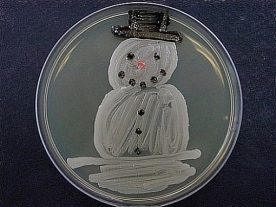
microbiallsnowmanHappy Holidays from your friends at the Pandora Report and GMU Biodefense! If you’re starting a New Year’s resolutions list for things to improve, it sounds like you’ve got company – the WHO is rethinking how it responds to outbreaks.

The Grim Forecast of Antimicrobial Resistance 
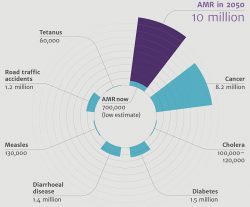
In the wake of the growing threat of antimicrobial resistance, it seems that the worried voices are getting louder but the barriers are growing higher. The return to colistin use points to a growing desperation as physicians are forced to use antibiotics that were previously avoided due to such harsh side effects. Many hospitals have shared their tales of MDRO outbreaks – some stopping as mysteriously as they began, while others have clear culprits. Some hospitals have even begun initiating isolation for any patient who was hospitalized abroad within the last couple of years. It’s also becoming increasingly common for hospitals to pre-emptively test patients via MDRO screening to more rapidly isolate them. The concern is also that few truly new antibiotics have been developed in recent years. “Thirty-seven antibiotics are currently undergoing clinical trials, according to the Pew Charitable Trusts, which keeps track of the U.S. pipeline. Most, however, are based on existing drugs. While these derivatives are cheaper and easier to develop than new classes of drugs, bacteria have a head start in developing resistance to them.Further, most drugs in the pipeline target so-called Gram-positive bacteria, a group that includes the well-known superbug methicillin-resistant Staphylococcus aureus (MRSA). But recently, the main emerging threats have come from the group known as Gram negatives, which are harder to treat because they are encased in tough membranes that repel many drugs.” Many are pointing to a tipping point in 2017 – antibiotics will be consumed by farm animals more than humans worldwide. The UN General Assembly is calling for countries to start getting smart in terms of antibiotic usage but hasn’t set specific goals. Sadly, it seems that there aren’t many more ways this impending reality can be shared – data, shocking titles, future predictions, etc. Check out this factsheet on the use of antibiotics in agriculture and why it impacts resistance. The report has some great suggestions for future work, like refining antibiotic labels and working to collect and report better data. Here’s a spot of good news in this dismal truth – the FDA has just cleared a new one-hour MRSA test to help rapidly identify the lead bug in healthcare-associated infections.

Homeland Biodefense: Science & Technology Capability Review
Just in time for the holidays, it’s like the National Science and Technology Council just knew what biodefense geeks wanted. This report is the product of a comprehensive review of U.S biodefense capabilities, which aided in the prioritization of S&T issues to better strengthen response. The end result is a product of two phases- stage 1: “The goal of this activity was to identify S&T needs articulated by Federal subject matter experts including both science program managers and agency officials in charge of operational programs, to elicit feedback on where additional S&T investments could address operational needs.” Stage 2: “The goal of this activity was to provide coordinated interagency feedback on which needs represent the highest priority to the interagency working group, and to identify which Department or Agency should recommend or coordinate on actions to respond to each of those priority needs.” Scenarios were limited to a handful of events like aerosolized anthrax, avian influenza outbreak (possibly deliberate), food-borne attacks, etc. Perhaps some of the most notable findings were the need to improve abilities to systematically assess how much risk has been mitigated by biodefense investments, understand the impact of bioattacks on companion animals and wildlife, several deficiencies in regards to technical staff and lab infrastructure, etc.

Greek Food Terrorism Threats 
Member of an eco-anarchy group in Greece, FAI/IRF, are announcing their threats for food terrorism over the holiday. The time frame for attacks is December 22nd – January 5th, 2017 and the group has said that their focus is on causing economic disruption, not poisoning people. FAI/IRF has shown their process for poisoning various food and beverage items as their targets include Coca-Cola, Nestle, Unilever, and Delta. Many of these companies have chosen to withdraw specific products from an area in Greece. The group has shown how they can poison foods/beverages with chlorine and hydrochloric acid while leaving the packaging in place. “The four companies that withdrew products were named in the FAI/IRF statements. The eco-anarchists claim to be opposed to both capitalism and Marxism. They contend in their statement that Coke profits from ‘forced labor’ in China and Nestle is ‘held responsible’ for the death of 1.5 million children in the third world. No substantiation was provided for either claim.”

80140100189470lThe Commandant’s Reading List 
In the latest Army Chemical Review (Professional Bulletin of the Chemical Corps) you can find the Commandant’s Reading Program, compiled by Lieutenant Colonel James P. Harrell, which contains a great assortment of books to add to your reading list (or last minute shopping list!). From Laurie Garrett’s The Coming Plague to Michael Oldstone’s Viruses, Plagues, & History, you can pick up some top CBW books. GMU Biodefense’s very own director and professor, Gregory Koblentz, had his book, Living Weapons: Biological Warfare and International Security, make this list, so make sure not to miss it!

Test Driving Genetically Engineered Mosquitoes
Take a tour through the world of genetically engineered mosquitoes at Imperial College London with genetic engineer, Andrew Hammond. What makes these particular mosquitoes especially unique is the use of gene drive to ensure virtually all offspring acquire the desired effects. “Hammond’s team is genetically engineering the Anopheles gambiae mosquito, which is the primary species that spreads the malaria parasite. Nearly all of the offspring of the modified mosquitoes inherit mutations that knock out the genes females need to make eggs. ‘If we can sterilize the females,’ he says, we ‘can actually eliminate a whole mosquito population without affecting those mosquitoes that don’t have the capability to transmit malaria’.” Hammond gives a great tour of the process for creating gene-drive mosquitoes while discussing the dangers of gene drive and genetic engineering. While there is a wealth of opportunity to do good with tools like CRISPR, there’s also the concern that there could be unintended consequences or events we can’t even imagine. To combat the potential risks, there are also research teams working to keep CRISPR in check.  “A team of scientists that previously identified genes within bacteriophage genomes that code for anti-CRISPR proteins has now discovered phages that harbor an antidote to the Cas9 enzyme that is a key component of the predominant CRISPR system that is today used as a gene-editing tool. The team, led by the University of Toronto’s Alan Davidson, described three bacteriophage-encoded, anti–Cas9 genes and showed that the corresponding proteins are able to block the activity of CRISPR-Cas9—derived from bacterial type II CRISPR-Cas systems—in human cells.”

FEMA’s Ricin Mishap 
Going through the Center for Domestic Preparedness (CDP) training a few years back was a fascinating experience – how many times do you get to train with ricin or anthrax and then move into a pandemic preparedness exercise? For this biodefense student, that’s what I call a good time! Sadly, CDP just announced their entry into the club of biosafety failures. The facility is blaming an outside lab for shipping the wrong form of ricin powder…since 2011. “The training center says it submitted order forms asking for a type of ricin extract that is unlikely to cause serious harm. But officials from Toxin Technology, the Florida company that sent nine shipments to the center since 2011, told USA TODAY that its ricin products were all accurately labeled as ‘RCA60’ – a scientific name for the whole ricin toxin, which can be deadly. It’s unclear why training center staff didn’t recognize for years that they were working with a far more dangerous substance.” The news broke late last week and on Saturday, I received an email from CDP regarding the suspension of those classes and some comments on the incident. Here are some of the highlights:
-In November 2016, while making a purchase of ricin A-chain for training, CDP staff recognized an ongoing discrepancy in the documentation related to the type of ricin being provided. The vendor has now said the more toxic holotoxin version of the materials was provided since 2011. It was previously believed that all remaining ricin on campus had been destroyed. This week, it became known that, while CDP had indeed destroyed all of the ricin in question, additional ricin training material, a solution marked A-chain remains securely stored on the premises. This material was not received from the vendor in question and we are working with the appropriate authorities to safely dispose of the additional ricin material.
-As an example, the protective gear you wore exceeded what would be required for working with ricin slurry.  Students who trained with the agent were in full Level C personal protective equipment at all times when training.  We have no indication that students were exposed directly to the holotoxin or harmed by it.

Zika Outbreak Updates
Not surprisingly, researchers are pointing to the impacts of climate change on infectious diseases. Recently, many have noted the role of climate change and El Niño on laying the groundwork for Zika to spread so quickly and proficiently throughout South America. A new study describes interworking of the virus and the mechanisms it utilizes for damage in pregnant women and developing babies. The CDC has reported 4,756 cases in the U.S. as of December 21st.

Stories You May Have Missed:

  • Public Health Preparedness Assessment for Each State – The Trust For America’s Health assessment was just released for each state based on 10 indicators for preparedness. Sadly, it seems that most states are not prepared for disaster. Twenty-six states and Washington, D.C. scored a six or lower on the indicators for public health preparedness. “The most striking are gaps in the ability of the health care system to care for a mass influx of patients during a major outbreak or attack and lack of a coordinated biosurveillance system. ‘Biosurveillance does remain a major ongoing gap,’ Segal said. Given all the recent technological advances, there is the potential for a ‘near real-time’ surveillance system to detect outbreaks and to track containment effort, yet the dream eludes our government, she said.”
  • How A Pandemic Might Play Out Under Trump – The Atlantic’s Ed Yong is looking at how the incoming administration will handle the growing threat of emerging infectious diseases. Outbreaks can make or break leaders and often are canaries in the coal mine for systemic weaknesses. “They demand diplomacy, decisiveness, leadership, humility, and expertise—and they quickly unearth any lack of the same. ‘As far as I can tell, Trump has zero experience on this,’ says Jack Chow from Carnegie Mellon University, who has worked at both the World Health Organization (WHO) and the State Department under Colin Powell. ‘If I asked him, ‘What is your stance on global health?,’ I don’t know what he’d say. I don’t think anyone really does’.”

Pandora Report 12.16.2016

Sick to your stomach? Make sure to tweet about it! Seriously – the UK Food Standards Agency is using social media to track stomach bugs like norovirus. Before we venture down the biodefense rabbit hole, have you ever wondered what would happen if college students tried to hack a gene drive?

GMU Biodefense PhD Writes ‘Groundbreaking’ Thesis on Cyber Warfare– GMU Biodefense PhD graduate, Craig Wiener, is talking about his PhD experience and the amazing work he did on his dissertation. Craig’s story is pretty unique – between the commute from his position at the Department of Energy’s National Nuclear Security Administration, to his background in biodefense and research in synthetic biology, he’s a prime example of the diverse and passionate students we see in the GMU biodefense program. “Wiener’s PhD dissertation, ‘Penetrate, Exploit, Disrupt, Destroy: The Rise of Computer Network Operations as a Major Military Innovation,’ is groundbreaking, said Gregory Koblentz, director of Mason’s biodefense graduate program, and it has nothing to do with biodefense. Wiener connected some rather complicated dots in determining the origins of computer network exploitation and computer network attacks in the U.S. intelligence community. ‘I’ve established that computer network operations are a major military innovation, and it was developed by the U.S. intelligence community…. It’s the first time the intelligence community has developed a weapon system,’ said Wiener.” A labor of love, his work will significantly contribute to the history of cyber warfare and is a prime example of what makes GMU such a wonderful university to study.

FDA Review of 2014 Variola NIH Incident

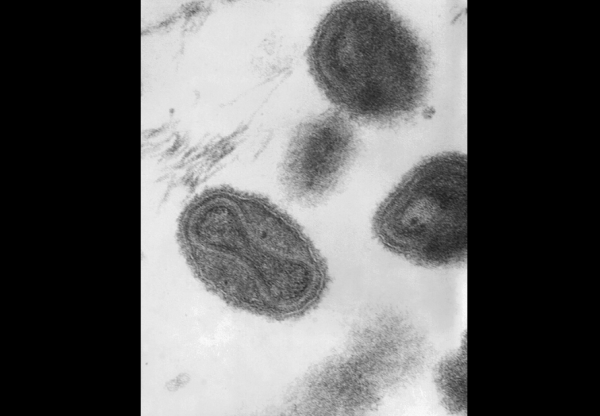
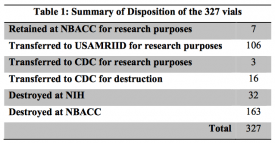
screen-shot-2016-12-14-at-7-57-52-amThe newly released report, “FDA Review of the 2014 Discovery of Vials Labeled ‘Variola’ and Other Vials Discovered in an FDA-Occupied Building on the NIH Campus”, details the findings and corrective actions following the FDA’s internal investigation of the 2014 incident. The compilation includes several interviews, findings from reports and site visits, and a timeline of events leading to the discovery of the 327 vials on July 1, 2014. Some of the findings include: “There was no single individual responsible for the entire contents and operation of the shared cold storage area. FDA did not follow the CDC Select Agent Guidelines for the packaging and transfer of samples to a high containment facility for securing the materials.” There were six findings in the report, which included corrective actions, future actions, and compliance mechanisms. The report also includes the table regarding the disposition of the 327 vials. “It was noted that an internal, inward-looking investigation by the FDA had not formally started at the time of the hearing because both the CDC and FBI were in the midst of their own investigations of the incident.  However, FDA informally started an internal review and audit of the incident to understand the failure points to implement best policies and practices to prevent such incidents from happening in the future.”

Global Virome Project – You may remember reading  this summer about finding the next patient zero via a speaking engagement from USAID Director for Global Health Security and Development Unit, Dr. Dennis Carroll. The truth is that outbreaks like Zika and Ebola have shown us that countermeasures are invariably weak and viruses like to hide out in nature. This formidable reality has led to the development of the Global Virome Project, which looks to catalogue viruses from all over the world as a means of identifying the threats before they can identify us. “The idea has been around for a while and is supported by individual scientists and organizations including the US Agency for International Development, the nonprofit EcoHealth Alliance, HealthMap, ProMED, and the epidemic risk firm Metabiota. Now support for a global push may be picking up momentum, as scientists and health organizations find themselves repeatedly called upon whenever new threats arise.” An extension of the vision that brought about the PREDICT project, the Global Virome Project looks to make the process more efficient and effective by utilizing new methodology. While knowing the existence of a disease does not equate to preparedness, the understanding of how it interacts with humans and where it hides can help us determine risk and vaccine development. “For instance, knowing that the risk of contracting viruses carried in a species of bats is highest when their offspring are young might push ecotourism operators to avoid caves at those times. And Carroll said filling in more of the picture of the viral world will simply help scientists understand its patterns and interactions better. Right now, predictions are based on the behaviors of a few hundred known viruses, he said.”

2017-2022 Health Care Preparedness and Response Capabilities – The Office of the Assistant Secretary for Preparedness and Response has released their report outlining “the high-level objectives that the nation’s health care delivery system, including HCCs [health care coalitions] and individual health care organizations, should undertake to prepare for, respond to, and recover from emergencies.” The report further breaks down the capabilities into four sections that will, when combined and fully followed, enable full readiness. The four sections are Foundation for Health Care and Medical Readiness, Health Care and Medical Response Coordination, Continuity of Health Care Service Delivery, and Medical Surge. The report is extremely detailed and includes a wide variety of methods for identifying and coordinating resource needs during an emergency, setting up a health care EOC, implementing out-of-hospital medical surge response, and much more.

Blue Ribbon Study Panel Report on Biodefense Indicators– I remember the excitement during the Blue Ribbon Study Panel presentation on their recommendations since the Ebola outbreak. The room was packed with so many contributors to biodefense and there was a sense of fervor regarding the possibilities that could come from their 87 recommendations. Sadly, it seems that enthusiasm isn’t enough to get the work completed. It seems that an overwhelming majority haven’t been completed, according to the latest report. In fact, Tom Ridge and Joseph Lieberman have taken to TIME magazine as a means to implore the incoming administration to help protect the U.S. from bioterrorism and infectious disease threats.

Nanotherapeutics Opens Plant Near Progress Park – Nanotherapeutics opened their new $138 million 183,000-square-foot plant near Progress Park in Alachua, which was built to fulfill a DoD grant that could be worth up to $359 million. “The purpose and the capability of this facility is really fundamentally to avoid a surprise and be better prepared,” said Chris Hassell, deputy assistant secretary of defense for chemical and biological defense. “Sixty years after Pearl Harbor we were surprised again with the anthrax mailings and other events of 9/11, so this whole issue of surprise is a common area of discussion, what can we do to avoid surprise, to defend it, to respond to it more effectively and to that end this facility is very important to our capability to do that.” The DoD maintains several contracts for vaccine and treatment manufacturing, however Nanotherapeutics has tackled several of the struggles with efficiency that have plagued several other efforts. Utilizing disposable bags within stainless steel equipment allows for less clean-up and quicker transitions to help make the process more efficient and successful. The new plant follows strict NIH and military guidelines regarding waste and handling of hazardous materials, not to mention a pretty hefty security system.

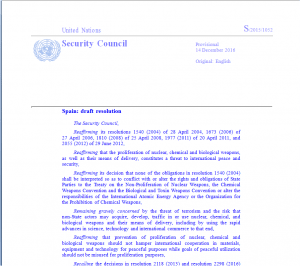
czqg73pwiaacplk-png-largeUNSC 1540 Resolution – The United Nations Security Council unanimously voted on Resolution 1540 this week, which is especially prudent given the devastation in Syria and use of chemical weapons. The overwhelming adoption of the 1540 review resolution furthered the fight to keep WMD’s out of non-state actor hands. Resolution 1540 was adopted in 2004 and extended periodically through 2012 as a means of imposing binding obligations on all states to adopt legislation to prevent the proliferation of nuclear, chemical, and biological weapons. The open debate, “Preventing Catastrophe: A Global Agenda for Stopping the Proliferation of Weapons of Mass Destruction to Non-State Actors” took place on December 15th, ending the second review of 1540 implementation. “The Council is expected to adopt a resolution endorsing the review and noting the findings and recommendations contained in its report, which was agreed by the 1540 Committee last Friday”. The comprehensive review process has been somewhat challenging lately due to differences in Council member priorities and ambitions. “Russia and China made clear that they did not see the need for radical changes in the functioning or mandate of the Committee, whereas Spain, as the chair of the Committee, and other Council members, such as the UK and the US, were pushing for more substantive measures and new approaches. As a result, the discussions in the 1540 Committee on the report of the review were quite contentious, in particular with regard to its conclusions and recommendations. It took more than two months of intense negotiations after the Committee considered the first draft of the report on 27 September to reach agreement on the final document. The whole review process has taken almost two years.” We’ll make sure to keep you posted as news is released!

Avian Influenza and Global Trade Conditions– A series of avian influenza outbreaks are challenging the positive 2017 outlook for the global poultry industry. These events are especially distressing for the poultry industry as the global pork and beef production is rising. “The return of avian influenza is now shaking up global trade conditions and is especially affecting the outlook for Asia, Europe and Africa,” the report said. “It will also be a test for the U.S. industry after last year’s multiple AI outbreaks. As many European and Asian countries are exporters of meat and breeding stock, this will certainly impact the outlook for the industry and could shake up meat and breeder trade again.” The increasing protectionism and disease-related traded restrictions have caused some slowing within the poultry trade. This report comes at an auspicious time as the WHO warns of a H7N9 pandemic.

Zika Virus Updates- The most recent Florida Department of Health daily updates can be found here, which found six new travel-related cases on 12/14 and no new locally acquired cases. The CDC has issued a travel advisory for Brownsville, TX due to Zika virus. A new study has estimated the prevalence of Zika by the time a microcephaly case is detected. Saad-Roy, et al. (2016) explain, “this model gives us the probability distribution of time until detection of the first microcephaly case. Based on current field observations, our results also indicate that the percentage of infected pregnant women that results in fetal abnormalities is more likely to be on the smaller end of the 1% to 30% spectrum that is currently hypothesized. Our model predicts that for import regions with at least 250,000 people, on average 1,000 to 12,000 will have been infected by the time of the first detection of microcephaly, and on average 200 to 1,500 will be infectious at this time. Larger population sizes do not significantly change our predictions.” The CDC has reported, as of December 14th, 4,617 cases in the U.S.

Stories You May Have Missed: 

  • Biological Security Threats Situation Report – In this report from the Danish Centre for Biosecurity and Biopreparedness, you can find an assessment of current biological threats and risks. The authors note that “the overall likelihood of a major biological terrorist attack must be viewed as relatively low at the moment, but a successful attack could have grave consequences for societies.” Focusing on the capacity to respond to intentional attacks through biosecurity and biopreparedness is vital. The report looks at the risks from state, non-state terrorists, and criminals in its assessment.
  • DHS Backs Development of Livestock Disease Outbreak Readiness Program – America has a soft underbelly and it’s livestock and agriculture. The new funding for the National Agricultural Biosecurity Center (NABC) project to develop the readiness program is just over $330,000 and “will provide a clearinghouse for planning, training and knowledge products to help state, local, tribal and territorial entities prepare for transboundary livestock disease outbreaks.he program also entails extensive collaboration of academia, private industry and state governments. Faculty and staff in the Beef Cattle Institute and the College of Veterinary Medicine will provide subject matter expertise and assistance building the website, and student workers will be employed to assist with the project.”
  • ABSA International  – Don’t miss the USDA and the Agricultural Research Service’s 4th International Biosafety and Biocontainment Symposium- Gobal Biorisk challenges: Agriculture and Beyond. This symposium will take place from February 6-9th at Baltimore Convention Center. Topics will range from biorisk management challenges in one health world, arthropod containment in plant research, and much more!

Pandora Report 12.9.2016

Happy Friday and welcome to your weekly source for all things biodefense! Can you guess the 37 viral species that may have epidemic potential? Like something out of a horror movie, a team of researchers found the oldest  known smallpox virus sample in a naturally mummified child in Lithuania.

Learning From Ebola – Workshop Proceedings from NAS & Laboratory Battles
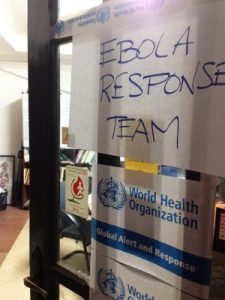
17649_phil_who_on_site_ebola_outbreak_2014This week was rich with information from the 2014/2015 Ebola outbreak and the lessons we’re still extracting from it. The National Academies of Science released their 136 pages proceedings from a workshop on the Ebola epidemic in West Africa. This is an extremely in-depth review of the situation, the failures, and what we’re doing to prevent it from happening again. If you don’t have time to read the full 136 page (too bad they don’t have it as a book on tape, right?), they’ve broken it down into sections- the outbreak, global preparedness and response, current and future research, etc. The actual body of the paper is about 65 pages but there are some gems in the appendixes – EVD preparedness in Germany, the view from the national institute of allergy and infectious diseases, and more. I found the outbreak section particularly interesting as it discussed the differences with previous outbreaks. This section noted the weakening of the affected countries through ongoing civil unrest and relative inexperience when dealing with ebola. Another great resource this week comes from the African Journal of Laboratory Medicine. They’ve just released a special edition that focuses on global health security during the Ebola outbreak. You can find articles on building laboratory capacity to combat diseases in Africa, the lab health system and its response to the EVD outbreak in Liberia, Sierra Leone’s lab system now and in the future, etc. The article on building lab capacity points to issues with Ebola, but also notes the challenge that several countries have in meeting the GHSA as their national disease programs are fragmented and have not yet joined the national lab networks, surveillance systems, and health research institutes. Interestingly, the focus then turns to antibiotic resistance and emphasizes the critical role of labs in detection and containment of AMR’s, which is a serious deficiency in Africa.
Since we’re already talking about Ebola, the CDC just released an article in their Emerging Infectious Diseases journal, regarding media messages and the perception of risk for ebola in the U.S. I think many of us can appreciate the significance of this article as media representation and messaging of risk during this outbreak was just another in a long list of mis-information and avoidable hysteria. The researchers reviewed U.S.-focused news about Ebola from July1-November 30, 2014 and found an abundance of risk-elevating messages. “Overall, 96% of print and television news stories that covered EVD in the context of the United States included >1 risk-elevating messages, 55% of stories contained >1 risk-minimizing messages, and 53% contained both message types. The most common risk-elevating messages (72%) concerned foreigners or travelers bringing Ebola virus to the United States. The most frequent risk-minimizing messages (32%) described scientific knowledge about EVD (Table).” When it comes to responding to ebola and other emerging infectious diseases, aside from the change in media habits, there’s a lot we still need to learn. Some of the more high-priority recommendations DHHS is trying to focus on include the role of the U.S. in aiding countries with limited surveillance and response capabilities (GHSA!), forming a pot of discretionary funds, capacity to call on the necessary public health experts, and clear guidelines for when the U.S. will send medical personnel to other countries.

antimcrresukreview2Farm Animals Are Now Resistant to Antibiotic of Last Resort
Is this the start of the antibiotic apocalypse? A recent study found the presence of carbapenem-resistant (carbapenems are antibiotics that are last-line drugs for severe bacterial infections) bacteria in agricultural settings. Firstly, it’s important to note that because there is concern over this issue, carbapenems are not supposed to be used in agriculture. The samples that revealed the presence of the resistant microbes were taken during a study of a pig farm over the course of five months, and were collected from the floors, walls, fecal samples etc. The good news – none of the resistant bacteria were found in pigs, however it was found in sows and piglets. Dr. Wittum, chair of veterinary preventive medicine at Ohio State University, noted that “farms do not use carbapenem antibiotics not only because doing so is illegal, but that it’s also very expensive. ‘How the [resistant bacteria] got onto the farm we really don’t know,’ said Wittum in an email exchange with TIME. ‘But probably it was introduced from the outside from movements of wildlife, people, equipment, etc.’ He says it’s possible that other legal antibiotics used on the farm could be contributing to the maintenance and spread of the bacteria, but more research needs to be done.”

CRISPR Mortal Combat 
Before we get into the battle that is the CRISPR patent world, Cold Spring Harbor Laboratory (CSHL) just announced the creation of a new molecular tool to change the genomes of plants that will strengthen harvest yields and expand their geographical range. CSHL researchers established a process to make two kinds of tomato plants flower and produce ripe fruit two weeks faster than what is currently possible. “The impact of this discovery cannot be overstated, as the potential impact could mean more plantings per growing season and thus higher yield. Moreover, it also means that the plant can be grown in latitudes more northerly than currently possible. Attributes that are extremely important as the earth’s climate warms and population continue to burgeon.” On to the battle of CRISPR patents! Things have been getting nasty in these hearings and Tuesday morning saw the first and only oral arguments over a patent. “The nasty dispute pits the University of California against the Broad Institute of Harvard and MIT for rights to key patents on CRISPR genome-editing. Since April 2014, the Broad has received 13 CRISPR patents, based on work led by its bioengineer Feng Zhang, but UC believes it deserves some of the most foundational ones, reflecting earlier work by its biochemist Jennifer Doudna and her collaborator Emmanuelle Charpentier.” STAT highlighted three very crucial questions that are being asked by so many as we sit in the audience of this gladiator-like spectacle- should we even be here, what are we arguing about, and why hasn’t there been a settlement? While there are potentially billions of dollars at stake, this could also change the nature of the exclusive and non-exclusive licenses to CRISPR technology. The patent dispute also comes at an interesting time for patent laws. “On March 16, 2013, the U.S. patent system switched the way patents are awarded: Previously, a patent was granted to the very first party to invent something; now, a patent simply goes to whoever files a patent application for an invention first. As it happened, Berkeley filed its initial patent just one day before the March 16 switchover. So here we are trying to figure out who invented CRISPR first.”

Enhancing BioWatch Capabilities Through Tech & Collaboration
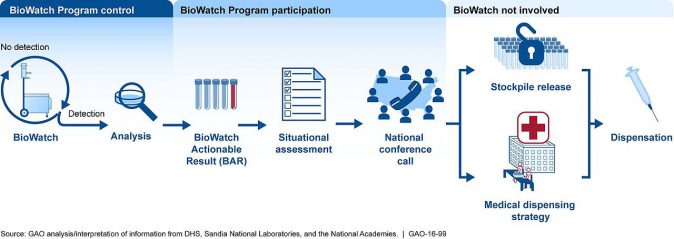
The latest National Academies of Science publication looks to BioWatch and how we can improve it. In response to the 2015 Government Accountability Office (GAO) report Biosurveillance: DHS Should Not Pursue BioWatch Upgrades or Enhancements Until System Capabilities Are Establisheda NAS workshop was requested by DHS to further explore the findings and impact they may have on the future of BioWatch. The report reviews the recommendations from GAO and the DHS response, and then discusses the BioWatch collaborative planning process. One particularly interesting section focused on future opportunities for state and local collaboration. Several participants noted their state and local health departments deemed homeland security as a top issue and were open to participate on special projects but often met barriers when working with security and the Secret Service. The publication is definitely worth the read in terms of the issues encountered with BioWatch and what future goals might be. It’s also a breath of fresh air to hear accounts from local public health sources regarding their experiences.

Spanish Minister of Foreign Affairs Chairs High Level Security Council WMD Debate 
On December 15th, the Spanish Minister for Foreign Affairs, H.E. Mr. Alfonso Dastis, will be chairing a high level open debate of the Security Council on the topic of “Preventing catastrophe: A global agenda for stopping the proliferation of weapons of mass destruction by non-state actors”.  The debate will focus on the process to strengthen a preventative system to avoid humanitarian, political, and economic catastrophe that the use of WMD’s by non-state actors would entail. “The debate will take into account the conclusions of the report of the Comprehensive Review of Resolution 1540 (2004), which will be sent to the Security Council by end November and sets the basis of a global agenda to achieve full implementation of resolution 1540 (2004) by 2021, when the current institutional arrangements adopted by the Security Council in this field will expire. Particularly, the debate aims at reflecting on the practical measures that the Security Council and the UN System, Members States, international organisations and relevant sectors of civil society can adopt to prevent non-State from accessing or using WMD. The debate will have a practical and action-oriented approach that connects the discussion with real life, thus creating momentum for an improvement of the effectiveness of the preventive system in the fight against the proliferation of WMD, perhaps the biggest threat the world faces presently. Participants in the open debate are also encouraged to announce specific commitments for implementing the main recommendations of the Comprehensive Review, including financial support for those with the capacity to do it, to push forward the global non-proliferation agenda and directly contribute to a safer world.” The best part? The debate will be open to the public and broadcast over the internet!

Zika Virus Updates
The CDC has reported 4,575 case in the U.S. as of December 7th. The daily Florida Department of Health counts can be found here, in which you’ll see three new travel-associated cases and five new locally acquired cases reported on December 8th. The CDC has released a new article in their EID journal regarding the characteristics of US travelers to Zika-virus affected countries in the Americas from March 2015-October 2016.  They found that 3/4 of the travelers were men or women of reproductive age. The New York City department of health just announced that a 5th baby has been born with Zika-linked brain developmental issues. This makes five babies since July to be born with neurological development symptoms, like microcephaly, related to maternal infection. Arthur Caplan is talking to Forbes about how the Zika outbreak foretold Trump’s win.

Stories You May Have Missed:

  • Big Data & Analytics for Infectious Disease Research, Operations, and Policy – You can now download this NAS workshop document for free! Get the latest news on how big data is a tipping point for global health and surveillance systems. The book includes information on utilizing big data, combating antimicrobial resistance with it, and some great case studies. It points to the range of opportunities for use, however there are several challenges to really access the full potential – like usage, access, interoperability, analysis, validation, liability, security, etc.
  • Responding To The Next Ebola – Will Your Smartphone Play A Role?– Just when you thought we were done talking about Ebola…one of the greatest strengths technology has given us is speed. Coincidentally, that’s something we desperately need when fighting an infectious disease in an area with constantly moving people. Researchers tested this out by logging the number of calls from individual cell towers and then mapping the movement of people throughout the country. “Already, we’re getting immensely valuable insights about what happens during epidemics, and where we need to target our treatment efforts. For example, mobile mapping has confirmed that, in the wake of an epidemic or natural disaster, people head home to their families. So if you’re planning for worst-case scenarios, you can make a surprisingly good forecast by loading up migration data from national holidays such as Chinese New Year, Christmas or Diwali.”
  • Re-emergence of Syphilis Traced to Pandemic Strain Cluster– the past few decades have seen a growth in syphilis cases globally. Researchers led by the University of Zurich analyzed low levels of DNA to delve into the history of syphilis strains. They found that all strains from modern patients share a common ancestor from the 1700s. In fact, the dominating strains of today originated from a pandemic cluster following the 1950s. The concerning aspect of these strains is their ability to fight off the second-line antibiotic, azithromycin.


Pandora Report 12.2.2016

Welcome to December! We hope you had a lovely Thanksgiving holiday. If you’re still craving poultry and happen to be in Sweden, you may want to keep in mind that the first H5N8 case was just detected. Want an overview on genome editing? Check out the Parliamentary Office of Science & Technology’s note on it here.

Army Reprimands General Over Anthrax Debacle
Biosafety failures have been an increasing concern over the last few years. Within the last few years, the Pentagon was involved in mistakenly shipping live anthrax to nine U.S. laboratories and an airbase in South Korea after failing to inactive the bacteria. The Army has now reprimanded Brig. Gen. William King, the highest-ranking officer implicated in the events. “A reprimand prevents an officer from receiving another assignment, effectively ending his career, according to a Defense official familiar with King’s case but not authorized to speak publicly about it. ‘Brig. Gen. King was reprimanded for failing to take appropriate action to respond to and mitigate lapses in safety and protocol while serving as commander of Dugway Proving Ground,’ Lt. Col. Jennifer Johnson, an Army spokeswoman, said in a statement.” Nine civilians were also demoted and another soldier was disciplined in this attempt to clean up the biosafety mess that has plagued military labs. Investigators at Dugway found several failures – a biosafety officer who lacked training and education needed for the job, failure to conduct routine environmental tests to ensure there was no breach in containment, and staff who “regularly manipulated data” certifying pathogens were safe to for use without PPE and shipment.

The Failure That Was the 8th RevCon epic-failure-thumbnail1-1
The 8th Review Conference of the BWC has closed and with it, the hope of reaching an agreement on a work plan for the next five years to strengthen the intersessional process. You can read the UN Office at Geneva statement here, in which they note that during the RevCon, a Final Document was adopted (including a Final Declaration on the articles of the Convention), renewal of the mandate of the Implementation Support Unit, and this RevCon had higher attendance than previous BWC meetings. If you’d like detailed overviews of each day’s proceedings, you can find them here – in the last day, you can see the frustrations and disappointment voiced by several countries.. The 8th RevCon did decide that States Parties will hold annual meetings in the process up to the next RevCon (2021), with hopes of reaching consensus regarding the intersessional process. You can also read the statement by U.S. State Department’s spokesperson, John Kirby, here, in which he points to the failures of the group to find consensus on a work plan (a plan that was highly supported by the U.S. and would involve much more intensive expert work to make decisions more frequently than every 5 years) to infuse decision-making and expert work into the intersessional process. Kirby’s statement notes that “While the United States does not support the need to negotiate a supplementary treaty, during the review conference, U.S. negotiators were supportive of creating a space in the post-RevCon work-plan for discussion of the full range of proposals to strengthen the Convention, which would have allowed proponents of a protocol to make their case. Although the United States is disappointed that negotiators did not take this opportunity to strengthen the intersessional process, the lack of consensus on a program of work does not damage the international nonproliferation regime.” While many of the official documents note “disappointment”, the realities of those in attendance were marked with frustration at the utter failure that was the 8th RevCon. Some of the noted frustrations including the halting of summer meeting of experts (MX), failure to increase ISU staff, and again, inability to agree on an intersessional process that would facilitate more real-time decision making with the necessary experts. “In their final declarations many countries, especially from the Non-Aligned Movement (NAM), put the blame squarely on Iran (without naming the country). This country’s obsession with returning to a negotiation format like the Ad Hoc Group to achieve the higher goal of a legally binding instrument—possibly with the sole goal of antagonising the USA—led it to exploit to the fullest to principle of consensus decision-making to torpedo any effort at compromise. Many NAM countries—often developing nations—lost out on concrete opportunities for international cooperation and assistance.” You can read the advanced version of the final report here. While this floundering don’t mean the end of the BWC, the lackluster outcome may indicate a gradual slip in overall confidence.

U.S. Military Preps for Gene Drive Woes genetic_manipulation
The new advances in genome editing and biotech point to a bright horizon for innovation, however the safety components to these advances are in need of response measures. DARPA is now working on a new program to respond to potentially harmful or devastating ecosystem outcomes that may come from engineered genes. Safe Genes will be a means of responding to a situation in which the gene-drive systems produce an outcome throughout generations that may be negatively impacting to the ecosystem. This may make genome editing systems, like CRISPR, sound nefarious, but there are growing hopes that this technology could alter insects or pests that carry diseases like malaria, dengue, etc. The gene-drive systems mean that within 20 generations, the newly altered genes could be passed through an entire population of insects (i.e. within 20 generations, a certain species of mosquito could be unable to carry malaria). The Bill and Melinda Gates Foundation has doubled its spending on gene drive tech and even DARPA has been one of the largest funders of synthetic biology research. While the the rewards may be high, so are the risks. “Kevin Esvelt, head of the Sculpting Evolution lab at MIT Media Lab, which is applying for Safe Genes funding in collaboration with eight other research groups, predicts that eventually, perhaps around 15 years from now, an accident will allow a drive with potential to spread globally to escape laboratory controls. ‘It’s not going to be bioterror,’ he says, ‘it’s going to be ‘bioerror.'” Several research teams, including those at the DARPA program, are looking to remove, replace, or inhibit the unwanted genetic changes that are made in order to best respond to a negative outcome. Getting rid of the engineered genes from a species or habitat is one focus area for DARPA’s new program – the second encourages teams (who received funding from Safe Genes) to create systems for controlling/reversing gene editing tools, and the last focal point is on developing small molecules or antibodies that allow organisms to fight off genome editors at the molecular level. “Evolutionary geneticist Austin Burt, who leads Target Malaria’s research at Imperial College London and has no affiliation with Safe Genes, concurs. The prospect of remediation, he says, ‘shouldn’t give us a cavalier attitude.’ Instead, the goal should be to do the incremental work to anticipate and prevent problems. ‘We have the precedent of biological control,” he says, “where if you have an invasive pest that is destroying your crop, you can release a parasitoid wasp,’ which kills its host. ‘They do a very careful assessment. They don’t have something in their back pocket,’ to delete errors.”

FBI Utilizes Student Bioengineers 
With the growing importance and challenges of biotechnology and genome editing, it’s not surprising the FBI is sponsoring the International Genetically Engineering Machine (iGEM) Competition. iGEM is a way for the FBI to collaborate with the biotech community to better understand the challenges, concerns, and help create a culture of trust and transparency. Stanford senior research scholar, Megan Palmer, highlights this growing relationship and its importance in bioterrorism prevention. Science plays a vital role and to better understand this, why not start with those looking to make a difference in the field? “Bioterror incidents are extremely difficult to predict. In the past governments have built the deadliest biological weapons programs, but one worry is that now small groups may also be able to do serious damage, Palmer says”. The biotech world is constantly evolving and it’s important that law enforcement understand the how’s and why’s of the field so that investigations can be more effective and efficient. In fact, GMU biodefense graduate program director and professor, Gregory Koblentz, is working with Dr. Palmer on a CRISPR project for this very reason. The Departments of Defense and State are even getting in on this approach – create transparency and trust with the biohacker community to better prevent and respond to future threats. Like FBI supervisory special agent, Edward You, Megan is looking to strengthen this relationship prior to “trigger events” (an event in which biologists are suspected to be behind it) to ensure the foundation of communication and trust can combat challenging situations. “But there’s a natural tension between biohackers embedded in fringe communities and government agencies that are traditionally secretive. To Palmer, the key to the collaboration is open communication. So far, it’s going well—Palmer says she has been asking the FBI questions about its involvement, what it sees in the field, and why the agency is spending so much time and effort to be involved, and so far she says they have ‘been willing to have more of those conversations.’”

The Diseases That Worry Public Health Officials 
CDC Director, Thomas Friden, and Susan Desmond-Hellman, Chief Executive of the Bill and Melinda Gates Foundation, sat down to discuss the infectious diseases outbreaks that keep them up at night. Frieden noted that every year we identify a new pathogen and every day the CDC starts a new investigation to find a new pathogen. Frieden admits that his biggest worry is pandemic influenza. “Even the 1957 influenza pandemic, which most people haven’t heard of, cost 3% of the world’s gross domestic product. Even SARS, a relatively small outbreak, cost about $30 billion. We don’t know when the next one will come, where it will come from or what it will be. But we’re certain there will be a next one.” Dr. Desmond-Hellmann noted that, “What we learned from Ebola is that there are a couple things that are underutilized and not ready. One is governance. Who makes the call when things happen? The second thing is having the right tools, which is why global health research-and-development is a big focus of our foundation.” Both emphasized the importance of faster and more effective prevention and the role of country accountability in global health security. Truly, Dr. Frieden notes, there is no way to know if a country is ready to handle a health emergency, which is where the GHSA’s Joint External Evaluation has come in as a means of objective, third party, accountability and readiness assessments.

Advances in Radiation Biodosimetry for Mass Casualty Events Involving Radiation Exposure 
GMU biodefense PhD student, Mary Sproull, is looking at the modeling and development of new medical countermeasures for CBRN events. “To respond to large-scale population exposures from a nuclear event or radiation dispersal device (RDD), new methods for determining received dose using biological modeling became necessary. The field of biodosimetry has advanced significantly beyond this original initiative, with expansion into the fields of genomics, proteomics, metabolomics and transcriptomics.” Cytogenetic assessment methods are also being utilized with ramping up laboratory surge capacity. In this assessment, Sproull looks to the progress being made regarding field-deployment readiness in the event of radiation exposure. She notes that the most promising and immediately useful mechanisms for biodosimetry are pointing towards cytogenetic assessment using surge capacity lab networks, proteomics, and genomics-based technologies. “Greater collaboration within each field of biodosimetry would benefit the development of a standardized panel of biological markers for dosimetry assessment. Assessing the application of radiation biodosimetry in special populations, and development of a rapid assay for assessment of partial-body exposures is needed. Critical organ-specific markers of radiation toxicity also need to be identified and validated.”

Zika News 
Shortly after the WHO declared that Zika is no longer a global health emergency, the first case of locally acquired Zika sprung up in Texas. While investigations are ongoing, the latest news points to the importance of maintaining vigilance towards vector control and continued education. The UK has reportedly found its first case of sexually transmitted Zika. You can find the latest updates from the Florida Department of Health here, which reveal two new travel-related cases and four new locally acquired cases on November 30th. A recent study found microcephaly in older babies who were exposed to Zika in the womb. “A study published in the U.S. journal Morbidity and Mortality Weekly Reportinvolved 13 babies in two Brazilian states born with small heads, but not small enough to be diagnosed with microcephaly. The babies tested positive for Zika. Imaging scans of the babies’ heads soon after birth showed brain abnormalities. Researchers then followed the infants. Around the time of their first birthday, 11 of the 13 babies were diagnosed with microcephaly. Their heads and brains had not developed in proportion to their growth and size.” Some are saying that the WHO’s move of declaring Zika no longer a public health emergency was a mistake. The CDC has reported 4,496 cases of Zika in the U.S. as of November 30th,

Stories You May Have Missed:

  • Trump Picks HHS Lead – President elect Trump, has selected Republican congressman, Dr. Tom Price, as the US Health Secretary to oversee CDC, NIH, etc. This selection has been met with a mixture of concern while many worry about the challenges to public health under the new administration.
  • New Viral Discoveries– a international research team has found the jackpot of viral discoveries – 1,500 new viruses! Looking for infection in invertebrates (think insects and spiders), the expansion of the catalogue of viruses will help us better understand viral diversity. Genetic sequencing helped these researcher delve deep into the world of viruses – the virosphere. “Next generation sequencing allows researchers to quickly determine the sequence of these letters. And if you work out the order of the letters on any chain of RNA, you can determine if it belongs to a virus and whether or not the virus is new. Its potential for virus discovery is huge.”
  • Traces of MDRO’s Found in Polluted City Air- recent research from Sweden’s University of Gothenburg looked at hundreds of environmental samples worldwide. The results revealed that the samples taken from Beijing, had high levels of antibiotic resistant genes. “‘We studied only a small number of air samples, so to generalize, we need to examine the air from more places,’ explains lead researcher Joakim Larsson. ‘But the air samples we did analyze showed a wide mix of different resistance genes.’ The research doesn’t show whether the bacteria in Beijing’s smog is actually alive – which would significantly increase the threat – but Larsson says it’s ‘reasonable to believe that there is a mixture of live and dead bacteria, based on experience from other studies of air’.”


Pandora Report 11.11.2016

The U.S. Election has concluded and whether your candidate is now our presidential elect or you’re just glad it’s all over, here’s something to celebrate – President Obama signed an executive order last week, cementing the GHSA as a national, presidential-level priority. Commitment to GHSA and fighting outbreaks on a global scale is a huge step forward to combating the health crises we’ve seen and will continue to battle in the future. Since researchers recently debunked the myth of Gaëtan Dugas as a primary source for HIV/AIDS in the U.S., check out more stories regarding the misunderstood “patient zero”.  World leaders are starting to realize that the antibiotic clock is ticking away.

Trump and the Issues Within Science
Donald Trump is the new president elect, but where does he stand on issues like Zika? Here’s a compilation of sources that cover his comments and plans for some of the top issues in science. NPR is looking at his comments on global health and humanitarian aid, while some are trying to figure out what Trump’s administration will mean for them and the need for a transition team tutorial. STAT is asking five questions regarding what the Trump administration will mean for science. Sources close to the Trump campaign have stated that two of the “best-known climate skeptics will lead his U.S. EPA transition team“.

It’s Time to Modernize the BWC 
GMU Biodefense graduate program director and professor, Gregory Koblentz teamed up with Filippa Lentzos to discuss why it’s so important for the BWC to modernize. They tackle the reality that while the convention isn’t failing, it’s definitely not flourishing. Despite its dedication to ban a whole class of weapons, the BWC is a somewhat toothless dog. “It lacks a dedicated forum to assess treaty implications of scientific advances, a robust institutional capacity, organized means of helping member nations meet their obligations, provisions for verifying compliance, and an operational role to respond in cases of a serious violations. The upcoming review conference provides a welcome opportunity to begin rectifying some of these shortcomings.” Koblentz and Lentzos point to the consistent challenges of science and technology reviews. Despite a rapidly evolving industry, the BWC hasn’t been able to keep up and maintain an international forum for the debates that are needed. Lagging behind the biotech times means the BWC is running the risk of irrelevance, not to mention the slow shift from the convention towards UNSCR 1540. In this climate, it doesn’t help that there is an even greater need for transparency. Biodefense programs have surged the last two decades, which means that transparency is increasingly important to ensure these programs aren’t biosecurity risks or being perceived as threats and becoming justifications for initiated offensive programs. The reform process is pivotal and this includes organizing a review of relevant S&T developments more systematically, renewing the mandate of an implementation unit, and setting up an Open-Ended Working Group on Providing Reassurance to encourage transparency and engagement in peer review exercises. “The Eighth Review Conference provides an opportunity to revitalize the bioweapons treaty by taking concrete actions to expand its relevance, enhance its capacity to review developments in science and technology, and strengthen the confidence of nations in the peaceful intentions of their fellow treaty members.”

RevCon began this week in Geneva and you can catch the U.S. opening statements by Thomas Countryman, Acting Under Secretary for Arms Control and International Security. You can also read Mr. Kim Won-soo’s remarks as High Representative for Disarmament Affairs. The International Committee of the Red Cross (ICRC) vice president, Christine Beerli, has also commented, noting that “States Parties should not become complacent; it remains their collective and individual responsibility to ensure that the treaty is implemented effectively. Over the past five years of annual meetings, a great deal of information has been shared and many proposals have been made on how to implement the treaty and improve its effectiveness. Disappointingly, however, there has been little collective agreement.” RevCon experts will also be focusing on new threats that may arise from technology. Guinea just became the 178th State Party to the BWC!

armas-biologicas-2NSABB Meeting on DURC and Other Hot Topics
On Friday, the National Science Advisory Board for Biosecurity (NSABB) hosted a call to review policy updates, new activities, updates from the working group on institutional oversight of the life sciences DURC policy stakeholder engagement, and updates from the Blue Ribbon panel that is currently reviewing the 2014 NIH variola incident. The conference call was fast-paced but covered substantial ground – most of it you can find on the Power Point slides. The policy updates focused on initiatives to strengthen biosafety/biosecurity stewardship. The 2016 NSABB report recommended additional, multidisciplinary evaluation prior to funding decisions and appropriate, ongoing oversight if funding were given to projects. It was noted that this is a particularly exciting time for science as we’re seeing so many advancements in human health, however the applications of these technologies are testing the oversight and policies we currently have in place to ensure science is performed safely (and securely). While they may or may not all be under the purview of the NSABB, the emergence of CRISPR and evolution of genomic sequences and gene drive techs, and abilities to create next gen of chimeras – are all examples of biotech that are evolving very rapidly and we may need to rethink how they fit our current policy and framework. NSAAB has been a part of the DURC conversation with policy focus on research responsibilities and institutional approaches. NSABB is also working on how to increase and approach stakeholder engagement in DURC polices. There were several listed strategies and topics, ranging from regional meetings at universities or panel sessions at conferences like ASM and ASV. The biggest focus was on getting dialogue and metrics across institutions, not to mention the need for feedback to evolve an objective oversight system. The Blue Ribbon panel is working on the review of the NIH variola incident but they did note that the event was handled very well and while there were obvious gaps, they were all addressed and that the interagency work between the FBI, NIH, and CDC went very smoothly.

Sverdlovsk, Three Mile Island, and Government Oversight of Biological Safety
Greg Witt is talking to us about government oversight of biological research and the lessons learned from the Three Mile Island nuclear accident (did I mention that Greg is a nuclear systems engineer?). Pointing to the biosafety failures that have happened recently (remember that time a Pasteur Institute employee improperly took MERS samples on a commercial airline???), Greg pulls together the pieces to paint a bigger mosaic of systemic failure to properly control biological agents. Pointing to similarities between these events (they even happened days apart) he notes that “both were caused, in large part, by errors in maintenance: at Sverdlovsk, technicians neglected to replace an exhaust system filter, while at TMI, staff had isolated an auxiliary feedwater pump during routine maintenance in violation of US Nuclear Regulatory Commission (NRC) rules.”

The Glamor of Bad Science02-ebola-w529-h352
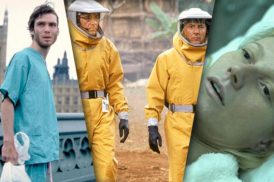
Yours truly is talking about the disparaging addiction we have to dramatic science. I’m a fan of any movie that involves an outbreak, but the truth is that an overwhelming majority of these films depict infectious disease outbreaks so outrageously and dramatically, they have become anti-science. After watching the latest, Inferno, it became increasingly apparent that we’ve created a false threshold for science, specifically infectious diseases, in film. By painting the picture of diseases and outbreak response like that of Outbreak, I Am Legend, and more, we’re creating an increasingly de-sensitized culture. The result of this de-sensitization means that it takes a lot more for people to take infectious disease outbreaks seriously in real life. It’s not a genetically engineered airborne organism that will make flesh rot? Meh – not that big of a deal. Our love of bad infectious disease science in film and television could easily create a culture of poor public health support.

Ebola Was Just the Beginning…Are We Ready?
Peter Piot, Director of the London School of Hygiene and Tropical Medicine, is highlighting the realities that we simply aren’t ready for the next big virus epidemic. Piot discusses his work during the early days of Ebola in the 1970s, pointing to the challenges of attempting to figure out a novel virus while trying to put out the fires of an outbreak. Describing the 2014 outbreak as a perfect storm, he notes that the WHO response was too slow to act. The globalization of our interconnected world has made the capabilities of an outbreak much greater than 50 years ago. “Piot also believes there will be a ‘Big One’, a big influenza, similar to the likes of the Spanish Flu in World War One and we’re not quite ready for it. Yet. ‘Are we ready?’ Piot asked. ‘A little bit better than a few years ago but we’re not yet up to the job. We can’t afford to wait but we have a plan, and that’s the good news. The world has learnt from the problems of mobilisation around Ebola and we are now in a better situation; there is better technology to allow for more rapid diagnosis’.” Piot stresses the importance of investment in infrastructure, stronger global governance, and vaccine development incentives.

All Things Zika
The Florida Health Department has released their Zika updates here. PAHO has recommended that Bolivian women delay pregnancy to avoid Zika. “Fernando Leanes, PAHO representative in Bolivia, said at a press conference that it was one of several advised measures to avoid the proliferation of microcephaly cases. ‘The epidemic of Zika, from what we have seen in other countries, will have a rise and fall in Bolivia. Therefore, there are options such as delaying the decision to get pregnant in areas where Zika is spreading. This will avoid the dreaded microcephaly and the complications it represents,’ explained Leanes.” An $18 million plan was just announced to release Zika-resistant mosquitoes into urban areas of Colombia and Brazil.  “A swarm of Aedes Aegypti mosquitoes–the species that transmits dengue, yellow fever, chikungunya and Zika, have been modified to carry a bacterium called Wolbachia pipientis, which inhibits their ability to spread the viruses. Scientist released these ‘good mosquitoes’ in Brazil as part of a successful international program called ‘Eliminate Dengue’.” Many researchers are wondering why Colombia has had such few Zika-associated birth defects. They are the second largest outbreak in the world, yet have much fewer cases of microcephaly than Brazil. Researchers have noted that adult women in Puerto Rico were significantly more likely to develop Zika than men. The CDC has reported 4,175 cases of Zika in the U.S. as of November 9th, 2016.

Stories You May Have Missed:

  • How Trauma Explains Civil War– Don’t miss this event today at GMU’s Arlington campus, Founders Hall, Room 602. Eric Goepner will be discussing his research as to why “hurt people hurt people” and hypothesizing that a population’s prior traumatization predicts future civil war onset.
  • Searching for Ebola’s Hideout – The recent ebola outbreak is over, but this doesn’t mean the disease is gone. In fact, ebola is known for hiding out..so where has it gone? Leigh Cowart and other researchers are looking to stop future Ebola outbreaks by finding its hiding spot. “Such a long-term host, the quiet refuge of a pathogen, is known as a reservoir species. If a reservoir species is Ebola’s safe house, we are its luxury retirement property, a place for it to live out its last days with a bang. The trouble is that we aren’t sure where the safe house is. If we are going to be vigilant against Ebola’s re-emergence, we need to find it.”
  • The UK Forms Special Outbreak Response Team– with a five-year £20m funding, the UK is setting up a specialist team of health experts who will be able to respond to outbreaks around the world within 48 hours. “Public Health England will run the project with the London School of Hygiene and Tropical Medicine. Duncan Selbie, chief executive of Public Health England, said: ‘Speed is key in tackling infectious disease and with this new capability we can now deploy specialists anywhere in the world within 48 hours, saving and protecting lives where an outbreak starts and helping to keep the UK safe at home.'”


Pandora Report 10.21.2016

TGIF! It looks like biodefense and genetic engineering are the new hot topics in Hollywood. Inferno will be opening in theaters next week, but it was also reported that Jennifer Lopez will be starring in a new bioterror TV drama, “C.R.I.S.P.R.“, that takes on topics like genetic assassination. That’s right, JLo will be a CDC scientist exploring “the next generation of terror”. You can get an epidemiological update on the cholera situation in the Americas here. A new Ebola vaccine will be tested by researchers in Canada next month.

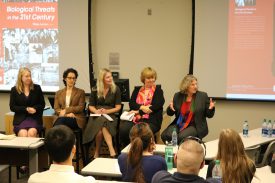
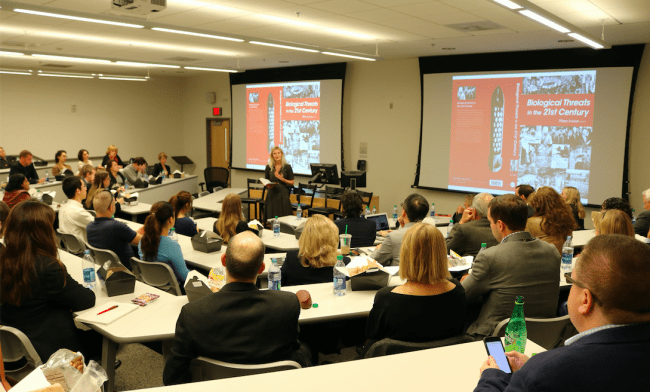
Biological Threats in the 21st Century Book Launchimg_0359
Last Friday we celebrated the book launch of Biological Threats in the 21st Century. For those who attended, thank you and we hope you enjoyed it as much as we did! For those unable to attend, don’t fret – we’ll have the recording up ASAP, but in the meant time, here’s a brief recap… We were fortunate to have Dr. Koblentz MC’ing the event, with Andrew C. Weber discussing the threats we face in the 21st century and that the topic is really the orphan of the bunch as nuclear weapons tend to get all the bandwidth. Weber noted that we learned the wrong lesson from Amerithrax and need to remember that one person did it all by himself and despite a very primitive delivery mechanism, it took us eight years to find him. He emphasized the lessons learned from 9/11 and the use of imagination in regards to potential attacks, specifically that we should all challenge ourselves to think about these things and be imaginative. Filippa Lentzos, the editor of the book, took us through her journey to bring together the politics, people, and science of biological warfare. Her goal was to create a one-stop shop for issues regarding bioweapons and socio-politics. Incorporating narratives from people that are both advocates and negotiators of biological disarmament, she highlighted the importance of scientists in building the agenda and biological risk management. Perhaps one of the highlights of the event was the expert panel comprised of Jo Husbands, GMU’s Sonia Ben Ougrham-Gormley, GiGi Gronvall, and Nancy Connell. The panel took questions from the audience and each expert discussed a range of topics – the role of scientists in DURC, GoF experiments and governance efforts, talking to US and Soviet bioweapons specialists from the days of offensive programs, and the efforts to engage scientists and make them part of the solution. Overall, the event was a wonderful mixture of experts, students, and industry people who are all passionate about the world of biodefense.

How Do You Know Your Flu Shot is Working?
GMU Biodefense MS student Greg Mercer is tackling the topic of flu shot performance. Despite the challenges of antigenic drift and forecasting, there has to be a way to check how well the vaccine is performing..right? “The Centers for Disease Control and Prevention (CDC) offers a guide to how they assess flu vaccine effectiveness and efficacy in the United States. These are two slightly different measurements. Efficacy is measured with randomized controlled trials. This is a classic, high rigorous scientific setup designed to eliminate research biases. Effectiveness is measured with observational studies. These are more reflective of real world conditions, since they rely on self-identifying subjects seeking care.”

On Patrol with a Bioterror Cop
For biodefense students, Edward You is pretty much our crime-fighting role model. Supervisory special agent in the WMD directorate in the FBI’s DC headquarters, You monitors the growth of lab tech to help prevent bioterrorism. Trying to find the gaps within the detection chain is no easy feat, but You helps to improve FBI and interagency efforts to identify, assess, and respond to biological threats. What makes his approach so unique is that prior to the FBI, he worked for six years in graduate research focusing on retrovirology and human gene therapy at USC. Simply put, You knows the science, tech, and culture that make biocrimes and emerging biotechnologies worrisome. You’s background and perspective has helped shift FBI credibility within the science community after incidents like the detainment of Buffalo bio-artist, Steve Kurtz. The FBI is now helping to sponsor events like the International Genetically Engineered Machine Competition, and is helping build a network where scientists share concerns. “You is often the first to hear about scientists’ darkest worries. Lately some of these have been connected to the gene-editing method CRISPR, which can be used to create self-spreading gene alterations in insects or DNA-slashing viruses.” You notes that “a threat implies intent, and we haven’t seen that yet,” he says. “But as things become more widely available, more widely distributed, the bar gets lower, and the possibility of an incident gets higher.”

Infection Prevention & Control Week  screen-shot-2016-10-18-at-10-32-54-am
Hand hygiene, PPE, and vaccines, oh my! Infection prevention doesn’t take breaks, so this week we’re celebrating the importance of reducing the spread of infections, specifically in healthcare. The Ebola outbreak lifted back the curtain as to just how impacting minor breaches in infection control can be, but as the threat of antibiotic resistance grows, we need to invest more into this field. Here are a few things you can do to help fight the battle of the bug in healthcare – need to wear PPE? Make sure you’re donning and doffing correctly. Wash your hands! Know about infection preventionists, follow rules of isolation if visiting a sick friend (or you’re sick!), get your annual flu shot and stay up to date on vaccines, make sure to follow directions and finish antibiotics appropriately if you’re taking them, and keep your work environment clean.

Public Health: Biosecurity and the GHSA Distance Learning Opportunity 
Don’t miss out on this great opportunity for a 2-hour webinar session on Wednesday, December 7th, 2016 at 11am CST. The U.S. has taken the lead on a global campaign to fortify both public health and international security. The Public Health: Biosecurity and the Global Health Security Agenda webinar will review the nexus between public health and biosecurity, through the context of the developing Global Health Security Agenda (GHSA). We will learn how modern threat management concepts can be efficiently employed by the GHSA to augment both public health response and preparedness in the event of a natural outbreak, or from the perspective of an intentional attack. The webinar will be presented by Ryan N. Burnette, PhD, Director, International Biosecurity & Biosafety Programs, At Risk International. Upon completion of this webinar, participants will be able to:

  • Define the methods and goals of the GHSA
  • Paraphrase how threat management techniques can be applied at a macro level to augment global security in the context of epidemics and bioterrorism
  • Describe how biosecurity plays a vital role in public and global health

Gene Drives – the Good, the Bad, and the Hype
GMU Biodefense professor, Sonia Ben Ouagrham-Gormley, and Kathleen Vogel are discussing the advances in life sciences and what these new gene-editing techniques could mean for biodefense. “The absence of clear safety guidelines, coupled with ambiguous government regulations, has nurtured fears of an accidental or voluntary release of a gene drive in nature that could cause irreparable damage. On the security front, the presumed simplicity and accessibility of Crispr raise the possibility that states, terrorists, or rogue scientists might use the technology to modify genomes to develop malicious gene drives and create novel bioweapons that could spread more quickly, cheaply, and globally than traditional bioweapons agents.” Caution is always a good strategy, but Ouagrham-Gormley and Vogel emphasize the importance of approaching these new technologies with a realistic approach grounded in empirical findings, rather than the hype of a shiny new toy. Understanding gene drive and the capabilities of CRISPR are necessary to not only proceed with advancements, but also fully assess the risks versus rewards. Gene drive does have some potential benefits, especially in terms of vectors and pest-control, in trying to impact the population of disease-transmitting mosquitoes and invasive mouse species that wreak agricultural havoc. There is also potential for gene drives to aid in endangered species and environmental conservation work as “gene-drive rodent control on islands can mitigate the environmental impact of invasive species, which disrupt island ecosystems by bringing in invasive plants, or eating plants and insects essential for other species’ survival.” Like anything, there is a potential for mis-use or neglect. In the wake of any new exciting innovation, the spread of CRISPR and gene drive technology has amplified concerns over lab safety and establishing a fundamentally better understanding of the technology before such rapid innovative leaps. Concerns over adverse effects on target species and damage to non-target species is crucial and regulators are racing to keep up with this constantly evolving technology. “These two cases show that Crispr-induced alterations have outpaced and continue to defy current regulations, leaving governments around the world to play catch-up. In this context, fears that an altered organism might escape the laboratory to potentially eradicate a whole species, or unexpectedly jump into another population and cause unpredictable economic and environmental damage, do not seem far-fetched.” Lastly, from the viewpoint of a bioweapons threat, the authors note that the perceived low cost, easy availability, and self-propagating nature of gene drives make it appealing to would-be bioterrorists. There are significant technical challenges that do form substantial roadblocks, not to mention that gene drives only work with organisms that produce sexually (in other words, they’re unable to alter a virus or bacteria). “However, to accurately evaluate their potential misuse, one needs to rigorously assess the state of the technology and consider its limitations. Current fears (and hopes) related to gene drives are based on projections of what gene drives could in theory do if they spread in nature. At the moment, these are still anecdotal, speculative claims and are not based on in-depth empirical research and analysis. One needs to keep in mind that the techniques under debate are still in their infancy, and in spite of their apparent progress, they may not prove to be as dangerous or promising as expected.” In the end, it is important to identify the risks when it comes to a lack of Cas enzyme control, capabilities of potentially a state-level gene-editing technology based bioweapons program, and slow regulatory catch-up. Threat estimates are speculative and the authors point to problematic historical security assessments of emerging biotech. Overall, it’s important to have a better understating of the complex and unique factors that push state and non-state actors to develop biological weapons and in the wake of this uncertainty, the authors “are engaged in a project that aims to understand the social and technical factors for how Crispr scientists around the world actually work in the lab.”

A Threat to the U.S. Food System
Food safety is often a forgotten component of biodefense when Anthrax and Ebola tend to steal the spotlight. Sadly, this is America’s soft underbelly as a threat to U.S. food production and security could have devastating economic ramifications. While the Blue Ribbon Study Panel on Biodefense report in 2015 did mention the vulnerability of the agriculture system, it’s easy to forget just how damaging such an event could be. “The agriculture sector in the U.S. is a $1 trillion business and employs approximately 9.2 percent of American workers. In 2012, domestic animal agriculture – livestock and poultry production – generated approximately 1.8 million jobs, $346 billion in total economic output and $60 billion in household income.” Consider even a disease that impacts crops – wheat and rice account for 39% of the world’s total calorie consumption. It’s important to consider the devastation that crop or livestock attacks could have on not only the U.S. system, but also on an international level.

Zika Virus Weekly Updates
Venezuela is struggling to respond to and support cases of Zika-related microcephaly as the government refuses to acknowledge a single case. “Some doctors accuse Venezuela’s unpopular government of hiding the Zika problem amid a deep recession that has everything from flour and rice to antibiotics and chemotherapy medicines running short and spurred fierce criticism of Maduro. They also say government inaction means kids are missing out on targeted state-sponsored therapy programs that would help to stimulate them”. HHS recently announced how the Zika funds will be allocated among players.  “According to Caitlyn Miller, director of the division of discretionary programs for HHS, $394 million will go to the Centers for Disease Control and Prevention (CDC), $152 million to the National Institutes of Health (NIH), and $387 million toward the public health and social services emergency fund. Within that $387 million, $75 million will be used to reimburse healthcare providers who treat uninsured Zika patients, $40 million will be used to expand Zika resources in US territories, and $20 million will go to regional and national projects, such as creating microcephaly registries.” Public health officials have created a color-coded map of Zika zones in Florida. As of October 19th, the CDC has reported 5,016 cases of Zika in the U.S.

Stories You May Have Missed

  • EU Reports Animal Antibiotic Use Is Up– Despite a drop in overall sales, a recent report from the European Medicines Agency (EMA) has revealed the worrisome reality that there has been an increase in the use of medically important antibiotics. While there was a 2.4% drop from 2011-2014 in sales of veterinary antibiotics, there was a sharp increase in “critically important” antibiotic usage. The usage of “fluoroquinolones, macrolides, and polymyxins sold for use in food-producing animals rose significantly—14%, 13%, and 19%, respectively.” The report does note that responsible-use campaigns in some countries could be effective in countering antibiotic resistance, however the increase in usage is raising many red flags.
  • Global Civil Society Coalition for the Biological Weapons Convention – last week Kathryn Millet, on behalf of the Global Civil Society Coalition for Biological Weapons, delivered a statement to the UN General Assembly First Committee. The statement points to the importance of the BWC but also the challenges and necessity of avoiding complacency. The coalition statement emphasizes the importance of recognizing the evolving threat posed by malign use of the life sciences since the last Review Conference and the need for more systematic advice for BWC State Parties on S&T. Further recommendations include the need for States to ensure that the interval between Review Conferences is used more effectively, reexamination and improvement on dealing with compliance with the BWC, and the application of more resources to support work that is necessary to fulfill the BWC’s objectives.

Pandora Report 10.14.2016

The Biological Threats in the 21st Century book launch is hours away and we’ll be live tweeting the event, so make sure to follow us on Twitter @PandoraReport. The event will also be recorded and we’ll let you know when you can watch in case you aren’t able to attend. Check out how virus hunters are using epigenetics and big data to map epidemics and trace the origins of viral outbreaks.  You can also read the WHO’s Pandemic Influenza Preparedness Framework for the sharing of influenza viruses and access to vaccines here. The global CRISPR-Cas9 Market Outlook 2022 is now available here.

Biotechnology: An Era of Hopes and Fears
GMU Biodefense PhD alum, Douglas R. Lewis, writes for Strategic Studies Quarterly on the increasing pace of biotechnology capabilities. Lewis notes that while this isn’t a good or bad thing, it’s crucial to acknowledge that as capability and knowledge grows, so does the potential for bioweapons development. “Every new treatment represents a potential new weapon”. Advances like the manipulation of viral genetics allow researchers to create chimeric viruses that often bring out fears like those following the publication of The Cobra Event. While there was substantial effort during the height of the bioweapons development renaissance, it is unknown if programs, like the Soviets, succeeded. It’s important to remember that “while viral chimeras are a routine tool in laboratory practice, they are becoming common in therapeutic roles, for instance in vaccine production. A live, nonattenuated vaccine constructed from Eastern equine encephalitis (EEE) virus and Sindbis virus has demonstrated the ability to protect primates from EEE.” Despite these advances, we often create at a faster rate than we learn or question. Understanding the genetic components of diseases allows researchers to mimic miRNA’s behavior and to make rapid advances in CRISPR-Cas9, but many are pointing to the slow rate of cautionary learning. Every advancement allows us to understand the world of genetics and medicine that much better, and the deeper we go, the more we’re able to develop extremely specific treatments. “Effective weaponization and large-scale employment of these new capabilities as a weapon would require a dedicated effort by a state sponsor. It is one thing for a medical provider to inject an experimental therapy into a patient but a much more difficult matter to deliver that substance simultaneously to thousands of people in a diverse environment.” Lewis emphasizes that the goal of his work is to inform the biodefense community of the evolving nature of biotechnology, emphasizing the need for continued support within the U.S. biodefense program. Keeping up with the biotechnology revolution is no easy task, however biodefense efforts must be as nimble as the science they seek to monitor.

Mighty Taco Outbreak logo-mighty-taco
Not the tacos! Sadly, at least 160 people have been sickened after eating at Mighty Taco locations in New York. The culprit? Refried beans. Public health officials are working with the state’s health and agriculture departments to identify the organism causing the illnesses. We’ll keep you updated as more information becomes available, but if you live in the New York area and frequent this taco establishment, rest assured they have thrown away the specific lot numbers of refrained beans.

GMU Biodefense MS Program Open HouseBiodefense_133x400
Don’t miss the next biodefense MS open house on October 19th! We invite you to attend an open house to learn more about the Schar School of Policy and Government. The session will provide an overview of our master’s degree programs, an introduction to our world-class faculty and research, and highlights of the many ways we position our students for success in the classroom and beyond. Our admissions and student services staff will be on hand to answer your questions. Check out the next MS info program on Wednesday, October 19: 6:30pm-8:30pm- Arlington Campus, Founders Hall, Room 126


Mayaro – Why Scientists Are Keeping An Eye on A Little-Known Virus 
Since the Ebola and Zika outbreaks, the concept of emerging infectious diseases is becoming much more well known and discussed. Mayaro disease may just be the next hot topic. Similar to chikungunya and spread by a tree-dwelling species of mosquito that is typically found in South America, this virus just popped up in a young boy in rural Haiti. While this may be an isolated case, it’s important to learn the lessons of past emerging infectious disease outbreaks and just how quickly things can spiral out of control. Moreover, since Mayaro is so similar to chikungunya and dengue, it may be under diagnosed. “The newly detected case of Mayaro in Haiti needs to be seen as a pattern of waves of viruses moving across continents, merging, changing and evolving,’ Morris says. ‘It reinforces the idea that there is a constant battle between humans and the microorganisms that infect humans.’ Diseases frequently emerge and re-emerge, says Anthony Fauci, Director of the National Institute of Allergy and Infectious Diseases at the National Institute of Health. And one case doesn’t necessarily indicate an imminent epidemic. But Mayaro is worth keeping an eye on.” Researchers are now keeping an eye on at several mosquito and tick-borne viruses  – Mayaro, Rift Valley Fever, Crimean-Congo Hemorrhagic Fever, and Usutu.

International Infection Prevention Week
screen-shot-2016-09-17-at-6-13-12-pmHelp stop the chain of infection by celebrating Infection Prevention week from October 16-22! Believe it or not, you don’t have to be a healthcare worker to stop the spread of germs. On antibiotics? Take them as recommended and finish your dose! Visiting the hospital or being admitted? Ensure you and your visitors wash their hands and avoid visiting ill patients if you’re sick. There’s a lot we can do to prevent the spread of infection and fight the battle of the bug, so make sure to check out how you can get involved!
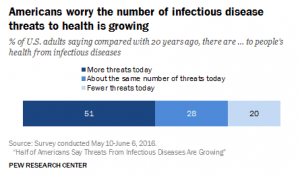
Weekly Zika Updates
Houston-based Legacy Community Health Services is frustrated over lab delays in Zika testing. The Legacy CMO has stated that pregnant women have had to wait as long as a month to know if their pregnancies are at risk as the turnaround time from the state public health department is so long. Public health departments in Zika-hit places are struggling to meet the testing demands, which is causing more of a delay in surveillance and diagnosis. The Florida Department of Health has released their Zika updates. Despite aiding the fight against the virus, the FDA won’t be getting any of the designated Zika funds. A new study is shedding light on the evolution and spread of Zika – “Their analysis revealed two distinct genotypes of the virus, African and Asiatic, and two separate clades (biological groupings that include a common ancestor and all the descendants of that ancestor). Clade I represented African gene sequences and Clade II, sequences of Asiatic and Brazilian origin. The Brazilian sequences were found to be closely related to a sequence from French Polynesia. This lends support to the hypothesis that the virus might have been introduced to Brazil during the Va’a World Sprint Canoeing Championship in Rio de Janeiro in 2014, which included a team from French Polynesia, rather than the World Cup in which no teams from Pacific countries participated.” Many are speaking about the experience of having a child with Zika-related microcephaly and the complications associated with the infection.  The CDC has reported 3,9836 cases of Zika in the U.S. as of October 12th.

Stories You May Have Missed:

  • Human H5N1 Cases in Egypt– Egypt has reported 356 cases of avian influenza A (H5N1) since early 2006, including 121 deaths, however they’ve already seen 10 cases in 2016. Unfortunately, four of these patients have died. The cases are concerning many international public health officials as the MOH has been largely silent, which may point to limited surveillance and testing, but also minimal reporting of cases on an international level.
  • The Case of the Traveling Surgical Scrub– We’ve all seen medical professionals in scrubs ordering a coffee or smoking a cigarette outside the facility. Sadly, this common practice is pretty gross from an infection control standpoint. While scrubs aren’t considered PPE, it’s still good to avoid taking them outside of the operating room. Fomites love to travel on clothing, which has led many physicians to avoid wearing ties and re-think the white coat habit. New guileless from the American College of Surgeons are pushing for scrubs to be changed once a day for this very reason – let’s  keep the OR as sterile as possible!
  • Modeling the Economic Burden of Adult Vaccine-Preventable Diseases in the U.S. – It’s easy to forget the importance of vaccination and boosters in adults however, a recent study revealed just how costly vaccine-preventable diseases in adult are. The researchers “estimated the total remaining economic burden at approximately $9 billion (plausibility range: $4.7–$15.2 billion) in a single year, 2015, from vaccine-preventable diseases related to ten vaccines recommended for adults ages nineteen and older. Unvaccinated individuals are responsible for almost 80 percent, or $7.1 billion, of the financial burden.”

Pandora Report: 7.29.2016

Happy Friday! With the Olympics right around the corner, there’s a lot of buzz surrounding the games (not just Aedes mosquitoes) and the athlete living quarters. Make sure to watch the PBS special, “Spillover- Zika, Ebola & Beyond“, on August 3rd at 10/9c. The special will look at the rise of spillover diseases like Nipah and the impact of human behavior on the spread of zoonotic diseases. The Society for Healthcare Epidemiology of America (SHEA) reported a new study that finds three key factors increase the risk for patient-to-patient transmission of the extremely resistant CP-CRE. The Democratic National Convention closed last night and Hilary Clinton made it a point to say, “I believe in science”, which highlights  the stark differences between the candidates on topics like climate change and stem cell research. 

What Damage Could CRISPR Do To The BWC?
Daniel Gerstein points to the approaching Eighth Review Conference of the Biological Weapons Convention and the assessment of new technologies, like CRISPR. Since James R. Clapper, Director of National Intelligence, stated that genome editing is a global danger, many are waiting to see what the convention will say about the future threats of technologies like CRISPR. Gerstein notes that, “if the seven previous review conferences are any indication, the gathering in November will recognize Crispr’s contribution to the biotech field, then enthusiastically declare the convention fit to address any problems it might create. But will that be enough?” The flexible nature of the convention is meant to support the ever-changing world of science and technology, however this also means that any potential bans on experiments are that much more challenging. In his article, Gerstein discusses the assessment of CRISPR as a nonproliferation threat and the risks associated with limiting technological innovation. Despite the challenges of banning certain biotechnologies, there are things that can still be done within the conference. Surveillance and training are imperative, especially in terms of “spotting the development of new pathogens or the modification of existing ones”, and national responsibility needs to be part of this equation. Gerstein’s points on not just national implementation, but also national responsibility emphasizes the transition from a traditional method into an emphasis on people and activities. Practices need to match the pace of biotech development, which means expanding the Implementation Support Unit, strengthening surveillance capabilities, and reinforcing institutional structures. “Those gathering at the review conference in November must seriously consider whether advances in biotechnology have made the existing bioweapons convention obsolete, but they must also ask what more the convention can do, as the reigning body for regulating biological weapons, to ensure that new biotechnologies continue to be used for peaceful purposes only.”

Half of Americans Say Infectious Disease Threats Are Growing  

Courtesy of Pew Research Center

The Pew Research Center conducted a recent survey in the wake of the very public Zika virus outbreak. While some may have noted that Americans aren’t as worried about Zika, the survey found that 51% of U.S. adults feel that, compared to 20 years ago, there are more infectious diseases threats to health today. 82% of Americans polled stated that they pay at least some attention to the news regarding infectious disease outbreaks and 58% believe that Zika is a major threat to the health of women who are pregnant. 31% believe that Zika is a major threat to the U.S. population as a whole, while 58% felt it was a minor threat. The poll also found that more people had heard of Ebola at the time of the 2014 outbreak than Zika as a problem right now. Broken down by demographics, those most worried about Zika include older adults, especially women.

Containment: Lessons Learned and Cringe-Worthy Moments2015_0326_Biohazard_Suits
Tuesday nights won’t be the same since Containment ended – what will we do without the asymptomatic super-spreaders like Thomas, the overly gory hemorrhaging, or the suspension of infection prevention practices? Like any science-based show, there are moments of accuracy and moments of pure dramatic exaggeration. Check out our list of the things we enjoyed about the show and some of the more eye-rolling moments. While it’s rare to have a prime-time show involving an outbreak, we’re hoping that the future will hold more scientifically accurate series that will dismantle the hysteria we too often see during public health emergencies.

Australia Utilizes Bioterrorism Algorithm to Predict Flu Outbreaks
Victoria’s health department is currently using a tool, EpiDefend, that can “accurately predict flu outbreaks up to eight weeks in advance.” Combining environmental data, lab results, and more, the tool is funded by the US Department of Defense and designed by the Australian Department of Science and Technology (DST) to aid in Australian disease prediction practices and strengthen global bio-surveillance. ”Our team’s goal is dual-purpose, we want to fulfil our defence charter, protecting our forces against intentionally released biological agents; but disease forecasting will also support the national security and public health areas,” said Tony Lau, defence scientist. EpiDefend incorporates electronic health records (EHR) via the healthcare sector, which means it can be especially powerful, but also requires the presence and reliability of EHR. The system uses an algorithm that is still being refined. “Particle filtering is a technique which helps us close in on the degree of uncertainty by the help of information gathered from particular situation. In other words, it helps the algorithm churn out more precise readings.”

Zika Virus
The Department of Health and Human Services (HHS) has published a webpage on what you need to know about Zika virus. A recent study is estimating that as many as 1.65 million women in Latin American could be infected while pregnant. Researchers, from another study published in the Annals of Internal Medicine, are pointing to a low risk for international Zika spread from the 2016 Olympics in Brazil.  Researchers calculated “the worst-case estimates of travel-associated Zika virus by assuming visitors encounter the same infections exposures as local residents. This is highly unlikely, as visitors would be staying in screened and air-conditioned accommodations, as well as taking personal preventive measures. But under the authors’ pessimistic conditions, they estimate an individual traveler’s probability to acquire infection in Rio de Janeiro is quite low. Specifically, they estimate anywhere from 6 to 80 total infections with between and one and 16 of those infected experiencing any symptoms.” Florida officials announced the investigation of another two potential cases of local-transmission. These new cases have pushed the FDA to curb blood collection in Florida. A new study performed a real-time Zika risk assessment in the U.S, suggesting that 21 Texas counties along the Texas-Mexico border, the Houston Metro area, and throughout the I-35 corridor (San Antonio to Waco) have the greatest risk for sustained transmission. As of July 27th, the CDC has reported 1,658 cases of Zika in the U.S. 

Stories You May Have Missed: 

  • CSIS Curated Conversations on Pandemic Preparedness & the World Bank – The Center for Strategic & International Studies has made its Curated Conversations podcast available on iTunes, which means you can check out the June 3rd episode, “the World Bank President on Preventing the Next Pandemic”. The World Bank Group president, Jim long Kim, discusses funding to help prevent the next pandemic and lessons learned from Ebola.
  • Joint West Africa Biopreparedness Efforts – The DOD is investing in the Joint West Africa Research Group to help improve and sustain biopreparedness within the region. Following the Ebola outbreak, this new program will build upon existing programs and strengthen lab and clinical resources, as well as biosurveillance efforts.
  • Yellow Fever in the Americas? The Pan American Health Organization is currently investigating a case of yellow fever in a man who traveled to Angola. Genetic testing is underway, but there is concern that the virus could ramp up in the Americas during a vaccine shortage.

Pandora Report 6.24.2016

Welcome back to your weekly biodefense roundup! To start things off on a light note and since it’s official summer, enjoy this satirical piece on the existence of public pools. In truth, public pools are a mixture of fun and risk for waterborne diarrheal diseases, so remember to stay safe. The NIH has given the green light for CRISPR-Cas9 clinical trials for cell therapies related to cancer treatment. Japan is currently on alert for a possible North Korean ballistic missile launch. Lastly, even though the outbreak appears over, many are discussing the aftermath of Ebola and if it’s really behind us

Tales from the Front Lines of Disease Detective Cases
Foreign Policy‘s Laurie Garrett discusses epidemic fighters, especially the work of Ali Khan, and his quest to speak the truth about epidemics. Khan’s work as an EIS officer and former Director of the Office of Public Health Preparedness and Response (PHPR) has given him a wealth of knowledge from being in the trenches of global outbreaks. Khan’s new book, The Next Pandemic: On the Front Lines Against Humankind’s Gravest Dangers, discusses his experiences from the Amerithrax attacks to the debate on smallpox sample destruction. “Khan writes, the most vital problem-solving exercise has little to do with science, and everything to do with social customs. In 2015, Khan was involved in an out-of-control moment in the Ebola epidemic of Sierra Leone. Long after neighboring Liberia had its outbreak down to a handful of cases, the military-run campaign in Sierra Leone was losing the support of the people by imposing mass quarantines, shutting down entire regions of the country for long periods. Out of the discontent over loss of business, food, and trade arose false leaders claiming witchcraft practiced by the foreigners and magic were spreading the Ebola — not intangible things few could comprehend, like ‘viruses.'” The blend of public health preparedness and front-line outbreak response gives Khan a unique and appreciated perspective into the world of global health security.

Why Hasn’t Disease Wiped Out the Human Race?
University of Pittsburgh’s infectious disease physician, Amesh Adalja, discusses why an infectious disease event with the magnitude of the Andromeda Strain is a bit more unlikely than people realize. He notes that an “apocalyptic pathogen” needs to be in the right place at the right time – more specifically, a combination of having no existing treatment or vaccine and high transmissibility prior to the start of symptoms. “The three infectious diseases most likely to be considered extinction-level threats in the world today—influenza, HIV, and Ebola—don’t meet these two requirements. Influenza, for instance, despite its well-established ability to kill on a large scale, its contagiousness, and its unrivaled ability to shift and drift away from our vaccines, is still what I would call a ‘known unknown.’ While there are many mysteries about how new flu strains emerge, from at least the time of Hippocrates, humans have been attuned to its risk.” Adalja notes that beyond these three (I’ll call them the Big Three), all the other infectious diseases out there fall short of meeting the global extinction sweet spot. Perhaps one of the most crucial lessons to take away from Adalja’s comments isn’t that we should ignore or diminish the impact of infectious diseases, but that institutional failure and infrastructure instability can often do more damage during an outbreak than the disease. With the growing concern related to antibiotic resistance Dr. Adalja notes that “to me, antibiotic resistance represents the most pressing challenge in the realm of infectious disease and, if it is not overcome, we face the very real prospect of being dragged back to the pre-penicillin era in which even routine surgery was a gamble.”

Iceland, Horses, and Hendra
GMU Biodefense MS student, Greg Mercer, can’t even go on vacation without thinking about global health security, but lucky for us, that means we get to learn about Icelandic horses and Hendra! Fueling our fascination with all things related to One Health and spillover, Greg discusses the exportation of Icelandic horses (look at them, wouldn’t you want one?) but also that importation of horses is banned in Iceland. Even an Icelandic horse that was sent abroad for a short period of time can’t return home. Greg notes that its been this way for a hundreds of years and while the import rules maintain purebred status, the ban also protects against disease. “Iceland has few natural horse diseases, and the breeder I spoke to said that Icelandic horses are frequently unvaccinated, which would be very unusual in the rest of the world. When they’re exported, they have to be treated as if they don’t have any immune protection. The import ban prevents foreign diseases from entering the country (via other horses, anyway).” Check out Greg’s Icelandic experience and why horse diseases struck a cord during his travels.

Incorporating More One Health Into the Global Health Security Diet
Some may say we need more cowbell, but in the world of global health security, we need more One Health. The One Health Commission and the One Health Initiative are teaming up to help create and promote a global education plan that will focus on the “unifying interconnected health of humans, animals, and the environment that sustains all life on earth.” A recent paper looks to accumulate interested parties and help drive the project forward. The drive behind this partnership is to capture the younger generations and lay a strong foundation of One Health education and support. “The overall intent of the concept paper is to raise awareness about the urgent need for the development  and to explore the concept further through a small pre-project proposal conference (possibly off and/or on-line) with a view to fleshing out a strong plan to fund the envisioned global learning program.” The group is currently organizing the pre-project proposal conference, but in the mean time, if you’ve already got some great ideas or are interested in participating in spreading the One Health message, check out their website here.

Zika Weekly Updates
Inovio Pharmaceuticals announced on 6/20 that it received FDA clearance for the phase 1 clinical trials for its Zika vaccine. Clinical trials are set to begin by the end of this year for the DNA-based vaccine. A new study finds that the Zika epidemic can be fielded by climate variations on multiple timescales.  Researchers utilized a novel timescale-decomposition methodology and found that “the increasingly probable 2016-2017 La Nina suggests that ZIKV response strategies adapted for a drought context in Brazil may need to be revised to accommodate the likely return of heavy rainfall.” The CDC has also recently issued guidance for travelers visiting friends in areas with ongoing transmission of Chikungunya, Dengue, or Zika. The NIH is launching a large study in efforts to answer questions about Zika virus and pregnancy. Hoping to enroll 10,000 pregnant girls and women (ages 15 and older) in their  first trimesters, the study will look to long-term impacts on babies and the role that previous dengue infections play in birth defect frequency. You can find the recently published article regarding the history of a newly emerging arbovirus here, which summarizes “the history of Zika virus from its first detection to its current worldwide distribution.” In the early hours of Thursday morning, the House passed the $1.1 billion Zika funding bill. The White House threatened to veto the bill though. “The threat from deputy White House with press secretary Eric Schultz came as the Senate prepared for a vote next week, likely Tuesday, even though there’s no guarantee that the Senate can round up the 60 votes necessary to break a filibuster as Democrats call the bill partisan and inadequate.” Several studies have pointed to the linkage between earlier dengue infection and worsened Zika infections, however there is also a potential for a certain antibody against dengue being a target for a vaccine. The CDC has confirmed, as of June 22nd, there have been 820 cases within the U.S. and DC.

One Step Closer to the Zombie Apocalypse 
Researchers from the University of Washington recently reported that several hundred genes actually increase in expression after death. Scientists found that “the transcriptional abundance of some 500 genes was significantly changed after death in healthy zebrafish and in healthy mice. While gene expression overall declined after death, the expression of some genes increased shortly after death and others increased 24 hours or 48 hours later. These genes, the researchers note, were commonly involved in stress, immunity, inflammation, apoptosis, and cancer.” It’s believed that this post-mortem gene expression is a result of residual energy and this may happen in humans as well. This new discovery leaves many asking about the definition of death if a person’s genes are still active for up to 48 hours after they die.

Listeria Troubles Dozens of Schools  large-epi-curve-6-2-2016
Pre-prepared sandwiches are being recalled across 38 school districts as a result of a possible Listeria contamination. “The potentially contaminated food was produced at a facility where the U.S. Food and Drug Administration found Listeria monocytogenes ‘on multiple food contact surfaces where the products were produced on several different occasions’ during routine FDA environmental sampling, according to the recall notice.” While students have been let out on summer break, the concern is that Listeria can take 70 days for symptoms to appear. This latest food safety issue comes after Molly & Drew recalled some of its beer bread mix due to concerns over E. coli contamination.  E. coli outbreaks been plaguing the news lately as a result of the General Mills flour outbreak that sickened 38 people across 20 states.

Stories You May Have Missed:

  • CRISPR vs. Flaviviruses – researchers at the Washington University School of Medicine have found a “single-gene pathway that is vital for viruses like Zika to spread infection between cells”. Even better, the team found that when they shut down a gene in this pathway, flaviviruses aren’t able to leave the infected cell and thus replicate. Using CRISPR technology to selectively shut down a single gene in the pathway, they were able to shut down flavivirus infection without negatively affecting the cells.
  • DRC Declares Yellow Fever Outbreak– The DRC Heath Minister recently declared a localized epidemic of yellow fever after reporting 67 cases. 58 of these cases were considered imported as they were from Angola, where the outbreak has grown beyond 3,100 cases and 345 fatalities. The outbreak has crept across Angola, Uganda, and now the DRA as a result of vaccine shortages.
  • MER-CoV Outbreak in Riyadh Hospital –  the WHO released information regarding the outbreak that begin with a woman whose illness wasn’t detected until after her stay in a surgery ward. Her hospitalization exposed 49 healthcare workers and all but 2 of the 22 MERS cases reported in Saudi Arabia (June 16-18) are related to this outbreak.