Pandora Report 10.19.2024

This week’s Pandora Report covers updates from the Biodefense Graduate Program, a new biosecurity and biosafety declaration from ASEAN leadership, the United States’ IV fluid shortage, new publications and upcoming events, and more.

Upcoming Virtual Information Sessions on the Biodefense Graduate Program

If you are interested in a career in biodefense or global health security or want to develop the knowledge and skills necessary to work at the nexus of health, science, and security, find out what the Schar School of Policy and Government has to offer. 

The Schar School PhD programs will be holding a virtual open house on Wednesday, October 30 from 6-7:30 PM. Please join Dr. Gregory Koblentz, director of the Biodefense Graduate Program, to learn more about the Biodefense PhD program and ask any questions you may have. Register here.

Biodefense MS Grads Starts at National Security Commission on Emerging Biotechnology as Policy Advisor

Olivia Parker, a recent graduate of the Biodefense MS program, recently joined the National Security Commission on Emerging Biotechnology (NSCEB) as a policy advisor. NSCEB is a legislative branch advisory entity charged with conducting a thorough review of how advancements in emerging biotechnology and related technologies will shape current and future activities of the Department of Defense. To learn more about NSCEB, visit their website here: https://www.biotech.senate.gov.

Establishing a National Biosafety and Biosecurity Agency for the United States
Professor Gregory Koblentz, director of the Biodefense Graduate Program, along with co-authors David Gillum and Rebecca Moritz, past presidents of the American Biosafety Association (ABSA), have published an article proposing the establishment of an independent Federal agency to oversee a unified national biorisk management system in the United States called the National Biosafety and Biosecurity Agency (NBBA). The current fragmented regulatory landscape needs to be refocused to address the complexities of modern biological research, including risks associated with accidental, inadvertent, and deliberate biological incidents. The NBBA would consolidate various regulatory functions, streamline processes, and enhance oversight. This oversight would encompass life sciences research in the United States, regardless of the source of funding or level of classification. The agency could also contribute to the bioeconomy by streamlining requirements to safeguard public health and the environment while fostering scientific and commercial progress. The proposed agency would govern high-risk biological pathogens, manage the Federal Select Agent Program, enforce policies related to dual use research of concern, pathogens with enhanced pandemic potential, and nucleic acid synthesis screening, administer regulations on the use and care of laboratory animals, as well as regulate other relevant biosafety and biosecurity activities. The goal would be to provide one-stop shopping for the biomedical research and biotechnology sectors subject to oversight by the Federal government. To ensure leadership in global biosafety and biosecurity, the agency’s mission would include international collaboration, applied research, education, workforce development, and coordination with national security initiatives. Creating an agency like the NBBA will be politically challenging but presenting a comprehensive vision and engaging stakeholders early and frequently, and being transparent in the process, will be essential for garnering support. Creating a unified biosafety and biosecurity governance system in the United States will ensure the safe and secure advancement of biological research while sustaining innovation and maintaining international competitiveness.  The article is open access and can be downloaded here.

George Mason Scientist Secures $1.4 Million from DTRA to Study Viruses’ Impacts on Organ Health

George Mason University researcher Aarthi Narayanan recently secured a $1.4M grant from the Defense Threat Reduction Agency (DTRA) to investigate how an infection spreads between organs, and how a therapeutic will impact connected organs. The work will initially focus on mosquito-transmitted viruses while Narayanan hopes to expand the implications from these studies to other human disease states. Read more here.

ASEAN Leaders Make Declaration on Strengthening Regional Biosafety and Biosecurity

Leaders of the nations comprising the Association of Southeast Asian Nations (ASEAN) made a declaration on biosafety and security earlier this month during the 44th and 45th ASEAN Summits in Vientiane, Lao PDR. Their declaration includes an agreement to strengthen biosafety and biosecurity in the region by committing to strengthening multi-sectoral and multi-stakeholder coordination at the national level on these issues, establishing the ASEAN Biosafety and Biosecurity Network, establishing or strengthening relevant national legal frameworks, upholding commitments around responsible and ethical research using high-risk pathogens and toxins and related data to prevent DURC issues, enhancing protocols and procedures for the safe storage and transport of high-risk pathogens and toxins, ensuring the provision of necessary relevant human resources, supporting efforts to develop sustainable lab infrastructure, and tasking ASEAN Health Ministers to cooperate with relevant ministries to begin consultation, coordinate, and monitor efforts to meet the declaration’s deliverables.

Amid IV Fluid Shortage, Biden Administration Invokes Defense Production Action

The Biden administration told news outlets this week that it has invoked the Defense Production Act (DPA) in order to quicken the reconstruction of a Baxter facility in North Cove, North Carolina that was heavily damaged by Hurricane Helene. The plant was responsible for about 60% of the nation’s IV solutions, so the damage done to it by the storm has left many hospitals postponing surgeries and other procedures. Several products are affected, including multiple concentrations of dextrose IV solution, lactated ringers IV solution, peritoneal dialysis solution, sodium chloride 0.9% IV solution and for irrigation, and sterile water for injection and irrigation.

The DPA was passed in response to the Korean War and is historically based on the War Powers Acts of World War II. Over the years, Congress has expanded the term “national defense” as defined in the DPA so its scope includes things like enhancing and supporting “domestic preparedness, response, and recovery from natural hazards, terrorist attacks, and other national emergencies.” The DPA can be used to compel companies to prioritize government contracts and to help the federal government incentivize expansion of productive capacity and supply. The DPA was similarly invoked by both the Trump and Biden administrations in response to the COVID-19 pandemic.

Baxter said this week that 450 truckloads of undamaged products were removed from the site and that it is working with seven of its plants around the world to help address the shortage. The company is working with the FDA to import nearly 18,000 tons of product from Europe and Asia through the end of the year. Shipments from Baxter plants in Mexico and Spain began arriving last week, and the FDA has already authorized temporary importation from five sites in Canada, China, Ireland, and the United Kingdom. The company is also looking into other strategies, such as expiration date extension requests.

While this recent escalation of IV solution shortage is concerning, it is part of a broader problem that has existed in the US for years. Many of the products listed above were already in shortage prior to Hurricane Helene damaging the North Cove facility. For example, sterile water for injection was placed on the FDA shortage list in November of 2021, and multiple types of dextrose IV solution were added in early 2022. Perhaps most shockingly, saline solution has been on the list since June of 2018.

The reason the US has been grappling with this shortage for years, unsurprisingly, comes down to their lack of profitability. There is a high barrier to entry in that companies must invest substantial time and money in meeting regulatory requirements and setting up a manufacturing facility. At the same time, they are pressured to keep the prices of these products low. There are also issues with managing storage and transportation of these products, as a single bag of saline is about a foot long and weighs more than two pounds. Maintaining the sterility needed to safely make these products further complicates matters as well. Erin Fox, Senior Pharmacy Director at the University of Utah Health, told NBC that “These are life-saving products, but at the same times these are absolutely treated as kind of commodities.”

This situation is mirrored in an even more threatening issue-the dearth of antibiotic research amid rising antimicrobial resistance. While the WHO firmly warned last year that “We have arrived in the post-antibiotic era,” research and development of new antibiotics are still falling flat. Similarly, much of the issue comes down to reliance on private companies for innovations when those companies no longer have enough incentive to try and bring new antibiotics to market. By the 1980s, pharmaceutical companies knew they were unlikely to develop broad-spectrum antibiotics, and it is not very profitable to treat specific types of infections. This hurt private sector research greatly and, by 2021, just four major US pharmaceutical companies had dedicated antibiotic divisions. The FDA and its EU equivalent, the European Medicines Agency, have approved just 12 new antibiotics since 2017, 10 of which were similar to existing drugs.

There are some measures in work to help address this issue, including ARPA-H’s recently announced Defeating Antibiotic Resistance through Transformative Solutions (DARTS) project. Another example is the proposed Pioneering Antimicrobial Subscriptions to End Upsurging Resistance Act, or PASTEUR Act. The bipartisan bill failed to pass the Senate in 2021, but a revamped version (albeit with less funding) was introduced last year. The bill calls for the creation of a Committee on Critical Need Antimicrobials, requirements for HHS to award grants that support appropriate stewardship of antimicrobial drugs, and authorization of HHS to enter into subscription contracts for critical-need antimicrobial drugs.

No one potential law will address the lack of antibiotic research in the US, let alone the broader challenge of AMR and superbugs. Similarly, using the DPA once to help hasten the rebuilding of the North Cove Baxter facility will not get the country completely out of trouble in maintaining adequate IV solution supply. These kinds of challenges are long games that are only going to get worse amid economic and supply chain challenges, in addition to problems like climate change. Addressing these kinds of problems requires long-term thinking and sustained funding, rather than relying on reacting to issues as they worsen.
“Public Health Departments Face a Post-COVID Funding Crash”

Jazmin Orozco Rodriguez tackles the newest iteration of the public health boom-and-bust funding cycle in this article for KFF Health News: “But public health leaders quickly identified a familiar boom-and-bust funding cycle as they warned about an incoming fiscal cliff once the federal grants sunset. Now, more than a year since the federal Department of Health and Human Services declared the end of the coronavirus emergency, states — such as MontanaCalifornia and Washington — face tough decisions about laying off workers and limiting public health services…Public health experts warn that losing staff who perform functions like disease investigation, immunization, family planning, restaurant inspection and more could send communities into crisis.”

“Mitigating Risks from Gene Editing and Synthetic Biology: Global Governance Priorities”

Stewart Patrick and Josie Barton authored this report for the Carnegie Endowment for International Peace: “Rapid advances in bioscience and bioengineering hold immense promise for human betterment. But as these disruptive technologies become more widely distributed, their inherently dual-use nature and susceptibility to unintended consequences could create unprecedented dangers.”

“AI Scans RNA ‘Dark Matter’ and Uncovers 70,000 New Viruses”

Smriti Mallapaty breaks down recent AI-powered research in this article for Nature News, explaining in part “Researchers have used artificial intelligence (AI) to uncover 70,500 viruses previously unknown to science, many of them weird and nothing like known species. The RNA viruses were identified using metagenomics, in which scientists sample all the genomes present in the environment without having to culture individual viruses. The method shows the potential of AI to explore the ‘dark matter’ of the RNA virus universe.”

“Tackling AMR: A Call for Global Action to Preserve Medical Progress”

Paul Murray, CEO of Life and Health Reinsurance at Swiss Re, discusses AMR and compounding factors like climate change in this piece for the World Economic Forum, writing in part “More such efforts are needed. Ultimately, stewardship programmes that promote the appropriate use of antimicrobials will be critical to preserving the effectiveness of existing medications. In addition, renewed drug development efforts to invent novel antibiotics are necessary, with resistant species emerging more quickly after a new drug’s introduction.”

“The Changing Face of Pandemic Risk: 2024 Report”

From GPMB, this report is a “…call to action for global leaders, policy-makers, health professionals, and communities to build a safer, more resilient future. It outlines the key drivers of pandemic risk and provides a roadmap for strengthening our defences.”

“Emerging Trends in Chemical Weapons Usage in the Middle East”

Natasha Hall discusses multiple issues regarding CW in the Middle East in this CSIS Brief, including the international community’s failure to address the Assad regime’s use of these weapons, challenges in multipolarity, and how actors are most likely to challenge existing norms by escalating from using RCAs to TICs and PBAs while spreading disinformation and slowing evidence collection.

“Putin Ordered Novichok Attack, Double Agent Skripal Tells UK Inquiry”

This reporting from Reuters details Sergei Skripal’s statement to the public inquiry into the death of Dawn Sturgess, and the poisoning of Yulia and Sergei Skripal in addition to a police officer who responded to the incident. In it, Skripal says “I believe Putin makes all important decisions himself. I therefore think he must have at least given permission for the attack on Yulia and me.”

Read more here.

“Russia’s Chemical Weapons Lies”

John V. Parachini and Svitlana Slipchenko discuss Russia’s CW-focused disinformation in this piece for the National Interest, writing in part “State parties should demand that Russia stop weakening the global ban on chemical weapons use with its torrent of falsehoods about others, disclose its own secret chemical weapons activities, and lay out a plan for coming into compliance with an accord it helped negotiate.”

“Russia’s Latest Target in Africa: U.S.-Funded Anti-Malaria Programs”

The New York Times‘ Elian Peltier discusses Russia’s use of African influencers to discredit US-funded anti-malaria programs on the continent amid to help stoke distrust and fear of the West in this article: “Western-backed health initiatives in Africa are one of Russia’s latest targets, a scenario reminiscent of the Cold War, when the Soviet Union accused the United States of spreading AIDS on the continent. The State Department says that African Initiative, a news outlet backed by Russia’s intelligence services, has spun similar accounts, including “disinformation regarding an outbreak of a mosquito-borne viral disease.”’

“Fueling China’s Innovation: The Chinese Academy of Sciences and Its Role in the PRC’s S&T Ecosystem”

Cole McFaul, Hanna Dohmen, Sam Bresnick, and Emily S. Weinstein recently published this CSET Issue Brief: “The Chinese Academy of Sciences is among the most important S&T organizations in the world and plays a key role in advancing Beijing’s S&T objectives. This report provides an in-depth look into the organization and its various functions within China’s S&T ecosystem, including advancing S&T research, fostering the commercialization of critical and emerging technologies, and contributing to S&T policymaking.”

What We’re Listening To 🎧

The BWC Global Forum: Biotech, Biosecurity & Beyond, Episode 15-Open-Source Intelligence

This episode features Yong-Bee Lim, an alumnus of the Biodefense PhD Program and the current Deputy Director of the Converging Risks Lab and Biosecurity Projects Manager at the Council on Strategic Risks.

“In this episode, we discuss the availability and use of open-source data to monitor BWC-related activities. Dr. Lim is leading a study to identify tools, techniques, and sources to support the ability to identify, track, and evaluate biological activities using publicly available information. Open-source analysis of biological activities, facilities, programs, and capabilities has been revolutionized through the convergence of radically expanded public access to data previosuly only available to state-level intelligence agencies and the emergence of advanced analytic tools, such as machine learning and artificial intelligence (AI). These new capabilities potentially offer civil society experts—or state governments without advanced intelligence programs—the opportunity to identify trends and patterns in data that can provide insight into the nature of biological activities.”

New: 13th Annual Jonathan Tucker Symposium

“The James Martin Center for Nonproliferation Studies cordially invites you to the 13th annual Jonathan Tucker Symposium on chemical and biological weapons issues on November 13th and 14th, 2024.”

Among this year’s speakers are Dr. Yong-Bee Lim, an alumnus of the Biodefense PhD Program and Deputy Director of the Converging Risks Lab and Biosecurity Projects Manager at the Council on Strategic Risks, who will give a talk titled “Technology Democratization and its Implications for CBW Safety and Security: Lessons Learned from Engagement with Non-Traditional Communities.”

Learn more and register here.

NEW: 2024 CBD S&T Conference

From DTRA: “The CBD S&T Conference brings together the most innovative and influential chemical and biological defense community members from around the globe to share insights and collaborate on the emerging chem-bio threats of tomorrow.”

“Join the Defense Threat Reduction Agency’s (DTRA) Chemical and Biological Technologies Department in its role as the Joint Science and Technology Office (JSTO) for Chemical and Biological Defense, an integral component of the Chemical and Biological Defense Program, as we Focus Forward to uncover novel concepts and examine groundbreaking discoveries within the chem-bio defense landscape.”

“The 2024 CBD S&T Conference will be held at the Broward County Convention Center, December 2–5, 2024.”

Learn more and register here.

Potential Research Priorities to Inform Readiness and Response to Highly Pathogenic Avian Influenza A (H5N1)

“The National Academies will host a 2-day virtual public workshop, October 22-23, to explore research priorities for the ongoing H5N1 outbreak in the U.S. Recognizing the interconnection between people, animals, and their shared environment, this workshop will take a One Health approach to bring together federal government agencies, the academic community, and the private sector, as well as other relevant stakeholders across the health, agriculture, and food safety sectors.”

“Workshop discussions will focus on basic science and research areas of concern and may help inform future research that could provide local, national, and global communities with information about virus transmission, mitigation of risks, and appropriate measures to prevent the spread of disease.”

Learn more and register here.

The Advancing Threat Agnostic Biodefense Webinar Series

From PNNL: “Please join us in welcoming Drs. Matthew Kasper and Lindsay Morton from the Department of Defense (DoD) Global Emerging Infections Surveillance (GEIS) program for their talk titled “Challenges and Opportunities in Pathogen Agnostic Sequencing for Public Health Surveillance: Lessons Learned From the Global Emerging Infections Surveillance Program.” This webinar will take place Tuesday, October 29th, at noon PT.”

Learn more and register here.

One Health and the Politics of COVID-19 Book Launch

The Writer’s Center is hosting a book launch for Dr. Laura Kahn’s new book, One Health and the Politics of COVID-19 (blurb below) on November 23 at 2 pm EST in Bethesda, MD. Learn more and RSVP here.

One Health and the Politics of COVID-19 unpacks the mysteries of COVID-19’s origins to impart important lessons for future outbreaks. The One Health concept recognizes the interconnected links among the health of humans, animals, plants, and the environment. By comparing the history, science, and clinical presentations of three different coronaviruses—SARS-CoV-1, MERS, and SARS-CoV-2 (COVID-19)—Kahn uncovers insights with important repercussions for how to prepare and avoid future pandemics. The One Health approach provides a useful framework for examining the COVID-19 pandemic. Understanding the origins of this zoonotic disease requires investigating the environmental and molecular biological factors that allowed the virus to spread to humans. The book explores the many ways in which the wild animal trade, wet markets, and the camel industry contributed to the spread of the earlier SARS-CoV-1 and MERS coronaviruses. For SARS-CoV-2 (COVID-19), Kahn examines the biosafety, biosecurity, and bioethics implications of gain-of-function research on pandemic potential pathogens. This book is a must read to understand the geopolitics of the COVID-19 pandemic.”

NEW: BID2025 Stakeholder Input Request
“From BARDA: We are excited to host our next BARDA Industry Day (BID) conference on June 30 – July 1, 2025, in Washington, D.C.! BID2025 will delve into the critical intersection of health security and sustainability with experts from various sectors to discuss cutting-edge medical countermeasure (MCM) innovations and strategies.”

“We want to make sure that the event reflects the interests of our attendees. Your feedback will help us curate sessions, speakers, and topics that are relevant and engaging for you. This short questionnaire should take no more than three minutes to complete. Please share your thoughts on what you would like to see at the conference by October 30, 2024.

Share thoughts here.

US AI Safety Institute Issues RFI on Responsible Development of Chem-Bio Models

From AISI: “The U.S. Artificial Intelligence Safety Institute (U.S. AISI), housed within the U.S. Department of Commerce’s National Institute of Standards and Technology (NIST), released a Request for Information seeking insight from stakeholders regarding the responsible development and use of chemical and biological (chem-bio) AI models.”

“Input from a broad range of experts in this field will help the U.S. AISI to develop well-informed approaches to assess and mitigate the potential risks of chem-bio AI models, while enabling safe and responsible innovation.”

“Respondents are encouraged to provide concrete examples, best practices, case studies, and actionable recommendations where possible. The full RFI can be found here.”

“The comment period is now open and will close on December 3, 2024, at 11:59PM Eastern Time. Comments can be submitted online at www.regulations.gov, under docket no. 240920-0247.”

ACHS Fellowship Program 2025

From the Asia Centre for Health Security: “The ACHS Fellowship Program aims to inspire and connect the next generation of biosecurity leaders and innovators.”

“Newly launched in 2025, ACHS Fellowship is a highly competitive, part-time program that provides an opportunity for talented graduate students and professionals to deepen their expertise, expand their network, and build their leadership skills through a series of training and project work coordinated by the Asia Centre for Health Security based at the Saw Swee Hock School of Public Health, National University of Singapore (NUS).”

“This 12-month fellowship does not require relocation to Singapore and can be completed alongside full-time employment or an academic schedule.”

Learn more and apply here.
Pandora Report 8.16.2024

This week’s Pandora Report discusses the recent mpox PHEIC declaration, updates on H5N1, and more.

World Health Organization Declares Mpox PHEIC

Mpox (formerly known as monkeypox) is a viral illness caused by the monkeypox virus, which is part of the genus Orthopoxvirus. Two clades exist (clade I and clade II). Clade IIb caused a global outbreak of mpox in 2022-23 that also resulted in a PHEIC (public health emergency of international concern) declaration. Now, the WHO has declared an outbreak of clade I mpox a PHEIC as case counts in the Democratic Republic of the Congo (DRC) and neighboring countries swell. 548 people have been killed by the disease in 2024, according to the DRC government.

WHO Director-General Tedros Adhanom Ghebreyesus made the declaration “on the advice of an IHR Emergency Committee of independent experts who met earlier in the day to review data presented by experts from WHO and affected countries. The Committee informed the Director-General that it considers the upsurge of mpox to be a PHEIC, with potential to spread further across countries in Africa and possibly outside the continent.”

Tedros said in a statement, “The emergence of a new clade of mpox, its rapid spread in eastern DRC, and the reporting of cases in several neighbouring countries are very worrying. On top of outbreaks of other mpox clades in DRC and other countries in Africa, it’s clear that a coordinated international response is needed to stop these outbreaks and save lives.”

According to WHO “The monkeypox virus was discovered in Denmark (1958) in monkeys kept for research and the first reported human case of mpox was a nine-month-old boy in the Democratic Republic of the Congo (DRC, 1970). Mpox can spread from person to person or occasionally from animals to people. Following eradication of smallpox in 1980 and the end of smallpox vaccination worldwide, mpox steadily emerged in central, east and west Africa.”

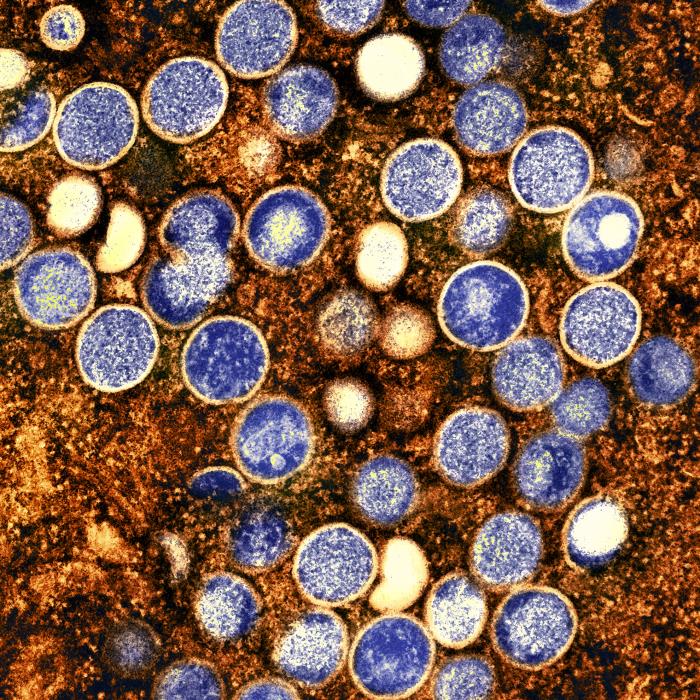
Image Credit: CDC PHIL| “This is a colorized transmission electron microscopic image of mpox virus particles (purple), which were found within an infected cell (brown), having been cultured in the laboratory. The image was captured and color-enhanced at the National Institute of Allergy and Infectious Diseases (NIAID), Integrated Research Facility (IRF), located in Fort Detrick, Maryland.”

Sweden Reports First Clade I Case Outside Africa, ECDC Raises Risk Alert Level

The Public Health Agency of Sweden reported on Thursday that the country has recorded the first case of mpox caused by clade I outside of Africa. Health and Social Affairs Minister Jakob Forssmed said in a news conference, “We have now also during the afternoon had confirmation that we have one case in Sweden of the more grave type of mpox, the one called clade 1.” State Epidemiologist Masnus Gisslen said in an official statement that the patient was infected while visiting “the part of Africa where there is a major outbreak of mpox clade 1.”

Following Sweden’s announcement, the European Centre for Disease Prevention and Control (ECDC) raised its risk level for mpox from ‘low’ to ‘moderate,’ for sporadic cases appearing in the EU. The agency also asked countries to maintain high levels of awareness regarding those traveling from affected areas. The ECDC says the overall risk to the EU population has gone up from “very low” to “low” and that it expects there will be more imported cases in the coming weeks.

United States Announces Further $424 Million in Assistance for the DRC

This week the US, through the United States Agency for International Development, announced “…nearly $424 million in humanitarian and health assistance to address the ongoing catastrophe in the Democratic Republic of the Congo (DRC). This includes $414 million in humanitarian assistance to support people experiencing persistent humanitarian needs resulting from conflict and displacement. This announcement, made in Kinshasa by the U.S. Ambassador to the DRC Lucy Tamlyn and U.S. Representative to the United Nations Agencies for Food and Agriculture Jeffrey Prescott, also includes an additional $10 million in health assistance to respond to the current mpox outbreak in the DRC and in other affected countries in the region. USAID is also donating 50,000 mpox vaccines to the DRC, which is the country most impacted by this outbreak.”

The statement later explained that “The United States is the largest provider of humanitarian assistance to the DRC and the largest bilateral donor to DRC’s health sector. This Fiscal Year, the U.S. provided more than $256 million in health assistance through bilateral programs including the President’s Emergency Plan for AIDS Relief (PEPFAR), the President’s Malaria Initiative (PMI), and the Global Health Security program, which enabled more than seven million people to receive lifesaving treatment for diseases including TB, HIV, and malaria.”

European Commission Coordinates Procurement and Donation of 215,000 Bavarian Nordic Doses to Africa CDC

The European Commission’s Health Emergency Preparedness and Respons Authority (HERA) announced on Wednesday that it “will procure and donate 175,420 doses of the MVA-BN® vaccine, the only FDA and EMA-approved mpox vaccine, as an immediate response to the mpox outbreak in Africa. In addition, the pharmaceutical company Bavarian Nordic will donate 40,000 doses to HERA. The Africa CDC will distribute the vaccines according to regional needs.”

The announcement came in response to Africa CDC’s call for the international community to assist in mobilizing two million vaccines to stop this outbreak. The Commission said in its statement that “Through the Africa CDC, these vaccines will be distributed to affected countries. Furthermore, HERA is in collaboration with the Africa CDC with the aim to expand access to mpox diagnostics and sequencing in the region, with a €3.5 million grant foreseen for early autumn.”

Bavarian Nordic Wins $157 Million Contract to Replenish US JYNNEOS Vaccine Supply

The Biomedical Advanced Research and Development Authority (BARDA) has reached an agreement with the Danish company Bavarian Nordic to “partly replenish” its stockpile of JYNNEOS vaccine following the 2022 mpox outbreak. This $156.8 million deal follows a similar one made last year by the US government totaling $120 million.

Further Reading

H5N1 Threat Persists but Remains Low

Despite the renewed focus on mpox, concern still remains about the spread of avian influenza globally, particularly H5N1, which has infected thirteen farmworkers in the United States so far this year. Despite the relatively low risk, Seqirus has begun producing and storing doses of its new vaccine targeting H5N1 in its facility outside of Raleigh, NC. In total, the company has agreed to produce 4.8 million doses in exchange for $22 million from the federal government. The government has also given Moderna $176 million to develop mRNA vaccines for influenza, including H5N1.

The CDC explained in a recent summary about its Influenza Risk Assessment Tool that “The current overall individual and population health risk to the general public posed by the avian influenza A(H5N1) virus presently spreading in cows, poultry, and other mammals remains low. Systematic comparisons of data related to this avian influenza A(H5N1) virus using the Influenza Risk Assessment Tool (IRAT) to data from other influenza A viruses has scored this virus’s future pandemic potential as “moderate risk” based on information through June 26, 2024. This is similar to previous assessments of earlier avian influenza A(H5N1) viruses.”

Furthermore, the WHO released an updated assessment on recent H5N1 events in collaboration with the Food and Agriculture Organization of the United Nations and the World Organisation for Animal Health. The assessment found that “At the present time, based on available information, FAO-WHO-WOAH assess the global public health risk of influenza A(H5N1) viruses to be low, while the risk of infection for occupationally exposed persons is low to moderate depending on the risk mitigation measures in place. Transmission between animals continues to occur and, to date, a limited number of human infections have been reported. Although additional human infections associated with exposure to infected animals or contaminated environments are likely to continue to occur, the overall public health impact of such infections at a global level is minor.”

DOD, NNSA Inaugurate New Supercomputing System Dedicated to Biological Defense

Earlier this month, the Department of Defense (DOD) and the National Nuclear Security Administration (NNSA) announced a new supercomputing system that is dedicated to biological defense at Lawrence Livermore National Laboratory. According to DOD, the Department “…is working with NNSA to significantly increase the computing capability available to our national biodefense programs. The collaboration has enabled expanding systems of the same system architecture as LLNL’s upcoming exascale supercomputer, El Capitan, which is projected to be the world’s most powerful supercomputer when it becomes operational later this year.”

“The biodefense-focused system will provide unique capabilities for large-scale simulation and AI-based modeling for a variety of defensive activities, including bio surveillance, threat characterization, advanced materials development, and accelerated medical countermeasures. DoD and NNSA intend to allow the U.S. Government interagency, International Allies and partners, and academia and industry to access the supercomputing capability.”

Learn more here.

Schumer Pledges to Block Any Senate Effort to Significantly Cut CDC Budget

Senate Majority Leader Chuck Schumer (D-NY) told The Associated Press this week that he would block any legislation from passing the Senate that proposes significant cuts to the budget of the Centers for Disease Control and Prevention (CDC). Schumer further said that such cuts “would wreak havoc and chaos on food safety funding mechanisms and tracking operations at a core level.” As the AP explains, “Democrats said the proposal in a House bill includes a reduction of the CDC’s proposed budget by $1.8 billion, or about 22%, that would harm public health. The Republican-led effort also would mean a major cut in programs designed to address firearm injuries and opioid overdose prevention.”

The House Appropriations Committee passed the measure on a party-line vote last month.

“AIxBio: Opportunities to Strengthen Health Security”

Aurelia Attal-Juncqua, Anita Cicero, Alex Zhu, and Thomas Inglesby recently authored this published this preprint on SSRN: “Artificial Intelligence (AI) has the potential to revolutionize biosecurity, health security, biodefense, and pandemic preparedness by offering groundbreaking solutions for managing biological threats. This landscape review explores recent advancements in AI across these fields, drawing from both grey literature and peer-reviewed studies published between January 2019 and February 2024. AI has demonstrated potential in predicting viral mutations, which could enable earlier detection of outbreaks, and streamlining resource allocation by analyzing diverse data sources. It could also play a crucial role in accelerating the development and deployment of medical countermeasures, such as vaccines and therapeutics. Additionally, use of AI may enhance laboratory automation, reducing human error and increasing biosafety. Despite these promising advancements, significant challenges and risks related to the potential misuse of AI, data security, and privacy concerns necessitate careful implementation and robust governance. This paper highlights the rapid progress and vast potential of AI in biosecurity, and provides key recommendations for U.S. policymakers to effectively harness AI’s capabilities while ensuring safety and security. These recommendations include expanding access to advanced computing resources, fostering collaboration across sectors, and establishing clear regulatory frameworks to support the safe and ethical deployment of AI technologies.”

“Emerging Biosecurity Threats in the Age of AI”

Suryesh K Namdeo and Pawan Dhar recently published this piece with IndiaBioscience: “As artificial intelligence (AI) enables the transformation of biology into an engineering discipline, an effective governance model that uses threat forecasting, real-time evaluation, and response strategies is urgently needed to address accidental or deliberate misuse. This article talks about the risks at the interface of AI and biosecurity and what could India do to better prepare for potential AI-biorisks.”

“2023 Biorisks, Biosecurity and Biological Disarmament Conference Report”

From UNIDIR: “To facilitate multi-stakeholder engagement around biological risks, biological security and biological disarmament, the United Nations Institute for Disarmament Research (UNIDIR), the United Nations Office for Disarmament Affairs (UNODA) and the World Health Organization (WHO) co-organized a stakeholder conference designed to bring together actors from civil society, academia and industry, as well as diplomats, to stimulate the exchange of ideas and thinking around how to build biosecurity and bolster biological disarmament.”

“The Biorisks, Biosecurity and Biological Disarmament Conference took place in Geneva, Switzerland, on 4–5 July 2023. The event provided an opportunity to discuss ongoing diplomatic processes and current and upcoming issues in the areas of biorisk, biosecurity and biological disarmament.”

“More than 80 individuals from 30 countries, representing 60 institutions, participated in the discussion in person, and a further 334 individuals joined the discussion virtually from around the world. The participants included diplomats, public health professionals, security experts and scientists from a wide range of organizations.”

“The Conference consisted of seven substantive panels, which explored a range of topics, centred on advances in science and technology and their related risks and benefits, biosecurity implementation, dual-use governance, disease response, international cooperation, and verification technologies. The discussions that took place during all seven panels are summarized in this conference report.”

“Launching the Global Biosecurity Accelerator at the Helsinki Biosecurity Dialogue”

Christopher East covers the launch of the Global Biosecurity Accelerator in this post from the Council on Strategic Risks, writing in part “This is a core driver of why CSR launched the Global Biosecurity Accelerator, of which the Helsinki Biosecurity Dialogue was the first multinational convening. The Global Biosecurity Accelerator’s mission is to accelerate global resilience to the full spectrum of biological threats— natural, accidental, or deliberate. In addition to promoting strong biosecurity strategies across nations, Accelerator events will raise insights from the range of actions that nations take—from enhancing biodefense, to embedding biosecurity in a whole-of-society approach, to One Health initiatives. Designed with interoperability and depth of defense in mind, CSR aims for the Global Biosecurity Accelerator to help jumpstart a ‘whole-of-globe’ approach to resilience against biological threats.”

“Russian Influence in Eastern Europe is Aggravating HIV Epidemic, Say Experts”

The Guardian‘s Kat Lay discusses the role of Russian propaganda in deterring people in eastern Europe from accessing necessary healthcare as AIDS deaths are up 34% compared to 2010. Lay writes in part, “Efforts to improve treatment and prevent infections are being hampered by Russian-linked propaganda against targets including opioid replacement therapy services, which reduce the risk of HIV infection among people using drugs, and the LGBTQ+ community…Meanwhile, “foreign agent” laws in a number of countries, following a pattern established in Russia, require charities and organisations receiving overseas funding to register and impose onerous reporting requirements. This has forced some charities to withdraw, a media briefing at the 25th international Aids conference was told.”

“Ebola: Ten Years Later – Lessons Learned and Future Pandemic Preparedness”

Krutika Kuppalli recently authored this post for PLOS Global Public Health‘s Speaking of Medicine and Health blog, writing in part “In early December 2013, a 2-year-old boy in the remote village of Meliandou, Guinea fell ill with a mysterious disease and succumbed to the illness a few days later.1 The disease spread rapidly, resulting in 49 cases and 29 deaths before being identified as the Zaire strain of the Ebola virus and officially declared an outbreak on March 23, 2014.2 Over the ensuing months, the outbreak spread to neighboring Liberia and Sierra Leone, with cases also emerging in Senegal, Nigeria, Mali, the United States and Europe.3 On August 8, 2014, the World Health Organization (WHO) Director-General declared the outbreak a Public Health Emergency of International Concern (PHEIC), the highest global health alert, signifying the outbreak posed a public health risk to other Member States and necessitated a coordinated international response.4 Despite global efforts to control the outbreak, it lasted for over two years, resulting in over 28,000 cases and more than 11,000 deaths by the time it was declared over on June 9, 2016.3 This crisis exposed significant weaknesses in global health systems, prompting a re-evaluation of pandemic preparedness and response strategies. A decade later, it is essential to reflect on the lessons learned from the West Africa Ebola crisis and their impact on current and future pandemic preparedness efforts. These lessons are outlined using the Health Emergency Preparedness and Response (HEPR) architecture developed by WHO, focusing on strengthening five core health emergency components: collaborative surveillance, safe and scalable care, community protection, access to countermeasures, and emergency coordination.”

“Déjà Vu All Over Again — Refusing to Learn the Lessons of Covid-19”

Michael S. Sinha, Wendy E. Parmet, and Gregg S. Gonsalves recently published this perspective piece in the New England Journal of Medicine, in which they explain “The spread of H5N1 avian influenza among cattle and other farm animals as well as to agricultural workers in the United States has raised concerns about the potential for an influenza pandemic. Although the threat of pandemic H5N1 doesn’t appear to be imminent — this variant has yet to show the potential to be transmitted from human to human — the federal government’s initial response suggests that, rather than heeding the lessons from Covid-19, elected officials and other key decision makers may be relying on a dangerous type of revisionism that could lead to more deaths, should H5N1 cause a pandemic.”

“The World Is Not Ready for the Next Pandemic”

Michael Osterholm and Mark Olshaker call for greater government investment in new and better vaccines in this Foreign Affairs article: “It is impossible to know when a new pandemic will arise, or which specific pathogen will be its cause. H5N1 is just one of the viruses that could mutate into something that will start a pandemic. But eventually, one will happen. It is therefore time to move away from vague recommendations and best practices to a far larger-scale program aimed at producing new and better vaccines, antiviral drugs and other countermeasures, and building the infrastructure at the scale needed to protect entire populations. Although such efforts will be costly, failing to take these steps could be catastrophic.”

NEW: AI and the Evolution of Biological National Security Risks

“In the wake of a global pandemic and rapidly advancing AI technologies, scientists and government leaders from around the world have sounded alarms about a changing biothreat landscape. Between dire warnings of more widely accessible bioterrorism capabilities, novel superviruses, and next generation bioweapons, how should policymakers and weigh the impacts of AI on biosecurity? Where are risks really changing, and where have they been overblown? What actions need to be taken now, and what emerging capabilities need to be monitored for future threats?”

“Please join the Center for a New American Security on Wednesday, August 21, from 10:30–11:30 a.m. ET for a panel discussion on these questions and more. Bill Drexel, Fellow in CNAS’s Technology and National Security Team, will be joined by leading biosecurity experts inside and outside government grappling with the nexus of AI and emerging biotechnologies.”

“This panel is part of CNAS’s AI Safety and Stability project, which aims to better understand AI risks and identify specific steps to improve AI safety and stability in national security applications. The event will build upon the project’s new report, AI and the Evolution of Biological National Security Risks: Capabilities, Thresholds, and Interventions in which Bill Drexel and Caleb Withers provide a clear-eyed overview of the emerging effects of AI on the biothreat landscape and propose actionable solutions to avoid the worst outcomes.”

This panel will feature Sonia Ben Ouagrham-Gormley, Associate Professor and Deputy Director of George Mason’s Biodefense Graduate Program, who reviewed and provided interviews to the report’s authors.

NEW-Safeguarding the Food Supply: Integrating Diverse Risks, Connecting with Consumers, and Protecting Vulnerable Populations – A Workshop

From the National Academies: “On September 4-5, the Food Forum will host a workshop that explores the state of the science around hazard- and risk-based approaches to safeguarding both domestic and global food systems. Workshop presenters will examine nutrition, economic, and equity implications in food safety decision-making, and considerations and strategies for communicating hazard and risk across sectors. The workshop will also include national and international perspectives on risk assessment and tools to mitigate risk, as well as opportunities for the future of risk management and assessment, food safety, and public health.”

Learn more and register for this virtual event here.

Assessing and Navigating Biosecurity Concerns and Benefits of Artificial Intelligence Use in the Life Sciences – August Information Gathering Meeting
From the National Academies: “This is the first in-person meeting of the consensus study, Assessing and Navigating Biosecurity Concerns and Benefits of Artificial Intelligence Use in the Life Sciences. The open session of this information gathering meeting will include initial briefings containing information relevant to study issues. The committee will also meet in closed session for project planning and review of topics and speakers for remaining meetings.”

This event will take place on August 13 and 14. Learn more and register here.

Call for Experts-Enhancing the Resilience of Healthcare and Public Health Critical Infrastructure

From the National Academies: The National Academies Forum on Medical and Public Health Preparedness for Disasters and Emergencies is seeking experts to participate in an upcoming workshop that will examine strategies, policies, and innovative actions to improve the resilience of health care and public health critical infrastructure to impacts from disasters and other emergencies.

Approximately 8-10 volunteer experts are needed to serve on the workshop planning committee. Expertise in the following areas is desired:

  • Healthcare operations and management
  • Public health, emergency management, and environmental health
  • IT, data science, and cybersecurity
  • Infrastructure systems, engineering, and supply chain
  • Risk assessment and mitigation
  • Insurances, cost management, and health economics
  • Community resilience and lived experience
  • Public policy

We are also collecting information for potential speakers, participants, and peer reviewers for any publications resulting from the activity.

Please submit nominations by August 23, 2024. For any additional questions regarding the workshop, please view the project page or email Shalini Singaravelu at SSingaravelu@nas.edu.

Learn more and submit nominations here.

Call for Experts-Potential Research Priorities to Inform Readiness and Response to Highly Pathogenic Avian Influenza A (H5N1): A Workshop

From the National Academies: The National Academies is seeking suggestions for experts to participate in a new workshop exploring research priorities to inform readiness and response to the ongoing Highly Pathogenic Avian Influenza (HPAI) A (H5N1) outbreak in the United States. Recognizing the interconnection between people, animals, and their shared environment, the workshop will take a One Health approach to bring together federal government agencies, the academic community, and the private sector, as well as other relevant stakeholders across the health, agriculture, and food safety sectors and will focus primarily on basic science and research questions of specific concern. 

Approximately 8-10 volunteer experts are needed to build a committee for a future workshop and any publications resulting from this activity. Expertise in the following areas is desired:

  • One Health and emerging infectious diseases
  • National, state, and/or local public health and medical readiness and response
  • Epidemiology and surveillance
  • Medical countermeasures (diagnostics, vaccines, therapeutics)
  • Agricultural and veterinary health and sciences
  • Food safety
  • Social sciences, risk communication, and community engagement
  • Modeling, risk assessment, and strategic foresight
  • Regulatory issues

Please submit nominations by August 30, 2024. For any additional questions regarding the forum, please view the project page or email Shalini Singaravelu at SSingaravelu@nas.edu.

Learn more and submit nominations here.

Pandora Report 12.15.2023

This week covers the FDA’s ongoing investigation into contaminated applesauce, the passing of Gao Yaojie-an activist responsible for bringing to light the extent of China’s AIDS epidemic-, and more.

Biodefense MS Graduates Riley Flynn and Sophie Hirshfield at GMU’s 2023 Winter Commencement Ceremony

FDA Leadership Says Tainted Applesauce Pouches May Have Been Intentionally Contaminated

Cinnamon applesauce pouches available Weis, WanaBanana, and Schnucks have been pulled from shelves after they were found to be contaminated with lead. Dozens of children in the United States have been sickened by the tainted products. Now, the FDA’s Deputy Commissioner for Human Foods, Jim Jones, says they may have been intentionally contaminated.

In an interview with Politico, Jones said “We’re still in the midst of our investigation. But so far all of the signals we’re getting lead to an intentional act on the part of someone in the supply chain and we’re trying to sort of figure that out.” All of the pouches in question were linked to a manufacturing facility in Ecuador that the FDA is currently inspecting.

‘“My instinct is they didn’t think this product was going to end up in a country with a robust regulatory process,” Jones said. “They thought it was going to end up in places that did not have the ability to detect something like this.”’

Politico further explained that “The FDA continues to investigate a number of theories for how the pouches became contaminated, and has not drawn any conclusions about the way the lead was added, why or by whom. The FDA says it currently believes the adulteration is “economically motivated.” That generally refers to ingredients being altered in order to make products appear higher in value, often so companies can produce a cheaper item and sell it at an elevated price.”

“The agency and the Centers for Disease Control and Prevention have collaborated with state and local health authorities as well as Ecuadorian authorities to trace the origin of the cinnamon in the applesauce pouches, which is believed to be the source of the lead contamination. More than 60 U.S. children under the age of 6 have tested positive for lead poisoning after consuming the pouches — some at levels more than 500 times the acceptable threshold for lead, according to The Washington Post.”

Gao Yaojie, Chinese Physician and Self-Exiled AIDS Activist, Dead at 95

Gao Yaojie, a gynecologist and well-known AIDS activist, died on December 10 in New York City. Gao, formerly based in China’s Henan province, was famous for her work to expose the outbreak of HIV/AIDS in the country in the 1990s and 2000s. The outbreak was large in scale and primarily driven by the country’s Plasma Economy, which arose because of restrictions on foreign imports of blood products in the 1990s. This resulted in blood plasma donation becoming a way for rural populations to make money in government-supported plasma donation centers. However, unsafe practices like repeated use of unsterilized needles and pooling multiple donors’ blood during the plasmapheresis allowed HIV to spread widely.

Because of the Chinese government’s efforts to suppress reporting on this epidemic, poor rural populations were left largely unaware of the dangers of plasma donation and the public in general was unaware of the severity of the crisis. Gao was one of the first to speak publicly about the outbreak, helping draw the attention of media outlets. She later told documentary filmmakers about her motivations for doing this, saying, “My driving thought is: how can I save more people from dying of this disease? We each only live one life.”

It is estimated that at least one million Chinese were infected with HIV during this epidemic, highlighting the importance of Gao’s and others’ bravery. For this, she garnered praise from the United Nations, several Western organizations, and even Hillary Clinton. This rising fame led to her being placed under house arrest in 2007, with about 50 police preventing her from traveling to the United States to accept an award recognizing her work. In response to this, she told NPR “I think they feel I got in the way of their political achievements and their official careers…Otherwise, why would they put me under house arrest? What law did I break to warrant mobilizing all these police?”

NPR further explained her activities later in life in their article on her passing, writing: “Despite pressure from Henan provincial authorities to stop publicizing the AIDS crisis, she continued her work, using all the proceeds from her books and pamphlets to support AIDS families, especially children orphaned by the disease or the many suicides that it caused.”

“Restrictions on her movement began hindering in work in China, however, and in 2009, she abruptly fled to the US, after fearing she would be put under house arrest again. Many admirers continued to visit her apartment in West Harlem, including a group of young Chinese students who kept her company in the loneliness of exile.”

‘”Many Chinese regarded her as a hero, and when they came to New York, if they didn’t know how to contact her , [sic] they would ask me. I would ask them for an email written in Chinese and would forward it to her. So far as I know, she always wrote back to those people and welcomed them to come visit,” remembers Andrew Nathan, a political science professor at Columbia University who handled much of Gao’s affairs in New York.”

“The Biological and Toxin Weapons Convention in 2023: Glimmers of Progress Set Against a Troubled Geopolitical Landscape”

Experts at CSR’s Nolan Center, including Biodefense PhD Program alumna and current faculty member Saskia Popescu, recently authored this blog post focused on the BWC’s potential for success in verification, universalization and effective implementation in Africa, and the creation of an International Agency for Biological Safety. They explain in their introduction: “For nearly two decades, efforts to strengthen the Biological and Toxin Weapons Convention (BWC) were in stasis, with opportunities missed and States Parties unable to agree to definite action. States Parties arrived at the Review Conference last year facing a growing biological weapons threat—augmented by rapidly converging complimentary technologies—coupled with a status quo in the BWC that was insufficient for the task. Yet nations drove a breakthrough: the consensus achieved at last year’s Review Conference proved that action is still possible despite the challenging international security environment.”

“In a world in which biological threats and vulnerabilities are exceedingly complex, there is a critical need to reinforce relationships among global experts, national governments, and civil society. Over the past two weeks, these stakeholders have met to identify, examine, and develop specific and effective measures to strengthen the Convention. An unwavering theme throughout the Meeting of States Parties underscored that preparedness and resilience are investments, rather than costs, reinforcing the deterrence by denial efforts CSR continues to promote. Although the challenging international security environment continues to hinder progress there are glimmers of genuine progress across several fronts…”

“Biosecurity in the Americas: Regional Threat Assessment”

A new from UMD’s START, co-authored by Biodefense MS Program alumna Alexandra Williams: “This publication, currently available in Spanish, provides a breadth and depth of focuses as a high-level assessment of the Central and South America regions and introduction to key topics as:

  1. The needed expansion of understanding of the differences and areas of collaboration between the concepts of biosafety and biosecurity,
  2. Existing international obligations to biosecurity through the BWC and UNSC Resolution 1540,
  3. How biosecurity applies to and may differ in application across a variety of facility types that engage in biological research or production, whether private or public laboratories, agricultural or university-based facilities,
  4. Biosecurity risks that include proliferation, bioterrorism, agroterrorism, and biocrime,
  5. The five pillars and mechanisms of biosecurity,
  6. Lastly, the application of biosecurity in the Central and South American regions.”

“NTI|Bio Convenes Workshop on Disincentivizing State Bioweapons Development and Use”

From NTI: “A week ahead of the Biological Weapons Convention (BWC) Working Group meetings in Geneva, Switzerland, NTI | bio convened a workshop on “Disincentivizing State Bioweapons Development and Use.” This two-day workshop on November 29 and 30 brought together academics, diplomats, biosecurity experts, and government policy makers to begin developing a cross-disciplinary thought and practice community to explore and develop potential disincentivizing solutions. Current thinking and policy on disincentivizing bioweapons acquisition and use is underdeveloped—especially by comparison with the nuclear security field.”

‘“We launched this effort because we see the need for more rigorous thinking on effective approaches to making bioweapons unattractive to nation-states,” said NTI | bio Vice President Jaime Yassif. “NTI’s goal is to bridge theory and practical policy-relevant approaches to develop new ideas that can invigorate international efforts to reduce biological threats.”’

Biodefense Graduate Program Director Gregory Koblentz and Associate Professor Sonia Ben Ouagrham-Gormley both participated in this workshop. Read more about it here.

“Great Powers and the Norms of the BW Prohibition Regime”

A new working paper from CBWNet: “The United States of America and the Soviet Union were instrumental in creating the biological weapons prohibition regime more than 50 years ago. This has left the regime with a big gap in its normative structure related to the verification of treaty compliance. The working paper by Alexander Kelle and Eva Siegmann analyses great power involvement in several areas of regime implementation and concludes that none of the great powers, including China, has supported the addition of declaration and inspection norms. While recent US and Chinese initiatives could still lead to a strengthening of the regime in different areas, Russian policies, most notably false accusations against the US and others, threaten to undermine the regime.”

“AI and Biorisk: An Explainer”

A new explainer from Georgetown’s CSET: “Recent government directives, international conferences, and media headlines reflect growing concern that artificial intelligence could exacerbate biological threats. When it comes to biorisk, AI tools are cited as enablers that lower information barriers, enhance novel biothreat design, or otherwise increase a malicious actor’s capabilities. In this explainer, CSET Biorisk Research Fellow Steph Batalis summarizes the state of the biorisk landscape with and without AI.”

“Bio X AI: Policy Recommendations For A New Frontier”

Jeffrey et al. discuss the work of the Federation of American Scientists’ Bio x AI Policy Development Sprint in this piece, explaining in their introduction: “Artificial intelligence (AI) is likely to yield tremendous advances in our basic understanding of biological systems, as well as significant benefits for health, agriculture, and the broader bioeconomy. However, AI tools, if misused or developed irresponsibly, can also pose risks to biosecurity. The landscape of biosecurity risks related to AI is complex and rapidly changing, and understanding the range of issues requires diverse perspectives and expertise. To better understand and address these challenges, FAS initiated the Bio x AI Policy Development Sprint to solicit creative recommendations from subject matter experts in the life sciences, biosecurity, and governance of emerging technologies. Through a competitive selection process, FAS identified six promising ideas and, over the course of seven weeks, worked closely with the authors to develop them into the recommendations included here. These recommendations cover a diverse range of topics to match the diversity of challenges that AI poses in the life sciences. We believe that these will help inform policy development on these topics, including the work of the National Security Commission on Emerging Biotechnologies.”

“Push to Improve Biosecurity in the Age of Genetic Engineering”

Wilmot James recently authored this opinion piece for Business Day, explaining in part “The possibility of using AI to develop bioweapons raises additional concerns, and remains uncharted territory. While the intersection of AI and biotechnology holds immense potential for positive applications in healthcare, research and diagnostics, it also poses risks if misused. AI algorithms could be employed to analyse vast genetic data sets and identify specific sequences for manipulation. This could accelerate the process of genetic engineering, allowing for the creation of more efficient and potentially harmful pathogens…To safeguard against such threats, multilateral and public-private sector agreements and regulations to govern the ethical use of AI in science, emphasising the prohibition of bioweapon development, should be established, with strong oversight committees responsible for assessing the ethical implications at the intersection of AI and biotechnology. These committees should include experts in AI, virology, bioethics and global health security.”

“Sounding the Alarm on Anti-Science”

Margaret Winchester provides background and overview of Peter Hotez’s latest book-The Deadly Rise of Anti-Science-in this piece for Health Affairs: “In his book, The Deadly Rise of Anti-Science, Hotez, professor and dean of the National School of Tropical Medicine at Baylor College of Medicine, and co-director of the Center for Vaccine Development at Texas Children’s Hospital, paints a bleak picture of public science denial during the pandemic, embedded in historic context. He tells the story of systematic anti-science efforts from his view in the trenches—and as a personal target for anti-science activists. This book, and his commentary in our December issue of Health Affairs on global lessons from COVID-19, highlight the very real effects of this movement, including lives lost, undermined public health efforts, foregone vaccinations, social schisms, and more, that will be felt for generations to come. As he writes, “anti-science now kills more Americans than global terrorism, or other deadly societal forces and social determinants.” Drawing from multiple sources, he estimates that approximately 200,000 people needlessly died in the US after COVID-19 vaccines became widely available.”

EU vs Disinfo Disinformation Review

The most recent edition of EU vs Disinfo’s Disinformation Review is now available and features multiple sections focused on Russia’s continued use of alleged US biological weapons laboratories as a bogeyman. Be sure to check it out for fantastic lines such as “If the only tool that you have is a hammer, everything looks like a biolab,” and “At a staged event, Putin mumbled out an announcement to veterans and the wider public that his regime would continue to rule over Russia after an orchestrated ritual not to be confused with an event known as an ‘election’ in the free world.”

2023 State of the Bioeconomy

From BIOISAC: “We have a lot to celebrate as we close 2023 and just over 12 months since the Executive Order calling for a safe, secure bioeconomy. Join us as we recap the activity, publications, outcomes, and – we will of course share a glimpse of the “behind the scenes” conversations from our 3 regional events and our one-day “Closing the Knowledge Gaps” event, our two-day table top training and the resulting “Going Viral: Bioeconomy Defense TTX” report, and, of course, the industry-demanded outputs from our hardware/software device security workgroup report and supplements, “Fortifying the Bioeconomy” as well as the Bioeconomy Security Questionnaire and Instrument Disposal Guide. We also have a lot left to do! We plan to share a few of our goals for 2024 and our upcoming regional events schedule.”

“Join us December 19th at 2pm Eastern-US for a live discussion.” Register here.

Presidential Advisory Council on Combating Antibiotic-Resistant Bacteria (PACCARB) Virtual Meeting

“The Presidential Advisory Council on Combating Antibiotic-Resistant Bacteria (PACCARB) provides advice, information, and recommendations to the U.S. Secretary of Health and Human Services (HHS Secretary). The council supports and evaluates U.S. government activities focused on fighting antimicrobial resistance (AMR) in human health, animal health, and environmental health. Using this One Health approach, members of the PACCARB have expertise from a range of backgrounds, including academia, industry, public health, advocacy, veterinary, and agricultural production.”

“The PACCARB was established under Executive Order 13676 and included in the Pandemic and All-Hazards Preparedness and Advancing Innovation Act of 2019 (PAHPAIA). Since 2019, the President has given authority to the HHS Secretary as the primary recipient of PACCARB recommendations. Additional information on the authority and activities of the PACCARB can be found on the About Us page in the charter.”

“As a federal advisory committee, the PACCARB looks to engage with the public and all AMR stakeholders. The council holds several public meetings every year both in-person and live streamed on the HHS.gov website. These meetings are open to anyone with an interest in combating AMR. See how to get involved!”

This virtual meeting will take place on December 20 from 9-4 EST. Learn more here.

61st ISODARCO Course: Nuclear Order and International Security after Ukraine

“The war in Ukraine has had an enormous impact on global security, reviving nuclear fears, undermining the prospects for arms control, and shattering many of the norms and constraints that were the foundation of European security.  ISODARCO 2024 will examine the global nuclear order in light of the Ukraine war, focusing on the states, the policies and the technologies that will shape the future in a much more difficult environment.  How will we cope with this more dangerous world?”

This course will take place January 7-14, 2024, at the University of Trento. Learn more and register here.

International Conference, CBRNE Research & Innovation

“The last 40 years have demonstrated that both military and civilian populations could be exposed to highly hazardous CBRNE agents following conflicts, natural outbreaks and disasters, industrial incidents or terrorist attacks.”

“Worldwide, researchers, responders and industrial capacities have been commited to provide adapted response to these challenges.”

“Building on the success of the first 5 International Conferences « CBRNE Research and Innovation » which took place in Antibes (2015), Lyon (2017), Nantes (2019), on line (2021) and Lille (2022), we want to give you a new opportunity to build up or strengthen collaborative networks in Strabourg (March 19th – 21rst 2024).”

“The CBRNE R&I Conference is specifically devoted to scientific updates, responders’ feedbacks and expression of needs. It also includes workshops and demonstrations of innovative materials, technologies and procedures, according to the following themes: DETECTION – IDENTIFICATION, PROTECTION – DECONTAMINATION, MEDICAL COUNTERMEASURES, RISKS & CRISIS MANAGEMENT.”

“Looking forward to your proposals for communication and to welcoming you at Strasbourg in March 2024!”

Learn more here.

Registration for GHS 2024 Now Open

Registration is now open for the Global Health Security 2024 conference in Sydney, Australia. This iteration will take place 18-21 June, 2024. The call for abstracts is also still open. “The mission of the Global Health Security conference is to provide a forum where leaders, researchers, policy-makers, and representatives from government, international organisations, civil society, and private industry from around the world can engage with each other, review the latest research and policy innovations, and agree solutions for making the world safer and healthier. To that end, our mission is to help foster a genuinely multidisciplinary community of practice that is committed to working collaboratively to enhance global health security and eliminate disease, irrespective of its origin or source.”

WHO Announces Proposed Members of Technical Advisory Group on Response Use of the Life Sciences and Dual-Use Research

The WHO recently announced its proposed membership of its Technical Advisory Group on Responsible use of the life sciences and dual-use research (TAG-RULS DUR). According to WHO, “As per WHO processes, there will be now a two-week public consultation period for WHO to receive feedback on the proposed TAG-RULS DUR members and set in place the modalities for the TAG-RULS DUR’s first meeting, which is planned to take place following this consultation period…The final membership to the TAG-RULS DUR is subject to the above-mentioned public consultation period and relevant WHO practices and procedures.”

The proposed membership and instructions for providing commentary on the individuals included are both available here.

Vote: 2023 Arms Control Person(s) of the Year Nominees

“Since 2007, the independent, nongovernmental Arms Control Association has nominated individuals and institutions that have, in the previous 12 months, advanced effective arms control, nonproliferation, and disarmament solutions and raised awareness of the threats posed by mass casualty weapons.”

“In a field that is often focused on grave threats and negative developments, the Arms Control Person(s) of the Year contest aims to highlight several positive initiatives—some at the grassroots level, some on the international scale—designed to advance disarmament, nuclear security, and international peace, security, and justice.”

Voting will take place between Dec. 8, 2023, and Jan. 11, 2024. The results will be announced on Jan. 12, 2024. Follow the discussion on social media using the hashtag #ACPOY2023.”

Learn about the nominees and vote here.

Pandora Report: 1.6.2023

Happy New Year! This first edition of the year covers a number of updates from happenings over the course of our break, including the announcement of an exciting new book on genome editing from a Biodefense Program alumna. We also discuss the XBB.1.5 sub-variant, Dr. Fauci’s retirement from government, and more this week.

XBB.1.5 is the Most Transmissible COVID-19 Strain Yet According to WHO

XBB.1.5, yet another Omicron subvariant, rapidly went from accounting for just 4% of new US COVID-19 cases to more than 44% in a matter of weeks. Dr. Maria Van Kerkhove, the WHO’s COVID-19 Technical Lead, said this week “We are concerned about its growth advantage, in particular in some countries in Europe and the Northeast part of the United States, where XBB.1.5 has rapidly replaced other circulating sub-variants.” Thus far, the strain has been detected in at least 29 countries, though the WHO cautions it could be circulating in many more. Importantly, as Politico notes, “Van Kerkhove said the increase in hospitalizations in the Northeast cannot be attributed yet to XBB.1.5 because other respiratory illnesses, including flu, could be partially responsible.”

The WHO does not have data on the severity of the sub-variant yet, though it is currently conducting a risk assessment and monitoring any possible changes in severity via lab studies and real world data. Dr. Ashish Jha, White House COVID-19 Response Coordinator, recently Tweeted that immunity against this subvariant is “probably not great” if someone’s prior infection was before July 2022 or if they have not received a bivalent COVID-19 booster. However, he indicated Paxlovid and Molnupiravir as well as current COVID-19 tests should still work sufficiently against this sub-variant.

FY 2023 Omnibus Brings Changes in Global Health Funding, Gain of Function Research

Weeks before the current hullabaloo of the 118th Congress began, President Biden signed the late 2022 Omnibus appropriations bill on December 29, 2022, bringing about $1.7 trillion in funding for different programs that deal with health broadly. According to the Kaiser Family Foundation, the bill “…ncludes funding for U.S. global health programs at the State Department, U.S. Agency for International Development (USAID), Centers for Disease Control and Prevention (CDC), and National Institutes of Health (NIH). Funding provided to the State Department and USAID through the Global Health Programs (GHP) account, which represents the bulk of global health assistance, totals $10.6 billion, an increase of $731 million above the FY 2022 enacted level and $15 million below the FY 2023 request. The bill provides higher levels of funding for almost all program areas compared to the FY 2022 enacted level, with the Global Fund to Fight AIDS, Tuberculosis and Malaria (Global Fund) and global health security receiving the largest increases; funding for bilateral HIV and family planning and reproductive health (FPRH) remained flat. Funding for global health provided to the CDC totals $693 million, an increase of $46 million compared to the FY22 enacted level, but $55 million below the FY23 request. Funding for the Fogarty International Center (FIC) at the NIH totaled $95 million, $8 million above the FY22 enacted level and essentially flat compared to the FY23 request.”

The new legislation also takes aim at gain-of-function (GoF) research, after GOP lawmakers pushed the administration to halt federally-funded GoF research, citing beliefs that such research is responsible for the COVID-19 pandemic. On page 3,354 of the more than 4,100 page bill, it reads, “(1) IN GENERAL.—Beginning not later than 60 days after the date of the enactment of this Act, the Secretary of Health and Human Services shall not fund research conducted by a foreign entity at a facility located in a country of concern, in the estimation of the Director of National Intelligence or the head of another relevant Federal department or agency, as appropriate, in consultation with the Secretary of Health and Human Services, involving pathogens of pandemic potential or biological agents or toxins listed pursuant to section 351A(a)(1) of the Public Health Service Act (42 U.S.C. 262a(a)(1)).”

The Act also includes provision for tempering undue foreign influence in biomedical research, such as foreign talent recruitment programs, and addressing national security risks related to biomedical research generally. Importantly, too, it provides greater funding for countermeasure development, including $1.5 billion for the recently formed Advanced Research Projects Agency for Health, and $3.3 billion for MCM research and improving elements like the Strategic National Stockpile.

For a concise run-down, check out the KFF’s budget tracker to see details on historical annual appropriations for global health programming.

On the Topic of Risky Research…

With all the political mudslinging regarding GoF and biomedical research in general, it is important to have access to quality information about the facilities around the world conducting this kind of research. The Bulletin of the Atomic Scientists recently highlighted the work of Drs. Greg Koblentz and Filippa Lentzos on this front–Global Biolabs. The Bulletin explains, “George Mason University biosecurity expert Gregory Koblentz, who co-leads the project with Filippa Lentzos, a King’s College London researcher, said shining a light on the proliferation of the labs can help cut through misinformation about them and allow for a clear-eyed look at how these beneficial, yet also potentially risky facilities are managed. “One of the goals of our project is to increase transparency and educate the public and policy-makers about these labs’ activities and what governance measures are necessary to ensure they are operating safely, securely, and responsibly,” Koblentz said. “Accurate information is a prerequisite for an informed debate on the benefits and risks posed by these labs.”

Throughout the rest of the piece, Dr. Koblentz addresses common questions and assumptions about high risk work and the kinds of facilities it takes place in, covering everything from national-level biosafety and dual-use research policies to the time and effort it takes to actually build these facilities, and the challenges in gauging on-the-ground implementation of good policy.

Dr. Anthony Fauci Retires From Federal Service

After a marathon 38-years as the Director of the National Institute of Allergy and Infectious Diseases, Dr. Anthony S. Fauci retired from government on December 31, 2022. During his tenure, he advised seven presidents on HIV/AIDS and other domestic and global health issues, even serving as one of the main architects of the President’s Emergency Plan for AIDS Relief (PEPFAR), a program estimated to have saved more than 20 million lives. Having served the American public for more than 50-years, Dr. Fauci has earned distinctions such as a Federal Citation for Exemplary Leadership from the National Academy of Medicine in 2020, the National Medal of Science from President George W. Bush in 2005, and, in 2008, the Presidential Medal of Freedom-the highest civilian award in the United States, bestowed by the President of the United States to recognize those who have made “an especially meritorious contribution to the security or national interests of the United States, world peace, cultural, or other significant public or private endeavors.” In a famous 1988 clip from that year’s presidential debate, then Vice President George H.W. Bush identified a then relatively unknown Dr. Fauci as his idea of an American hero, commending his work to fight HIV/AIDS.

Dr. Fauci’s career ended in a rocky last couple years as the COVID-19 pandemic gripped the world and, amid the United States’ lackluster response, public health and its leadership became increasingly politicized. The GOP has increasingly targeted Dr. Fauci, even going so far as to promise to investigate his role in the COVID-19 response upon taking control of the House of Representatives. Dr. Fauci has indicated he is fully willing to testify and cooperate with such an investigation, saying he has nothing to hide.

Despite the incessant calls to “fire” or “imprison Fauci,” the esteemed former NIAID director has indicated he does not plan to completely stop his work now that he is no longer a government employee. He told the New York Times that he “…hopes to do some public speaking, become affiliated with a university and treat patients if it has a medical center. He intends to write a memoir, he said, and he wants to encourage people to pursue careers in science, medicine and public service.”

When asked, “Are there other threats that you think about beyond infectious disease threats?,” Dr. Fauci responded: “What really, really concerns me is the politicization of public health principles. How you can have red states undervaccinated and blue states well vaccinated and having deaths much more prevalent among people in red states because they’re undervaccinated — that’s tragic for the population,” showcasing his unfailing concern and dedication to the mission to the very end.

IAVI’s Ebola Sudan Vaccine Arrives in Uganda

IAVI, the International AIDS Vaccine Initiative, announced in late December that the first shipment of its Sudan virus (SUDV) vaccine arrived in Entebbe, Uganda, on December 17. IAVI’s press release explains the goal of shipping its candidate, writing “The IAVI vaccine candidate is one of three intended to be evaluated in a “ring vaccination” clinical trial being planned to assess vaccine effectiveness in preventing Ebola Sudan disease, should the outbreak in Uganda continue or recur. In November, a WHO-convened expert independent group ranked IAVI’s investigational SUDV vaccine candidate as the number one priority investigational vaccine for inclusion in the trial. As public health measures implemented in Uganda have fortunately been successful in limiting new cases of Ebola Sudan virus disease, it may not be possible to conduct a formal ring vaccination study. Even if the ring vaccination trial cannot be conducted as currently designed, IAVI will continue to move our program forward as expeditiously as possible. Alternative clinical studies are being considered that would contribute to the evidence base needed to bring promising vaccine candidates to regulatory approval and support their use to control future outbreaks. These studies will be co-sponsored by the Ministry of Health in Uganda and WHO, with support from other partners.”

“Genome Editing and Biological Weapons: Assessing the Risk of Misuse”

In her new book, GMU Biodefense PhD alumna Dr. Katherine Paris introduces state-of-the-art genome editing technologies, and she assesses the risk that nefarious actors could intentionally misuse these technologies to develop more dangerous biological weapons. Dr. Paris uncovers how concerns over the possible misuse of genetic engineering began in the mid-1970s, and she traces how these warnings unfolded over time. These cautions came to a head in the 2016 Worldwide Threat Assessment of the United States Intelligence Community, which warned about the deliberate or unintentional misuse of genome editing to create harmful biological agents or products. In the foreword of Genome Editing and Biological Weapons: Assessing the Risk of Misuse, Dr. Gregory Koblentz, Biodefense Graduate Program Director, emphasizes the need for a “thorough, informed, and accessible analysis” of genome editing technologies, which Dr. Paris delivers in her book.

Dr. Paris systematically assesses both the risk of misuse and the potential governability of genome editing technologies. Policymakers have the ultimate challenge of protecting and safeguarding the continued development and use of genome editing for legitimate purposes, while putting in place biodefense and biosecurity strategies to prevent misuse. Dr. Paris provides a tailored set of recommendations that are sensitive to the cost-benefit trade-off of regulating genome editing technologies. The book is a must-read for policymakers as well as researchers, defense and security personnel, and intelligence analysts.

Dr. Paris is a Senior Program Analyst with over a decade’s worth of government contracting experience, and she is a certified Project Management Professional. Prior to her studies in Biodefense at GMU, she earned her MS in Biotechnology at Johns Hopkins University and BS in Biology from the University of Virginia. Dr. Paris continues her involvement at GMU as a mentor for students in the Schar School Alumni Mentoring Program.

“The Treaties That Make the World Safer Are Struggling”

Jen Kirby, a Senior Foreign and National Security Reporter at Vox, recently authored this piece discussing current issues in international disarmament and nonproliferation, focusing in large part on the Biological Weapons Convention. Kirby summarizes last year’s BWC RevCon, writing “But after three weeks of discussions that ended about a week before Christmas, the BWC RevCon ended up a modest success. The parties basically agreed to agree to keep talking, establishing a working group, which would meet for a little more than two weeks each year and deal with a long, long list of issues related to the BWC, including evaluating developments in science and technology and potential verification and compliance measures. And the unit that implements the convention would get another staff member. A team of three people tasked with helping to keep the world free of bioweapons became four.”

She then writes, “Modest,” then, is doing a lot of work. But in this geopolitical climate, you take what you can get.”

The piece continues, covering US political wrangling at past RevCons and comparable issues with the Nuclear Nonproliferation Treaty and the New Strategic Arms Reduction Treaty. She explains that this is part of a broader issue, writing “The Ukraine war and its fallout may be among the biggest current threats to global stability. But Russia is not alone. China is expanding its nuclear arsenal and has rebuffed attempts to engage bilaterally on arms control with the US even as the competition between Washington and Beijing escalates. North Korea is likely closing in on more nuclear tests. Tensions simmer between nuclear powers India and Pakistan. The United States tore up the Iran deal during the Trump administration, one of a few arms control treaties Washington exited in recent years, including the Intermediate-Range Nuclear Forces Agreement (INF) and the Open Skies Treaty, which allowed for unarmed reconassaince flights. The latter two exits chipped away at the arms control regime with Russia, even as the US had very valid claims of Russian noncompliance.”

“The 20-Year Boondoggle”

In this piece for The Verge, Amanda Chicago Lewis writes, “The Department of Homeland Security was supposed to rally nearly two dozen agencies together in a modernized, streamlined approach to protecting the country. So what the hell happened?” In it, she discusses the early and enduring challenges of forming DHS and ensuring it meets is goals, focusing in part on the BioWatch program in addition to ongoing issues with Congressional approval and agency morale in the catch-all department.

She writes, “The dysfunction might have been funny, in a Dilbert-meets-Veep way, if the stakes weren’t so high. Albright was overseeing a project called BioWatch, a system intended to detect traces of biological and chemical weapons of mass destruction. Bush described BioWatch in his 2003 State of the Union as “the nation’s first early warning network of sensors,” which would initiate processes to mobilize hospitals, alert the public, and deploy supplies from the national stockpile.”

She continues, “There was only one problem: BioWatch never functioned as intended. The devices were unreliable, causing numerous false positives. “It was really only capable of detecting large-scale attacks,” Albright explained, because of “how big a plume would have to be” for the sensors to pick it up. And the system was prohibitively slow: every 24 hours, someone had to retrieve a filter and then send it to a laboratory for testing, which might then take another 24 hours to discover a pathogen.”

“The time required after BioWatch might pick up evidence of a toxin and the time required to get it to somebody who might be able to reach a conclusion there might be a terrorist attack — my God, by that time, a lot of people would have gotten sick or died,” former Senator Joe Lieberman told me.”

“Hacked Russian Files Reveal Propaganda Agreement with China”

In this piece for The Intercept, Mara Hvistendahl and Alexey Kovalev cover Russia’s attempts to coordinate with China to spread disinformation about the United States’ Cooperative Threat Reduction program and its facilities in Ukraine. In their piece, they explain that, “A bilateral agreement signed July 2021 makes clear that cooperating on news coverage and narratives is a big goal for both governments. At a virtual summit that month, leading Russian and Chinese government and media figures discussed dozens of news products and cooperative ventures, including exchanging news content, trading digital media strategies, and co-producing television shows. The effort was led by Russia’s Ministry of Digital Development, Communication and Mass Media, and by China’s National Radio and Television Administration.”

“In the propaganda agreement, the two sides pledged to “further cooperate in the field of information exchange, promoting objective, comprehensive and accurate coverage of the most important world events.” They also laid out plans to cooperate on online and social media, a space that both countries have used to seed disinformation, pledging to strengthen “mutually beneficial cooperation in such issues as integration, the application of new technologies, and industry regulation.” 

Read this piece here.

Managing Hazardous and Biohazardous Materials/Waste in the Laboratory Setting

The Chesapeake Area Biological Safety Association recently announced this technical seminar offering from Triumvirate Environmental, which will take place at 6 pm on January 10, 2023 both virtually and in-person in Gaithersburg, MD. “Laboratories can generate biohazardous and hazardous waste. Confusion is not uncommon on what the differences are when it comes to disposal and handling.  This webinar will review the differences and discuss proper handling and disposal of each type of waste.  Potential recycling options will also be discussed.” Learn more and register here.

Closing the Knowledge Gaps

“BIO-ISAC, in partnership with the Department of Homeland Security and Johns Hopkins Applied Physics Laboratory, will host a one-day event (with remote participation available) on January 24, 2023.”

“This gathering of thought leaders across the industry and its partners will address knowledge gaps about the bioeconomy itself. The event is expected to deliver recommendations that demonstrate the scope and breadth of industry impacts, identify specific safety needs and goals, and carve the path forward for a secure future.” Learn more and register here.

Novel Applications of Science and Technology to Address Emerging Chemical and Biological Threats

For the first time since 2019, this Gordon Research Conference is back, this time in sunny Ventura, CA. “The Chemical and Biological Defense GRC is a premier, international scientific conference focused on advancing the frontiers of science through the presentation of cutting-edge and unpublished research, prioritizing time for discussion after each talk and fostering informal interactions among scientists of all career stages. The conference program includes a diverse range of speakers and discussion leaders from institutions and organizations worldwide, concentrating on the latest developments in the field. The conference is five days long and held in a remote location to increase the sense of camaraderie and create scientific communities, with lasting collaborations and friendships. In addition to premier talks, the conference has designated time for poster sessions from individuals of all career stages, and afternoon free time and communal meals allow for informal networking opportunities with leaders in the field.” The conference will be held March 19-24, 2023. Learn more and apply here by February 19.

Weekly Trivia Question

You read the Pandora Report every week and now it’s time for you to show off what you know! The first person to send the correct answer to biodefense@gmu.edu will get a shout out in the following issue (first name last initial). For this week, our question is “Before perpetrating the infamous Tokyo subway sarin attack in 1995, this Japanese cult attempted to disseminate botulinum neurotoxin and Bacillus anthracis, among other agents. What was the name of this cult prior to its split/name change in 2007?”

Shout out to Scott H. (a loyal reader and proud parent of a talented Biodefense MS student!) for winning last week’s trivia! The correct answer to “In 2016, there was an outbreak of what disease in reindeers in the Yamalo-Nenets region of Russia?” is anthrax.

Pandora Report: 11.4.2022

Happy Friday! This week focuses heavily on China and Russia, covering the recent ProPublica piece on the Wuhan Institute of Virology, Shanghai’s lockdown, Russia’s failed attempt at creating a UN Security Council committee to investigate its false claims about supposed US biological weapons facilities in Ukraine, and more. We also cover new publications, a new podcast release from the University of Bath’s Dr. Brett Edwards, upcoming events, and an exciting fellowship opportunity from the WHO.

About That ProPublica Piece

Late last week, ProPublica and Vanity Fair released a piece in conjunction with the Senate HELP Committee minority’s interim report, claiming to have unveiled new information from the Wuhan Institute of Virology (WIV) supporting the lab leak theory of COVID-19’s origin. In it, Katherine Eban and Jeff Kao rely heavily on the work of a single self-proclaimed polyglottal State Department political officer to translate Chinese Communist Party (CCP) “party speak,” which he claims native speakers “can’t really follow…” Now, the piece some have described as a train wreck is being heavily criticized for having faulty translations, mis-matched dates, misrepresenting the sources of the documents discussed in it, not understanding how common VPN usage is in China-related research, and more. ProPublica is reportedly scrambling to review critical details of their piece, but is it too late? Let’s talk about some core issues with the article and what they might mean long term.

‘Party Speak’ or Just Lost in Translation?

The first half of the ProPublica piece is dominated by glowing discussion of Toy Reid, a former RAND Corporation employee and East Asia political officer at the US Department of State, covering his blue collar origins and attendance at Harvard. The authors then discuss how Reid spent over a year working for the Senate HELP Committee, using a VPN to search “dispatches” on the WIV’s website from Hart Senate Office Building and his Florida home. They write, “These dispatches remain on the internet, but their meaning can’t be unlocked by just anyone. Using his hard-earned expertise, Reid believes he unearthed secrets that were hiding in plain sight.”

Plain sight is right! These “dispatches” were updates posted to the Wuhan Institute of Virology’s (WIV) homepage on the general news tab. In fact, you can go look through this whole tab here to see mundane entries ranging from a recent day reflecting on the 20th National Congress to a July post about WIV celebrating the 101st anniversary of the Party, to general updates about different trainings and publications related to the institute. Therein lies one of the fundamental problems with this piece-these were not secretive dispatches internal to the Party. These are essentially press releases meant to face outward. Yes, they are laden with mentions of comrades, references to struggles and frontlines, and key Chinese leaders, including Xi Jinping and the recently ousted Li Keqiang. They are, after all, written by Party members in a major facility of the Chinese Academy of Sciences. They are going to have this kind of language by default, especially around times like national congresses and major anniversaries.

To be clear, the CCP does use euphemisms and round-about language at times to describe high-level concepts and goals. In fact, some scholars spend the bulk of their careers conducting political discourse analysis and understanding leaders’ officialease or government-speak. Some do focus on CCP party speak, which has become especially interesting in the Xi years. However, this is definitely not unique to the CCP as one can find scholars dissecting and analyzing any number of world leaders’ speeches and government lexicons. It is also important to recognize that this concept is not some niche or extremely esoteric concept known only to a few in China watching circles. Students studying Chinese politics overwhelmingly have to learn things like “crossing the river by touching the stones” or “socialism with Chinese characteristics” as a Chinese-specific form of Marxism-Leninism throughout the periods of Dengism, Three Represents, Scientific Outlook on Development, and now Xi Jinping Thought. It it core to understanding national agendas throughout different leadership periods.

However, with this comes the understanding that Party documents are laden with this kind of jargon and narrative furthering. This also is not unique to the CCP. In fact, Harry Hodgkinson wrote an entire guide in 1955 on Soviet jargon and unique meanings Communist parties give to particularly terms. While this jargon and overarching nationalistic narratives offer important context for the WIV posts, they do not represent some in-between-the-lines version of Chinese that “even native Mandarin speakers can’t really follow…” Rather, they help explain why the language in the posts seems so dramatic and nationalistic.

What’s in a Narrative?

In October 1949, Mao Zedong declared the official founding of the People’s Republic of China. With Chiang Kai-shek and the remainder of the KMT exiled to the island of Taiwan and the decades long civil war over, Mao was left to figure out how to actually lead the new PRC. Central to this were narratives of overcoming the century of humiliation, protecting the sovereignty and integrity of Chinese territory, bringing justice for China against those who subjugated it, and building a strong, advanced country. These ideas were central to nationalism at the time and drove pushes to modernize like the infamous Great Leap Forward. As Dr. Kerry Brown of King’s College London writes, “That self-designated task of bringing about justice for China was the main justification for the Party’s many mistakes under Mao when the second resolution on its own history was produced a few years after his death in 1981.” Themes of struggle against western imperial powers and self-determination were critical political tools wielded by the Party, even in the face of wildly unpopular, destructive policies.

Though it looks different today, narratives of national struggle and rejuvenation are still important features of CCP rhetoric, even for Party members at a CAS laboratory. Brown discusses the power of narrative in modern China, writing, “For the current dominant leader Xi Jinping, the notion that the Party is a kind of epistemic community, one uniquely placed to carry China forwards to the fulfilment of its great quest for a just outcome to history, is becoming more powerful by the day.  Seen in these terms, the Party is not so much about power per se – but power to deliver this historic outcome. That perhaps explains why, despite the many challenges and problems with its practice and its own history, it still remains so dominant in China.” Today, concepts like the Chinese dream, national rejuvenation, and the goal of becoming fully modernized by 2049 are central themes Party rhetoric uses, even in discussing day-to-day work at different lower-level organizations.

In the context of the Wuhan Institute of Virology posts, this is seen in the framing of work at the lab as some kind of grand struggle. In one of the first WIV posts referenced by ProPublica and Vanity Fair (available here in its original format), the authors claim to have found a dispatch that “…referenced inhumane working conditions and “hidden safety dangers.” On Nov. 12 of that year, a dispatch by party branch members at the BSL-4 laboratory appeared to reference a biosecurity breach: “These viruses come without a shadow and leave without a trace.”

However, as a number of Mandarin speakers and China watchers have pointed out online, this was actually a very general post about how the facility went from humble beginnings at its founding to now being a training hub and “fighting fortress” of China’s research and public health. It is written not unlike other fictional and non-fictional works describing BSL-4 facilities in other countries (The Hot Zone, anyone?)-hours are long in these space suit-like positive pressure suits, the pathogens are unimaginably dangerous, and those doing the work are brave, hardworking, brilliant scientists.

Much of Toy Reid’s interpretation of this post depends on a misinterpretation of “每当这时” (Měi dāng zhè shí, “whenever”) in the context of a description of Party members leading by example whenever handling BSL-4 pathogens. Reid instead took this as “whenever there are biosafety breaches,” and not some inspirational statement about Party members. Other portions of the article focus on visits from Chinese Academy of Sciences officials and seminars on the importance of biosafety and commonly noted issues during safety inspections. However, these were updates about high-level visitors and general efforts to ensure the facility maintained safety standards, much like those any organization anywhere might make.

James Palmer, deputy editor at Foreign Policy and author of Foreign Policy’s China Brief, discussing the normal workplace nature of the WIV posts

The Wuhan Institute of Virology boasts the PRC’s first BSL-4 (P4) facility, which opened in 2018, marking a major milestone for the country. A boastful post about how it came from humble beginnings but, through the work of very dedicated personnel, is now doing important, taxing work and striving to always be better is very par for the course. There is even a corny word play in the post about how Party members “infect” (Gǎnrǎn, “感染”) others with their practical actions and safety-conscious attitudes. As many have now pointed out, this is just the Party bragging about how dedicated their members are, how far the facility has come, and how personnel are constantly working to better themselves and their organization. In other words, it is furthering the Party narrative, not hinting at secret internal problems.

References throughout the posts cited by ProPublica to General Secretary Xi Jinping and his discussion of technology as a weapon make sense in the context of Party-authored news posts. Xi Jinping has achieved power unlike any previous leader, capturing himself a historic third term after the country removed presidential term limits in 2018. Xi Jinping Thought (“Xi Jinping Thought on Socialism with Chinese Characteristics for a New Era”) was also formally enshrined in the Party’s constitution that year, further cementing Xi’s unique power over the Party with the CCP describing it as “Marxism of contemporary China and of the 21 century.” With this context in mind, it makes sense for Party members at WIV to frequently reference Xi and his national goals and speeches. However, Reid instead took this as literal input directly from Xi to the lab following the biosafety incident he claims a previous post references.

Zhihua Chen’s thread on translation and dating issues in the ProPublica article

Finally, even if this was all true-the WIV had a 2019 biosafety incident and Xi Jinping was personally concerned enough to send an urgent message about it to WIV himself-why would any of that be posted on the institute’s website? As was just discussed, the narrative matters a lot in Chinese politics; image is everything and the Party is very secretive as a result. As the country continues to compete internationally in all areas, including the bioeconomy, it does not make sense for the Party to air dirty laundry about a supposed biosafety incident and workers’ concerns in a public space. If the core argument is that China is covering up a lab leak, the question of “Why would the Party allow the facility in question to publicly hint at mismanagement and safety issues on its own website?” must be answered.

Implications

Ultimately, bad faith takes on China, COVID-19, and biosafety hurt us all. There is a fundamental difference between calling for an in-depth investigation, holding the PRC accountable for its failures, working towards making sure we are better prepared for the next time something like this happens, and inappropriately equating mischaracterized and poorly translated press releases to some kind of damning evidence of a lab leak origin of SARS-CoV-2. The US-PRC relationship is in a very dangerous place and, while criticism of the CCP’s handling of COVID-19 is absolutely warranted, this article is likely to become political fodder for the Party. In fact, the Chinese government has already condemned the piece, claiming that it was driven by US politics.

While ProPublica claimed to have corroborated Reid’s work with unnamed “experts” on CCP communications, the swift backlash and ProPublica’s moves to reach out to other translators cast further doubt on the caliber and motivations of those consulted initially. This is in addition to concerns about the experts they claim to have consulted on the WIV’s claims about biosafety and time researchers spend in BSL-4. In the end, one can be both critical of the CCP and its practices while not resorting to an overly hawkish view that leads to finding suspicion in the mundane.

Finally, this points to a need for interdisciplinary collaboration and competent understanding of the political realities of the PRC in assessing issues like biosafety. What may look to someone with little knowledge of Chinese political discourse as alarming messages are actually pretty par for the course in terms of statements and news updates on an official website. Outside of debates on SARS-CoV-2’s origin in the scientific community, scholars in the social sciences and humanities and experts working in all sorts of fields can offer important context that, in this case, marks the difference between recognizing standard Party rhetoric and sounding alarm bells over normal updates on the WIV’s website.

For more on this, including discussions of the scientific debate about COVID-19’s origin as discussed in the Senate report and ProPublica article, check out Michael Hiltzik’s opinion piece on this article in the LA Times and Max Tani’s work in Semafor.

It’s the Happiest Place on Earth, Until You’re Stuck There-Welcome to Shanghai Disney

As China continues to cling to its zero-COVID policy, tourists at Shanghai Disney Resort now find themselves trapped in the park until they can test negative for COVID-19 amid yet another snap lockdown. South China Morning Post explains “…new variants have tested local officials’ ability to snuff out flare-ups faster than they can spread, causing much of the country to live under an ever-changing mosaic of Covid curbs.” The city announced Monday that it was going into lockdown and that visitors to the park would not be allowed to leave “until on-site testing returns a negative result.” SCMP writes, “It added that those who had visited the park since Thursday must obtain three negative Covid tests over three successive days and “avoid participating in group activities.’ The announcement came after Disney said it was “temporarily closing with immediate effect … in accordance with disease control requirements”.”

Turns Out the PRC Is Not the Only Place with Biosafety Issues

The discovery of vials labeled “smallpox” in a Merck & Co. facility near Philadelphia last year, last month’s controversy over Boston University’s NEIDL’s COVID-19 work using chimeric viruses, that time the Department of Defense accidentally mailed live anthrax spores to a US base in South Korea…the US is no stranger to biosafety issues and scares. This is the subject of a three part series of The Intercept, “Experimenting with Disaster,” focused on undisclosed biosafety incidents in the US. The first part focuses on a university lab accident, the second on work with the 1918 flu pandemic’s H1N1 virus, and the third on risky work with avian influenza. The Schar School’s Dr. Gregory Koblentz is quoted throughout the series as he provides context to the political and oversight issues surrounding these and other incidents.

Russia Fails (Again) to Garner International Sympathy for Bogus BW Claims

On Wednesday, the UN Security Council (UNSC) squashed Russia’s attempt to create a formal inquiry into its claims that the US and Ukraine are running a biological weapons program in Ukraine. Of the five permanent UNSC members, only China voted in support of Russia’s draft resolution on the measure. The US, UK, and France all voted against it while the other 10 UNSC members abstained from voting. According to the UN “Through the draft resolution, the 15-member Council would have decided to set up a commission to investigate the complaint of the Russian Federation in the context of the activities of biological laboratories in the territory of Ukraine, as well as present to the 15-member organ a report on the issue containing recommendations by 30 November 2022 and inform the States parties to the Convention at its Ninth Review Conference to be held in Geneva on 28 November–16 December 2022 of the results of the investigation.”

“The draft would also have the Council request the Secretary-General and the Biological Weapons Convention Implementation Support Unit provide, within their respective mandates, all necessary assistance to the commission.”

Cholera Outbreaks on the rise Globally

In case more COVID-19 variants, monkeypox, polio, and Ebola weren’t enough for you this year, the New York Times reports that a “…record number of [cholera] outbreaks have been reported after droughts, floods and wars have forced large numbers of people to live in unsanitary conditions.” So far, outbreaks have been reported in the Caribbean, Africa, the Middle East, and South Asia. NYT also explains “Cholera is typically fatal in about 3 percent of cases, but the World Health Organization says it is killing at an accelerated rate in recent outbreaks, even though it is relatively cheap and easy to treat. It is most often fatal in children, who progress swiftly to severe illness and organ failure.”

However, as case counts grow, vaccine supplies are coming up short. The WHO has already suspended its two-dose recommendation in favor of a single dose regimen that can help stretch supplies. “We have never had to make a decision like this about vaccination before, that’s the severity of this crisis,” Dr. Philippe Barboza, head of the WHO’s cholera team, said.

NYT explains part of why this is an issue, writing “The bulk of the world’s cholera vaccine is made by a South Korean company called EuBiologics. Some 15 percent of the global stockpile was produced by Shantha Biotechnics, a wholly owned Indian subsidiary of the French drugmaker Sanofi, but the company decided two years ago to stop production of its cholera vaccine by the end of this year and end supply by the end of 2023. That planned exit from the market coincides with the spike in demand…Dr. Barboza said that EuBiologics was producing at capacity and working to expand its production, and that another drugmaker would soon begin to produce the vaccine.”

“A Multinational Delphi Consensus to End the COVID-19 Public Health Threat”

Lazarus et al.’s new Nature article discusses findings of a Delphi study focused on the COVID-19 pandemic response: “Despite notable scientific and medical advances, broader political, socioeconomic and behavioural factors continue to undercut the response to the COVID-19 pandemic1,2. Here we convened, as part of this Delphi study, a diverse, multidisciplinary panel of 386 academic, health, non-governmental organization, government and other experts in COVID-19 response from 112 countries and territories to recommend specific actions to end this persistent global threat to public health. The panel developed a set of 41 consensus statements and 57 recommendations to governments, health systems, industry and other key stakeholders across six domains: communication; health systems; vaccination; prevention; treatment and care; and inequities. In the wake of nearly three years of fragmented global and national responses, it is instructive to note that three of the highest-ranked recommendations call for the adoption of whole-of-society and whole-of-government approaches1, while maintaining proven prevention measures using a vaccines-plus approach2 that employs a range of public health and financial support measures to complement vaccination. Other recommendations with at least 99% combined agreement advise governments and other stakeholders to improve communication, rebuild public trust and engage communities3 in the management of pandemic responses. The findings of the study, which have been further endorsed by 184 organizations globally, include points of unanimous agreement, as well as six recommendations with >5% disagreement, that provide health and social policy actions to address inadequacies in the pandemic response and help to bring this public health threat to an end.”

“Lessons Learned from the COVID-19 Outbreak”

New from the RAND Corporation, a volume on COVID-19 that includes chapters on the need to prioritize biosafety and biosecurity, and GOF research: “The coronavirus disease 2019 pandemic that began in late 2019 and continues as of the writing of this Perspective in summer 2022 has been the cause of both tremendous tragedy—in lives lost and economic hardship—and great triumph in the rapid development of effective vaccines. Many nations around the world have scrambled to respond to a once-in-a-century event that has exposed many weaknesses in response planning and capabilities, including those of the United States. Even as the pandemic continues, it is not too early to reflect on the missteps that have been made and lessons that can be learned so that the United States and nations worldwide can be better prepared for the future.”

“This volume contains a collection of essays that explores topics of critical importance toward that aim and identifies actions that can be taken to not only improve pandemic preparedness but also help prevent the occurrence of future pandemics. The essays center on U.S. challenges and experiences, but the solutions, in many cases, require collaborative efforts that reach across national boundaries.”

“The Global Inequality in COVID-19 Vaccination Coverage Among Health and Care Workers”

Nabaggala et al. discuss COVID-19 vaccinations in HCWs in their new article in the International Journal for Equity in Health. Using WHO data, they found that “Despite being considered a priority group, more than a third of countries did not achieve 70% vaccination coverage of their HCWs at the end of 2021. Large inequities were observed with low income countries lagging behind. Additional efforts should be dedicated to ensure full protection of HCWs through vaccination.”

“Bolstering Arms Control in a Contested Geopolitical Environment”

Michael Moodie and Jerry Zhang’s recent issue brief published by the Stimson Center: “For decades, arms control has constituted one of the cornerstone frameworks for global governance and served as a critical tool for bolstering international security and stability. The global arms control regime is now under unprecedented pressure, due to heightened competition between major powers, rapidly deteriorating security environment, and emerging technologies. Nevertheless, cooperation on arms control is important in today’s contested geopolitical environment as it can encourage responsible competition broadly between great powers, avoid the proliferation of advanced weaponry, and reduce the risk of unintended military escalation. This paper recommends three measures to reinvigorate arms control: sustaining long-term engagement between major powers; adopting a multi-stakeholder approach by including smaller states and non-government entities in the process; and reconceptualizing the fundamentals of arms control.”

“Addressing the Global Shortage of Biosafety and Biosecurity Professionals through Education”

The International Federation of Biosafety Associations recently published this white paper discussing their efforts to build undergraduate degree programs designed to create competent biosafety professionals. They write: “Biosafety and biosecurity professionals provide an essential role in safeguarding infectious disease agents in clinical and research laboratories and other settings where biological materials are handled. The COVID-19 pandemic has brought into focus the significant demand on the profession and many countries face an overall shortage of these specialized individuals. Given that biosafety and biosecurity professionals work in laboratories behind the scenes of the frontline response, the profession remains largely unknown to students interested in pursuing a career in the sciences. As such, students tend to be steered towards more visible education paths in the biological and health sciences.”

“To address this gap, the IFBA is leading a multisectoral effort towards a future sustainable workforce by formalizing a biosafety & biosecurity career path within the higher education system. Now is the right time since the recent lived COVID-19 experiences of youth have motivated them to become involved. Over the past 6 months, and with funding support from Global Affairs Canada, the IFBA has been collaborating with Kenya’s Masinde Muliro University of Science and Technology (MMUST) to develop and pilot a new undergraduate BSc degree program specifically in Biosafety and Biosecurity. This new BSc program leverages MMUST’s existing programs in the Department of Medical Laboratory Sciences. All students undertake related core courses in microbiology and related disciplines in the first two years followed by specialized biosafety & biosecurity courses, practical laboratory and field experience and a capstone project in their later academic years.”

“The lessons learned from this pilot program will be used for future program roll out to additional universities across Africa and globally. This project presents a recommended solution towards a sustainable future global workforce of biosafety and biosecurity professionals. Supporting this approach are multisectoral partnerships committed to biosafety and biosecurity education and our common vision of more graduates and young scientists entering the profession.”

“A Plea for Making Virus Research Safer”

Dr. Jesse Bloom’s guest essay in the New York Times offers an overview of notable pathogen research, efforts over the years to make it more secure, and current concerns. In it she writes “The French statesman Georges Clemenceau said, “War is too important to be left to the generals.” When it comes to regulating high-risk research on potential pandemic viruses, we similarly need a transparent and independent approach that involves virologists and the broader public that both funds and is affected by their work.”

“How to Detect a Man-Made Biothreat”

This Wired piece discusses US government funding to develop test that would detect engineered pathogens: “To guard against these potential threats, the US government is funding the development of tests to detect dangerous bioengineered organisms before they have a chance to cause significant harm. The effort was announced in 2017 by the Intelligence Advanced Research Projects Activity, or Iarpa, within the Office of the Director of National Intelligence. In a livestreamed update in October, Iarpa program manager David Markowitz announced that two platforms developed under the program were both 70 percent accurate at identifying the presence of bioengineering. “We simply never know what sample is going to come through the door in a government lab, and we need to be prepared for anything,” Markowitz said during the news briefing.”

“Why Climate Change Matters for Pandemic Preparedness”

Check out this Nature Outlook piece with computational ecologist Xavier Rodó on climate change’s role in pandemic planning: “Numerous studies over more than two decades have demonstrated a robust relationship between climate and the dynamics of human diseases, such as cholera, malaria and dengue. Changes in climate, including both long-term warming trends and short-term climate variability, might affect patterns of disease. Xavier Rodó, a computational ecologist and climate dynamics specialist at the Barcelona Institute for Global Health and the Catalan Institution for Research and Advanced Studies in Spain, spoke to Nature about how climate modelling could be used to help prepare for future disease outbreaks — and the obstacles he has faced in implementing such systems.”

“Chemical Security Experts Call for Multisector Cooperation Against Terrorism”

From INTERPOL: “The devastating impact of chemical weapons and explosives used in acts of terrorism continues to affect civilian populations and is well known for its destructive and long-term harm.”

“Last year over 1,000 improvised explosive device (IED) attacks were conducted by non-state actors, injuring over 7,150 people in more than 40 countries. Many attacks come from chemicals that criminals acquired through weak points in the supply chain – from manufacturing to storage and retail– and made into weapons.”

“To counter this threat, some 220 chemical security practitioners from more than 70 countries met at INTERPOL’s 3rd Global Congress on Chemical Security and Emerging Threats (25-27 October) to find ways of reducing vulnerabilities by enhancing multisector cooperation and collaboration.” Read more here.

What We’re Listening To 🎧

THE RETORT: EPISODE 4 Gain of Function Experiments

The latest episode of Dr. Brett Edwards’ podcast, The Retort, offers “A straightforward introduction to the past decade of discussion of international oversight of gain of function pandemic research,” with Dr. Nariyoshi Shinomiya of Japan’s National Defense Medical College. This episode and previous ones are available on Dr. Edwards’ YouTube channel. His other podcast project, Poisons and Pestilence, also recently reached 7,000 listens. In celebration, he is hosting a t-shirt give away, so be sure to check that out here.

Conversations Before Midnight

The Bulletin of the Atomic Scientists is hosting its Bulletin Annual Gathering on November 9, 2022, at 5 pm CDT virtually. This is the Bulletin’s “signature event” and it aims to allow guests to engage in high-level conversations with influential voices tracking man-made threats. At the event, “Each virtual table has an expert, established and up-and-coming specialists in the fields of nuclear risk, climate change, disruptive technologies, and biosecurity. These discussion leaders include members of the Bulletin’s Science and Security Board, Board of Sponsors, and invited experts from around the world. Below are a few samples for this year’s gathering.”‘ Table experts include our own Dr. Greg Koblentz, so be sure to check out this event’s info page here.

Briefings in Preparation for the Ninth BWC Review Conference

From UNIDR: “The 1972 Biological Weapons Convention (BWC) is a cornerstone in the regime to prevent the hostile use of biology. The Ninth BWC Review Conference will take place in late November 2022 and presents an important opportunity to take stock of the past and chart a course for the future of this increasingly important agreement. In support of preparations for the Ninth BWC Review Conference and beyond, UNIDIR has recently published several reports intended to stimulate thinking on substantive issues related to the BWC.”

“This virtual event will bring together the authors of the latest UNIDIR publications on BWC topics to provide short outlines of the key insights and ideas in their respective reports for State Parties to consider ahead of the Review Conference. These include verification, advances in science and technology, international cooperation, and potential outcomes of the Review Conference. The presentations will be followed by a moderated interactive discussion with the participants.” This event will take place on November 7 at 2 pm CET, online. Learn more and register here.

Infection Prevention and Control: Incorporating Lessons Learned in Managing Special Pathogens

“After nearly three years responding to the COVID-19 pandemic, hospitals and other healthcare facilities have learned many lessons about the management of special pathogens and essential infection prevention and control practices. The U.S. Department of Health and Human Services (HHS) Administration for Strategic Preparedness and Response’s Technical Resources, Assistance Center, and Information Exchange (ASPR TRACIE) and the National Emerging Special Pathogens Training and Education Center (NETEC) invite you to learn more about some of those lessons. Speakers will share their perspectives on how our approach to outbreaks has changed since the pandemic began. They will address issues such as infection prevention for healthcare workers and patients and mitigating disease spread. Speakers will also highlight newly developed tools and resources. This webinar will take place November 7 at 2:00 pm ET. Register today!”

WHO/AFRO Fellowship Programme on Public Health Emergencies in Africa

“The World Health Organization Regional Office for Africa (WHO AFRO) invites interested and eligible candidates to submit applications for a fellowship programme on improving the management of public health emergencies in Africa under the COVID-19 Incident Management Support Team (IMST).” Learn more and apply here.
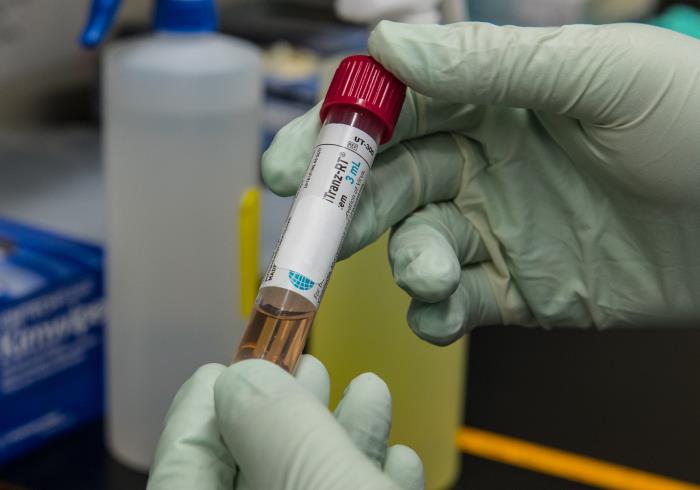
Pandora Report: 10.28.2022

Happy Halloween! This week we haves lots of scares for you, including even more misuse of international organizations to further disinformation narratives! This week, we focus on Russia’s request for a UNSC investigation of its bogus BW claims and complaint lodged in accordance with Article VI of the BWC, the Senate Health, Education, Labor and Pensions minority report on SARS-CoV-2 origins, and ongoing debates about the SARS-CoV-2 experiments conducted at Boston University. We also cover new publications, upcoming events, and new announcements ahead of One Health Day.

Russia Criticized Heavily After Calling for UNSC Resolution on “Secret Biolabs in Ukraine”

In yet another massive waste of everyone’s time, Russia has continued to press its false claims that the US runs “secret military biological programs” in Ukraine with the UN Security Council, this time drafting a resolution that would establish a commission (comprised of all 15 UNSC members) to investigate the claims. This comes amid a new wave of “transparently false allegations” on the part of Moscow, most recently regarding alleged Ukrainian plans to use a dirty bomb in its own territory. In response to this latest effort at the Security Council, the UK’s Ambassador to the UN, Dame Barbara Woodward, asked the question on everyone’s mind-“How much more of this nonsense do we have to endure?”

This newest attempt includes an official complaint to the UNSC, filed in accordance with article VI of the BWC, in addition to the request for the formation of a formal commission to investigate the October 24 complaint. The complaints continue to center on efforts between the US and Ukraine, largely under the Cooperative Threat Reduction program, to support public health research and diagnostic facilities, though Russia insists these facilities are not for peaceful purposes.

In a Thursday briefing before the Security Council, the UN Office for Disarmament Affairs (UNODA) reiterated again that it is not aware of any biological weapons programs in Ukraine, echoing its previous statements on the matter made in March and May. In response, Russia’s Ambassador Vassily Nebenzia said, “Do you really think that we’re that naïve?…Do you really think that we think that the Pentagon is going to inform the high representative of the Office of Disarmament Affairs within the UN about their secret biological programs in Ukraine?”

US Ambassador to the UN, Linda Thomas-Greenfield, summarized the absurdity of Russia’s claims, explaining “We hear Russia raise alarms that biological weapons will be delivered by birds and bats and now even mosquitoes. Birds and bats. Russia knows public health laboratories routinely study migratory animal species to assess and counter animal-borne pathogens. Bear in mind, much like Russia, birds and bats don’t tend to observe or respect sovereign borders. Russia’s assertions are absurd for many reasons, including because such species, even if they could be weaponized, would pose as much a threat to the European continent and to Ukraine itself as they would to any other country.”

Thomas-Greenfield also described the meeting as a “…colossal waste of time… an attempt to distract from the atrocities Russian forces are carrying out in Ukraine and a desperate tactic to justify an unjustifiable war.” She later added, “It doesn’t matter how many meetings Russia tries to call on this subject. And it doesn’t matter how hard it ratchets up its propaganda machine. We must not divert UN resources toward a baseless investigation. And we must not allow Russia’s tactics to distract us from its brutal war of aggression.”

Senate HELP Committee Minority Interim Report Released on SARS-CoV-2 Origins

This week, the Senate Health, Education, Labor and Pensions (HELP) Committee Minority oversight staff released their interim report-“An Analysis of the Origins of the COVID-19 Pandemic”. The report makes a number of claims, including “While it remains possible that SARS-CoV-2 emerged as a result of a natural zoonotic spillover, facts and evidence found in previous documented zoonotic spillover events have not, to date, been identified in relation to this pandemic,” “Substantial evidence suggests that the COVID-19 pandemic was the result of a research-related incident associated with a laboratory in Wuhan, China,” and “This investigation’s interim report concludes that SARS-CoV-2 and the resulting COVID-19 global pandemic was, more likely than not, the result of a research-related incident associated with coronavirus research in Wuhan, China.”

The 35-page report does not completely rule out a market origin and, importantly, it does not claim that SARS-CoV-2 was engineered as a bioweapon-a popular conspiracy theory. One interesting element it does focus on is that Chinese scientists began testing their COVID-19 vaccines in humans about a month before the United States did. The report implies this means the Chinese had some sort of advanced (pre-January 11, 2020) access to genomic sequencing, though it does still ask “What additional steps, processes, or novel techniques did AMMS [PLA Academy of Military Medical Sciences] researchers take that advanced the development of their vaccine faster than the Operation Warp Speed timeline?” The report states, “While mRNA vaccine candidates were able to design their vaccine construct in two days, because mRNA vaccines only need the coronavirus’ genetic sequence to make a vaccine and no virus has to be cultivated in labs, traditional vaccine platforms take longer.” It continues, highlighting that the first Operation Warp Speed (OWS) vaccine candidates to enter human clinical trials were non-mRNA vaccines-AstraZeneca-Oxford’s offering and Johnson & Johnson’s, both viral vector vaccines.

It then contrasts the 8 months it took for OWS viral vector candidates to human clinical trials with the 67 days it took one AMMS team to do the same, writing “Given Operation Warp Speed’s success, it is unusual that the two AMMS COVID-19 vaccine development teams were able to reach early milestones in vaccine development even more quickly. The Chen AMMS team beat AstraZeneca-Oxford to phase I clinical trials by 38 days. The Zhou AMMS team built and validated the effectiveness of its COVID-19 candidate vaccine 44 days after the sequence of SARS-CoV-2 was released. The extremely accelerated vaccines development timelines achieved by the AMMS teams pose the following two outstanding questions:”

  • “What additional steps, processes, or novel techniques did AMMS researchers take that advanced the development of their vaccine faster than the Operation Warp Speed timeline?”
  • “If no additional steps were taken to speed up the development timeline, when did researchers in China have access to the genomic sequence? Was it before January 11, 2020? If so, how far in advance of January 11, 2020?”

This argument does not address differences in the regulatory environments of the US and PRC. Rather, it seems to imply that this is evidence the Chinese had advance knowledge of this outbreak with no discussion of drug and therapeutic approval reforms in recent years that aim to improve the country’s ability to compete in pharmaceutical manufacturing globally and incentivizes development of vaccines and drugs for rare diseases. The CCP has identified competition in global biopharmaceutical manufacturing as a top priority, so the implication that the faster timeline to clinical trials supports the lab leak theory is unsatisfactory as presented.

It also does not appear to have even won over prominent supporters of the lab leak theory, including Dr. Richard Ebright, a molecular biologist at Rutgers University. The New York Times explains, “Dr. Ebright, who was interviewed by the report’s authors, said he supported the argument that evidence pointed to a laboratory origin. But the only new element, he said, appeared to be questions raised about how China could have developed a vaccine so quickly, which he did not find persuasive. Otherwise, he said, “there was no information in the report that has not been publicly presented in the media and discussed in the media previously.”

“This image depicted a test tube with viral transport media that contained a patient’s sample to be tested for the presence of SARS-CoV-2, the virus that causes COVID-19.” Source: CDC PHIL

Naturally, this interim report has been heavily criticized. The conclusion reached in this report obviously differs from the two peer-reviewed Science articles published earlier this year that found 1) the Huanan Seafood Wholesale Market was the epicenter of the initial outbreak and 2) that there were at least two distinct spillovers from animals sold at the market. Scientists supporting the market origin still have not identified which animals were infected or where they came from, as no animals were tested before the market was shut down early in 2020. Of this, the report states “Critical corroborating evidence of a natural zoonotic spillover is missing. While the absence of evidence is not itself evidence, the lack of corroborating evidence of a zoonotic spillover or spillovers, three years into the pandemic, is highly problematic.”

Dr. Michael Worobey, Department Head of Ecology and Evolutionary Biology at the University of Arizona and a co-author of both the Science articles, addressed the report with Science news, with the news team writing “Michael Worobey, an evolutionary biologist at the University of Arizona who has co-authored scientific reports examining data from the early days of the pandemic that provide some of the strongest support for a jump from animals to humans, speculates that the timing of the report’s release could be “a cynical effort to try to win Republican votes” in the upcoming midterm congressional and state elections.  Or, Worobey says, “it could just be a bunch of staffers with no ability to understand the science who stumbled across a bunch of misinformation and disinformation-filled tweets.” (“Senator Burr felt enough compelling, open-source information had been gathered during staff’s comprehensive review of the facts that an interim report was appropriate,” a senior aide to the minority staff told Science.)”

After the minority interim report was released, Senator Patty Murray, Chair of the Senate HELP Committee, issued a statement on “continuing bipartisan oversight efforts into the origins of the virus that causes COVID-19” that did not address the minority report. Sen. Murray stated “COVID-19 has caused so much pain, hardship, and loss for people in Washington state, across our country, and all across the globe. As I’ve said time and again, it is absolutely critical we learn the lessons from this pandemic so that we never find ourselves in a similar situation again—and that, of course, includes undertaking a full examination of how COVID-19 first emerged.”

“That’s why I made it a top priority as Chair to craft bipartisan legislation to strengthen our public health and pandemic preparedness systems with the PREVENT Pandemics Act—which, among so many other vital steps, would establish an independent task force to conduct a comprehensive review of COVID’s origins and the federal response to the pandemic. And it’s why, in 2021, I announced a bipartisan oversight effort with Senator Burr into the origins of this virus. The HELP Committee is continuing bipartisan work on this oversight report, and I remain committed to passing the PREVENT Pandemics Act, which advanced out of Committee with overwhelming bipartisan support.”

More on the Boston University Controversy

While the controversy surrounding experiments conducted on SARS-CoV-2 at Boston University has subsided some, attention has shifted to how such research is regulated. The New York Times explains the concerns, writing “But the uproar highlighted shortcomings in how the U.S. government regulates research on pathogens that pose a risk, however small, of setting off a pandemic. It revealed loopholes that allow experiments to go unnoticed, a lack of transparency about how the risk of experiments is judged and a seemingly haphazard pattern in the federal government’s oversight policy, known as the P3CO framework.” It also notes “Even as the government publicly reprimanded Boston University, it raised no red flags publicly about several other experiments it funded in which researchers manipulated coronaviruses in similar ways. One of them was carried out by the government’s own scientists.”

“Colorized scanning electron micrograph of a cell infected with a variant strain of SARS-CoV-2 virus particles (green), isolated from a patient sample.” Source: NIH Image Library

Nature explains the issue further, writing “At issue is whether — and when — researchers modifying SARS-CoV-2 or other deadly pathogens need to keep regulators and funding agencies such as the US National Institutes of Health (NIH) informed about their work, even if the agencies didn’t fund the experiments in question. Studies that make pathogens more transmissible or virulent are sometimes called ‘gain of function’ research.”

The issue now being discussed is if federal guidance is too vague in explaining what disclosures are required after a proposal is approved and research is progressing. Dr. Greg Koblentz told The New York Times “The government should be providing the guidance to help people figure this out,” and explained to Grid that “Pandemic prevention and lab safety rules “only move in fits and starts,” said biodefense professor Gregory Koblentz of George Mason University, pointing to the long list of past controversies. “And we only make progress where there is some crisis, or perceived crisis, that grabs people’s attention.”

Koblentz also commented on the confusion surrounding “gain of function”, telling Grid “‘Gain of function’ — we should retire that term, it really doesn’t help us in that debate,” said Koblentz. “It has become shorthand for a class of research that people are worried about because of the risks it poses, but it is a term that really has outlived its usefulness.” The term garnered attention during a number of political debates, including back-and-forths between Senator Rand Paul and Dr. Anthony Fauci.

Grid also noted that, though many experts disagree on the utility of the term “gain of function, “There’s one point all of the experts who spoke to Grid agreed on — the Boston University chimera experiments do point to a need for stronger federal government oversight of potentially dangerous bugs. The fact that we are still debating whether to review genetically altering known pandemic pathogens, not even potential ones, said Koblentz, “is an indictment of both the self-governance model that the virology community largely supports and the current policy.”

NCT Magazine

In this issue focused on 4th generation chemical weapons, several experts offer their perspective on existing and emerging issues. Drs. Stefano Costanzi and Gregory Koblentz authored a piece for this issue, “Controlling Novichok Nerve Agents After the Skripal and Navalny Incidents”. They cover the history of this family of nerve agents and international disarmament and nonproliferation attempts before discussing the Skripal and Navalny incidents as evidence that both the Chemical Weapons Convention and Australia Group Chemical Weapons Precursors list need to be revised to better address Novichok agents. They conclude “The ability of the CWC and AG to adapt to the new challenge posed by these fourth-generation nerve agents demonstrates the resilience of the chemical weapon nonproliferation regime. However, further measures need to be implemented to reduce the opportunities for proliferators to develop and use Novichok nerve agents. Embracing a family-based approach to listing chemicals of proliferation concern would strengthen the nonproliferation regime and the adoption of technologies such as cheminformatics can facilitate the transition to this new approach to containing the threat posed by chemical weapons.”

“Designation of Three Syrian Military Officials Due to Involvement in Gross Violations of Human Rights”

On the topic of chemical weapons, the US State Department recently designated multiple military officials from the Syrian regime, it declared in a press release this week. The statement reads in part, “Of the atrocities committed by the Assad regime, some of which rise to the level of war crimes and crimes against humanity, few are as inhumane and abhorrent as the repeated use of chemical weapons against civilians.  In August 2013, the Syrian Artillery and Missile Directorate of the Syrian Armed Forces launched rockets carrying the nerve agent sarin, a deadly chemical, on Ghouta, a suburb of Damascus, killing at least 1,400 people, many of them children.  Today, we are taking additional action to promote accountability.”

“The Department of State is designating three Syrian regime military officials involved in these airstrikes, pursuant to Section 7031(c) of the Department of State, Foreign Operations, and Related Programs Appropriations Act, 2022.  Brigadier General Adnan Aboud Hilweh, Major General Ghassan Ahmed Ghannam, and Major General Jawdat Saleebi Mawas were involved in gross violations of human rights, namely the flagrant denial of the right to life of at least 1,400 people in Ghouta. As a result of today’s action, Hilweh, Ghannam, and Mawas as well as their immediate family members are ineligible for entry into the United States.”

“To Fix American’s Biodefense Strategy, Think Smaller”

From Breaking Defense: “It’s a natural reflex for the US government to try to develop strategies to deal with issues as broadly as possible, to handle a wide array of contingencies. But in the op-ed below, Al Mauroni of Air University’s Center for Strategic Deterrent Studies argues that the Biden administration’s biodefense strategy, expanding on past strategies, has grown too cumbersome and is in need of a cure of its own.”

ASPR TRACIE on Major Radiological or Nuclear Incidents

ASPR’s Healthcare Emergency Preparedness Information Gateway (TRACIE) recently released this updated document providing an “overview of health and medical response and recovery needs following a radiological or nuclear incident…” It also outlines resources for planners. Other relevant resources can also be found on the TRACIE CBRN page.

“Preventing and Preparing for Pandemics with Zoonotic Origins”

This piece from the Council on Foreign Relations discusses how factors that drive pathogen emergence and spread should influence decisions on investments in pandemic preparedness and response. It discusses priority pathogens, primary pandemic prevention, and secondary pandemic prevention and pandemic preparedness, concluding that “There is unprecedented support at the highest levels of government to enhance global pandemic prevention and preparedness. The recent decision to create a new fund for pandemics out of the World Bank and the ongoing negotiation for a pandemic agreement within the World Health Organization are potentially transformational. It is critical that comprehensive action be taken quickly through these efforts before the world’s collective attention moves on to the next crisis. Failure to do so means future generations will live less healthy and productive lives than we have today.”

“COVID-19 Genomic UK (COG-UK) Consortium: Final Report”

In this article from RAND Health Quarterly, Marjanovic et al. write in their abstract “The ability to sequence and understand different variants of the SARS-CoV-2 virus and their impact is crucial to inform policy and public health decisions. Soon after the UK went into its first lockdown in March 2020, the CCOVID-19 Genomics UK (COG-UK) Consortium was launched. COG-UK is a collaboration of experts in pathogen genomics including academic institutions, public health agencies, the Wellcome Sanger Institute, NHS Trusts and Lighthouse Labs. RAND Europe evaluated how COG-UK delivered against its objectives, for example how it contributed to advancing scientific knowledge about SARS-CoV-2, informing public health decisions, and providing information that can be used to evaluate the effectiveness of vaccines and treatments. The evaluation also examined the diverse factors that influenced COG-UK progress and impact, including enablers and challenges, and considered implications for the future.”

Coronavirus Vaccines R&D Roadmap

From CIDRAP: “CIDRAP, with support from the Bill & Melinda Gates Foundation and The Rockefeller Foundation, has led an international collaborative effort to develop a coronavirus vaccines research and development (R&D) roadmap (CVR). The CVR aims to serve a strategic planning tool to facilitate R&D, coordinate funding, and promote stakeholder engagement aimed at generating broadly protective coronavirus vaccines.”

“A key component of roadmap development is gathering feedback via a public comment period. The draft CVR is now available for a 4-week public comment period from October 24 – November 18, 2022. Feedback gathered during the public comment period will be used to refine the roadmap, resulting in a final roadmap made available in early 2023.”

“The draft CVR may be downloaded in PDF format. Comments should be submitted via this survey, which will be available through November 18, 2022. The survey offers the opportunity to share general and specific comments on the roadmap; the team welcomes as little or much feedback as you would like to provide.”

“The Future of Infodemic Surveillance as Public Health Surveillance”

In this recent piece from a supplement issue of Emerging Infectious Diseases, Chiou et al. write “Public health systems need to be able to detect and respond to infodemics (outbreaks of misinformation, disinformation, information overload, or information voids). Drawing from our experience at the US Centers for Disease Control and Prevention, the COVID-19 State of Vaccine Confidence Insight Reporting System has been created as one of the first public health infodemic surveillance systems. Key functions of infodemic surveillance systems include monitoring the information environment by person, place, and time; identifying infodemic events with digital analytics; conducting offline community-based assessments; and generating timely routine reports. Although specific considerations of several system attributes of infodemic surveillance system must be considered, infodemic surveillance systems share several similarities with traditional public health surveillance systems. Because both information and pathogens are spread more readily in an increasingly hyperconnected world, sustainable and routine systems must be created to ensure that timely interventions can be deployed for both epidemic and infodemic response.”

COVID Taking the Fun Out of Fungi?

The WHO recently released its first fungal priority pathogens list (FPPL)- “the first global effort to systematically prioritize fungal pathogens, considering their unmet research and development (R&D) needs and perceived public health importance.” The WHO explains that “The WHO FPPL aims to focus and drive further research and policy interventions to strengthen the global response to fungal infections and antifungal resistance. The WHO FPPL list is divided into three categories: critical, high and medium priority. The report presents these categories and proposes actions and strategies for policymakers, public health professionals and other stakeholders; targeted at improving the overall response to these priority fungal pathogens including preventing the development of antimicrobial resistance. Three primary areas for action are proposed, focusing on: (1) strengthening laboratory capacity and surveillance; (2) sustainable investments in research, development, and innovation; and (3) public health interventions.”

This comes amid a spike in certain fungal diseases during the COVID-19 pandemic. Additionally, the report found that “Currently, fungal infections receive less than 1.5% of all infectious disease research funding,” and that “most treatment guidelines are informed by limited evidence and expert opinion.”

Opinion: “To Fight Misinformation, We Need to Teach That Science Is Dynamic”

In this piece for Scientific American, Dr. Carl Bergstrom, Daniel Pimentel, and Dr. Jonathan Osborne discuss public ignorance of the scientific community, identifying ways this can be rectified. They write, “It’s easy to see why so many of us struggle to distinguish trustworthy science from what is flawed, speculative or fundamentally wrong. When we don’t learn the nature of consensus, how science tends to be self-correcting and how community as well as individual incentives bring to light discrepancies in theory and data, we are vulnerable to false beliefs and antiscience propaganda. Indeed, misinformation is now a pervasive threat to national and international security and well-being.”

They discuss the need to develop a population of competent outsiders, explaining “Giving people more facts is insufficient. Instead, we need a populace that can tell which sources of information are likely to be reliable, even if the science itself is beyond what they learned in school, so that they can identify when they need scientific information to make decisions in their own lives. Just as critically, people must understand enough about how science attempts to minimize error. In other words, every member of our society needs to be what science education researcher Noah Feinstein calls a “competent outsider.”

What We’re Listening To 🎧

This Week in Virology 948: Breathless with David Quammen

“David Quammen returns to TWiV to discuss how he wrote his new book ‘Breathless’, a story about the science and the scientists behind the race to understand the pandemic coronavirus SARS-CoV-2.” Listen here.

Conversations Before Midnight

The Bulletin of the Atomic Scientists is hosting its Bulletin Annual Gathering on November 9, 2022, at 5 pm CDT virtually. This is the Bulletin’s “signature event” and it aims to allow guests to engage in high-level conversations with influential voices tracking man-made threats. At the event, “Each virtual table has an expert, established and up-and-coming specialists in the fields of nuclear risk, climate change, disruptive technologies, and biosecurity. These discussion leaders include members of the Bulletin’s Science and Security Board, Board of Sponsors, and invited experts from around the world. Below are a few samples for this year’s gathering.”‘ Table experts include our own Dr. Greg Koblentz, so be sure to check out this event’s info page here.

Briefings in Preparation for the Ninth BWC Review Conference

From UNIDR: “The 1972 Biological Weapons Convention (BWC) is a cornerstone in the regime to prevent the hostile use of biology. The Ninth BWC Review Conference will take place in late November 2022 and presents an important opportunity to take stock of the past and chart a course for the future of this increasingly important agreement. In support of preparations for the Ninth BWC Review Conference and beyond, UNIDIR has recently published several reports intended to stimulate thinking on substantive issues related to the BWC.”

“This virtual event will bring together the authors of the latest UNIDIR publications on BWC topics to provide short outlines of the key insights and ideas in their respective reports for State Parties to consider ahead of the Review Conference. These include verification, advances in science and technology, international cooperation, and potential outcomes of the Review Conference. The presentations will be followed by a moderated interactive discussion with the participants.” This event will take place on November 7 at 2 pm CET, online. Learn more and register here.

Infection Prevention and Control: Incorporating Lessons Learned in Managing Special Pathogens

“After nearly three years responding to the COVID-19 pandemic, hospitals and other healthcare facilities have learned many lessons about the management of special pathogens and essential infection prevention and control practices. The U.S. Department of Health and Human Services (HHS) Administration for Strategic Preparedness and Response’s Technical Resources, Assistance Center, and Information Exchange (ASPR TRACIE) and the National Emerging Special Pathogens Training and Education Center (NETEC) invite you to learn more about some of those lessons. Speakers will share their perspectives on how our approach to outbreaks has changed since the pandemic began. They will address issues such as infection prevention for healthcare workers and patients and mitigating disease spread. Speakers will also highlight newly developed tools and resources. This webinar will take place November 7 at 2:00 pm ET. Register today!”

From One Health Commission-World Bank Open Call

“Open Call for Experts to serve on the Technical Advisory Panel to the Governing Board of the Pandemic Prevention, Preparedness and Response Financial Intermediary Fund (“PPR FIF”)”- November 3 Deadline

“World Bank has posted a call for experts to serve on the Technical Advisory Panel (TAP) to the Governing Board of the Pandemic Prevention, Preparedness and Response Financial Intermediary Fund (“PPR FIF”).”

“The TAP will comprise a multidisciplinary pool of up to 20 experts, bringing a diverse range of independent technical and financial expertise relevant to PPR FIF-supported projects and activities. To register your interest in being considered for the PPR FIF TAP, please submit documents to ppr_fif_secretariat@worldbank.org using the subject line “Expression of interest for the PPR FIF TAP

Speaking of One Health…November 3 is One Health Day

Mark your calendars for this year’s One Health Day on November 3. One Health Day is an international campaign that was launched in 2016. The One Health Commission explains that “The goal of One Health Day is to bring attention around the world to the need for One Health interactions and for the world to ‘see them in action’. The One Health Day campaign is designed to engage as many individuals as possible from as many arenas as possible in One Health education and awareness events, and to generate an inspiring array of projects worldwide.” If you are hosting an event on this day, you can register your event here with the Commission. A list of registered One Health Day events for 2022 is also available here.

Pandora Report: 10.21.2022

It’s Friday again and this time we are kicking it off with some great news from our program. We then discuss the Biden administration’s new National Biodefense Strategy and the Boston University preprint controversy. As always, we finish the week out with new publications and upcoming events, including an entire issue supplement of Clinical Infectious Diseases dedicated to anthrax. Finally, mark your calendars, because November 3 is One Health Day (more on that in the announcements section).

First, Some Good News from the Biodefense Program!

Biodefense Faculty Member Joins Council on Strategic Risks and Wins Schar School of Policy and Government Distinguished Alumni Award…All in One Week!

This week, Dr. Saskia Popescu, an epidemiologist, prominent infection prevention consultant, an assistant professor at the Schar School, and more (No, seriously, she does all that AND more.) was named a Senior Fellow at the Janne E. Nolan Center on Strategic Weapons at the Council on Strategic Risks. In case that somehow was not enough for one week, she is also being honored today as this year’s Schar School of Policy and Government Distinguished Alumni Award winner. Read all about Dr. Popescu’s hero origin story here on the Schar School site.

Biodefense PhD Student Named Bulletin of the Atomic Scientists Editorial Fellow

Kimberly Ma, a first year Biodefense PhD student and senior analyst with the Preparedness division at the Association of State and Territorial Health Officials, was recently named an Editorial Fellow at the Bulletin of the Atomic Scientists. Over the next year, she will author a number of pieces on biosecurity for the Bulletin, so keep an eye out for her upcoming work!

The Biden Administration Releases New National Biodefense Strategy

This week, the White House announced the release of the new National Biodefense Strategy and President Biden’s intent to sign National Security Memorandum 15-“Countering Biological Threats, Enhancing Pandemic Preparedness, and Achieving Global Health Security”. The strategy takes a comprehensive approach, aiming to make improvements in these areas-“detect pandemic and other biological threats, “prevent outbreaks from becoming epidemics and prevent biological incidents before they can happen,” “prepare for pandemics and other biological incidents,” “rapidly respond to outbreaks when they occur,” and “recover from a pandemic or biological incident.”

Among other points about the strategy, the Nuclear Threat Initiative explains that “The new strategy’s requirement that the National Security Council and the Office of Science and Technology Policy conduct an interagency policy review regarding biosafety and biosecurity norms and oversight for life sciences research also is valuable. As the largest funder of bioscience and biotechnology research and development in the world, the U.S. Government has a responsibility to put guardrails in place to prevent laboratory accidents or deliberate misuse of the tools of modern bioscience and biotechnology. Doing so can have a profound direct impact in reducing global biological risks and serve as a valuable example for other funders around the world.”

National Security Memorandum 15, “National Security Memorandum on Countering Biological Threats, Enhancing Pandemic Preparedness, and Achieving Global Health Security,” directs the heads of agencies addressed to:

  1. “implement the Biodefense Strategy, as well as related strategies such as the U.S. Global Health Security Strategy, and include biodefense-related activities, including resourcing and achieving the goals of the Biodefense Strategy and the priorities, targets, and actions of its Implementation Plan, within their strategic planning and budgetary processes;
  2. in the event of the determination of a nationally or internationally significant biological incident, implement Federal response efforts in accordance with Homeland Security Presidential Directive 5 of February 28, 2003 (Management of Domestic Incidents), Presidential Policy Directive 8 of March 30, 2011 (National Preparedness), Presidential Policy Directive 44 of November 7, 2016 (Enhancing Domestic Incident Response), and Federal Government response and recovery frameworks and operational plans;
  3. coordinate their biodefense policies with other agencies that have responsibilities or capabilities pertaining to biodefense, as well as with appropriate non-Federal entities;
  4. share information and coordinate decision-making related to the biodefense enterprise; and
  5. monitor, evaluate, and hold their respective agencies accountable for the implementation of section 3(a) of this memorandum.”

The memorandum also states that “To facilitate effective implementation of the Biodefense Strategy, within 90 days of the date of this memorandum and at least quarterly thereafter, the NSC staff Directorate for Global Health Security and Biodefense shall convene lead agencies identified in the Biodefense Strategy’s Implementation Plan at the Assistant Secretary level.  These agencies shall brief the NSC staff on progress towards key milestones and timelines, as well as on critical gaps and barriers to progress.  The NSC staff Directorate for Global Health Security and Biodefense shall provide updates quarterly to the APNSA based off of these briefs, summarizing progress towards the implementation of the Biodefense Strategy by highlighting the extent to which the goals and objectives are being met, outlining major gaps and impediments to timely and effective implementation, and presenting options for overcoming these gaps.  The APNSA shall provide to the President, on an annual basis, a memorandum summarizing these updates.”

Transcripts of the background call on this new strategy are available here, and check out the Council on Strategic Risks discussion of the strategy here.

Boston University Controversy

Last week, researchers from Boston University’s (BU) National Emerging Infectious Diseases Laboratories (NEIDL) posted results from their controversial work on BA.1 variant spike proteins in preprint. As Science explains, “They took the gene for Omicron’s surface protein, or spike protein, which SARS-CoV-2 uses to enter cells and added it to the genome of a “backbone” virus—a variant of SARS-CoV-2 from Washington state that was identified soon after the pandemic first emerged in Wuhan, China, in early 2020. The objective was to tease apart whether Omicron’s spike protein explains why it is less pathogenic (meaning it causes less severe disease). The answer could lead to improved COVID-19 diagnostic tests and better ways to manage the disease, the preprint authors say.”

“This illustration, created at the Centers for Disease Control and Prevention (CDC), reveals ultrastructural morphology exhibited by coronaviruses. Note the spikes that adorn the outer surface of the virus, which impart the look of a corona surrounding the virion, when viewed electron microscopically. A novel coronavirus, named Severe Acute Respiratory Syndrome coronavirus 2 (SARS-CoV-2), was identified as the cause of an outbreak of respiratory illness first detected in Wuhan, China in 2019. The illness caused by this virus has been named coronavirus disease 2019 (COVID-19).”; Source: CDC PHIL

By Monday, a UK tabloid, Daily Mail, ran with the story, indicating in their headline that the lab had created a strain of SARS-CoV-2 with an “80 percent kill rate,” and had created a much more dangerous strain of the virus. While the Daily Mail piece is very clearly from a tabloid, this did spark debate online, as this preprint describes what some argue is gain of function research. This work was not approved by the National Institutes of Health, though it was approved by the institutional biosafety committee at NEIDL. Critics argue that this study lacks scientific value and that its potential risks were not properly reviewed before it was conducted. Some, including Francois Balloux, a virologist at University College London, expressed concern over the study’s relevance to human health, noting that findings in mice frequently do not carry over to humans. Others, however, are far less alarmed, generally arguing that the hybrid virus is far less lethal than the original, pointing to the extreme sensitivity of the mice used in the study, and highlighting that similar SARS-CoV-2 variants have already emerged before later fading away.

The university responded to accusations made in the Daily Mail, stating “We want to address the false and inaccurate reporting about Boston University COVID-19 research, which appeared today in the Daily Mail,” said the BU statement. “First, this research is not gain-of-function research, meaning it did not amplify the Washington state SARS-CoV-2 virus strain or make it more dangerous. In fact, this research made the virus replicate less dangerous.” BU also explained that “The animal model that was used was a particular type of mouse that is highly susceptible, and 80 to 100 percent of the infected mice succumb to disease from the original strain, the so-called Washington strain,” says Corley. “Whereas Omicron causes a very mild disease in these animals.” On the topic of funding, BU said the lab “…did not amplify the [backbone] SARS-CoV-2 virus strain or make it more dangerous. In fact, this research made the virus replicate less dangerous,” as reason for not reporting the study to NIH. They also stated this work did not need to be cleared by NIH as it was not directly funded by the agency as the lab used NIAID grants only to pay for tools and platforms.

Science reports that “Emily Erbelding, director of the NIAID division that helped fund the work, said the hybrid virus experiments weren’t described in BU’s grant proposal or progress reports. But she said if BU had informed NIAID about its plans, the institute probably would have evaluated it to determine whether it qualified for review by a special Department of Health and Human Services (HHS) committee.”

NIH also released a statement this week: “The National Institute of Allergy and Infectious Diseases (NIAID), part of the National Institutes of Health, did not review nor issue awards for experiments described in a pre-print article on SARS-CoV-2 research at Boston University’s National Emerging Infectious Diseases Laboratories (NEIDL). NIH is examining the matter to determine whether the research conducted was subject to the NIH Grants Policy Statement or met the criteria for review under the HHS Framework for Guiding Funding Decisions about Proposed Research Involving Enhanced Potential Pandemic Pathogens (HHS P3CO framework)…”

While the debate is sure to keep raging, it is also likely to add fuel to the ongoing review of federal oversight policies for GoF research led by the National Science Advisory Board for Biosecurity (NSABB). According to Science, “In September, an NSABB task force issued a draft report that recommended the review policy be expanded to sweep in some kinds of research, and some pathogens, that are now exempt. And experts on all sides of the GOF debate have said the criteria for review need to be clearer. The government is expected to release new rules as early as next year. (For more, see this week’s feature in Science.)”

However, as Science has also previously written, “A U.S. clampdown will have no sway over privately funded GOF research or what happens in other countries, which typically lack policies like the P3CO framework. In Japan and most of Europe, for example, oversight is limited to rules on biosafety and, sometimes, biosecurity along with voluntary self-regulation, say biosecurity experts Gregory Koblentz of George Mason University and Filippa Lentzos of King’s College London. It’s too soon to say how a 2020 Chinese biosafety law will affect PPP research, they say.”

“National Security Snapshot: Department of Defense and Intelligence Community Preparedness for Biological Threats”

The Government Accountability Office (GAO) recently released this National Security Snapshot co-authored by Dr. Brian Mazanec, an alumnus of the Biodefense PhD program. This snapshot discusses core issues like biopreparedness and the PRC’s intent to exploit US genetic data. The authors write, “We made several key recommendations to improve how DOD and the Intelligence Community prepare for and respond to biological threats. DOD is taking a number of positive steps, such as coordinating with partners to research and develop vaccines. But, DOD doesn’t have a comprehensive strategy that, for example, shows where biodefense resources are needed.”

“Public Health Preparedness: HHS Should Address Strategic National Stockpile Requirements and Inventory Risks”

GAO also recently released this report discussing the Department of Health and Human Services’ inventory planning reports and their failure to “meet most legal requirements enacted in 2019 or communicate risks associated with not meeting recommended inventory levels. This is partly because HHS hasn’t updated its processes for completing the reports and a key advisory body was inactive.” This report makes a number of recommendations while also noting that HHS’s leadership and coordination of public health emergencies is on the office’s high risk list.

“COVID-19: A Warning – Addressing Environmental Threats and the Risk of Future Pandemics in Asia and the Pacific”

From the UN Environment Programme: “This scientific review begins with the history of humans and zoonoses and provides clarity on the issues of zoonoses and emerging infectious diseases. It then presents the seven anthropogenic drivers of zoonotic disease emergence as well as the concept of viral mixing. After providing rich context, this review continues to outline solutions that address the intricate link between nature and human health and strategies to prevent future zoonotic outbreaks.”

“”It was Compromised”: The Trump Administration’s Unprecedented Campaign to Control CDC and Politicize Public Health During the Coronavirus Crisis”

The House Select Subcommittee on the Coronavirus Crisis recently released its third installment of staff reports detailing the Trump administration’s response to the COVID-19 pandemic. In the report, the committee explains its findings from its investigation into the Trump administration’s “rampant political interference with the federal public health response to the coronavirus pandemic.” Chairman Clyburn released this statement about the report: “The Select Subcommittee’s investigation has shown that the previous administration engaged in an unprecedented campaign of political interference in the federal government’s pandemic response, which undermined public health to benefit the former president’s political goals. As today’s report shows, President Trump and his top aides repeatedly attacked CDC scientists, compromised the agency’s public health guidance, and suppressed scientific reports in an effort to downplay the seriousness of the coronavirus. This prioritization of politics, contempt for science, and refusal to follow the advice of public health experts harmed the nation’s ability to respond effectively to the coronavirus crisis and put Americans at risk. As we continue to recover from the coronavirus crisis, we must also continue to work to safeguard scientific integrity and restore the American people’s trust in our public health institutions.”

Clinical Infectious Diseases “Issue Supplement 3, Anthrax Preparedness”

This issue supplement of Clinical Infectious Diseases is all about anthrax, including articles ranging from “Responding to the Threat Posed by Anthrax: Updated Evidence to Improve Preparedness” to “Risk Factors for Severe Cutaneous Anthrax in a Retrospective Case Series and Use of a Clinical Algorithm to Identify Likely Meningitis and Evaluate Treatment Outcomes, Kyrgyz Republic, 2005-2012”. So, if it has been a while since you were deeply concerned about anthrax, this issue is for you!

“How SARS-CoV-2 Battles Our Immune System”

If you like medical illustrations and interactive timelines, this one is for you. This new story available from Science walks readers visually through SARS-CoV-2’s interaction with the human immune system, offering detailed yet easily understood, general explanations along the way. Readers can even learn about the virus’s different proteins and their specific effects on the immune system.

What We’re Listening To 🎧

This Podcast Will Kill You: Episode 107: Sepsis: It’s a Mess

“Over the years of the podcast, we have often struggled with questions of why: why pathogens act the way they do, why certain people get sick while others don’t, or why we know little about some diseases. This episode is no exception – sepsis certainly inspires many “whys”. But for perhaps the first time on the pod, we find ourselves grappling not only with “why?” but also with “what?”. What, indeed, is sepsis? Ask a dozen doctors and you may get a dozen different answers. Our first goal for this episode is to sift through the various definitions of sepsis and what we know about its pathology to get a firm handle on this deadly consequence of infection. We then turn our sights to a thrilling period of sepsis history – Joseph Lister and his carbolic acid spray – before attempting to address the status of sepsis around the world today. By the end of the episode, your picture of sepsis may not be crystal clear, but hopefully the edges are a little less blurry.” Listen here on Spotify or wherever you listen to podcasts!

Project Responder 6: Evolving Response Environment Webinar

From DHS: “You’re invited to join the Department of Homeland Security (DHS) Science & Technology Directorate (S&T) for a briefing on the Project Responder 6 report, designed to document emergency response capability needs across significant changes in the operating environment. The innovative approach this data collection effort—now in its sixth generation—takes is to bring together S&T’s First Responder Resource Group (FRRG), which includes responders from traditional (fire service, law enforcement, emergency medical services, emergency management) and non-traditional (public health, public works, medical examiner/coroner, search and rescue) response agencies, to focus on identifying and validating needs across disciplines.” Learn more and register here. Download the report here. This event will take place on October 24, at 11 am ET.

Addressing Health Inequities by Strengthening Antibiotic Stewardship

From NCEZID: “Please join The National Center for Emerging and Zoonotic Infectious Disease (NCEZID) on Tuesday, October 25, 2022, at 10 a.m. EDT for the next AMR Exchange webinar on addressing health inequities by strengthening antibiotic stewardship entitled Addressing health inequities by strengthening antibiotic stewardship. The discussion will feature experts from CDC, The Pew Charitable Trusts, the Federal Office of Rural Health Policy, and Emory University School of Medicine who work to strengthen antibiotic use and prescribing and improve the quality of health care across the United States. Please register here.”

South Korea as a Global Vaccine Hub

The Korea Economic Institute of America is hosting this event October 27, at 3 pm EST virtually: “Early in the pandemic, South Korea drew widespread praise for the speed and efficiency of its response to slowing the spread of the virus and saving lives. However, despite this initial success, South Korea faced vaccine nationalism and other access challenges in its effort to secure Covid-19 vaccines. Spurred by these challenges, South Korea established a national strategic policy to become a global vaccine hub, not only to meet the current and future public health needs of its own population but also to assist low- and middle-income countries (LMICs) facing even starker obstacles in accessing safe and effective vaccines.”

“Please join KEI for a discussion with the Thomas Byrne, Claire Callahan, Irene Kyoung, and Salomé Da Silva Duarte Lepez about how global vaccine access and equity was hindered by the shortcomings of national and bilateral vaccine diplomacy and multilateral mechanisms during the Covid-19 pandemic, and how South Korea’s demonstrated capabilities to rise as global vaccine development, manufacturing and training hub will help bolster global public health capacities in the future.” Register here.

The Case for the Use of “Red Lines” in the Governance of Life Sciences Research with David Relman

From CISAC: “The nature of evolving risks in life sciences research, a brief history of risk governance, and the case for the use of so-called “red lines” in the governance of life sciences research will be presented. The goals of this presentation are to elicit discussion about the benefits and pitfalls of red lines, or guardrails, in general, including a historical perspective, and options for public policy recommendations to address concerns about the present and future risks arising from life sciences research.” This event will take place on October 27, at 3:30 pm PT. Register here.

Infection Prevention and Control: Incorporating Lessons Learned in Managing Special Pathogens

“After nearly three years responding to the COVID-19 pandemic, hospitals and other healthcare facilities have learned many lessons about the management of special pathogens and essential infection prevention and control practices. The U.S. Department of Health and Human Services (HHS) Administration for Strategic Preparedness and Response’s Technical Resources, Assistance Center, and Information Exchange (ASPR TRACIE) and the National Emerging Special Pathogens Training and Education Center (NETEC) invite you to learn more about some of those lessons. Speakers will share their perspectives on how our approach to outbreaks has changed since the pandemic began. They will address issues such as infection prevention for healthcare workers and patients and mitigating disease spread. Speakers will also highlight newly developed tools and resources. This webinar will take place November 7 at 2:00 pm ET. Register today!”

ICYMI: IARPA, Gingko Bioworks and Draper Announce New Technologies to Detect Engineered DNA

This week, Gingko Bioworks, Draper, and IARPA held an event to announce the completion of IARPA’s Finding Engineering-Linked Indicators (FELIX), a program aimed at improving existing biodetection and surveillance capabilities. “The event featured a panel with Catherine Marsh, IARPA Director; David A. Markowitz, IARPA Program Manager; Joshua Dunn, Head of Design, Ginkgo Bioworks; Laura Seaman, Principal Scientist and Machine Intelligence Group Leader, at Draper; and Erin Rosenberger, Senior Member of Technical Staff, Biological Microsystems Group, at Draper. During the panel, the panelists discussed the program findings and also featured a demo of the research results.” A recording of the livestream is available here.

November 3 is One Health Day

Mark your calendars for this year’s One Health Day on November 3. One Health Day is an international campaign that was launched in 2016. The One Health Commission explains that “The goal of One Health Day is to bring attention around the world to the need for One Health interactions and for the world to ‘see them in action’. The One Health Day campaign is designed to engage as many individuals as possible from as many arenas as possible in One Health education and awareness events, and to generate an inspiring array of projects worldwide.” If you are hosting an event on this day, you can register your event here with the Commission. A list of registered One Health Day events for 2022 is also available here.

Pandora Report: 10.14.2022

Happy Friday! This week we discuss the release of the Biden administration’s National Security Strategy and new findings about the prevalence and challenges of long COVID. We also cover a number of new publications, a German podcast episode on the 1979 anthrax outbreak in Sverdlovsk (featuring our own Dr. Sonia Ben Ouagrham-Gormley!), and upcoming events.

Biden Administration Releases National Security Strategy

The Biden administration released its National Security Strategy (NSS)this week, building on the 2021 Interim NSS. This iteration of the NSS re-incorporates climate change as a national security threat, continues to define the threats China and Russia pose to the US, and includes “Triad” with a capital “T” to make sure there’s plenty of discussion about the document here in the Beltway. As the NSS has in the past, this version includes a section dedicated to pandemics and biological threats, which estarts by explaining that “COVID-19 has killed nearly 6.5 million people around the world, including more than 1 million Americans, but the next pandemic could be much worse—as contagious but more lethal. We have a narrow window of opportunity to take steps nationally and internationally to prepare for the next pandemic and to strengthen our biodefense.”

This section also discusses the notion that “no one is safe until everyone is safe,” and acknowledges that “some of our international institutions have fallen short in the past and need to be reformed.” It concludes with a paragraph discussing the need to address risks posed by deliberate and accidental biological risks “including through our ability to rapidly detect, identify, and attribute agents, and to develop medical countermeasures,” by working to strengthen the BWC, prevent terrorist acquisition of BW, and reinforcing “norms against biological weapons’ development and use.”

This comes on the heels of statements released this week by the US State Department and German Federal Foreign Office on the need to better cooperate to reduce biological threats globally. Both statements discuss the multi-faceted nature of these problems, including challenges created by mis- and disinformation and the need for increased global cooperation in the face of these threats, again highlighting the increasing importance of these issues.

Long COVID Gaining Recognition…Finally

This week, Hastie et al.’s article in Nature Communications discussing long COVID made waves in the media and online. The authors conducted a study in a Scottish cohort consisting of 33,281 laboratory-confirmed SARS-CoV-2 infections and 62,957 never-infected individuals. Participants were issued questionnaires at 6, 12, and 18 months. The authors found that “Of the 31,486 symptomatic infections,1,856 (6%) had not recovered and 13,350 (42%) only partially.” They also found that “Asymptomatic infection was not associated with adverse outcomes. Vaccination was associated with reduced risk of seven symptoms.” Notably, participants with previous symptomatic COVID-19 infections reported long-lasting symptoms like breathlessness, heart palpitations, difficulty focusing, and confusion at rates more than double that of those who were not previously infected. They also reported other related symptoms, like muscle aches and other heart problems.

There were some challenges in the study, however. For example, approximately 90% of participants were white, which is not helpful in trying to better understand risks and burdens of long COVID in other groups. Furthermore, only 4% were vaccinated (most with just one dose) before they were infected. However, this study does more concretely demonstrate the breadth of this problem and what it could mean for future pandemics.

A German study was also published this week in BMJ that found a “considerable burden of long-COVID symptoms, especially fatigue and neurocognitive impairment (“brain fog”), at 6 to 12 months—even among young and middle-aged adults who had mild infections,” according to CIDRAP. This study found that women were at higher risk for developing long COVID and “The researchers said the study revealed long-COVID symptom clusters with individually and societally relevant implications that also affected younger adults with mild initial infections. “Given the individual and societal burden of post-covid sequelae, the underlying biological abnormalities and causes need urgent clarification to define adequate treatment options and develop effective rehabilitation measures,” they concluded.”

Other studies have also linked long COVID to conditions like postural tachycardia syndrome (POTS). In the case of POTS, 41% of people diagnosed with the syndrome already reported a viral infection preceding the onset of POTS symptoms pre-pandemic. Because of this connection, the UK’s National Institute for Health and Care Excellence now even recommends testing for POTS in patients with long COVID. These studies build on mountains of anecdotal evidence from patients and providers alike, demonstrating that long COVID is a very real and serious danger that has already impacted many of us.

The WHO Director General, Dr. Tedros Adhanom Ghebreyesus, recently authored a piece in The Guardian discussing long COVID, what WHO is doing about it, and what countries around the world should do to support those suffering with it. He explains, “Mostly data is only available from high-income countries, which means that we don’t currently have a clear picture on how many people are actually suffering. Current estimates suggest that tens of millions, and perhaps more, have contracted long Covid, and about 15% of those diagnosed with the condition have experienced symptoms for at least 12 months.”

He also discussed the shift in investment strategies this requires of countries, writing “Early in the pandemic, it was important for overwhelmed health systems to focus all of their life-saving efforts on patients presenting with acute infection. However, it is critical for governments to invest long-term in their health system and workers and make a plan now for dealing with long Covid. This plan should encompass, providing immediate access to antivirals to patients at high risk of serious disease, investing in research and sharing new tools and knowledge as they’re identified to prevent, detect and treat patients more effectively. It also means supporting patients physical and mental health as well as providing financial support for those who are unable to work.”

WHO/Europe also issued a factsheet discussing the need for rehabilitation, recognition, and research focused on lingering COVID symptoms that is available here.

WHO Europe Factsheet Discussing Long COVID, Source: https://www.who.int/europe/news/item/10-10-2022-rehabilitation–recognition-and-research-needed-for-people-living-with-long-covid–new-who-europe-factsheet

“COVID Prompts Global Surge in Labs That Handle Dangerous Pathogens”

Smriti Mallapaty’s recent article in Nature News discusses the growing number of BSL-3 and 4 certified facilitates globally and rising concerns about the costs and risks they present. This article covers new facilities across Asia as well as Russia’s promise that it will build 15 new BSL-4 facilities. Mallapaty also quoted GMU’s Dr. Greg Koblentz in the article, writing “Since the COVID-19 pandemic began, plans to build 27 BSL-4 labs have been announced worldwide, say Gregory Koblenz, a biodefence researcher at George Mason University in Arlington, Virginia, and Filippa Lentzos, a biosecurity researcher at King’s College London, who have tracked the number and distribution of BSL-4 facilities globally. “These will likely take several years to design, build and commission,” says Lentzos.”

“Pandemic Origins and a One Health Approach to Preparedness and Prevention: Solutions Based on SARS-CoV-2 and Other RNA Viruses”

In this recent Proceedings of the National Academy of Sciences article, Keusch et al. discuss the importance of One Health in improving and integrating biosafety and biosecurity. Their abstract explains “COVID-19 is the latest zoonotic RNA virus epidemic of concern. Learning how it began and spread will help to determine how to reduce the risk of future events. We review major RNA virus outbreaks since 1967 to identify common features and opportunities to prevent emergence, including ancestral viral origins in birds, bats, and other mammals; animal reservoirs and intermediate hosts; and pathways for zoonotic spillover and community spread, leading to local, regional, or international outbreaks. The increasing scientific evidence concerning the origins of Severe Acute Respiratory Syndrome Coronavirus-2 (SARS-CoV-2) is most consistent with a zoonotic origin and a spillover pathway from wildlife to people via wildlife farming and the wildlife trade. We apply what we know about these outbreaks to identify relevant, feasible, and implementable interventions. We identify three primary targets for pandemic prevention and preparedness: first, smart surveillance coupled with epidemiological risk assessment across wildlife–livestock–human (One Health) spillover interfaces; second, research to enhance pandemic preparedness and expedite development of vaccines and therapeutics; and third, strategies to reduce underlying drivers of spillover risk and spread and reduce the influence of misinformation. For all three, continued efforts to improve and integrate biosafety and biosecurity with the implementation of a One Health approach are essential. We discuss new models to address the challenges of creating an inclusive and effective governance structure, with the necessary stable funding for cross-disciplinary collaborative research. Finally, we offer recommendations for feasible actions to close the knowledge gaps across the One Health continuum and improve preparedness and response in the future.”

Science published a news article discussing this paper, writing “‘Our paper recognizes that there are different possible origins, but the evidence towards zoonosis is overwhelming,” says co-author Danielle Anderson, a virologist at the University of Melbourne. The report, which includes an analysis that found the peer-reviewed literature overwhelmingly supports the zoonotic hypotheses, appeared in the Proceedings of the National Academy of Sciences (PNAS) on 10 October.”

The article continued with “The panel’s own history reflects the intensity of the debate. Originally convened as a task force of the Lancet COVID-19 Commission, a wide-reaching effort to derive lessons from the pandemic, it was disbanded by Columbia University economist Jeffrey Sachs, the commission’s chair. Sachs alleged that several members had conflicts of interest that would bias them against the lab-origin hypothesis.”

“WHO’s Response to COVID-19 – 2022 Mid-Year Report”

“This mid-year report provides a consolidated update on WHO’s response to the COVID‐19 pandemic between January and July 2022, against the objectives laid out in the Strategic Preparedness and Response Plans (SPRP) for 2021 and 2022.”

“With the aim of ending the acute phase of the pandemic by the end of the year, WHO, in collaboration with partners, has supported countries to further strengthen their surveillance systems; ensure more equitable access to tests, treatments, and essential supplies worldwide; make health systems more resilient; and reduce exposure to the disease by empowering and enabling communities.”

“The report highlights the role of WHO at the global, regional, and local levels, and across the key elements of an effective emergency response – from implementation and operational support, to developing evidence and research, and providing strong coordination and planning. By working with partners, including multi-agency and multi-partner operational platforms, regional and national public health and scientific institutes, governments, communities, donors, UN organizations and NGOs and the private sector, WHO helped bring the world together to provide direct technical and operational support to countries implementing their national COVID-19 response plans.”

“Epidemics That Didn’t Happen”

On a much more cheerful note, check out Prevent Epidemics’ online feature, “Epidemics That Didn’t Happen”. This page explores six epidemics that were prevented thanks to solid cooperation and good public health responses, including averted epidemics of Ebola, Nipah, cholera, rabies, influenza, and dengue. As the page notes, these cases present common themes, including “Speed is essential,” “Well-coordinated action at the local level is crucial to preventing epidemics,” “Community engagement pays off,” and “Health care workers need to be trained, supported, and provided with access to resources and assistance to stop epidemics.”

“Russia’s Alleged Bioweapons Claims Have Few Supporters”

Jez Littlewood and Dr. Filippa Lentzos recently published this piece in this Bulletin of the Atomic Scientists discussing the outcome of September’s Article V Formal Consultative Meeting requested by Russia. They write “For the fourth time this year, Russia accused the United States and Ukraine of being in non-compliance with the Biological and Toxins Weapons Convention (BTWC)—and once again found little support for its allegations. At the conclusion of the Article V Formal Consultative Meeting in September, no other state formally accused these two nations of non-compliance. Russia stands alone in its allegations, with limited support from eight other states. In contrast, more than five times as many backed the United States and Ukraine in rejecting the allegations; the meeting ended with a procedural report that noted no consensus regarding the outcome.”

“Addressing Inaccurate and Misleading Information About Biological Threats Through Scientific Collaboration and Communication in Southeast Asia”

From the National Academies: “Misinformation about outbreaks, epidemics, and pandemics is a decades-old problem that has been exacerbated by the rise of the internet and the widespread use of social media. Some false claims may be addressed through sound scientific analysis, suggesting that scientists can help counter misinformation by providing evidence-based, scientifically defensible information that may discredit or refute these claims. This report explains how scientists can work collaboratively across scientific disciplines and sectors to identify and address inaccuracies that could fuel mis- and disinformation. Although the study focused on a scientific network primarily in Southeast Asia, it is relevant to scientists in other parts of the world. A companion “how-to-guide”, available in print and in digital form, outlines practical steps that scientists can take to assess mis- or disinformation, determine whether and how they should address it, and effectively communicate the corrective information they develop.”

“Counterfeit PPE: Substandard Respirators and Their Entry Into Supply Chains in Major Cities”

This recent article from Urban Crime was co-authored by the Schar School’s Dr. Louise Shelley and discusses challenges in ensuring legitimate PPE is available and what this means for definitions of threats to human life. The abstract reads “Over 58 million counterfeit respirators of substandard quality unable to protect individuals from infection have been seized globally since the start of the COVID-19 pandemic. These seizures have primarily occurred in urban warehouses and ports around the world according to analysis of public and corporate data shared with the authors. The presence of tens of millions of respirators in storage facilities prior to distribution demonstrates that urban areas are key elements of illicit supply chains. Data suggests that the concept of urban insecurity needs to be reconsidered in light of illicit supply chains for counterfeit respirators and their role in facilitating disease transmission in urban areas. The analysis presented in this article suggests that threats to human life should not be confined narrowly to violent acts or the consumption of drugs. Human life can also be threatened through the massive distribution of counterfeit N95 masks during a pandemic, a problem that has become more acute with more contagious mutations of COVID-19.”

Dr. Shelley is the Omer L. and Nancy Hirst Endowed Chair and a University Professor at George Mason University. She is in the Schar School of Policy and Government and directs the Terrorism, Transnational Crime and Corruption Center. She is a leading expert on the relationship between terrorism, organized crime, and corruption as well as human trafficking, transnational crime, and terrorism with a particular focus on the former Soviet Union. She also specializes in illicit financial flows and money laundering. 

What We’re Listening To 🎧

Waffen der Wissenschaft – Die Spur der Sporen

For our German-speaking readers, a Viertausendhertz podcast episode on the 1979 outbreak of anthrax in Sverdlovsk: “Im Frühjahr 1979 sterben in der geschlossenen sowjetischen Stadt Sverdlovsk Dutzende Menschen an Milzbrand. Ein ungeheurer Verdacht kommt auf: Handelt es sich um einen Unfall mit Biowaffen? Der Forscher Matthew Meselson und der Journalist Peter Gumbel erzählen von ihren Nachforschungen vor Ort. Das Team spricht außerdem mit den Biowaffen-Experten Filippa Lentzos, Sonia Ben Ouagrham-Gormley und Andrew Weber.”

Translation: “In the spring of 1979, dozens of people died of anthrax in the closed Soviet city of Sverdlovsk. A tremendous suspicion arose: was it an accident involving biological weapons? The researcher Matthew Meselson and the journalist Peter Gumbel discuss their investigations on site. The team also speaks with bioweapons experts Filippa Lentzos, Sonia Ben Ouagrham-Gormley, and Andrew Weber.”

Event Summaries

Check out event summaries written by Geoffrey Mattoon, a Biodefense MS student, for two recent events from the Council on Strategic Risks-“Building Capacities for Addressing Future Biological Threats” and “The American Pandemic Preparedness Plan: One Year of Progress & the Path Forward”.

Schar School Master’s and Certificate Virtual Open House

Join us for next week’s Master’s and Certificate Virtual Open House on Wednesday, October 19, at 7 pm ET, to learn more about the Schar School of Policy and Government and the Biodefense Graduate Program. The online session will provide an overview of our programs, student services, and admissions requirements. Our admissions staff will be available afterward to answer any questions you may have. Register here!

Infection Prevention and Control: Incorporating Lessons Learned in Managing Special Pathogens

“After nearly three years responding to the COVID-19 pandemic, hospitals and other healthcare facilities have learned many lessons about the management of special pathogens and essential infection prevention and control practices. The U.S. Department of Health and Human Services (HHS) Administration for Strategic Preparedness and Response’s Technical Resources, Assistance Center, and Information Exchange (ASPR TRACIE) and the National Emerging Special Pathogens Training and Education Center (NETEC) invite you to learn more about some of those lessons. Speakers will share their perspectives on how our approach to outbreaks has changed since the pandemic began. They will address issues such as infection prevention for healthcare workers and patients and mitigating disease spread. Speakers will also highlight newly developed tools and resources. This webinar will take place November 7 at 2:00 pm ET. Register today!”

Disinformation: An Emerging War Weapon

“Hosted by the National Defense University Foundation and Moderated by President and CEO, James Schmeling, join us for this interactive virtual discussion. Brief Talk Description: Explore how Russia, China and other entities use misinformation, disinformation, and malinformation as weapons of war and their impact on global security and American democracy.” This online webinar will be hosted on October 20 at 12 pm EST. Register here.

Reflections on Science Communication & Human Rights Amid Public Health Emergencies

“On October 20 (10:30-11:30 am ET),  join Dr. Bina Venkataraman, Editor-at-Large for The Boston Globe, and Dr. Chris Beyrer, Director of Duke University’s Global Health Institute, for a virtual discussion of science communication during public health emergencies, the role of public health researchers and journalists in advancing human rights, and emerging lessons from the COVID-19 pandemic.”

“The conversation will be moderated by Prof. Helle Porsdam, Professor of Law and Humanities and UNESCO Chair in Cultural Rights, Centre for Interdisciplinary Studies of Law, Faculty of Law, University of Copenhagen.” Register here.

Third International Summit on Human Genome Editing

The Third International Summit on Human Genome Editing will take place March 6-8, 2023, at the Francis Crick Institute, London, UK. “Building on previous events held in Washington, DC (2015) and Hong Kong (2018), this Summit will continue the important dialogue around human genome editing. It will facilitate a global discussion on somatic and germline genome editing, including developments in clinical trials and genome editing tools such as CRISPR/Cas9. Earlier this year a three-part series of online events Looking Ahead to the Third Human Genome Editing Summit discussed some of the key topics of the meeting. The three-day summit is being organised by the Royal Society, the UK Academy of Medical Sciences, the US National Academies of Sciences and Medicine and The World Academy of Sciences.”

“Find out more about the Summit’s Planning Committee, chaired by Professor Robin Lovell-Badge FRS FMedSci. Further information about the Summit agenda will be released soon, and registration to attend the event in person and online is now open.”

Pandora Report: 10.7.2022

The three day weekend is almost here and we have enough content to keep you busy the whole time! This week we cover updates on the Biden administration’s response to the growing Ebola outbreak in Uganda, continued concerns about polio in New York, and international containment efforts. We also discuss a ton of new publications, including multiple new books and articles from our own program alumni. As always, upcoming events and announcements round us out for the week.

Ebola in Uganda, US on Alert

The Biden administration announced this week that all travelers entering the United States from Uganda will be redirected to airports where they can be screened for Ebola virus disease (EVD). Physicians were also warned to be on the lookout for potential cases entering the country. According to The New York Times, “The director of the Centers for Disease Control and Prevention ordered the airport screenings, and the State Department issued an alert saying the measures would apply to all passengers, including U.S. citizens… Screenings were expected to begin on Thursday for some passengers, but the travel restrictions will not go into effect until next week, according to an official familiar with the plan, who stressed that both the restrictions and the alert to doctors were issued as precautions.”

Passengers entering the US from Uganda will be redirected to New York City’s John F. Kennedy International Airport, New Jersey’s Newark Liberty International Airport, Chicago’s O’Hare International Airport, Hartsfield-Jackson Atlanta International Airport, and Dulles International Airport near Washington, D.C. According to the administration, 62% of passengers entering the country from Uganda already arrive through these airports. They will undergo temperature checks and complete questionnaires before continuing to their final destinations.

According to the advisory, “On September 20, 2022, the Ministry of Health of Uganda officially declared an outbreak of EVD due to Sudan virus (species Sudan ebolavirus)in Mubende District, Central Uganda.”

“The first confirmed case of EVD was a 25-year-old man who lived in Mubende District and quickly identified as a suspect case of viral hemorrhagic fever (VHF) and isolated in the Mubende Regional Referral Hospital. Blood collected from this patient tested positive for Sudan virus by real-time reverse transcription polymerase chain reaction (rRT-PCR) on September 19, 2022, at the Uganda Virus Research Institute (UVRI). The patient died the same day, and a supervised burial was performed by trained staff wearing proper personal protective equipment (PPE). Further investigation into this case revealed a cluster of unexplained deaths occurring in the community during the previous month. As of October 6, 2022, a total of 44 confirmed cases, 10 confirmed deaths, and 20 probable deaths of EVD have been identified in Uganda.”

Much of this is reminiscent of the 2014-2016 outbreak, during which the US reported the first case outside Africa in a Liberian national who traveled to Dallas through four different airports without being stopped. At the time, NPR explained that “Ebola symptoms can lay dormant for two to 21 days, and during that time, the disease wouldn’t show up on a blood test, let alone a thermometer. There was no way to know that this particular passenger was at risk. The good news, says Thomas Frieden, director of the CDC: “Ebola doesn’t spread before someone gets sick, and he didn’t get sick till four days after he got off the airplane. So we do not believe there is any risk to anyone who was on the flight at that time.” Fever is one of the first symptoms to appear, so for now, thermometers remain a good way of catching infected travelers.”

The Liberian patient, Thomas Eric Duncan, died on the morning of October 8 at Texas Health Presbyterian Hospital in Dallas, a little over two weeks after he arrived in the US from West Africa. Two nurses who treated him, Nina Pham and Amber Vinson, were infected too, though they both later recovered. The hospital was later criticized in an independent report detailing miscommunication, poor information handling, and a lack of focus on patient safety that contributed to Duncan’s initial misdiagnosis and the nurses’ exposure. Later in October 2014, a medical aid worker who had volunteered in Guinea was hospitalized in New York City with suspected EVD, which was later confirmed by CDC. This patient also later recovered. An additional seven others were treated in the US after they were exposed and became ill while in West Africa, the majority of whom were medical workers. They were transported to the US on chartered aircraft. All but one recovered.

According to CDC, “The 2014-2016 Ebola epidemic was the first and largest epidemic of its kind, with widespread urban transmission and a massive death count of more than 11,300 people in Guinea, Liberia, and Sierra Leone. The epidemic took a devastating toll on the people of West Africa. Ending it took an extraordinary international effort in which the U.S. government played a major role.”

However, unlike this and other recent outbreaks, the cases in Uganda are of the Ebola Sudan strain. The WHO explains of this strain that “According to the International Classification of Disease for filoviruses (ICD-11) released in May 2019, Ebola disease is now sub-categorized depending on the causative virus. Outbreaks of Ebola disease caused by Sudan virus are named Sudan Virus Disease (SVD) outbreaks. Prior to May 2019 all viruses causing Ebola disease were grouped together. Based on the results of laboratory tests, this outbreak is caused by Sudan virus.”

“Sudan virus disease is a severe, often fatal illness affecting humans. Sudan virus was first reported in southern Sudan in June 1976, since then the virus has emerged periodically and up to now, seven outbreaks caused by SUDV have been reported, four in Uganda and three in Sudan. The estimated case fatality ratios of SVD have varied from 41% to 100% in past outbreaks.”

The WHO also explains that “The diagnosis of SVD can be difficult, as early nonspecific manifestation of the disease may mimic other infectious diseases such as malaria, typhoid fever and meningitis. Confirmation is made using numerous diagnostic methods including RT-PCR. Supportive care – rehydration with oral or intravenous fluids – and treatment of specific symptoms improve survival.”

Importantly, in contrast to the Zaire strain, there are no licensed vaccines or therapeutics for this strain of Ebola. The CDC’s HAN advisory explains that “This is the fifth outbreak of EVD caused by Sudan virus in Uganda since 2000. The current outbreak is in the same area as Uganda’s most recent EVD outbreak caused by Sudan virus, which occurred in 2012. During the 2012 outbreak, limited secondary transmission was reported, and the outbreak was effectively contained.”

“This image depicted Quarantine Public Health Officer, Máire Kirley, awaiting the arrival of an aircraft during a Live Full-Scale Ebola exercise at Minneapolis-St. Paul International Airport, in April 2017. This Department of State-led exercise tested our nation’s ability to repatriate Americans exposed to, or sick from Ebola while in foreign countries, upon their return to the United States, and transfer them to appropriate care. Partners from local, state, federal, healthcare, EMS, and non-governmental organizations (NGOs) collaborated and participated in this exercise.” Source: Arnold Vang, CDC Public Health Image Library

Marco…Polio (Again)

In 1921, FDR contracted poliomyelitis at 39 years old, becoming seriously ill before eventually recovering, though he remained paralyze from the waist down for the rest of his life. He was by no means unique-the early 20th century saw thousands upon thousands of Americans infected with the virus. The disease left an average of 35,000 Americans disabled annually throughout the 1940s. In just 1952 alone, 60,000 American children were infected; thousands were left paralyzed while over 3,000 died. Late summer was commonly known as “polio season” back then. However, as the years went on, the United States began vaccinating for this disease widely, ridding the country of wild cases by 1979. In the last 50 years, polio has increasingly come to feel for many in the US like a thing of the past and a problem only for far away countries where it is endemic.

Today, however, New York is grappling with its first polio case since 1990 (you know…as it also tries to juggle monkeypox, COVID-19, and the threat of imported Ebola cases). In July this year, a young man reported to an ER in a New York City suburb with weakness in his lower legs, having experienced a fever, stiff neck, and other symptoms for several days prior. This person is unvaccinated for polio, and it is believed his samples appear related to those from countries that use oral polio vaccine. While one case of vaccine-derived polio would be shocking enough in the US today, it gets worse. Wastewater surveillance in New York State has detected the virus in Rockland County (where the case was diagnosed this summer), Orange and Sullivan Counties, and, as of late last month, Nassau County on Long Island. It has also been detected in New York City itself. The AP explains of the detection in Nassau County that “The sample is genetically linked to the polio case from Rockland and provides further evidence of expanding community spread, state health officials said.”

“On polio, we simply cannot roll the dice,” state Health Commissioner Dr. Mary T. Bassett said in a prepared statement. “If you or your child are unvaccinated or not up to date with vaccinations, the risk of paralytic disease is real. I urge New Yorkers to not accept any risk at all.”

While New York Governor Kathy Hochul has declared a disaster to increase resources allocated to her state’s effort to contain polio, this is likely part of a much larger problem. While 92.5% of children in the US have received three or more doses of the polio vaccine by the age of two, overall rates are declining nationally. For example, in Rockland County, NY, just 60% of residents were vaccinated for polio by August 1 of this year. CDC’s data shows that the national childhood vaccination rate for US kindergarteners declined 1% between 2019 and 2021, from 95% to 94%. While 1% may seem small, this means that about 211,000 kindergarteners in the US did not have all required vaccines in 2021, up from about 201,000 in 2019. This was even with enrollment in 2021 down 10% total. It is no small matter.

The pandemic has contributed to declining vaccination rates, particularly earlier on as people shied away from visiting their doctors for routine and preventative care. WHO announced earlier this year that about 25 million infants missed lifesaving vaccines in 2021 primarily because of disruptions caused by COVID-19. However, experts also worry that vaccine hesitancy is driving this and that it may lead to a future resurgence of previously controlled diseases like polio, pertussis, and measles. In the case of polio, large numbers of paralytic cases are unlikely, even if large numbers of unvaccinated people catch the disease. However, this is a very much vaccine preventable disease, making this problem particularly frustrating.

While this issue in the US is a concerning set-back, global eradication and containment efforts continue. Today, two of three strains of wild poliovirus have been eradicated globally. As a result, WHO is working with members states to help reduce the number of countries holding samples of polioviruses to a minimum and helping destroy unnecessary stocks. The WHO’s Global Polio Eradication Initiative recently released an update on Canada’s efforts to improve safeguards for work with poliovirus, explaining “As one of 25 countries retaining the eradicated type 2 poliovirus strain, Canada is putting in place the necessary safeguards to minimize this risk. In fact, the country is the first to have one of its facilities move to the second stage of WHO’s Containment Certification Scheme, through receiving an ‘Interim Certificate of Containment’, or ICC.”

“There are three stages of containment certification and ICC is the second,” said Liliane Boualam, WHO containment technical officer and co-chair of the GPEI’s Containment Management Group. “Effectively, this means the facility in question has been audited against WHO containment guidance by its National Authority for Containment, and has met a certain threshold of containment requirements. The validity of the ICC is limited to three years and the facility has two options: to either address any non-conformities identified through the audit, so as to be compliant with WHO containment guidance (GAP), or to decommission the facility and destroy or transfer virus materials to another (facility) undergoing certification within those three years,” she added. “WHO and GPEI commend Canada and its facility for being the first to achieve ICC status, and we look forward to their next steps, and progress by other countries retaining (polio)virus,” she said.”

“We are very pleased to have this Canadian facility advance to the next step in the containment certification process,” said Andréanne Bonhomme, Director, Biosafety and Biocontainment Operations at the Public Health Agency of Canada, and National Authority for Containment chair. “Canada appreciates the responsibility that comes with the ongoing handling and storage of poliovirus, and is committed to ensuring safe and secure containment of these viruses as essential functions continue,” she added.”

The piece continued by explaining hurdles in sticking to the international schedule: “Containment of type 2 poliovirus came into effect in 2016, following the declaration of its eradication in 2015. In 2018, WHO Member States recognizing the importance of the work, committed to acceleration of containment action globally. Significant advances have been made however many countries are behind on implementation timelines*. In part, the pandemic complicated matters, diverting resources away from containment and slowing implementation.”

“COVID-19 certainly hindered poliovirus containment efforts,” said Professor David Salisbury, chair of the Global Commission for the Certification of Eradication of Poliomyelitis and final signatory for containment certification certificates. “Encouragingly, we have seen improvements since individual country situations have stabilized, but progress is considerably behind schedule and we need to reprioritize this important work,” he added. “The goal is to have all facilities retaining polioviruses to have achieved full containment certification by 2026 and this means a great amount of work, and indeed much catching-up, needs to take place now,” he added.

Tech Wars: Transforming U.S. Technology Development

Dr. Daniel Gerstein (a GMU Biodefense PhD alumni) recently published his latest book, Tech Wars. “Tech Wars offers a narrative to describe the technology competition being waged throughout the world today and offers some thoughts on how the U.S. must adapt to be successful in this rapidly evolving, technology rich environment. Early in the book, the question of whether we will characterize this as a competition, conflict, or war was considered. In the end, I have chosen to depict it as a tech war to signify the magnitude and urgency of the issue at hand.”
“Today, the U.S. is not prepared for waging this war. Absent fundamental changes, our current science and technology advantages will continue to erode. To respond to this urgency, new strategies, organizational changes and resource allocations to our research and development (R&D) enterprise will be required to better posture us to take advantage of the opportunities and respond to the challenges that are on the horizon. Tech Wars provides recommendations for focused approaches to research, development, and innovation to promote U.S. economic prosperity and national security well into the latter decades of the 21st century.” You can order a copy here.

Understanding Cyber-Warfare: Politics, Policy and Strategy

Drs. Christ Whyte (GMU Political Science PhD, 2017) and Brian Mazanec (GMU Biodefense PhD, 2014) have updated their popular textbook on cyber conflict, Understanding Cyber-Warfare: Politics, Policy and Strategy; Routledge will be publishing the second edition in early 2023.  As with the first edition, the textbook offers an accessible introduction to the historical, technical, and strategic context of global cyber conflict. The 2nd edition has been revised and updated throughout, with three new chapters.  Whyte and Mazanec’s book has received praise from senior leaders, with General Michael V. Hayden, former Director of the Central Intelligence Agency and National Security Agency, saying “‘This book is a great contribution to the cyber canon and offers a comprehensive reference for both students and policymakers. The authors cover down on the many dynamic facets of cyber conflict, providing a strong foundation for anyone interested in this critical aspect of international relations.”  James R. Clapper, former Director of National Intelligence also offered praise, calling the book “An authoritative tutorial on the arcane complexities of cyber warfare. This edition updates a previous version and makes the book more contemporary. It is a must-read for those who are serious about mastering this unique medium of combat, in all its dimensions.” You can preorder a copy here.

“The New Science that Could Help Spot the Next Pandemic Before It Begins”

Dr. Yong-bee Lim (yet another Biodefense PhD alumni!) recently published his latest article as an Editorial Fellow with The Bulletin of the Atomic Scientists. In it he discusses new and developing ways to monitor emerging infectious disease risks and the benefits of threat-agnostic biodefense. He writes, “As the world continues to face biological event after biological event, significant action must be taken to curtail the worst potential outcomes. New and evolving technologies leveraged towards pathogen-agnostic approaches to biodefense and public health may offer new ways to detect, characterize, and mitigate the risks associated with the emergence of novel pathogens in a wide variety of settings, from farm fields and cities to overseas military bases and hospitals. Some useful technologies and ideas—like pathogen agnostic biodefense–are still in their infancy, others, like whole-genome sequencing remain costly and out of reach, especially in poorer countries.”

“What’s Old Is New Again: Cold War Lessons for Countering Disinformation”

In this article for the Texas National Security Review, Calder Walton discusses how modern strategies to combat disinformation can be informed by history, focusing on the KGB’s targeting of race relations at the 1984 Olympics in Los Angeles and KGB claims that the US engineered the human immunodeficiency virus. He writes “This paper makes three principal arguments. First, applied history is a valuable field of public policy research, as demonstrated by the history of intelligence, disinformation, and international security. Second, the history of Soviet disinformation targeting U.S. domestic racial protests and Washington’s use of bioweapons to cause pandemics shows how and why hostile foreign states use disinformation to attack liberal democracies. Contrary to past and present claims about foreign malign “hidden hands” in U.S. domestic affairs, in fact the Soviet Union’s disinformation strategy, and its impact, were limited: It targeted and amplified existing divisions within American society, doing nothing more than magnifying them. Third, the U.S. government devised policies for countering Soviet disinformation about race and pandemics that are still applicable, even in today’s digital information landscape, where cyber interconnectivity and the prevalence of social media mean that citizens and policymakers drink from a daily firehouse of information. Although the digital revolution has offered unprecedented capabilities through which states can disseminate disinformation, the history of what came before is still relevant and applicable. In fact, it is impossible to understand contemporary foreign state disinformation strategies without appreciating their past. This will become an increasingly important subject as societies become more interconnected this century. The digitized 21st century will witness “infodemic” events, producing so much information that it will be difficult, if not impossible, for audiences to distinguish facts from state-sponsored lies.”

“Fear and Loathing in Moscow: The Russian Biological Weapons Program in 2022”

In this piece for the Bulletin of the Atomic Scientists, Dr. Robert Petersen, an analyst at Denmark’s Centre for Biosecurity and Biopreparedness, offers a comprehensive overview of the history of the Soviet and Russian BW threat, modern Russian biodefense concerns, and the probable state of Russian BW research and development today. He writes, “The Russian accusations and the fears they evoked raise an important question: What is the status of Russia’s own biological weapons program? The Russian government inherited a substantial part of the Soviet biological weapons program following the collapse of the Soviet Union, and what happened to this large program is a mystery. According to the US State Department, the Russian government continues to have a biological weapons program, and the US government did impose sanctions on several Russian military-biological facilities in 2021.”

He continues with, “Although Russia is highly secretive with regard to its biological research enterprise, and there is no definitive proof of an extant bioweapons program, the public record strongly suggests that Russia has maintained and modernized the surviving parts of the Soviet biological weapons program. For instance, the Russian government repeatedly admitted and then, in subsequent years, repeatedly denied inheriting a large part of the Soviet biological weapons program. Also, there are public signs of continuing research into biological weapons (including non-lethal biological weapons) at several locations in Russia. Meanwhile, discussion and policy decisions regarding so-called genetic weapons demonstrate the Russian leadership’s obsession with the idea of a new generation of advanced bioweapons.”

Breathless: The Scientific Race to Defeat a Deadly Virus

David Quammen is back in his latest book, Breathless, which covers the emergence of COVID-19. Erin Garcia de Jesús explains in her review that “The book is a portrait of the virus — SARS-CoV-2’s early days in China, how decades of science helped researchers craft effective vaccines within a year, the arrival of highly mutated variants. It’s not about the societal upheaval or the public health failures (and successes). While Quammen acknowledges the importance of those aspects of the pandemic, he chooses to focus on the “firehose” of scientific studies — both good and bad — that drove our understanding of COVID-19.”

“Protecting U.S. Technological Advantage”

The National Academies recently released this free eBook discussing the importance of technology innovation and leadership for US national security-“U.S. leadership in technology innovation is central to our nation’s interests, including its security, economic prosperity, and quality of life. Our nation has created a science and technology ecosystem that fosters innovation, risk taking, and the discovery of new ideas that lead to new technologies through robust collaborations across and within academia, industry, and government, and our research and development enterprise has attracted the best and brightest scientists, engineers, and entrepreneurs from around the world. The quality and openness of our research enterprise have been the basis of our global leadership in technological innovation, which has brought enormous advantages to our national interests.”

“In today’s rapidly changing landscapes of technology and competition, however, the assumption that the United States will continue to hold a dominant competitive position by depending primarily on its historical approach of identifying specific and narrow technology areas requiring controls or restrictions is not valid. Further challenging that approach is the proliferation of highly integrated and globally shared platforms that power and enable most modern technology applications.”

“To review the protection of technologies that have strategic importance for national security in an era of openness and competition, Protecting U.S. Technological Advantage considers policies and practices related to the production and commercialization of research in domains critical to national security. This report makes recommendations for changes to technology protection policies and practices that reflect the current realities of how technologies are developed and incorporated into new products and processes.”

“Visualizing Potential Pathogen Early Warning for Force Health Protection and Biothreat Response”

“A layered biosurveillance strategy is an essential component of a biodefense strategy for detecting and deterring infectious disease cases and other biological threats. The Council on Strategic Risks has detailed key elements of a biosurveillance network and their interoperability in providing force health protection on a military installation. Additionally, we explore the workflow of an infectious disease outbreak and how the biosurveillance network would be put into practice across the U.S. government.” 

“Dr. Natasha Bajema of the Converging Risks Lab and Brian G. Payne of aTON created these illustrations as a unique visual tool for understanding the scope of equipment, strategy, and people necessary for a successful biosurveillance network.” Learn more and access the illustrations here.

“Baseline Biosurveillance and Early Detection Windows” Credit: Council on Strategic Risks

“Anticipating Rare Events of Major Significance”

This abbreviated proceedings of a workshop is available from the National Academies. It explains that “The Intelligence Community Studies Board of the National Academies of Sciences, Engineering, and Medicine convened a 1- day classified workshop on March 2, 2022, to discuss the Defense Threat Reduction Agency’s (DTRA’s) methodologies and rare event anticipatory models and share insights from the unclassified Workshop on Anticipating Rare Events of Major Significance held on December 17 and 21, 2021. A major goal of both workshops was to examine the methodologies and experiences of other disciplines in dealing with significant rare events with a view to aiding DTRA in examining and further developing its own methodologies to address rare events of particular concern to that agency. In accordance with procedures established by the National Academies for classified activities, this abbreviated version is an unclassified summary of a classified Proceedings of a Workshop—in Brief.”

“Long-Term Impacts of COVID-19 on the Future Academic Careers of Women in STEM”

The National Academies also recently released this proceedings of a workshop-“On March 23-24, 2022, the National Academies of Sciences, Engineering, and Medicine held a virtual workshop to explore the long-term impact of COVID-19 on the future careers of women in STEM. Workshop participants represented multiple sectors (i.e., higher education, government, and non-profit) as well as various career paths and stages (e.g., assistant, associate, and full professors; graduate students; program officers; directors; and policy advisors). The two-day workshop convened experts and leaders to outline a national research agenda that ensures academic institutions and federal agencies are able to monitor and mitigate the long-term negative impacts of the pandemic on the career trajectories, job stability, and leadership roles of women – especially women of color — in STEM. This publication highlights the presentation and discussion of the workshop.”

“The Influenza Imperative: An Urgent Need to Leverage Lessons from COVID-19 to Prepare for a Global Response to Seasonal and Pandemic Influenza”

The National Academy of Medicine recently released this paper discussing the findings of the Advancing Pandemic and Seasonal Influenza Vaccine Preparedness and Response in 2020 initiative’s workshop. The authors explain the aims of it, writing “The National Academy of Medicine convened an initiative on Advancing Pandemic and Seasonal Influenza Vaccine Preparedness and Response in 2020 to collect, understand, and leverage lessons learned from COVID-19 to ensure more robust and nimble preparedness for pandemic and seasonal influenza in the future (NAM, n.d.). By the end of 2021, the Initiative convened a three-day global workshop; and produced a workshop summary and four consensus studies focused on vaccine research and development, globally resilient supply chains, public health interventions, and global coordination and financing (NAM, 2022; NASEM and NAM, 2022a; NASEM and NAM, 2022b; NASEM and NAM, 2022c; NASEM and NAM, 2022d; NAM 2021). This manuscript aims to briefly summarize the four consensus studies, identify areas of focus among the 96 recommendations presented in the studies, and prioritize a small number of these recommendations for immediate action. This manuscript is authored by members of the Initiative’s international committee, which oversaw all of the activities outlined above.”

“Hazardous and Toxic Chemicals on the Move: Under-regulated, Vulnerable, and Dangerous”

Cupitt et al. recently authored an explainer for the Stimson Center discussing security challenges posed by the growing global chemical trade and the threat of chemical terrorism. They explain that “Whether they are fatal events, ecological disasters, or “normal accidents”, the mishandling of hazardous substances during the transport stage poses a serious and perpetual risk to the international community. This is especially true when considering the danger of intentional misuse rather than accidental mishandling.” They offer seven recommendations for states to strengthen transportation security and supply chain verification as well.

“Biological Weapon Monitoring in Iraq”

This new issue of “Historical Notes” is authored by Dr. Gabriele Kraatz-Wadsack, a former weapons inspector with the UN Special Commission (UNSCOM) in Iraq and later Chief of the Weapons of Mass Destruction Branch – UN Office for Disarmament Affairs. In it, “she describes the only instance of international monitoring in the biological weapons (BW) area. It draws on her first-hand experience to launch and manage biological ongoing monitoring in Iraq from 1995 through 1998 both within the country and from UNSCOM Headquarters.” She explains that “The monitoring and verification experience in Iraq illustrates that in-country verification, especially through on-site inspections could generate more timely and more accurate information than from any other source and could also serve as the strongest deterrent to proscribed activities. Unannounced on-site inspections by knowledgeable inspectors were the most powerful tool that was greatly reinforced by the deployment of resident teams inside Iraq. Such inspections credibly increased the probability of timely detection of proscribed activities at any site in Iraq. The success was ultimately due to the commitment, knowledge, skills and dedication of the people who carried out inspection and monitoring activities.”

“Dual-Use Research Needs International Oversight”

In this Nature Correspondence piece, Whitby et al. discuss current challenges and opportunities to better address DURC oversight. They write, “An international system of oversight for dual-use research could usefully be introduced. It could be incorporated, for instance, into the Tianjin Biosecurity Guidelines for Codes of Conduct for Scientists, to be considered at the upcoming Ninth Review Conference of the Biological Weapons Convention (see L. Wang et al. J. Biosaf. Biosecurity 3, 82–83; 2021). The post-pandemic period offers a timely opportunity to raise awareness of dual-use research and for training personnel in ethical reviewing.”

“Needed: Stricter Screening of Gene Synthesis Orders, Customers”

Dr. Gigi Gronvall discusses in this opinion piece for STAT News California’s new law requiring California State University to “…develop systemwide guidance for buying gene synthesis products from companies that screen their orders to minimize the risk of misuse, and requests that the entire University of California system do the same.” She explains that “This will create a competitive advantage for companies that take biosecurity seriously. Widespread screening will make it more difficult for potential nefarious actors to access genetic material that could be used to construct pathogenic viruses, including smallpox, Ebola, or influenza, so this is an important step for biosecurity.” She concludes “The U.S. government and other governments must quickly adopt similar common-sense regulations to normalize the screening process and prevent gene synthesis products from falling into the wrong hands.”

“The Next Pandemic is Right Around the Corner: Let’s Keep It There”

In this opinion piece, Drs. Andre M. Goffinet, Helen E. Mundler, Sebastien Viret, and Roland Wiesendanger propose the creation of a United Nations International Pandemic Pathogens Agency. They write “It is our collective responsibility to ensure that technology is applied for the common good. To cite the most celebrated case, research in nuclear physics led to the discovery of nuclear fission and the development of nuclear reactors, but also to nuclear weapons. Nuclear technology is burdened with deep and obvious moral and ethical issues that led the United Nations to create the International Atomic Energy Agency.”

“The hugely disruptive Covid19 pandemic should trigger an analogous response addressing the risks inherent to research on enhanced pathogens with pandemic potential—hereinafter ePPP.”

“We propose the creation by the UN of an International Pandemic Pathogen Agency, the IPPA…”

“Navigating the Paradox of the Silent Pandemic”

Dr. Alexander Ghionis, a Research Fellow in Chemical and Biological Security at the University of Sussex’s Science Policy Research Unit, recently authored this opinion piece discussing the AMR’s growing threat and the need to improve antibiotic research in addition to stewardship culture. He writes, “Antimicrobial drugs, including antibiotics, are the backbone of modern medicine. They are a primary treatment for a spectrum of ailments, from infected wounds to chest infections, sexually transmitted infections to pneumonia. They underpin treatments for people with compromised immune systems, for example those living with HIV or undergoing cancer treatments. Antibiotics have captured the public’s imagination as a fix-all drug.”

“Primate Hemorrhagic Fever-Causing Arteriviruses are Poised for Spillover to Humans”

In this new Cell article, Warren et al. discuss how SHFV replication in human cells suggests potential for zoonotic transmission. Their summary explains that “Simian arteriviruses are endemic in some African primates and can cause fatal hemorrhagic fevers when they cross into primate hosts of new species. We find that CD163 acts as an intracellular receptor for simian hemorrhagic fever virus (SHFV; a simian arterivirus), a rare mode of virus entry that is shared with other hemorrhagic fever-causing viruses (e.g., Ebola and Lassa viruses). Further, SHFV enters and replicates in human monocytes, indicating full functionality of all of the human cellular proteins required for viral replication. Thus, simian arteriviruses in nature may not require major adaptations to the human host. Given that at least three distinct simian arteriviruses have caused fatal infections in captive macaques after host-switching, and that humans are immunologically naive to this family of viruses, development of serology tests for human surveillance should be a priority.”

“An Updated Review of the Scientific Literature on the Origin of SARS-CoV-2”

Dr. Jose Domingo’s updated lit review on the origin of SARS-CoV-2 is now available as a free PMC article here. Its abstract reads “More than two and a half years have already passed since the first case of COVID-19 was officially reported (December 2019), as well as more than two years since the WHO declared the current pandemic (March 2020). During these months, the advances on the knowledge of the COVID-19 and SARS-CoV-2, the coronavirus responsible of the infection, have been very significant. However, there are still some weak points on that knowledge, being the origin of SARS-CoV-2 one of the most notorious. One year ago, I published a review focused on what we knew and what we need to know about the origin of that coronavirus, a key point for the prevention of potential future pandemics of a similar nature. The analysis of the available publications until July 2021 did not allow drawing definitive conclusions on the origin of SARS-CoV-2. Given the great importance of that issue, the present review was aimed at updating the scientific information on that origin. Unfortunately, there have not been significant advances on that topic, remaining basically the same two hypotheses on it. One of them is the zoonotic origin of SARS-CoV-2, while the second one is the possible leak of this coronavirus from a laboratory. Most recent papers do not include observational or experimental studies, being discussions and positions on these two main hypotheses. Based on the information here reviewed, there is not yet a definitive and well demonstrated conclusion on the origin of SARS-CoV-2.”

What We’re Listening To 🎧

Public Health On Call-#527: The White House’s National Action Plan On Long COVID

From Johns Hopkins: “The Biden administration’s action plan for responding to long COVID is a good start, but much more is required to truly address the impacts of this “mass disabling event” on health, safety, and the economy. Journalist Ryan Prior and inaugural White House Director for Disability Policy Kim Knackstedt talk with Stephanie Desmon about what is included in the nation’s long COVID plan, what was left out, and how the plan could pave the way for responding to other chronic illnesses.” Listen here.

The John Batchelor Show-#Ukraine: The Other Kinds of #WMD. Andrea Stricker, FDD

Listen to John Batchelor discuss WMD threats and Russia’s war in Ukraine with the Foundation for the Defense of Democracies’ Andrea Stricker, research fellow and deputy director of the nonproliferation and biodefense program at FDD. Stricker also recently authored a policy brief, “U.S. Must Show Russia There is No Impunity for Chemical Weapons Use,” alongside FDD’s Anthony Ruggiero.

Interested in Studying Biodefense? Come to Our Information Session!

Are you a Pandora Report reader who just can’t get enough? Consider applying to the Schar School’s Biodefense Program, which offers several graduate certificates, an MS in Biodefense (both in-person and online), and a PhD in Biodefense if you’re really into this. On October 11 at 12 pm ET you can join us virtually to learn more about admissions for the MS and graduate certificates, including info on the application process, student experiences, and graduate outcomes. Register here.

Competing Equities: Biorisk and Global Health

Join TEXGHS for their free October lecture featuring Dr. Taylor Winkelman-Cagle on October 11 at 1 pm CDT. “Biological events have far-reaching impacts that extend beyond borders and defy human efforts at containment. Whether a biological event is a spillover from land use change or an accidental release from a lab, every nation on Earth has equities in the bio-related activities of everyone else. How do we balance these? How do we set the table, so to speak?”

“The focus of this talk will be the intersection of international politics and global health, with an eye to practical, pragmatic solutions and an honest evaluation of the obstacles and barriers that exist (and why some need to remain).” Learn more and register here.

Disinformation: An Emerging War Weapon

“Hosted by the National Defense University Foundation and Moderated by President and CEO, James Schmeling, join us for this interactive virtual discussion. Brief Talk Description: Explore how Russia, China and other entities use misinformation, disinformation, and malinformation as weapons of war and their impact on global security and American democracy.” This online webinar will be hosted on October 20 at 12 pm EST. Register here.

Reflections on Science Communication & Human Rights Amid Public Health Emergencies

“On October 20 (10:30-11:30 am ET),  join Dr. Bina Venkataraman, Editor-at-Large for The Boston Globe, and Dr. Chris Beyrer, Director of Duke University’s Global Health Institute, for a virtual discussion of science communication during public health emergencies, the role of public health researchers and journalists in advancing human rights, and emerging lessons from the COVID-19 pandemic.”

“The conversation will be moderated by Prof. Helle Porsdam, Professor of Law and Humanities and UNESCO Chair in Cultural Rights, Centre for Interdisciplinary Studies of Law, Faculty of Law, University of Copenhagen.” Register here.

Third International Summit on Human Genome Editing

The Third International Summit on Human Genome Editing will take place March 6-8, 2023, at the Francis Crick Institute, London, UK. “Building on previous events held in Washington, DC (2015) and Hong Kong (2018), this Summit will continue the important dialogue around human genome editing. It will facilitate a global discussion on somatic and germline genome editing, including developments in clinical trials and genome editing tools such as CRISPR/Cas9. Earlier this year a three-part series of online events Looking Ahead to the Third Human Genome Editing Summit discussed some of the key topics of the meeting. The three-day summit is being organised by the Royal Society, the UK Academy of Medical Sciences, the US National Academies of Sciences and Medicine and The World Academy of Sciences.”

“Find out more about the Summit’s Planning Committee, chaired by Professor Robin Lovell-Badge FRS FMedSci. Further information about the Summit agenda will be released soon, and registration to attend the event in person and online is now open.”

Dr. Leonard Cole Dead at 89

Dr. Leonard Cole, famous for pioneering terror medicine and chronicling an Army biological weapons program from the 50s and 60s, died on September 18 in Ridgewood, NJ. He was 89 years old.

“NTI Announces Dr. Piers Millett as Inaugural Executive Director of New International Biosecurity Organization, IBBIS”

From the Nuclear Threat Initiative: “NTI is pleased to announce the appointment of Dr. Piers Millett as the founding executive director of the International Biosecurity and Biosafety Initiative for Science (IBBIS), a new organization that will work collaboratively with global partners to strengthen biosecurity norms and develop innovative tools to uphold them…“Our vision for IBBIS is to build a world in which bioscience can flourish safely and responsibly,” said NTI Co-Chair and CEO Ernest J. Moniz. “Piers brings tremendous credibility and expertise to help stand up this vitally important new organization at a time when biological risks are growing.” Read more here.

“Engineering Biology for Climate and Sustainability: A Research Roadmap for a Cleaner Future” Goes Live

The Engineering Biology Research Consortium recently launched its latest roadmap, “Engineering Biology for Climate and Sustainability: A Research Roadmap for a Cleaner Future.” They explain “Engineering Biology for Climate & Sustainability: A Research Roadmap for a Cleaner Future is a critical assessment of opportunities for engineering biology to contribute to tackling the climate crisis and long-term sustainability of products and solutions for health and well-being of Earth and its inhabitants. This roadmap identifies novel approaches, objectives, and aims for engineering biology research in climate change mitigation and adaptation that can help to lower greenhouse gases, reduce and remove pollution, and promote biodiversity and ecosystem conservation. This roadmap also identifies opportunities for engineering biology-enabled, sustainable replacements and alternatives in the food and agriculture sector, transportation and energy sectors, and for materials and industrial processes. The roadmap’s opportunities and objectives are laid out as short-, medium-, and long-term milestones, to address the challenges of climate change and sustainability with both urgency and persistent ambition and vision for the development and translation of engineering biology tools to technologies and products for the current and next-generation bioeconomy.”

Pandora Report: 9.23.2022

Happy fall! It’s finally time to enjoy all things pumpkin spice free of judgement. We will save the judgement for professional matters. Speaking of which…does a pandemic end when the US president says it does? Nope! We kick off this week discussing why the COVID-19 pandemic may be ending but is certainly not over. We also discuss new US export limits on fentanyl to Russia, highlights from the UNGA, and more.

When Does a Pandemic End?

Early this week, President Biden stated that “The pandemic is over,” on “60 Minutes.” He continued by saying “We still have a problem with COVID. We’re still doing a lot of work on it…but the pandemic is over. If you notice, no one’s wearing masks. Everybody seems to be in pretty good shape. And so I think it’s changing.”

“Everybody” is definitely not “in pretty good shape.” There were 25,202 American COVID-19 patients in hospitals across the country the day that President Biden made this statement. The week before his appearance on the show had a 59,856 case 7-day average in the United States, down 71,190 from the week before. This number is also likely low given how many in the US now use at-home testing without reporting positives to public health authorities. Worse, the US averaged 358 COVID-19 deaths that 7-day period, with our national total sitting at 1,047,020 Americans dead from COVID-19 as of September 14. According to estimates by Brookings, around 16 million working-age Americans suffer from long COVID right now, bringing potentially devastating economic and social impacts. While the situation today is better off than the US was with COVID-19 earlier in the pandemic, it is far from over.

Politico wrote of the president’s statement “White House officials on Sunday downplayed Biden’s comments as simply an attempt to reflect where the U.S. is at now, according to Adam— that is, still dealing with Covid but not gripped by a pandemic that is all-consuming. But whether Biden’s phrasing was a gaffe or intentional, the president’s precise words matter for pandemic policy and public health messaging as the U.S. continues its battle with Covid.”

Dr. Peter Hotez, co-director of the Center for Vaccine Development at Texas Children’s Hospital and dean of the National School of Tropical Medicine at Baylor College of Medicine, told CBS “It didn’t make sense from a policy perspective…I don’t want to take away from the fact that the president overall has done a good job as the leader fighting Covid. But you can’t really say the statements are just careless because he said it — I mean, I listened to it — he made a point of saying it twice.”

Politico continued, writing “His remarks also won’t help with the country’s already-struggling booster uptake, Hotez said. The FDA and CDC just authorized a new Covid booster shot, and the White House has pushed Americans to roll up their sleeves for the Omicron-specific vaccine. Earlier this summer, Covid shots became available for young children, but the vaccination rate remains abysmal: Just under 325,000 young children are fully vaccinated across the U.S., according to the CDC.”

The US has also experienced a surge in cases driven by a new variant each winter since 2020. While the US has rolled out bivalent vaccines ahead of the coming winter, only time will tell if this trend will continue, an especially concerning fact given the likelihood of an especially bad flu season on the horizon for the northern hemisphere. Experts like Dr. Hotez remain especially concerned that a new variant is coming and will again wreak havoc in the US.

Hotez and others have also pointed out this is not going to help the president secure the $22.4 billion in additional COVID-response funding the administration is seeking. Predictably, Biden’s declaration triggered partisan response in Congress, with some members demanding that this statement should end measures like DoD’s vaccination requirements and pandemic student loan relief. “This is not a statement you make when you’re trying to persuade the Congress to allocate funds,” Hotez said. “For public health, scientific, policy reasons — not the way to go. He hit the trifecta.”

However, some experts do agree with President Biden’s statement, arguing the US is no longer in the emergency state it was earlier in the pandemic. NPR wrote of Biden’s statement, “It is a reasonable thing to do as we collectively move on from this emergency footing that we’ve been on for the last couple of years, and try to navigate a new normal,” said Dr. Bob Wachter, chair of UCSF’s Department of Medicine. “It’s an appropriate way of thinking about the threat as it stands today.”

So, when does a pandemic end? It definitely isn’t when the US president suddenly says it does, but the answer is still complicated. A pandemic can be considered over when the disease becomes endemic, but that transition isn’t well defined and there is no clear authority to make that judgement call. A pandemic happens when a disease spreads across large regions or world wide, so there is no single leader in charge of declaring it over. Furthermore, the WHO recently refused to say whether or not it will formally recognize an end to the COVID-19 pandemic. A WHO spokesman told CNN “”WHO does not have a mechanism for declaring or ending a “pandemic…’ Instead, he said, WHO will continue to assess the need for the public health emergency, and an expert committee meets every three months to do that.” While the WHO says the world is nearing the end of the COVID-19 pandemic, the Director General still stressed this week that “being able to see the end, doesn’t mean we are at the end.”

This is reflected in US health policy, even as officials stress the country is no longer in the emergency stage. “We are no longer in the emergency phase of the pandemic…we haven’t yet defined what endemicity looks like,” Dr. Ashwin Vasan, NYC Health Commissioner, said at an event with HHS Secretary Xavier Becerra this week. Ultimately, while the situation in the United States is undoubtedly better and improving, this is not the time to let up on the gas.

US Limits Exports of Fentanyl to Russia…and Well Plates?

The US Department of Commerce’s Bureau of Industry and Security (BIS) announced last week that the bureau is applying further restrictions on Belarus and Russia. This move also “…strictly limited the export of fentanyl and related chemicals to Russia, saying that they “may be useful” as chemical weapons to support Russia’s “military aggression,” The Washington Post reports. Under this new rule, fentanyl sales to Russia and Belarus will now require special licensing. This echoes actions taken by the EU this summer to control exports of fentanyl and other related exports to Russia. The 2002 Nord-Ost siege, when Chechen terrorists seized the Dubrovka Theater, culminated with Russian forces filling the theater with an aerosol made from carfentanil and remifentanil, both fentanyl derivatives. This action killed over 100 hostages in the theater in addition to the insurgents, and demonstrated Russia’s interests in these weapons.

In addition to measures controlling quantum computing-related hardware and other matters, the rule released last week specifically “Expands the scope of the Russian industry sector sanctions to add items potentially useful for Russia’s chemical and biological weapons production capabilities and items needed for advanced production and development capabilities that enable advanced manufacturing across a number of industries.” This includes export restrictions on a number of kinds of laboratory equipment that BIS has determined are not manufactured in Russia. The report explains this logic, reading “Therefore, the implementation of restrictive export controls on this equipment by the United States and our allies will economically impact Russia and significantly hinder Russia’s CBW production capabilities.” This list includes items like fermenters and compressors ‘‘specially designed to compress wet or dry chlorine,
regardless of material of construction,” but also well plates and PCR instruments, offering interesting insight into the state of biotech and life sciences research in Russia.

United Nations General Assembly Highlights

The UN General Assembly wraps up its 77th session today following several days of high level engagement, including a speech from President Volodymyr Zelensky of Ukraine. Here are some global health security-related highlights from this session:

Food Security– During a side event on Tuesday, leaders from across Europe, the Americas, and Africa called for immediate funding and action to address the growing food security crisis that has been worsened by Russia’s war in Ukraine. AP reports that “Speaking at a Global Food Security Summit on the sidelines of the annual U.N. General Assembly, the leaders demanded an end to the war, with each calling it a needless “aggression” and Spain’s prime minister accusing Russian President Vladimir Putin of trying to “blackmail” the world with hunger by causing severe disruptions in the export of Ukrainian grain.”

““Russia must end its illegal war against Ukraine, which has certainly been an essential source of the world’s food supply,” Spanish Prime Minister Pedro Sanchez told the gathering. “The truth is that Putin is trying to blackmail the international community with a large part of the world’s food needs. We cannot combat hunger without peace. The world is expecting much from us. Let’s act together, and let’s act now.””

The Global FundThe Global Fund to Fight AIDS, Tuberculosis and Malaria hosted its replenishment conference this week with President Biden, seeking to close its $18 billion funding gap for the next few years. However, the Fund only accumulated $14.25 billion in pledges, though the organization stated it expects the gap will close as more donations come in. The UK and Italy notably delayed their pledges. Sarah Champion discussed this in The Guardian, writing “As the Independent Commission for Aid Impact, the UK’s aid watchdog, stated in its recent report: the Global Fund is the project covered by the government’s Overseas Development Assistance (ODA) that has the greatest value for money. With this in mind, it is hard to believe that the government is choosing to ignore the facts and not fully commit to this cause.”

Non-Communicable Diseases– WHO Director General Dr. Tedros Adhanom Ghebreyesus also released a new report, “Invisible Numbers: The true extend of noncommunicable diseases and what to do about them,” urging world leaders to take action on NCDs, which annually are responsible for 17 million premature deaths and cause nearly three quarters of all global deaths. The report’s description explains “Noncommunicable diseases (NCDs) – chief among them, cardiovascular diseases (heart disease and stroke), cancer, diabetes and chronic respiratory diseases – along with mental health, cause nearly three quarters of deaths in the world. Their drivers are social, environmental, commercial and genetic, and their presence is global. Every year 17 million people under the age of 70 die of NCDs, and 86% of them live in low- and middle-income countries (LMICs).”

Sudan Strain Responsible for Ebola Outbreak in Uganda

Uganda has reported the probable Ebola-related death of a one-year-old , with 11 more suspected cases, one confirmed case, and six more probable cases identified in the country. The WHO reported that Uganda declared an outbreak after a 24-year-old man died after showing symptoms. Samples taken from him were later identified as the relatively rare Sudan strain of Ebola virus, marking the first time this strain has been found in the country. Uganda borders the Democratic Republic of Congo, which recently reported a new case after experiencing its fourteenth outbreak earlier this year. Uganda’s last Ebola outbreak was driven by the Zaire strain in 2019, though the country’s deadliest Ebola outbreak came in 2000, leaving over 200 dead.

The WHO released a statement from Dr. Matshidiso Moeti, WHO Regional Director for Africa, in which she explained “Uganda is no stranger to effective Ebola control”, she said. “Thanks to its expertise, action has been taken to quickly to detect the virus and we can bank on this knowledge to halt the spread of infections.” The WHO also explained that “Existing vaccines against Ebola have proved effective against the Zaire strain but it is not clear if they will be as successful against the Sudan strain,” in its statement.

“FDA Repeatedly Adapted Emergency Use Authorization Policies To Address the Need for COVID-19 Testing”

The HHS Office of Inspector General released this report this week on FDA’s use of its EUA authority to authorize COVID-19 tests early in the pandemic. The OIG report found that:

“The failure of the Centers for Disease Control and Prevention (CDC)’s first test rollout revealed vulnerabilities in the Federal approach to testing early in the COVID-19 pandemic. It is typical for CDC to be the first to receive an EUA, and FDA expected that the CDC’s test would meet the early testing needs of the nation. However, CDC’s first test was unusable for many for weeks while no other test was authorized. Furthermore, due in part to its limited engagement with the public health labs that were using CDC’s test, FDA was slow to realize that testing by public health labs was far more limited than it initially expected. To address problems with the first authorized COVID-19 test, FDA worked with CDC, including allowing CDC to modify the terms of its original EUA. However, preventing a similar problem from occurring in future emergencies would require actions outside of FDA’s authority alone.

In using its EUA authority, FDA also made calculated decisions to increase availability of COVID-19 testing, but these decisions often came at a potential cost to test quality. FDA authorized tests using lower levels of evidence to support developers struggling to access clinical samples. FDA’s policies allowed diagnostic and serology tests to get on the market quickly; however, that resulted in some problematic tests on the market, requiring further action by FDA.

FDA’s decision to accept all EUA requests resulted in a record number of submissions-often low-quality and from developers lacking experience with FDA’s processes. In response, FDA took steps to support developers and ease its workload, which included issuing EUA guidance, updating templates (submission guides for developers requesting EUA), and adjusting its EUA review process, among others. Some developers still reported being frustrated and confused.”

“Health Care and the Climate Crisis: Preparing America’s Health Care Infrastructure”

The House Ways and Means Committee recently released its report analyzing responses to an RFI sent to hospitals, health systems, and health care providers to “better understand how climate events have impacted the health sector, as well as steps the health care industry is taking to address its role in mitigating the climate crisis.” The committee explains that “Health Care and the Climate Crisis: Preparing America’s Health Care Infrastructure includes an overview of the role the U.S health system plays in the climate crisis. Part One provides an overview of the problem, description of Chair Neal’s 2022 Request for Information (RFI), and summary statistics from an analysis of survey respondents. Part Two examines how the climate crisis and the prevalence of extreme weather events impact health care organizations. Part Three describes how health care organizations are assessing their climate impact and working to reduce their respective carbon footprints. Part Four summarizes findings and provides a discussion of implications. Part Five is an appendix with survey methodology, limitations, and supplemental tables.”

“Strengthening the Biological Weapon’s Convention’s Contributions to Global Health Security”

This Think Global Health piece discusses false Russian BW allegations and the recent invocation of Article V of the BWC. The authors explain “Russia’s disinformation regarding Ukrainian biological laboratories is intended to distract and divide global attention concerning its reprehensible actions in Ukraine and to generate post hoc justification for its invasion. Russian invocation of Article V risks tainting the BWC consultation mechanism and abusing it to air political grievances and foment distrust. And, like the 1997 consultations, BWC parties reached no consensus, highlighting major challenges to the mechanism in the face of complex geopolitical tensions.”

“Harnessing the Power of Science and Technology Communities for Crisis Response”

The RAND Corporation recently released this Perspective, co-authored by Dr. Daniel M. Gerstein, a Biodefense PhD Program alumnus, discussing DHS’s “…ability to leverage science and technology communities to support the use of science, technology, innovation, and analytical capabilities during crisis response.” The abstract explains, “RAND researchers conducted a literature review and discussions with subject-matter experts to understand how these capabilities have been used during past national security crises and how they could be used in the future. In this Perspective, the researchers offer a conceptual framework for employment of the science and technology communities’ capabilities during crisis response. They also present five imperatives that should be considered for providing technical support during a crisis and a concept for how to institutionalize that support. These critical elements form the basis for providing quality technical support to crisis leadership.”

“What is the Future of the Global Health Security Agenda?”

The Pandemic Action Network released this piece last week discussing the future of GHSA, explaining “The GHSA is now at an inflection point. While GHSA has built a strong community, the COVID-19 pandemic has also stress-tested domestic and global health systems and raised questions about the reach, relevance, and impact of this partnership. Despite its success as a forum for collaboration and incubator for health security concepts and networks, GHSA has been less visible as part of the global response to the COVID-19 pandemic, missing an important opportunity to activate its coordination mechanisms to support global policy discussions on the future of the global health security architecture.”

What We’re Listening To 🎧

This Podcast Will Kill You “Episode 105 Down in the Mumps”

From TPWKY: “We’ve covered measles, we’ve taken on rubella, and now we’re finishing up the classic MMR vaccine by exploring the other M: mumps. To some listeners, mumps may be a painful childhood memory while to others it’s just a letter in a vaccine they were too young to remember getting. But by the end of this episode, we promise that you’ll all be much more familiar with this strange little virus. How does the mumps virus make you sick and give you that classic swollen face look? What is so bad about the mumps that Maurice Hilleman decided to snag a mumps sample from his sick daughter to make a vaccine? Where do we stand with mumps today and what do declining vaccination rates have to do with those not-so-great numbers? Tune in to hear our take on all these questions and many more in this classic TPWKY episode.” Listen here.

National Biodefense Science Board Public Meeting

The National Biodefense Science Board (NBSB) is hosting its next public meeting on September 29 at 11 am ET. “This public meeting of the NBSB will focus on several topics, including the collection, analysis, and sharing of operational health data and/or development and implementation of systems to ensure the availability of virtual healthcare (telehealth, telemedicine, etc.) during a disaster. The NBSB is particularly concerned with the impacts of COVID-19 on rural and underserved communities, including the ways in which those communities succeeded or were challenged in conducting a public health response, and ways in which HHS can support strengthening of systems, technologies, and partnerships that will lead to improvements in data collection and virtual care during disasters.” Learn more and register here.

Introducing the Global Guidance Framework for the Responsible Use of the Life Sciences: Mitigating Biorisks and Governing Dual-Use

The WHO is offering this open webinar on 3 October 2022, 13:30-14:30 CEST, where an expert panel will introduce the recently released global guidance framework for the responsible use of the life sciences: mitigating biorisks and governing dual-use research and discuss its applications for different stakeholders. The panel will include a number of WHO experts as well as Drs. Anita Cicero and Filippa Lentzos. Learn more and register here.

Interested in Studying Biodefense? Come to Our Information Session!

Are you a Pandora Report reader who just can’t get enough? Consider applying to the Schar School’s Biodefense Program, which offers several graduate certificates, an MS in Biodefense (both in-person and online), and a PhD in Biodefense if you’re really into this. On October 11 at 12 pm ET you can join us virtually to learn more about admissions for the MS and graduate certificates, including info on the application process, student experiences, and graduate outcomes. Register here.

iGEM Responsibility Conference: Navigating the Future of Synthetic Biology

“For the first time ever, iGEM’s Responsibility Program is running a dedicated Responsibility Conference on the margins of this year’ s Grand Jamboree. The theme is ‘Navigating the future of synthetic biology’. The event is taking place from 26-27 October 2022 at the Paris Expo, Porte de Versailles, Paris, France. Join policy makers, technical experts, and other experts from around the world in exploring: Safe, secure, & responsible synbio beyond containment; Negotiating competing ideas of doing good; Applied biosafety & biosecurity; Lessons for governance of emerging technologies. If you are interested in taking part in this exciting new event, please register your interest online here, or contact us directly at responsibility@igem.org.”

Pathogens Project Launched

This week, “a group of scientists and public health leaders, convened by the Bulletin of the Atomic Scientists, launched an international taskforce to consider trends and oversight of high-risk pathogen research. This follows the WHO’s recent release of the “Global guidance framework for the responsible use of the life sciences: mitigating biorisks and governing dual-use research.”

“Over the next few months, the initiative on “Creating the Framework for Tomorrow’s Pathogen Research” will discuss risk assessment and mitigation, including lab-based outbreak risks.   A public-facing conference in Geneva, Switzerland on April 19-21, 2023, will include task force members, policy leaders, journalists, scientists, and civic leaders, among others, and will produce a summary report with recommendations for a comprehensive global approach to management of extremely high-risk biological research.”

Read more about the project here.