Pandora Report 11.8.2024

This week’s Pandora Report discusses one Biodefense MS student’s research on malaria, the UK’s recently-announced sanctions against 56 people and entities linked to Russia, the CDC’s call for more avian influenza testing, and what a second Trump administration likely means for US public health and global health security.

Biodefense MS Student Presents at Malaria Research Symposium

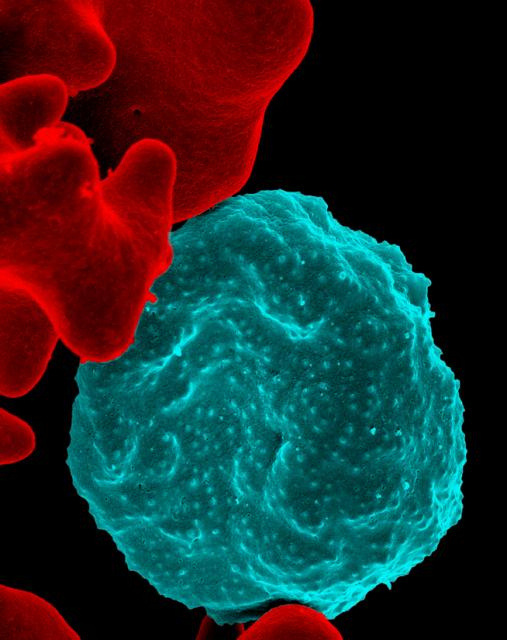
Zachary Berliner, a Biodefense MS student, is presenting a poster at the 10th Annual Future of Malaria Research Symposium in Baltimore, MD, on November 8. This conference, jointly run by the Johns Hopkins Malaria Research Institute and the University of Maryland School of Medicine, provides “a platform for early-career scientists to share their research with peers, emerging leaders, and established investigators.” In 2023, nine cases of locally acquired malaria occurred in the United States, the first such cases in twenty years. Zak’s project, Public Opinions Toward Malaria Control Interventions in the National Capital Region, featured a survey of adults in the National Capital Region about their opinions toward various malaria control interventions. His study serves as an indicator of preliminary opinions among a small group of Americans to better inform politicians. His poster can be found here, and the full paper can be found here. The poster is based on the capstone paper that Zak wrote as a culmination of his experience in the Biodefense program. Zak is graduating with his MS in Biodefense in December and is looking for policy and analysis opportunities focused on biodefense and health security.

United Kingdom Announces Sanctions on 56 People and Entities Linked to Russia

The UK announced its largest sanctions package against Russia since May of last year this week, in a series of actions the government hopes “disrupts the supply of vital equipment for Putin’s war machine and bears down on Russian malign activity globally, exposing the corrupt activities of Russian proxy military groups in Africa.” Those sanctioned include Denis Sergeev (who was charged by the Met Police in the attempted murder of Sergei Skripal), entities in China, Turkey, and Central Asia, Africa Corps and other private mercenary groups linked to the Kremlin, and others. The UK is the first G7 country to directly sanction Africa Corps, which has directly threatened peace and security in Libya, Mali, and the Central African Republic.

CDC Calls for Expanded Bird Flu Testing as California and Washington Report More Cases

Officials at the CDC called for more testing on farms with avian influenza cases after a recent study found some dairy workers have shown signs of infection even though they did not report feeling sick. The study that 7% of the 115 farmworkers whose blood was tested (eight) had antibodies consistent with previous H5N1 infection, pointing to more infections than the 46 identified so far. More cases in farmworkers have also been reported in recent days, including at least four in California and three in Washington. The California Department of Public Health also recently reported one other probable case in a dairy worker who met the case definition, though CDC’s confirmation test was negative.

What Lies Ahead in Trump’s Second Term

President-Elect Trump’s recent victory likely will have severe implications for both domestic health policy and global health security. The first Trump administration largely failed in its response to the COVID-19 pandemic, despite the US ranking very well in pre-pandemic preparedness assessments like the Global Health Security Index and the Trump administration being handed a pandemic playbook by the preceding Obama administration that specifically flagged novel coronaviruses as a potential pandemic threat. The upcoming second Trump administration looks ready to fair just as poorly in terms of not just pandemic preparedness, but in general public health and global health engagement as well.

The president-elect, who has repeatedly and falsely claimed that climate change is a hoax, has promised to rollback federal regulations on the oil and gas industry that are aimed at slowing climate change. Trump pulled the United States out of the 2015 Paris Climate Accord in 2017, and his campaign has indicated it intends to do the same again once he is back in office. Trump is also expected to target the EPA during his second term. Changes like this are especially concerning as the effects of climate change, such as increased extreme weather and easier spread of infectious diseases, pose a growing threat globally.

Trump does plan to involve at least one environmental lawyer in his administration-Robert F. Kennedy Jr., an environmental lawyer who Trump has suggested may play a large role in public health in his administration. Unfortunately, Kennedy has no training in public health or medicine, and he has repeatedly peddled anti-vaccine conspiracy theories over the years. Kennedy also faced backlash for comments suggesting COVID-19 was “ethnically targeted,” saying “COVID-19 is targeted to attack Caucasians and Black people. The people who are most immune are Ashkenazi Jews and Chinese…We don’t know whether it was deliberately targeted or not but there are papers out there that show the racial or ethnic differential and impact.” Kennedy has also voiced criticism of the childhood vaccine schedule and public water fluoridation, claiming the latter is “lowering IQ in our children,” in contrast to what numerous studies over multiple decades show about its safety and efficacy.

Trump has promised to allow Kennedy to “go wild on” health, medicines, and food policy, with Kennedy saying he believes entire departments at the FDA “have to go.” Kennedy has also said he wants an eight-year-long “break” in NIH funding for infectious disease research, and that he would move that money to chronic disease research. Congressional Republicans have targeted the NIH in recent years, including efforts to strip its authority over gain of function research and repeatedly attacking former NIAID Director, Anthony Fauci.

Trump’s second term also may pose threats to global health security more directly. For example, in 2020, the Trump administration formally notified the United Nations that it intended to withdraw the country from the World Health Organization. This move would have cut off one of the largest funding sources to the WHO in the middle of the COVID-19 pandemic. Furthermore, some experts argue the attempt was unlawful, in addition to the threat it posed to domestic and global health and security. While the Trump campaign mentioned few specifics about foreign policy for a second term, the United Nations is bracing itself for this incoming administration.

This week’s election results have many experts deeply concerned about what this administration will bring. Saskia Popescu, an alumna of the Schar School’s Biodefense PhD Program and current adjunct professor at the school made this statement to The Bulletin of the Atomic Scientists about the election result’s implications for public health: Right now, I think you’d be hard-pressed to find many in public health, healthcare, and pandemic preparedness/response, who are not deeply concerned. The recent notion that Robert F. Kennedy Jr. could be in charge of public health for the United States poses a real danger. From his claims that vaccines are harmful or unnecessary to his proposed efforts to remove fluoride from public water systems, Kennedy continuously pushes anti-science rhetoric and dis/misinformation.

History has shown us what might happen under another Trump administration during times of crises, from extreme weather events to a pandemic. We have seen how an administration that pits itself against science and dedicated public service officials reacts. As we face an ongoing H5N1 outbreak, persistent outbreaks of emerging infectious diseases, an erosion of trust in public health, a rise in dis/misinformation, and widening social disparities, we need leadership that will unite rather than divide.

We are at a critical time in forming effective and pragmatic policies to address complex issues such as the ways in which developments in artificial intelligence (AI) will affect biosecurity, the safety and security around critical research of dangerous pathogens, the effects of climate change on infectious diseases, and the need to strengthen global health through equity and partnership.

Developing policies in these areas will require strategies based on collaboration and evidence-based measures–not inflammatory, inaccurate, and harmful rhetoric that furthers partisan divides and enflames social discourse. It’s our responsibility to find a path that ensures the protection of public health and global health security. We’ve got a lot of work to do, and I fear a hard road ahead of us.

Others have voiced concerns about a return to US isolationism in global health, Trump not seeking out quality scientific advice, policies regarding vaccines, and more that can be read in this piece from The Bulletin of the Atomic Scientists.

“HHS’ ASPR Playing ‘Quarterback’ for Cyber Response, Resilience”

Jason Miller discusses ASPR’s cyber efforts with Biodefense PhD Program alumnus, Schar School adjunct professor, and current Deputy Director of ASPR’s Office of Preparedness in this piece for Federal News Network: “Just a little over a year ago, that coordination was occurring, but not as smooth as it needed to be. We took some steps, and actually now have a Public Health Service, captain, or an 06 officer, permanently embedded within the National Cyber Investigative Joint Task Force, that the FBI leads. We have a HHS ASPR person embedded full time with the FBI agents and other law enforcement folks who work in that task force and really are dealing with very sensitive information and responding to cyber incidents in the healthcare sector every day,” said Mazanec on Ask the CIO. “That’s just another example where we’ve really tightened up and continue to mature our partnership with the FBI. We do work with the other health focused entities like the Veterans Affairs Department, the Defense Health Agency, certainly within HHS, with the Indian Health Service  and with the Centers for Medicaid and Medicare Services.”

Read more here.

“GHSD Five-year Strategy 2024-2028 (October 2024)”

The State Department’s Bureau of Global Health Security and Diplomacy recently released its strategic plan for 2024-2028: “The COVID-19 pandemic underscored the importance of preventing, detecting, and responding to health crises to safeguard American lives and the global economy. Building on the successes of the U.S. President’s Emergency Plan for AIDS Relief (PEPFAR), which has saved more than 25 million lives from HIV/AIDS, and to address the growing challenges posed by health threats, the State Department established the Bureau of Global Health Security and Diplomacy in August 2023.”

“Building on decades of leadership on global health within the State Department, the Bureau of Global Health Security and Diplomacy’s mission is to lead U.S. diplomatic engagement, help coordinate foreign assistance, and promote international cooperation against health threats, integrating global health security as a core component of national security and foreign policy. The bureau’s first ever five-year Strategy for 2024-2028 outlines the State Department’s role in ending HIV/AIDS as a public health threat and advancing global health security and pandemic prevention, preparedness, and response efforts for the U.S. government.”

“The goals of the Strategy are to:

  • End HIV/AIDS as a public health threat by 2030
  • Catalyze the political will, financing, and leadership necessary to achieve heath security and address public health threats, including HIV/AIDS
  • Improve global multisectoral preparedness and response through diplomacy to protect against health security threats
  • Empower the diplomatic workforce to prioritize and integrate global health security as a key pillar of U.S. foreign policy.”

Read the strategy here.

“Chemical Weapons Policymakers Must Act to Balance the Prospects and Perils of AI”

Patrick Norén recently published this CBNW article covering a conference organized by the OPCW and Kingdom of Morocco focused on the role of AI in advancing implementation of the CWC. Norén covers general trends in speakers’ comments, the dual use nature of AI, challenges in legislation, regulation, and cooperation, and issues with misinformation and disinformation.

“MATCH 2.0 Enters Demonstration and Live Testing Phase”

From Stimson: “Behind every chemical transfer is a story, and too often, that story includes discrepancies in reported data. The Stimson Center’s MATCH project team has completed development of an updated DLT prototype and is demonstrating to CWC National Authorities and other stakeholders how it traces these narratives and creates a clear, immutable record of each transaction, aligning records of national authorities and industry while maintaining data confidentiality, reducing risks of misreporting, and enhancing nonproliferation by enabling faster reconciliation of discrepancies in the annual reporting of chemicals covered by the Chemical Weapons Convention (CWC).”

Read more here.

“THE NEXUS BETWEEN SCIENCE AND NATIONAL SECURITY IN CANADA: THE CASE OF THE NATIONAL MICROBIOLOGY LABORATORY IN WINNIPEG”

The Canadian House of Commons’ Special Committee on the Canada-People’s Republic of China Relationship recently released this interim report. Among other things, the report reveals that CSIS “issued a direct and unheeded warning to senior health officials in August 2018, raising concerns about “insider threat activities” linked to Dr. Xiangguo Qiu and her husband, Keding Cheng.” The report explains in its conclusion “The events at the Winnipeg NML facility revealed, as outlined in this report, the fundamentally open and collaborative nature of Canadian scientific research as a means of contributing to the common good, on the one hand, and, on the other, the need for a cultural shift within the scientific field in terms of its vigilance over national security risks and the need to reconsider how we collaborate with entities or states that may not share the same interests as Canada. For example, with regard to the PRC, Mr. Vigneault said that “[i]t is sometimes in our own national interest to collaborate with Chinese entities, but we need to do it with our eyes wide open and make sure that we protect our own base.”’

Read Sam Cooper’s coverage of this report in The Bureau here.

NEW: Developing Guardrails for AI Biodesign Tools

From NTI: “Join us for a virtual webinar releasing the findings of NTI | bio’s new report, Developing Guardrails for AI Biodesign Tools, followed by a moderated discussion and Q+A with distinguished guest Claire Quereshi.”

“Artificial intelligence (AI) promises to revolutionize not only aspects of daily life but cutting-edge scientific research and development. Within the life sciences, AI biodesign tools (BDTs) have improved significantly in their ability to design biological molecules and make predictions about living systems, displaying potential for beneficial applications and posing significant potential risks if misused.”

“Authors Sarah R. Carter, Ph.D., Nicole E. Wheeler, Ph.D., Christopher R. Isaac, M.Sc., and Jaime M. Yassif, Ph.D. conducted interviews with experts with deep experience creating bioinformatic tools, developing BDTs, and crafting biosecurity policies. The report outlines several proposed measures that could be deployed to design governance approaches to reduce biological risks without unduly hindering scientific advances.”

This event will take place virtually on November 14 at 11 am ET. Learn more and register here.

NEW: A Year-End Review, Recapping Global AI Governance Efforts

From CSET: “This time last year seemed to herald a landmark period in establishing AI governance regimes around the world. After ChatGPT and other AI tools burst onto the scene, U.S. policymakers issued new executive orders, hosted hearings and high-profile learning sessions, and developed new frameworks and standards to support the safe and secure development of AI. Elsewhere, the European Union worked to finalize its AI Act, and China announced its Global AI Governance Initiative. One year later, where do the promises and commitments to govern AI stand?”

“Join us on November 14, as we look back on the last year of global AI governance efforts and evaluate what progress has been made, what work remains to be done, and what the actions of global partners and competitors alike mean for U.S. strategy going forward. CSET Associate Director of Analysis Owen J. Daniels will moderate a conversation with CSET researchers Mia Hoffmann, Mina Narayanan, and Cole McFaul as we survey governance developments around the world over the past year. The moderated discussion will be followed by audience Q&A.”

This event will take place at 1 pm ET on November 14. Learn more and RSVP here.

NEW: Enhancing the Resilience of Healthcare and Public Health Critical Infrastructure

From NASEM: “Healthcare and public health infrastructure, technology, and operations are rapidly changing and are increasingly interdependent and interconnected. Threats to the nation’s critical social and physical infrastructure systems are also rapidly evolving and highly complex—posing potentially new or growing risks of disruption and challenging the assumptions used to design and protect these systems.”

“The National Academies Forum on Medical and Public Health Preparedness for Disasters and Emergencies will host a hybrid public workshop to explore strategies, policies, and innovative actions to improve the resilience of healthcare and public health (HPH) critical infrastructure to impacts from disasters and other emergencies.”

This event will take place in DC on December 9 and 10. Register here.

NEW: Resilience in the Face of Global Risks

From CSR: “The Council on Strategic Risks (CSR) cordially invites you to our first annual CSR symposium, Resilience in the Face of Global Risks, scheduled for Tuesday, December 10, 2024. This is the first event bringing together all three of CSR’s institutions—the Center for Climate & Security, the Converging Risks Lab, and the Janne E. Nolan Center on Strategic Weapons—to engage with leaders across our mission sets.”

“The United States and its allies face a complex global security landscape where systemic risks like climate and ecological crisis, nuclear proliferation, and biological threats are blending with war, geopolitical competition, and human insecurity in new and profound ways. While there has been tremendous leadership—and meaningful progress—across these overlapping risk areas, they require persistent innovation in community building to meet the modern risk landscape.”

“The symposium will dive into the progress our communities have made—and how our passionate communities can better work together to help shape the future.”

“In addition to a keynote address, guests will hear from panels, take part in breakout sessions showcasing important issues and new ideas, plus engage with thought leaders between sessions. It will be a widely attended gathering, free to attendees.”

“As we enter a new year with an exceptionally dynamic security environment, we hope CSR’s December event will inspire and build a stronger community across professionals dedicated to anticipating and addressing the world’s greatest risks. We appreciate your consideration and hope you will be able to join us on the 10th of December.”

RSVP here.

Preparing for the Next Outbreak: Designing Closer Collaboration between Healthcare and Public Health to Deploy Pathogen-Agnostic Testing as an Early Warning System

From PNNL: “Please join us in welcoming Dr. Adi V. Gundlapalli, Senior Advisor for Data Readiness and Response in the Office of Public Health Data, Surveillance, and Technology at the CDC for his talk titled “Preparing for the Next Outbreak: Designing Closer Collaboration between Healthcare and Public Health to Deploy Pathogen-Agnostic Testing as an Early Warning System”. This webinar will take place Wednesday, November 13th, at noon PT.”

Learn more and register here.

Developing Guardrails for AI Biodesign Tools

From NTI: “Join us for a virtual webinar releasing the findings of NTI | bio’s new report, Developing Guardrails for AI Biodesign Tools, followed by a moderated discussion and Q+A with distinguished guest Claire Quereshi.”

“Artificial intelligence (AI) promises to revolutionize not only aspects of daily life but cutting-edge scientific research and development. Within the life sciences, AI biodesign tools (BDTs) have improved significantly in their ability to design biological molecules and make predictions about living systems, displaying potential for beneficial applications and posing significant potential risks if misused.”

This virtual event will take place on November 14 at 11 am EST. Learn more and register here.

13th Annual Jonathan Tucker Symposium

“The James Martin Center for Nonproliferation Studies cordially invites you to the 13th annual Jonathan Tucker Symposium on chemical and biological weapons issues on November 13th and 14th, 2024.”

Among this year’s speakers are Dr. Yong-Bee Lim, an alumnus of the Biodefense PhD Program and Deputy Director of the Converging Risks Lab and Biosecurity Projects Manager at the Council on Strategic Risks, who will give a talk titled “Technology Democratization and its Implications for CBW Safety and Security: Lessons Learned from Engagement with Non-Traditional Communities.”

Learn more and register here.

One Health and the Politics of COVID-19 Book Launch

The Writer’s Center is hosting a book launch for Dr. Laura Kahn’s new book, One Health and the Politics of COVID-19 (blurb below) on November 23 at 2 pm EST in Bethesda, MD. Learn more and RSVP here.

One Health and the Politics of COVID-19 unpacks the mysteries of COVID-19’s origins to impart important lessons for future outbreaks. The One Health concept recognizes the interconnected links among the health of humans, animals, plants, and the environment. By comparing the history, science, and clinical presentations of three different coronaviruses—SARS-CoV-1, MERS, and SARS-CoV-2 (COVID-19)—Kahn uncovers insights with important repercussions for how to prepare and avoid future pandemics. The One Health approach provides a useful framework for examining the COVID-19 pandemic. Understanding the origins of this zoonotic disease requires investigating the environmental and molecular biological factors that allowed the virus to spread to humans. The book explores the many ways in which the wild animal trade, wet markets, and the camel industry contributed to the spread of the earlier SARS-CoV-1 and MERS coronaviruses. For SARS-CoV-2 (COVID-19), Kahn examines the biosafety, biosecurity, and bioethics implications of gain-of-function research on pandemic potential pathogens. This book is a must read to understand the geopolitics of the COVID-19 pandemic.”

2024 CBD S&T Conference

From DTRA: “The CBD S&T Conference brings together the most innovative and influential chemical and biological defense community members from around the globe to share insights and collaborate on the emerging chem-bio threats of tomorrow.”

“Join the Defense Threat Reduction Agency’s (DTRA) Chemical and Biological Technologies Department in its role as the Joint Science and Technology Office (JSTO) for Chemical and Biological Defense, an integral component of the Chemical and Biological Defense Program, as we Focus Forward to uncover novel concepts and examine groundbreaking discoveries within the chem-bio defense landscape.”

“The 2024 CBD S&T Conference will be held at the Broward County Convention Center, December 2–5, 2024.”

Learn more and register here.

Health Security Intelligence: Managing Threats Risks and Hazards Post-Covid 19
“As  the acute impact of the COVID-19 pandemic recedes, many unaddressed questions remain for Australia about how to better prepare for the next likely health threat, risk or hazard.”

“In addition to how we enhance national public health capacity, what are the important lessons we can learn from the pandemic from national security and biosecurity perspectives?”

“Given the likelihood of another pandemic at some point, an increasingly uncertain geo-political order and the potential exploitation of biotechnology by bad actors how does Australia and its allies better prepare for a future of increasingly complex health security and biological security threats, risks and hazards?”

“This event is for all health security intelligence stakeholders (policy-makers, national security staff, scientists, researchers and clinicians) who work across the one health continuum and national security agencies.”

“It will introduce participants to Charles Sturt’s extensive research agenda across the one health biosecurity, health and biological security and discuss both their national security and scientific implications.  You will hear briefings from key researchers across both STEM and social sciences disciplines working on assessing key health security threats, risks and hazards relevant to your work.”

This event will take place in-person and over livestream on December 4 from 2-4 pm AEDT. Learn more and register here.

US AI Safety Institute Issues RFI on Responsible Development of Chem-Bio Models

From AISI: “The U.S. Artificial Intelligence Safety Institute (U.S. AISI), housed within the U.S. Department of Commerce’s National Institute of Standards and Technology (NIST), released a Request for Information seeking insight from stakeholders regarding the responsible development and use of chemical and biological (chem-bio) AI models.”

“Input from a broad range of experts in this field will help the U.S. AISI to develop well-informed approaches to assess and mitigate the potential risks of chem-bio AI models, while enabling safe and responsible innovation.”

“Respondents are encouraged to provide concrete examples, best practices, case studies, and actionable recommendations where possible. The full RFI can be found here.”

“The comment period is now open and will close on December 3, 2024, at 11:59PM Eastern Time. Comments can be submitted online at www.regulations.gov, under docket no. 240920-0247.”

Pandora Report 10.25.2024

Happy almost Halloween! This week’s Pandora Report includes news from the Biodefense Graduate Program and discussion of the Biden administration’s latest National Security Memorandum, a new multilateral effort from the US, Canada, and Mexico to improve regional health security, the WHO’s praise for Rwanda’s swift and effective Marburg response, and more.

Upcoming Virtual Information Sessions on the Biodefense Graduate Program

If you are interested in a career in biodefense or global health security or want to develop the knowledge and skills necessary to work at the nexus of health, science, and security, find out what the Schar School of Policy and Government has to offer. 

The Schar School PhD programs will be holding a virtual open house on Wednesday, October 30 from 6-7:30 PM. Please join Dr. Gregory Koblentz, director of the Biodefense Graduate Program, to learn more about the Biodefense PhD program and ask any questions you may have. Register here.

GMU Biodefense Students Tour Mason’s Biomedical Research Laboratory

Last week twelve Biodefense students had the opportunity to visit George Mason’s 52,000 square-foot Biomedical Research Laboratory (BRL) located on the SciTech campus in Manassas, Virginia. The BRL was inactive after being decontaminated for annual maintenance . The tour, led by the BRL’s Director of Research Operations, Rachel Pepin, provided students with a firsthand look at Mason’s Biosafety Level 3 (BSL-3) and supporting Biosafety Level 2 (BSL-2) labs. Among the many highlights was the BRL’s autoclaves and gloveboxes, which left students impressed.

The BRL is one of 12 Regional Biocontainment Labs in the United States funded by the National Institute of Allergy and Infectious Diseases NIAID. Constructed in 2010, it became an active “hot” lab in 2012. Fifteen Mason faculty members and thirty students at any time work within the facility on research pertaining to a variety of infectious diseases, new vaccines, diagnostics, and therapeutics. The stated mission of Mason’s BRL is to 1) advance pathogen biology, 2) train the future workforce to safely handle infectious agents and conduct innovative research in BSL-3 environments, 3) evaluate diagnostics, therapeutics and vaccines, and 4) serve as a resource in the event of a bioterrorism or infectious disease emergency. Overall, students gained an appreciation for the critical work and numerous safety controls in George Mason’s BSL-3 laboratory.

This write up was written by Biodefense MS Student Will MacDonald.

OPCW Workshop on Legislative and Regulatory Frameworks for Chemical Security
On October 21-22, 2024, Dr. Gregory Koblentz, director of the Biodefense Graduate Program, attended a meeting of chemical security experts sponsored by the Organization for the Prohibition of Chemical Weapons (OPCW) to discuss best practices for establishing legislative frameworks for chemical security. According to INTERPOL, from the records of 4,100 captured ISIS members, 109 of them have a background related to chemistry, science, technology, engineering, and mathematics. Meanwhile, across the word, the chemical industry and trade are rapidly growing, increasing the risk of toxic chemicals being misused, especially by non-state actors. Many countries are therefore seeking to strengthen their legal and regulatory regimes to address risks such as attacks on chemical facilities, the theft of toxic chemicals, or their release with malicious intent. Initial take-aways from the meeting included a recognition that there is an urgent need for robust national legislative frameworks for chemical security in many countries, that national threat assessments and risk analyses should be the basis for identifying legislative needs, and best practices are most useful if they can be adapted to country-specific contexts and resource setting. This meeting of an international group of chemical security experts kicks off a longer-term discussion on best practices for establishing legislative frameworks for chemical security sponsored by the Implementation Support Branch of the International Cooperation and Assistance Division at OPCW.
A Risky Review of Research
On September 25, 2024, Senator Rand Paul introduced a revised version of the Risky Research Review Act (S. 4667) which was voted out of the Senate Homeland Security and Government Affairs Committee by a vote of 8-1. In a recent OpEd in StatNews, Gregory Koblentz, director of the Biodefense Graduate Program, and David Gillum and Rebecca Moritz, past presidents of the American Biosafety Association (ABSA) wrote of the original bill: “this legislation threatens to cast a shadow over the future of life sciences research and slow it down.” While this revised bill contains some positive changes, it remains deeply flawed and does not represent a viable solution to the challenges posed by dual-use research. You can read their analysis of the good, the bad, and the ugly of the revised Risky Research Review Act here.
Russia Expanding Secret BSL-4 Lab at Sergiev Posad
The Washington Post has identified new construction activity at Sergiev Posad-6, part of the former Soviet and current Russian biological weapons program, consistent with the building of additional high containment laboratories, including BSL-4 lab suites. The construction started in 2022, shortly after Russia’s invasion of Ukraine which was accompanied by unfounded allegations that Ukraine was developing biological weapons with the help of the United States and other NATO countries. Dr. Gregory Koblentz, director of the Biodefense Graduate Program, is quoted in the article as saying, “I would not be surprised if some influential segment of the Russian national security community has drunk the Kool-Aid and really believes that the United States really is developing biological weapons.” Satellite imagery obtained and analyzed by the Washington Post has identified the construction of “10 new buildings, totaling more than 250,000 square feet, with several of them bearing hallmarks of biological labs designed to handle extremely dangerous pathogens.” The Global BioLabs Initiative identified Sergiev Posad-6 as having a BSL-4 lab in 2021. The existence of a BSL-4 lab at this site was confirmed by a 2017 scientific article co-authored by a researcher at the 48th Central Research Institute of the Ministry of Defense at Sergiev Posad. Russia has not declared the existence of a BSL-4 lab at this site on Form A of the confidence building measures that it submits to the Biological Weapons Convention. 

White House Releases New National Security Memorandum on Advancing AI Leadership

The Biden administration issued this week the first-ever National Security Memorandum (MSM) on AI. The NSM direct the federal government to take steps to 1) “ensure that the United States leads the world’s development of safe, secure, and trustworthy AI,” 2) “harness cutting-edge AI technologies to advance the U.S. Government’s national security mission,” and 3) “advance international consensus and governance around AI.”

The NSM directives are focused on actions to improve chip supply chain security and diversity, making collection on competitors’ operations against the US AI sector a top-tier intelligence priority, formally designating the AI Safety Institute, doubling down on the National AI Research Resource, directing “the National Economic Council to coordinate an economic assessment of the relative competitive advantage of the United States private sector AI ecosystem,” and more.

Among its other measures, the NSM also directs the creation of a Framework to Advance AI Governance and Risk Management in National Security, which was published alongside the NSM. This framework and any successor document will specify that each covered agency has a chief AI officer and guidance boards, offer guidance on AI activities that pose “unacceptable levels of risk and that shall be prohibited,” and more.

A fact sheet for the new NSM is available here.

US, Canada, and Mexico Announce Efforts to Improve Regional Health Security

This week, the US Departments of Health and Human Services, State, Agriculture, and Homeland Security, along with their counterparts in Canada and Mexico made good on commitments made at the 2021 and 2023 North American Leaders’ Summits in releasing the North American Preparedness for Animal and Human Pandemics Initiative (NAPAHPI). NAPAHPI is “…a flexible, scalable, and cross-sectoral platform to strengthen regional capacities for prevention, preparedness, and response to a broad range of health security threats that builds on lessons learned from COVID-19 and other health security events in the last decade. It is based on a long-standing trilateral collaboration under the 2007 North American Plan for Avian and Pandemic Influenza and the 2012 North American Plan for Animal and Pandemic Influenza. This initiative recognizes that the high degree of interconnectedness among our three countries of our critical infrastructure, supply chains, and societies means that disruptions affecting one country often impact the others. Only by working together can we protect the health security of our region.”

Learn more here.
Egypt Declared Malaria Free

Egypt was officially certified malaria-free by the World Health Organization this week. Following Morocco and the UAE, Egypt is just the third country in the WHO’s Eastern Mediterranean region to receive this certification. Globally, 44 countries and one territory currently have this designation.

“This certification of Egypt as malaria-free is truly historic, and a testament to the commitment of the people and government of Egypt to rid themselves of this ancient scourge,” said WHO Director-General Tedros Adhanom Ghebreyesus in a statement. “I congratulate Egypt on this achievement, which is an inspiration to other countries in the region, and shows what’s possible with the right resources and the right tools.”

WHO Praises Rwanda’s Marburg Response

WHO Director-General Tedros Adhanom Ghebreyesus praised Rwanda’s response to its Marburg virus outbreak, noting their success in treating patients infected with this especially deadly disease. As of earlier this week, Rwanda has made it a full week with no new cases, and its total number of patients still in treatment is down to just one. “Leadership from the highest levels of government is essential in any outbreak response, and that’s what we see here in Rwanda,” Tedros said during the press briefing. The Director-General also noted that multiple patients experiencing multiple organ failure were put on life support, intubated, and eventually extubated. “We believe this is the first time patients with Marburg virus have been extubated in Africa. These patients would have died in previous outbreaks,” Tedros explained. 

Burgers, Deli Meat, and Waffles-Oh My! US Responding to E. Coli and Listeria Outbreaks

It has been a rough couple of weeks for many major food suppliers in the United States amid headlines about recalls and reports of multiple cases of E. coli and listeria across the country. McDonald’s, KFC, Burger King, and other restaurant chains have pulled onions from their menus following an outbreak of E. coli traced back to McDonald’s Quarter Pounders. The CDC announced this week it is investigating 49 cases linked to “slivered onions used in the Quarter Pounder and sourced by a single supplier than serves three distribution centers.” One person is dead and ten more have been hospitalized. The supplier, Taylor Farms, has issued a recall on all of its peeled, diced, and whole peeled yellow onion packs due to potential contamination.

This comes amid multiple listeria outbreaks affecting several kinds of products, including deli meat, frozen waffles and pancakes, and even salmon. While these recalls are certainly nothing to ignore, they might not necessarily be happening more frequently than before as some have suggested. Dr. Céline Gounder, CBS News medical contributor and editor-at-large for public health at KFF Health News, told CBS this week that “Every step of food processing, there’s the opportunity for contamination. That’s number one. Consumers want ready-to-eat food, so of course, they’re more processed as a result.” She continued, saying “We have better tests. So it used to be we might not have been aware or known what made you sick. Now we can actually test, detect and tell you what made you sick.”

“Assessing the Burden of and Potential Strategies to Address Antimicrobial Resistance”

From NASEM: “Antimicrobial resistance (AMR) is linked to millions of deaths globally each year. As an evolving public health threat, there is a need to further develop methods to quantify AMR’s burden within medical practice and other sectors like food production. The National Academies Forum on Microbial Threats hosted a public workshop in March 2024 to explore the burden of AMR and discuss clinical, scientific, and policy strategies for addressing the growing AMR health threat across sectors.”

“This proceedings highlights the presentations and discussions that occurred at the workshop.”

“The Changing Face of Pandemic Risk: 2024 Report”

From GPMB: “The 21st century has seen a significant rise in global health threats. Epidemics and pandemics are now a constant danger rather than rare events. The 2024 GPMB reportThe changing face of pandemic risk, is a call to action for global leaders, policy-makers, health professionals, and communities to build a safer, more resilient future. It outlines the key drivers of pandemic risk and provides a roadmap for strengthening our defences.”

“Mpox: Neglect Has Led to a More Dangerous Virus Now Spreading Across Borders, Harming and Killing People. Leaders Must Take Action to Stop Mpox Now”

McNab et al. recently published this opinion article in PLOS Global Public Health, writing in part “In other words, mpox is an ever-growing regional health crisis in Africa, and without urgent action to stop the epidemics when and where they occur, it will continue to spread across borders and continents. The few tools we have that could help to stop the outbreaks have yet to become adequately available in the most affected low-income countries where they are urgently required, as is financing to support the public health response. Mpox cannot be allowed to continue spreading widely across the African continent or anywhere. The world cannot continue to simply ‘learn’, but not apply the costly lessons of neglecting disease outbreaks.”

“Are We Ready For A Bird Flu Vaccination Campaign?”

Ram Koppaka and Richard Hughes IV discuss the possibility of H5N1 human transmission and a hypothetical mass vaccination program against this virus in this piece for Health Affairs. They write in their conclusion, “The most recent pandemic clearly demonstrated the inadequacy of our existing level of vaccine preparedness. So far, we have failed to seize this moment and put in place the infrastructure to support immunization of both children and adults. Worse still, it indicates a failure to learn some of the pandemic’s hardest lessons. As a result, we are destined to once again endure the consequences, knowing that they had been largely avoidable…Or we can do it differently this time. We can act now to be truly ready and prepared to mount a mass vaccination campaign against the next pandemic threat—whenever it comes. We have risen to the occasion before, and we can do it again.”

“COVID, Mpox, Cholera: Is the World Prepared for Another Pandemic?”

Faras Ghani discusses recent outbreaks and infectious disease developments, alongside analysis of global lack of adequate access to essential healthcare services and an interview with Dr. Ahmed Ogwell, Vice President of Global Health Strategy at the UN Foundation, in this piece for Al Jazeera.

“Inside the Bungled Bird Flu Response, Where Profits Collide With Public Health”

Katherine Eban discusses the USDA’s action or lack thereof in responding to H5N1 cases in Texas dairy cattle in this Vanity Fair article, writing in her summary “When dairy cows in Texas began falling ill with H5N1, alarmed veterinarians expected a fierce response to contain an outbreak with pandemic-sparking potential. Then politics—and, critics say, a key agency’s mandate to protect dairy-industry revenues—intervened.”

“Combining AI Breakthroughs and Better Policy to Defeat Superbugs”

Akhila Kosaraju discusses the transformative opportunity AI poses in addressing AMR in this piece for the Stanford Social Innovation Review: “Superbugs may have met their match in generative AI, but to fully tackle the crisis of antimicrobial resistance, policy makers need to find new ways to help scientists and researchers overcome long-standing obstacles and revitalize a broken antibiotic market.”

“NTI | Bio Champions Effort to Enhance Transparency to Strengthen the Biological Weapons Convention”

From NTI: “From September 30 to October 2, 2024, NTI | bio convened more than 30 experts for a workshop on enhancing transparency for bioscience research and development and bolstering confidence in compliance with the Biological Weapons Convention (BWC). Held in Amsterdam, The Netherlands, the workshop gathered an international group of participants from 15 countries spread across five continents with expertise in biosecurity and biotechnology governance and international security, as well as previous experience working to establish a verification mechanism for the BWC and involvement in ongoing discussions to strengthen the Convention.”

“The meeting updated existing concepts and generated new ideas about options to enhance transparency in regard to BWC compliance. NTI helped frame these discussions by tabling a concept paper on this topic, and the group discussed approaches to advance these goals, including through scientific and technical measures for data collection and analysis, procedural approaches, and institutional structures to house such efforts. Dozens of approaches were discussed during the meeting which will inform NTI’s continued efforts to highlight and explore promising opportunities to further advance this work.”

Read more here.

“Preparing for Ecological Disruption: A Strategic Foresight Approach to Ecological Security”

Lily Boland recently authored this report for the Council on Strategic Risks: “This report leverages insights gained from the use of strategic foresight as an approach for better anticipating how risks to global security are heightened by ecological disruption. It offers a range of use-cases for applying the foresight toolkit to the field of ecological security and to establish a knowledge base to assist practitioners, governments, and institutions in enhancing their anticipatory decision-making and planning processes for addressing the security ramifications of large-scale destabilization and decline of the biosphere and ecosystems.”

“How Zombies and Vampires Help Me Grapple with Disaster”

Neil Vora, a physician who has served in the Epidemic Intelligence Service and now treats TB patients and works with Conservation International, discusses what many in this field know all too well-an obsession with works of horror, especially those about contagions and disasters. Vora explains in part, “To help manage my anxieties about the fate of the world, I often turn to scary stories about contagions and other doomsday scenarios. This may seem counterintuitive, but I find the horror genre to be a perfect sandbox to explore pressing societal problems without real-world repercussions. Horror allows me to navigate my fears to their extremes from the comforts of my living room.”

However, the author also cautions, “But while fictionalized catastrophes help me grapple with my worst fears, I’ve also come to realize that consuming them without a critical eye can lead to a paralyzing level of despair—a luxury we can’t afford at this pivotal moment in history.”

While you’re at it, check out this episode of the Poisons and Pestilence podcast guest starring Biodefense PhD Program alumna and faculty member Saskia Popescu reviewing the films, Contagion and Outbreak, and read about her intro to the field at just 9-years-old via Richard Preston’s book, The Hot Zone.

NEW: Vision for Health Forum

From Johns Hopkins: We hope you can join us in November for the Vision for Health Forum with collaboration between Johns Hopkins Howard County Medical Center and Johns Hopkins Applied Physics Laboratory. 

Panel Discussion 
Moderator:  
M. Shafeeq Ahmed, M.D., MBA, F.A.C.O.G
President, Johns Hopkins Howard County Medical Center

Topic: Partnership between JHHCMC and APL
Jeanette Nazarian, M.D., Vice President, Medical Affairs and Chief Medical Officer- Johns Hopkins Howard County Medical Center 

Topic: Revolutionizing Health through Science and Engineering
Sheri Lewis, MPH, Deputy Mission Area Executive, Global Health -Johns Hopkins Applied Physics Lab 

Topic: APL-HCMC Partnership for Project Firstline: Safeguarding Our Nation’s Frontline Healthcare Workers
Lucy Carruth, Ph.D, Assistant Program Manager- Johns Hopkins Applied Physics Lab 
Brian Damit, Ph.D, Project Manager- Johns Hopkins Applied Physic Lab 

This event will take place at the Johns Hopkins Applied Physics Laboratory on November 4 at 4:30 pm EST. Learn more here.

The Advancing Threat Agnostic Biodefense Webinar Series

From PNNL: “Please join us in welcoming Drs. Matthew Kasper and Lindsay Morton from the Department of Defense (DoD) Global Emerging Infections Surveillance (GEIS) program for their talk titled “Challenges and Opportunities in Pathogen Agnostic Sequencing for Public Health Surveillance: Lessons Learned From the Global Emerging Infections Surveillance Program.” This webinar will take place Tuesday, October 29th, at noon PT.”

Learn more and register here.

13th Annual Jonathan Tucker Symposium

“The James Martin Center for Nonproliferation Studies cordially invites you to the 13th annual Jonathan Tucker Symposium on chemical and biological weapons issues on November 13th and 14th, 2024.”

Among this year’s speakers are Dr. Yong-Bee Lim, an alumnus of the Biodefense PhD Program and Deputy Director of the Converging Risks Lab and Biosecurity Projects Manager at the Council on Strategic Risks, who will give a talk titled “Technology Democratization and its Implications for CBW Safety and Security: Lessons Learned from Engagement with Non-Traditional Communities.”

Learn more and register here.

One Health and the Politics of COVID-19 Book Launch

The Writer’s Center is hosting a book launch for Dr. Laura Kahn’s new book, One Health and the Politics of COVID-19 (blurb below) on November 23 at 2 pm EST in Bethesda, MD. Learn more and RSVP here.

One Health and the Politics of COVID-19 unpacks the mysteries of COVID-19’s origins to impart important lessons for future outbreaks. The One Health concept recognizes the interconnected links among the health of humans, animals, plants, and the environment. By comparing the history, science, and clinical presentations of three different coronaviruses—SARS-CoV-1, MERS, and SARS-CoV-2 (COVID-19)—Kahn uncovers insights with important repercussions for how to prepare and avoid future pandemics. The One Health approach provides a useful framework for examining the COVID-19 pandemic. Understanding the origins of this zoonotic disease requires investigating the environmental and molecular biological factors that allowed the virus to spread to humans. The book explores the many ways in which the wild animal trade, wet markets, and the camel industry contributed to the spread of the earlier SARS-CoV-1 and MERS coronaviruses. For SARS-CoV-2 (COVID-19), Kahn examines the biosafety, biosecurity, and bioethics implications of gain-of-function research on pandemic potential pathogens. This book is a must read to understand the geopolitics of the COVID-19 pandemic.”

2024 CBD S&T Conference

From DTRA: “The CBD S&T Conference brings together the most innovative and influential chemical and biological defense community members from around the globe to share insights and collaborate on the emerging chem-bio threats of tomorrow.”

“Join the Defense Threat Reduction Agency’s (DTRA) Chemical and Biological Technologies Department in its role as the Joint Science and Technology Office (JSTO) for Chemical and Biological Defense, an integral component of the Chemical and Biological Defense Program, as we Focus Forward to uncover novel concepts and examine groundbreaking discoveries within the chem-bio defense landscape.”

“The 2024 CBD S&T Conference will be held at the Broward County Convention Center, December 2–5, 2024.”

Learn more and register here.

BID2025 Stakeholder Input Request
“From BARDA: We are excited to host our next BARDA Industry Day (BID) conference on June 30 – July 1, 2025, in Washington, D.C.! BID2025 will delve into the critical intersection of health security and sustainability with experts from various sectors to discuss cutting-edge medical countermeasure (MCM) innovations and strategies.”

“We want to make sure that the event reflects the interests of our attendees. Your feedback will help us curate sessions, speakers, and topics that are relevant and engaging for you. This short questionnaire should take no more than three minutes to complete. Please share your thoughts on what you would like to see at the conference by October 30, 2024.

Share thoughts here.

US AI Safety Institute Issues RFI on Responsible Development of Chem-Bio Models

From AISI: “The U.S. Artificial Intelligence Safety Institute (U.S. AISI), housed within the U.S. Department of Commerce’s National Institute of Standards and Technology (NIST), released a Request for Information seeking insight from stakeholders regarding the responsible development and use of chemical and biological (chem-bio) AI models.”

“Input from a broad range of experts in this field will help the U.S. AISI to develop well-informed approaches to assess and mitigate the potential risks of chem-bio AI models, while enabling safe and responsible innovation.”

“Respondents are encouraged to provide concrete examples, best practices, case studies, and actionable recommendations where possible. The full RFI can be found here.”

“The comment period is now open and will close on December 3, 2024, at 11:59PM Eastern Time. Comments can be submitted online at www.regulations.gov, under docket no. 240920-0247.”

Pandora Report 10.19.2024

This week’s Pandora Report covers updates from the Biodefense Graduate Program, a new biosecurity and biosafety declaration from ASEAN leadership, the United States’ IV fluid shortage, new publications and upcoming events, and more.

Upcoming Virtual Information Sessions on the Biodefense Graduate Program

If you are interested in a career in biodefense or global health security or want to develop the knowledge and skills necessary to work at the nexus of health, science, and security, find out what the Schar School of Policy and Government has to offer. 

The Schar School PhD programs will be holding a virtual open house on Wednesday, October 30 from 6-7:30 PM. Please join Dr. Gregory Koblentz, director of the Biodefense Graduate Program, to learn more about the Biodefense PhD program and ask any questions you may have. Register here.

Biodefense MS Grads Starts at National Security Commission on Emerging Biotechnology as Policy Advisor

Olivia Parker, a recent graduate of the Biodefense MS program, recently joined the National Security Commission on Emerging Biotechnology (NSCEB) as a policy advisor. NSCEB is a legislative branch advisory entity charged with conducting a thorough review of how advancements in emerging biotechnology and related technologies will shape current and future activities of the Department of Defense. To learn more about NSCEB, visit their website here: https://www.biotech.senate.gov.

Establishing a National Biosafety and Biosecurity Agency for the United States
Professor Gregory Koblentz, director of the Biodefense Graduate Program, along with co-authors David Gillum and Rebecca Moritz, past presidents of the American Biosafety Association (ABSA), have published an article proposing the establishment of an independent Federal agency to oversee a unified national biorisk management system in the United States called the National Biosafety and Biosecurity Agency (NBBA). The current fragmented regulatory landscape needs to be refocused to address the complexities of modern biological research, including risks associated with accidental, inadvertent, and deliberate biological incidents. The NBBA would consolidate various regulatory functions, streamline processes, and enhance oversight. This oversight would encompass life sciences research in the United States, regardless of the source of funding or level of classification. The agency could also contribute to the bioeconomy by streamlining requirements to safeguard public health and the environment while fostering scientific and commercial progress. The proposed agency would govern high-risk biological pathogens, manage the Federal Select Agent Program, enforce policies related to dual use research of concern, pathogens with enhanced pandemic potential, and nucleic acid synthesis screening, administer regulations on the use and care of laboratory animals, as well as regulate other relevant biosafety and biosecurity activities. The goal would be to provide one-stop shopping for the biomedical research and biotechnology sectors subject to oversight by the Federal government. To ensure leadership in global biosafety and biosecurity, the agency’s mission would include international collaboration, applied research, education, workforce development, and coordination with national security initiatives. Creating an agency like the NBBA will be politically challenging but presenting a comprehensive vision and engaging stakeholders early and frequently, and being transparent in the process, will be essential for garnering support. Creating a unified biosafety and biosecurity governance system in the United States will ensure the safe and secure advancement of biological research while sustaining innovation and maintaining international competitiveness.  The article is open access and can be downloaded here.

George Mason Scientist Secures $1.4 Million from DTRA to Study Viruses’ Impacts on Organ Health

George Mason University researcher Aarthi Narayanan recently secured a $1.4M grant from the Defense Threat Reduction Agency (DTRA) to investigate how an infection spreads between organs, and how a therapeutic will impact connected organs. The work will initially focus on mosquito-transmitted viruses while Narayanan hopes to expand the implications from these studies to other human disease states. Read more here.

ASEAN Leaders Make Declaration on Strengthening Regional Biosafety and Biosecurity

Leaders of the nations comprising the Association of Southeast Asian Nations (ASEAN) made a declaration on biosafety and security earlier this month during the 44th and 45th ASEAN Summits in Vientiane, Lao PDR. Their declaration includes an agreement to strengthen biosafety and biosecurity in the region by committing to strengthening multi-sectoral and multi-stakeholder coordination at the national level on these issues, establishing the ASEAN Biosafety and Biosecurity Network, establishing or strengthening relevant national legal frameworks, upholding commitments around responsible and ethical research using high-risk pathogens and toxins and related data to prevent DURC issues, enhancing protocols and procedures for the safe storage and transport of high-risk pathogens and toxins, ensuring the provision of necessary relevant human resources, supporting efforts to develop sustainable lab infrastructure, and tasking ASEAN Health Ministers to cooperate with relevant ministries to begin consultation, coordinate, and monitor efforts to meet the declaration’s deliverables.

Amid IV Fluid Shortage, Biden Administration Invokes Defense Production Action

The Biden administration told news outlets this week that it has invoked the Defense Production Act (DPA) in order to quicken the reconstruction of a Baxter facility in North Cove, North Carolina that was heavily damaged by Hurricane Helene. The plant was responsible for about 60% of the nation’s IV solutions, so the damage done to it by the storm has left many hospitals postponing surgeries and other procedures. Several products are affected, including multiple concentrations of dextrose IV solution, lactated ringers IV solution, peritoneal dialysis solution, sodium chloride 0.9% IV solution and for irrigation, and sterile water for injection and irrigation.

The DPA was passed in response to the Korean War and is historically based on the War Powers Acts of World War II. Over the years, Congress has expanded the term “national defense” as defined in the DPA so its scope includes things like enhancing and supporting “domestic preparedness, response, and recovery from natural hazards, terrorist attacks, and other national emergencies.” The DPA can be used to compel companies to prioritize government contracts and to help the federal government incentivize expansion of productive capacity and supply. The DPA was similarly invoked by both the Trump and Biden administrations in response to the COVID-19 pandemic.

Baxter said this week that 450 truckloads of undamaged products were removed from the site and that it is working with seven of its plants around the world to help address the shortage. The company is working with the FDA to import nearly 18,000 tons of product from Europe and Asia through the end of the year. Shipments from Baxter plants in Mexico and Spain began arriving last week, and the FDA has already authorized temporary importation from five sites in Canada, China, Ireland, and the United Kingdom. The company is also looking into other strategies, such as expiration date extension requests.

While this recent escalation of IV solution shortage is concerning, it is part of a broader problem that has existed in the US for years. Many of the products listed above were already in shortage prior to Hurricane Helene damaging the North Cove facility. For example, sterile water for injection was placed on the FDA shortage list in November of 2021, and multiple types of dextrose IV solution were added in early 2022. Perhaps most shockingly, saline solution has been on the list since June of 2018.

The reason the US has been grappling with this shortage for years, unsurprisingly, comes down to their lack of profitability. There is a high barrier to entry in that companies must invest substantial time and money in meeting regulatory requirements and setting up a manufacturing facility. At the same time, they are pressured to keep the prices of these products low. There are also issues with managing storage and transportation of these products, as a single bag of saline is about a foot long and weighs more than two pounds. Maintaining the sterility needed to safely make these products further complicates matters as well. Erin Fox, Senior Pharmacy Director at the University of Utah Health, told NBC that “These are life-saving products, but at the same times these are absolutely treated as kind of commodities.”

This situation is mirrored in an even more threatening issue-the dearth of antibiotic research amid rising antimicrobial resistance. While the WHO firmly warned last year that “We have arrived in the post-antibiotic era,” research and development of new antibiotics are still falling flat. Similarly, much of the issue comes down to reliance on private companies for innovations when those companies no longer have enough incentive to try and bring new antibiotics to market. By the 1980s, pharmaceutical companies knew they were unlikely to develop broad-spectrum antibiotics, and it is not very profitable to treat specific types of infections. This hurt private sector research greatly and, by 2021, just four major US pharmaceutical companies had dedicated antibiotic divisions. The FDA and its EU equivalent, the European Medicines Agency, have approved just 12 new antibiotics since 2017, 10 of which were similar to existing drugs.

There are some measures in work to help address this issue, including ARPA-H’s recently announced Defeating Antibiotic Resistance through Transformative Solutions (DARTS) project. Another example is the proposed Pioneering Antimicrobial Subscriptions to End Upsurging Resistance Act, or PASTEUR Act. The bipartisan bill failed to pass the Senate in 2021, but a revamped version (albeit with less funding) was introduced last year. The bill calls for the creation of a Committee on Critical Need Antimicrobials, requirements for HHS to award grants that support appropriate stewardship of antimicrobial drugs, and authorization of HHS to enter into subscription contracts for critical-need antimicrobial drugs.

No one potential law will address the lack of antibiotic research in the US, let alone the broader challenge of AMR and superbugs. Similarly, using the DPA once to help hasten the rebuilding of the North Cove Baxter facility will not get the country completely out of trouble in maintaining adequate IV solution supply. These kinds of challenges are long games that are only going to get worse amid economic and supply chain challenges, in addition to problems like climate change. Addressing these kinds of problems requires long-term thinking and sustained funding, rather than relying on reacting to issues as they worsen.

“Public Health Departments Face a Post-COVID Funding Crash”

Jazmin Orozco Rodriguez tackles the newest iteration of the public health boom-and-bust funding cycle in this article for KFF Health News: “But public health leaders quickly identified a familiar boom-and-bust funding cycle as they warned about an incoming fiscal cliff once the federal grants sunset. Now, more than a year since the federal Department of Health and Human Services declared the end of the coronavirus emergency, states — such as MontanaCalifornia and Washington — face tough decisions about laying off workers and limiting public health services…Public health experts warn that losing staff who perform functions like disease investigation, immunization, family planning, restaurant inspection and more could send communities into crisis.”

“Mitigating Risks from Gene Editing and Synthetic Biology: Global Governance Priorities”

Stewart Patrick and Josie Barton authored this report for the Carnegie Endowment for International Peace: “Rapid advances in bioscience and bioengineering hold immense promise for human betterment. But as these disruptive technologies become more widely distributed, their inherently dual-use nature and susceptibility to unintended consequences could create unprecedented dangers.”

“AI Scans RNA ‘Dark Matter’ and Uncovers 70,000 New Viruses”

Smriti Mallapaty breaks down recent AI-powered research in this article for Nature News, explaining in part “Researchers have used artificial intelligence (AI) to uncover 70,500 viruses previously unknown to science, many of them weird and nothing like known species. The RNA viruses were identified using metagenomics, in which scientists sample all the genomes present in the environment without having to culture individual viruses. The method shows the potential of AI to explore the ‘dark matter’ of the RNA virus universe.”

“Tackling AMR: A Call for Global Action to Preserve Medical Progress”

Paul Murray, CEO of Life and Health Reinsurance at Swiss Re, discusses AMR and compounding factors like climate change in this piece for the World Economic Forum, writing in part “More such efforts are needed. Ultimately, stewardship programmes that promote the appropriate use of antimicrobials will be critical to preserving the effectiveness of existing medications. In addition, renewed drug development efforts to invent novel antibiotics are necessary, with resistant species emerging more quickly after a new drug’s introduction.”

“The Changing Face of Pandemic Risk: 2024 Report”

From GPMB, this report is a “…call to action for global leaders, policy-makers, health professionals, and communities to build a safer, more resilient future. It outlines the key drivers of pandemic risk and provides a roadmap for strengthening our defences.”

“Emerging Trends in Chemical Weapons Usage in the Middle East”

Natasha Hall discusses multiple issues regarding CW in the Middle East in this CSIS Brief, including the international community’s failure to address the Assad regime’s use of these weapons, challenges in multipolarity, and how actors are most likely to challenge existing norms by escalating from using RCAs to TICs and PBAs while spreading disinformation and slowing evidence collection.

“Putin Ordered Novichok Attack, Double Agent Skripal Tells UK Inquiry”

This reporting from Reuters details Sergei Skripal’s statement to the public inquiry into the death of Dawn Sturgess, and the poisoning of Yulia and Sergei Skripal in addition to a police officer who responded to the incident. In it, Skripal says “I believe Putin makes all important decisions himself. I therefore think he must have at least given permission for the attack on Yulia and me.”

Read more here.

“Russia’s Chemical Weapons Lies”

John V. Parachini and Svitlana Slipchenko discuss Russia’s CW-focused disinformation in this piece for the National Interest, writing in part “State parties should demand that Russia stop weakening the global ban on chemical weapons use with its torrent of falsehoods about others, disclose its own secret chemical weapons activities, and lay out a plan for coming into compliance with an accord it helped negotiate.”

“Russia’s Latest Target in Africa: U.S.-Funded Anti-Malaria Programs”

The New York Times‘ Elian Peltier discusses Russia’s use of African influencers to discredit US-funded anti-malaria programs on the continent amid to help stoke distrust and fear of the West in this article: “Western-backed health initiatives in Africa are one of Russia’s latest targets, a scenario reminiscent of the Cold War, when the Soviet Union accused the United States of spreading AIDS on the continent. The State Department says that African Initiative, a news outlet backed by Russia’s intelligence services, has spun similar accounts, including “disinformation regarding an outbreak of a mosquito-borne viral disease.”’

“Fueling China’s Innovation: The Chinese Academy of Sciences and Its Role in the PRC’s S&T Ecosystem”

Cole McFaul, Hanna Dohmen, Sam Bresnick, and Emily S. Weinstein recently published this CSET Issue Brief: “The Chinese Academy of Sciences is among the most important S&T organizations in the world and plays a key role in advancing Beijing’s S&T objectives. This report provides an in-depth look into the organization and its various functions within China’s S&T ecosystem, including advancing S&T research, fostering the commercialization of critical and emerging technologies, and contributing to S&T policymaking.”

What We’re Listening To 🎧

The BWC Global Forum: Biotech, Biosecurity & Beyond, Episode 15-Open-Source Intelligence

This episode features Yong-Bee Lim, an alumnus of the Biodefense PhD Program and the current Deputy Director of the Converging Risks Lab and Biosecurity Projects Manager at the Council on Strategic Risks.

“In this episode, we discuss the availability and use of open-source data to monitor BWC-related activities. Dr. Lim is leading a study to identify tools, techniques, and sources to support the ability to identify, track, and evaluate biological activities using publicly available information. Open-source analysis of biological activities, facilities, programs, and capabilities has been revolutionized through the convergence of radically expanded public access to data previosuly only available to state-level intelligence agencies and the emergence of advanced analytic tools, such as machine learning and artificial intelligence (AI). These new capabilities potentially offer civil society experts—or state governments without advanced intelligence programs—the opportunity to identify trends and patterns in data that can provide insight into the nature of biological activities.”

New: 13th Annual Jonathan Tucker Symposium

“The James Martin Center for Nonproliferation Studies cordially invites you to the 13th annual Jonathan Tucker Symposium on chemical and biological weapons issues on November 13th and 14th, 2024.”

Among this year’s speakers are Dr. Yong-Bee Lim, an alumnus of the Biodefense PhD Program and Deputy Director of the Converging Risks Lab and Biosecurity Projects Manager at the Council on Strategic Risks, who will give a talk titled “Technology Democratization and its Implications for CBW Safety and Security: Lessons Learned from Engagement with Non-Traditional Communities.”

Learn more and register here.

NEW: 2024 CBD S&T Conference

From DTRA: “The CBD S&T Conference brings together the most innovative and influential chemical and biological defense community members from around the globe to share insights and collaborate on the emerging chem-bio threats of tomorrow.”

“Join the Defense Threat Reduction Agency’s (DTRA) Chemical and Biological Technologies Department in its role as the Joint Science and Technology Office (JSTO) for Chemical and Biological Defense, an integral component of the Chemical and Biological Defense Program, as we Focus Forward to uncover novel concepts and examine groundbreaking discoveries within the chem-bio defense landscape.”

“The 2024 CBD S&T Conference will be held at the Broward County Convention Center, December 2–5, 2024.”

Learn more and register here.

Potential Research Priorities to Inform Readiness and Response to Highly Pathogenic Avian Influenza A (H5N1)

“The National Academies will host a 2-day virtual public workshop, October 22-23, to explore research priorities for the ongoing H5N1 outbreak in the U.S. Recognizing the interconnection between people, animals, and their shared environment, this workshop will take a One Health approach to bring together federal government agencies, the academic community, and the private sector, as well as other relevant stakeholders across the health, agriculture, and food safety sectors.”

“Workshop discussions will focus on basic science and research areas of concern and may help inform future research that could provide local, national, and global communities with information about virus transmission, mitigation of risks, and appropriate measures to prevent the spread of disease.”

Learn more and register here.

The Advancing Threat Agnostic Biodefense Webinar Series

From PNNL: “Please join us in welcoming Drs. Matthew Kasper and Lindsay Morton from the Department of Defense (DoD) Global Emerging Infections Surveillance (GEIS) program for their talk titled “Challenges and Opportunities in Pathogen Agnostic Sequencing for Public Health Surveillance: Lessons Learned From the Global Emerging Infections Surveillance Program.” This webinar will take place Tuesday, October 29th, at noon PT.”

Learn more and register here.

One Health and the Politics of COVID-19 Book Launch

The Writer’s Center is hosting a book launch for Dr. Laura Kahn’s new book, One Health and the Politics of COVID-19 (blurb below) on November 23 at 2 pm EST in Bethesda, MD. Learn more and RSVP here.

One Health and the Politics of COVID-19 unpacks the mysteries of COVID-19’s origins to impart important lessons for future outbreaks. The One Health concept recognizes the interconnected links among the health of humans, animals, plants, and the environment. By comparing the history, science, and clinical presentations of three different coronaviruses—SARS-CoV-1, MERS, and SARS-CoV-2 (COVID-19)—Kahn uncovers insights with important repercussions for how to prepare and avoid future pandemics. The One Health approach provides a useful framework for examining the COVID-19 pandemic. Understanding the origins of this zoonotic disease requires investigating the environmental and molecular biological factors that allowed the virus to spread to humans. The book explores the many ways in which the wild animal trade, wet markets, and the camel industry contributed to the spread of the earlier SARS-CoV-1 and MERS coronaviruses. For SARS-CoV-2 (COVID-19), Kahn examines the biosafety, biosecurity, and bioethics implications of gain-of-function research on pandemic potential pathogens. This book is a must read to understand the geopolitics of the COVID-19 pandemic.”

NEW: BID2025 Stakeholder Input Request
“From BARDA: We are excited to host our next BARDA Industry Day (BID) conference on June 30 – July 1, 2025, in Washington, D.C.! BID2025 will delve into the critical intersection of health security and sustainability with experts from various sectors to discuss cutting-edge medical countermeasure (MCM) innovations and strategies.”

“We want to make sure that the event reflects the interests of our attendees. Your feedback will help us curate sessions, speakers, and topics that are relevant and engaging for you. This short questionnaire should take no more than three minutes to complete. Please share your thoughts on what you would like to see at the conference by October 30, 2024.

Share thoughts here.

US AI Safety Institute Issues RFI on Responsible Development of Chem-Bio Models

From AISI: “The U.S. Artificial Intelligence Safety Institute (U.S. AISI), housed within the U.S. Department of Commerce’s National Institute of Standards and Technology (NIST), released a Request for Information seeking insight from stakeholders regarding the responsible development and use of chemical and biological (chem-bio) AI models.”

“Input from a broad range of experts in this field will help the U.S. AISI to develop well-informed approaches to assess and mitigate the potential risks of chem-bio AI models, while enabling safe and responsible innovation.”

“Respondents are encouraged to provide concrete examples, best practices, case studies, and actionable recommendations where possible. The full RFI can be found here.”

“The comment period is now open and will close on December 3, 2024, at 11:59PM Eastern Time. Comments can be submitted online at www.regulations.gov, under docket no. 240920-0247.”

ACHS Fellowship Program 2025

From the Asia Centre for Health Security: “The ACHS Fellowship Program aims to inspire and connect the next generation of biosecurity leaders and innovators.”

“Newly launched in 2025, ACHS Fellowship is a highly competitive, part-time program that provides an opportunity for talented graduate students and professionals to deepen their expertise, expand their network, and build their leadership skills through a series of training and project work coordinated by the Asia Centre for Health Security based at the Saw Swee Hock School of Public Health, National University of Singapore (NUS).”

“This 12-month fellowship does not require relocation to Singapore and can be completed alongside full-time employment or an academic schedule.”

Learn more and apply here.

Pandora Report: 4.8.2016

Happy National Public Health Week! The American Public Health Association is celebrating the importance of public health partnerships with a full week dedicated to increasing awareness and participation. Enjoy some vaccine history by taking a trip down memory lane with this great infographic. Before we get started, researchers have found a possible pathway for the emergence of zoonotic malaria.

GMU Master’s and PhD Open Houses!
Whether you’re looking to get a Master’s Degree (we have both online or in-person programs!) or a PhD in Biodefense, we’ve got you covered. Come check out the GMU’s School of Policy, Government, and International Affairs (SPGIA) open houses. The Master’s Open House is on Thursday, April 14, 2016 at 6:30pm in our Arlington Campus, Founders Hall, room 126. GMU Biodefense professor and graduate program director, Dr. Koblentz, will be there to answer questions and then lead a biodefense break-out (or should I say outbreak?) session afterwards. If you can’t attend in person, we’re offering the biodefense info session virtually around 7pm (give or take a few minutes) that night. The PhD informational session will be Thursday, April 21, 7-8pm in our Arlington Campus, Founders Hall, room 126. 

MSF Ebola Research
Medecins Sans Frontières (MSF) has released their report on the research they undertook throughout the Ebola outbreak in 2014. MSF was perhaps the strongest and most well coordinated response team on the ground during this outbreak. While their work heavily focused on medical care, they also performed a wide variety of research that ranges from public health to anthropology, and much more. “MSF carried out research in a number of areas including epidemiology (describing the disease and its spread), vulnerable patient groups, clinical trials for new treatments, community views of Ebola, operational issues and effects of the outbreak on general healthcare.” Their report ties together their research with the six pillars of Ebola control – isolation of cases and supportive medical and mental health care in dedicated ETC’s, contact tracing, awareness raising in the community, a functioning surveillance and alert system, safe burials and house spraying, and maintaining healthcare for non-Ebola patients. MSF research on vulnerable groups and community response to returned survivors is both fascinating and important for better response in future outbreaks.

Islamic State Hijacks Mosul University Chemistry Lab to Make Bombs
Having gained control of the “well-stocked university chemistry lab” in Mosul, Iraq, ISIS has been working for the past year to build “a new generation of explosive devices and train militants to make them”. General Hatem Magsosi, Iraq’s top explosives officers, notes that gaining control of this lab has highly strengthened the Islamic State’s capabilities. “They have found ‘peroxide-based chemical bombs and suicide bomb vests like the ones used in the Brussels attacks and by at least some of the Paris attackers.’ The lab also contained ‘nitrate-based explosives and chemical weapons.”

GMU Biodefense Student Awarded ASIS Scholarship
Congrats to Biodefense MS student, Rebecca Earnhardt for receiving the ASIS National Capital Chapter Scholarship! The ASIS scholarship helps support and encourage students to follow a career in the security field. We love getting to celebrate the awesome work and achievements of our biodefense students, and between her dedication to the global health security field, scholarship, and work at START, we’re so happy to have her apart of the GMU Biodefense program!

Leaked UN Report Highlights Poor Sanitation at Haiti Bases

Courtesy of The Haitian Times
Courtesy of Haitian Times

Despite consistent denial regarding their role in the cholera outbreak during the 2010 recovery efforts in Haiti, recent documents have supported the UN’s responsibility. “The report, which was commissioned a month into the cholera crisis in November 2010, found a series of alarming problems in several UN peacekeeping bases including sewage being dumped in the open as well as a lack of toilets and soap.” The authors of the report also alerted UN leadership regarding the ramifications of the sewage disposal failures and “and the poor oversight of contractors carrying out this work has left the mission vulnerable to allegations of disease propagation and environmental contamination.” The recently released report will not only add pressure upon the UN to admit internal failures, but also support the recent lawsuit that was brought forth from 1,500 Haitians. Sadly, the UN has maintained a steadfast refusal to accept liability, despite growing data to support their responsibility for the outbreak. The lawsuit focusses on UN failure to screen the peacekeepers from Nepal for cholera and how a UN-hired contractor neglected to ensure “sanitary conditions and adequate infrastructure” for the UN camps.

Your Weekly Dose of Zika
On Wednesday, it was announced that federal funds left over from Ebola response will be moved to fight Zika virus. $589 million will be provided to aid in research and help limit the spread of the disease. The use of unspent funds was planned for helping to implement the GHSA, however now the focus will now be on Zika virus R&D. For many, the greatest concern is reaching women in their child-bearing years. The WHO is highlighting a case study in Martinique, specifically their first case of Zika-related microcephaly.  You can read the letter here, but the goals of such case-studies are to help researchers better understand the infection, especially the high-risks associated with infection during pregnancy. Following the CDC Zika Summit, some are wondering if the U.S. can coordinate response efforts and cope with the impending advance of mosquitoes.  The Aedes aegypti mosquitoes require a unique approach to vector elimination due to their propensity to live in and around homes.  “CDC Director Dr. Thomas Frieden said health departments need to take a ‘four corners approach,’ targeting the Aedes aegypti mosquitoes indoors and outdoors as well as focusing on killing both larvae and adult insects.” As of March 7, there have been 346 travel-associated cases in the U.S.

Ebola vs. Zika- Why Did the WHO Respond So Differently?
Many have wondered, why was the WHO so quick with Zika, but so slow with Ebola? Interestingly, political science and the workings of international organizations are helping Amy Patterson from The Washington Post, ask these very questions. Firstly, it starts with an outbreak being declared a Public Health Emergency of International Concern (PHEIC). The WHO was slow to call Ebola a PHEIC, especially since it had only used the designation twice before. While the WHO blames the delayed response on budget cuts and poor communication between the ground teams and the WHO headquarters, it has also said that the quick response for Zika was due to a “need for greater scientific knowledge”, not to mention trying to repair their reputation from the slow Ebola response. “Political scientists would argue that the story is still more complicated. In ‘Rules for the World,’ Michael Barnett and Martha Finnemore show that international organizations’ internal workings and technical expertise influence their actions in ways that are sometimes at odds with the goals of the countries that set up these organizations to work on their behalf.” Patterson notes several factors – the WHO has six autonomous regional offices that behave differently, the WHO cares about its reputation among powerful countries, and the message matters. This last point drives home the role of health issue framing and the way messages are conveyed for audiences and policymakers. “What’s more, Ebola aligned with what Priscilla Wald terms the “outbreak narrative.” That’s the conventional view that poor countries have disease outbreaks, and that powerful states only care about those outbreaks when their spread threatens those states. Zika hit far closer to powerful countries — and hit “threat perception” level before Ebola.”

Stories You May Have Missed:

  • Global Health Impacts of Vector-Borne Diseases – The resurgence of vector-borne diseases in new locations and with new organisms has shown devastating global impacts. “Domestic and international capabilities to detect, identify, and effectively respond to vector-borne diseases are limited. Few vaccines have been developed against vector-borne pathogens.”
  • Angola Battles Yellow Fever – Over 450 people have been infected in the worst yellow fever outbreak Angola has seen in 30 years. There have been 178 deaths and the global shortage of yellow fever vaccine is alarming many in the world health community. There have also been imported, travel-associated cases in China and Kenya.
  • FDA Releases Final Rule to Ensure Food Safety During Transport- a new food safety rule was finalized by the FDA under the Food Safety Modernization Act (FSMA). The new rule “will help to prevent food contamination during transportation. The rule will require those involved in transporting human and animal food by motor or rail vehicle to follow recognized best practices for sanitary transportation, such as properly refrigerating food, adequately cleaning vehicles between loads and properly protecting food during transportation.”

Enjoying your weekly dose of the Pandora Report? Sign up to receive it every week so the fun never ends! 

Pandora Report 1.29.2016

Happy Friday! Now that winter storm Jonas is behind us, we can get back to tackling biodefense updates. Unless you’ve been avoiding the news, you’ve undoubtedly seen the surge in reports on Zika virus. Imported cases are popping up throughout the US, raising concerns about vulnerability and response. We’ll be covering the latest in Zika news, not to mention a pretty amazing disease modeling system, plague history, and how Brazil is prepping for the 2016 Olympics. Fun History Fact Friday: on January 28th, 2000, a US government study finally conceded that the cancer and premature deaths of several workers from a nuclear weapons plant (in service since WWII) were caused by radiation and chemicals and sticking with the nuclear weapon theme, on January 29th, 1964, Dr. Strangelove or: How I Learned to Stop Worrying and Love the Atomic Bomb premiered.

Open Source Disease Modeling: to Combat the Next Pandemic
GMU Biodefense PhD student, Nereyda Sevilla, has teamed up with Global Biodefense to discuss how transportation advances of the 21st century make outbreak preparedness and response extremely difficult. In most cases, health alerts and travel restrictions are reactionary to an outbreak that has already reached epic proportions. In response to this, scientists are working to predict disease spread and potential interventions through disease modeling. Spatiotemporal Epidemiological Modeler (STEM)  is one of these modeling systems that looks at several variables and parameters within the spread of an infectious disease and then models the efficacy of interventions. “The unique nature of STEM is that it is a multi-disciplinary, collaborative modeling platform.  The open-source characteristics of the system allow researchers and programmers to add, compare, refine, and validate different scenarios as well as add denominator data based on specialty.  For example, an infectious disease specialist in dengue working in South America may have unique disease characteristics and population data that could be tailored into STEM.” The best part? STEM is already pre-loaded with country data regarding national borders, transportation networks, air travel, and environmental conditions. Utilizing customized graphs and spatial maps, it can even be used to “create a spatial map of animal pens on a farm and to import that graph into the model to study the spread of a veterinary disease.” STEM can easily be downloaded and even has sample projects that many researchers from around the world have shared, like the 2014 Ebola outbreak, dengue fever, H1N1, etc. STEM is undoubtedly a significant weapon in the global health security arsenal to combat future pandemics.

Zika Virus Outbreak Updates
While 200,000 Brazilian troops are being mobilized to battle mosquitoes in a house-to-house strategy, Zika virus has reached 23 countries. As of January 28th, 2016, the WHO has set up an emergency team to respond to the growing epidemic. Meeting on Monday, the WHO team will decide if the Zika virus outbreak should be treated as a global emergency, as they are predicting “three to four million cases” in the Americas. Fear continues to grow in the US as cases are popping up in Los Angeles Country, CA Virginia, New York, and Arkansas, in a returned travelers. President Obama just called for a speeding up of Zika virus research to battle the growing outbreak. Sydney has also confirmed imported cases. While many worry that returning travelers are bringing the mosquito-borne disease back home, it’s important to note that it’s during the first week of infection that the virus is found in the blood and can be transmitted via mosquitoes.  Vertical transmission (from mother to child) is possible if the maternal infection is near the time of delivery, but there haven’t been cases of Zika virus in breast milk. To date, there has been one case of transmission through blood transfusions and one possibly spread through semen and sexual contact. Researchers are working to piece together the origins of this particular outbreak, but one hypothesis is that it came to Brazil from a major sporting event, specifically the 2014 World Cup. At this point, cases have been seen in 23 countries and the WHO has warned that it’s likely to “spread across nearly all of the Americas”. While no local transmission has occurred in the US, locally acquired cases are occurring in the Commonwealth of Puerto Rico. The CDC has also released interim guidance on the evaluation and testing of infants with possible congenital Zika virus.

Brazil’s Olympic Woes

Courtesy of The Guardian & EPA

The growing outbreak of Zika virus and subsequent concerns over fetal microcephaly are just another public health issue on the laundry list of concerns for Brazil in their Olympic preparations. Building the infrastructure to support such a massive event is taxing on even the most industrialized country. Despite Brazil’s initial dismissal of water quality issues, there have been flourishing concerns over water safety for Olympians (the linked BBC pictures alone would have me rowing the boat back to land at record speed). 13 of the 40-member US rowing team experienced gastroenteritis after a trial run in a lake. While the exact culprit of the GI illness was never identified, it amplified the already increasing fears regarding water quality. It’s never a good sign when rowers are warned not to splash water or jump in at the end of a race, or when a sailor has to be hospitalized due to a severe MRSA infection after field tests. As we mentioned a few months back, an Associated Press investigation found dangerous viral and bacterial levels in the Olympic and Paralympic water venues. “Extreme water pollution is common in Brazil, where the majority of sewage is not treated. Raw waste runs through open-air ditches to streams and rivers that feed the Olympic water sites. As a result, Olympic athletes are almost certain to come into contact with disease-causing viruses that in some tests measured up to 1.7m times the level of what would be considered hazardous on a Southern California beach.” Water issues aside, vector-borne diseases like Zika virus, dengue, malaria, and even yellow fever, can pose a threat to those attending and participating in the events. The Brazilian health ministry has announced response plans in wake of the growing Zika virus outbreak. These large-scale events also raise security concerns, especially after the Paris attacks. Brazilian officials have promised “to guarantee absolute peace”  during the Olympics.

Congrats to 2015 GMU Biodefense MS alum, Francisco Cruz, on his acceptance as a fellow in UPMC’s 2016 Class of Emerging Leaders in Biosecurity Initiative (ELBI) The UPMC ELBI is a highly selective program that brings together and fosters partnerships within the biosecurity field. Biodefense MS alum, Francisco Cruz, will accompany several other prominent members of the biosecurity community in meetings, conferences, and networking. Congrats Francisco!

DNA Investigations from the Great Plague of Marseille
Always a sucker for a mixture of history and epidemiology, I was excited to come across this archaeological gem. Despite its initial devastation in the fourteenth century, the bubonic plague resurged and hit Europe with another destructive wave, “leading to continued high mortality and social unrest over the next three centuries.” Considered to be the last outbreak of medieval plague in Europe, the Great Plague of Marseille (1720-1722) has provided archaeologists with samples that allowed them to reconstruct the complete pathogen genome. Harnessing DNA from the teeth of victims within the Marseille plague pits, their results point to the disease hiding within the shadows of Europe for hundreds of years. Computational analyst Alexander Herbig notes, “we faced a significant challenge in reconstructing these ancient genomes. To our surprise, the 18th century plague seems to be a form that is no longer circulating, and it descends directly from the disease that entered Europe during the Black Death, several centuries earlier”. While they continue their work on tracing the origins of the disease and its mysterious disappearance, I’m hopeful that archaeogenetics is the new inspiration for future Indiana Jones films…

Stories You May Have Missed: 

  • Listeria Outbreak Associated With Dole Salads- A Dole production plan in Springfield, OH, is being linked to an outbreak of Listeria throughout the US and Canada. Twelve cases were identified in the US and another seven were found across five provinces in Canada. All twelve cases involved hospitalization and there has been one associated death. The CDC is continuing updates here.
  • USDA Updates on Highly Pathogenic Avian Influenza Fall Plan- The USDA has updated their plans to combat the highly pathogenic avian influenza with more details regarding reimbursement on virus elimination activities and additional information on the August 2015 industry survey on preparedness.
  • British Government and Bill & Melinda Gates Foundation Roll Out New Plan to Combat Malaria –  The British government has teamed up with the Bill and Melinda Gates Foundation to pledge three billion pounds to help stop malaria in the next fifteen years. Bill Gates and British Chancellor George Osborne stated, “We both believe that a malaria-free world has to be one of the highest global health priorities.” Britain will invest 500 million pounds a year over the next five years and the Bill and Melinda Gates Foundation have put up $200 million this year and will continue with annual donations.
  • Tales from the Front Lines in the Ebola Fight-  Confusion, disorganization, fear, and communication gaps fill the notes from the ground in this interview with VICE correspondent, Danny Gold, during his time in West Africa during the outbreak.

Enjoying your weekly dose of the Pandora Report? Sign up to receive it every week so the fun never ends! 

Pandora Report: 11.27.2015

We hope you’re having a lovely holiday week and recovering from a day of full of tryptophan overload! This week we’re starting off with a look at the Government Accountability Office’s review of the BioWatch program. We’re discussing another panel review of the WHO Ebola response efforts, the role of tacit knowledge in bioweapons development, and how the Beagle Brigade is fighting bioterrorism one belly-rub at a time. Fun history fact Friday: on November 26, 1940, President Franklin Roosevelt declared the government would bar strikes “at plants under government contract to provide war materials for the US military and its allies” and on November 25, 1915, Albert Einstein published his equations on the Theory of General Relativity!

Government Accountability Office Finds BioWatch Unreliable
The BioWatch program was introduced in 2003 to perform active environmental surveillance for potential bioweapon use. The struggle has been to accurately discern between organisms that are naturally occurring and those that are being intentionally released. With several false alarms, the program has been under heavy scrutiny. Timothy M. Persons, chief scientist of the Government Accountability Office (GAO), states that authorities “need to have assurance that when the system indicates a possible attack, it’s not crying wolf. You can’t claim it works”. DHS official Jim H. Crumpacker, points out that the system is used as an early warning and there is an inherent level of uncertainty and limitation. The report (published in October but not publicly released until November 23, 2015), which you can read here, states that from 2003-2014, BioWatch made 149 mistaken detections that were “false positives”. The report says that “GAO recommends DHS not pursue upgrades or enhancements for Gen-2 until it reliably establishes the system’s current capabilities.”

Expert Review of Ebola Outbreak Response
A 19 member review panel, convened by the Harvard Global Health Institute and the London School of Hygiene and Tropical Medicine, reviewed the Ebola outbreak response as a gateway to “public debates alongside reports on outbreak response and preparedness”. Led by Dr. Peter Piot, one of the scientists to discover Ebola in 1976, the group pointed to several issues needing attention on a global scale. Findings pushed for the WHO to reorganize their disease outbreak functions and streamline processes to “avoid political pressure, build country core capacities, and ensure adequate funding”. The ten suggested reforms heavily emphasize the importance of core capacities within countries to be able to detect and respond to outbreaks. Strengthening a country’s capacity to do surveillance, response, and prevention is crucial in reducing the risk of multi-national outbreaks that spread like wildfire. The report also suggests incentives for early outbreak reporting and more science-based justifications for economic impacts like travel restrictions, etc.

Tacit Knowledge and the Bioweapons Convention
GMU Biodefense Professor, Dr. Sonia Ben Ouagrham-Gormley, takes on the August 2015 Biological Weapons Convention and the exciting inclusion of tacit knowledge in bioweapons development. Dr. Ben Ouagrham-Gormley has contributed heavily to the field of biodefense, specifically on the role that tacit knowledge plays as a key determinant of bioweapons development. In past nonproliferation efforts, tacit knowledge has been widely neglected. Tacit knowledge “consists of unarticulated skills, know-how, or practices that cannot be easily translated into words, but are essential in the success of scientific endeavors.” Simply put, it takes more than a manual or YouTube video to truly perform a scientific experiment, etc. Tacit knowledge is seen in scientists that have spent years not only learning, but experiencing the quirks and challenges of performing experiments. The lessons of failed endeavors, teachings of fellow scientists, and instincts built by years of experience, are all components in tacit knowledge. Dr. Ben Ouagrham-Gormley points to the role tacit knowledge has played in the history of failed bioweapons programs (state and non-state). While some analysts believe the advancing biotechnologies will “de-skill” the field and lower the bar for bioweapons development, Dr. Ben Ouagrham-Gormley highlights that tacit knowledge is a massive roadblock. Pointing towards the new focus on tacit knowledge, she notes that this will only help “advance key mandates of the bioweapons convention, naming the assessment of new technologies, the improvement of national implementation, and the strengthening of cooperation among member states.”

The New Line of Biodefense: Adorable Dogs

Courtesy of BarkPost

There are few times when I get to combine a love of rescue dogs and biodefense nerdom and fortunately, today is that day! The Beagle Brigade is a group of rescue beagles that have been specially trained “to sense for items used for bioterror which include contraband money, pests, and unlawful wildlife”. Even more, the Beagle Brigade is part of the USDA’s Animal and Plant Health Inspection Service (APHIS). They work in baggage-claim areas at international airports, wearing green jackets, to help identify any meat, animal byproducts, fruit, or vegetables that could be carrying any diseases or pests that have the potential to cause a devastating outbreak in the US. They’ve been specially trained to pick up “restricted” (fruit, vegetable, etc.) versus non-restricted items and have a 90% success rate! I think we can safely say the Beagle Brigade wins the award for “most adorable biodefense strategy”.

Genetically Engineered Mosquitoes Battle Malaria 
Recently published work shows how researchers used “a controversial method called ‘gene drive’ to ensure that an engineered mosquito would pass on its new resistance genes to nearly all of its offspring – not just half, as would normally be the case.” These “mutant mosquitoes” are engineered to resist the parasite that causes malaria infections. This particular work solves the issue that many were facing when it came to passing down resistant genes through a species. While this may mark the end of a long battle against malaria, many are pointing to the ethical and dual-use concerns of such work. The growing concern surrounds the high speed of such technological innovation and the lagging of regulatory and policy guidelines, especially regarding work in wild populations. The potential to alter an entire ecosystem has many concerned over the ramifications of such work. The research team is currently working to prepare mosquitoes for field tests, however they are non-native mosquitoes.

Stories You May Have Missed:

  • Stories From A Biodefense PhD Student- GMU Biodefense PhD student, Craig Wiener, discusses his journey from master’s student to PhD candidate. Craig explains what sparked his interest in not only biodefense, but GMU’s program, and how that’s translated into real-world experiences. “Mason has provided me the depth and breadth of knowledge that I needed to converse with senior policymakers, technologists, and scientists,” he says. “It bridged the gap between science and policy so I could be respected in both worlds because I knew what I was talking about.”
  • East Bronx Legionnaires’ Outbreak Traced to Psychiatric Center–  The New York City Health Department announced that the cooling tower at  the Bronx Psychiatric Centre was the likely source of the break that hit East Bronx earlier this fall. Samples from four cases matched those taken from the water tower. Remediation and disinfection is being performed on the water tower.
  • Liberia Reports Death of Boy – A boy who was part of the family cluster of Ebola cases in Liberia, has died of the disease. The 15-year-old boy was one of the three confirmed cases reported on November 20th, which marked the end of the Ebola-free period for Liberia since September 3rd. There are currently 153 contacts and 25 healthcare workers being monitored.

Pandora Report 8.16.15

It looks like the blog isn’t the only place with a lull during the summer. This week was oddly slow for news; maybe it’s an August thing? For our top stories we’ve got ISIS with chemical weapons and, from our neighbor to the north, a disease diagnosing fabric. We’ve even got a few stories you may have missed.

Have a great week!

U.S. Investigating ‘Credible’ Reports that ISIS Used Chemical Weapons

The U.S. is investigating what it believes are credible reports that ISIS fighters used mustard agent against Kurdish Peshmerga fighters in Makhmour in Northern Iraq. ISIS posted about the attack on social media, but American officials have stated they have independent information that left them believing that a chemical weapon was used. A German Ministry of Defense spokesman echoed that they cannot confirm or rule out that a chemical weapons attack occurred. The major question for U.S. officials is to determine if it was mustard gas, and if so, how ISIS came to possess it.

CNN—“Blake Narenda, a spokesperson for the State Department’s Arms Control, Verification and Compliance Bureau, said, “We continue to take these and all allegations of chemical weapons use very seriously. As in previous instances of alleged ISIL use of chemicals as weapons, we are aware of the reports and are seeking additional information. We continue to monitor these reports closely, and would further stress that use of any chemicals or biological material as a weapon is completely inconsistent with international standards and norms regarding such capabilities.”

CNN has previously reported claims from monitoring groups that ISIS used chlorine weapons against Kurdish forces.”

Halifax Scientist Develops High-Tech Fabric that Helps Diagnose Diseases

Yes, you read that right. Christa Brosseau, an analytical chemist at Saint Mary’s University in Halifax, Nova Scotia, is working on the development of a chemical sensor which can be built into fabric and can detect diseases like tuberculosis, malaria, and HIV/AIDS.  How is this even possible? First the scientists make Nanoparticles, then aggregate those particles which ends up as a silver Nanoparticle paste. That paste can be placed on a fabric chip and it then ready to use. The fabric chip interacts with bodily fluids like sweat, saliva, or urine, and is then scanned for information.

CTV—“The technology picks up disease biomarkers and the scientists are able to get results in approximately 30 seconds, by using hand held units, the size of a TV remote control, to scan the samples. The size of the units makes them convenient for working in the field.

Eventually, the scientists hope to see the technology deployed in exercise headbands, or cloth inserts in infant diapers, to better monitor the state of health.”

Stories You May Have Missed

Image Credit: U.S. Army

Pandora Report 6.28.15

It was a big week, right? The Supreme Court was making declarations and in California the General Assembly was making some decisions of their own. We’ve got the mandate for childhood vaccines in California, World War II chemical weapons testing, and other stories you may have missed.

There will be no news round up next week, in honor of one of my favorite holidays, Independence Day! I’ll be wearing red, white, and blue, watching July 4th themed movies, and celebrating with all the American spirit I can muster. I wish all of you the same!

See you back here in July!

California Passes Bill to Require Vaccines and Ban Religious Exemptions

On Thursday, the California State Assembly passed SB 277, which mandates that children attending day care or public school must be vaccinated. The bill eliminated personal-belief and religious exemptions. Largely, this bill was in response to the outbreak of measles that began at Disneyland last year. Children who cannot receive vaccinations for medical reasons can still receive the vaccine exemption. Governor Jerry Brown is expected to sign the bill into law.

Slate—“The New York Times quoted Christina Hildebrand, the founder of A Voice for Choice, a nonprofit organization that has lobbied against the bill, about her unsuccessful campaign to stop this legislation, “There are large numbers of parents who are very concerned about the fact that we’re going to have mandated medical treatment against a fundamental right to education. Parental freedom is being taken away by this, because the fear of contagion is trumping it.’”

Secret World War II Chemical Experiments Tested Troops by Race

According to documents declassified in the 1990s, the U.S. Army conducted secret chemical weapons tests on minority soldiers in order to determine the effect weapons had on non-white skin. African-American and Puerto Rican soldiers were tested upon to see if their darker pigment made them less susceptible to the weapons. Japanese-Americans were used to determine how the weapons would affect enemy Japanese soldiers. The soldiers were subjected to mustard gas and lewisite and volunteered for the assignment.

NPR—“All of the World War II experiments with mustard gas were done in secret and weren’t recorded on the subjects’ official military records. Most do not have proof of what they went through. They received no follow-up health care or monitoring of any kind. And they were sworn to secrecy about the tests under threat of dishonorable discharge and military prison time, leaving some unable to receive adequate medical treatment for their injuries, because they couldn’t tell doctors what happened to them.”

Stories You May Have Missed

Image Credit: David Monniaux

Image of the Week: Malaria!

Pictured below is a red blood cell infected with malaria, false colored in blue – you can see the malaria virions as the brighter blue spots within the cells. To the left, uninfected red blood cells are shown in red, their surfaces smooth.

malaria

mala


The Pandora Report 8.9.13

Highlights include camels as MERS’ vectors, anti-bacterial chemicals hiding Salmonella, a new malaria vaccine, BioWatch in DC, H5N1 in Nepal, African Swine Fever in Belarus, and in case you missed it: mutating H7N9. Happy Friday!

Camels may be source of Middle East’s Sars-like virus

Can we all just take a moment to appreciate the level of epidemiological sleuthing which went in to uncovering this? Researchers attempting to determine the vector of Middle Eastern Respiratory Syndrome (MERS) ended up sampling 50 Omani racing camels, and 105 Canary Islander tourist camels. All camels sampled from Oman, and 15 of those from the Canary Island, possessed antibodies to MERS, indicating prior infection. While the presence of antibodies is compelling, the virus itself was not found in any of the dromedary (vocab word of the day, meaning an Arabian camel with one hump) camels sampled. Also, Oman has reported no human cases of MERS. However, with camels as a possible vector, follow up investigations into whether those people infected had any contact with camels, their meat, or their milk can be conducted.  MERS has infected 94 people to date, killing almost half.

The Guardian – “The scientists said the virus could be slightly different – maybe more transmissible in Oman – or the camels might have been kept in circumstances that made it less likely to spread in the Canaries. But it is also possible that the virus was brought in by one of the three oldest Canary Island camels, who arrived from Morocco more than 18 years ago. ‘We cannot rule out that the population might have once had an outbreak but that by the time of sampling, antibody titres had waned and no new introductions of the virus had occurred,’ they write. ‘The camels have contact with wild rodents, pigeons, and other doves, and possibly also bats. Seven insectivorous bat species, including three pipistrellus [species], are native to the Canary Islands, while Egyptian fruit bats (Rousettus aegyptiacus) have been introduced.'”

USDA reviews whether bacteria-killing chemicals are masking Salmonella

According to recent research, the use of stronger anti-bacterial chemicals at poultry-processing plants may be cloaking the presence of Salmonella and other foodbourne pathogens which remain on the processed meat. Apparently the more stringent chemicals are too strong for current Salmonella tests, potentially resulting in false negatives. The USDA has stepped in to further investigate the research’s claims. For those of you who (like me) didn’t know, apparently the bird is treated with four different chemicals on average.

Washington Post – “To check that most bacteria have been killed, occasional test birds are pulled off the line and tossed into plastic bags filled with a solution that collects any remaining pathogens. That solution is sent to a lab for testing, which takes place about 24 hours later. Meanwhile, the bird is placed back on the line and is ultimately packaged, shipped and sold. Scientists say in order for tests to be accurate, it is critical that the pathogen-killing chemicals are quickly neutralized by the solution — something that routinely occurred with the older, weaker antibacterial chemicals. If the chemicals continue to kill bacteria, the testing indicates that the birds are safer to eat than they actually are.”

Investigational malaria vaccine found safe and protective

A new, live-attenuated malaria vaccine has successfully completed Phase I clinical trials. The vaccine, known as PfSPZ Vaccine, has been shown in a recent NIH to be safe, immunogenic, and  effectively confer immunity. However, a significant drawback of the new vaccine is its intravenous administration – most vaccines are administered subcutaneously, intradermally, or, ideally, orally.  Nonetheless, researchers are optimistic, and a set of follow-up studies are scheduled. According the the WHO, in 2010 (most recent sampling year), malaria caused an estimated 219 million cases globally, with 660,000 deaths, predominantly amongst African children.

Medical Xpress – “The Phase I trial, which took place at the NIH Clinical Center in Bethesda, received informed consent from and enrolled 57 healthy adult volunteers ages 18 to 45 years who never had malaria. Of these, 40 participants received the vaccine and 17 did not. To evaluate the vaccine’s safety, vaccinees were split into groups receiving two to six intravenous doses of PfSPZ Vaccine at increasing dosages. After vaccination, participants were monitored closely for seven days. No severe adverse effects associated with the vaccine occurred, and no malaria infections related to vaccination were observed…Based on blood measurements, researchers found that participants who received a higher total dosage of PfSPZ Vaccine generated more antibodies against malaria and more T cells—a type of immune system cell—specific to the vaccine.”

DHS wants LRS Federal to continue collecting BioWatch air samples for another six months

BioWatch isn’t dead yet, at least if you live in the DC metro region. The Department of Homeland Security has decided to award LRS Federal a six-month contract extension for maintenance of BioWatch in the DC metro area. The $759,000 awarded in the renewal will go towards maintenance of the program, including salaries of those who collect the daily samples and upkeep. No new developments on Gen 3 writ-large.

Government Security News Magazine – “LRS Federal currently manages the teams that perform daily sample collections and routine equipment maintenance on portable air sampling units located throughout the National Capital Region’s ‘BioWatch Jurisdiction,’ in Washington, DC; Baltimore, MD; Richmond, VA; and elsewhere. The notice says that LRS is the only firm that can continue supporting the program’s immediate requirements. ‘Otherwise, the Government will be without support to detect and mitigate the threat of biological air-borne pathogens,’ it added.”

International Recap:

Nepal: H5N1 is still raging in Nepal, with the government considering an extension of the current ban on poultry-product sales. In the weeks following this most recent outbreak, the  Nepali government had come under fire for apparently pandering to poultry groups, resulting in an increase in the virus’ spread. However, it has since began a widespread campaign of restriction of poultry sales and culling. Fears of the virus spreading south to neighboring India remain.  Read more here.

Belarus: It’s not often we get to write about Belarus, Europe’s last dictatorship (no Putin jokes, please). The Eastern European country is currently experiencing an outbreak of African Swine Fever, which only affects pigs. Belarus has admitted difficulty in containing the outbreak. We’ve been unable to track down official numbers (it’s Belarus), but concerns over the disease spreading to Western Europe are mounting. Read more here.

In case you missed it:

– Researchers Mutating H7N9, increasing virulence and able to transmit person-to-person

(image courtesy of Jason Wain/Flickr)