Pandora Report 7.26.15

Mason students are working through their summer courses and I’m happy to say mine is OVER! Let the summer begin (two months late)! This week we’ve got great news about Polio in Nigeria and a somber anniversary in Japan. We’ve also got other stories you may have missed.

Enjoy the rest of your weekend and have a great week!

A-Bomb Victims Remembered in Potsdam, Where Truman Ordered Nuclear Strikes

Coming up on the 70th anniversary of the atomic bombs being dropped on Hiroshima and Nagasaki, German and Japanese citizens in the city of Potsdam held a remembrance ceremony for both the victims that died in the blast and the future. Japan has become, according to the former President of the International Court of Justice, the world’s conscience against nuclear weapons and power. Why? Japan is “the only country in the world to have been the victim of both military and civilian nuclear energy, having experienced the crazy danger of the atom, both in its military applications, destruction of life and its beneficial civilian use, which has now turned into a nightmare with the serious incidents of Fukushima.”

Japan Times—“The Potsdam Conference was held between July 17 and Aug. 2 in 1945. The United States dropped an atomic bomb on Hiroshima on Aug. 6 and another bomb on Nagasaki three days later. On Aug. 15 that year, Emperor Hirohito announced to the nation that Japan had accepted the Potsdam Declaration, in which the United States, Britain and China demanded the nation’s unconditional surrender.”

Nigeria Beats Polio

Very, very, very exciting news: Nigeria has not had a case of polio in a year. A year! This makes Nigeria polio free and the last country in Africa to eliminate the disease. The achievement was possible with contributions from the Nigerian government (where elimination of the disease was a point of “national pride”), UNICEF, the WHO, the CDC, the Bill and Melinda Gates Foundation, Rotary International, and other organizations. With Nigeria’s accomplishment, there are only two other countries in the world where polio still exists—Afghanistan and Pakistan.

Voice of America—“Carol Pandek heads Rotary International’s polio program. She told VOA via Skype that a year being polio-free is a milestone for Nigeria, but noted that it is not over. “Now they need to continue to do high quality immunization campaigns for the next several years,” she said, as well as have a strong surveillance system so, should there be any new cases, they can be identified as soon as possible.”

Stories You May Have Missed


Image Credit: Fg2

Pandora Report 7.11.15

Sorry for the late update here at Pandora Report. We’ve got how the plague turned so deadly, an Ebola update, and of course other stories you may have missed.

Have a great week!

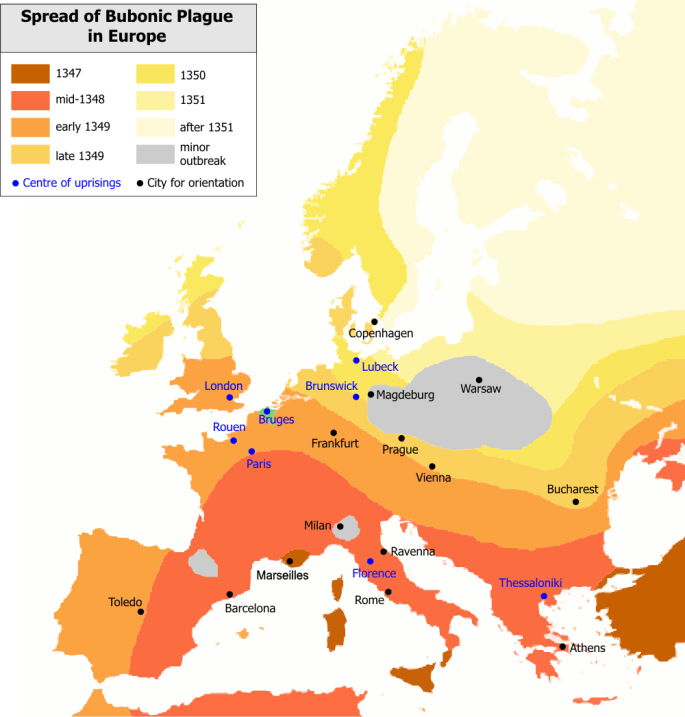
These Two Mutations Turned Not-so-Deadly Bacteria Into the Plague

Researchers at Northwestern University have been investigating how Yersinia pestis—the bacteria that causes bubonic, pneumonic, and septicemic plague—became the infective cause of the Black Death. They discovered two mutations that help to explain the bacteria’s lethality.

Smithsonian.com—“The first mutation gave the bacteria the ability to make a protein called Pla. Without Pla, Y. pestis couldn’t infect the lungs. The second mutation allowed the bacteria to enter deeper into the bodies, say through a bite, to infect blood and the lymphatic system. In other words, first the plague grew deadly, then it found a way to leap more easily from infected fleas or rodents to humans.

Ebola Strain Found on Teen in Liberia Genetically Similar to Viruses in Same Area Months Ago

I’m sure you’ve heard that there were three new cases of Ebola in Liberia—a country that was declared free of the disease on May 9. According to the World Health Organization, samples taken from a teenager who died from Ebola two weeks prior indicate that the disease is genetically similar to strains that infected people in the same area over six months ago—while the outbreak was still ongoing.

US News and World Report—“That finding by genetic sequencing suggests it is unlikely the virus was caught from travel to infected areas of Guinea or Sierra Leone, the group said. “It also makes it unlikely that this has been caused by a new emergence from a natural reservoir, such as a bat or other animal,” it said.”

Stories You May Have Missed

Image Credit: en.wikipedia

Pandora Report 11.9.14

We’ve got some timely stories this week: just in time for Veteran’s Day, we look at military exposure to chemical agents in Iraq, and at the beginning of flu season we look at the newest suspension of Yoshihiro Kawaoka’s H5N1 research. We’ve also got an Ebola update.

Have a great week!

More Than 600 Reported Chemical Exposure in Iraq, Pentagon Acknowledges

With Veteran’s Day on Tuesday, The New York Times uncovered an unfortunate military oversight that could affect over 600 service members. Originally, NYT found 17 soldiers who had been exposed to abandoned, damaged, or degraded chemical weapons in Iraq. Later 25 more came forward, and after a review of Pentagon records, Defense Secretary Chuck Hagel has said that hundreds of troops told the military they were exposed. The Pentagon says it will now expand outreach to veterans who believe they may have been exposed.

The New York Times—“Phillip Carter, who leads veterans programs at the Center for a New American Security, called the Pentagon’s failure to organize and follow up on the information “a stunning oversight.” Paul Rieckhoff, founder and executive director of Iraq and Afghanistan Veterans of America, said the military must restore trust by sharing information.”

Kawaoka’s Controversial Flu Research at UW-Madison On Hold Again

Once again, Yoshihiro Kawaoka has halted his research of H5N1 at the University of Wisconsin-Madison. Kawaoka created an altered version of the H5N1 flu virus to look at transmissibility between mammals. On October 17, the Obama administration said they would postpone federal funding for gain-of-function studies, including those involving flu, SARS and MERS. Roughly 50% of Kawaoka’s work involves gain of function, and he paused all experiments that “might enhance pathogenicity or transmissibility.”

Wisconsin State Journal—“The White House announcement comes in response to incidents this year involving anthrax, flu and smallpox at the Centers for Disease Control and Prevention and the Food and Drug Administration. “The incidents occurring at federal facilities this summer have underscored the importance of laboratory safety, and they also prompted calls for a reassessment of the risks and benefits that are associated with research involving dangerous pathogens,” Samuel Stanley, chairman of the National Science Advisory Board for Biosecurity, said during a meeting of the group Oct. 22.”

This Week in Ebola

The Ebola ‘outbreak’ in Texas is over and MSF has confirmed the decline of cases in Liberia, however, Ebola cases have risen ‘sharply’ in Sierra Leone. While Kari Hickox remained in the news explaining the reasons she fought against quarantine, it appears, as feared, that mandatory quarantine for volunteers returning from West Africa is causing some to re-consider their commitments. Meanwhile the U.S. Army has identified five possible bases for returning troop quarantine and the Pentagon has awarded a $9.5 million contract Profectus BioSciences, Inc. for development of an Ebola vaccine. President Obama asked Congress for $6 billion to fight Ebola in the U.S. and West Africa. NBC News reported that “The U.S. is keen to be seen as leading the international response to Ebola” but there is another country in the Americas contributing to the fight—Cuba. Also in the Americas, Canada’s policy of denying visas for people coming from West Africa is called into question, and five American airports are learning a lot about infection control. Back in West Africa, Nigeria’s success in fighting Ebola has been attributed to their fight against polio. Lastly, on the heels of Mark Zuckerberg’s $25 million donation to fight Ebola, he launched a button at the top the newsfeed that links users to places where they can donate, too.

Stories You May Have Missed


Image Credit: NBC News

Pandora Report 10.11.14

With so many stories being dedicated to Ebola, I was absolutely delighted to see coverage of influenza this week. We’ve also got stories about the proliferation of antibiotic resistant bugs in nursing homes, George Washington as the first father of vaccination, and of course, an Ebola update.

There will be no news round up next week, so I will see you all back here on October 25. Enjoy your weeks and don’t forget your flu shot!

Ebola’s Bad, but Flu’s Worse

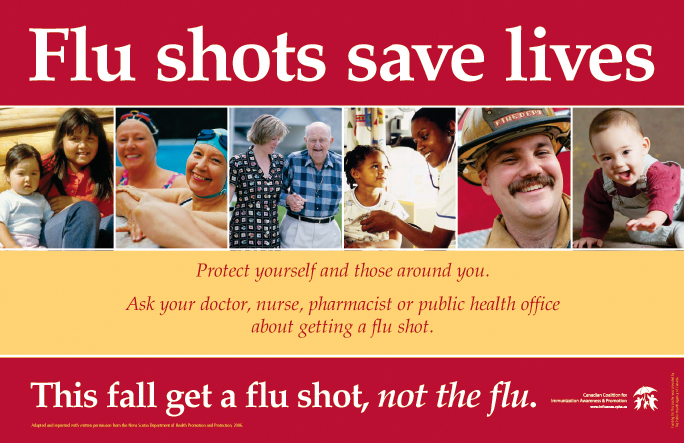
With the coverage of the Ebola outbreak in media (and even on this blog) it may have inadvertently caused unreasonable panic in the American populace. The fact of the matter is one person in the U.S. has died from Ebola. Every year, according to the CDC, more than “226,000 Americans are hospitalized with flu and approximately 36,000 die from flu-related complications.” News outlets this week quietly reported on flu vs. Ebola and offered points of clarification about both diseases as well as tips for staying well. These include getting your flu vaccination, washing hands frequently especially after using the restroom and before eating or preparing food, and avoiding touching eyes, nose, or mouth to limit spread of germs.

Times Union—“‘The reality is there are vaccinations and treatment options available for the flu that are not available for Ebola. The reason for concern is there is no magic bullet to stop Ebola,’ said [Dr.Edward] Waltz [director of the Center for Public Health Preparedness at the University at Albany]. ‘I think the most important message to get is, take action on the things that you can control. We have so many things that affect our health that we can’t control, get yourself a vaccination if it is available.’”

Medical Superbugs: Antibiotic-resistant Bacteria Carried by More than a Third of Nursing Home Residents

A study out of Melbourne, Australia, reported that more than 1/3 of nursing home residents tested were carriers of antibiotic-resistant bacteria. And this problem isn’t just plaguing other countries. In fact, a report from the U.S. Centers for Medicare and Medicaid Services found rising rates of pneumonia, urinary tract infections, viral hepatitis and MRSA. The Australian study also found that more than half of the tested residents had received antibiotics within three months of being tested. Overuse of antibiotics can lead to higher rates of superbugs or other infections like C. difficile, which can be lethal in seniors. (On a personal note, my grandmother recently died from complications after a C. diff infection.)

ABC—“‘(Our concern is) that nursing homes are acting as a kind of reservoir, if you like, of antibiotic-resistant bacteria. We know these residents have fairly frequent movement in and out of acute care institutions, and this obviously poses risks to acute care hospitals for transmission. It could be transmitted to other patients in an acute care hospital, if the resident actually has an infection they might be infected with a more resistant bacteria – they’re the two main concerns.’”

George Washington, the First Vaxxer

This week, the Daily Beast provided an excerpt from historian Tom Shachtman’s new book, Gentlemen Scientists and Revolutionaries: The Founding Fathers in the Age of Enlightenment. At a time where people are choosing to forgo vaccinations and alarm over Ebola grows worldwide, it is amazing to see George Washington—Virginian, 1st President, Founding Father, serious boss, and old fashioned speller—decide that army immunization would not only save the lives of soldiers, but indirectly safeguard a young American nation. Shachtman recounts a February 1777 letter from Washington to John Hancock, President of the Continental Congress.

The Daily Beast—“‘The small pox has made such Head in every Quarter that I find it impossible to keep it from spreading thro’ the whole Army in the natural way. I have therefore determined, not only to innoculate all the Troops now here, that have not had it, but shall order Docr Shippen to innoculate the Recruits as fast as they come in to Philadelphia. They will lose no time, because they will go thro’ the disorder while their cloathing Arms and accoutrements are getting ready.’”

This Week in Ebola

The first (and only) patient with a domestically diagnosed case of Ebola died this week in Dallas, TX amid calls, and responses, about tightening airport screening and travel restrictions. Six major American international airports have enhanced screening for travellers arriving from West Africa while airline workers at LaGuardia have protested over what they say are inadequate protections from potential Ebola exposure. In other air travel related news, a passenger was removed from a US Airways flight after joking about being infected with Ebola and a sick passenger traveling from West Africa to Newark airport does not have Ebola. A nurse in Spain did get infected with the virus this week, as other European nations fear further spread inside their countries. American Ebola survivor Dr. Rick Sacra was hospitalized and treated this week for pneumonia and another American Ebola survivor, Dr. Kent Brantly donated his blood in order to help treat an infected NBC cameraman.

Evidently one fifth of Americans, according to a Gallup poll, are concerned about getting Ebola which is causing the ‘apocalypse business’ to boom. Meanwhile, West Africans living in the U.S. are taking action to spread information within their communities about the virus and there was a wonderful piece on how Nigeria beat Ebola. Finally, CDC director Dr. Tom Frieden spoke this week on how this Ebola outbreak is like the AIDS epidemic and why he doesn’t support a travel ban to combat the outbreak. All of this comes at a point in time where the number of deaths from the outbreak has reached over 4000.

Stories You May Have Missed

Image Credit: Immunize.ca

Pandora Report 8.31.14

Fall classes at George Mason have already started and this Labor Day weekend marks the official end of summer. This week, we have stories covering a wide range of topics—an Ebola update (of course), a fascinating article on vaccinia infections acquired through shaving, Haj precautions, and the ISIS “laptop of doom.”

Best wishes for a safe and enjoyable holiday!

Ebola Virus Outbreak Could Hit 20,000 Within Nine Months, Warns WHO

There were many stories this week covering the continuing Ebola outbreak in West Africa. Senegal saw its first (imported) case of the virus this week and has banned flights to and from the affected countries while shutting its land border with Guinea and Nigeria saw its first death outside of the capital city of Lagos. In the Democratic Republic of Congo, where Ebola first emerged in 1976, there have been reported cases of a hemorrhagic gastroenteritis similar to Ebola. I read conflicting accounts this week of the “patient zero” for the Ebola outbreak—a young boy or an older traditional healer. There were reports of some U.S. universities screening students from West Africa for Ebola. There was coverage of a Toronto medical isolation unit ready for patients and information about GlaxoSmithKline’s experimental ebola vaccine which would be tested on humans in the next few weeks.

All of this news came among World Health Organization estimates that this West African outbreak could affect 20,000 people over the next nine months and that half a billion dollars would be needed to stop the spread of the disease.

The Wall Street Journal—“The WHO program will likely cost around $490 million and require contributions from national governments, some U.N. and non-governmental agencies, as well as humanitarian organizations, it said.”

First Reported Spread of Vaccinia Virus Through Shaving After Contact Transmission

This week, reports in the August issue of Medical Surveillance Monthly Report from the Armed Forces Health Surveillance Center covered vaccinia virus infection—the virus used for smallpox vaccinations—within the U.S. Air Force. The infections in the report occurred in June 2014, and affected four individuals.

Infection Control Today—“Over the past decade, most cases of contact vaccinia (i.e., spread of the virus from a vaccinated person to an unvaccinated person) have been traced to U.S. service members, who comprise the largest segment of the population vaccinated against smallpox. Most involve women or children who live in the same household and/or share a bed with a vaccinee or with a vaccinee’s contact. Of adult female cases, most are described as spouses or intimate partners of vaccinees or secondary contacts. Of adult male cases, most involve some type of recreational activity with physical contact, such as wrestling, grappling, sparring, football, or basketball. Household interactions (e.g., sharing towels or clothing) and “unspecified contact” are also implicated.”

Government to Keep Haj Infection-Free 

This week, the Saudi Arabian Ministry of Health announced mandatory measures for Haj and Umrah pilgrims coming from countries with active outbreaks or high rates of infectious diseases. The Health Ministry sent information to embassies outlining health requirements for those seeking pilgrim visas.

Arab News—“‘Although we do not issue Haj visas for pilgrims coming from endemic countries, we will still be monitoring pilgrims coming from other African countries for Ebola symptoms,’ said [Sami] Badawood [Jeddah Health Affairs director.]

He said the ministry would also focus on diseases such as yellow fever, meningitis, seasonal influenza, polio and food poisoning.”

Is the ISIS Laptop of Doom an Operational Threat?

Discovery of a laptop, which has been linked to ISIS, raises new questions about the organization’s plans relating to use of WMD—specifically chemical or biological weapons. Over 35,000 files on the laptop are being examined and has offered new insight into ISIS and their WMD aspirations.

Foreign Policy—“Most troubling is a document that discusses how to weaponize bubonic plague. But turning that knowledge into a working weapon requires particular expertise, and it’s not clear that the Islamic State has it.”


Image Credit: Wikimedia Commons

Pandora Report 7.20.14

I feel like its been a bad week, right? Between the crash—or shoot down—of MH 17 (with nearly 100 WHO HIV/AIDS researchers aboard) and events in Gaza with Israel, it sort of seems like it couldn’t get much worse. Well, turns out, it could. This week we have the first cases of Chikungunya in the U.S. and Ebola still raging. However, no one, in the biodefense world, had a worse week than the CDC.


First Chikungunya Case Acquired in the U.S. Reported in Florida

So far, in 2014, there have been 243 travel-associated cases of Chikungunya reported in 31 American states and two territories. This week, the infection numbers grew. The difference in this case, was that the man in Florida who was diagnosed, had not travelled outside the U.S. recently. This makes it the first case of the disease that had been acquired domestically.

WALB—“The Centers for Disease Control and Prevention is working closely with the Florida Department of Health to investigate how the patient contracted the virus; the CDC said they will also monitor for additional locally acquired U.S. cases in the coming weeks and months.

“The arrival of Chikungunya virus, first in the tropical Americas and now in the United States, underscores the risks posed by this and other exotic pathogens,” said Roger Nasci, Ph.D., chief of CDC’s Arboviral Diseases Branch.”


WHO Can’t Fully Deal with Ebola Outbreak, Health Official Warns

With the death toll from the ebola outbreak in West Africa at 603 (at least), more bad news emerged this week when we learned that budget cuts to the WHO make it for difficult for the organization to respond to the ongoing medical emergency. Beyond funding issues, efforts to stem the outbreak have been hindered by some countries failure to implement the WHO’s International Health Regulations which outline methods of reporting disease outbreaks.

The LA Times—“‘The situation in West Africa should be a wake-up call to recognize that this weakening of this institution on which we all depend is not in anybody’s interest,” Scott Dowell, director of disease detection and emergency response at the U.S. Centers for Disease Control and Prevention, said during a briefing in Washington. “In my view, there’s no way that WHO can respond in a way that we need it to.’”


Update on the Found Vials: There Weren’t 6; There Were 327.

In last week’s Pandora Report we learned about unsecured vials of smallpox that were found in an FDA cold storage room in a Maryland lab. This week we learned that it wasn’t just smallpox and it wasn’t just six vials—it was 327. Some of these vials contained select agents other than smallpox, like dengue, influenza, Q fever and rickettsia. Whoops!

Wired—“Here’ is the gist of the FDA’s external announcement, “…this collection was most likely assembled between 1946 and 1964 when standards for work with and storage of biological specimens were very different from those used today. All of the items labeled as infectious agents found in the collection of samples were stored in glass, heat-sealed vials that were well-packed, intact, and free of any leakage, and there is no evidence that anyone was exposed to these agents.”


Image Credit: Eduardo

Pandora Report 7.11.14

Highlights from this week include, vaccines, plague, ISIS, and smallpox. Oh my!

The Price of Prevention: Vaccine Costs are Soaring

For all the talk around here about anti-vaxxers, there might be a larger threat to vaccine preventable diseases in the United States…lack of vaccines or vaccines that are no longer affordable. In this insightful piece, the complicated story of vaccine necessity, vaccine scarcity, and vaccine cost is told through the doctors at the front lines. States require students to be vaccinated to attend school but the vaccines are hard to find. For doctors, keeping vaccines that may not be used or may not be reimbursed has become a grave financial burden.

The New York Times—“Old vaccines have been reformulated with higher costs. New ones have entered the market at once-unthinkable prices. Together, since 1986, they have pushed up the average cost to fully vaccinate a child with private insurance to the age of 18 to $2,192 from $100, according to data from the Centers for Disease Control and Prevention.”


Deadliest, Rarest Form of Plague Contracted Near Denver

It’s baaaaack. In the state’s first reported case since 2004, a Colorado man has been diagnosed with pneumonic plague. Pneumonic plague is the airborne version of the disease that can be transmitted through droplets from coughing or sneezing. In this case, the man has been treated with antibiotics while investigation of the source of the outbreak continues. Authorities think the man may have contracted it from his dog that had suddenly died and had been found to carry the disease. Many cases of plague in the U.S. come from contact with mammals and small rodents such as prairie dogs.

Bloomberg—“Plague in all of its forms infects only about seven people yearly in the U.S. The disease occurs when a bacteria named Yersinia pestis infects the body, according to the U.S. Centers for Disease Control and Prevention. The difference between the pneumonic and bubonic varieties is that the bacteria takes hold in the lungs in the first case, rather than underneath the skin through insect bites. Both types are treated with antibiotics.”


ISIS Seizes Former Chemical Weapons Plant in Iraq

As the Islamic State of Iraq and Syria (ISIS) tears through Iraq taking over cities, they have taken over some other things, too. These include a science lab at Mosul University, where they took 88 pounds of uranium components, and a former chemical weapons facility north-west of Baghdad. According to Iraq, in a letter circulated at the United Nations, the Muthanna facility held 2,500 degraded chemical rockets that were filled with sarin nerve agent or their remnants. The U.S. government has not expressed fear that these materials could be used to create a viable chemical or dirty bomb.

The Guardian—“A U.S. State Department spokeswoman, Jen Psaki, expressed concern on 20 June about Isis seizing the complex, but played down the importance of the two bunkers with “degraded chemical remnants”, saying the material dates back to the 1980s and was stored after being dismantled by UN inspectors in the 1990s.

She said the remnants “don’t include intact chemical weapons … and would be very difficult, if not impossible, to safely use this for military purposes or, frankly, to move it”.”


Smallpox Virus Found in Unsecured Government Lab

On the heels of accidental anthrax exposure at the CDC, reports this week highlight a concerning trend of lack of lab precautions when it comes to dangerous biological agents. Vials of smallpox, one of the most deadly viruses known to man, were discovered in an unused storage portion of a lab in Bethesda, MD.

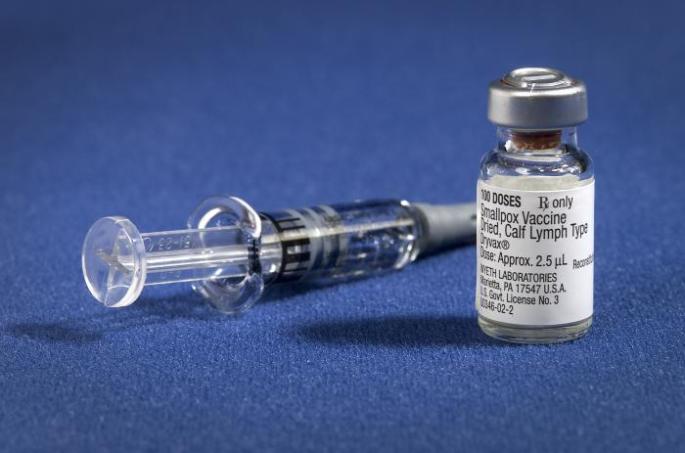
Time—“The vials, which date from the 1950s, were discovered by National Institutes of Health workers on July 1, CDC said in a statement. The lab […] had been neither equipped nor authorized to store the pathogen, which was eradicated in 1978. Upon discovery, the vials were secured in a containment laboratory before being transported to another lab in Atlanta on July 7, where workers confirmed they contained DNA for the smallpox virus. There is no evidence the vials were breached, CDC said, and experts have not identified any danger to the public.”


Image Credit: U.S. Navy


Smallpox Stockpiles Avoid Chopping Block… Again

By Chris Healey

Last month, World Health Organization officials at the 106th World Health Assembly in Geneva decided not to eliminate the last stockpiles of smallpox. That decision marks the sixth time the assembly has chosen to maintain stockpiles in lieu of destruction.

Some health officials consider smallpox the deadliest disease in human history. Until vaccination eradicated the disease in 1980, smallpox infected people around the world and killed 30% of sickened individuals. The disease no longer exists in nature, but samples of the virus are stockpiled at research facilities in the United States and Russia. Elimination of those stockpiles is the only way to categorically prevent theft or accidental release of smallpox from those facilities.

One source of hesitance to eliminate is international intrigue. In 2008, representatives from Vector, the Russian facility responsible for the country’s stockpile in Novosibirsk, announced researchers had discarded 200 smallpox samples without notice. Elimination of those samples remains unverified.

Another reason to keep stockpiles is research potential. Access to samples in the event of a smallpox resurgence, or another poxvirus outbreak, may be beneficial in efforts to quell illness spread. Most poxviruses have strikingly similar genomes.

Smallpox is part of the orthopox genus. A characteristic of orthopox genomes is conservation of genetic material, meaning viruses in the genus share many identical genetic sequences.

Genetic similarity among viruses in the orthopox genus is exploited to prevent smallpox. Vaccinia virus,the pharmacologic active ingredient in smallpox vaccines, shares enough genetic similarity with variola virus, the causative agent of smallpox, to confer immunity to both viruses. In fact, inoculation with any orthopoxvirus confers immunity to all members of the genus.

Some health officials claim the conserved nature of orthopoxviruses undermines needs to preserve smallpox. Due to similarity among orthopoxviruses, smallpox can be studied through less virulent orthopoxviruses. However, not all health officials believe orthopoxviruses are one in the same.

Authors of an article recently published in The Lancet make an argument for the preservation of smallpox stockpiles. The authors mention the need for better countermeasures against smallpox and other orthopoxviruses. Those countermeasures, when developed, should be tested against authentic smallpox viruses. The authors argue smallpox stockpiles should be maintained to facilitate orthopoxvirus research.

A comprehensive review of the smallpox stockpile elimination debate by biological weapons and arms control expert Jonathan Tucker is available here.

Pandora Report 5.2.14

Highlights this week include Smallpox Redux, Antibiotic Resistance, and MERS in America. Check us out @PandoraReport for additional stories about the 1918 flu, Obstacle races and their health impact, the deadliest creature on earth, and Stephen Colbert vs. Anti-Vaxxers. Have a great weekend!

A Smallpox like virus found in the Republic of Georgia

This week, doctors from the Centers for Disease Control and Prevention reported that two herdsmen in the Republic of Georgia have been infected with a new virus that is very similar to smallpox. The news comes in addition to a lot of smallpox talk this week. After unearthing a corpse in Queens, NY, the issue of the virus spreading from dead bodies was raised again. Meanwhile, this month The World Health Assembly (WHA) will meet to discuss destruction of remaining smallpox virus being held in Russia and the U.S. Though the smallpox virus has been eradicated, this new virus in the same family raises concerns about protection from bioterrorists using agents we have no immunity or vaccinations for.

NPR—“Last year the U.S. government spent about $460 million on a relatively new smallpox medicine, in case the virus was deliberately released in a bioterrorism attack. That stockpile could treat about 2 million people.”

MERS Arrives in the U.S. 

An American man returning from Saudi Arabia has been diagnosed with MERS CoV. The man was hospitalized in Indiana and authorities say he poses very little risk to the public.  At least 400 people have been diagnosed with Middle East Respiratory Syndrome and it has killed over 100. Though the disease has not transferred human to human at this point, the high lethality is a concern to health officials.

The Associated Press—“Experts said it was just a matter of time before MERS showed up in the U.S., as it has in Europe and Asia. “Given the   interconnectedness of our world, there’s no such thing as ‘it stays over there and it can’t come here,'” said Dr. W. Ian Lipkin, a Columbia University MERS expert.”

Antibiotic Resistance Threatens Everyone, Warns UN

A United Nations report, released on Wednesday, outlined that antibiotic resistance is now prevalent in all parts of the world and that for up to half of patients antibiotics may not be effective. Many doctors in Canada are encouraging their colleagues to be careful about over-prescribing antibiotics as a “cure all.” If doctors around the world cannot do that, we may be looking at a post-antibiotic future.

CBC-“‘What it means, is that all of us, our family members, all of the persons in this room, our friends, when we are most vulnerable and in need of these medicines, there is a chance that they are simply not going to be available and we are not going to be able to have access to effective medical care in a number of instances,’ Dr. Keiji Fukuda, one of the agency’s assistant directors-general, told reporters.”


(image courtesy of Wikimedia Commons/ Arias,F.J)

Reemergence of smallpox: A greater threat now than ever before

By Chris Healey

In the event of a resurgence of smallpox, treatment and containment would be exacerbated by illnesses and medical practices not present when the virus was eliminated.

Smallpox was one of the most significant diseases in human history. Although it was first distinguished from measles in China around 340 AD, evidence of the disease has been found on the remains of Egyptian mummies entombed over a thousand years earlier.

Smallpox is caused by Variola major, a virus in the Orthopoxvirus genus. The illness is known for causing characteristic pustules, severe symptoms and debilitating morbidity. Mortality rates exceeding 30% have been reported. The disease is almost always fatal in immunocompromised individuals.

Efforts to confer immunity against smallpox have been practiced for centuries. A technique called variolation, which involved inoculation with material from smallpox pustules, was used as far back as 1000 AD.

Due to the conserved nature of Orthopoxvirus, immunity to a wide range of viruses within the genus can be conferred after infection with a virus within the same genus. In 1796, Edward Jenner discovered inoculation with cowpox conferred immunity to smallpox. He called the technique vaccination, from the Latin vacca for cow. Vaccination results in less adverse effects and fatalities than variolation, making it the preferred method of conferring smallpox immunity.

Today, vaccinia virus is used in lieu of cowpox virus to confer immunity. Vaccinia virus creates a localized lesion that disappears over time in most individuals.

Persistent vaccination practices lead to the elimination of smallpox from most industrialized countries by the 1950s. In 1966, the World Health Assembly voted to fund an aggressive worldwide vaccination campaign to whittle away remaining pockets of the illness. After a successful campaign, the World Health Organization declared smallpox eradicated on December 9, 1979. The organization issued a recommendation for the cessation of smallpox vaccination in 1980.

Although smallpox is not a public health threat, it still exists. Stockpiles of the virus are maintained at the headquarters of the Centers for Disease Control in Atlanta and at a biotechnology institute in Novosibirsk, Russia.


Reintroduction of smallpox to the population would be devastating. Several immunologically-naïve generations are present. Other than those who received smallpox vaccines through military or specialized research positions, the entire population is almost completely unprotected.

Immunocompromised individuals who receive a vaccine utilizing a virus capable of self-replication, also known as a replication-competent vaccine, have a risk of developing a condition called progressive vaccinia. It is an extremely debilitating condition with no cure and a 90% fatality rate.

Dryvax, the vaccine used to eliminate smallpox, was replication-competent. Progressive vaccinia was reported as a rare adverse reaction when smallpox vaccines were administered during eradication efforts. Although Dryvax is no longer used, another replication-competent vaccine, ACAM2000, has taken its place. If ACAM2000 is administered to the general population today, far more cases of progressive vaccinia are expected to occur.

HIV and immunosuppression drugs are two modern factors contributing to decreased immune function. The World Health Organization estimates 35.3 million people in the world are living with HIV—1.1 million of those in the United States. Immune suppression associated with the illness would make smallpox vaccination undesirable, and smallpox infection fatal. HIV was not a factor during eradication efforts. Individuals with HIV would be at great risk in the event of smallpox reemergence.

Many modern drugs dampen the immune system to alleviate a range of conditions and symptoms, from hay fever and asthma to anti-rejection drugs for transplant recipients. Immunosuppression drugs have become commonplace. Those drugs did not play a significant role during eradication efforts because they were very expensive and uncommon. In the event of a re-emergence, smallpox would likely exploit those taking immunosuppression drugs. Furthermore, immunosuppression drugs dramatically increase the chance of developing progressive vaccinia following smallpox vaccine administration.

There is, however, a vaccine alternative for immunocompromised individuals. Imvamune is a replication-incompetent vaccine produced by Bavarian Nordic. Replication-incompetent vaccines deliver a virus incapable of replication, meaning it cannot cause progressive vaccinia. Unfortunately, there is no way to test the vaccine’s ability to confer smallpox immunity. Replication-incompetent vaccines are generally considered by health experts to be less effective at conferring immunity than replication-competent alternatives.

It is for these reasons that the re-emergence of smallpox would deal a catastrophic blow to the wellbeing of individuals around the world and therefore every effort must be made to prevent the return of smallpox.