Pandora Report 3.7.2025

This week’s Pandora Report covers updates on the Trump administration’s response to the West Texas measles outbreak, challenges at NIH, possible budget cuts to DOD programs focused on WMDs and pandemic preparedness, and more.

Biodefense MS Information Session

“Prospective students are invited to attend a information session to hear more about the Biodefense M.S. program offered at the Schar School. The online session will provide an overview of the program, as well as the application process, student experience and graduate outcomes. This session admissions will be led by the Graduate Admissions team.”

This sessions will take place at 12 pm EDT on March 20. Learn more and register here.

Updates on the Trump Administration

Top HHS Officials Retire and Resign

Francis S. Collins, the well-known geneticist who ran the National Institutes of Health for 12 years, announced on Saturday that he has retired from the NIH and the federal government. Collins did not provide a reason for his departure, and he has refused to do any interviews. His parting statement offered a subtle yet pointed message to the Trump administration, with Collins writing in part “As I depart N.I.H., I want to express my gratitude and love for the men and women with whom I have worked side by side for so many years. They are individuals of extraordinary intellect and integrity, selfless and hard-working, generous and compassionate. They personify excellence in every way, and they deserve the utmost respect and support of all Americans.”

Tom Corry, Assistant Secretary of Public Affairs at HHS, also abruptly resigned from the department last Friday, just two weeks after starting his new role. Corry did not provide a reason for his departure either. He previously served as a senior advisor and Director of Communications at the Centers for Medicare & Medicaid Services during the first Trump administration.

Kennedy Embraces Unconventional Remedies as Measles Outbreak Grows

As the West Texas measles outbreak grows, HHS Secretary RFK Jr. has touted several unconventional remedies while continuing to not urge all Americans to get vaccinated against the disease. In an interview, Kennedy said the federal government is shipping doses of vitamin A to Gaines County, Texas, the epicenter of the outbreak, and helping to arrange ambulance rides. He also claimed that physicians in Texas have seen “very, very good results” treating measles with budesonide, clarithromycin, and cod liver oil. This has prompted strong backlash from many in the medical community.

As of March 6, 222 cases have been reported in Alaska, California, Florida, Georgia, Kentucky, New Jersey, New Mexico, New York City, Pennsylvania, Rhode Island, Texas, and Washington. The US eliminated measles in 2000. Today, an unvaccinated adult in New Mexico has been reported dead, a little over a week after the death of an unvaccinated child in Lubbock, Texas. The Pan American Health Organization issued an epidemiological alert in response to the outbreak earlier this week.

Bhattacharya Promises “Scientific Dissent” at NIH

Jay Bhattacharya, Donald Trump’s nominee for NIH director, said on Wednesday that NIH officials “oversaw a culture of coverup, obfuscation, and a lack of tolerance for ideas that differed from theirs” in recent years. He promised to, in response to this, “establish a culture of respect for free speech in science and and scientific dissent at the agency.”

Bhattacharya infamously co-authored the Great Barrington Declaration in October 2020, which argued for allowing people at lower risk of COVID-19 complications to go about life as normal, assuming that, if infected, they would experience mild disease and contribute to herd immunity. NPR explains that, “During the COVID pandemic, Bhattacharya clashed with the mainstream medical establishment, including the NIH, over lockdowns and other measures designed to control the spread of the virus. He says he was shunned and penalized for his views and he didn’t want anyone else to suffer the same fate.”

NIH Set to Terminate Active Research Grants

The NIH has begun mass terminations of research grants funding active scientific projects that no longer meet “agency priorities”. According to Nature News, “NIH staff members have been instructed to identify and potentially cancel grants for projects studying transgender populations, gender identity, diversity, equity and inclusion (DEI) in the scientific workforce, environmental justice and any other research that might be perceived to discriminate on the basis of race or ethnicity, according to documents and an audio recording that Nature has obtained. Grants that allot funding to universities in China and those related to climate change are also under scrutiny.”

This comes after a federal court temporarily blocked the administration’s proposed cut to NIH funding for universities’ indirect costs like facilities and administration. However, as Politico points out, the administration may pivot to renegotiating the payments with individual universities.

DOD Cuts Threaten Pandemic Preparedness, WMD Proliferation Prevention, and More

DOD agencies responsible for preventing WMD proliferation and building security capacity globally are at risk of intense budget cuts or outright abolition. According to a recent draft working paper, DOD is asking all agencies and services that oversee security cooperation programs to assess potential impacts of funding realignment. The paper was prepared in response to an RFI from Secretary of Defense Pete Hegseth that asked agencies to assess consequences of four levels of staff reduction, including 25%, 50%, 75%, and 100%. The authors of the working paper, according to WIRED, “…warn that the cuts could hobble the fight against organized crime in South America, impair the battle against the Islamic State, increase the likelihood of a rogue state producing and using chemical weapons, and defund pandemic surveillance measures.”

CDC Staff Now Prohibited from Co-Authoring Papers with WHO Personnel

Scientists at the CDC are now prohibited from co-authoring publications with WHO staff, according to reporting from HuffPost. An interim guidance document obtained by the news agency explained that “CDC staff should not be co-authors on manuscripts/abstracts with WHO staff,” while also adding that CDC staff should not author publications related to work that is “funded by WHO.” The guidance further instructs CDC staff who are lead authors on such publications to either pause all action on those publications, or to recuse themselves as authors if the publication process cannot be paused. It also says that manuscripts not in compliance with Trump’s executive orders that were submitted prior to January 20 should be withdrawn, or CDC staff should recuse themselves as authors.

US Funding Cuts Threaten Global Fight Against TB

The WHO issued a warning on Wednesday explaining that severe funding cuts (namely, those in the United States) threaten decades of progress in the global fight against tuberculosis. The agency explained that essential prevention, testing, and treatment services are collapsing, leaving millions at risk. The regions most affected include Africa, Southeast Asia, and the Western Pacific, where national TB programs depend on international support.

The TB Community Coordination Hub said in a statement about the funding cuts, “[We] strongly condemn this callous, abrupt and totally one-sided act that is unprecedented, and calls upon the US Administration to take immediate measures to restore funding and support projects globally that are crucial to contain and prevent a resurgence of this deadly disease.”

Further Reading:

CDC Monitoring Mysterious Disease in DRC

In a statement on Tuesday, the CDC said it is closely monitoring the outbreak of an unknown disease that has already killed dozens in the Democratic Republic of Congo. According to WHO, at least 1,318 people have exhibited symptoms of the disease, and 60 had died from it by February 27. A new mpox variant was also recently discovered in the country. The new variant has a mutation known as APOBEC3, which indicates it may be more easily transmissible than previously identified strains.

“WHO Technical Advisory Group on the Responsible Use of the Life Sciences and Dual-Use Research: Report of the Meeting, 30 October 2024”

From WHO: “The World Health Organization (WHO) Technical Advisory Group on the Responsible Use of the Life Sciences and Dual-Use Research (TAG-RULS DUR) was established to provide independent advice to WHO on the monitoring and mitigation of biorisks, the advances in the life sciences and related technologies, the governance of dual-use research and the responsible use of the life sciences. This report summarizes the meeting that was virtually held on 30 October 2024. Over the course of the meeting, participants discussed and provided feedback on activities to operationalize the framework and delivered updates on activities of the TAG-RULS DUR’s four working groups.”

“A WHO Global Framework to Guide Investigations Into Origins of Potentially Epidemic and Pandemic Pathogens”

The Scientific Advisory Committee for the Origins of Novel Pathogens (SAGO) and WHO SAGO Secretariat recently published this comment in Nature, writing in its introduction “In outbreak situations involving a novel pathogen timely and coordinated response is crucial. The WHO Scientific Advisory Group for the Origins of Novel Pathogens recently released a global framework to guide future scientific investigations into the origin of emerging pathogens.”

“Recent Virus Research Should Raise the Alarm”

W. Ian Lipkin and Ralph Baric recently published this opinion piece in The New York Times: “There’s a central question that many scientists face: How can scientific discoveries drive humanity’s progress without posing a dire risk to it? As virus experts, we’re committed to research that uncovers pandemic threats and helps protect people from them. But we are concerned about how some scientists are experimenting with viruses in ways that could put all of us in harm’s way.”

“From Inception to Fielding: Meeting the Challenges of Medical Countermeasure Development”

Sarah M. Wiles recently published this article in CBNW: “The U.S. Joint Program Executive Office for Chemical, Biological, Radiological and Nuclear Defense has a robust development process for new CBRN medical countermeasures. Sarah M. Wiles explains the process and its rationale.”

“Automated Grading for Efficiently Evaluating the Dual-Use Biological Capabilities of Large Language Models”

Bria Persaud, Ying-Chiang Jeffrey Lee, Jordan Despanie, Helin Hernandez, Henry Alexander Bradley, Sarah L. Gebauer, Greg McKelvey, Jr. recently published this RAND Corporation working paper: “The authors of this working paper developed a proof-of-concept automated grader and used it to assess large language models’ abilities to answer knowledge-based questions and generate protocols that explain how to perform common laboratory techniques that could be used in the creation of proxies for biological threats.”

“UNIDIR Empowers Emerging Leaders in Biological Disarmament and Biosecurity”

From UNIDIR: “As the world marks the 50th anniversary of the Biological Weapons Convention (BWC), UNIDIR alongside the DiploFoundation and the Fondation pour la Recherche Stratégique celebrates the successful completion of the inaugural BWC Advanced Education Course (BWCedu). This five-month advanced training programme – funded by the UK’s Foreign, Commonwealth & Development Office – brought together 25 emerging leaders from a diverse range of States, with a focus on participants from the Global South.”

Read here.

“Seven Years Since Salisbury Was Centre of Novichok Attack”

Isabella Holliday recently authored this news article about the anniversary of the Novichok attack targeting the Skripals in Salisbury, UK. Read it in the Salisbury Journal here.

“Syria’s Caretaker Foreign Minister Addresses OPCW’s Executive Council”

From OPCW: “In a landmark visit to OPCW’s Headquarters in The Hague, caretaker Foreign Minister al-Shaibani reaffirmed the commitment of the new Syrian authorities to cooperate with the OPCW to eliminate the chemical weapons programme of the former Syrian regime”.

Read here.

ICYMI: The Cost of Defunding PEPFAR and the Impact on the Fight Against HIV/AIDS

Brown’s Pandemic Center hosted this webinar in late February. Watch the recording here. Key topics included:

“Call for Action – How policymakers, philanthropists, and institutions can mobilize to address these urgent gaps.”

“PEPFAR Changes & Uncertainty – Concerns about funding gaps, particularly affecting pediatric HIV treatment, maternal health, and job losses in healthcare.”

“Impact on South Africa & Beyond – The success of PEPFAR in South Africa and the potential consequences of its reduction, including rising HIV cases and strain on health systems.”

“Future of Global Health Funding – Exploring alternative funding sources, the role of UNICEF, private sector involvement, and the need for governments to step up.”

NEW: Building Trust in the H5N1 Response: Perspectives from the Field

From NASEM: “Since avian influenza (H5N1) was first detected in dairy cattle in March 2024, H5N1 has resulted in human infections, diminished livestock production, and decimated wildlife populations. Uncoordinated policies at the national, state, and local levels have challenged mitigation efforts, and mistrust has hindered the urgent response needed for the rapidly evolving threat. The National Academies Forum on Microbial Threats will host a public webinar on March 27 where agricultural producers and workforce health specialists will explore strategies to build greater mutual trust and a coordinated One Health response.”

This webinar will take place on March 27 at 2 pm ET. Register here.

2025 Scowcroft Institute Pandemic Policy Summit

From the Scowcroft Institute: “The Scowcroft Institute of International Affairs at Texas A&M University invites you to attend the 2025 Scowcroft Institute Pandemic Policy Summit examining the ongoing H5N1 outbreak across the U.S. Dairy industry. This summit will bring together experts from government, academia, and industry to review the response efforts, discuss current challenges and opportunities, and identify options for moving forward. Listen to panels of subject matter experts, explore case studies from the field, and participate in networking opportunities.”

This event will take place on March 18 in Washington, DC. Learn more and RSVP here.

Sustainable Manufacturing: Building and Preserving a Resilient Medical Industrial Base

“Join industry and government partners for our second annual industry summit! During this event, leaders from IBMSC will share our strategic vision and organizational priorities. Speakers will also share potential opportunities for building and preserving the medical industrial base.  This event will be in-person only and space is limited!”

This event will take place March 11-12 in Washington, DC. Learn more and register here.

Gaming Weapons of Mass Destruction Course – From Policy to Practice

From MORS: “Gaming Weapons of Mass Destruction (WMD – defined as Nuclear, Chemical, and Biological agents) will be a three-day course focused on developing and executing games related to WMD in all its forms. While the basics of WMD capabilities and game design will be discussed, this will be a course focused on the intersection of WMD and gaming. It will not be either a WMD or gaming course; for those topics see other offerings.”

“No prior experience is required for this course, though a basic familiarity with various agents and their effects would be helpful, as would a basic understanding of professional gaming and how it is used.  The instructors will adapt in real time to class requirements (e.g., if the class is interested in animal and plant targets, the instructors have extensive experience in designing games on those subjects as well).”

This course will take place March 18-20 on Zoom. Learn more and register here.

NEW: Apply for the 2025 Youth for Biosecurity Fellowship

“The global norm against biological weapons cannot be maintained without the inclusion of youth voices in the multilateral discussions taking place in the framework of the Biological Weapons Convention (BWC). Youth perspectives are key to create innovative solutions and generate long-term engagement. There are benefits to including the perspectives of young people from developing countries, where over 90% of the world’s youth reside.”

“Organized by the United Nations Office for Disarmament Affairs in Geneva, in partnership with key international actors that empower youth in science diplomacy and global biosecurity, the Youth for Biosecurity Fellowship provides a unique learning and networking experience in the framework of the Biological Weapons Convention.”

“Launched in 2019 as a Biosecurity Diplomacy Workshop, the Youth for Biosecurity Initiative organized its first fellowship in 2023. For the third edition, the fellowship will provide the opportunity for 20 competitively selected young scientists from the Global South to join an online interactive training programme prior to a field visit during the meeting of the BWC Working Group on the Strengthening of the Convention in Geneva.”

Learn more and apply by April 7 here.

NASEM Has Questions 

The National Academy of Science, Engineering, and Medicine (NASEM) is hosting a workshop on Navigating the Benefits and Risks of Publishing Studies of In Silico Modeling and Computational Approaches of Biological Agents and Organisms on April 3-4 in Washington, DC. In preparation for the workshop, NASEM is soliciting input on how publishing computational models can support biological research while minimizing potential DURC/PEPP risks. The purpose of the questionnaire is to ascertain if organizations that publish or disseminate scientific knowledge have considered or created guidelines or policies to review, host or interact with in silico and computational models and tools, studies, datasets, etc. research that constitutes dual usedual use research of concern (DURC) or pathogens with enhanced pandemic potential (PEPP). Have answers? Then fill out the In Silico Research Publications Pre-event Questionnaire

NOFO, Addressing Agricultural Biorisk Evidence Base Gaps with Applied Research
“There is a global recognition that the current evidence base to inform laboratory biological risk management has gaps, and that biosafety and biosecurity policies are not always based on evidence.1 This notice of funding will support the design and implementation of applied biorisk research to address evidence gaps in working with high-consequence veterinary and agricultural pathogens as identified during the RAV3N Biorisk and Biosafety Gap Assessment Workshop2 or similar gap analysis like the WOAH working group agent specific biorisk gap analysis.1  ERGP is seeking proposals that address one or more key focus area components listed below. Each proposal will go through an internal ERGP and external expert review. Successful proposals should address at least one of the three key focus areas and at least one component under that area.”

“This funding opportunity aims at the design and implementation of applied biorisk research to address evidence gaps in working with high-consequence veterinary and agricultural pathogens.”

“This work will contribute to recommended guidance on laboratory biosafety and agricultural biosecurity, using research techniques to evaluate the application and effectiveness in operational contexts. All proposals must make a clear experimental plan for how the applicant will test the application and outcomes of their focus area(s)/component(s) in their facility.”

Learn more and submit application by April 14 here.

Pandora Report 8.16.15

It looks like the blog isn’t the only place with a lull during the summer. This week was oddly slow for news; maybe it’s an August thing? For our top stories we’ve got ISIS with chemical weapons and, from our neighbor to the north, a disease diagnosing fabric. We’ve even got a few stories you may have missed.

Have a great week!

U.S. Investigating ‘Credible’ Reports that ISIS Used Chemical Weapons

The U.S. is investigating what it believes are credible reports that ISIS fighters used mustard agent against Kurdish Peshmerga fighters in Makhmour in Northern Iraq. ISIS posted about the attack on social media, but American officials have stated they have independent information that left them believing that a chemical weapon was used. A German Ministry of Defense spokesman echoed that they cannot confirm or rule out that a chemical weapons attack occurred. The major question for U.S. officials is to determine if it was mustard gas, and if so, how ISIS came to possess it.

CNN—“Blake Narenda, a spokesperson for the State Department’s Arms Control, Verification and Compliance Bureau, said, “We continue to take these and all allegations of chemical weapons use very seriously. As in previous instances of alleged ISIL use of chemicals as weapons, we are aware of the reports and are seeking additional information. We continue to monitor these reports closely, and would further stress that use of any chemicals or biological material as a weapon is completely inconsistent with international standards and norms regarding such capabilities.”

CNN has previously reported claims from monitoring groups that ISIS used chlorine weapons against Kurdish forces.”

Halifax Scientist Develops High-Tech Fabric that Helps Diagnose Diseases

Yes, you read that right. Christa Brosseau, an analytical chemist at Saint Mary’s University in Halifax, Nova Scotia, is working on the development of a chemical sensor which can be built into fabric and can detect diseases like tuberculosis, malaria, and HIV/AIDS.  How is this even possible? First the scientists make Nanoparticles, then aggregate those particles which ends up as a silver Nanoparticle paste. That paste can be placed on a fabric chip and it then ready to use. The fabric chip interacts with bodily fluids like sweat, saliva, or urine, and is then scanned for information.

CTV—“The technology picks up disease biomarkers and the scientists are able to get results in approximately 30 seconds, by using hand held units, the size of a TV remote control, to scan the samples. The size of the units makes them convenient for working in the field.

Eventually, the scientists hope to see the technology deployed in exercise headbands, or cloth inserts in infant diapers, to better monitor the state of health.”

Stories You May Have Missed

Image Credit: U.S. Army

Pandora Report 5.24.15

Two quick updates before we get into the weekly wrap-up.

First, the Early Registration Deadline for the Pandemics, Bioterrorism, and International Security professional education course at the GMU Arlington Campus has been extended to June 15. For more information and registration, please click here.

Second, we here at Pandora Report wanted to let you know about a new website designed to provide resources for biosecurity professionals and practitioners and key stakeholders. The International Biosecurity Prevention Forum (IBPF) brings together the world’s leading experts from the health and security communities to share expertise on key biosecurity and bioterrorism prevention issues. Registering to join IBPF is free and easy. Go to http://www.ibpforum.organd click the “Request Membership” button to request an IBPF member account. Members get access to a discussion section and projects, resources, and best practices submitted by other members. Contact the IBPF support team at IBPForum@ic.fbi.gov if you have any questions or problems.

Now, onto the news. This weekend we have stories about British nuclear submarines, anti-vaccine legislation in California, the development of bird flu vaccines, and other stories you may have missed.

Enjoy your Memorial Day weekend!!

Britain Investigates Sailor’s Disaster Warning Over Nuclear Subs

Able Seaman William McNeilly—a weapons engineer who served aboard HMS Vanguard, one of the four British submarines carrying Trident missiles—wrote a “lengthy dossier” released on the internet which says that the “Trident nuclear defense system was vulnerable both to enemies and to potentially devastating accidents because of safety failures.” McNeilly has since gone AWOL and both police and naval officials are trying to locate him.

The Japan Times—“The Royal Navy said it totally disagreed with McNeilly’s “subjective and unsubstantiated personal views,” describing him as a “very junior sailor.” But it added it was investigating both his claims and the “unauthorized release” of his dossier. “The naval service operates its submarine fleet under the most stringent safety regime and submarines do not go to sea unless they are completely safe to do so,” a spokeswoman said.”

A Blow to Anti-Vaxxers: California Approves Forced Vaccination Bill

By now, we all know that the measles outbreak that started last winter at Disneyland was a result of unvaccinated individuals. In California, the State Senate has passed a bill which limits parent’s use of the “personal belief exemption” in order to get out of getting their children vaccinated. Under the bill, parents who don’t get their children vaccinated would not be able to send their kids to state-licensed schools, nurseries, or day care centers.

State Column—“Only children who have a medical reason for why they can’t be vaccinated would still be allowed to attend schools without receiving their vaccinations under Senate Bill 277, which was sponsored by a California Sen. Dr. Richard Pan (D-Sacremento), a pediatrician, and Ben Allen (D-Santa Monica), a former school board member and the son of a survivor of polio, according to a Forbes report.”

Vaccines Developed for H5N1, H7N9 Avian Flu

Findings appearing in the Journal of Virology indicate that the U.S. Department of Homeland Security’s Center of Excellence for Emerging and Zoonotic Animal Diseases have developed a vaccine for both H5N1 and H7N9—two strains of avian influenza which can be transmitted from poultry to humans. The vaccine was developed by cloning the Newcastle disease virus and transplanting a small section of the H5N1 virus into it; the same method was used for the H7N9 vaccine.

Toronto Sun—“‘We believe this Newcastle disease virus concept works very well for poultry because you kill two birds with one stone, metaphorically speaking,” Richt said. “You use only one vector to vaccinate and protect against a selected virus strain of avian influenza.’”

Stories You May Have Missed


Image Credit: UK Ministry of Defence

Pandora Report 4.11.15

It’s a public health weekend here at Pandora Report as we check out stories on TB and Polio. We also have other stories you may have missed.

Have a great week and see you back here next weekend!

Ancient Hungarian Crypt Offers Clues to Tuberculosis Origins

As one of the leading infectious disease killers, Tuberculosis, a bacterial infection, holds interest for scientists who disagree over the origins of the human disease. However, a new study in Nature Communications uses a cutting-edge approach called metagenomics to analyze corpses that were naturally mummified in a Hungarian crypt. Of 14 genomes found in eight of the corpses, researchers discovered that multiple strains were circulating in Hungary in the 18th century when these people died.

The Toronto Star—“‘All the historic genomes belonged to lineages that we see today,” said senior author Dr. Mark Pallen, a professor of microbial genomics at the University of Warwick. “So TB hasn’t changed much in 200 years … (and) it turns out that the most common ancestor of the Euro-American lineage that all our (tuberculosis) genomes belonged to dates back to late Roman times.’”

Polio, Cancer—One Nemesis May Counter the Other

Tomorrow, April 12, is the 60th anniversary of when Dr. Jonas Salk’s polio vaccine was declared to be effective. Today, as the world inches closer to full polio eradication, interesting news highlighted on “60 Minutes” looks at the polio virus’ ability to kill another lethal illness—Cancer. A genetically engineered strain of polio virus appears to thwart lethal brain cancer tumors.

The Huffington Post—“The modified polio virus seems to deactivate the cancer tumor’s ability to defeat immune capacities. Freed up, the immune system works at defeating the tumor. Miraculously, the immunotherapy workings spare healthy tissues, while killing cancer cells.”

Stories You May Have Missed

Image Credit: Pudelek

Pandora Report 3.8.15

This whole “spring forward” thing is the worst, right? We won’t get that hour of sleep back until November! No matter, we must press on. This week we’ve stories about engineering TB-resistant Cows, McDonald’s chicken, Ebola vaccine strategy, and loads of other stories you may have missed.

Have a great week, enjoy the warm weather, and we’ll see you back here next weekend!

Tuberculosis-Resistant Cows Engineered in China

We often talk of tuberculosis as a problem for humans, but the bacterial disease also affects animals—from circus elephants, to badgers, and cows. This week, scientists in China announced production of a heard of genetically modified cattle capable of resisting bovine tuberculosis. This was done through the insertion of a TB resistant mouse gene, into the cow’s genetic makeup. Though the work is still in the early stages, a genetically modified cow could have massive benefits for farmers who could minimize the overuse of antibiotics within their herds.

Popular Science—“Many countries have tried unsuccessfully to get rid of the disease, often slaughtering thousands of cattle per year to try to stem the disease’s spread. The United Kingdom in particular is waging a war against the disease. In 2013, the government announced that it would wipe the disease out of the country in 25 years. But even a timeline of a quarter century a tricky proposition, as cattle aren’t the only host for the disease. Bovine TB can also thrive in wildlife like badgers, elk, and even deer, which can pass the disease to cattle and vice versa.”

Your McNuggets: Soon Without a Side of Antibiotics

First Chipotle, then Chick fil-A, now McDonalds. The fast food giant announced this week that within two years the company will stop buying chicken raised with certain antibiotics for its U.S. stores. This move doesn’t stop the overuse of antibiotics on farms, however, McDonald’s is the largest food-service buyer of chicken in America, so the decision could affect other restaurants and the production of other meats.

Wired—“The reason this announcement is so important is that, for decades, researchers have been linking the use of antibiotics in livestock-raising (and to a lesser extent in fish farming and fruit production) to the rise of antibiotic-resistant infections in humans. Multiple pieces of research show that low-dose antibiotic use on farms — use that doesn’t cure animal illness, but promotes growth and prevents infections — creates resistant bacteria that move off farm properties in water, dust and the meat that animals become. Those bacteria infect humans directly — via meat or because the bacteria contaminate a home or restaurant cooking surface — and they pass their resistance DNA to other bacteria as well.”

Guinea Ebola Vaccine Trial Uses Smallpox Strategy

Two different vaccines are being tested in the three West African countries affected by the recent Ebola outbreak. As the last Ebola patient in Liberia heads home, and the Vice President of Sierra Leone has put himself in voluntary quarantine after the death of one of his security personnel, Guinea looks to the successful eradication of smallpox as their model for their Ebola vaccination plan, which began on March 7. This, of course, was the use of “ring vaccination” in the 1970s.

NBC News—“Ring vaccination involves finding all the direct contacts of new Ebola cases and vaccinating them, creating a “ring” of immunity around patients.

“An effective vaccine to control current flare-ups could be the game-changer to finally end this epidemic and an insurance policy for any future ones,” said WHO assistant Director-General Marie-Paule Kieny.”

Stories You May Have Missed

Image Credit: Christopher Michel

Pandora Report 9.27.14

This week the round up includes concern of growing antibiotic resistance, MERS CoV transmission, and of course, an Ebola update.

Have a great weekend (and don’t forget to get your flu shot)!

White House Orders Plan for Antibiotic Resistance

On Thursday, President Obama signed an executive order to form a government task force and presidential advisory council to address antibiotic-resistant germs. The order calls for new regulations of antibiotic use in hospitals and urges the development of new antibiotics. Scientists at MIT are looking at creating a new class of antibiotic that targets and destroys resistance genes within bacteria.

WTOP—“According to the Centers for Disease Control and Prevention, antibiotic-resistant infections are linked to 23,000 deaths and 2 million illnesses in the United States annually. The impact to the U.S. economy is as high as $20 billion, the White House said, or more, if you count lost productivity from those who are sickened. And the problem is worsening.”

Camels are Primary Source of MERS-CoV Transmission 

A study designed by scientists from Colorado State University and NIH’s National Institute of Allergy and Infectious Disease has transmitted a strain of MERS CoV from human patient to camels. The camels developed a respiratory infection and showed high levels of virus in nasal secretions for up to a week after the infection. Though the camels recovered quickly, the nasal secretions could be the source of transmission to people who handle these animals.

Business Standard—“The researchers theorized that vaccinating camels could reduce the risk of MERS-CoV transmission to people and other camels; NIAID and others are supporting research to develop candidate vaccines for potential use in people and camels.”

This Week in Ebola

This week, the CDC estimated that there could be 500,000 to 1.4 million cases of Ebola by January if the outbreak continues unchecked. Meanwhile, a professor teaching at Delaware State University is telling Liberians that the U.S. Department of Defense, among others, has manufactured Ebola and warns them that doctors are not actually trying to treat them. Claims like this make it even more difficult for those on the ground to relay accurate information about the virus. However, a reverend in Monrovia is working to spread awareness of proper hand washing and social distancing within his congregation and alumni from a State Department funded exchange program help to spread news of the virus throughout neighborhoods. Unsurprisingly, the Ebola outbreak has essentially crippled the fragile Liberian health system which means people are dying from routine medical problems.

Stories You May Have Missed


Image Credit: Wikimedia

Pandora Report 9.20.14

We are introducing a new feature for the news round up—“Stories You May Have Missed.” This final section consists of fascinating articles I’ve found throughout the week that couldn’t fit in the report. This week the round up includes the UN Security Council’s resolution about Ebola, ISIS using chemical weapons in Iraq, a surprising source to combat antibiotic resistance, and of course, an Ebola update.

Lastly, you know what time of year it is, flu season is starting…don’t forget to get your flu shot!

Have a great weekend!

With Spread of Ebola Outpacing Response, Security Council Adopts Resolution 2177

On Thursday, the United Nations Security Council met to discuss the Ebola outbreak in West Africa and unanimously adopted resolution 2177 (2014). 2177 established the United Nations Mission for Ebola Emergency Response (UNMEER) and calls on Liberia, Sierra Leone, and Guinea to speed up establishment of national mechanisms to deal with this outbreak and to coordinate efficient utilization of international assistance, including health workers and relief supplies. The resolution also calls on other countries to lift their border and travel restrictions saying that isolation of the affected countries could undermine efforts to respond to the outbreak.

The United Nations—“United Nations Secretary-General Ban Ki-Moon said that the Ebola crisis had evolved into a complex emergency, with significant political, social, economic, humanitarian and security dimensions.  The number of cases was doubling every three weeks, and the suffering and spillover effects in the region and beyond demanded the attention of the entire world.  “Ebola matters to us all,” he said.”

ISIS Uses Chemical Weapons Against Army in Iraq

There were reports this week that the IS terrorist group has used chemical weapons in an attack on the Iraqi army in Saladin province. The reported attack took place Wednesday and Thursday in Dhuluiya, which has been under control of the group for more than two months. The attack affected approximately a dozen people.

One India—“Iraq’s Ambassador to the UN, Mohamed Ali Alhakim said in a letter that remnants of 2,500 chemical rockets filled with the deadly nerve agent sarin were kept along with other chemical warfare agents in a facility 55 km northwest of Baghdad. He added that the site’s surveillance system showed that some equipment had been looted after “armed terrorist groups” penetrated the site June 11.”

Vaginas May be the Answer to the Fight Against Drug-Resistant Bacteria

A naturally occurring bacterium found by scientists from the University of California, San Francisco, School of Pharmacy might be the key to addressing the threat of a post antibiotic future. Found in the female vagina, Lactobacillus gasseri is the basis for Lactocilin, a possible antibiotic alternative. This discovery comes at a time where the WHO has declared antimicrobial resistance as “an increasingly serious threat to global public health.”

Medical Daily—“This isn’t the only implication for the L. gasseri bacteria. Researchers are also hopeful to find similar-acting bacteria in different parts of the human body. “We think they still have bacteria producing the same drug, but it’s just a different bacterial species that lives in the mouth and has not yet been isolated,” lead researcher Micheal Fischbach told HuffPost. Even though the bacteria were harvested in females, researchers are confident it will have equal results when used in men.”

This Week in Ebola

It was a terrible week for Ebola, absolutely terrible. Above, we already learned that the UN Security Council declared the virus a threat to international peace and security, but that wasn’t all that happened. President Obama pledged 3,000 troops to fight Ebola in West Africa. The WHO said that the number of Ebola cases could begin doubling every three weeks and expressed concern about the black market trade of Ebola survivors’ blood. Eight aid workers and journalists were murdered in Guinea leaving many to fear that violence could stymy relief efforts and in Sierra Leone, the government instituted a three-day lockdown in order to help health care workers find and isolate patients.

Stories You May Have Missed


Image Credit: Wikimedia

Tuberculosis and Seals: Sea Mammals as Harbingers of Disease

By Chris Healey

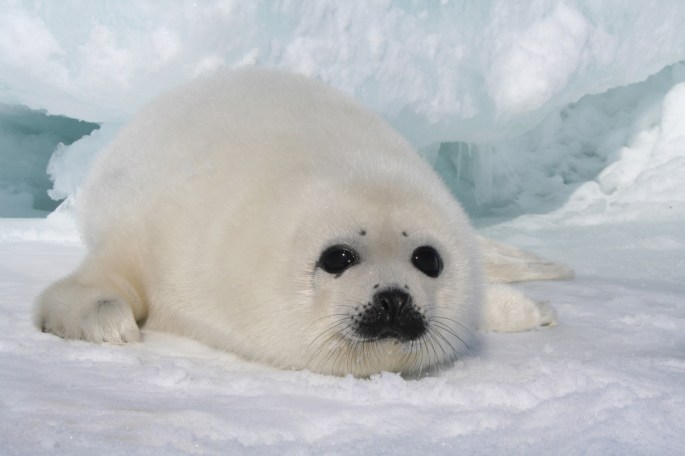
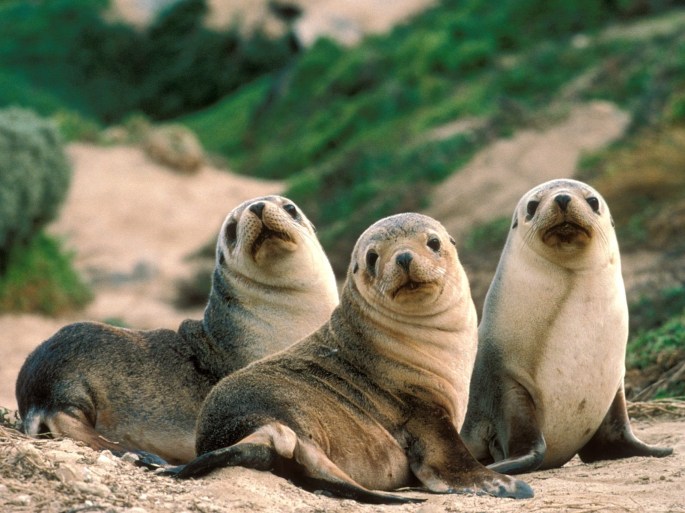
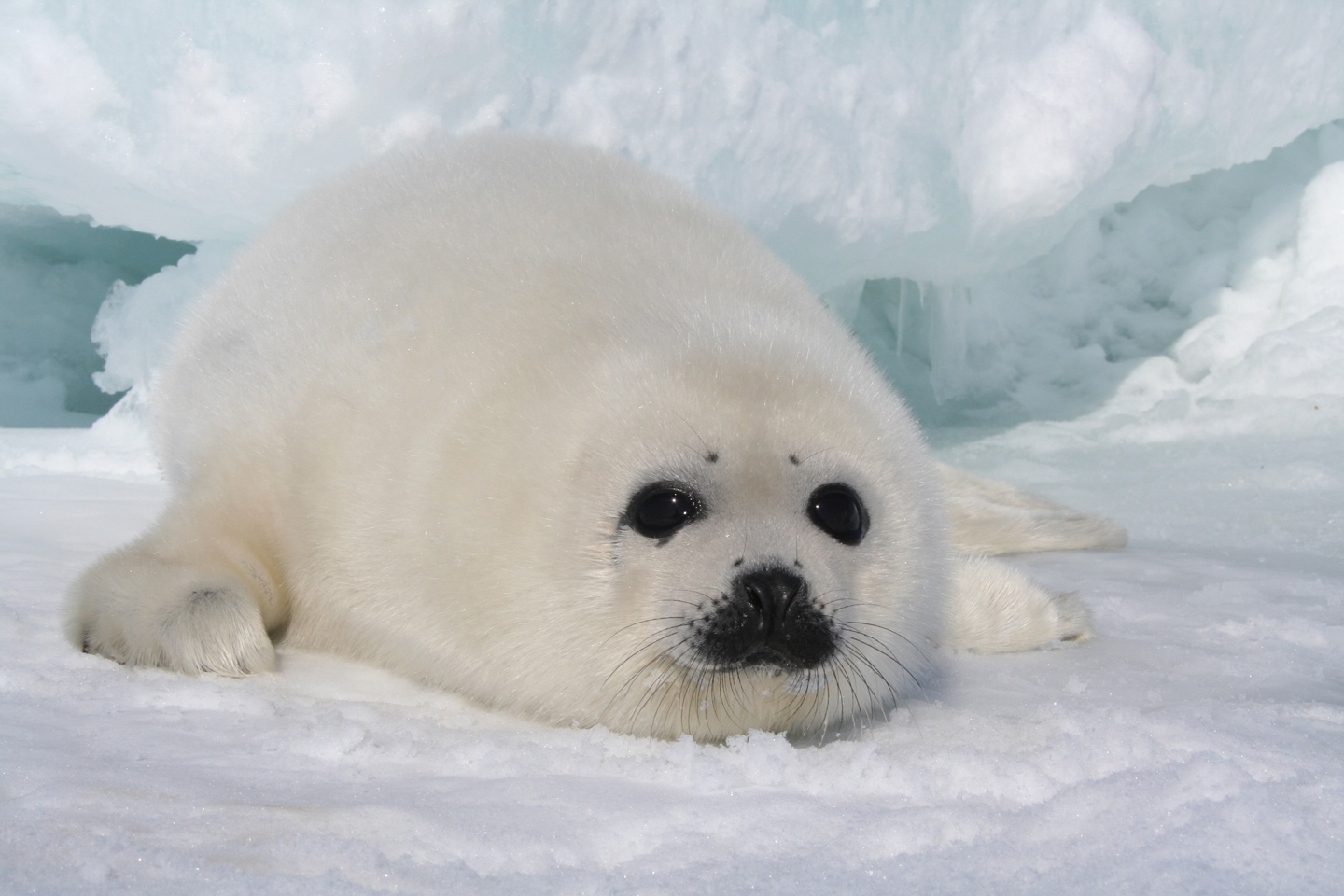
Seals introduced one of the deadliest illnesses in history to the Western Hemisphere centuries before Europeans carried it over. Researchers at the University of Tubingen in Germany published findings in the research journal Nature describing the role seals played in introducing tuberculosis to the Americas.

Before these findings, the presence of tuberculosis in North and South America prior to European exploration was unexplained. Tuberculosis spread across Africa, Europe, and Asia, but there was no evidence demonstrating tuberculosis concurrently existed in the Americas. The bacteria made its first appearance in Peruvian skeletal remains dating back to approximately A.D. 700 – centuries before the arrival of European explorers.

Research findings indicate approximately 2500 years ago, seals contracted a Mycobacterium strain from Africa and carried it across the ocean to the shores of Peru and Northern Chile. Possibly through seal predation, costal humans contracted a version of the seal Mycobacterium which had adapted to humans. Tuberculosis has been found in skeletal remains in North America dating back to approximately A.D. 900, indicating the seal-derived strain spread person-to-person from South America.

One limitation of this study was the inability to rule out humans passing the agent to seals. The researchers deemed that alternative a distant possibility; humans did not treat seals as livestock. A close relationship, such as between farmer and animal, is required to pass a pathogen from human to animal.

The seal-derived strain did not last long in the Western Hemisphere. Following European settlement, European tuberculosis strains outcompeted and eliminated those from seals. Today, viable seal-derived strains do not exist.


Tuberculosis is a condition caused by Mycobacterium tuberculosis, a slow-growing bacterium adept at evading host immune response. The illness is one of the greatest threats to public health worldwide. According to the World Health Organization, tuberculosis kills more people than any other infectious agent except HIV/AIDS.

Despite advancements in therapeutic techniques, there has been a resurgence of tuberculosis fueled by the emergence of HIV/AIDS in the late 20th century. As an opportunistic pathogen, tuberculosis kills more AIDS patients than any other illness.

Tuberculosis is not the first human illness associated with seals. They are susceptible to certain subtypes of influenza, including H7N7, H4N5, and H3N2. Influenza subtypes maintained in seal populations could be re-assorted in other animals, such as fowl or swine, to produce subtypes which are highly virulent in humans.


Image Credit

Pandora Report 8.22.14

Did you see that the destruction of Syria’s most lethal chemicals is now complete? Well, it is! Its good news among so many biodefense stories covering Ebola. I have no interest in making the Pandora Report the “All Ebola, All the Time” newsletter. As such, we will look at one Ebola story as well as stories covering new discoveries in tuberculosis and influenza.

Have a fabulous weekend, and students, enjoy your last one before classes start on Monday!

Tuberculosis is Newer Than Thought, Study Says

A recent study published in Nature reports that tuberculosis originated less than 6,000 years ago and was carried to the new world by seals. Seals! This new research contradicts original timeline and species genesis and some scientists think this study provides more questions than answers.

The New York Times—“In the new paper, the team proposes that humans acquired tuberculosis in Africa around 5,000 years ago. The disease spread to people across the Old World along trade routes. Meanwhile, Africans also spread the disease to animals such as cows and goats. Seals that hauled out onto African beaches to raise their pups became infected. The bacteria then spread through seal populations until reaching South America. Ancient hunters there became infected when they handled contaminated meat.”

Enzyme Holds the Door for Influenza

As the fall season and semester approach, the flu season travels with it. I was delighted to read that Walgreens, in addition to CVS, will now offer seasonal flu shots in their stores. More interesting news about flu came out of Vanderbilt University, too. Researches have investigated enzyme phospholipase D (PLD) and it ability to help the influenza virus escape immune response. Blocking PLD could assist in preventing the flu.

Bioscience Technology Online—“Normally the virus slips into its host cell in the epithelial lining of the lungs through internalized membrane compartments called endosomes. By delaying this process, the researchers propose, PLD2 inhibitors may give the cell’s innate immune response more time to destroy it.”

Patient Checked for Ebola Virus in Sacramento

Internationally, the good news is that quarantines have been set up in Liberia, in attempt to contain the spread of Ebola. The bad news is that they have become fairly violent. Stateside, this week Dr. Kent Brantly and Nancy Writebol were released from Emory University Hospital after recovering from Ebola infections acquired in West Africa.

There was news of a possible case in Northern California. With few details provided as to the patient and transmission route, we learned that there is a patient being tested for Ebola in Sacramento. California Department of Health reported that the cases is low risk but that testing is being done out of “abundance of caution.”

San Francisco Chronicle—“‘In order to protect our patients, staff and physicians, even though infection with the virus is unconfirmed, we are taking the actions recommended by the CDC as a precaution, just as we do for other patients with a suspected infectious disease,” said Dr. Stephen Parodi, an infectious disease specialist at Kaiser Permanente North California. “This includes isolation of the patient in a specially equipped negative pressure room and the use of personal protective equipment by trained staff, coordinated with infectious disease specialists.’”


Image Credit

Pandora Report 8.17.14

Another 12 hours at Dulles Airport on Friday and, fortunately, no new travel alerts. This week we look at TB detecting rats, an experimental Chikungunya vaccine, and the latest from West Africa.

Giant Rats Trained to Sniff Out Tuberculosis in Africa

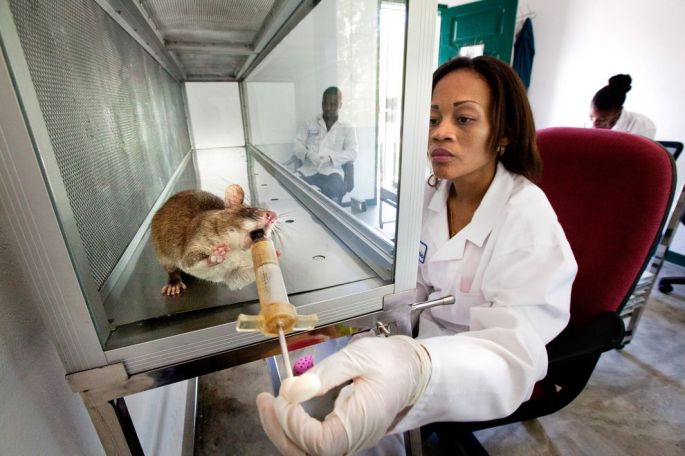
APOPO, the Belgian nonprofit organization known for using rats to sniff out land mines, has been training the African giant pouched rat to detect tuberculosis since 2008 in Tanzania and 2013 in Mozambique. The trained rats are used in medical centers in Dar es Salaam and Maputo to double check potential TB samples. The rats are unable to differentiate between standard and drug-resistant strains of the disease however, the cost of training and maintenance of the rats is significantly cheaper than the new GeneXpert rapid diagnostic tests.

National Geographic—“‘What the rats are trained to do is associate the smell of TB with a reward, so it’s what they call operative conditioning,’ [Emilio] Valverde [manager of the APOPO Mozambique TM Program] said.

It is the same principle applied to detecting land mines, only the rats are trained to recognize the scent of specific molecules that reflect the presence of the tuberculosis germ—not the explosive vapor associated with land mines.”

Experimental Chikungunya Vaccine Shows Promise

Chikungunya, of course, is one of the diseases included in the CDC’s travel alerts, and this week we learned of a promising vaccine for the disease that causes fever and intensely painful and severe arthritis. After the vaccine’s first human trials, the next step is to test in more people and more age groups, including populations where the virus is endemic. The trial leader said that it could be more than five years before a finished vaccine could be offered to the public.

CBS News—“‘This vaccine was safe and well-tolerated, and we believe that this vaccine makes a type of antibody that is effective against chikungunya,’ said trial leader Dr. Julie Ledgerwood, chief of the clinical trials program at the U.S. National Institute of Allergy and Infectious Diseases.”

WHO: Ebola Outbreak Vastly Underestimated

The news from West Africa seems to be getting worse and worse. Earlier in the week there was good news when a new quarantine center opened in Liberia. Then two days later, that same center was destroyed and looted. All of this comes, too, when the World Health Organization has said there is evidence that numbers of cases and deaths are far lower than the actual numbers and MSF has said that the outbreak will take at least six months to get under control.

Al Jazeera—“‘Staff at the outbreak sites see evidence that the numbers of reported cases and deaths vastly underestimate the magnitude of the outbreak,’ the organization said.

‘WHO is coordinating a massive scaling up of the international response, marshaling support from individual countries, disease control agencies, agencies within the United Nations system, and others.’”

Image Credit: James Pursey, APOPO