Pandora Report 9.20.14

We are introducing a new feature for the news round up—“Stories You May Have Missed.” This final section consists of fascinating articles I’ve found throughout the week that couldn’t fit in the report. This week the round up includes the UN Security Council’s resolution about Ebola, ISIS using chemical weapons in Iraq, a surprising source to combat antibiotic resistance, and of course, an Ebola update.

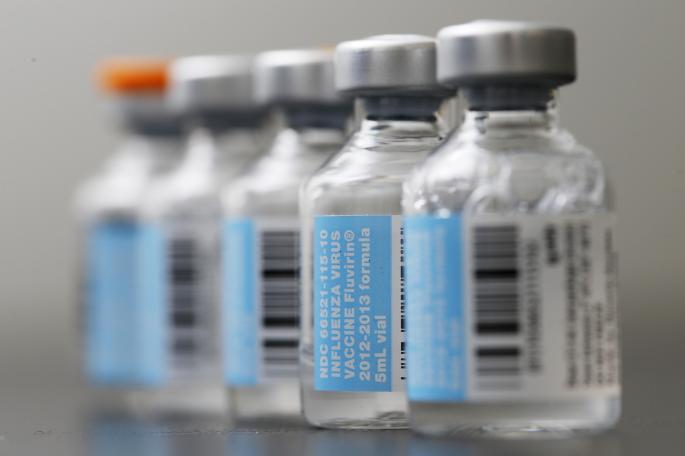
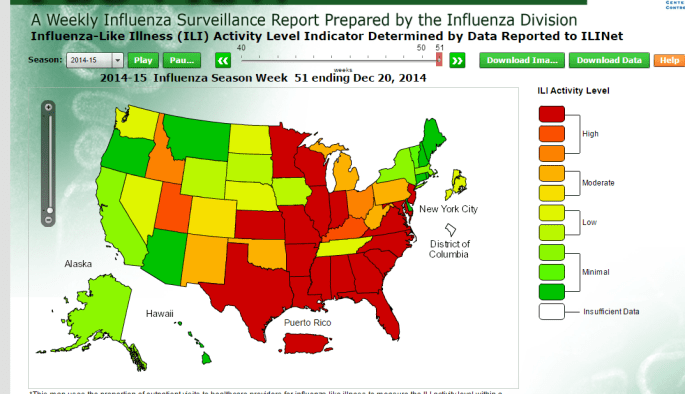
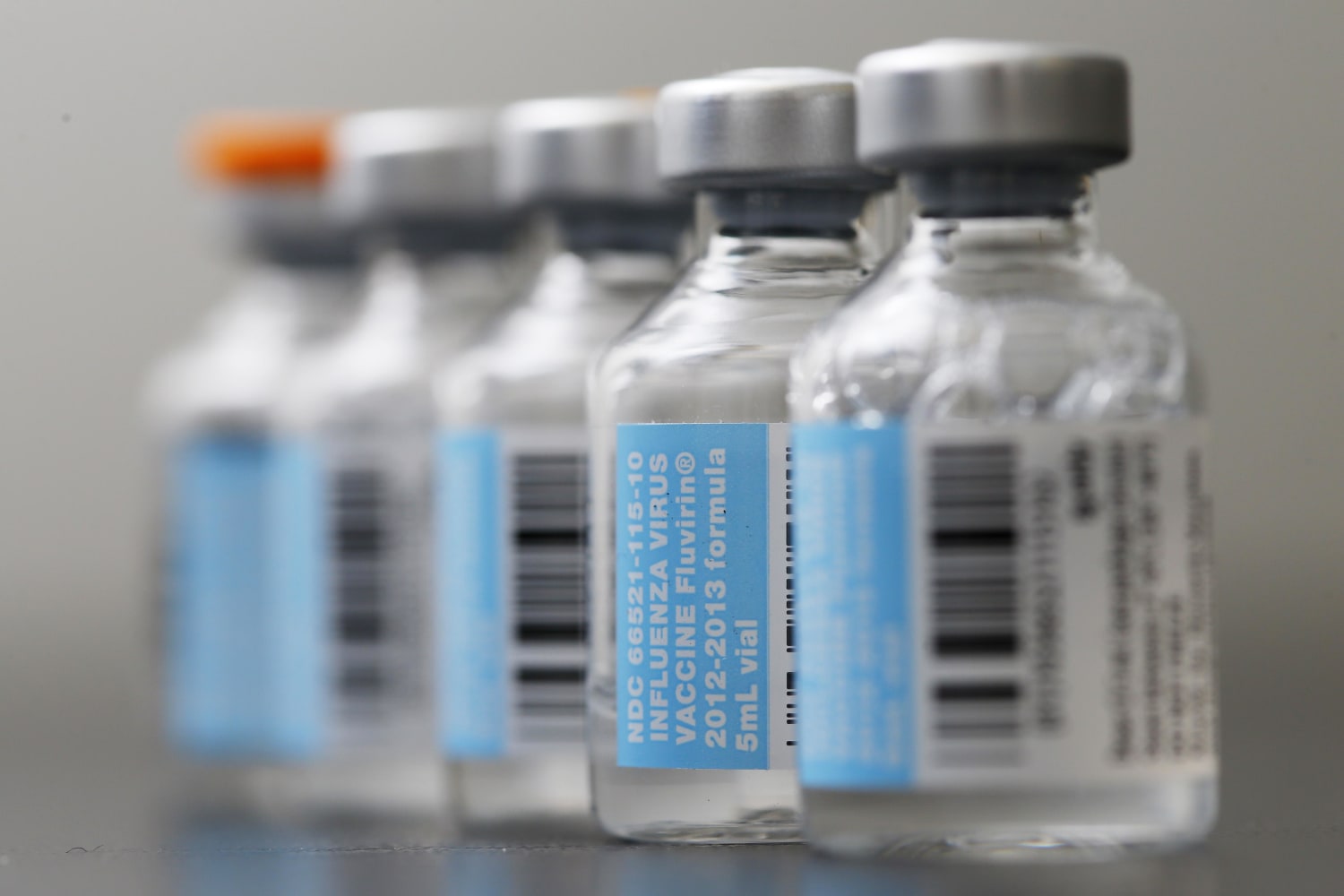
Lastly, you know what time of year it is, flu season is starting…don’t forget to get your flu shot!

Have a great weekend!

With Spread of Ebola Outpacing Response, Security Council Adopts Resolution 2177

On Thursday, the United Nations Security Council met to discuss the Ebola outbreak in West Africa and unanimously adopted resolution 2177 (2014). 2177 established the United Nations Mission for Ebola Emergency Response (UNMEER) and calls on Liberia, Sierra Leone, and Guinea to speed up establishment of national mechanisms to deal with this outbreak and to coordinate efficient utilization of international assistance, including health workers and relief supplies. The resolution also calls on other countries to lift their border and travel restrictions saying that isolation of the affected countries could undermine efforts to respond to the outbreak.

The United Nations—“United Nations Secretary-General Ban Ki-Moon said that the Ebola crisis had evolved into a complex emergency, with significant political, social, economic, humanitarian and security dimensions.  The number of cases was doubling every three weeks, and the suffering and spillover effects in the region and beyond demanded the attention of the entire world.  “Ebola matters to us all,” he said.”

ISIS Uses Chemical Weapons Against Army in Iraq

There were reports this week that the IS terrorist group has used chemical weapons in an attack on the Iraqi army in Saladin province. The reported attack took place Wednesday and Thursday in Dhuluiya, which has been under control of the group for more than two months. The attack affected approximately a dozen people.

One India—“Iraq’s Ambassador to the UN, Mohamed Ali Alhakim said in a letter that remnants of 2,500 chemical rockets filled with the deadly nerve agent sarin were kept along with other chemical warfare agents in a facility 55 km northwest of Baghdad. He added that the site’s surveillance system showed that some equipment had been looted after “armed terrorist groups” penetrated the site June 11.”

Vaginas May be the Answer to the Fight Against Drug-Resistant Bacteria

A naturally occurring bacterium found by scientists from the University of California, San Francisco, School of Pharmacy might be the key to addressing the threat of a post antibiotic future. Found in the female vagina, Lactobacillus gasseri is the basis for Lactocilin, a possible antibiotic alternative. This discovery comes at a time where the WHO has declared antimicrobial resistance as “an increasingly serious threat to global public health.”

Medical Daily—“This isn’t the only implication for the L. gasseri bacteria. Researchers are also hopeful to find similar-acting bacteria in different parts of the human body. “We think they still have bacteria producing the same drug, but it’s just a different bacterial species that lives in the mouth and has not yet been isolated,” lead researcher Micheal Fischbach told HuffPost. Even though the bacteria were harvested in females, researchers are confident it will have equal results when used in men.”

This Week in Ebola

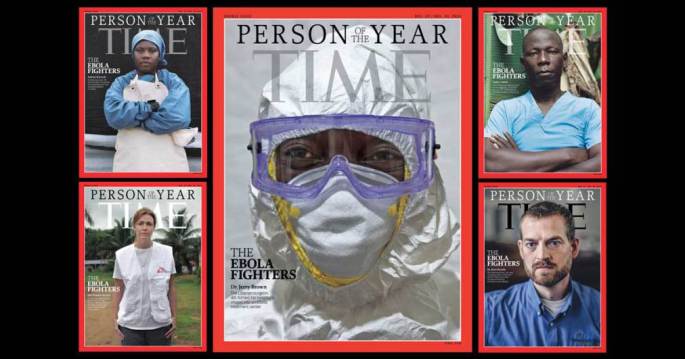
It was a terrible week for Ebola, absolutely terrible. Above, we already learned that the UN Security Council declared the virus a threat to international peace and security, but that wasn’t all that happened. President Obama pledged 3,000 troops to fight Ebola in West Africa. The WHO said that the number of Ebola cases could begin doubling every three weeks and expressed concern about the black market trade of Ebola survivors’ blood. Eight aid workers and journalists were murdered in Guinea leaving many to fear that violence could stymy relief efforts and in Sierra Leone, the government instituted a three-day lockdown in order to help health care workers find and isolate patients.

Stories You May Have Missed


Image Credit: Wikimedia

Pandora Report 9.13.14

This week we look at a report that claims DHS is not prepared for a pandemic and information about Chemical Weapons in Syria, still. We also have an Ebola update, and if you’re interested in learning more about the West African outbreak, join us Wednesday for our September Biodefense Policy Seminar!

Have a great weekend!

Homeland ill-prepared for Pandemic, Doesn’t Even Have Enough Drugs to Protect Secret Service

In a recently released report, the Office of the Inspector General claims that “the Department of Homeland Security may not be able to provide sufficient pandemic preparedness supplies to its employees to continue operations during a pandemic.” DHS, however, has disagreed with much of the report claiming it misrepresents the agency’s preparedness for an outbreak.

The Washington Times—“One of the biggest problems, investigators said, is that most of the stockpiles are of antiviral drugs that are expiring. By the end of 2015, the IG said that 81 percent of Homeland Security’s stockpiled antiviral medication will be past its shelf life. In addition, 84 percent of the agency’s stock of hand sanitizer has already expired, some batches by as long as four years, inspectors said.”

Watchdog Says Chlorine Gas Used as a Chemical Weapon in Syria

The Organization for the Prohibition of Chemical Weapons reports that chlorine gas was used “systematically and repeatedly” as a weapon in northern Syria earlier this year. U.S. officials say that the Assad regime is the only force capable of launching such an attack. Even after the destruction of Syria’s chemical weapons stockpiles, chlorine is not a forbidden substance under the CWC. However, the use of any chemical as a weapon is prohibited by the CWC. This news comes among concerns that any hidden weapons stockpiles may fall into the hands of terrorist or extremist groups, like ISIS

The Wall Street Journal—“The OPCW team traveled to the sites of attacks and interviewed victims, doctors and witnesses. According to the report, victims’ symptoms and the effect of the gas led the mission ‘to conclude with a high degree of confidence that chlorine, either pure or in mixture, is the toxic chemical in question.’”

This Week in Ebola

Another American Ebola patient was sent to Emory University in Atlanta for treatment and American Ebola survivor Dr. Kent Brantly donated blood to the American patient, Dr. Rick Sacra, who is being treated in Nebraska. The thought is that Dr. Brantly’s blood will help confer passive immunity to Dr. Sacra. On last Sunday’s Meet the Press, President Obama pledged U.S. military assistance in setting up isolation units and providing security for health workers in West Africa but House Republicans indicated they would provide less than half of the White House’s requested funding for fighting Ebola. The Bill and Melinda Gates Foundations has pledged to contribute $50 million to support emergency efforts to contain the outbreak in West Africa. There were reports this week of a U.S. air marshal who was injected with a syringe at the Lagos Airport in Nigeria. Though it appears that the syringe was not infected with Ebola, it has caused fears that Ebola could be used as a weapon. All of this comes at a time when disease modelers at Northeastern University predict that as many as 10,000 cases of Ebola could be detected by the end of the month and there have been 60 cases resulting in 35 deaths from the Ebola outbreak in Congo.

Image Credit: WGBH News

Pandora Report 9.6.14

This week we cover dengue in Japan, dog flu in NYC, more forgotten lethal specimens in government labs, and of course, an Ebola update.

Canine Influenza Cases Spreading in Manhattan

Flu season is rapidly approaching, and evidently, it doesn’t only affect humans. Veterinarians in Manhattan have reported cases throughout the borough. The cases are likely due to dogs playing with other infected dogs at parks and dog runs. Vets warn owners to watch for coughing dogs and if they are present to take their dog to another area. The good news is, just like their human counterparts, dogs, too, can receive a flu vaccine.

The Gothamist—“According to the ASPCA, symptoms include coughing, sneezing, difficulty breathing, fever, lethargy and loss of appetite; most dogs will recover within a month, but secondary infections like pneumonia can be problematic.”


New Cases of Dengue Fever Should be a Wake-Up Call for Japan

As many as 70 people in Japan have been infected with Dengue fever—traditionally, a disease found in tropical climates—the country’s first outbreak since 1945. The diagnoses prompted authorities to fumigate an area of Yoyogi Park in Tokyo’s Shibuya Ward, which was the apparent source of the infections. Dengue fever is transmitted by mosquitos and produces an extremely high fever and pain in the joints. The disease is not transmitted person to person.

The Asahi Shimbun—“The most effective way to deal with a global dengue epidemic is to step up the efforts to exterminate mosquitoes in countries with a large number of patients, especially in urban areas.”


Forgotten Vials of Ricin, Plague, and Botulism found in U.S. Government Lab 

A strong feeling of deja vu hit this week when we learned about yet another case of forgotten vials of dangerous pathogens at U.S. labs. In this case, the containers were discovered during an investigation of NIH facilities after scientists found vials of smallpox earlier this summer. This search discovered a century (!!) old bottle of ricin, as well as samples of tularemia and meliodosis. The FDA also reported they found an improperly stored sample of staphylococcus enterotoxin.

The Independent—“The NIH does have laboratories that are cleared to use select agents, and those pathogens are regularly inventoried, the director of research services Dr. Alfred Johnson said. However, these samples were allowed to be stored without regulation.”


This Week in Ebola

We learned that new cases of Ebola in Democratic Republic of Congo are genetically unrelated to the West African strain and that researchers from the Broad Institute and Harvard are working to sequence and analyze virus genomes from the West African outbreak. Senegal is working hard to manage contacts with the Guinean student who tested positive for the virus in the capital, Dakar. Human trials of an Ebola vaccine continued in the U.S. and are planned to take place in Mali, the U.K., and Gambia. A third American infected with Ebola will return to the U.S. and will be treated at a Nebraska medical containment unit which was built for the SARS outbreak. I read an article that hypothesized that Ebola may be able to be transmitted sexually which could account for a high number of cases, while the Washington Post pointed to the fact that the West Africa outbreak is drawing attention from diseases which are more widespread and kill more people—it’s the Kardashian of diseases. Lastly, CDC Director Dr. Thomas Frieden said that this outbreak of Ebola is “threatening the stability” of affected and neighboring countries, and Dr. Daniel Lucey, of the Georgetown University Medical Center, predicts that the current outbreak “will go on for more than a year, and will continue to spread unless a vaccine or other drugs that prevent or treat the disease are developed.”


Image Credit: Wikimedia Commons

Pandora Report 8.31.14

Fall classes at George Mason have already started and this Labor Day weekend marks the official end of summer. This week, we have stories covering a wide range of topics—an Ebola update (of course), a fascinating article on vaccinia infections acquired through shaving, Haj precautions, and the ISIS “laptop of doom.”

Best wishes for a safe and enjoyable holiday!

Ebola Virus Outbreak Could Hit 20,000 Within Nine Months, Warns WHO

There were many stories this week covering the continuing Ebola outbreak in West Africa. Senegal saw its first (imported) case of the virus this week and has banned flights to and from the affected countries while shutting its land border with Guinea and Nigeria saw its first death outside of the capital city of Lagos. In the Democratic Republic of Congo, where Ebola first emerged in 1976, there have been reported cases of a hemorrhagic gastroenteritis similar to Ebola. I read conflicting accounts this week of the “patient zero” for the Ebola outbreak—a young boy or an older traditional healer. There were reports of some U.S. universities screening students from West Africa for Ebola. There was coverage of a Toronto medical isolation unit ready for patients and information about GlaxoSmithKline’s experimental ebola vaccine which would be tested on humans in the next few weeks.

All of this news came among World Health Organization estimates that this West African outbreak could affect 20,000 people over the next nine months and that half a billion dollars would be needed to stop the spread of the disease.

The Wall Street Journal—“The WHO program will likely cost around $490 million and require contributions from national governments, some U.N. and non-governmental agencies, as well as humanitarian organizations, it said.”

First Reported Spread of Vaccinia Virus Through Shaving After Contact Transmission

This week, reports in the August issue of Medical Surveillance Monthly Report from the Armed Forces Health Surveillance Center covered vaccinia virus infection—the virus used for smallpox vaccinations—within the U.S. Air Force. The infections in the report occurred in June 2014, and affected four individuals.

Infection Control Today—“Over the past decade, most cases of contact vaccinia (i.e., spread of the virus from a vaccinated person to an unvaccinated person) have been traced to U.S. service members, who comprise the largest segment of the population vaccinated against smallpox. Most involve women or children who live in the same household and/or share a bed with a vaccinee or with a vaccinee’s contact. Of adult female cases, most are described as spouses or intimate partners of vaccinees or secondary contacts. Of adult male cases, most involve some type of recreational activity with physical contact, such as wrestling, grappling, sparring, football, or basketball. Household interactions (e.g., sharing towels or clothing) and “unspecified contact” are also implicated.”

Government to Keep Haj Infection-Free 

This week, the Saudi Arabian Ministry of Health announced mandatory measures for Haj and Umrah pilgrims coming from countries with active outbreaks or high rates of infectious diseases. The Health Ministry sent information to embassies outlining health requirements for those seeking pilgrim visas.

Arab News—“‘Although we do not issue Haj visas for pilgrims coming from endemic countries, we will still be monitoring pilgrims coming from other African countries for Ebola symptoms,’ said [Sami] Badawood [Jeddah Health Affairs director.]

He said the ministry would also focus on diseases such as yellow fever, meningitis, seasonal influenza, polio and food poisoning.”

Is the ISIS Laptop of Doom an Operational Threat?

Discovery of a laptop, which has been linked to ISIS, raises new questions about the organization’s plans relating to use of WMD—specifically chemical or biological weapons. Over 35,000 files on the laptop are being examined and has offered new insight into ISIS and their WMD aspirations.

Foreign Policy—“Most troubling is a document that discusses how to weaponize bubonic plague. But turning that knowledge into a working weapon requires particular expertise, and it’s not clear that the Islamic State has it.”


Image Credit: Wikimedia Commons

Pandora Report 8.22.14

Did you see that the destruction of Syria’s most lethal chemicals is now complete? Well, it is! Its good news among so many biodefense stories covering Ebola. I have no interest in making the Pandora Report the “All Ebola, All the Time” newsletter. As such, we will look at one Ebola story as well as stories covering new discoveries in tuberculosis and influenza.

Have a fabulous weekend, and students, enjoy your last one before classes start on Monday!

Tuberculosis is Newer Than Thought, Study Says

A recent study published in Nature reports that tuberculosis originated less than 6,000 years ago and was carried to the new world by seals. Seals! This new research contradicts original timeline and species genesis and some scientists think this study provides more questions than answers.

The New York Times—“In the new paper, the team proposes that humans acquired tuberculosis in Africa around 5,000 years ago. The disease spread to people across the Old World along trade routes. Meanwhile, Africans also spread the disease to animals such as cows and goats. Seals that hauled out onto African beaches to raise their pups became infected. The bacteria then spread through seal populations until reaching South America. Ancient hunters there became infected when they handled contaminated meat.”

Enzyme Holds the Door for Influenza

As the fall season and semester approach, the flu season travels with it. I was delighted to read that Walgreens, in addition to CVS, will now offer seasonal flu shots in their stores. More interesting news about flu came out of Vanderbilt University, too. Researches have investigated enzyme phospholipase D (PLD) and it ability to help the influenza virus escape immune response. Blocking PLD could assist in preventing the flu.

Bioscience Technology Online—“Normally the virus slips into its host cell in the epithelial lining of the lungs through internalized membrane compartments called endosomes. By delaying this process, the researchers propose, PLD2 inhibitors may give the cell’s innate immune response more time to destroy it.”

Patient Checked for Ebola Virus in Sacramento

Internationally, the good news is that quarantines have been set up in Liberia, in attempt to contain the spread of Ebola. The bad news is that they have become fairly violent. Stateside, this week Dr. Kent Brantly and Nancy Writebol were released from Emory University Hospital after recovering from Ebola infections acquired in West Africa.

There was news of a possible case in Northern California. With few details provided as to the patient and transmission route, we learned that there is a patient being tested for Ebola in Sacramento. California Department of Health reported that the cases is low risk but that testing is being done out of “abundance of caution.”

San Francisco Chronicle—“‘In order to protect our patients, staff and physicians, even though infection with the virus is unconfirmed, we are taking the actions recommended by the CDC as a precaution, just as we do for other patients with a suspected infectious disease,” said Dr. Stephen Parodi, an infectious disease specialist at Kaiser Permanente North California. “This includes isolation of the patient in a specially equipped negative pressure room and the use of personal protective equipment by trained staff, coordinated with infectious disease specialists.’”


Image Credit

Pandora Report 8.17.14

Another 12 hours at Dulles Airport on Friday and, fortunately, no new travel alerts. This week we look at TB detecting rats, an experimental Chikungunya vaccine, and the latest from West Africa.

Giant Rats Trained to Sniff Out Tuberculosis in Africa

APOPO, the Belgian nonprofit organization known for using rats to sniff out land mines, has been training the African giant pouched rat to detect tuberculosis since 2008 in Tanzania and 2013 in Mozambique. The trained rats are used in medical centers in Dar es Salaam and Maputo to double check potential TB samples. The rats are unable to differentiate between standard and drug-resistant strains of the disease however, the cost of training and maintenance of the rats is significantly cheaper than the new GeneXpert rapid diagnostic tests.

National Geographic—“‘What the rats are trained to do is associate the smell of TB with a reward, so it’s what they call operative conditioning,’ [Emilio] Valverde [manager of the APOPO Mozambique TM Program] said.

It is the same principle applied to detecting land mines, only the rats are trained to recognize the scent of specific molecules that reflect the presence of the tuberculosis germ—not the explosive vapor associated with land mines.”

Experimental Chikungunya Vaccine Shows Promise

Chikungunya, of course, is one of the diseases included in the CDC’s travel alerts, and this week we learned of a promising vaccine for the disease that causes fever and intensely painful and severe arthritis. After the vaccine’s first human trials, the next step is to test in more people and more age groups, including populations where the virus is endemic. The trial leader said that it could be more than five years before a finished vaccine could be offered to the public.

CBS News—“‘This vaccine was safe and well-tolerated, and we believe that this vaccine makes a type of antibody that is effective against chikungunya,’ said trial leader Dr. Julie Ledgerwood, chief of the clinical trials program at the U.S. National Institute of Allergy and Infectious Diseases.”

WHO: Ebola Outbreak Vastly Underestimated

The news from West Africa seems to be getting worse and worse. Earlier in the week there was good news when a new quarantine center opened in Liberia. Then two days later, that same center was destroyed and looted. All of this comes, too, when the World Health Organization has said there is evidence that numbers of cases and deaths are far lower than the actual numbers and MSF has said that the outbreak will take at least six months to get under control.

Al Jazeera—“‘Staff at the outbreak sites see evidence that the numbers of reported cases and deaths vastly underestimate the magnitude of the outbreak,’ the organization said.

‘WHO is coordinating a massive scaling up of the international response, marshaling support from individual countries, disease control agencies, agencies within the United Nations system, and others.’”

Image Credit: James Pursey, APOPO

Pandora Report 08.09.14

I spent about 12 hours at Dulles Airport yesterday. I didn’t fly anywhere, but I was ensuring that 120 international students were able to get from Washington DC to their host families all over the country. You may have noticed that in the security areas of Dulles Airport they have televisions that go over proper security screening procedures. On these same screens, they also show CDC travel alerts.

In June (when I was ensuring that 450 students were able to get back to their home countries), the alerts were for MERS and mosquito borne diseases like dengue and Chikungunya. Yesterday, Ebola was on alert for travelers to West Africa.

Last week we looked at the fever pitch of Ebola, today, lets look at the diseases designated by the CDCs travel alerts at Dulles.


Zika Virus: Another Threat from the Asian Tiger Mosquito

Travel alerts from the CDC often include Chickungunya and Dengue fever, but another disease from the same vector—the tiger mosquit0—is receiving alerts as well. Zika Fever, was isolated in humans in the 1970s, but has relatively few documented cases. In 2007, the virus demonstrated epidemic capacity with 5,000 cases in Micronesia. In 2013 there were 55,000 cases in Polynesia. Today the CDC has issued Watch Level 1 alerts for Zika in Easter Island, French Polynesia, and the Cook Islands and urges travelers to practice usual precautions.

Entomology Today—“Originally from Asia, the tiger mosquito was introduced to Africa in 1991 and detected in Gabon in 2007, where its arrival undoubtedly contributed to the emergence of dengue, chikungunya, and as shown by this new study, zika. The rapid geographic expansion of this invasive species in Africa, Europe, and America allows for a risk of propagation of zika fever around the world.”


Ramadan pilgrimage season in Saudi Arabia mostly free from MERS

Saudi Arabia reported only ten new cases of MERS from June 28- July 28 during the month of Ramadan. In April and May of 2014, hundreds of people were infected by MERS, which raised concerns about infection rates during Ramadan and during the Hajj, which will take place in October, when millions of pilgrims will travel to Mecca. Since 2012, Saudi Arabia has confirmed over 700 cases of infection resulting in nearly 300 deaths. The CDC designates the Hajj as an Alert Level 2, and urges U.S. residents to practice enhanced precautions.

Al Arabiya—“Saudi Arabia and the World Health Organization have said they are imposing no travel or other restrictions due to MERS during the Hajj, but have encouraged very young or old pilgrims, and those suffering from chronic disease, not to come this year.”


WHO: Ebola ‘an international emergency’

This week, the World Health Organization declared that the spread of Ebola in West Africa is an international health emergency. They urged coordinated response in order to keep the spread of the virus under control. Though no travel or trade bans have been enacted, the WHO recommends that Ebola cases or contacts should not travel internationally. This comes at a time when states of emergency have been declared in Liberia, Guinea, and Sierra Leone and the number of total cases has reached nearly 1,800 with over 950 deaths. The CDC designates outbreaks in these countries as a Warning Level 3, and urges U.S. residents to avoid non-essential travel.

BBC—“WHO director-general Dr. Margaret Chan appealed for help for the countries hit by the ‘most complex outbreak in the four decades of this disease.’

The decision by the WHO to declare Ebola a public health emergency is, by its own definition, an ‘extraordinary event’ which marks ‘a public health risk to other states through the international spread of disease’.”


Image Credit: The Denver Channel

Pandora Report 8.2.14

What a mess, right? While we here at the Pandora Report have been watching the Ebola outbreak in West Africa since March, it seems coverage in the news media has reached a fever pitch as the effects of the virus reach further and further.

This week we cover Ebola—a case in Nigeria, the evacuation of Peace Corps, the transfer of patients to the U.S. and treating the disease.

Nigeria Isolates Hospital in Lagos as Obama Briefed on Ebola Outbreak

Early in the week we learned of the first case of Ebola in Nigeria. It is important to note in this case, that the virus was imported from an American man, Patrick Sawyer, who travelled from Liberia. Fears rose over the importation to Africa’s most populous capital city—Lagos—and the hospital he was in was evacuated and is going through the process of decontamination.

Reuters UK—“Authorities were monitoring 59 people who were in contact with Sawyer, including airport contacts, the Lagos state health ministry said, but it said the airline had yet to provide a passenger list for the flights Sawyer used.

Derek Gatherer, a virologist at Britain’s University of Lancaster, said anyone on the plane near Sawyer could be in “pretty serious danger,” but that Nigeria was better placed to tackle the outbreak than its neighbors.”

Peace Corps Evacuates Ebola-Affected Region, With Two Volunteers in Isolation 

On Wednesday, the Peace Corps announced the evacuation of 340 volunteers from Guinea, Liberia, and Sierra Leone. Two volunteers from Liberia, however, were unable to leave. It is reported that the volunteers had contact with an individual who died from Ebola; they have to remain in an isolation ward for 21 days before leaving.

The Peace Corps—“The Peace Corps has enjoyed long partnerships with the government and people of Liberia, Sierra Leone and Guinea and is committed to continuing volunteers’ work there. A determination on when volunteers can return will be made at a later date.”

First Ebola Patient Arrives in U.S.

News came this week that two Americans infected with Ebola would be transferred to the U.S. for treatment at Emory University Hospital in Atlanta, GA.  Dr. Kent Brantly, who had been working at a treatment center in Liberia, was flown on a jet with a special containment area for patients with infectious diseases. He walked into Emory Hospital on Saturday unaided and is the first case of Ebola to arrive in the U.S.

Emory has an isolation unit built 12 years ago to treat patients exposed to highly infectious diseases.

Wall Street Journal—“Bruce Ribner, an infectious-diseases doctor and head of a special isolation unit at Emory University Hospital, said Friday there were good reasons to airlift the two to Emory. “We can deliver a substantially higher level of care, a substantially higher level of support, to optimize the likelihood that those patients will survive this episode,” he said.

Dr. Ribner added that he was “cautiously optimistic” the two have a good chance of recovery once they reach Emory, and that the transfer would be safe.”

Ebola Vaccine Possible, but Many Doubts Persist 

Vaccine development for Ebola has been being worked on for years, but with the increasing severity of this outbreak in West Africa, there has been discussion in the U.S. about fast-tracking vaccine trials for this virus. Even with this option—once approval is received from the FDA—many doubts persist and scientists who study the virus warn that the success is hardly guaranteed. Even if the vaccine proves to be effective in tests, questions remain as to who would receive it and how to figure out optimal dosages.

In short, even the development of vaccine candidates does not ensure success or virus eradication.

The New York Times—“The vaccine to be tested in humans relies on a benign virus that carries two proteins from the surface of the Ebola virus. The proteins help the virus penetrate human cells. If successful, the immune system will be trained to recognize the proteins and to mount a strong response should it encounter the virus.”


Image Credit: Atlanta Better Buildings Challenge

Pandora Report 7.26.14

Highlights this week include, Dr. Frieden goes to Washington, top Ebola doc comes down with the virus, a TB patient on the loose in California, and a plague based shut-down in China. Have a great weekend!

CDC Director to Tackle MERS, Measles, Global Health Threats

It was my absolute pleasure to be able to attend a talk given by Dr. Tom Frieden, Director of the Centers for Disease Control and Prevention, at the National Press Club on Tuesday.  Though Dr. Frieden briefly covered the stated topics, he spoke primarily about the dangers of growning antibiotic resistance and hospital acquired infections. He urged everyone, including the CDC, to work hard(er) to combat these issues that may usher us into a “post-antibiotic era.” The entire speech is available here. (You may even notice me in the lower left corner chowing down on a CDC cupcake!)

USA Today—“‘Anti-microbial resistance has the potential to harm or kill anyone in the country, undermine modern medicine, to devastate our economy and to make our health care system less stable,” Frieden said.

To combat the spread of resistant bacteria, Frieden said the CDC plans to isolate their existence in hospitals and shrink the numbers through tracking and stricter prevention methods.”


Sierra Leone’s Top Ebola Doctor Infected as the Worst Outbreak in History Continues

You may have seen this story pop up earlier this week in our facebook or twitter, but it certainly bears repeating. Dr. Sheik Umar Khan, who has been credited with treating more than 100 Ebola victims, has come down with the virus too. He is now one of hundreds who have been affected by the virus in West Africa, which has killed over 600.

The Washington Post-“In late June, Khan seemed keenly aware of the risk he faced. “I am afraid for my life, I must say, because I cherish my life,” he told Reuters. “Health workers are prone to the disease because we are the first port of call for somebody who is sickened by disease. Even with the full protective clothing you put on, you are at risk.’”


California Police Seek Man Who Refused Tuberculosis Treatment

Prosecutors in Northern California have obtained an arrest warrant for Eduardo Rosas Cruz, a 25 year old transient, who was diagnosed with TB and disappeared before he started treatment. Rosas Cruz needed to complete a nine-month course of treatment. Tuberculosis spreads through the air when an infected person coughs or sneezes. It is not known if Rosas Cruz is currently contagious. By law, health officials cannot force a patient to be treated but courts can be used to isolate an infectious individual from the public at large.

FOX News—“County health officials asked prosecutors to seek the warrant, in part, because Rosas Cruz comes from a part of Mexico known for its drug-resistant strain of tuberculosis. County health officials are searching for Rosas Cruz, and his name is in a statewide law enforcement system, San Joaquin County Deputy District Attorney Stephen Taylor said.”


In China, A Single Plague Death Means an Entire City Quarantined

Parts of Yumen City, in Gansu Province, were quarantined after a farmer died from bubonic plague. The man developed the disease after coming in contact with a dead marmot on a plain where his animals were grazing. According to experts, Chinese authorities categorize plague as a Class 1 disease, which enables them to label certain zones as “infection areas” and seal them off. 151 people were affected by the quarantine, which was lifted after none developed symptoms.

The Guardian—“The World Health Organization’s China office praised the Chinese government’s handling of the case. “The Chinese authorities notified WHO of the case of plague in Gansu province, as per their requirements under the International Health Regulations,” it said in a statement to the Guardian. “The national health authorities have advised us that they have determined this to be an isolated case, though they are continuing to monitor the patient’s close contacts.’”


Image Credit: RT

Pandora Report 7.20.14

I feel like its been a bad week, right? Between the crash—or shoot down—of MH 17 (with nearly 100 WHO HIV/AIDS researchers aboard) and events in Gaza with Israel, it sort of seems like it couldn’t get much worse. Well, turns out, it could. This week we have the first cases of Chikungunya in the U.S. and Ebola still raging. However, no one, in the biodefense world, had a worse week than the CDC.


First Chikungunya Case Acquired in the U.S. Reported in Florida

So far, in 2014, there have been 243 travel-associated cases of Chikungunya reported in 31 American states and two territories. This week, the infection numbers grew. The difference in this case, was that the man in Florida who was diagnosed, had not travelled outside the U.S. recently. This makes it the first case of the disease that had been acquired domestically.

WALB—“The Centers for Disease Control and Prevention is working closely with the Florida Department of Health to investigate how the patient contracted the virus; the CDC said they will also monitor for additional locally acquired U.S. cases in the coming weeks and months.

“The arrival of Chikungunya virus, first in the tropical Americas and now in the United States, underscores the risks posed by this and other exotic pathogens,” said Roger Nasci, Ph.D., chief of CDC’s Arboviral Diseases Branch.”


WHO Can’t Fully Deal with Ebola Outbreak, Health Official Warns

With the death toll from the ebola outbreak in West Africa at 603 (at least), more bad news emerged this week when we learned that budget cuts to the WHO make it for difficult for the organization to respond to the ongoing medical emergency. Beyond funding issues, efforts to stem the outbreak have been hindered by some countries failure to implement the WHO’s International Health Regulations which outline methods of reporting disease outbreaks.

The LA Times—“‘The situation in West Africa should be a wake-up call to recognize that this weakening of this institution on which we all depend is not in anybody’s interest,” Scott Dowell, director of disease detection and emergency response at the U.S. Centers for Disease Control and Prevention, said during a briefing in Washington. “In my view, there’s no way that WHO can respond in a way that we need it to.’”


Update on the Found Vials: There Weren’t 6; There Were 327.

In last week’s Pandora Report we learned about unsecured vials of smallpox that were found in an FDA cold storage room in a Maryland lab. This week we learned that it wasn’t just smallpox and it wasn’t just six vials—it was 327. Some of these vials contained select agents other than smallpox, like dengue, influenza, Q fever and rickettsia. Whoops!

Wired—“Here’ is the gist of the FDA’s external announcement, “…this collection was most likely assembled between 1946 and 1964 when standards for work with and storage of biological specimens were very different from those used today. All of the items labeled as infectious agents found in the collection of samples were stored in glass, heat-sealed vials that were well-packed, intact, and free of any leakage, and there is no evidence that anyone was exposed to these agents.”


Image Credit: Eduardo