Pandora Report 10.11.14

With so many stories being dedicated to Ebola, I was absolutely delighted to see coverage of influenza this week. We’ve also got stories about the proliferation of antibiotic resistant bugs in nursing homes, George Washington as the first father of vaccination, and of course, an Ebola update.

There will be no news round up next week, so I will see you all back here on October 25. Enjoy your weeks and don’t forget your flu shot!

Ebola’s Bad, but Flu’s Worse

With the coverage of the Ebola outbreak in media (and even on this blog) it may have inadvertently caused unreasonable panic in the American populace. The fact of the matter is one person in the U.S. has died from Ebola. Every year, according to the CDC, more than “226,000 Americans are hospitalized with flu and approximately 36,000 die from flu-related complications.” News outlets this week quietly reported on flu vs. Ebola and offered points of clarification about both diseases as well as tips for staying well. These include getting your flu vaccination, washing hands frequently especially after using the restroom and before eating or preparing food, and avoiding touching eyes, nose, or mouth to limit spread of germs.

Times Union—“‘The reality is there are vaccinations and treatment options available for the flu that are not available for Ebola. The reason for concern is there is no magic bullet to stop Ebola,’ said [Dr.Edward] Waltz [director of the Center for Public Health Preparedness at the University at Albany]. ‘I think the most important message to get is, take action on the things that you can control. We have so many things that affect our health that we can’t control, get yourself a vaccination if it is available.’”

Medical Superbugs: Antibiotic-resistant Bacteria Carried by More than a Third of Nursing Home Residents

A study out of Melbourne, Australia, reported that more than 1/3 of nursing home residents tested were carriers of antibiotic-resistant bacteria. And this problem isn’t just plaguing other countries. In fact, a report from the U.S. Centers for Medicare and Medicaid Services found rising rates of pneumonia, urinary tract infections, viral hepatitis and MRSA. The Australian study also found that more than half of the tested residents had received antibiotics within three months of being tested. Overuse of antibiotics can lead to higher rates of superbugs or other infections like C. difficile, which can be lethal in seniors. (On a personal note, my grandmother recently died from complications after a C. diff infection.)

ABC—“‘(Our concern is) that nursing homes are acting as a kind of reservoir, if you like, of antibiotic-resistant bacteria. We know these residents have fairly frequent movement in and out of acute care institutions, and this obviously poses risks to acute care hospitals for transmission. It could be transmitted to other patients in an acute care hospital, if the resident actually has an infection they might be infected with a more resistant bacteria – they’re the two main concerns.’”

George Washington, the First Vaxxer

This week, the Daily Beast provided an excerpt from historian Tom Shachtman’s new book, Gentlemen Scientists and Revolutionaries: The Founding Fathers in the Age of Enlightenment. At a time where people are choosing to forgo vaccinations and alarm over Ebola grows worldwide, it is amazing to see George Washington—Virginian, 1st President, Founding Father, serious boss, and old fashioned speller—decide that army immunization would not only save the lives of soldiers, but indirectly safeguard a young American nation. Shachtman recounts a February 1777 letter from Washington to John Hancock, President of the Continental Congress.

The Daily Beast—“‘The small pox has made such Head in every Quarter that I find it impossible to keep it from spreading thro’ the whole Army in the natural way. I have therefore determined, not only to innoculate all the Troops now here, that have not had it, but shall order Docr Shippen to innoculate the Recruits as fast as they come in to Philadelphia. They will lose no time, because they will go thro’ the disorder while their cloathing Arms and accoutrements are getting ready.’”

This Week in Ebola

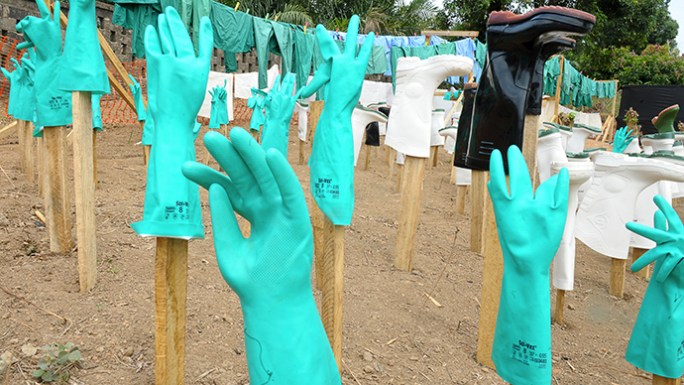
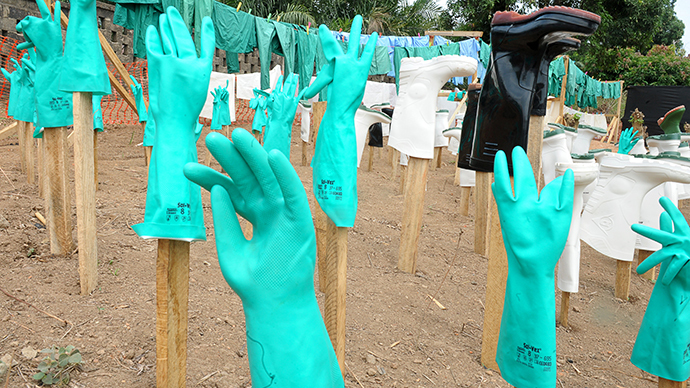
The first (and only) patient with a domestically diagnosed case of Ebola died this week in Dallas, TX amid calls, and responses, about tightening airport screening and travel restrictions. Six major American international airports have enhanced screening for travellers arriving from West Africa while airline workers at LaGuardia have protested over what they say are inadequate protections from potential Ebola exposure. In other air travel related news, a passenger was removed from a US Airways flight after joking about being infected with Ebola and a sick passenger traveling from West Africa to Newark airport does not have Ebola. A nurse in Spain did get infected with the virus this week, as other European nations fear further spread inside their countries. American Ebola survivor Dr. Rick Sacra was hospitalized and treated this week for pneumonia and another American Ebola survivor, Dr. Kent Brantly donated his blood in order to help treat an infected NBC cameraman.

Evidently one fifth of Americans, according to a Gallup poll, are concerned about getting Ebola which is causing the ‘apocalypse business’ to boom. Meanwhile, West Africans living in the U.S. are taking action to spread information within their communities about the virus and there was a wonderful piece on how Nigeria beat Ebola. Finally, CDC director Dr. Tom Frieden spoke this week on how this Ebola outbreak is like the AIDS epidemic and why he doesn’t support a travel ban to combat the outbreak. All of this comes at a point in time where the number of deaths from the outbreak has reached over 4000.

Stories You May Have Missed

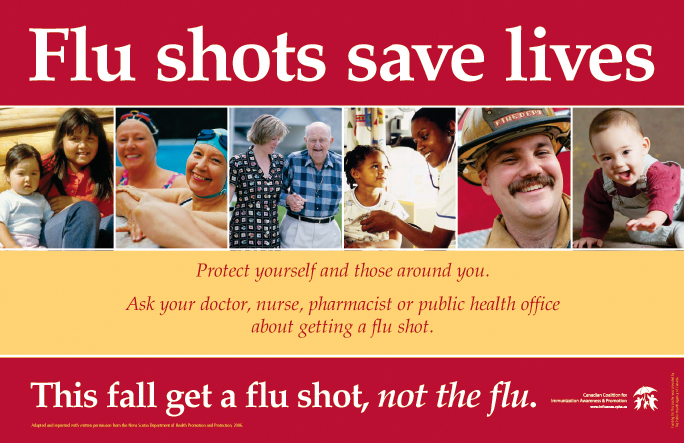
Image Credit: Immunize.ca

Pandora Report 9.27.14

This week the round up includes concern of growing antibiotic resistance, MERS CoV transmission, and of course, an Ebola update.

Have a great weekend (and don’t forget to get your flu shot)!

White House Orders Plan for Antibiotic Resistance

On Thursday, President Obama signed an executive order to form a government task force and presidential advisory council to address antibiotic-resistant germs. The order calls for new regulations of antibiotic use in hospitals and urges the development of new antibiotics. Scientists at MIT are looking at creating a new class of antibiotic that targets and destroys resistance genes within bacteria.

WTOP—“According to the Centers for Disease Control and Prevention, antibiotic-resistant infections are linked to 23,000 deaths and 2 million illnesses in the United States annually. The impact to the U.S. economy is as high as $20 billion, the White House said, or more, if you count lost productivity from those who are sickened. And the problem is worsening.”

Camels are Primary Source of MERS-CoV Transmission 

A study designed by scientists from Colorado State University and NIH’s National Institute of Allergy and Infectious Disease has transmitted a strain of MERS CoV from human patient to camels. The camels developed a respiratory infection and showed high levels of virus in nasal secretions for up to a week after the infection. Though the camels recovered quickly, the nasal secretions could be the source of transmission to people who handle these animals.

Business Standard—“The researchers theorized that vaccinating camels could reduce the risk of MERS-CoV transmission to people and other camels; NIAID and others are supporting research to develop candidate vaccines for potential use in people and camels.”

This Week in Ebola

This week, the CDC estimated that there could be 500,000 to 1.4 million cases of Ebola by January if the outbreak continues unchecked. Meanwhile, a professor teaching at Delaware State University is telling Liberians that the U.S. Department of Defense, among others, has manufactured Ebola and warns them that doctors are not actually trying to treat them. Claims like this make it even more difficult for those on the ground to relay accurate information about the virus. However, a reverend in Monrovia is working to spread awareness of proper hand washing and social distancing within his congregation and alumni from a State Department funded exchange program help to spread news of the virus throughout neighborhoods. Unsurprisingly, the Ebola outbreak has essentially crippled the fragile Liberian health system which means people are dying from routine medical problems.

Stories You May Have Missed


Image Credit: Wikimedia

Pandora Report 9.20.14

We are introducing a new feature for the news round up—“Stories You May Have Missed.” This final section consists of fascinating articles I’ve found throughout the week that couldn’t fit in the report. This week the round up includes the UN Security Council’s resolution about Ebola, ISIS using chemical weapons in Iraq, a surprising source to combat antibiotic resistance, and of course, an Ebola update.

Lastly, you know what time of year it is, flu season is starting…don’t forget to get your flu shot!

Have a great weekend!

With Spread of Ebola Outpacing Response, Security Council Adopts Resolution 2177

On Thursday, the United Nations Security Council met to discuss the Ebola outbreak in West Africa and unanimously adopted resolution 2177 (2014). 2177 established the United Nations Mission for Ebola Emergency Response (UNMEER) and calls on Liberia, Sierra Leone, and Guinea to speed up establishment of national mechanisms to deal with this outbreak and to coordinate efficient utilization of international assistance, including health workers and relief supplies. The resolution also calls on other countries to lift their border and travel restrictions saying that isolation of the affected countries could undermine efforts to respond to the outbreak.

The United Nations—“United Nations Secretary-General Ban Ki-Moon said that the Ebola crisis had evolved into a complex emergency, with significant political, social, economic, humanitarian and security dimensions.  The number of cases was doubling every three weeks, and the suffering and spillover effects in the region and beyond demanded the attention of the entire world.  “Ebola matters to us all,” he said.”

ISIS Uses Chemical Weapons Against Army in Iraq

There were reports this week that the IS terrorist group has used chemical weapons in an attack on the Iraqi army in Saladin province. The reported attack took place Wednesday and Thursday in Dhuluiya, which has been under control of the group for more than two months. The attack affected approximately a dozen people.

One India—“Iraq’s Ambassador to the UN, Mohamed Ali Alhakim said in a letter that remnants of 2,500 chemical rockets filled with the deadly nerve agent sarin were kept along with other chemical warfare agents in a facility 55 km northwest of Baghdad. He added that the site’s surveillance system showed that some equipment had been looted after “armed terrorist groups” penetrated the site June 11.”

Vaginas May be the Answer to the Fight Against Drug-Resistant Bacteria

A naturally occurring bacterium found by scientists from the University of California, San Francisco, School of Pharmacy might be the key to addressing the threat of a post antibiotic future. Found in the female vagina, Lactobacillus gasseri is the basis for Lactocilin, a possible antibiotic alternative. This discovery comes at a time where the WHO has declared antimicrobial resistance as “an increasingly serious threat to global public health.”

Medical Daily—“This isn’t the only implication for the L. gasseri bacteria. Researchers are also hopeful to find similar-acting bacteria in different parts of the human body. “We think they still have bacteria producing the same drug, but it’s just a different bacterial species that lives in the mouth and has not yet been isolated,” lead researcher Micheal Fischbach told HuffPost. Even though the bacteria were harvested in females, researchers are confident it will have equal results when used in men.”

This Week in Ebola

It was a terrible week for Ebola, absolutely terrible. Above, we already learned that the UN Security Council declared the virus a threat to international peace and security, but that wasn’t all that happened. President Obama pledged 3,000 troops to fight Ebola in West Africa. The WHO said that the number of Ebola cases could begin doubling every three weeks and expressed concern about the black market trade of Ebola survivors’ blood. Eight aid workers and journalists were murdered in Guinea leaving many to fear that violence could stymy relief efforts and in Sierra Leone, the government instituted a three-day lockdown in order to help health care workers find and isolate patients.

Stories You May Have Missed


Image Credit: Wikimedia

Pandora Report 7.26.14

Highlights this week include, Dr. Frieden goes to Washington, top Ebola doc comes down with the virus, a TB patient on the loose in California, and a plague based shut-down in China. Have a great weekend!

CDC Director to Tackle MERS, Measles, Global Health Threats

It was my absolute pleasure to be able to attend a talk given by Dr. Tom Frieden, Director of the Centers for Disease Control and Prevention, at the National Press Club on Tuesday.  Though Dr. Frieden briefly covered the stated topics, he spoke primarily about the dangers of growning antibiotic resistance and hospital acquired infections. He urged everyone, including the CDC, to work hard(er) to combat these issues that may usher us into a “post-antibiotic era.” The entire speech is available here. (You may even notice me in the lower left corner chowing down on a CDC cupcake!)

USA Today—“‘Anti-microbial resistance has the potential to harm or kill anyone in the country, undermine modern medicine, to devastate our economy and to make our health care system less stable,” Frieden said.

To combat the spread of resistant bacteria, Frieden said the CDC plans to isolate their existence in hospitals and shrink the numbers through tracking and stricter prevention methods.”


Sierra Leone’s Top Ebola Doctor Infected as the Worst Outbreak in History Continues

You may have seen this story pop up earlier this week in our facebook or twitter, but it certainly bears repeating. Dr. Sheik Umar Khan, who has been credited with treating more than 100 Ebola victims, has come down with the virus too. He is now one of hundreds who have been affected by the virus in West Africa, which has killed over 600.

The Washington Post-“In late June, Khan seemed keenly aware of the risk he faced. “I am afraid for my life, I must say, because I cherish my life,” he told Reuters. “Health workers are prone to the disease because we are the first port of call for somebody who is sickened by disease. Even with the full protective clothing you put on, you are at risk.’”


California Police Seek Man Who Refused Tuberculosis Treatment

Prosecutors in Northern California have obtained an arrest warrant for Eduardo Rosas Cruz, a 25 year old transient, who was diagnosed with TB and disappeared before he started treatment. Rosas Cruz needed to complete a nine-month course of treatment. Tuberculosis spreads through the air when an infected person coughs or sneezes. It is not known if Rosas Cruz is currently contagious. By law, health officials cannot force a patient to be treated but courts can be used to isolate an infectious individual from the public at large.

FOX News—“County health officials asked prosecutors to seek the warrant, in part, because Rosas Cruz comes from a part of Mexico known for its drug-resistant strain of tuberculosis. County health officials are searching for Rosas Cruz, and his name is in a statewide law enforcement system, San Joaquin County Deputy District Attorney Stephen Taylor said.”


In China, A Single Plague Death Means an Entire City Quarantined

Parts of Yumen City, in Gansu Province, were quarantined after a farmer died from bubonic plague. The man developed the disease after coming in contact with a dead marmot on a plain where his animals were grazing. According to experts, Chinese authorities categorize plague as a Class 1 disease, which enables them to label certain zones as “infection areas” and seal them off. 151 people were affected by the quarantine, which was lifted after none developed symptoms.

The Guardian—“The World Health Organization’s China office praised the Chinese government’s handling of the case. “The Chinese authorities notified WHO of the case of plague in Gansu province, as per their requirements under the International Health Regulations,” it said in a statement to the Guardian. “The national health authorities have advised us that they have determined this to be an isolated case, though they are continuing to monitor the patient’s close contacts.’”


Image Credit: RT

Pandora Report 6.14.14

Don’t forget, early registration for the Summer Program in International Security ends Sunday, June 15. 

Register today to save $200-$300!


News is a little light this week but highlights include antibiotic resistance in the grocery store and the reconstruction of the 1918 flu virus. There will be no news round up next week, so I’ll meet you back here in two weeks!

Bacteria Found in Squid Raises Concern About Spread of Antibiotic Resistance

For the first time, researchers in Canada have discovered one of the deadliest kinds of antibiotic-resistant bacteria in a food product. The organism was found in a package of imported frozen squid, which was purchased at a store in Saskatoon, Saskatchewan. The discovery of the bacteria in food is troubling because it provides an additional method of human acquisition of antibiotic resistance.

The Washington Post—“The bacterium found in the squid is a common environmental organism, present in dirt and water. But in this case, scientists found that it had a gene that made it resistant to antibiotics that are considered the last line of defense. Bacteria that have this capability are dangerous because if they are in a person’s body, they can share that gene or enzyme with other bacteria. And that makes those other bacteria also resistant to these last-resort antibiotics, known as carbapenems.”

A Flu Virus That Killed Millions in 1918 Has Now Been Recreated

Yoshihiro Kawaoka is in the news again after his research team at the University of Wisconsin-Madison, reverse engineered an influenza virus from a similar one found in birds, combining several strains to create one nearly identical to the virus that caused the 1918 outbreak. The team then mutated the genes to make it airborne in order to study how it spreads between animals. Kawaoka is not new to this sort of research—which some view as controversial and dangerous—he engineered a strain of H5N1 to pass airborne from ferret to ferret in 2011.

Vice News—“The research was funded by the National Institute of Health as a way to find out more about similar virus’ and their transmissibility from animals to humans. It was done in a lab that complied with full safety and security regulations, said Carole Heilman, director of the Division of Microbiology and Infectious Diseases, at National Institute of Allergy and Infectious Diseases (NIAD), a division of NIH. ‘It was an question of risk versus benefit,’ Heilman told VICE News. ‘We determined that the risk benefit ratio was adequate if we had this type of safety regulations.’”


Image Credit: Wikimedia Commons

Pandora Report 6.7.14

We’re taking the bad news with the good news this week. Highlights include miscalculations in the MERS toll, rising numbers of Ebola deaths, innovations in vaccine delivery using rice, and progress with MRSA. Enjoy your weekend!

Saudi Arabia Reports Big Jump in MERS cases, Including 282 Deaths

On Tuesday, the Saudi Ministry of Health reported that 282 people have died from Middle East Respiratory Syndrome coronavirus (MERS-CoV) which is a major increase from the previously known official death toll of 190. The same day as the announcement, Deputy Health Minister Dr. Ziad Memish was “relieved” from his post according to the Saudi Health Minister. No reason was given.

CNN—“MERS is thought to have originated on the Arabian Peninsula in 2012. No one knows exactly where it came from, but evidence implicating camels is emerging. In a recently published study in mBio, researchers said they isolated live MERS virus from two single-humped camels, known as dromedaries. They found multiple substrains in the camel viruses, including one that perfectly matches a substrain isolated from a human patient.”

Resurgence of Ebola Epidemic in West Africa

Though overall the number of new cases of Ebola appears to be declining, new cases have been recently reported in Guinea and Sierra Leone. Doctors Without Borders/ Medecins San Frontieres have been supporting health authorities in both countries, treating patients, and working to put measures in place to control the epidemic. They have sent over 44 tons of equipment and supplies to assist the outbreak which has infected over 300 people and killed at least 125.

Doctors Without Borders—“The rise in cases may be due to a reluctance on the part of patients to go to hospital. The movement of infected people and cadavers is also a major issue. Families frequently transport dead bodies themselves in order to organize funerals in other towns. The multiplication of affected areas makes it difficult to treat patients and control the epidemic.”

Fighting Deadly Disease, With Grains of Rice

In an effort to fight common diarrheal illnesses including cholera and rotavirus, researchers at the University of Tokyo are working on bioenginerring rice in order to turn it into an easy and low-cost storage and delivery medium to combat these common illnesses.  According to the World Health Organization, cholera alone kills as many as 120,000 annually.  Both the cholera vaccine and rotavirus antibody versions of the rice have been tested on laboratory mice with plans to test on humans within the next few years in a country like Bangladesh where cholera is a major public health threat. The Bill and Melinda Gates Foundation as well as several pharmaceutical companies have shown interest in developing drugs based on the research.

The New York Times—“Vaccines  or antibodies for both exist but require refrigerated storage, Yoshikazu Yuki, an assistant professor of mucosal immunology, said in an interview. Bioengineering vaccines or antibodies into rice would allow them to be stockpiled easily, without the cost of cold storage, for up to three years at room temperature, he said. The rice could be ingested orally, ground into a paste and drunk, delivering the antibodies to the intestine.”

A New Weapon in the Battle Against MRSA

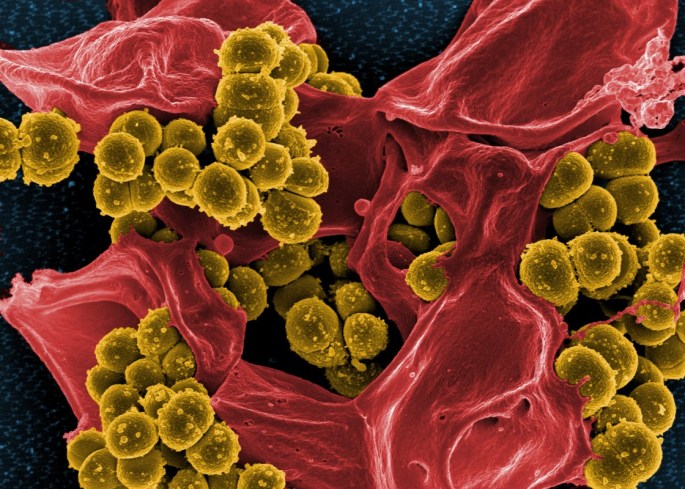
Among serious concern for the growing levels of antibiotic resistant superbugs, it appears there is some promising news. Durata Therapeutics have developed a new drug, Dalvance, which in clinical trials has proven as effective as vancomycin—another powerful antibiotic—against acute skin and soft tissue infections including methicillin-resistant Staphylococcus aureus (MRSA.) According to Durata, more than 4.8 million people were admitted to hospitals with skin and soft tissue infections between 2005 and 2011 and nearly 60% of these staph infections were the methicillin-resistant variety.

The Washington Post—“The drug, Dalvance, is the first approved by the FDA under the government’s Generating Antibiotic Incentives Now program, its effort to encourage pharmaceutical companies to produce new drugs to combat the growing problem of antibiotic resistant bacteria. Even asthe problem has grown around the world, the number of new drugs in the pipeline has dwindled, with drug companies focused on more profitable medications.”


Image Credit: Wikimedia Commons

Antibiotic Anomaly: Disparity Between Lawmakers and Health Experts on Antibiotics

By Chris Healey

State lawmakers are working to protect doctors who prescribe antibiotics in excess of recommended guidelines. Those efforts come after the CDC declared antibiotic resistance from antibiotic overuse one of the greatest threats to public health.

The controversy stems from state lawmakers in northeastern states affected by Lyme disease, an amorphous bacterial illness transmitted through tick bites. The Infectious Disease Society of America endorses a four-week antibiotic regimen which they say cures most cases. However, some individuals claim their symptoms persist after the conclusion of antibiotic therapy, a condition called Post Lyme Disease Syndrome.

Individuals reporting Post Lyme Disease Syndrome often harangue doctors for further antibiotic treatment, believing previous treatment was ineffective or inadequate. However, studies on Post Lyme Disease Syndrome indicate persistent infection is unlikely. Instead, lingering perceptions of malaise are likely the result of lasting physiological damage from infection known as sequela. Doctors often resume antibiotic treatment at patient request despite research findings not supportive of continued treatment.

Antibiotics are not harmless therapeutics. They produce negative effects in patients and bacteria alike. Extended antibiotic treatments sometimes lead to severe physiological damage including mitochondrial impairment, aplastic anemia, and Stevens-Johnson syndrome. Unless absolutely necessary, antibiotics should be avoided.

Harm from lengthy antibiotic regimens extend beyond the patient. Prolonged antibiotic exposure allows more opportunity for bacterial selection of respective antibiotic resistance. Bacteria can pass resistance to posterity, complicating treatment in new patients.

A 2013 report released by the CDC served as a call to arms for the medical community concerning the growing threat of antibiotic resistance. The report lists four core actions to stymie resistance. One of the four is improved stewardship – commitment to antibiotic use within established guidelines. The CDC report, and other efforts to increase antibiotic resistance awareness, has placed pressure on health officials to conform to new standards of judicious antibiotic use.

Instead of allowing antibiotic conformity pressure to curb prescriptions, lawmakers have interpreted it as an occupational nuisance in need of remedy. An article in the Wall Street Journal discusses bills in the Vermont and New York state legislature to protect doctors from punishment for over prescribing antibiotics.

There is a clear disconnect between government health officials and state lawmakers. Misguided attempts to protect doctors from antibiotic reform pressures reflect a lack of antibiotic understanding. Health officials must improve efforts to communicate the importance and severity of antibiotic resistance.

Pandora Report 5.2.14

Highlights this week include Smallpox Redux, Antibiotic Resistance, and MERS in America. Check us out @PandoraReport for additional stories about the 1918 flu, Obstacle races and their health impact, the deadliest creature on earth, and Stephen Colbert vs. Anti-Vaxxers. Have a great weekend!

A Smallpox like virus found in the Republic of Georgia

This week, doctors from the Centers for Disease Control and Prevention reported that two herdsmen in the Republic of Georgia have been infected with a new virus that is very similar to smallpox. The news comes in addition to a lot of smallpox talk this week. After unearthing a corpse in Queens, NY, the issue of the virus spreading from dead bodies was raised again. Meanwhile, this month The World Health Assembly (WHA) will meet to discuss destruction of remaining smallpox virus being held in Russia and the U.S. Though the smallpox virus has been eradicated, this new virus in the same family raises concerns about protection from bioterrorists using agents we have no immunity or vaccinations for.

NPR—“Last year the U.S. government spent about $460 million on a relatively new smallpox medicine, in case the virus was deliberately released in a bioterrorism attack. That stockpile could treat about 2 million people.”

MERS Arrives in the U.S. 

An American man returning from Saudi Arabia has been diagnosed with MERS CoV. The man was hospitalized in Indiana and authorities say he poses very little risk to the public.  At least 400 people have been diagnosed with Middle East Respiratory Syndrome and it has killed over 100. Though the disease has not transferred human to human at this point, the high lethality is a concern to health officials.

The Associated Press—“Experts said it was just a matter of time before MERS showed up in the U.S., as it has in Europe and Asia. “Given the   interconnectedness of our world, there’s no such thing as ‘it stays over there and it can’t come here,'” said Dr. W. Ian Lipkin, a Columbia University MERS expert.”

Antibiotic Resistance Threatens Everyone, Warns UN

A United Nations report, released on Wednesday, outlined that antibiotic resistance is now prevalent in all parts of the world and that for up to half of patients antibiotics may not be effective. Many doctors in Canada are encouraging their colleagues to be careful about over-prescribing antibiotics as a “cure all.” If doctors around the world cannot do that, we may be looking at a post-antibiotic future.

CBC-“‘What it means, is that all of us, our family members, all of the persons in this room, our friends, when we are most vulnerable and in need of these medicines, there is a chance that they are simply not going to be available and we are not going to be able to have access to effective medical care in a number of instances,’ Dr. Keiji Fukuda, one of the agency’s assistant directors-general, told reporters.”


(image courtesy of Wikimedia Commons/ Arias,F.J)

Pandora Report 4.25.14

While Ebola Viral Disease still rages in West Africa and MERS continues to spread, let’s take this Friday to look at some other stories.

Highlights include Polio eradication in Southeast Asia, Manure and Antibiotic Resistance, Chemical weapons in Syria (yes, again), and the 28th anniversary of Chernobyl. Have a great weekend!


80% of the World Polio Free

If you’re anything like me, you hang on every word Dr. Tom Frieden, Director of the CDC and active tweeter, says. This week he lauds polio eradication in the 11 countries of Southeast Asia as a “remarkable achievement.” The countries include Bangladesh, Bhutan, South Korea, India, Indonesia, Maldives, Myanmar, Nepal, Sri Lanka, Thailand, and Timor-Leste and are home to 1.8 billion people.  While he applauds the work that has already been done, he highlights Afghanistan, Pakistan, and Nigeria as countries where there is still work to be done.

Huffington Post—“The lessons of Southeast Asia are being applied in these last three countries — improving immunization activities, outreach to underserved populations, special approaches in security-compromised areas, outbreak response, improved routine immunization and disease tracking — so the world can get to the finish line in the fight against polio.”


Cow Manure May Lead to Antibiotic Resistance

Using five stool samples collected from four cows at a dairy farm in Connecticut, scientists at Yale University found 80 unique antibiotic resistance genes, approximately three quarters of which were unfamiliar. Genetic sequencing showed that the AR genes were only distantly related to those already known to science. When applied to a lab strain of E. coli, the genes made the bacteria resistant to certain well-known antibiotics, including penicillin and tetracycline.

The New Zealand Herald—“Further study is needed to probe whether cow manure may harbour a major reservoir of antibiotic resistance genes that could move into humans.

“This is just the first in a sequence of studies – starting in the barn, moving to the soil and food on the table and then ending up in the clinic – to find out whether these genes have the potential to move in that direction,” Jo Handelsman, senior study author and microbiologist at Yale said.”


As Syria Closes in on Chemical Weapons Disarmament, New Concerns Arise

Like Russia, it seems Syria cannot stay out of the news lately. While Reuters reported this week on an apparent chemical attack in the province of Idlib (which followed a chemical attack in Hama earlier in April), news outlets are cheering Syria’s commitment to meeting their deadlines for disarmament of their chemical weapons stockpiles. Reports estimate that 85-90% of the Syrian stockpile has been shipped for dismantlement and destruction.

Los Angeles Times—“Under a revised plan, Syria has promised to remove all of its chemical weapons material by April 27. In the last two weeks, Syria has shipped out six batches, “marking a significant acceleration in the pace of deliveries,” the OPCW said. Russia provided armored vehicles and other equipment to assist the chemical convoys, which sometimes traversed roads near contested zones where rebels were present.

The U.N. set June 30 as a deadline for destruction of the chemicals.”


28th Anniversary of Chernobyl Nuclear Disaster

What is there to say, as we approach the 28th anniversary of the Chernobyl Nuclear Disaster? This event remains one of the most catastrophic nuclear disasters in the history of mankind. The ongoing after effects have harmed the environment, people, and there are consequences still yet unknown.

As the media looks back on this event, there are many good stories that cover the effects of this meltdown that happened in the early hours of April 26. Some focus on the lasting impact on the environment.

Birds Adapt to Long-Term Radiation Exposure

What’s Wrong With Chernobyl’s Trees?

Radiological Damage Still Poses ‘Catastrophic’ Threat to Ukraine

Some focus on the risks of nuclear power and call for greater awareness.

Ban marks Chernobyl anniversary with call for greater support for recovery efforts

Some focus on the ongoing Russia-Ukraine conflict and its effect on Chernobyl.

Chernobyl Radiation Shield Under Threat Amid Ukraine Crisis

But the one of the most interesting remembrances of this event was from the 10th anniversary of the meltdown in 1996. It is the tale of the Swedish scientist who alerted the world to the uptick in radiation…since the Soviet Union did not.

Chernobyl haunts engineer who alerted world


(Image Credit: Wikimedia Commons Firef7y)

Antibiotic resistant bacteria and farms

NYT opinion piece on antibiotic resistance bacteria and the potential role of factory farming in propagating them:

Excerpt: “The story of antibiotic-resistant bacteria in farm animals is not a simple one. But here’s the pitch version: Yet another study has reinforced the idea that keeping animals in confinement and feeding them antibiotics prophylactically breeds varieties of bacteria that cause disease in humans, disease that may not readily be treated by antibiotics. Since some of these bacteria can be fatal, that’s a scary combination. Antibiotic-resistant bacteria are bad enough, but now there are more kinds; they’re better at warding off attack by antibiotics; and they can be transferred to humans by increasingly varied methods. The situation is demonstrably dire.”

Read more here.