Pandora Report: 3.25.2016

Happy Friday! Ready for some global health security news? Down the rabbit hole we go….the FDA has just approved ANTHIM injection, a new treatment for inhalation anthrax in adults and children. Researchers are considering the possibility that the highly virulent E. coli O104:H4 strain that hit Germany in 2011 may have been an intentional act. “The sudden and unexplainable emerging of a fast increasing number of cases and deaths from bloody diarrhea and HUS might have been caused naturally, accidentally, or intentionally,” a Serbian-German research team writes in the European Journal of Public Health Advance Access for April 15.

The Finances of A Pandemic
From SARS to Ebola and now Zika, the growing threat of emerging infectious diseases doesn’t seem to be slowing down. Has this become our new normal? Will we learn from these outbreaks and start putting the resources and support into prevention? “Ebola has infected almost 30,000 people, killed more than 11,000 and cost more than $2 billion in lost output in the three hardest-hit countries. SARS infected 8,000 and killed 800; because it hit richer places, it cost more than $40 billion. Predicting these losses is hard, but a recent report on global health risks puts the expected economic losses from potential pandemics at around $60 billion a year.” So how do we defend against these international security threats? America’s National Academy of Medicine recently made the suggestion that $4.5 billion a year solely dedicated to pandemic preparedness and defense could halt this impending reality. Even more interesting? This estimate accounts to roughly 3% of what “rich countries spend on development aid”, while the world spends about $2 trillion annually on defense.

U.S. Biothreat Defense Inadequate
American response to Ebola and now Zika reveals a startling trend of slow response, inadequate supplies, and poor cooperation and coordination between agencies. Director of National Intelligence, James Clapper states that “Gaps in disease surveillance and reporting, limited health care resources, and other factors contributed to the outpacing of the international community’s response in West Africa,”. The National Biosurveillance Integration Center (NBIC) is one such agency that was developed in 2007 in attempts to “be a hub of information and coordination for federal agencies tracking disease and biological threats”, however it has been frustrated by poor relationships and sharing from other agencies like the CDC. In essence, agencies that are developed for global health security, like NBIC, suffer from poor cooperation that then trickles into their reputation and capabilities in the eyes of their federal partners. “Congress has put forth a potential legislative fix. The CBRNE Defense Act of 2015 would create a new office within DHS, the Chemical, Biological, Radiological, Nuclear, and Explosives Office, which would place both NBIC and BioWatch under integrated new management.” Just as we reported from the Blue Ribbon Study Panel, federal biodefense efforts and resources need to be better organized and developed.

Rare Blood Infection Outbreak
Elizabethkingiam is currently causing dozens of cases in Wisconsin and now a Michigan resident is suffering from the bloodstream infection. The bacteria that causes the infection, Elizabethkingia meningoseptica, is commonly found in soil but has also caused infections in hospitals. Typical infections have resulted in bacteremia and neonatal meningitis related to the gram-negative bacillus, although it is naturally found in soil, fresh water, and salt water. Most of the 54 cases in Wisconsin have been in patients 65 years and older, of which 17 have died. Public health officials are working to identify the source of the outbreak and the links between the Michigan case and those in Wisconsin. The concerning aspects of this rising outbreak is also the difficulty in treating the organism and prevalence of multi-drug resistant organisms in seniors.

Complex Engineering by Violent Non-State Actors
Check out this special issue on complex engineering by violent non-state actors (VSNAs). “Why and how different VNSAs remain low-level and localized or undertake and achieve complex engineering tasks in pursuit of their objectives are at the heart of understanding the threat environment faced by states.” The authors address several terrorist groups like Aum Shinrikyo (the chapter was actually co-authored by GMU Biodefense Alum Benjamin Ash!), Hamas (also co-authored by GMU Biodefense Alum Alena James!), the Provisional Irish Republican Army (PIRA), etc.  “The approach of this collection moves beyond weapons and embraces facilitating or logistical aspects that support the operations and objectives of the various actors”. This special edition, with an introduction by Jez Littlewood, reviews these organizations and their resources and strategies. The authors also consider the attitudes of leadership regarding innovation in detail to assess the role of complex engineering by VSNAs. Through this close look into the VSNA use of complex engineering, further research and preparedness can occur to understand the threats posed by these actors.

All Roads Lead to Zika 
Now that Spring has officially begun, the impending summer rains are right around the corner, and with those – mosquitoes. Many worry about the potential for local transmission in countries where imported cases have already been identified. The US isn’t immune to these concerns as the CDC reports 273 travel-related cases. Dr. Nabel mirrors the sentiments of Sanofi’s global R&D head, Dr. Elias Zherouni, who emphasizes the need for changes in global public health outbreak response. He notes that “we just run from one crisis to another. It’s not an optimal way to respond. Not when the stakes are so high and when so many people can either lose their lives or have their whole lives changed because of one five-day infection. That’s no way to protect the world’s population. We have to step back and we have to say, ‘Is there a more systematic way to gather the intelligence that we have about these viruses, recognize where they stand in terms of the threat level, and then develop a systematic program where, when the next Ebola outbreak occurs, it’s not that we haven’t done anything since the last outbreak, that we’ve actually moved things forward?’ That’s all possible. It’s just that we have not had the collective will to do it.” Panama has also announced their first case of microcephaly linked to Zika virus outside of Brazil. Chris Mooney from The Washington Post discusses why Zika virus, among other diseases, could disproportionally impact America’s poorer populations.  He notes that scientists have found that more mosquitoes are found in lower-income neighborhoods due to persistent trash and abandoned buildings, which creates a ripe environment for standing water and thus mosquito breeding. Researchers found that when compared to wealthier neighborhoods in New Jersey, “poverty was positively correlated with number of [Asian tiger mosquitoes] captured and accounted for over half the variation”. Many are saying that the “U.S. is botching the Zika fight” due to the problems within the FDA and the Agriculture Department regarding turf. “A genetically tweaked mosquito could stop the illness, but regulators won’t test it. Why would that be?” The combination of worrying reasons, like “budgetary concerns and antagonism to genetic engineering among some senior USDA officials”, leave many feeling that instead of getting ahead of the outbreak, “the U.S. is falling behind, solely because of bureaucratic muddle.” On the other hand, on Friday, the WHO rallied for pilot projects on two projects that would involve genetically modified mosquitoes to help stop the spread of Zika virus. In the meantime, the FDA gave emergency approval for a 3-in-1 test for Zika, Chikungunya, and Dengue.

Syria and the Future of the Chemical Weapons Taboo 
Courtesy of E-International Relations

Brett Edwards and Mattia Cacciatori tackle the responses that the international security community has taken regarding the use of chemical weapons in Syria and the resulting reinforcement of “a long standing prohibition norm.” The authors discuss the characteristics of chemical weapons taboo and and the significance that the international community gives to these weapons. “This alone does not support the claim episode has strengthened the global norm against chemical weapons. In this piece we have highlighted how this is not immediately apparent due to the fact that problem cases tend to be externalized from dominant institutional discourses, often justified in terms of the need to protect the sanctity of the chemical weapon norm, as well as those institution’s which embody the norm – especially the OPCW.” Overall, the more problematic cases, like those of incapacitating chemical agents, will grow to alter the existing foundation of chemical weapons norms if left ignored or unchecked.

New Ebola Flare Up
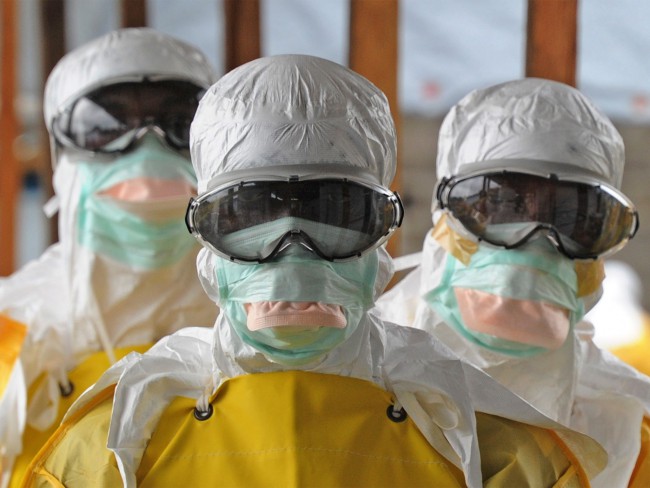
The west African Ebola outbreak is like a campfire that wasn’t put out properly – everyone thinks the flames are extinguished, but those hidden embers lurking in the ash end up causing a spark that leads to a massive forest fire. A fifth person has died from the recent flare in Guinea. The most recent death occurred in a man 200k from the initial four cases. Prior to this death, a young girl died from the village of Korokpara following her hospitalization in an Ebola treatment facility in Nzerekore. It’s still not clear how this specific surge began, but many worry about the lingering traces of the virus in the eyes, CNS, and bodily fluids. In response to the fifth death, Liberia has partially shut its bordersEmergency meetings are now underway and the WHO is sending specialist teams in to try and stop the outbreak before it grows beyond the 11,300 mortality count. On a positive note, Sierra Leone has gone two incubations periods (42 days) without a case, which means they’re Ebola-free since their last flare up.

GMU SPGIA Gettysburg Trip
GMU students interested in learning more about the battle of Gettysburg- the Center for Security Policy Studies (CSPS) will be hosting an informational session on April 6th from 4:30-6pm in Merten Hall 1203 regarding the April 9th trip! GMU students and staff will walk the battlefield, discussing the factors that caused the battle to unfold as it did. They will also link the battle into larger discussions about the causes of war and grand strategy.  The cost for the trip will be $35.  Bus transportation will be provided, and will pick up participants from both the Fairfax and Arlington campuses.

Stories You May Have Missed:

  • U.N. Sued Over Haiti Cholera Outbreak– starting in October of 2014, Haiti was hit with an intense wave of cholera that is believed to have started with U.N. peacekeepers. “Poor sanitation at a U.N. camp for peacekeepers allowed cholera-contaminated sewage to enter a tributary of Haiti’s largest river, the Artibonite. Within days, hundreds of people downstream, like Jean-Clair Desir and his mother, were falling ill. The disease subsequently spread to the entire country.” The case is currently being reviewed in US courts and the lawsuit was brought forth by the Institute for Justice in Democracy, asking that the U.N. “end cholera by installing a national water and sanitation system; pay reparations to cholera victims and their families; and publicly apologize for bringing cholera to Haiti.”
  • Exploiting the Challenges to Bioweapons Development – Janne E. Nolan discusses GMU Biodefense Professor, Dr. Sonia Ben Ouagrham-Gormley’s book, Barriers to Bioweapons, in regards to the misleading and often exaggerated notion of easy WMD development. Nolan discusses that understanding both the internal and external factors that impact BW program success would allow the international community to “devise better ways to realistically stem BW proliferation”. He notes that “Ben Ouagrham-Gormley s book is a fascinating study of the phenomenology of scientific knowledge, providing a compelling analysis of how knowledge is acquired, developed, transmitted, and, at the same time, diluted or lost as a result of organizational, social, economic, political, and ultimately very human factors that vary widely within countries and over time.” You can also access it here: Nolan final
  • Five Outbreaks That Stump Epidemiologists– As much as I’d love to say that all outbreaks are investigated and solved, the truth is that epidemiologists are often left with the nagging of an unresolved case. Outbreaks are squirrelly at best, often challenging even the best teams with confounders and biases. Here are some that have stumped public health teams over the years.
  • Lassa Fever Outbreak– Three people are suspected of having the viral infection after coming into contact with an infected American. The initial case was a medical director of a missionary hospital in Togo, who died last month. While there are conflicting reports of disease confirmation, several sources are saying the three contacts of this initial case have been diagnosed and are under observation. The outbreak in Nigeria and Benin has continued to grow, resulting in CDC travel warnings. In Nigeria there have been 254 cases and Benin has seen 71.

Enjoying your weekly dose of the Pandora Report? Sign up to receive it every week so the fun never ends! 

Pandora Report: 3.18.2016

Spring is upon us! Whether you’re suffering from allergies or enjoying the bloom of the cherry blossoms, we’ve got you covered from the biodefense side. Don’t forget to add our GMU SPGIA Master’s Open House to your calendar next week (Wednesday, March 23rd at 6:30pm at our Arlington Campus). We’ll also be hosting a biodefense breakout session at 7pm with Dr. Koblentz (bonus: you can attend virtually! Extra bonus: our MS program is offered online, so you can learn to be a biodefense guru from anywhere in the world!). Bioarchaeologists are at it again in their quest to determine the fall of ancient Rome (hint: Yersinia pestis may have played a larger role than you’d think). Here’s hoping that with the announcement of the new Indiana Jones movie we’ll see Indy doing some bioarchaeology on ancient biowarfare!

The Real Lessons of Ebola and Zika 
Emerging infectious diseases are not a new concept for global public health, so why did Zika and Ebola catch us so off guard? Where was prevention – the backbone of public health- in this fight? After the pledging of billions of dollars and deployment of countless health professionals, the reality of reaction versus proactive prevention was never more apparent than during the Ebola outbreak. As the old saying goes, “an ounce of prevention is worth a pound of cure”. Now, as we trudge our way through the Zika virus outbreak, many wonder why the Aedes mosquitoes are continuing to cause devastation when their role in outbreaks is so well known. “Controlling this mosquito would by itself ameliorate all these disease threats. Ironically, in South America, control of Aedes aegypti was largely successful earlier in the 20th century (with great expenditure of effort), only to be abandoned once the immediate threat receded.” So again, we must ask ourselves, why public health prevention measures are so frequently ignored. Inexpensive in comparison to the cost of an outbreak, these tools (surveillance, diagnostics, worldwide communication, etc.) are increasingly becoming stronger and more available. Zika and Ebola have proven the efficacy of these strategies and the damage of failing to use them, so what more will it take to get global public health measures a seat at the cool kids’ table? A recent study addressed the biosocial approaches to the Ebola outbreak, concluding that “biomedical and culturalist claims of causality have helped obscure the role of human rights failings (colonial legacies, structural adjustment, exploitative mining companies, enabled civil war, rural poverty, and the near absence of quality health care to name but a few) in the genesis of the 2013-16 pandemic.” Globally, we’re still struggling to recover from the outbreak – whether you’re on the the ground in the affected countries or in the public health agencies that attempted to help. In many ways, the lessons from this pandemic will continue to be identified and understood for years to come. The CDC has also just released an article regarding the perspectives on the outbreak here, where they discuss the factors that delayed disease detection, the role of civil instability, and the impact of historically limited ebola experience.

GMU Biodefense Alumni Career Services
Are you a GMU Biodefense alum? Don’t forget to sign up for the SPGIA CareersNow so you can get updates on job postings that are right up your alley! GMU has close ties within the biodefense industry and we love joining students with employers, so please make sure to sign up and utilize this great resource!

ISIS Chemical Weapons Attack
Officials are reporting on that on Saturday, terrorists linked to ISIS fired rockets into a residential part of Taza, a northern Iraqi town. These rockets are reported to have contained unspecified chemical substances that caused numerous deaths and injuries related to burns, dehydration, and suffocation. An American special forces team previously captured the lead ISIS chemical weapons engineer, however, “his capture has not stopped alleged chemical attacks by ISIS or other terrorists associated with the Islamist militant group. Earlier this week, for instance, officials in Iraq’s Kirkuk province claimed that around 100 people were injured in suspected chemical attack, also in Taza.” The attacks are recently reported to have injured 600 people and killed a 3-year-old girl. Many are now asking, where is ISIS getting their chemical weapons from?

Preventing “A Virological Hiroshima”: Cold War Press Coverage of Biological Weapons Disarmament
Since we’re in the middle of an election year, it has become even more apparent the massive role media plays in not just politics, but also security. A recent analysis was published utilizing written pieces from the US New York Times, UK Times, and the Guardian, during the period of the Biological Weapons Convention negotiation in 1972. Representations of biological weapons during this time not only reflect the societal ideologies, but the the high-stakes environment that the journalists were experiencing. “We argue that a conventional discourse can be found wherein biological weapons are portrayed as morally offensive, yet highly effective and militarily attractive. Interwoven with this discourse, however, is a secondary register which depicts biological weapons as ineffective, unpredictable and of questionable value for the military.” Interestingly, at the time of these news reports, journalists only knew of WMD’s via nuclear and chemical weapons. According to the authors, no biological attacks had been documented and the state sponsored programs were still buried in the depths of secrecy. Biological weapons could only be considered in terms of historical pandemics like the Black Death and the 1918 Influenza pandemic. The authors note that “this negative portrayal of biological weapons as unpredictable and ineffective was certainly flagged in the context of downplaying the significance or value of the BWC. But where it was put to more nuanced use, exemplified in the interview with Matthew Meselson in the wake of the Nixon decision to abandon the US offensive programme, biological weapons were indeed portrayed as useless, not because they were innocuous but because they were redundant: the USA already had access to the horrific, indiscriminate means to annihilate entire cities.”

A Little Bit of Zika Goes A Long Way
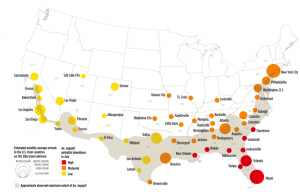
Recent CDC data reports 258 travel-associated cases within the US. Laura Beil with the New York Times describes the worry that pregnant women are now facing after they traveled to affected regions and later were found to have Zika. You can also find a timeline and map of the outbreak here. Here’s a spot of good news though – the European Commission announced on Tuesday that the European Union released $11.1 million for Zika virus research. Rob Stein from NPR discusses the unique cry of babies with Zika-associated birth defects and the stories from the pediatricians and health professionals that are working to help the affected families. “It’s not just that they cry more easily, and longer — which they do. There’s also something strange — harsher and more pained — about the cries of many of these babies.Screen Shot 2016-03-17 at 1.02.48 PM The realization that they even cry differently than normal babies drove home how many mysteries the world is facing because of the Zika virus.” Not surprisingly, ticket sales for the 2016 Summer Olympics have dropped since the announcement of the outbreak. Olympic-related event ticket revenues dropped 56.4% since mid-January. A new research article was just published regarding the seasonal occurrence and abundance of the Aedes mosquito and it’s role in potential Zika transmission within the US – specifically in regards to local transmission. Here’s a great map regarding the estimated risk of transmission within the US. 

Stories You May Have Missed:

  • Use of Microbial Forensics in the Middle East/North Africa Region – The Federation of American Scientists (FSA) prepared a report for the Department of State Bureau of Arms Control and Verification regarding the use of microbial forensics as a means of combating biosecurity challenges. Whether naturally occurring or man-made, biological threats can pose a major challenge. Source recognition is “the key pre-condition that determines how a country will respond to a biological event, or take action in order to interrupt a potential emerging threat, ultimately centers around the ability to properly attribute the culpable sources (pathogens); in other words, governments need to determine the return address of the culpable microbe(s), be they from countries, individuals, or nature itself.”
  • Rice Krispies Food Safety Attack? An employee was recorded urinating on the production line for the cereal manufacturing company in 2014. Kellogg is now under investigation regarding the criminal activity and potential impact of the employee’s actions. I wonder, would you consider this a small-time biological attack?
  • Determinants and Drivers of Infectious Disease Threat Events in Europe – Researchers identified 17 drivers of infectious diseases threat events (IDTEs), categorizing them into 3 groups: globalization and environment, sociodemographic, and public health systems. They found that a combination of two or more drivers was responsible for most of the IDTEs and the driver “category of globalization and environment contributed to 61% of individual IDTEs, and the top 5 individual drivers of of all IDTEs were travel and tourism, food and water quality, natural environment, global trade, and climate.”

Enjoying your weekly dose of the Pandora Report? Sign up to receive it every week so the fun never ends! 
Pandora Report: 2.19.2016

TGIF! We hope you had a lovely week while avoiding RAW Meal Organic Shake and Meal Replacement products. The FDA recently reported an outbreak of Salmonella Virchow linked to the moringa powder within these products. 11 people across nine states were impacted by the outbreak, leading to an expanded recall due to the contamination. In this week’s Pandora Report, we’re covering Zika virus, CRISPR, GMU’s Biodefense Open House, ISIS use of chemical weapons, and much more. Before we begin, you’ll be happy to hear that as of today, airline passengers flying from Guinea to the US will no longer have to fly through designated airports and undergo screening for Ebola.

Zika Response Plans 
The WHO just released their Zika Strategic Response Framework & Joint Operations Plan for January-June 2016. Within the report, readers can find a timeline of the outbreak, a current situation report (sitrep) and the three objectives, which include surveillance, response, and research. Response strategies include community engagement, control efforts for the Aedes mosquito, and efforts to support and guide “the potential impact on women of childbearing age and those who are pregnant, as well as families with children affected by Zika virus.” The WHO estimates that the community engagement components requires $15.4 million, 10 partners, and will involve public health risk communication, community engagement, and health care personnel. Overall, the WHO estimates that to “kickstart” the international response, it will take $56 million. Fortunately, the World Bank announced it’s commitment of $150 million to combat the growing epidemic. The FDA just released blood donation recommendations related to the outbreak to mitigate risk of contamination. They are recommending that “those at risk of having been infected with the Zika virus should not donate blood for four weeks. These include those who have had Zika virus symptoms or sexual contact with people who have traveled to countries known to have ongoing transmissions.” According to the CDC, as of February 10th, there have been 52 travel-associated Zika virus associated cases in the US. On Thursday, Pope Francis suggested that women could justifiably use contraception to avoid pregnancy in Zika affected countries.

Upcoming Events: SPGIA Master’s Open House and Biodefense Seminar!Biodefense_320x180
Interested in furthering your education and getting to study topics like bioweapons, disease outbreaks, and terrorism? Check out the GMU Master’s Open House on Thursday, February 25th, 6:30pm at our Arlington Campus in Founder’s Hall, Room 126. Dr. Koblentz, GMU biodefense program director and one of our amazing professors, will also be holding an informational session at 7pm. You can even virtually attend if you’re looking to get more details on the biodefense graduate program and what kinds of adventures it entails. Once you’ve gotten your feet wet by attending one of the Open Houses, try our Biodefense Course Sampler on Wednesday, March 2nd, at 7pm in Founders Hall (GMU Arlington Campus), room 502. Dr. Koblentz will be hosting the event to discuss the unique challenges the US faces when it comes to global health security. Ranging from biosafety to natural disasters, and even zombies, this is a great way to get a taste of the GMU Biodefense program! Make sure to RSVP though, since space is limited.

Workshop on Women’s Health in Global Perspective
GMU’s School of Policy, Government, and International Affairs will be hosting this engaging and informational workshop on March 3, 2016 (8:45am-4:45pm), at our Arlington campus, in Founders Hall 111 and 1113. The keynote address will be from Dr. Nancy Lee, director of the Office of Women’s Health in the Department of Health and Human Services. Panels will discuss contraception and prenatal care, violence against women, dealing with disease, cross border concerns, and the role of gender disparities in women’s health outcomes. Lunch will be provided and while this event is free and open to the public, you’ll need to register here.

ISIS Use of Chemical Weapons
On Friday, CIA director John Brennan, confirmed that ISIS fighters have not only utilized chemical weapons, but also have the means and capabilities to make them. Reports indicate that ISIS is capable of making small quantities of chlorine and mustard gas. Brennan also pointed to potential exportation of chemical weapon to the West for financial incentives, noting that “there’s always a potential for that. This is why it’s so important to cut off the various transportation routes and smuggling routes they have used.” Confirmatory lab results from the Organization for the Prohibition of Chemical Weapons (OPCW) established the definitive presence of mustard gas in the attacks on Kurdish forces last year. “The OPCW will not identify who used the chemical agent. But the diplomat, speaking on condition of anonymity because the findings have not yet been released, said the result confirmed that chemical weapons had been used by Islamic State fighters. The samples were taken after the soldiers became ill during fighting against Islamic State militants southwest of Erbil, capital of Iraq’s autonomous Kurdish region.” Given their successful use of mustard gas and growing concerns over development capabilities, Brennan noted that “US intelligence is actively involved in being part of the efforts to destroy ISIS and to get as much insight into what they have on the ground inside Syria and Iraq.”

Ongoing Challenges and Future Considerations for DHS Biosurveillance Efforts 
The US Government Accountability Office (GAO) recently published their findings regarding the Department of Homeland Security’s (DHS) biosurveillance efforts, specifically the National Biosurveillance Integration Center (NBIC) and the BioWatch program. Initial findings in 2009 found that NBIC wasn’t “fully equipped to carry out its mission because it lacked key resources—data and personnel—from its partner agencies, which may have been at least partially the result of collaboration challenges it faced.” Recommendations were made and then in August 2012, NBIC released its Strategic Plan in response to the deficiencies, of which focal points included clarification of its mission and efforts to fulfill its roles of analyzer, coordinator, and innovator. Since 2012 though, GAO has noted several challenges DHS has faced in attempts to justify the BioWatch program. In 2015, “GAO found that DHS lacks reliable information about the current system’s technical capabilities to detect a biological attack, in part because in the 12 years since BioWatch’s initial deployment, DHS has not developed technical performance requirements for the system. GAO reported in September 2015 that DHS commissioned tests of the current system’s technical performance characteristics, but without performance requirements, DHS cannot interpret the test results and draw conclusions about the system’s ability to detect attacks.” Based off their findings, GAO recommended DHS not pursue the upgrades it was considering to the program. Some of the changes NBIC will be pursuing include its modification to the Daily Monitoring List  and better integration of projections and forecasts. You can find the report here, which also includes a table regarding benefits and challenges for structural changes within NBIC. Coincidentally, there was a webinar this week on “Defending Against Bioterror with Improved BioWatch Standards”. During the webinar, the presenters (Dr. Georges Benjamin and Dr. Bruce Budowle) emphasized that BioWatch is an integrated system that “needs to be used with care and caution, but it’s really a marvelous piece of technology.” They also spent time discussing how PCR results may pose problematic for end users and how BioWatch “is a good investment that should continue”.

Mental Health Challenges in Ebola Fighters
The 2014 outbreak left untold damages upon the affected countries. Unfortunately, mental health is one that may have gone unnoticed. While doctors and nurses raced to respond to the outbreak, the response to mental health was given little thought. Fighters in the Ebola battle are now fighting personal struggles with alcoholism, depression, and drug addiction. In countries that have even fewer mental health professionals than medical doctors, many are in desperate need. Some of these include young men that signed up to bury the bodies of Ebola patients in the grassy mud within Liberia. Drew Hinshaw discusses how these “burial boys” found themselves digging graves for their own children and are now left struggling to find work and are suffering from severe PTSD and the emotional effects of such an ordeal. “Liberia has just one psychiatrist for a population of four million, according to the health ministry. Sierra Leone, home to seven million, also has only one. The mental-health wing of the Liberian health ministry has just two staffers on payroll.” The truth is simple- the impact of an outbreak of this magnitude, especially within impoverished countries, has rippling effects that go on for years. Perhaps future outbreak response and preparedness models should include mental health support during and following the outbreak?

Stories You May Have Missed:

  • Future of CRISPR– CRISPR technology has been making headlines since it’s initial discovery, especially with Science naming it the Breakthrough of the Year. Its ease of use has raised many red flags for those within the science and biosecurity community. One of its discoverers, Jennifer Doudna, worked to answer questions and dispel concerns regarding mis-use, stating that “she considers it one of her responsibilities as a researcher to ensure that she educates people about the technology and listens to their questions and concerns about its use. She says one of her biggest fears is “waking up one morning and reading about the first CRISPR baby, and having that create a public backlash where people ban or regulators shut this down, and I think that could be very detrimental to the progress of the field.”
  • UK Parliament Report – Lesson Learned from Ebola – The UK Parliament has released their findings on the 2014 Ebola outbreak and the UK’s response efforts. Pointing to the necessity of strong and reliable communication, they emphasized that research must be started swiftly during such events. “The willingness of Government agencies, third sector organisations, health and aid workers, universities, and pharmaceutical companies to go above and beyond to help tackle the outbreak was phenomenal. The swift pace at which clinical trials were approved and conducted particularly stood out.” For updates on the outbreak, you can see the WHO sitrep here.
  • MERS-CoV Updates – A new report from Emerging Infectious Diseases discusses the infection of alpacas in a region where MERS-CoV is endemic. Given the susceptibility of alpacas, this could broaden the geographical distribution of potential cases. Walter Reed Army Institute of Research (WRAIR) has started a Phase 1 clinical trial (the first to be tested in humans) for a MERS-CoV vaccine.

Enjoying your weekly dose of the Pandora Report? Sign up to receive it every week so the fun never ends! 

Pandora Report 12.11.2015

If you’re in Boston and enjoying a Chipotle burrito bowl, you may want to put the fork down. As many as 80 cases of norovirus were reported in association with a Boston Chipotle. The norovirus surge occurs just months after the multi-state Chipotle-linked E. coli 026 outbreak. This week we’re discussing superbugs Star Wars style, the decline of infectious disease specialists, Ebola lab stories from the field, and much more. Fun history fact Friday: on December 7, 1941, Pearl Harbor was bombed and on December 10, 1901, the first Nobel Prizes were awarded in Stockholm, Sweden 

“Phantom Menace” Superbug?
In a lab far, far away… How could we resist a Star Wars reference to antibiotic resistance? A recent CDC MMWR reported a growing incidence of a particularly concerning antibiotic-resistant organism. Carbapenem-resistant Enterobacteriaceae (CRE) are continuing to raise concerns due to cases related to endoscopic retrograde cholangiopancreatography (ERCP) scopes. Since it’s discovery, global health experts (including the CDC) have been keeping a close eye on CRE transmission and cases. A variant of CRE, called OXA-48-type carbapenemase, was seen in Enterobacteriaceae in Turkey in 2001. 52 isolates of CRE producing OXA-48-like carbapenemases were found in 43 patients in the US from June 2010-August 2015. A study in 2012 first referenced OXA-48-like carbapenemases as the phantom menace. The concerning issue with this particular CRE strain, aside from its known-resistance, is the growing emergence in the US. The difficulty in treatment and extreme care for isolation precautions makes patient care challenging. Interestingly, for those patients who provided a travel history, the majority (66%) had traveled internationally within the year before specimen collection and 55% were actually hospitalized outside the US for at least one night. The US cases involved several clusters and were spread across 19 states. Even more worrying, the laboratory diagnosis is tricky as “most U.S. clinical laboratories that test for CRE organisms wouldn’t identify this particular type of bacteria because it’s not part of standard testing.” The increase in cases and ease of hospital transmission are just a few more reasons why antimicrobial stewardship is so vital. May the force be with you!

Ebola Surveillance & Lab Response SeminarIMG_4700
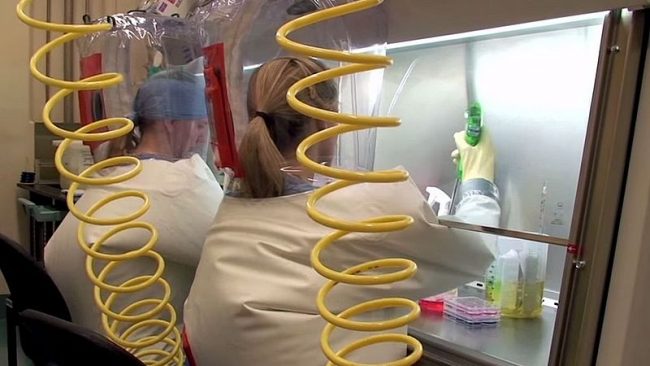
In case you missed GMU’s seminar on global health security on Monday, 12/7, here’s a recap! Speakers included Dr. Matthew Lim (Senior Policy Advisor for Global Health Security, HHS, fmr Civil-Military Liaison Officer to WHO), Jeanette Coffin (Section Manager, Biosurveillance Division, MRIGlobal), and Phil Davis (Associate Scientist with MRIGlobal). Ms. Coffin and Mr. Davis discussed the operations, supported by the Defense Threat Reduction Agency’s (DTRA) Cooperative Biological Engagement Program (CBEP). The mobile lab was launched in December 2014. With only six weeks to train, prepare staff, acquire equipment, deliver, assemble, and much more, it’s a pretty impressive feat that this team pulled off. Ms. Coffin and Mr. Davis discussed how they were able to reduce much of the travel delay and time lag for Ebola testing results. Using equipment to perform RNA extraction and PCR’s, lab technicians were working in tight quarters in Moyamba and Lakka, Sierra Leone. To date, the DTRA-CBEP mobile lab operations tested 7,242 samples for Ebola. While they discussed many of the strengths like flexibility, relationship with vendors, and self-containment, there were also several challenges. Difficulties ranged from inadequate power and internet, to road reliability, food/water safety, haggling, and security issues related to petty theft and missing supply containers. Sustainability was heavily discussed as their expected withdrawal is June 2016 and the team hopes to provide education for ongoing surveillance. Next, Dr. Matthew Lim spoke of the history and impact this outbreak had on global health security. He emphasized “how much this has overturned the paradigm we have about health and security”. Dr. Lim’s discussion was fascinating in that he speaks from experience at both the WHO and HHS, pointing to the role of member states and how WHO funding cutbacks impacted outbreak response. He noted that the Global Health Security Agenda heavily emphasizes partnership of it’s 50 state members, NGO’s, and within the 11 action packages. He explained that global health affairs, in many ways, join foreign policy and health policy, highlighting the need for less siloing and more partnership to help encourage capacity measures. Overall, the standing-room-only seminar touched on both the operational struggles and the overarching role of global health security in both the Ebola outbreak, but also future preparedness efforts.

Daesh and Chem/Bioweapons?
The UK and France have moved to call ISIS, “Daesh”, to remove the association with Islam. Given Daesh’s use of mustard gas, is bioterrorism a stretch? Sandra Maksimovic-Sara of Outbreak News Today discusses their attempts to obtain biological and chemical weapons as a means of using non-conventional weapons to change their modus operandi. While she doesn’t mention tacit knowledge, Maksimovic-Sara notes that “for a biological and chemical terrorist attack, there must be some know-how and background and a professional approach, which is so far away from impatient aggressive Islamic terrorists gathered in Daesh. They want fast track acts and fast track results.” While preparedness efforts must account for a variety of attacks, it’s vital to remember technical limitations. As Dr. Sonia Ben Ouagrham-Gormley noted, tacit knowledge is a significant hurdle for non-state actors to overcome in their quest for bioweapons.

To Quarantine or Not To Quarantine? 
The fallout of the 2014 West Africa Ebola outbreak is still ongoing and while many US hospitals feel they are better prepared to handle cases, there are many that experienced negative treatment related to preparedness efforts. There have been several returned travelers from the affected countries that were put into quarantine upon arrival in their home country. While many were involved in patient care, there are several that had no interaction with patients and experienced what many would call, “fearbola“. While quarantine efforts are important for those that may have had patient interaction, risk assessments are vital. Sheri Fink of The New York Times notes that several states “have the legal authority to impose quarantines, often exceeded those guidelines, restricting the movements of returning health workers and others.” Many who were quarantined experienced public harassment, media scrutiny, and some have filed lawsuits for civil rights violations.

France’s Bioterrorism Preparedness
Given the November terrorist attacks in Paris, it’s not surprising that France is looking to ramp up their biodefense efforts. Following the arrival of a third generation vaccine, France has decided to revise its smallpox preparedness and response plans. Last revisited in 2006, the plan is to vaccinate first responders and healthcare professionals that are most likely to identify and care for smallpox cases. Smallpox has long been an organism of concern for bioweapon applications. In coordination with the Secrétariat Général de la Défense et la Security Nationale, (SGDSN- General Secretariat for Defense and National Security) these plans will include the new vaccine, Imvanex, that was developed by the Danish biotech company, Bavarian Nordic, “on behalf of the US under Bioshield”. While the new plan involves “circles” of people, the new transgenic vaccine has vastly decreased the side effects that were commonly associated with first and second generational variola vaccines. In the past, smallpox vaccines were associated with high volumes of side effects, which was a roadblock to previous mass-vaccination efforts as a biodefense strategy. France has several biopreparedness strategies that include a syndromic surveillance program, SurSaUD, a White Plan, and many other efforts to prevent, identify, and respond to health security threats. The updated French plans hope to “frustrate and deter terrorists” as well as respond to concerns of re-emerging infectious diseases. Elisande Nexon presents an overview of France’s biopreparedness efforts and the public health threats they may encounter. While the November attacks in Paris will most likely initiate additional changes to France’s biopreparedness, their existing methods are extensive and reveal national support for biodefense.

Stories You May Have Missed:

  • Infectious Disease Specialists on the Decline – The National Resident Matching Program (responsible for matching medical students with specialty training programs) announced that of the 335 infectious disease fellowship positions available, only 218 were filled. This is especially concerning as it follows several years of low matching for infectious disease positions. The Infectious Disease Society of America has even begun brainstorming recruiting tactics for what many consider a “thinking specialty” that may not have the glamor or pay that draws students into the field. Speaking from experience as an infection preventionist, the infectious disease physicians I have worked with were by far the most dedicated, intelligent, and passionate people. I think we can all safely agree that the world needs more infectious disease specialists, especially following outbreaks like those of Ebola and Zika virus.
  • USAMRIID Supported Study Traces Ebola Outbreak – a recent study lead by USAMRIID found that a majority of the Liberian Ebola cases “can be traced back to a form of the virus transmitted from Sierra Leone”. The sequencing of hundreds of isolates also supports the role of high-density neighborhoods as an accelerant for the outbreak. Interestingly, researchers found that the Ebola strain diversified in Liberia prior to being transmitted to cases in Guinea and Mali.
  • Yamuna River Harbors High Volume of Antibiotic-Resistant Organisms – Researchers found that the Yamuna river in Dehli, India, had an alarmingly high amount of resistant organisms. There were large quantities of several organisms found that showed resistance to many common antibiotics like ampicillin, streptomycin, etc.
  • MERS Was the Most 2015 Googled Word in Korea – also considered Korea’s “hottest” Twitter issue, MERS became the most searched topic after the first patient was confirmed on May 20th.

Pandora Report 10.23.2015

Happy Infection Prevention Week! Make sure to give any infection preventionists you know a big hug or at least a hearty handshake (only clean hands though!). Not only do we get to celebrate National Infection Prevention week, but it’s also National Biosafety Stewardship Month, so get your party hand sanitizer ready to go and let the frivolity begin! Foodborne illness is the name of the game this week and we’ll be discussing outbreaks. Friendly reminder – the influenza vaccine is available in most offices/clinics now, so get your flu shot as there have already been cases springing up across the US. Fun fact – did you know that a report published this week identified Yersinia pestis in the tooth of a Bronze Age individual, which means there were plague infected humans 3,300 years earlier than we thought!

National Biosafety Stewardship Month – October is National Biosafety Stewardship Month (thanks NIH!) to celebrate and encourage people to focus on biosafety policies, practices, and procedures. Given the lab biosafety issues we’ve seen recently, I think we can all safely (or should I say, “biosafely”?) agree that a little extra attention to these issues and the promotion of better practices is a great thing. Institutions are encouraged to use more of a just culture approach to incident reporting and to promote public transparency. Happy National Biosafety Stewardship Month!

Water Quality for the Olympic Games in Rio De Janeiro, 2016
The 2016 Summer Olympics are fast approaching and with any large event, health issues become a main concern. The WHO is providing technical advice to the Brazilian national authorities regarding public health concerns, as well as to the International Olympic Committee and the Local Organizing Committee. Clean drinking water, sewage pollution, and a host of other health issues can become a nightmare during such a large-scale event. While there aren’t recommendations for specific viral testing of the water, the WHO does encourage additional testing in the event of an outbreak. Sanitary inspections and other preventative procedures are being recommended to avoid outbreaks and public health issues. As we get closer to the 2016 Olympics, it is very likely concerns over vector-borne diseases will be addressed through vector control and public health education.

CDC Launches Redesigned FOOD Tool for Foodborne Outbreaks 

Courtesy of CDC FOOD Tool

The CDC has updated their online foodborne illness outbreak investigation tool! The Foodborne Outbreak Online Database Tool (FOOD Tool) allows the user to search the outbreak database by state, food, ingredient, year, location of food preparation, and organism. The FOOD Tool also provides the case information related to the outbreak, so users can see the number of affected persons, hospitalizations, deaths and laboratory-confirmed organisms. This database pulls from CDC’s Foodborne Disease Outbreak Surveillance System (FDOSS) and allows users to not only look at data and trends over time, but also compare their cases to other outbreaks.

Syrian Refugee Resettlement and Why We Should Be Letting Them All In 
Dr. Trevor Thrall, one of our amazing GMU Biodefense professors, has written a piece for The Atlantic on the importance and benefits of taking in all Syrian refugees. Dr. Thrall discusses the limitations of addressing the root cause of the Syrian conflict and how the US and its European allies should take in refugees. Discussing the military alternatives to the Syrian crisis, he states, “going in militarily is not the answer, then. Instead, those civilians under threat should get out. Refugees typically receive support in the countries to which they flee, but the vast numbers involved in this case threaten to overwhelm Turkey, Jordan, and Lebanon, which have so far accommodated the vast majority of the outflow.” Dr. Thrall points out that while resettlement would cost a substantial amount of money, it would cost far less than military intervention and you simply can not ignore the moral superiority in aiding refugees.

Chipotle’s Bad Tomatoes Came From Nation’s Largest Field Producer
To our readers in Minnesota, did you happen to eat at a Chipotle in August? If so, we hope you weren’t one of the affected individuals that contracted Salmonella Newport as a result of contaminated tomatoes. The Minnesota Department of Health investigated the 64 cases resulting from this outbreak, however it was just released that the contaminated tomatoes were actually supplied by Six L’s Packing Co (doing business as Lipman Produce), which is actually one of the largest tomato suppliers in the US. Packing 15 million boxes of tomatoes this past year, Lipman was later dropped as a supplier by Chipotle after learning of the source of contaminated produce. The tomatoes were removed but it’s estimated that during the window of exposure, roughly 560,000 people consumed Chipotle. The good news is that we’re out of the incubation period, so if you happened to eat at a Minnesota Chipotle, you’re in the clear.

Stories You May Have Missed:

  • 80 Illnesses Linked to Shigella Outbreak; CA Seafood Restaurant Closed –  Mariscos San Juan in San Jose, CA is currently closed after the Santa Clara County Health Department connected a recent outbreak of Shigella to their food. While the exact source hasn’t been identified, over 93 people were sickened in relation to contaminated food at the restaurant.
  • Subway to Phase Out Poultry Products Raised With Antibiotics–  On Tuesday, Subway Restaurants announced that they will be transitioning to only serve poultry products that have been raised without antibiotics by early next year. Other chain restaurants, like Chick-fil-A and Chipotle, are jumping on the train to phase out chicken and turkey products that were raised with antibiotics.
  • Scottish Nurse and Ebola Complications – Pauline Cafferkey continues to battle post-Ebola complications. Reports last week noted neurological issues and it was recently reported that she has meningitis after the virus persisted in her brain and CSF after her initial recovery. Ongoing research is looking into the long-term effects of the disease as the West African outbreak was the largest in history and researchers have never had the opportunity to look at chronic issues associated with disease recovery.

Pandora Report 10.2

All this rain and grey weather (at least in DC) makes us want to curl up with a good book and luckily, we’ve got just the reading list! This week we’re sharing some top-notch work by our phenomenal faculty and alumni for you to enjoy. Earlier this week, straight out of a James Bond movie, Elon Musk presented Tesla’s Model X and its Bioweapon Defense Mode. Google had its 2015 Science Fair and a pretty amazing high school student took home top honors for her work on Ebola. Did I mention Kansas is prepping for the zombie apocalypse? Needless to say, there was a lot going on this week in the world of biodefense, so let’s venture down the rabbit hole….

 Zombie Preparedness Month Starts for Kansas 
I’m thinking we may need to take a class trip to Kansas since Governor, Sam Brownback, will be signing a proclamation to officially designate October as “Zombie Preparedness Month”! Brownback’s rationale is to emphasize preparedness in any form, stating, “If you’re prepared for zombies, you’re prepared for anything. Although an actual zombie apocalypse will never happen, the preparation for such an event is the same as for any disaster: make a disaster kit, have a plan, and practice it.” During Zombie Preparedness Month, state emergency management services will have activities and information for residents to help get their preparedness on. They’ll also be using social media to engage people people on these topics. The one thing we’ve learned in biodefense, Gov. Brownback, is to never say never!

Connecticut Teen Wins Google Science Award By Developing Affordable Ebola Test
High school junior, Olivia Hallisey, just took home the Google Science Fair top prize for developing an affordable and easy Ebola test in her project, “Ebola Assay Card”, which quickly (we’re talking 30 minutes quick!) detects the virus and doesn’t require refrigeration. Each test only costs $25 and picks up antigens on photo paper. Hallisey summarizes, “In this new device, that is stable and stored at room temperature, 30µl drops of water were used to dissolve silk-embedded reagents, initiating a timed-flow towards a center detection zone, where a positive (colored) result confirmed the presence of 500pg/ml Ebola(+)control antigens in 30min, at a cost of $25,” Hallisey hopes this project will encourage other girls to pursue their passions in science. Hallisey is truly an inspiration and we tip our hats to her passion for solving world problems while encouraging her peers!

Let’s Talk Dual-Use!
Come listen and chat with Dr. David R. Franz, former commander of USAMRIID, about balancing research and regulations when it comes to dual-use!
Date & Time: Monday, October 5, 2015, 4:30-6pm
Location: Hanover Hall, L-003 George Mason University, Fairfax, VA, see map

​Dr. Franz was the Chief Inspector on three United Nations Special Commission biological warfare inspection missions to Iraq and served as technical advisor on long-term monitoring.  He also served as a member of the first two US-UK teams that visited Russia in support of the Trilateral Joint Statement on Biological Weapons and as a member of the Trilateral Experts’ Committee for biological weapons negotiations.  He previously served as member of the National Science Advisory Board for Biosecurity (NSABB). Dr. Franz currently serves on several committees including the National Academy of Sciences Committee on International Security and Arms Control and the National Research Council Board on Life Sciences. Dr. Franz is a leader in the areas of cooperative threat reduction and health security and an expert in the development of U.S. regulations for biological threat reduction and biological security.  Dr. Franz will discuss the history and current debates related to U.S. and international regulations for select agents, dual use research of concern, and gain-of-function experiments.

1977 H1N1 Influenza Reemergence Reveals Gain-of-Function Hazards
Dr. Martin Furmanski discusses the gain-of-function (GoF) research hazards in relation to the 1977 H1N1 strain and it’s laboratory origins. Highlighting a previous article on the GoF debate, Dr. Furmanski notes that “separating the risks of vaccine development from those of basic GoF research is inappropriate, because GoF research seeks to discover antigenic and genomic changes that facilitate human-to-human transmission and/or augment virulence, with the aim of preemptively producing vaccines.” He also notes that while the 1977 H1N1 epidemic originated in a lab and it’s release was unintentional, the culprit laboratory matters little in the GoF debate.

Define Acceptable Cyberspace Behavior
GMU Biodefense alum, Dr. Daniel M. Gerstein, discusses the US-China cybersecurity agreement and the Friday announcement between Chinese Premier Xi Jinping and President Barack Obama. The agreement highlights the mutual desire to prevent cybertheft of business secrets. Dr. Gerstein emphasizes that while this agreement is a step in the right direction, it points to larger preparedness and response capability gaps. He notes, “So while a U.S.-China agreement is a welcome step, it also underscores the greater issues facing the United States, and indeed the international community, in this largely ungoverned space.” Dr. Gerstein highlights the necessity to define cyberspace boundaries, especially as there are delays in DHS security system deployments while US vulnerabilities continue to develop.

Implementation for the US Government Policy for Institutional Oversight of Life Sciences Dual Use Research of Concern
As of September 24, 2015, all institutions and USG funded agencies are now required to comply with the policies. Agencies now must have “a mechanisms in place to evaluate research that is potentially Dual Use Research of Concern (DURC).” Institutions must also organize an Institutional Review Entity (IRE) to review and manage compliance with these requirements.

Dr. Sonia Ben Ouagrham-Gormley’s  new book, Barriers to Bioweapons, received glowing reviews in the latest issue of Perspective on Politics. Her work, which is a staple for biodefense courses, and particularly this text, focusses on the perception of risk and lethality of bioweapons while addressing the realities of these assumptions. Ouagrham-Gormley discusses the key role of tacit versus explicit knowledge in the development and dissemination barriers for bioweapons. “The author identifies important factors internal to a weapons-development program- talented individuals and cohesive groups, corporate culture, communities of practice, organization structure- as critical nodes or ‘reservoirs’ of knowledge that must be configured to optimize the sharing of ideas and information.” The case studies of Iraqi and South African programs, as well as Aum Shinrikyo, lay the foundation for her points on the role of internal and external variables that can hinder or help a bioweapons program. Whether you’re reading  it for class (GMU Biodefense folks, I’m looking at you!) or you’re looking to brush up on nonproliferation, this book is a well-written and captivating necessity to understand bioweapon development. Did I mention how awesome the cover is?
Our very own GMU Biodefense PhD alum, Dr. Denise N. Baken, has a wonderful new book being released – let’s check it out! Al Qaeda : The Transformation of Terrorism in the Middle East and North Africa examines violence and the way it is marketed by the global terrorism industry.  Authors Denise Baken and Ioannis Mantzikos frame the violence discussion through the prism of its use by Al Qaeda, Al Qaeda in the Arabian Peninsula (AQAP) and Islamic State of Iraq and Syria (ISIS).Baken and Mantzikos look at the business parameters of violence –its cost, return on investment, efficiency, and effectiveness; They propose a new approach to that violence. One that looks at violence as a controlled commodity that evolved from Al Qaeda’s initial presentation of future possibilities, AQAP exploited those possibilities and ISIS pushed the boundaries of usability.
Stories You May Have Missed:

Pandora Report 9.18.2015

What an interesting week! Ongoing salmonella cases, imported plague in Michigan, ISIS was found to be using chemical weapons, and a new prion disease was discovered. Pretty busy in the world of biodefense, I’d say. The Pandora Report is also fortunate to share with you a great piece by one of our graduate students, Greg Mercer, who tapped into Google Trends to look at ISIS nomenclature, and an upcoming book written by Dr. Brian Mazanec, regarding cyber warfare. So sit back and relax while we catch up on the week’s biodefense news.

US Confirmation of Islamic State Chemical Weapons

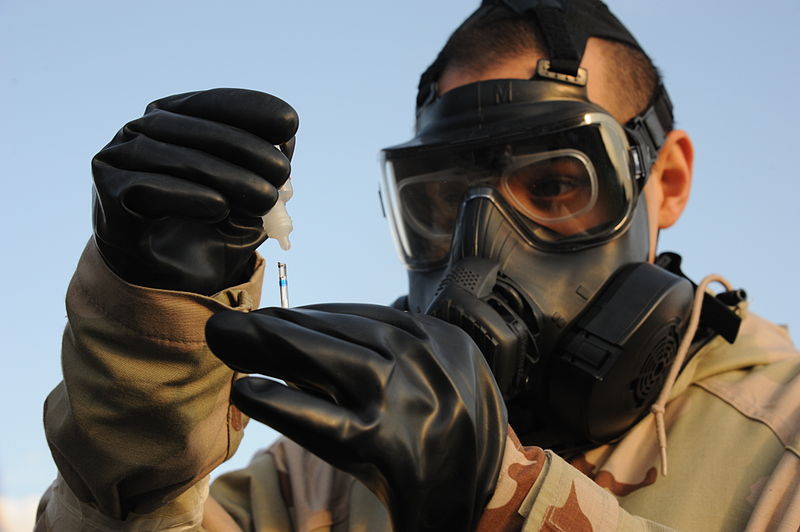
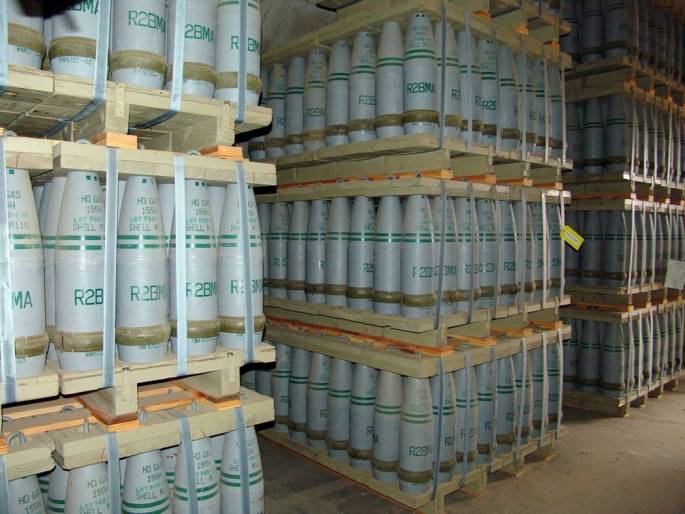
Operational_Readiness_Exercise_121014-F-LP903-827Sulfur mustard traces were found on fragments of ordnance used by the Islamic State, as well as on scraps of clothing from victims in Syria and Iraq. There have been several accounts by Kurdish officials that have claimed chemicals, like chlorine, were dispersed this summer, which is concerning for the ongoing use of these internationally banned substances. Testing done in the US was reported by officials on Friday, September 11, 2015, stating that, “there’s no doubt ISIS has used this,”. Officials have also said that the chemical residue recently found does not match known chemical ordinance that was used in the former Iraqi inventory. Overall, the use of chemical weapons is highly distressing and the method of acquisition, either manufacturing or from undeclared stocks, is under investigation.

Michigan Experiences Imported Plague Case

 A Michigan woman is the second case of bubonic plague that was traced back to the Little Rainbow area of Colorado. The Michigan resident was visiting family in Salida, CO during a music festival in late August. While her exact exposure hasn’t been established, she became ill after returning home and was hospitalized shortly thereafter. Lucky for the diagnosticians, she displayed textbook plague symptoms, leading to CDC involvement and antimicrobial treatment. Fortunately, she was released from the hospital and is beginning the long road to recovery, although it’s probably the last time she’ll attend that particular music festival or go hiking around it….

The So-Called Islamic State 2
By Greg Mercer

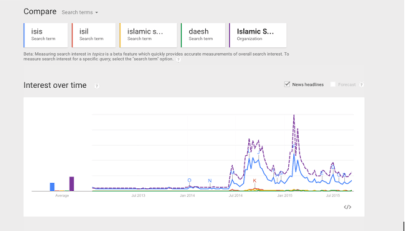
In February, I wrote about a topic that had been puzzling me- the contentious nomenclature of the Islamic State, or ISIS, or ISIL, or Daesh.  I decided to revisit this question now that the issue is a staple in the news, and that we’re probably saying it more frequently while thinking less about what we call it.  So I fired up my good friend Google Trends[1] again to take a look.  Google is a decent measure of public interest in a subject.  It’s the most popular search engine[2] in the world, with 66.78% of search volume worldwide as of August 2015.

Last time, I found that ISIS was the most popular term by a fair amount.[3]  This seems to be true this time around too, which isn’t terribly surprising.  Here’s what I got:
Screen Shot 2015-09-17 at 6.24.26 PM


This time around, ISIS is still the most popular, but Google’s added a feature that tells us a little more.  While I suspected that the terrorist organization was driving most of the searches for ISIS before, it’s true that ISIS is the only of the names that has other popular uses, notably an Egyptian goddess, a think tank, and of course a fictional intelligence organization.  The new “topics” option in Google Trends lets us identify search volume for an entire subject.  The dotted purple line indicates all searches for the organization, regardless of naming specifics.  Since the searches for “ISIS” specifically and all of the searches for the organization are strongly correlated, it’s safe to say that mythology enthusiasts, nuclear scholars, and Archer fans aren’t skewing the trends.

It’s also still the case that search volumes for all of the names spike with major news events- no surprise there.

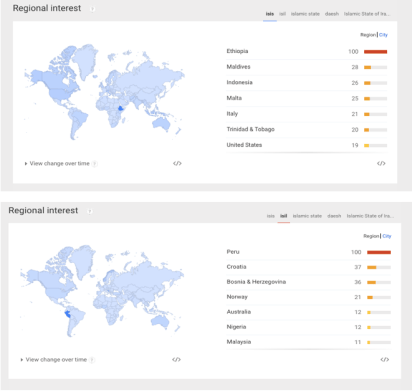
I also found the search trends by country interesting, here’s a look at the different terms and how they show up globally:

Screen Shot 2015-09-17 at 7.33.14 PM
Click on image to see Google Trend analysis and additional graphs


A couple of takeaways:  Looking at the organization as a whole, the two most interested parties (by Google search) are Iraq and Iran.  That’s not too surprising.  Iran is also #1 for “Daesh”, which is used in both Arabic and Farsi and is considered more a disparaging name.  In fact, the Iranian foreign minister told Iranian state media in January (fair warning, this links to Iran Daily) that he hates the term “Islamic State” and prefers “Daesh.”  In my earlier article, I noted that other foreign policy practitioners share this sentiment, and prefer a name that doesn’t recognize the organization as a state or representative of Islam.  This is also definitely the least popular name in mainstream American media.[4]  Ethiopia and Peru are the highest by volume for ISIS and ISIL, respectively, neither of which I would have expected offhand.

It’s interesting to see how these trends break down, and to look at a single massive political issue and international crisis with such a proliferation of terms.  I think the name that finally sticks remains to be seen.

[1] This links to the search parameters I used for this article, so you can play around with the data.
[2] This site is really cool if you’re into this sort of thing- you can see what site users choose based on browser, operating system, and device type.
[3] Personally, I tried ISIL in the name of accurate translation, but I tended to use ISIS when being flippant, and then it ended up sticking.
[4] To get anecdotal, the only person I’ve heard use it is my buddy who does Arabic translation and Middle East studies for a living.

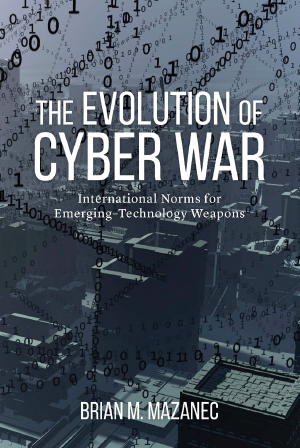
The Evolution of Cyber War

Screen Shot 2015-09-18 at 6.39.11 AMGMU’s very own, Dr. Brian Mazanec, delves into the world of cyber warfare and the reality of this threat. “Already, major cyber attacks have affected countries around the world: Estonia in 2007, Georgia in 2008, Iran in 2010, and most recently the United States. As with other methods of war, cyber technology can be used not only against military forces and facilities but also against civilian targets. Information technology has enabled a new method of warfare that is proving extremely difficult to combat, let alone defeat.” Available on November 1, 2015, we’re excited to share Brian’s phenomenal work!

Stories You May Have Missed:

  • Flu vaccination rates went up a bit for the 2014/2015 season, however, the efficacy was only 18% due to an antigenic drift. Fortunately, vaccination compliance for healthcare workers increased and overall rates showed that women were more likely than men to get vaccinated.
  • The Australian government will pass a new law, the “No Jab, No Pay Bill“, that will penalize parents who don’t vaccinate their children by withholding child care and other payments.
  • An additional 77 cases of Salmonella Poona were reported since September 9, 2015, related to the multi-state cucumber outbreak. The total infected is now 418 people across 31 states, with 91 hospitalizations.
  • A new prion disease has been identified by a team of scientists led by Stanley Prusiner. Their report outlines the discovery and the potentially infectious nature of this new prion.

Pandora Report 8.16.15

It looks like the blog isn’t the only place with a lull during the summer. This week was oddly slow for news; maybe it’s an August thing? For our top stories we’ve got ISIS with chemical weapons and, from our neighbor to the north, a disease diagnosing fabric. We’ve even got a few stories you may have missed.

Have a great week!

U.S. Investigating ‘Credible’ Reports that ISIS Used Chemical Weapons

The U.S. is investigating what it believes are credible reports that ISIS fighters used mustard agent against Kurdish Peshmerga fighters in Makhmour in Northern Iraq. ISIS posted about the attack on social media, but American officials have stated they have independent information that left them believing that a chemical weapon was used. A German Ministry of Defense spokesman echoed that they cannot confirm or rule out that a chemical weapons attack occurred. The major question for U.S. officials is to determine if it was mustard gas, and if so, how ISIS came to possess it.

CNN—“Blake Narenda, a spokesperson for the State Department’s Arms Control, Verification and Compliance Bureau, said, “We continue to take these and all allegations of chemical weapons use very seriously. As in previous instances of alleged ISIL use of chemicals as weapons, we are aware of the reports and are seeking additional information. We continue to monitor these reports closely, and would further stress that use of any chemicals or biological material as a weapon is completely inconsistent with international standards and norms regarding such capabilities.”

CNN has previously reported claims from monitoring groups that ISIS used chlorine weapons against Kurdish forces.”

Halifax Scientist Develops High-Tech Fabric that Helps Diagnose Diseases

Yes, you read that right. Christa Brosseau, an analytical chemist at Saint Mary’s University in Halifax, Nova Scotia, is working on the development of a chemical sensor which can be built into fabric and can detect diseases like tuberculosis, malaria, and HIV/AIDS.  How is this even possible? First the scientists make Nanoparticles, then aggregate those particles which ends up as a silver Nanoparticle paste. That paste can be placed on a fabric chip and it then ready to use. The fabric chip interacts with bodily fluids like sweat, saliva, or urine, and is then scanned for information.

CTV—“The technology picks up disease biomarkers and the scientists are able to get results in approximately 30 seconds, by using hand held units, the size of a TV remote control, to scan the samples. The size of the units makes them convenient for working in the field.

Eventually, the scientists hope to see the technology deployed in exercise headbands, or cloth inserts in infant diapers, to better monitor the state of health.”

Stories You May Have Missed

Image Credit: U.S. Army

Pandora Report 8.9.15

My apologies for lack of update last weekend…but that means a SUPER UPDATE this weekend! This week marked the 70th anniversary of atomic bombs being dropped in Japan. Rather than find an insufficient story that attempted to address the gravity of that event, we’re focusing on a successful Ebola vaccine trial, UN consensus on Syrian chemical weapons, and airplane bathrooms (because I can’t help myself when I see a story like that!) We’ve also got stories you may have missed.

Have a great week!

Vaccine Success Holds Hope for End to Deadly Scourge of Ebola

Some great news from West Africa: an Ebola vaccine trial in Guinea has returned results that are 100% effective. 4,000 people who had been in close contact with a confirmed Ebola case showed complete protection after ten days. A ring vaccination strategy—where those who have close contact with an infected person—was used, and after success was demonstrated, the vaccine is now being extended to 13-17 year olds, and possibly 6-12 year old children.

Reuters—“The success of the Guinea trial is a big relief for researchers, many of whom feared a sharp decline in cases this year would scupper their hopes of proving a vaccine could work. Another major trial in Liberia, which had aimed to recruit some 28,000 subjects, had to stop enrolling after only reaching its mid-stage target of 1,500 participants. Plans for testing in Sierra Leone were also scaled back. That left the study in Guinea, where Ebola is still infecting new victims, as the only real hope for demonstrating the efficacy of a vaccine.”

U.N. Approves Resolution on Syria Chemical Weapons

The UN Security Council unanimously—yes, even Russia—adopted a resolution aimed at identifying those responsible for the use of chemical weapons in Syria over the past two years. The resolution established an investigative body that would assign blame for the attacks “so that the perpetrators can be brought to justice.”

Salt Lake Tribune—“‘Pointing a finger matters,” U.S. Ambassador Samantha Power told the council. “This sends a clear and powerful message to all those involved in chemical weapons attacks in Syria that the [new investigative body] will identify you if you gas people.” But she added that prosecuting perpetrators will take time because there is still no tribunal to investigate alleged crimes during the war in Syria, which has killed at least 250,000 people since it began in March 2011, according to the U.N.”

Airplane Toilets Can Help Researchers Find Disease Outbreaks

A recent study in Scientific Reports finds that researchers can tell what continent you’re from and give early indication of disease outbreaks, all from the poop left in airplanes. (I think this is the first time I’ve been able to say “poop” here on the blog.) The researchers gathered samples from 18 airplanes that departed from nine cities and landed in Copenhagen and were able to identify continental trends. Microbes from Southeast Asia had higher incidence of antibiotic resistance; food transmitted microbes were also more frequent in the Southeast Asian samples; and C. diff was much more common in the North American samples.

Popular Science—“These findings led the researchers to believe that they could start to create a typical microbiome for each continent. And any big shifts that happen in their makeup—say, the concentration of C. diff rises dramatically in samples from Southeast Asia—could indicate a growing public health issue. If it’s caught early enough, public health officials could take preventative action.”

Stories You May Have Missed


Image Credit: CDC Global

Pandora Report 7.19.15

An out of town visitor and a newly rescued pet have kept me very busy this week. Luckily, the news was very straightforward—the nuclear deal with Iran and ISIS with their chemical weapons. We’ve even got a few stories you may have missed.

Have a great week!

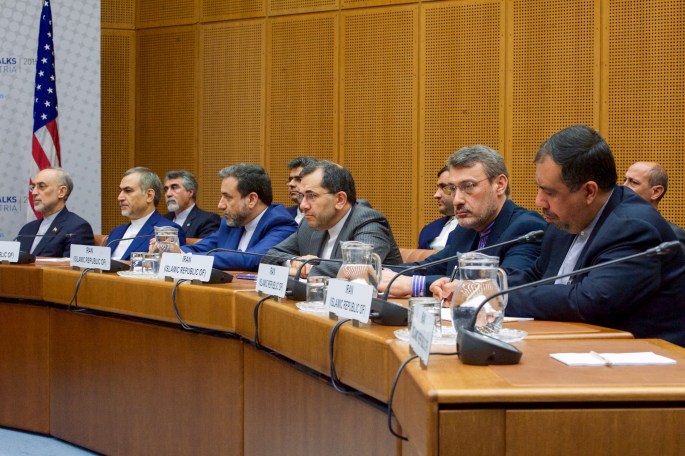
A Historic Deal to Prevent Iran from Acquiring a Nuclear Weapon

After two years in the making, the P5+1 settled negotiations to reach a comprehensive, long-term nuclear deal with Iran this week. Despite satisfaction with the outcome, many say that the deal will not end Iran’s nuclear weapons ambitions and will not change Iranian policy towards the USDick Cheney responded that the deal makes use of nuclear weapons use more likely and former Senator Jim Webb said the deal weighs in Iran’s favor. Nevertheless, the Obama administration seems pleased with the deal and will work on its passage.

DipNote—“President Obama said “I am confident that this deal will meet the national security interests of the United States and our allies. So I will veto any legislation that prevents the successful implementation of this deal. We do not have to accept an inevitable spiral into conflict. And we certainly shouldn’t seek it.’”

ISIS Has Fired Chemical Mortar Shells, Evidence Indicates

It seems like déjà vu all over again as reports this week said that the Islamic State appears to have manufactured rudimentary chemical weapons and attacked Kurdish positions in Iraq and Syria, evidently multiple times in multiple weeks. Investigators reported that the incidents seemed to involve toxic industrial or agricultural chemicals repurposed as weapons. This could signal “a potential escalation of the group’s capabilities” though, is not without precedent.

The New York Times—“In the clearest recent incident, a 120-millimeter chemical mortar shell struck sandbag fortifications at a Kurdish military position near Mosul Dam on June 21 or 22, the investigators said, and caused several Kurdish fighters near where it landed to become ill.”

Stories You May Have Missed

 Image Credit: U.S. Department of State