Pandora Report 10.23.2015

Happy Infection Prevention Week! Make sure to give any infection preventionists you know a big hug or at least a hearty handshake (only clean hands though!). Not only do we get to celebrate National Infection Prevention week, but it’s also National Biosafety Stewardship Month, so get your party hand sanitizer ready to go and let the frivolity begin! Foodborne illness is the name of the game this week and we’ll be discussing outbreaks. Friendly reminder – the influenza vaccine is available in most offices/clinics now, so get your flu shot as there have already been cases springing up across the US. Fun fact – did you know that a report published this week identified Yersinia pestis in the tooth of a Bronze Age individual, which means there were plague infected humans 3,300 years earlier than we thought!

National Biosafety Stewardship Month – October is National Biosafety Stewardship Month (thanks NIH!) to celebrate and encourage people to focus on biosafety policies, practices, and procedures. Given the lab biosafety issues we’ve seen recently, I think we can all safely (or should I say, “biosafely”?) agree that a little extra attention to these issues and the promotion of better practices is a great thing. Institutions are encouraged to use more of a just culture approach to incident reporting and to promote public transparency. Happy National Biosafety Stewardship Month!

Water Quality for the Olympic Games in Rio De Janeiro, 2016
The 2016 Summer Olympics are fast approaching and with any large event, health issues become a main concern. The WHO is providing technical advice to the Brazilian national authorities regarding public health concerns, as well as to the International Olympic Committee and the Local Organizing Committee. Clean drinking water, sewage pollution, and a host of other health issues can become a nightmare during such a large-scale event. While there aren’t recommendations for specific viral testing of the water, the WHO does encourage additional testing in the event of an outbreak. Sanitary inspections and other preventative procedures are being recommended to avoid outbreaks and public health issues. As we get closer to the 2016 Olympics, it is very likely concerns over vector-borne diseases will be addressed through vector control and public health education.

CDC Launches Redesigned FOOD Tool for Foodborne Outbreaks 

Courtesy of CDC FOOD Tool

The CDC has updated their online foodborne illness outbreak investigation tool! The Foodborne Outbreak Online Database Tool (FOOD Tool) allows the user to search the outbreak database by state, food, ingredient, year, location of food preparation, and organism. The FOOD Tool also provides the case information related to the outbreak, so users can see the number of affected persons, hospitalizations, deaths and laboratory-confirmed organisms. This database pulls from CDC’s Foodborne Disease Outbreak Surveillance System (FDOSS) and allows users to not only look at data and trends over time, but also compare their cases to other outbreaks.

Syrian Refugee Resettlement and Why We Should Be Letting Them All In 
Dr. Trevor Thrall, one of our amazing GMU Biodefense professors, has written a piece for The Atlantic on the importance and benefits of taking in all Syrian refugees. Dr. Thrall discusses the limitations of addressing the root cause of the Syrian conflict and how the US and its European allies should take in refugees. Discussing the military alternatives to the Syrian crisis, he states, “going in militarily is not the answer, then. Instead, those civilians under threat should get out. Refugees typically receive support in the countries to which they flee, but the vast numbers involved in this case threaten to overwhelm Turkey, Jordan, and Lebanon, which have so far accommodated the vast majority of the outflow.” Dr. Thrall points out that while resettlement would cost a substantial amount of money, it would cost far less than military intervention and you simply can not ignore the moral superiority in aiding refugees.

Chipotle’s Bad Tomatoes Came From Nation’s Largest Field Producer
To our readers in Minnesota, did you happen to eat at a Chipotle in August? If so, we hope you weren’t one of the affected individuals that contracted Salmonella Newport as a result of contaminated tomatoes. The Minnesota Department of Health investigated the 64 cases resulting from this outbreak, however it was just released that the contaminated tomatoes were actually supplied by Six L’s Packing Co (doing business as Lipman Produce), which is actually one of the largest tomato suppliers in the US. Packing 15 million boxes of tomatoes this past year, Lipman was later dropped as a supplier by Chipotle after learning of the source of contaminated produce. The tomatoes were removed but it’s estimated that during the window of exposure, roughly 560,000 people consumed Chipotle. The good news is that we’re out of the incubation period, so if you happened to eat at a Minnesota Chipotle, you’re in the clear.

Stories You May Have Missed:

  • 80 Illnesses Linked to Shigella Outbreak; CA Seafood Restaurant Closed –  Mariscos San Juan in San Jose, CA is currently closed after the Santa Clara County Health Department connected a recent outbreak of Shigella to their food. While the exact source hasn’t been identified, over 93 people were sickened in relation to contaminated food at the restaurant.
  • Subway to Phase Out Poultry Products Raised With Antibiotics–  On Tuesday, Subway Restaurants announced that they will be transitioning to only serve poultry products that have been raised without antibiotics by early next year. Other chain restaurants, like Chick-fil-A and Chipotle, are jumping on the train to phase out chicken and turkey products that were raised with antibiotics.
  • Scottish Nurse and Ebola Complications – Pauline Cafferkey continues to battle post-Ebola complications. Reports last week noted neurological issues and it was recently reported that she has meningitis after the virus persisted in her brain and CSF after her initial recovery. Ongoing research is looking into the long-term effects of the disease as the West African outbreak was the largest in history and researchers have never had the opportunity to look at chronic issues associated with disease recovery.

Pandora Report 10.2

All this rain and grey weather (at least in DC) makes us want to curl up with a good book and luckily, we’ve got just the reading list! This week we’re sharing some top-notch work by our phenomenal faculty and alumni for you to enjoy. Earlier this week, straight out of a James Bond movie, Elon Musk presented Tesla’s Model X and its Bioweapon Defense Mode. Google had its 2015 Science Fair and a pretty amazing high school student took home top honors for her work on Ebola. Did I mention Kansas is prepping for the zombie apocalypse? Needless to say, there was a lot going on this week in the world of biodefense, so let’s venture down the rabbit hole….

 Zombie Preparedness Month Starts for Kansas 
I’m thinking we may need to take a class trip to Kansas since Governor, Sam Brownback, will be signing a proclamation to officially designate October as “Zombie Preparedness Month”! Brownback’s rationale is to emphasize preparedness in any form, stating, “If you’re prepared for zombies, you’re prepared for anything. Although an actual zombie apocalypse will never happen, the preparation for such an event is the same as for any disaster: make a disaster kit, have a plan, and practice it.” During Zombie Preparedness Month, state emergency management services will have activities and information for residents to help get their preparedness on. They’ll also be using social media to engage people people on these topics. The one thing we’ve learned in biodefense, Gov. Brownback, is to never say never!

Connecticut Teen Wins Google Science Award By Developing Affordable Ebola Test
High school junior, Olivia Hallisey, just took home the Google Science Fair top prize for developing an affordable and easy Ebola test in her project, “Ebola Assay Card”, which quickly (we’re talking 30 minutes quick!) detects the virus and doesn’t require refrigeration. Each test only costs $25 and picks up antigens on photo paper. Hallisey summarizes, “In this new device, that is stable and stored at room temperature, 30µl drops of water were used to dissolve silk-embedded reagents, initiating a timed-flow towards a center detection zone, where a positive (colored) result confirmed the presence of 500pg/ml Ebola(+)control antigens in 30min, at a cost of $25,” Hallisey hopes this project will encourage other girls to pursue their passions in science. Hallisey is truly an inspiration and we tip our hats to her passion for solving world problems while encouraging her peers!

Let’s Talk Dual-Use!
Come listen and chat with Dr. David R. Franz, former commander of USAMRIID, about balancing research and regulations when it comes to dual-use!
Date & Time: Monday, October 5, 2015, 4:30-6pm
Location: Hanover Hall, L-003 George Mason University, Fairfax, VA, see map

​Dr. Franz was the Chief Inspector on three United Nations Special Commission biological warfare inspection missions to Iraq and served as technical advisor on long-term monitoring.  He also served as a member of the first two US-UK teams that visited Russia in support of the Trilateral Joint Statement on Biological Weapons and as a member of the Trilateral Experts’ Committee for biological weapons negotiations.  He previously served as member of the National Science Advisory Board for Biosecurity (NSABB). Dr. Franz currently serves on several committees including the National Academy of Sciences Committee on International Security and Arms Control and the National Research Council Board on Life Sciences. Dr. Franz is a leader in the areas of cooperative threat reduction and health security and an expert in the development of U.S. regulations for biological threat reduction and biological security.  Dr. Franz will discuss the history and current debates related to U.S. and international regulations for select agents, dual use research of concern, and gain-of-function experiments.

1977 H1N1 Influenza Reemergence Reveals Gain-of-Function Hazards
Dr. Martin Furmanski discusses the gain-of-function (GoF) research hazards in relation to the 1977 H1N1 strain and it’s laboratory origins. Highlighting a previous article on the GoF debate, Dr. Furmanski notes that “separating the risks of vaccine development from those of basic GoF research is inappropriate, because GoF research seeks to discover antigenic and genomic changes that facilitate human-to-human transmission and/or augment virulence, with the aim of preemptively producing vaccines.” He also notes that while the 1977 H1N1 epidemic originated in a lab and it’s release was unintentional, the culprit laboratory matters little in the GoF debate.

Define Acceptable Cyberspace Behavior
GMU Biodefense alum, Dr. Daniel M. Gerstein, discusses the US-China cybersecurity agreement and the Friday announcement between Chinese Premier Xi Jinping and President Barack Obama. The agreement highlights the mutual desire to prevent cybertheft of business secrets. Dr. Gerstein emphasizes that while this agreement is a step in the right direction, it points to larger preparedness and response capability gaps. He notes, “So while a U.S.-China agreement is a welcome step, it also underscores the greater issues facing the United States, and indeed the international community, in this largely ungoverned space.” Dr. Gerstein highlights the necessity to define cyberspace boundaries, especially as there are delays in DHS security system deployments while US vulnerabilities continue to develop.

Implementation for the US Government Policy for Institutional Oversight of Life Sciences Dual Use Research of Concern
As of September 24, 2015, all institutions and USG funded agencies are now required to comply with the policies. Agencies now must have “a mechanisms in place to evaluate research that is potentially Dual Use Research of Concern (DURC).” Institutions must also organize an Institutional Review Entity (IRE) to review and manage compliance with these requirements.

Dr. Sonia Ben Ouagrham-Gormley’s  new book, Barriers to Bioweapons, received glowing reviews in the latest issue of Perspective on Politics. Her work, which is a staple for biodefense courses, and particularly this text, focusses on the perception of risk and lethality of bioweapons while addressing the realities of these assumptions. Ouagrham-Gormley discusses the key role of tacit versus explicit knowledge in the development and dissemination barriers for bioweapons. “The author identifies important factors internal to a weapons-development program- talented individuals and cohesive groups, corporate culture, communities of practice, organization structure- as critical nodes or ‘reservoirs’ of knowledge that must be configured to optimize the sharing of ideas and information.” The case studies of Iraqi and South African programs, as well as Aum Shinrikyo, lay the foundation for her points on the role of internal and external variables that can hinder or help a bioweapons program. Whether you’re reading  it for class (GMU Biodefense folks, I’m looking at you!) or you’re looking to brush up on nonproliferation, this book is a well-written and captivating necessity to understand bioweapon development. Did I mention how awesome the cover is?
Our very own GMU Biodefense PhD alum, Dr. Denise N. Baken, has a wonderful new book being released – let’s check it out! Al Qaeda : The Transformation of Terrorism in the Middle East and North Africa examines violence and the way it is marketed by the global terrorism industry.  Authors Denise Baken and Ioannis Mantzikos frame the violence discussion through the prism of its use by Al Qaeda, Al Qaeda in the Arabian Peninsula (AQAP) and Islamic State of Iraq and Syria (ISIS).Baken and Mantzikos look at the business parameters of violence –its cost, return on investment, efficiency, and effectiveness; They propose a new approach to that violence. One that looks at violence as a controlled commodity that evolved from Al Qaeda’s initial presentation of future possibilities, AQAP exploited those possibilities and ISIS pushed the boundaries of usability.
Stories You May Have Missed:

Pandora Report 9.18.2015

What an interesting week! Ongoing salmonella cases, imported plague in Michigan, ISIS was found to be using chemical weapons, and a new prion disease was discovered. Pretty busy in the world of biodefense, I’d say. The Pandora Report is also fortunate to share with you a great piece by one of our graduate students, Greg Mercer, who tapped into Google Trends to look at ISIS nomenclature, and an upcoming book written by Dr. Brian Mazanec, regarding cyber warfare. So sit back and relax while we catch up on the week’s biodefense news.

US Confirmation of Islamic State Chemical Weapons

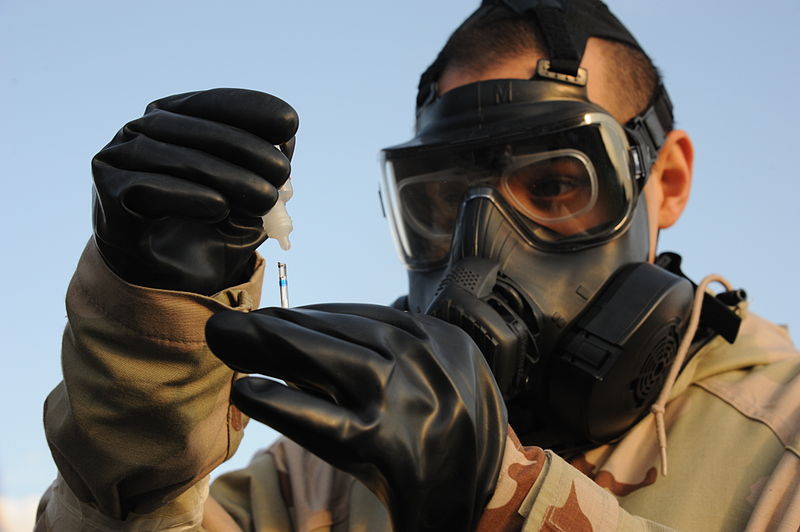
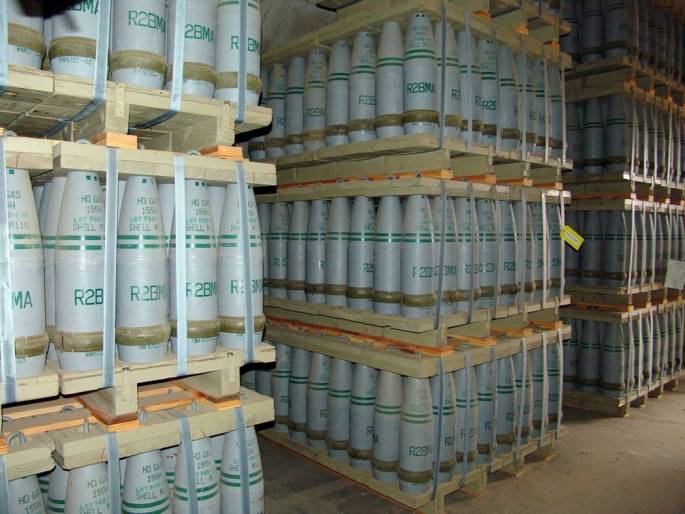
Operational_Readiness_Exercise_121014-F-LP903-827Sulfur mustard traces were found on fragments of ordnance used by the Islamic State, as well as on scraps of clothing from victims in Syria and Iraq. There have been several accounts by Kurdish officials that have claimed chemicals, like chlorine, were dispersed this summer, which is concerning for the ongoing use of these internationally banned substances. Testing done in the US was reported by officials on Friday, September 11, 2015, stating that, “there’s no doubt ISIS has used this,”. Officials have also said that the chemical residue recently found does not match known chemical ordinance that was used in the former Iraqi inventory. Overall, the use of chemical weapons is highly distressing and the method of acquisition, either manufacturing or from undeclared stocks, is under investigation.

Michigan Experiences Imported Plague Case

 A Michigan woman is the second case of bubonic plague that was traced back to the Little Rainbow area of Colorado. The Michigan resident was visiting family in Salida, CO during a music festival in late August. While her exact exposure hasn’t been established, she became ill after returning home and was hospitalized shortly thereafter. Lucky for the diagnosticians, she displayed textbook plague symptoms, leading to CDC involvement and antimicrobial treatment. Fortunately, she was released from the hospital and is beginning the long road to recovery, although it’s probably the last time she’ll attend that particular music festival or go hiking around it….

The So-Called Islamic State 2
By Greg Mercer

In February, I wrote about a topic that had been puzzling me- the contentious nomenclature of the Islamic State, or ISIS, or ISIL, or Daesh.  I decided to revisit this question now that the issue is a staple in the news, and that we’re probably saying it more frequently while thinking less about what we call it.  So I fired up my good friend Google Trends[1] again to take a look.  Google is a decent measure of public interest in a subject.  It’s the most popular search engine[2] in the world, with 66.78% of search volume worldwide as of August 2015.

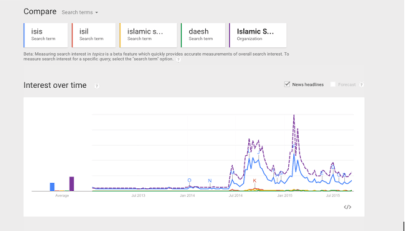
Last time, I found that ISIS was the most popular term by a fair amount.[3]  This seems to be true this time around too, which isn’t terribly surprising.  Here’s what I got:
Screen Shot 2015-09-17 at 6.24.26 PM


This time around, ISIS is still the most popular, but Google’s added a feature that tells us a little more.  While I suspected that the terrorist organization was driving most of the searches for ISIS before, it’s true that ISIS is the only of the names that has other popular uses, notably an Egyptian goddess, a think tank, and of course a fictional intelligence organization.  The new “topics” option in Google Trends lets us identify search volume for an entire subject.  The dotted purple line indicates all searches for the organization, regardless of naming specifics.  Since the searches for “ISIS” specifically and all of the searches for the organization are strongly correlated, it’s safe to say that mythology enthusiasts, nuclear scholars, and Archer fans aren’t skewing the trends.

It’s also still the case that search volumes for all of the names spike with major news events- no surprise there.

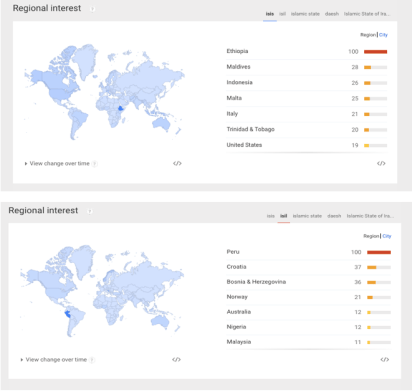
I also found the search trends by country interesting, here’s a look at the different terms and how they show up globally:

Screen Shot 2015-09-17 at 7.33.14 PM
Click on image to see Google Trend analysis and additional graphs


A couple of takeaways:  Looking at the organization as a whole, the two most interested parties (by Google search) are Iraq and Iran.  That’s not too surprising.  Iran is also #1 for “Daesh”, which is used in both Arabic and Farsi and is considered more a disparaging name.  In fact, the Iranian foreign minister told Iranian state media in January (fair warning, this links to Iran Daily) that he hates the term “Islamic State” and prefers “Daesh.”  In my earlier article, I noted that other foreign policy practitioners share this sentiment, and prefer a name that doesn’t recognize the organization as a state or representative of Islam.  This is also definitely the least popular name in mainstream American media.[4]  Ethiopia and Peru are the highest by volume for ISIS and ISIL, respectively, neither of which I would have expected offhand.

It’s interesting to see how these trends break down, and to look at a single massive political issue and international crisis with such a proliferation of terms.  I think the name that finally sticks remains to be seen.

[1] This links to the search parameters I used for this article, so you can play around with the data.
[2] This site is really cool if you’re into this sort of thing- you can see what site users choose based on browser, operating system, and device type.
[3] Personally, I tried ISIL in the name of accurate translation, but I tended to use ISIS when being flippant, and then it ended up sticking.
[4] To get anecdotal, the only person I’ve heard use it is my buddy who does Arabic translation and Middle East studies for a living.

The Evolution of Cyber War

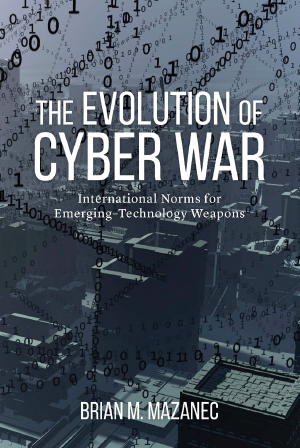
Screen Shot 2015-09-18 at 6.39.11 AMGMU’s very own, Dr. Brian Mazanec, delves into the world of cyber warfare and the reality of this threat. “Already, major cyber attacks have affected countries around the world: Estonia in 2007, Georgia in 2008, Iran in 2010, and most recently the United States. As with other methods of war, cyber technology can be used not only against military forces and facilities but also against civilian targets. Information technology has enabled a new method of warfare that is proving extremely difficult to combat, let alone defeat.” Available on November 1, 2015, we’re excited to share Brian’s phenomenal work!

Stories You May Have Missed:

  • Flu vaccination rates went up a bit for the 2014/2015 season, however, the efficacy was only 18% due to an antigenic drift. Fortunately, vaccination compliance for healthcare workers increased and overall rates showed that women were more likely than men to get vaccinated.
  • The Australian government will pass a new law, the “No Jab, No Pay Bill“, that will penalize parents who don’t vaccinate their children by withholding child care and other payments.
  • An additional 77 cases of Salmonella Poona were reported since September 9, 2015, related to the multi-state cucumber outbreak. The total infected is now 418 people across 31 states, with 91 hospitalizations.
  • A new prion disease has been identified by a team of scientists led by Stanley Prusiner. Their report outlines the discovery and the potentially infectious nature of this new prion.

Pandora Report 8.16.15

It looks like the blog isn’t the only place with a lull during the summer. This week was oddly slow for news; maybe it’s an August thing? For our top stories we’ve got ISIS with chemical weapons and, from our neighbor to the north, a disease diagnosing fabric. We’ve even got a few stories you may have missed.

Have a great week!

U.S. Investigating ‘Credible’ Reports that ISIS Used Chemical Weapons

The U.S. is investigating what it believes are credible reports that ISIS fighters used mustard agent against Kurdish Peshmerga fighters in Makhmour in Northern Iraq. ISIS posted about the attack on social media, but American officials have stated they have independent information that left them believing that a chemical weapon was used. A German Ministry of Defense spokesman echoed that they cannot confirm or rule out that a chemical weapons attack occurred. The major question for U.S. officials is to determine if it was mustard gas, and if so, how ISIS came to possess it.

CNN—“Blake Narenda, a spokesperson for the State Department’s Arms Control, Verification and Compliance Bureau, said, “We continue to take these and all allegations of chemical weapons use very seriously. As in previous instances of alleged ISIL use of chemicals as weapons, we are aware of the reports and are seeking additional information. We continue to monitor these reports closely, and would further stress that use of any chemicals or biological material as a weapon is completely inconsistent with international standards and norms regarding such capabilities.”

CNN has previously reported claims from monitoring groups that ISIS used chlorine weapons against Kurdish forces.”

Halifax Scientist Develops High-Tech Fabric that Helps Diagnose Diseases

Yes, you read that right. Christa Brosseau, an analytical chemist at Saint Mary’s University in Halifax, Nova Scotia, is working on the development of a chemical sensor which can be built into fabric and can detect diseases like tuberculosis, malaria, and HIV/AIDS.  How is this even possible? First the scientists make Nanoparticles, then aggregate those particles which ends up as a silver Nanoparticle paste. That paste can be placed on a fabric chip and it then ready to use. The fabric chip interacts with bodily fluids like sweat, saliva, or urine, and is then scanned for information.

CTV—“The technology picks up disease biomarkers and the scientists are able to get results in approximately 30 seconds, by using hand held units, the size of a TV remote control, to scan the samples. The size of the units makes them convenient for working in the field.

Eventually, the scientists hope to see the technology deployed in exercise headbands, or cloth inserts in infant diapers, to better monitor the state of health.”

Stories You May Have Missed

Image Credit: U.S. Army

Pandora Report 8.9.15

My apologies for lack of update last weekend…but that means a SUPER UPDATE this weekend! This week marked the 70th anniversary of atomic bombs being dropped in Japan. Rather than find an insufficient story that attempted to address the gravity of that event, we’re focusing on a successful Ebola vaccine trial, UN consensus on Syrian chemical weapons, and airplane bathrooms (because I can’t help myself when I see a story like that!) We’ve also got stories you may have missed.

Have a great week!

Vaccine Success Holds Hope for End to Deadly Scourge of Ebola

Some great news from West Africa: an Ebola vaccine trial in Guinea has returned results that are 100% effective. 4,000 people who had been in close contact with a confirmed Ebola case showed complete protection after ten days. A ring vaccination strategy—where those who have close contact with an infected person—was used, and after success was demonstrated, the vaccine is now being extended to 13-17 year olds, and possibly 6-12 year old children.

Reuters—“The success of the Guinea trial is a big relief for researchers, many of whom feared a sharp decline in cases this year would scupper their hopes of proving a vaccine could work. Another major trial in Liberia, which had aimed to recruit some 28,000 subjects, had to stop enrolling after only reaching its mid-stage target of 1,500 participants. Plans for testing in Sierra Leone were also scaled back. That left the study in Guinea, where Ebola is still infecting new victims, as the only real hope for demonstrating the efficacy of a vaccine.”

U.N. Approves Resolution on Syria Chemical Weapons

The UN Security Council unanimously—yes, even Russia—adopted a resolution aimed at identifying those responsible for the use of chemical weapons in Syria over the past two years. The resolution established an investigative body that would assign blame for the attacks “so that the perpetrators can be brought to justice.”

Salt Lake Tribune—“‘Pointing a finger matters,” U.S. Ambassador Samantha Power told the council. “This sends a clear and powerful message to all those involved in chemical weapons attacks in Syria that the [new investigative body] will identify you if you gas people.” But she added that prosecuting perpetrators will take time because there is still no tribunal to investigate alleged crimes during the war in Syria, which has killed at least 250,000 people since it began in March 2011, according to the U.N.”

Airplane Toilets Can Help Researchers Find Disease Outbreaks

A recent study in Scientific Reports finds that researchers can tell what continent you’re from and give early indication of disease outbreaks, all from the poop left in airplanes. (I think this is the first time I’ve been able to say “poop” here on the blog.) The researchers gathered samples from 18 airplanes that departed from nine cities and landed in Copenhagen and were able to identify continental trends. Microbes from Southeast Asia had higher incidence of antibiotic resistance; food transmitted microbes were also more frequent in the Southeast Asian samples; and C. diff was much more common in the North American samples.

Popular Science—“These findings led the researchers to believe that they could start to create a typical microbiome for each continent. And any big shifts that happen in their makeup—say, the concentration of C. diff rises dramatically in samples from Southeast Asia—could indicate a growing public health issue. If it’s caught early enough, public health officials could take preventative action.”

Stories You May Have Missed


Image Credit: CDC Global

Pandora Report 7.19.15

An out of town visitor and a newly rescued pet have kept me very busy this week. Luckily, the news was very straightforward—the nuclear deal with Iran and ISIS with their chemical weapons. We’ve even got a few stories you may have missed.

Have a great week!

A Historic Deal to Prevent Iran from Acquiring a Nuclear Weapon

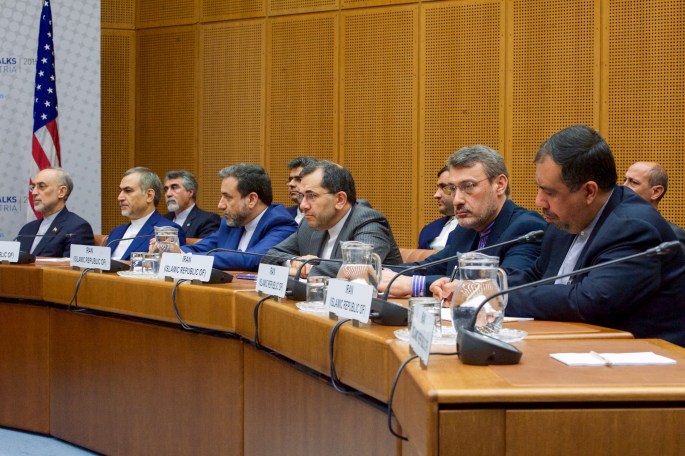
After two years in the making, the P5+1 settled negotiations to reach a comprehensive, long-term nuclear deal with Iran this week. Despite satisfaction with the outcome, many say that the deal will not end Iran’s nuclear weapons ambitions and will not change Iranian policy towards the USDick Cheney responded that the deal makes use of nuclear weapons use more likely and former Senator Jim Webb said the deal weighs in Iran’s favor. Nevertheless, the Obama administration seems pleased with the deal and will work on its passage.

DipNote—“President Obama said “I am confident that this deal will meet the national security interests of the United States and our allies. So I will veto any legislation that prevents the successful implementation of this deal. We do not have to accept an inevitable spiral into conflict. And we certainly shouldn’t seek it.’”

ISIS Has Fired Chemical Mortar Shells, Evidence Indicates

It seems like déjà vu all over again as reports this week said that the Islamic State appears to have manufactured rudimentary chemical weapons and attacked Kurdish positions in Iraq and Syria, evidently multiple times in multiple weeks. Investigators reported that the incidents seemed to involve toxic industrial or agricultural chemicals repurposed as weapons. This could signal “a potential escalation of the group’s capabilities” though, is not without precedent.

The New York Times—“In the clearest recent incident, a 120-millimeter chemical mortar shell struck sandbag fortifications at a Kurdish military position near Mosul Dam on June 21 or 22, the investigators said, and caused several Kurdish fighters near where it landed to become ill.”

Stories You May Have Missed

 Image Credit: U.S. Department of State

Pandora Report 7.11.15

Sorry for the late update here at Pandora Report. We’ve got how the plague turned so deadly, an Ebola update, and of course other stories you may have missed.

Have a great week!

These Two Mutations Turned Not-so-Deadly Bacteria Into the Plague

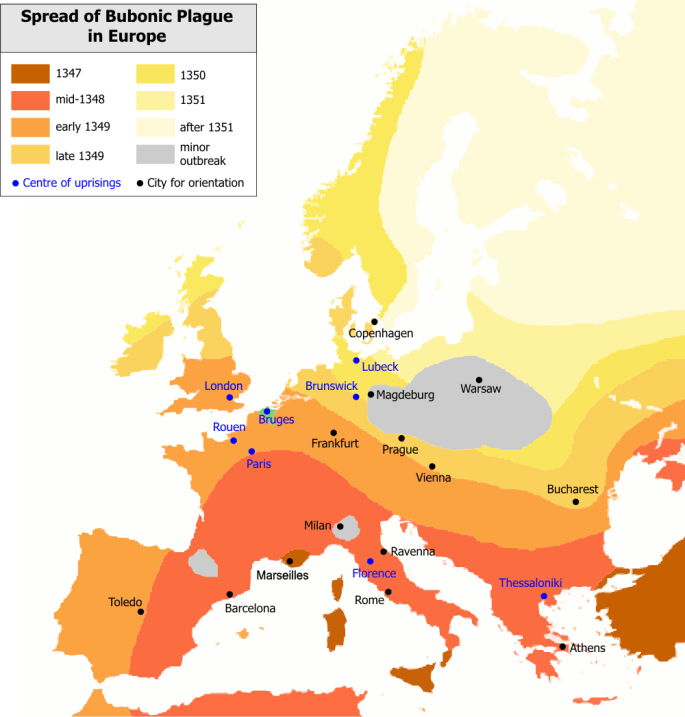
Researchers at Northwestern University have been investigating how Yersinia pestis—the bacteria that causes bubonic, pneumonic, and septicemic plague—became the infective cause of the Black Death. They discovered two mutations that help to explain the bacteria’s lethality.

Smithsonian.com—“The first mutation gave the bacteria the ability to make a protein called Pla. Without Pla, Y. pestis couldn’t infect the lungs. The second mutation allowed the bacteria to enter deeper into the bodies, say through a bite, to infect blood and the lymphatic system. In other words, first the plague grew deadly, then it found a way to leap more easily from infected fleas or rodents to humans.

Ebola Strain Found on Teen in Liberia Genetically Similar to Viruses in Same Area Months Ago

I’m sure you’ve heard that there were three new cases of Ebola in Liberia—a country that was declared free of the disease on May 9. According to the World Health Organization, samples taken from a teenager who died from Ebola two weeks prior indicate that the disease is genetically similar to strains that infected people in the same area over six months ago—while the outbreak was still ongoing.

US News and World Report—“That finding by genetic sequencing suggests it is unlikely the virus was caught from travel to infected areas of Guinea or Sierra Leone, the group said. “It also makes it unlikely that this has been caused by a new emergence from a natural reservoir, such as a bat or other animal,” it said.”

Stories You May Have Missed

Image Credit: en.wikipedia

Pandora Report 6.28.15

It was a big week, right? The Supreme Court was making declarations and in California the General Assembly was making some decisions of their own. We’ve got the mandate for childhood vaccines in California, World War II chemical weapons testing, and other stories you may have missed.

There will be no news round up next week, in honor of one of my favorite holidays, Independence Day! I’ll be wearing red, white, and blue, watching July 4th themed movies, and celebrating with all the American spirit I can muster. I wish all of you the same!

See you back here in July!

California Passes Bill to Require Vaccines and Ban Religious Exemptions

On Thursday, the California State Assembly passed SB 277, which mandates that children attending day care or public school must be vaccinated. The bill eliminated personal-belief and religious exemptions. Largely, this bill was in response to the outbreak of measles that began at Disneyland last year. Children who cannot receive vaccinations for medical reasons can still receive the vaccine exemption. Governor Jerry Brown is expected to sign the bill into law.

Slate—“The New York Times quoted Christina Hildebrand, the founder of A Voice for Choice, a nonprofit organization that has lobbied against the bill, about her unsuccessful campaign to stop this legislation, “There are large numbers of parents who are very concerned about the fact that we’re going to have mandated medical treatment against a fundamental right to education. Parental freedom is being taken away by this, because the fear of contagion is trumping it.’”

Secret World War II Chemical Experiments Tested Troops by Race

According to documents declassified in the 1990s, the U.S. Army conducted secret chemical weapons tests on minority soldiers in order to determine the effect weapons had on non-white skin. African-American and Puerto Rican soldiers were tested upon to see if their darker pigment made them less susceptible to the weapons. Japanese-Americans were used to determine how the weapons would affect enemy Japanese soldiers. The soldiers were subjected to mustard gas and lewisite and volunteered for the assignment.

NPR—“All of the World War II experiments with mustard gas were done in secret and weren’t recorded on the subjects’ official military records. Most do not have proof of what they went through. They received no follow-up health care or monitoring of any kind. And they were sworn to secrecy about the tests under threat of dishonorable discharge and military prison time, leaving some unable to receive adequate medical treatment for their injuries, because they couldn’t tell doctors what happened to them.”

Stories You May Have Missed

Image Credit: David Monniaux

Pandora Report 6.14.15

I’ve got brunch reservations this morning so the big story about the coming egg shortage is hitting close to home. We’ve also got a story about ISIS’ WMD and a bunch of stories you may have missed.

As a final reminder, the Early Registration Deadline for the Pandemics, Bioterrorism, and International Security is tomorrow, Monday, June 15. For more information and registration, please click here.

Enjoy the rest of your weekend!

Egg Shortage Scrambles U.S. Food Industries

The unprecedented outbreak of avian influenza in the U.S. has meant massive losses in the domestic poultry industry which has left experts warning that U.S. consumers are very likely to see an increase in egg prices. Cases of avian flu have been reported in 15 states, with Iowa and Minnesota being some of the hardest hit. “In Minnesota, the number of lost turkeys represent about 11 percent of our total turkey production…of the chickens we’ve lost that are laying eggs, 32 percent… have been affected by this” In Iowa, about 40 percent of the state’s egg-laying chickens and 11 percent of its turkeys have been affected. All these losses will mean a shortage of whole eggs and other egg-based products.

U.S. News and World Report—“Consumers haven’t felt the pinch too much just yet, but they are unlikely to emerge with their pocketbooks unscathed, [Rick] Brown [Senior VP at Urner Barry, a food commodity research and analysis firm]. He says two-thirds of all eggs produced in the U.S. remain in a shell, many of which are placed in cartons and sold in grocery stores. This stock of eggs has been hit significantly less by the avian flu outbreak than those used in the egg products industry, which Brown says encompasses “everything from mayonnaise to salad dressings to cake mixes to pasta to bread.”

Australian Official Warns of Islamic State Weapons of Mass Destruction

You may have already seen this, since this story was everywhere this week. Julie Bishop, Australia’s Minister for Foreign Affairs, said the Islamic State (ISIS) already has and is already using chemical weapons. Bishop made these comments in an address to the Australia Group—a coalition of 40 countries seeking to limit the spread of biological and chemical weapons. In a follow-up interview, Bishop also said that NATO was concerned about the theft of radioactive material and what that could mean for nuclear weapons proliferation.

The Washington Post—“‘The use of chlorine by Da’ish, and its recruitment of highly technically trained professionals, including from the West, have revealed far more seriou­s efforts in chemical weapons development,” Bishop said, using an alternate name for the Islamic State in a speech reported by the Australian. She did not specify the source of her information.  “… Da’ish is likely to have amongst its tens of thousands of recruits the technical expertise necessary to further refine precursor materials and build chemical weapons.’”

Stories You May Have Missed


Image Credit: Hannahdownes

Pandora Report 6.7.15

We’ve got stories this week about MERS spread in South Korea and Ebola drugs that may already be in your medicine cabinet. We’ve also got some stories you may have missed.

As a reminder, the Early Registration Deadline for the Pandemics, Bioterrorism, and International Security professional education course has been extended to June 15. For more information and registration, please click here.

Enjoy the rest of your weekend!

South Korea Grapples to Contain MERS as 1,369 in Quarantine

The big story this week is MERS in South Korea. Last week we reported that there were five cases. As of Friday, the number has jumped to 36 confirmed cases and three deaths. Hundreds of schools have closed in an effort to prevent further spreading of the disease, which arrived in a 68-year old index patient who had traveled in Saudi Arabia, Qatar, the United Arab Emirates, and Bahrain. Many in public health have been surprised by the extent of the outbreak in South Korea because the virus has not been shown to pass easily from human to human and the health care system is “considered to be sophisticated and modern.”

CNN—“‘This is quite unusual. I think this is the only country, apart from those in the Middle East, that has such a number of cases,” said [Dr. Leo] Poon [a virology expert at the School of Public Health at the University of Hong Kong, who worked on the SARS outbreak more than a decade ago]. “It’s not entirely surprising. In the Middle East, people in Saudi Arabia had hospital outbreaks where a few people got infected. It’s a similar situation at the moment.’”

Drugs to Fight Ebola May Already Be in Your Medicine Cabinet, Study Suggests

A team from USAMRIID, the University of Virginia, and Horizon Discovery Inc. have been working to determine if any existing drugs could be used to fight Ebola. Using 2,635 compounds, including FDA-approved drugs, amino acids, food additives, vitamins and minerals they discovered a possible answer could already be in your medicine cabinet—Zoloft and Vascor.

The LA Times—“But Zoloft (also known by the generic name sertraline) and Vascor (generic name bepridil) had more encouraging results. Of the 10 mice that got Zoloft, seven survived for 28 days. Even better, all 10 of the mice treated with Vascor were still alive 28 days after [Ebola] infection. For the sake of comparison, all of the untreated mice that served as controls were dead within nine days.”

Stories You May Have Missed


Image Credit: Shikhlinski