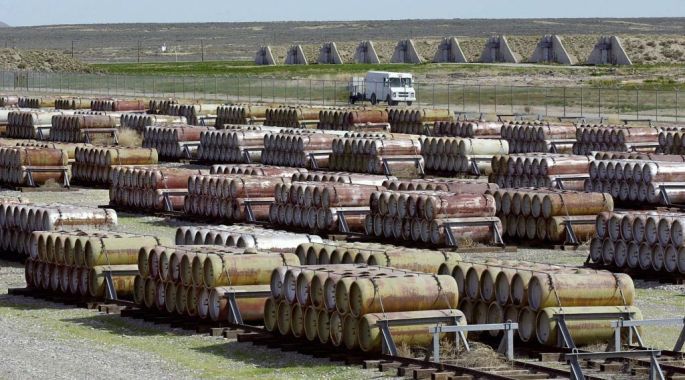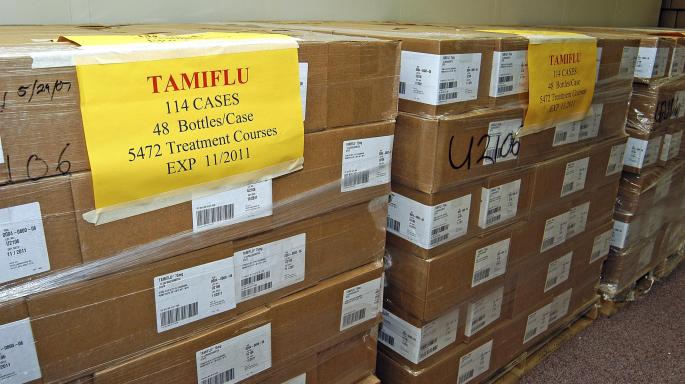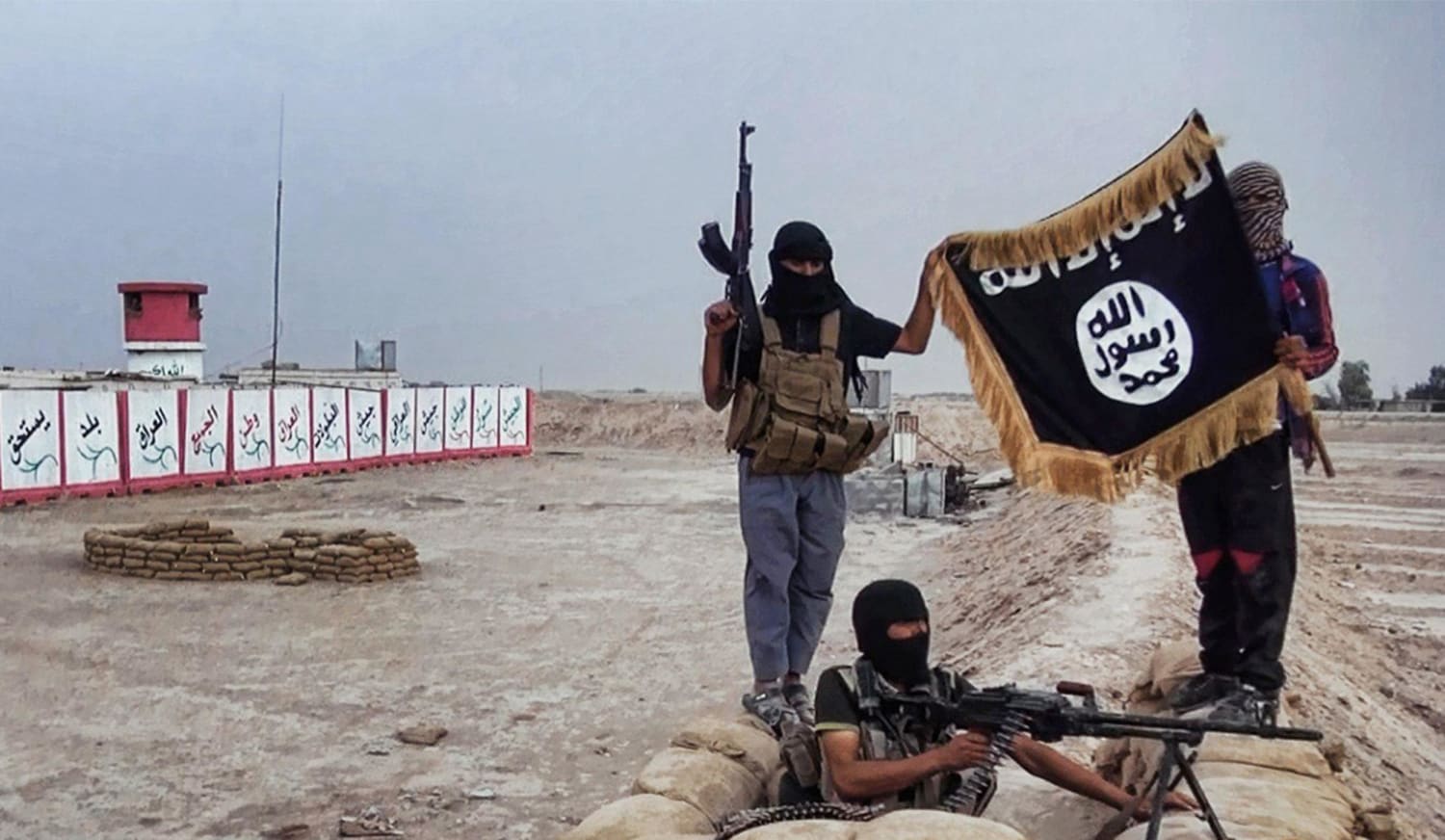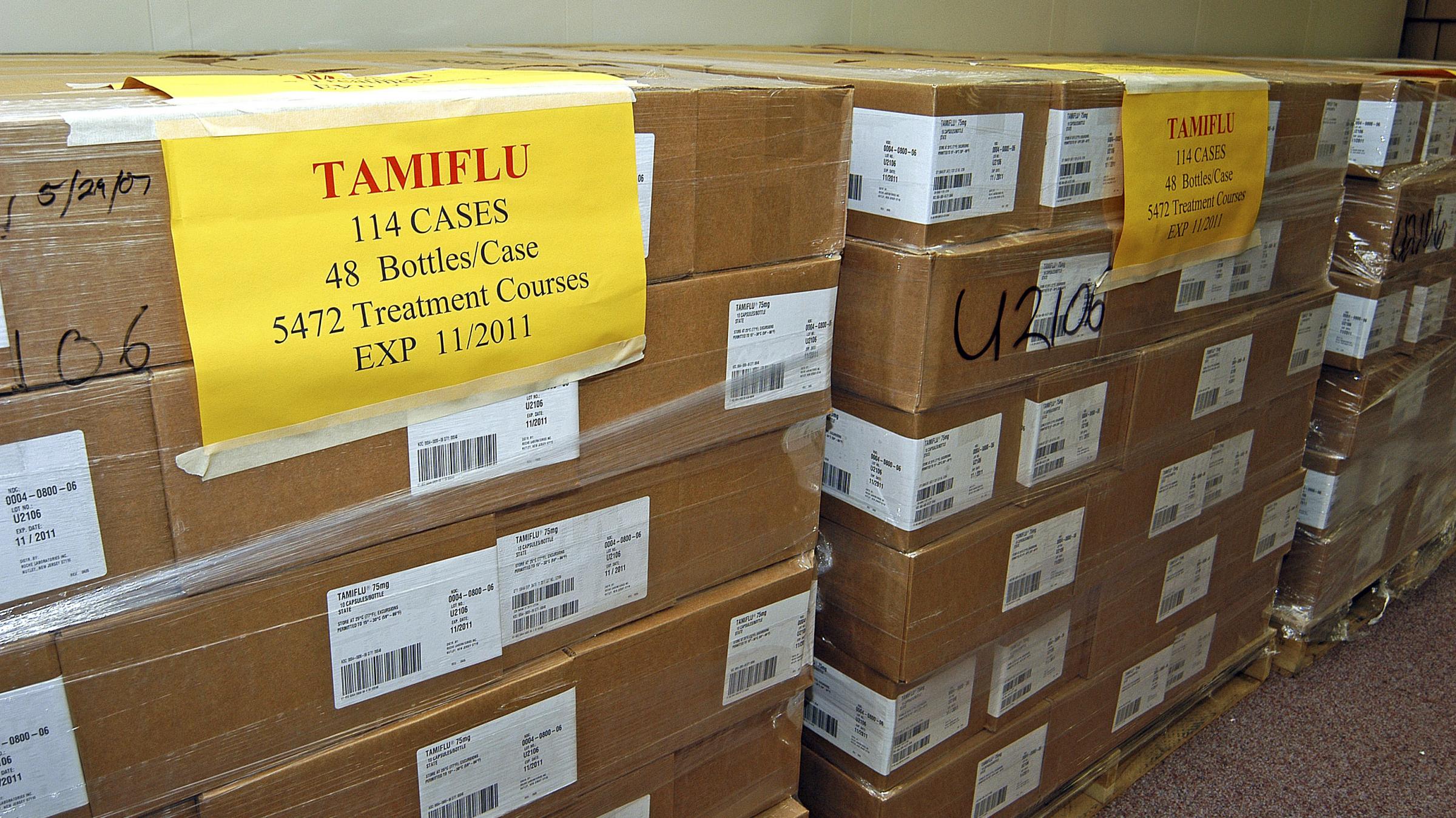
Fighting the Islamic State: U.S. Objectives

By Erik Goepner

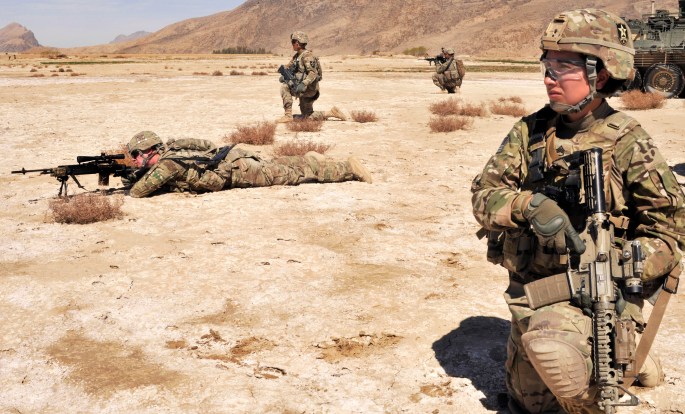
Our objective is clear:  We will degrade, and ultimately destroy, ISIL,” said President Obama during his national address on 10 September 2014. Since then, the destruction of the Islamic State has been echoed as an American objective by senior leaders across the executive branch.

Such an absolute and mammoth objective towards IS, while for years the U.S. has sought reconciliation and reintegration with much of the Taliban in Afghanistan? Destroy IS, and inadvertently relieve much of the pressure against Assad, a despot who has presided over a state in which 200,000 have been killed? Is the threat from IS so severe that they must rise to the top of America’s targeting list?

A compelling argument for such an all-encompassing national priority might have been expected during the President’s national address in September. Not so. Instead, he noted the threat IS poses to the people of Iraq and Syria, and the broader Middle East—including American citizens, personnel and facilities located there. Quite likely, that is why part of the American Embassy staff in Iraq was evacuated in June 2014, as also occurred in Yemen, South Sudan, and Libya last year. And the threat to Americans in America? “If left unchecked, these terrorists could pose a growing threat beyond that region, including to the United States,” offered the President.

Two months later, the White House repeated a similar threat assessment. Their fact sheet said IS “could pose a growing threat to the United States and others beyond the region.” The fact sheet also noted that IS posed an immediate threat to Iraq, Syria and U.S. allies throughout the region, as did numerous other groups per a State Department travel warning.

So, America will send 3,100 military members and spend $5.6 billion this year in an effort to destroy a group that could pose a threat beyond the Middle East?

That Iran and Syria will likely benefit if we succeed in destroying IS makes the U.S. choice of objectives all the more confusing. Both countries are on the State Department’s list of state sponsors of terrorism—since 1979 for Syria and 1984 for Iran. One of the most lethal killers of American service members in Iraq was the explosively formed penetrators (EFPs) provided by Iran.

At the UN, two years ago, the President said “the United States will do what we must to prevent Iran from obtaining a nuclear weapon.” It is difficult to see how the elimination of what appears to be the most capable Sunni fighting force in the Middle East will not strengthen Iran’s hand and further embolden them. The presence of American and Iranian military advisers in Iraq, and our common purpose there, appears to make achievement of Iran’s goals more likely and less costly.

As for Syria, President Obama had previously spoken of a red line regarding their use of chemical weapons and that Assad must step down, yet America now strikes Assad’s most lethal foe.


Image Credit: defense.gov

Terrorism in 2013

By Erik Goepner

An estimated 61% more people perished from terrorist attacks in 2013[1] than did in 2012. As the Global Terrorism Index Report authors note, those 18,000 deaths far surpassed the 3,361 deaths from terrorist attacks in 2000. Drawing on data from the National Consortium for the Study of Terrorism and Responses to Terrorism’s Global Terrorism Database, the report and the data it contains have much to offer.

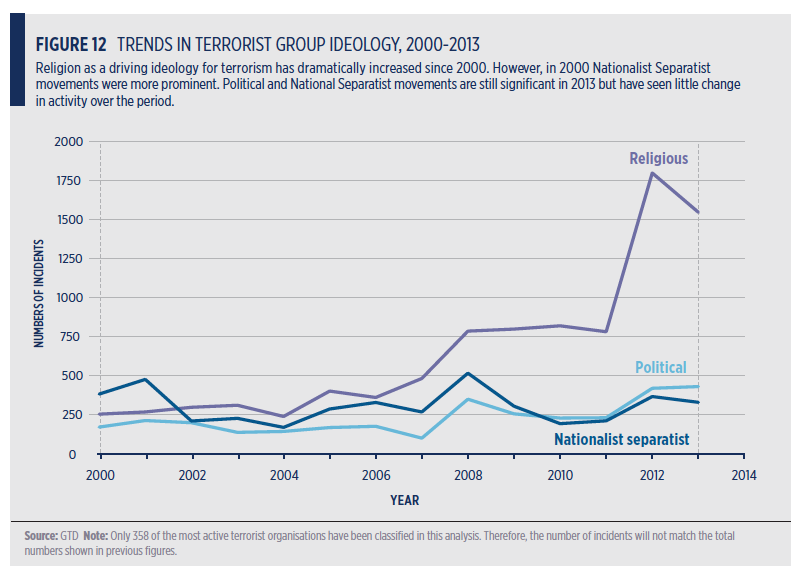
Interested in how terrorist group ideology has morphed over the past decade and a half? Check out the following graphic and observe how the religious-based groups have come to dominate terrorist activity.

Terrorism 2013(Source: Global Terrorism Index 2014, p. 31)

Who conducted the attacks? Two-thirds of the fatalities were caused by four groups: the Islamic State, Boko Haram, the Taliban, and al-Qaeda and its affiliates. As the report noted, “extreme interpretations of Wahhabi Islam” were the key commonality among the groups.

Unsurprisingly, more than 50% of the fatalities occurred in Iraq and Afghanistan. Pakistan, Nigeria and Syria accounted for another 30% of the fatalities.  In total, those five countries bore the brunt for 82% of terrorist-caused fatalities last year.

Looking at the details of the attacks, half of them resulted in no fatalities. Approximately 40% killed between one and five people, while 10% took the lives of six or more human beings. The most lethal form of attack was suicide bomber. While suicide attacks had the highest failure rate (56%), they caused an average of 11 fatalities per attack as compared to two fatalities for all other forms of terrorist attack.

Last year, suicide attacks only accounted for five percent of all terrorist attacks. Of concern, though, the Islamic State conducted 58 of the suicide attacks. By comparison, the two most prolific suicide attack groups over the past decade—al-Qaeda in Iraq and Tehrik-I-Taliban in Pakistan—have averaged 13 and 14 suicide attacks per year, respectively.

As a final note—perhaps for balance, perhaps to recognize the role of fear in terrorism—how might we understand the tragic loss of 18,000 lives to terrorism last year as compared to the 430,000[2] who were killed in homicides?


Image Credit: United Nations Office on Drugs and Crime and Terrorism Prevention


[1] The authors of the report note that the manner of data collection for the Global Terrorism Database became more automated in 2011. As a result, some events that may have been missed in prior years would now be collected, possibly inflating numbers for 2011 and following years. In response, they modeled three approaches. For example, their conservative model indicated the number of terrorist events rose by 475% since 2000, as compared to a 689% increase for the upper bounded model.

[2] See the Global Study on Homicide 2013 available at http://www.unodc.org/unodc/en/publications-by-date.html

Libyan Town in the Hands of IS?

By Erik Goepner

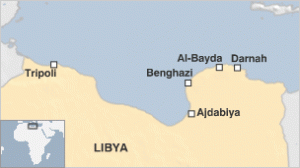
In early October, the Islamic Youth Shura Council announced that Darnah, Libya, had joined the Islamic State’s caliphate.  Alternatively referred to as Derna or Darna, 80,000 call the city home.  Sitting along the Mediterranean, Darnah has a “notorious” reputation as a center for the recruitment of fighters for the wars in Afghanistan, Iraq and Syria.  Two hundred miles to its east lies the Libyan border with Egypt, while Benghazi sits 180 miles to Darnah’s west.

Darnah, Libya

Relatively unknown, the Islamic Youth Shura Council (aka MSSI) is thought to have begun operations in March of this year under the banner of al-Qaeda.  The current rift between al-Qaeda and IS notwithstanding, the Islamic Youth Shura Council is now one of 20+ jihadi groups which have pledged their allegiance to IS.  With things moving so quickly and on-the-ground access for journalists often too risky, the affiliation between the two groups remains uncertain.

At the same time, Tripoli and Benghazi are purportedly under the control of Islamist groups as well, though those groups have no known affiliation with the Islamic Youth Shura Council.  In Tripoli, a federation of dubious unity, known as Fajr Libya, appears to be nominally in control, while in Benghazi multiple groups have also loosely aligned themselves, the largest of which is Ansar al-Shariah.  Against this backdrop of insecurity, Khalifa Haftara, an ex-Libyan general, now leads an interesting array of forces attempting to reassert government control.  He oversees Libyan military units, ostensibly under government control, along with assorted militiamen; loyal, it would seem, only to him.


Map Credit

Islamic State Goes Old School

By Erik Goepner

Recent reports suggest that IS has employed chlorine as a weapon.  Though currently unconfirmed, these reports suggest that IS is looking to bolster its inventory of tactics, techniques and procedures. In so doing, they’ve gone old school.

IS’ first use of chlorine as a weapon may have been in September against Iraqi security forces and Shiite militias north of Baghdad.  Reports indicate the chlorine was delivered via bombs.  No one died, but approximately 40 reported difficulty breathing and heavy coughing.  One source said IS had taken the chlorine from purification plants overtaken during their advance.

Additional reports suggest that IS employed toxic gas in Kobani on October 21. Patients reportedly sought medical care for trouble breathing, burning eyes, and blisters.  A doctor on-scene ruled out chlorine as the cause, while assessing the injuries as consistent with exposure to an as-of-yet unidentified chemical.  The Guardian noted, however, there was no consensus or confidence from experts regarding potential causes of these injuries.

Five days later, an Iraqi military commander said seven chlorine filled projectiles were fired into a residential area of Anbar province, though no casualties were reported.

According to the Organization for the Prohibition of Chemical Weapons (OPCW), though, this is not new.  The implementing body of the Chemical Weapons Convention reported chlorine was already used “systematically and repeatedly” in northern Syrian villages earlier this year.  Western government officials assert Assad’s forces had employed the chlorine, though it is unclear if other groups may also have been responsible.

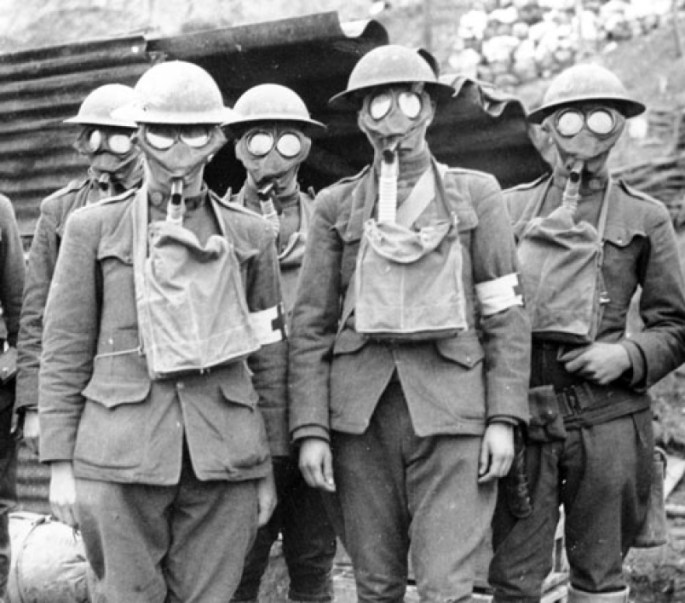
Historically, perhaps the most heinous and deadly precedent for chlorine-as-weapon comes from World War I, when the Germans dispersed 168 tons of chlorine during the Second Battle of Ypres in Belgium.   Approximately half of the 10,000 allied soldiers in the affected area died.  Two days later, chlorine was again used, killing an additional 1,000 Allied service members.

What might the future hold?  The Nuclear Threat Initiative, writing in 2007 about chemical weapon fears in Iraq, noted that the worst industrial accident in history was the release of 40 metric tons of methyl isocyanate at a pesticide plant in Bhopal, India.  3,000 were killed and more than 100,000 were injured.  The author concluded that a “sufficiently large release of elemental chlorine may be capable of exacting a comparable toll, particularly if discharged in a highly populated civilian area.”  However, the author also noted chlorine is typically ineffective against a “prepared adversary” because its visible color and potent odor announce its arrival and the effects of chlorine can be mitigated with “simple countermeasures,” such as gas masks or wet cloths placed across the nose and mouth.

Image Credit: Stripes

ISIS and Chemical Weapons

The Washington Post has reported that ISIS used an improvised chemical weapon containing chlorine to attack an Iraqi police patrol in Balad, north of Baghdad, in September, injuring 11 officers. Chlorine is readily available in Iraq given its widespread use for water treatment.

The good news is that ISIS’s use of chlorine indicates that it has not gained access to more toxic agents located at Muthanna, Iraq’s former chemical weapon production complex, which the group seized in June. That complex contains two bunkers with abandoned and degraded chemical agents and munitions that were sealed shut with concrete by UNSCOM almost twenty years ago. Breaching the bunkers to obtain the material inside would be extremely hazardous and would not likely yield readily usable agent or munitions given their age and storage conditions.

The bad news is that this attack is probably only the beginning. ISIS is the latest incarnation of the group Al-Qaeda in Iraq (AQI) which has had a long-standing interest in chemical weapons. AQI conducted a string of attacks in 2006 and 2007 that combined chlorine gas tanks and improvised explosive devices (IEDs). Due to the poor design of these improvised chemical weapons, most of the casualties were caused by the explosive component of the bomb, not the chlorine. AQI stopped using chlorine-laced IEDs due to their perceived ineffectiveness and a concerted effort by US intelligence and military forces to break up the network that had been constructing the weapons. ISIS, like AQI, has demonstrated a willingness to engage in extreme levels of violence, such as beheading captured fighters and civilians and conducting mass casualty attacks. The use of chlorine or other chemicals by ISIS fits this pattern of escalating violence and violation of norms to maximize the shock value of their actions.

Given the large swath of Syrian and Iraqi territory that ISIS now controls, the inability of local forces to launch offensive operations against ISIS, and the unwillingness of the Obama Administration to deploy even small numbers of U.S. soldiers in a combat role in Iraq, ISIS will likely be able to continue carrying out such attacks if they desire. Hopefully they will not learn any lessons from AQI’s previous experiments with this form of chemical terrorism.

Pandora Report 10.11.14

With so many stories being dedicated to Ebola, I was absolutely delighted to see coverage of influenza this week. We’ve also got stories about the proliferation of antibiotic resistant bugs in nursing homes, George Washington as the first father of vaccination, and of course, an Ebola update.

There will be no news round up next week, so I will see you all back here on October 25. Enjoy your weeks and don’t forget your flu shot!

Ebola’s Bad, but Flu’s Worse

With the coverage of the Ebola outbreak in media (and even on this blog) it may have inadvertently caused unreasonable panic in the American populace. The fact of the matter is one person in the U.S. has died from Ebola. Every year, according to the CDC, more than “226,000 Americans are hospitalized with flu and approximately 36,000 die from flu-related complications.” News outlets this week quietly reported on flu vs. Ebola and offered points of clarification about both diseases as well as tips for staying well. These include getting your flu vaccination, washing hands frequently especially after using the restroom and before eating or preparing food, and avoiding touching eyes, nose, or mouth to limit spread of germs.

Times Union—“‘The reality is there are vaccinations and treatment options available for the flu that are not available for Ebola. The reason for concern is there is no magic bullet to stop Ebola,’ said [Dr.Edward] Waltz [director of the Center for Public Health Preparedness at the University at Albany]. ‘I think the most important message to get is, take action on the things that you can control. We have so many things that affect our health that we can’t control, get yourself a vaccination if it is available.’”

Medical Superbugs: Antibiotic-resistant Bacteria Carried by More than a Third of Nursing Home Residents

A study out of Melbourne, Australia, reported that more than 1/3 of nursing home residents tested were carriers of antibiotic-resistant bacteria. And this problem isn’t just plaguing other countries. In fact, a report from the U.S. Centers for Medicare and Medicaid Services found rising rates of pneumonia, urinary tract infections, viral hepatitis and MRSA. The Australian study also found that more than half of the tested residents had received antibiotics within three months of being tested. Overuse of antibiotics can lead to higher rates of superbugs or other infections like C. difficile, which can be lethal in seniors. (On a personal note, my grandmother recently died from complications after a C. diff infection.)

ABC—“‘(Our concern is) that nursing homes are acting as a kind of reservoir, if you like, of antibiotic-resistant bacteria. We know these residents have fairly frequent movement in and out of acute care institutions, and this obviously poses risks to acute care hospitals for transmission. It could be transmitted to other patients in an acute care hospital, if the resident actually has an infection they might be infected with a more resistant bacteria – they’re the two main concerns.’”

George Washington, the First Vaxxer

This week, the Daily Beast provided an excerpt from historian Tom Shachtman’s new book, Gentlemen Scientists and Revolutionaries: The Founding Fathers in the Age of Enlightenment. At a time where people are choosing to forgo vaccinations and alarm over Ebola grows worldwide, it is amazing to see George Washington—Virginian, 1st President, Founding Father, serious boss, and old fashioned speller—decide that army immunization would not only save the lives of soldiers, but indirectly safeguard a young American nation. Shachtman recounts a February 1777 letter from Washington to John Hancock, President of the Continental Congress.

The Daily Beast—“‘The small pox has made such Head in every Quarter that I find it impossible to keep it from spreading thro’ the whole Army in the natural way. I have therefore determined, not only to innoculate all the Troops now here, that have not had it, but shall order Docr Shippen to innoculate the Recruits as fast as they come in to Philadelphia. They will lose no time, because they will go thro’ the disorder while their cloathing Arms and accoutrements are getting ready.’”

This Week in Ebola

The first (and only) patient with a domestically diagnosed case of Ebola died this week in Dallas, TX amid calls, and responses, about tightening airport screening and travel restrictions. Six major American international airports have enhanced screening for travellers arriving from West Africa while airline workers at LaGuardia have protested over what they say are inadequate protections from potential Ebola exposure. In other air travel related news, a passenger was removed from a US Airways flight after joking about being infected with Ebola and a sick passenger traveling from West Africa to Newark airport does not have Ebola. A nurse in Spain did get infected with the virus this week, as other European nations fear further spread inside their countries. American Ebola survivor Dr. Rick Sacra was hospitalized and treated this week for pneumonia and another American Ebola survivor, Dr. Kent Brantly donated his blood in order to help treat an infected NBC cameraman.

Evidently one fifth of Americans, according to a Gallup poll, are concerned about getting Ebola which is causing the ‘apocalypse business’ to boom. Meanwhile, West Africans living in the U.S. are taking action to spread information within their communities about the virus and there was a wonderful piece on how Nigeria beat Ebola. Finally, CDC director Dr. Tom Frieden spoke this week on how this Ebola outbreak is like the AIDS epidemic and why he doesn’t support a travel ban to combat the outbreak. All of this comes at a point in time where the number of deaths from the outbreak has reached over 4000.

Stories You May Have Missed

Image Credit: Immunize.ca

The Islamic State: Past is Prologue

By Erik Goepner

Current estimates of IS’ fighting strength range from 20,000-31,500—up significantly from previous estimates of 10,000. They control a swath of Syria and Iraq that roughly equates to the size of Great Britain.   And now, they are putting together a governance structure to facilitate the running of their nascent “caliphate.” Potentially, their goals may be as grand(iose) as enveloping the world within their so-called caliphate.

The United States’ strategy to counter the Islamic State, as well as the strategies of other nations and international organizations (e.g., the United Nations), continues to evolve. For America’s part, President Obama recently stated that America’s goal is to “degrade and ultimately destroy ISIL.” The strategy to achieve this goal will include a “comprehensive and sustained counterterrorism” component, ostensibly led by America and involving a broad coalition.

This goal, and the strategy to achieve it, sounds eerily familiar. In 2009, President Obama’s goal in Afghanistan and Pakistan was to disrupt, dismantle and defeat al Qaeda. In 2003, President Bush’s goal was to succeed in Iraq—“the central front” in the war on terror—by “destroying the terrorists” (as the first of three objectives he had in Iraq). And, shortly after the attacks of 9/11, President Bush’s stated objective was to destroy and defeat the global terror network.

As for strategy, is it possible that the recently announced “comprehensive and sustained counterterrorism strategy” is not that new? For the past thirteen years, America has been executing what seemed to be a comprehensive counterterrorism strategy, at least in terms of where it was employed (e.g., Iraq, the Horn of Africa, Afghanistan, the Philippines, Pakistan), how it was employed (i.e., all elements of national power, such as diplomatic, economic & military), and with whom it was employed (40+ nations in the “coalition of the willing”). And after thirteen years, the strategy is nothing if not “sustained.”

While the strength of the individual terrorist groups ebb and flow, a primitive measurement of IS’ current power suggests the aggregate Islamist terror potential may be higher now than at any time since 9/11. Al Qaeda’s 500-1,000 “A-list operatives” around the time of 9/11 seem to pale in comparison to IS’ 20,000+ fighters.

The post-9/11 “coalition of the willing” has evolved into today’s broad coalition. Speeches from America’s political leaders suggest this cannot be, primarily, a U.S. effort. Yet for the past thirteen years it has been just that: America’s young men and women going into harm’s way and bearing the costs. It is difficult to see how that will change now.

The past thirteen years suggest we may have set our sights on the wrong goal. On the one hand, chances are high we will fall short in achieving this objective, just as we have in defeating the “global terror network.” On the other hand, we might achieve the tactical victory at a particular space and time (i.e., defeat IS in Iraq and Syria in the near-term), but at the expense of unwittingly creating the conditions that usher forth a more severe future threat. Then, again, now could be different, and the past is simply the past.

Image Credit: NBC News

Pandora Report 9.13.14

This week we look at a report that claims DHS is not prepared for a pandemic and information about Chemical Weapons in Syria, still. We also have an Ebola update, and if you’re interested in learning more about the West African outbreak, join us Wednesday for our September Biodefense Policy Seminar!

Have a great weekend!

Homeland ill-prepared for Pandemic, Doesn’t Even Have Enough Drugs to Protect Secret Service

In a recently released report, the Office of the Inspector General claims that “the Department of Homeland Security may not be able to provide sufficient pandemic preparedness supplies to its employees to continue operations during a pandemic.” DHS, however, has disagreed with much of the report claiming it misrepresents the agency’s preparedness for an outbreak.

The Washington Times—“One of the biggest problems, investigators said, is that most of the stockpiles are of antiviral drugs that are expiring. By the end of 2015, the IG said that 81 percent of Homeland Security’s stockpiled antiviral medication will be past its shelf life. In addition, 84 percent of the agency’s stock of hand sanitizer has already expired, some batches by as long as four years, inspectors said.”

Watchdog Says Chlorine Gas Used as a Chemical Weapon in Syria

The Organization for the Prohibition of Chemical Weapons reports that chlorine gas was used “systematically and repeatedly” as a weapon in northern Syria earlier this year. U.S. officials say that the Assad regime is the only force capable of launching such an attack. Even after the destruction of Syria’s chemical weapons stockpiles, chlorine is not a forbidden substance under the CWC. However, the use of any chemical as a weapon is prohibited by the CWC. This news comes among concerns that any hidden weapons stockpiles may fall into the hands of terrorist or extremist groups, like ISIS

The Wall Street Journal—“The OPCW team traveled to the sites of attacks and interviewed victims, doctors and witnesses. According to the report, victims’ symptoms and the effect of the gas led the mission ‘to conclude with a high degree of confidence that chlorine, either pure or in mixture, is the toxic chemical in question.’”

This Week in Ebola

Another American Ebola patient was sent to Emory University in Atlanta for treatment and American Ebola survivor Dr. Kent Brantly donated blood to the American patient, Dr. Rick Sacra, who is being treated in Nebraska. The thought is that Dr. Brantly’s blood will help confer passive immunity to Dr. Sacra. On last Sunday’s Meet the Press, President Obama pledged U.S. military assistance in setting up isolation units and providing security for health workers in West Africa but House Republicans indicated they would provide less than half of the White House’s requested funding for fighting Ebola. The Bill and Melinda Gates Foundations has pledged to contribute $50 million to support emergency efforts to contain the outbreak in West Africa. There were reports this week of a U.S. air marshal who was injected with a syringe at the Lagos Airport in Nigeria. Though it appears that the syringe was not infected with Ebola, it has caused fears that Ebola could be used as a weapon. All of this comes at a time when disease modelers at Northeastern University predict that as many as 10,000 cases of Ebola could be detected by the end of the month and there have been 60 cases resulting in 35 deaths from the Ebola outbreak in Congo.

Image Credit: WGBH News

Pandora Report 7.4.14

I have to offer my apologies and my thanks. Please let me apologize for the lack of Pandora Report and the light coverage on the blog over these past two weeks. The month of June was absolutely insane between work and summer courses. Fortunately, all that craziness is finally over, so let me thank you most sincerely for your patience and understanding. With this special July 4th edition of Pandora Report, please consider things around here back to normal.

Now, onto the news!  Highlights include Syrian chemical weapon disarmament, the arrival of Chikungunya to the U.S., an anthrax incident at the CDC, an Etihad Airlines based polio campaign, and Ebola devastation in West Africa.


Syrian Chemical Weapons Transfer Complete

Earlier this week, the Pentagon reported that the transfer of Syrian chemical weapons, from a Danish cargo ship to the U.S. vessel that will neutralize and destroy the weapons, is complete. The weapons and associated materials were transferred to the Cape Ray, which will travel from Italy into international waters where the weapons will be dismantled and neutralized. The Pentagon press secretary Rear Admiral John Kirby reported that the process should take several weeks to complete.

Al Arabiya News—“The disposal process marks the culmination of a program to rid Syria of its chemical weapons stockpile after the outcry that followed chemical attacks by the Bashar al-Assad regime in the suburbs of Damascus on August 23 last year, that may have killed as many as 1,400 people.”

Polio Awareness Videos to be Shown on Flights to Pakistan

Much of my month of June was spent at Dulles airport, so I might be more excited about this story than your average person, but get ready for the coolest news story you have likely ever read about an airline! United Arab Emirates based Etihad Airlines, in response to the polio epidemic in Pakistan, will show a short in-flight movie on all their flights to Pakistan. Etihad said that the goal of the movie, titled “Leap of Faith,” is to raise awareness about “this crippling and potentially fatal disease among thousands of Pakistani workers returning home to visit their families.”

Business Standard—“‘By showing this engaging story on board our flights, Etihad Airways is supporting the efforts of the UAE in helping to eradicate polio in Pakistan,” said James Hogan, President and Chief Executive Officer of Etihad Airways.

Asif Durrani, Pakistan Ambassador to the UAE, said, “With approximately 1.25 million expatriate Pakistanis in the UAE, this is a perfect opportunity to educate our people during their journey home and ultimately help in the overall eradication of this terrible disease in our country.’”

CDC Reassigns Director of Lab Behind Anthrax Blunder 

According to the Centers for Disease Control and Prevention, sometime between June 6 and 13, up to 84 lab employees at the headquarters in Altanta, were possibly exposed to anthrax. The possible exposure, which was caused by technicians not following laboratory protocol, resulted not only in employees taking powerful antibiotics as prophylactics but also in the reassignment of the head of the Bioterror Rapid Response and Advanced Technology Laboratory, Michael Farrell, while the incident is investigated.

Reuters—“CDC spokesman Skinner on Sunday said the bioterror lab sent the anthrax bacteria to other labs in closed tubes. The recipients agitated the tubes and then removed the lids, raising concerns that live anthrax could have been released into the air.”

Mosquitos Carry Painful Chikungunya Virus to Americas

Chikungunya, a viral disease spread by the same mosquitos that spread Dengue fever, has made its way to the Americas. Fortunately, the type of mosquito that spreads the viruse, the Aedes aegypti, is not native to the United States. However, its close breed “cousin” Aedes albo, lives as far north as Chicago and is believed to be able to spread Chikungunya.

National Geographic—“There is no vaccine or medication that can change the course of the disease, though patients are given painkillers and told to drink a lot of fluids….To avoid getting chikungunya while staying in affected areas, take the usual precautions against mosquitoes: Wear long sleeves, use repellents, and keep outside areas free of standing water where mosquitoes can breed.”

West Africa Ebola Epidemic is ‘Out of Control’

With a current death count of 467, the Ebola outbreak affecting Guinea, Sierra Leone, and Liberia has become dire. Doctors without Borders’ (MSF) Director of Operations said “the epidemic is out of control.” He continued, “we have reached our limits. Despite the human resources and equipment deployed by MSF in the three affected countries, we are no longer able to send teams to the new outbreak sites.”

The Huffington Post—“The outbreak of the deadly disease is already the largest and deadliest ever, according to the WHO, which previously put the death toll at 399 as of June 23, out of 635 cases. The 17 percent rise in deaths and 20 percent jump in cases in the space of a week will add urgency to an emergency meeting of 11 West African health ministers in Accra, Ghana on Wednesday and Thursday, which aims to coordinate a regional response.”


Image Credit: Wikimedia Commons


From the Pandora Report and all of us at the George Mason Biodefense program, we wish you a happy and safe Independence Day!!

The Elimination of Syria’s Chemical Weapons: Beginning of the End or End of the Beginning?

Ahmet Üzümcü, Director-General of the OPCW, has announced that the last shipment of chemical warfare agent precursors has been loaded onto the Danish ship Ark Futura at the Syrian port of Latakia. Syria is now officially free of chemical weapons.

The OPCW deserves a lot of credit (and yes, the Nobel Peace Prize) for its Herculean efforts to disarm Syria of its chemical weapons in the middle of a civil war. While this final shipment closes a chapter on the elimination of Syria’s chemical weapons program, it does not mean the story is over. Here are five things to keep in mind before we break out the “Mission Accomplished” banner.

First, Syria should have completed this final shipment over four months ago. The OPCW’s original deadline for removing all chemicals from Syria was February 5, The delay was due to the civil war, Syria’s use of the stockpiles as a bargaining chip, and domestic politics (Syria stopped making shipments during the Syrian presidential election).

Second, the process of actually destroying these chemicals, which is supposed to be completed by June 30, has only just begun. The most dangerous chemicals, including mustard agent and sarin precursors, will be destroyed on board the MV Cape Ray. It is estimated it will take the Cape Ray between 60 and 90 days to complete its mission but since this is an unprecedented at-sea chemical destruction process, the process could take even longer depending on the weather and unforeseen technical issues.

Third, the OPCW has only eliminated Syria’s declared stocks of chemical agents. During April and May 2014, rebels reported over a dozen attacks by government forces with air-dropped barrel bombs filled with chlorine. Although chlorine is not one of the chemicals that Syria was required to declare, the use of any chemical as a weapon is outlawed by the Chemical Weapons Convention. Just last week an OPCW fact-finding mission found that “toxic chemicals, most likely pulmonary irritating agents such as chlorine, have been used in a systematic manner in a number of attacks.”

Fourth, Syria has still not destroyed 12 chemical weapon production facilities located in aircraft hangars and in underground tunnels. Syria was supposed to have destroyed these facilities over three months ago but has been dragging its feet while insisting on the right to disable, instead of demolish, the facilities.

Fifth, serious questions are starting to emerge about “gaps and inconsistencies” in Syria’s declaration of its chemical weapon program to the OPCW. Syria’s repeated delays in removing its chemical stockpile, refusal to destroy chemical weapon production facilities, and continued use of chemical weapons does not inspire confidence that it is in compliance with other aspects of the CWC. Now that the last of the declared chemicals are out of Syria, the OPCW will have more time and energy to devote to verifying the accuracy and completeness of Syria’s declared chemical weapon research, development, testing, production, and storage. Priority should be given to the 200 tons of mustard agent that Syria reportedly destroyed unilaterally before joining the CWC, Syria’s possession of the Volcano rocket which has been implicated in the August 2013 sarin attack, and Syria’s use of chlorine-filled barrel bombs.

To paraphrase Winston Churchill, this is not the beginning of the end of efforts to eliminate Syria’s chemical weapons, but the end of the beginning.