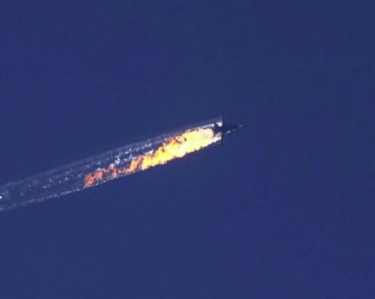
On November 24, Turkish F-16s shot down a Russian SU-24 bomber which had been flying over Syria, after an alleged violation of Turkish airspace.[1] Needless to say, the details are still emerging and the facts are still highly contested. The New York Times has an excellent comparison of claims made by Turkish and Russian officials, including the radar maps released by each country showing the airspace violation (or lack thereof).[2] Russian President Vladimir Putin called the shootdown a “stab in the back” and promised harsh consequences. Turkey called for an emergency meeting of NATO.
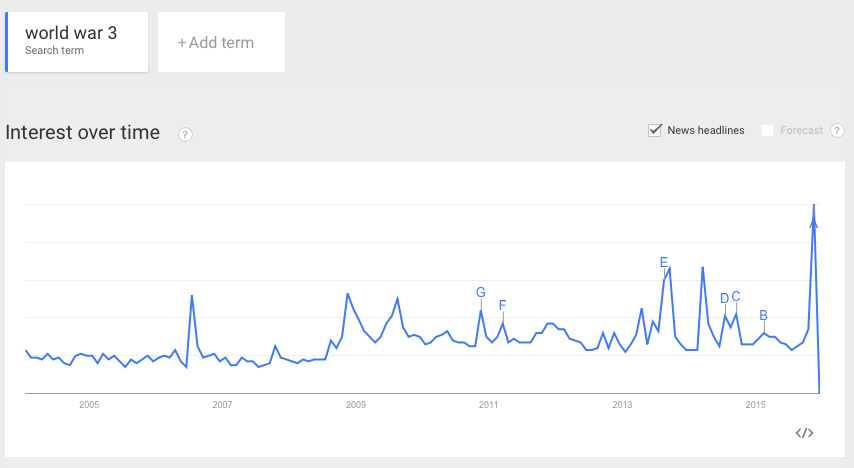
This incident and its bellicose rhetoric sparked immediate buzz about declarations of war, what exactly NATO owes Turkey vis-à-vis Russia[3], and the possibility of military confrontation between Russia and the West. One particular phrase was cautioned against by reputable folks and seriously considered by less-than-stellar[4] sources: World War 3. I think this is really interesting, so I turned to good old search analytics to see how the internet reacted:
Happy Infection Prevention Week!Make sure to give any infection preventionists you know a big hug or at least a hearty handshake (only clean hands though!). Not only do we get to celebrate National Infection Prevention week, but it’s also National Biosafety Stewardship Month, so get your party hand sanitizer ready to go and let the frivolity begin! Foodborne illness is the name of the game this week and we’ll be discussing outbreaks. Friendly reminder – the influenza vaccine is available in most offices/clinics now, so get your flu shot as there have already been cases springing up across the US. Fun fact – did you know that a report published this week identified Yersinia pestis in the tooth of a Bronze Age individual, which means there were plague infected humans 3,300 years earlier than we thought!
National Biosafety Stewardship Month – October is National Biosafety Stewardship Month (thanks NIH!) to celebrate and encourage people to focus on biosafety policies, practices, and procedures. Given the lab biosafety issues we’ve seen recently, I think we can all safely (or should I say, “biosafely”?) agree that a little extra attention to these issues and the promotion of better practices is a great thing. Institutions are encouraged to use more of a just culture approach to incident reporting and to promote public transparency. Happy National Biosafety Stewardship Month!
Water Quality for the Olympic Games in Rio De Janeiro, 2016
The 2016 Summer Olympics are fast approaching and with any large event, health issues become a main concern. The WHO is providing technical advice to the Brazilian national authorities regarding public health concerns, as well as to the International Olympic Committee and the Local Organizing Committee. Clean drinking water, sewage pollution, and a host of other health issues can become a nightmare during such a large-scale event. While there aren’t recommendations for specific viral testing of the water, the WHO does encourage additional testing in the event of an outbreak. Sanitary inspections and other preventative procedures are being recommended to avoid outbreaks and public health issues. As we get closer to the 2016 Olympics, it is very likely concerns over vector-borne diseases will be addressed through vector control and public health education.
The CDC has updated their online foodborne illness outbreak investigation tool! The Foodborne Outbreak Online Database Tool (FOOD Tool) allows the user to search the outbreak database by state, food, ingredient, year, location of food preparation, and organism. The FOOD Tool also provides the case information related to the outbreak, so users can see the number of affected persons, hospitalizations, deaths and laboratory-confirmed organisms. This database pulls from CDC’s Foodborne Disease Outbreak Surveillance System (FDOSS) and allows users to not only look at data and trends over time, but also compare their cases to other outbreaks.
Syrian Refugee Resettlement and Why We Should Be Letting Them All In Dr. Trevor Thrall, one of our amazing GMU Biodefense professors, has written a piece for The Atlantic on the importance and benefits of taking in all Syrian refugees. Dr. Thrall discusses the limitations of addressing the root cause of the Syrian conflict and how the US and its European allies should take in refugees. Discussing the military alternatives to the Syrian crisis, he states, “going in militarily is not the answer, then. Instead, those civilians under threat should get out. Refugees typically receive support in the countries to which they flee, but the vast numbers involved in this case threaten to overwhelm Turkey, Jordan, and Lebanon, which have so far accommodated the vast majority of the outflow.” Dr. Thrall points out that while resettlement would cost a substantial amount of money, it would cost far less than military intervention and you simply can not ignore the moral superiority in aiding refugees.
Chipotle’s Bad Tomatoes Came From Nation’s Largest Field Producer
To our readers in Minnesota, did you happen to eat at a Chipotle in August? If so, we hope you weren’t one of the affected individuals that contracted Salmonella Newport as a result of contaminated tomatoes. The Minnesota Department of Health investigated the 64 cases resulting from this outbreak, however it was just released that the contaminated tomatoes were actually supplied by Six L’s Packing Co (doing business as Lipman Produce), which is actually one of the largest tomato suppliers in the US. Packing 15 million boxes of tomatoes this past year, Lipman was later dropped as a supplier by Chipotle after learning of the source of contaminated produce. The tomatoes were removed but it’s estimated that during the window of exposure, roughly 560,000 people consumed Chipotle. The good news is that we’re out of the incubation period, so if you happened to eat at a Minnesota Chipotle, you’re in the clear.
Stories You May Have Missed:
80 Illnesses Linked to Shigella Outbreak; CA Seafood Restaurant Closed – Mariscos San Juan in San Jose, CA is currently closed after the Santa Clara County Health Department connected a recent outbreak of Shigella to their food. While the exact source hasn’t been identified, over 93 people were sickened in relation to contaminated food at the restaurant.
Subway to Phase Out Poultry Products Raised With Antibiotics– On Tuesday, Subway Restaurants announced that they will be transitioning to only serve poultry products that have been raised without antibiotics by early next year. Other chain restaurants, like Chick-fil-A and Chipotle, are jumping on the train to phase out chicken and turkey products that were raised with antibiotics.
Scottish Nurse and Ebola Complications – Pauline Cafferkey continues to battle post-Ebola complications. Reports last week noted neurological issues and it was recently reported that she has meningitis after the virus persisted in her brain and CSF after her initial recovery. Ongoing research is looking into the long-term effects of the disease as the West African outbreak was the largest in history and researchers have never had the opportunity to look at chronic issues associated with disease recovery.
My apologies for lack of update last weekend…but that means a SUPER UPDATE this weekend! This week marked the 70th anniversary of atomic bombs being dropped in Japan. Rather than find an insufficient story that attempted to address the gravity of that event, we’re focusing on a successful Ebola vaccine trial, UN consensus on Syrian chemical weapons, and airplane bathrooms (because I can’t help myself when I see a story like that!) We’ve also got stories you may have missed.
Some great news from West Africa: an Ebola vaccine trial in Guinea has returned results that are 100% effective. 4,000 people who had been in close contact with a confirmed Ebola case showed complete protection after ten days. A ring vaccination strategy—where those who have close contact with an infected person—was used, and after success was demonstrated, the vaccine is now being extended to 13-17 year olds, and possibly 6-12 year old children.
Reuters—“The success of the Guinea trial is a big relief for researchers, many of whom feared a sharp decline in cases this year would scupper their hopes of proving a vaccine could work. Another major trial in Liberia, which had aimed to recruit some 28,000 subjects, had to stop enrolling after only reaching its mid-stage target of 1,500 participants. Plans for testing in Sierra Leone were also scaled back. That left the study in Guinea, where Ebola is still infecting new victims, as the only real hope for demonstrating the efficacy of a vaccine.”
The UN Security Council unanimously—yes, even Russia—adopted a resolution aimed at identifying those responsible for the use of chemical weapons in Syria over the past two years. The resolution established an investigative body that would assign blame for the attacks “so that the perpetrators can be brought to justice.”
Salt Lake Tribune—“‘Pointing a finger matters,” U.S. Ambassador Samantha Power told the council. “This sends a clear and powerful message to all those involved in chemical weapons attacks in Syria that the [new investigative body] will identify you if you gas people.” But she added that prosecuting perpetrators will take time because there is still no tribunal to investigate alleged crimes during the war in Syria, which has killed at least 250,000 people since it began in March 2011, according to the U.N.”
A recent study in Scientific Reports finds that researchers can tell what continent you’re from and give early indication of disease outbreaks, all from the poop left in airplanes. (I think this is the first time I’ve been able to say “poop” here on the blog.) The researchers gathered samples from 18 airplanes that departed from nine cities and landed in Copenhagen and were able to identify continental trends. Microbes from Southeast Asia had higher incidence of antibiotic resistance; food transmitted microbes were also more frequent in the Southeast Asian samples; and C. diff was much more common in the North American samples.
Popular Science—“These findings led the researchers to believe that they could start to create a typical microbiome for each continent. And any big shifts that happen in their makeup—say, the concentration of C. diff rises dramatically in samples from Southeast Asia—could indicate a growing public health issue. If it’s caught early enough, public health officials could take preventative action.”
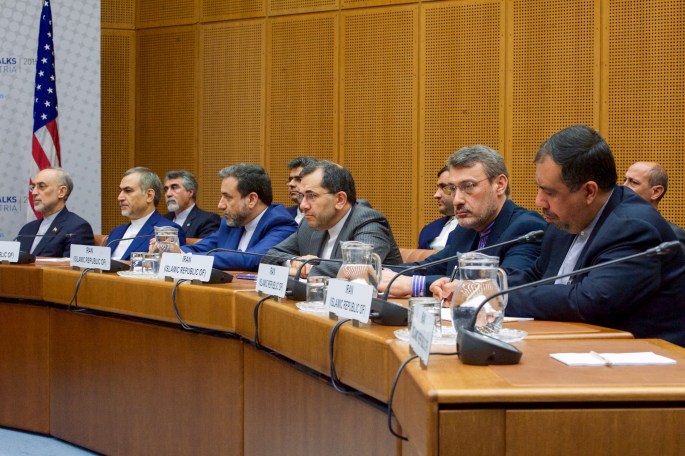
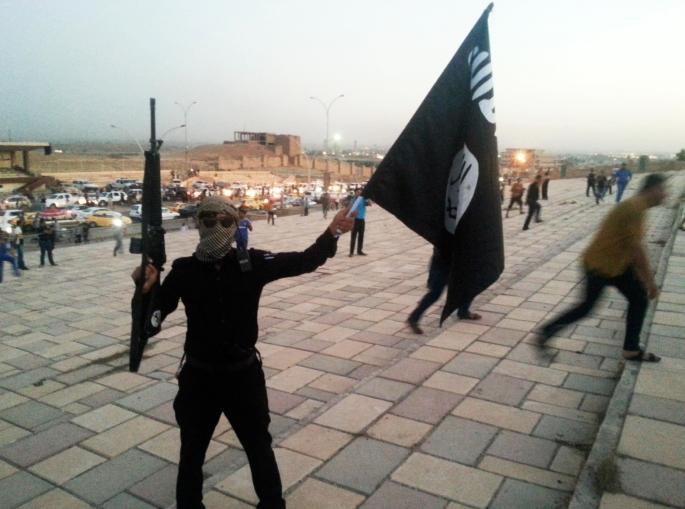
An out of town visitor and a newly rescued pet have kept me very busy this week. Luckily, the news was very straightforward—the nuclear deal with Iran and ISIS with their chemical weapons. We’ve even got a few stories you may have missed.
DipNote—“President Obama said “I am confident that this deal will meet the national security interests of the United States and our allies. So I will veto any legislation that prevents the successful implementation of this deal. We do not have to accept an inevitable spiral into conflict. And we certainly shouldn’t seek it.’”
It seems like déjà vu all over again as reports this week said that the Islamic State appears to have manufactured rudimentary chemical weapons and attacked Kurdish positions in Iraq and Syria, evidently multiple times in multiple weeks. Investigators reported that the incidents seemed to involve toxic industrial or agricultural chemicals repurposed as weapons. This could signal “a potential escalation of the group’s capabilities” though, is not without precedent.
The New York Times—“In the clearest recent incident, a 120-millimeter chemical mortar shell struck sandbag fortifications at a Kurdish military position near Mosul Dam on June 21 or 22, the investigators said, and caused several Kurdish fighters near where it landed to become ill.”
Two quick updates before we get into the weekly wrap-up.
First, the Early Registration Deadline for the Pandemics, Bioterrorism, and International Security professional education course at the GMU Arlington Campus has been extended to June 15. For more information and registration, please click here.
Second, we here at Pandora Report wanted to let you know about a new website designed to provide resources for biosecurity professionals and practitioners and key stakeholders. The International Biosecurity Prevention Forum (IBPF) brings together the world’s leading experts from the health and security communities to share expertise on key biosecurity and bioterrorism prevention issues. Registering to join IBPF is free and easy. Go to http://www.ibpforum.organd click the “Request Membership” button to request an IBPF member account. Members get access to a discussion section and projects, resources, and best practices submitted by other members. Contact the IBPF support team at IBPForum@ic.fbi.gov if you have any questions or problems.
Now, onto the news. This weekend we have stories about British nuclear submarines, anti-vaccine legislation in California, the development of bird flu vaccines, and other stories you may have missed.
Able Seaman William McNeilly—a weapons engineer who served aboard HMS Vanguard, one of the four British submarines carrying Trident missiles—wrote a “lengthy dossier” released on the internet which says that the “Trident nuclear defense system was vulnerable both to enemies and to potentially devastating accidents because of safety failures.” McNeilly has since gone AWOL and both police and naval officials are trying to locate him.
The Japan Times—“The Royal Navy said it totally disagreed with McNeilly’s “subjective and unsubstantiated personal views,” describing him as a “very junior sailor.” But it added it was investigating both his claims and the “unauthorized release” of his dossier. “The naval service operates its submarine fleet under the most stringent safety regime and submarines do not go to sea unless they are completely safe to do so,” a spokeswoman said.”
By now, we all know that the measles outbreak that started last winter at Disneyland was a result of unvaccinated individuals. In California, the State Senate has passed a bill which limits parent’s use of the “personal belief exemption” in order to get out of getting their children vaccinated. Under the bill, parents who don’t get their children vaccinated would not be able to send their kids to state-licensed schools, nurseries, or day care centers.
State Column—“Only children who have a medical reason for why they can’t be vaccinated would still be allowed to attend schools without receiving their vaccinations under Senate Bill 277, which was sponsored by a California Sen. Dr. Richard Pan (D-Sacremento), a pediatrician, and Ben Allen (D-Santa Monica), a former school board member and the son of a survivor of polio, according to a Forbes report.”
Findings appearing in the Journal of Virology indicate that the U.S. Department of Homeland Security’s Center of Excellence for Emerging and Zoonotic Animal Diseases have developed a vaccine for both H5N1 and H7N9—two strains of avian influenza which can be transmitted from poultry to humans. The vaccine was developed by cloning the Newcastle disease virus and transplanting a small section of the H5N1 virus into it; the same method was used for the H7N9 vaccine.
Toronto Sun—“‘We believe this Newcastle disease virus concept works very well for poultry because you kill two birds with one stone, metaphorically speaking,” Richt said. “You use only one vector to vaccinate and protect against a selected virus strain of avian influenza.’”
Yowza! That’s another semester in the books for the GMU Biodefense students. Please excuse the sparse activity on the blog, but with the semester over, things should be getting back to normal.
This weekend we have a updates on Ebola and the bird flu outbreak in the U.S., plus other stories you may have missed.
Have a great week, (enjoy the Mad Men finale!) and see you back here next weekend!
The Washington Post—“Ebola may have found refuge in patients’ eyes because, researchers said, the eye is walled off from the immune system. As the New York Times put it: “The barriers are not fully understood, but they include tightly packed cells in minute blood vessels that keep out certain cells and molecules, along with unique biological properties that inhibit the immune system.” This phenomenon is called “immune privilege” — and it means the eye can harbor viruses.”
The Motley Fool—“Falling exports could hurt farmers, but it could also help to offset domestic price increases from less supply. Although, with tens of millions of bird deaths and no end in sight to the pandemic, domestic food prices could be the largest casualty in the end.”
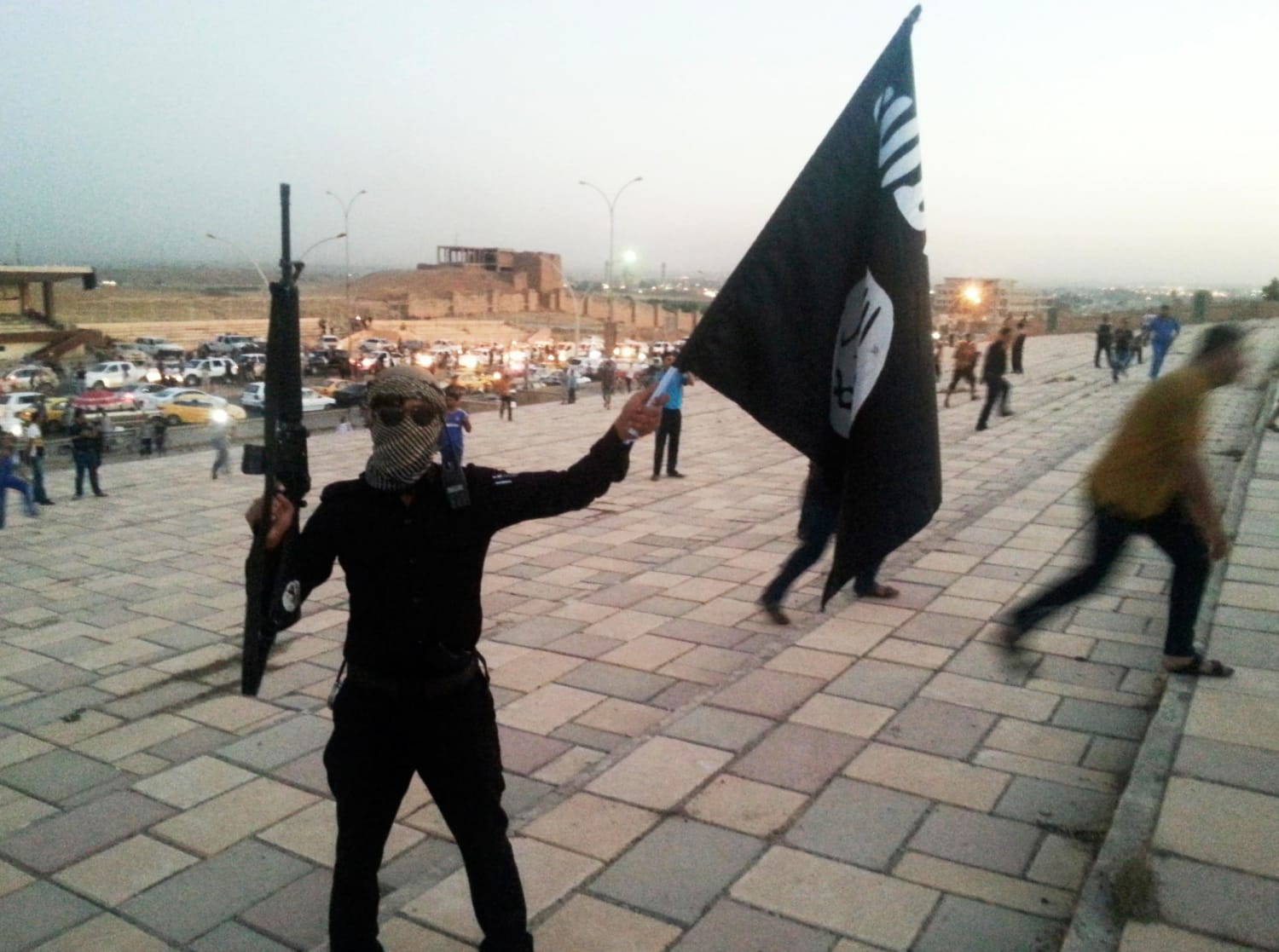
Terrorists occupy the low-end of the power spectrum. They are weaker than guerrillas, who are weaker than insurgents, who are weaker than conventional armies, who are weaker than nuclear-equipped armies. That is a point made, more or less, by the Council of Foreign Relation’s Max Boot. Successful revolutionary, Mao Tse Tung,[1] made a similar point when he noted guerrillas are but a step towards total war and regular armies. Has the Islamic State, then, progressed the Salafi jihadist movement from the weak power position of terrorism to the mid-range power of insurgency?
RAND researcher, Seth Jones, defines a Salafi jihadist group as one that emphasizes the need to return to “pure” Islam during the time of the Salaf (“pious ancestors”) and believes that violent jihad is a duty of each member of the ummah, much like daily prayers, fasting during Ramadan, etc. Dr. Jones notes that between 2010 and 2013, the number of Salafi jihadist groups rose by 58%. Interestingly, the growth roughly coincided with the timing of U.S. surge operations in Afghanistan. At the end of that period, IS began seizing and holding terrain in Iraq and Syria, with some estimating they now control approximately 81,000 square miles, or the land mass equivalent of Great Britain. Professor Bruce Hoffman, author of the seminal work Inside Terrorism, suggests that while both insurgents and terrorists may use the same tactics, even for the same purposes, insurgents differ from terrorists in that they often operate as military units, seize and hold terrain, and include informational and psychological warfare in an effort to win over the population’s support.
If so, and if the Islamic State is winning over segments of the Iraqi and Syrian populations rather than just terrorizing them, then the problem set facing the U.S. would be substantially different. Terrorists can, in large measure, be defeated by police or military action, which the world’s premier military can accomplish unlike any other. If, however, IS now finds firm footing as an insurgency, broader issues must be tackled. Issues that can only be successfully resolved by the indigenous government—which we are not—or dictatorial occupiers—which we will not be.
No themed coverage this week, sadly. However, we’ve got stories covering the Federal fight against antibiotic resistance, ISIS airstrikes, and super mosquitoes in Florida. All this in addition to stories you may have missed.
Have a fun Super Bowl Sunday (go team!) and a safe and healthy week!
One of The White House’s goals for 2015 was to combat growing antibiotic resistance through research into new antibiotics and efforts to prevent the over prescription of these vital drugs. President Obama is requesting that Congress add additional funding to this fight, bringing the total to $1.2 billion. The funding will be a start, but there are many other things that can happen in order to fight this extremely important problem.
U.S. News & World Report—“The Centers for Disease Control and Prevention says more than 23,000 Americans die every year from infections that can withstand some of the best antibiotics. The World Health Organization said last year that bacteria resistant to antibiotics have spread to every part of the world and might lead to a future where minor infections could kill.”
News came Saturday morning that U.S. airstrikes in Iraq last week killed a mid-level Islamic State militant who specialized in chemical weapons. Killed on January 24, Abu Malik had worked at Saddam Hussein’s Muthana chemical weapons production facility before joining Al-Qaeda in Iraq in 2005.
Radio Free Europe/Radio Liberty—“Officials say his death could “temporarily degrade” the group’s ability to produce and use chemical weapons. Coalition air strikes have pounded the Mosul area over the past week [and] The U.S.-led coalition has carried out more than 2,000 air raids against IS militants in Syria and Iraq since August 8.”
On January 11, we had a small note about the possibility of genetically modified mosquitos controlling diseases like chikungunya and dengue, but this week coverage on this issue absolutely exploded! British biotech firm Oxitec plans to release millions of genetically modified mosquitos in Florida to control the existing population and help control the spread of these diseases. The A. Aegypti species of mosquito is extremely prevalent in Florida and recently has become resistant to most chemical pesticides. Residents, of course, are up in arms over the potential release of this “mutant mosquito”.
The Weather Channel—“Technology similar to this is already in use in Florida and other states, Entomology Today points out. Sterile Insect Technique (SIT) employs a similar technique, sterilizing insects so that when they mate, no offspring are produced. “Florida spends roughly $6 million a year using SIT to prevent Mediterranean fruit fly infestations, while California spends about $17 million a year,” Entomology Today wrote.”
These are amazingly aspirational goals. Daesh defeated. Syria stabilized. A government in Syria reflecting the will of the people. And it would seem, a stabilized Iraq and Afghanistan, too.
Again, the similarities are evident. Also speaking at the Saban Forum, though years prior, President Bush outlined similar aspirations, “Our vision for the future: a Middle East where our friends are strengthened and the extremists are discredited, where economies are open and prosperity is widespread, and where all people enjoy the life of liberty…”
Times have changed, but the mission hasn’t. However passionately or half-heartedly we approach it, America continues to wage a global war on terror and seek the remaking of the Middle East.
Dirt is all around, I mean, truly, all around. We wash it off our produce, get it smashed into the soles of our shoes, and vacuum it out of our homes. But is dirt really that bad? The stories this week look at dirt as a source of antibiotics and a disposal method for chemical weapons. We also look at Ebola and other stories you may have missed.
DARPA has a new idea for eliminating chemical weapons—breaking them into safe compounds like oxides and earth metal salts, in other words, soil. Considering the drawbacks for current disposal methods, the agency’s Agnostic Compact Demilitarization of Chemical Weapons program has put out a call for proposals for a weapons-to-dirt plan.
Popular Mechanics—“The defense research agency is looking for a transportable system that can fit in a 40-foot-long shipping container and process at least 55 gallons of chemical weapons and precursor material every hour for a 48-hour period. Processing will be conducted near the chemical weapons storage site, use local materials (such as dirt of plant matter), and produce no hazardous waste.”
A study published this week in Nature looks at a new antibiotic, called Teixobactin, which could keep working for “longer than any other” before bacteria could develop resistance. It is still at least four years away from availability and can only treat gram-positive bacteria like staph, strep, and TB. And where was this new antimicrobial found? Dirt from a grassy field in Maine.
The Washington Post—“Most microbiologists only ever work with around 1 percent of microbes—the ones that will grow politely in the lab. But the rest refuse to grow on traditional growth media, like petri dishes. But there are potential antibiotics all over the world being created by plants, fungi, and microorganisms. Lewis and his colleagues sandwiched soil between two semi-permeable membranes, effectively tricking soil microbes into growing in a “natural” environment that was actually a lab culture.
Among the 10,000 organisms and 25 antibiotics they grew in this new type of culturing method is Teixobactin. It successfully obliterated MRSA and drug-resistant TB in cell cultures and in mice, and did so without any signs that the bacteria might become resistant to it.”









 The Pandora Report
.jpg)