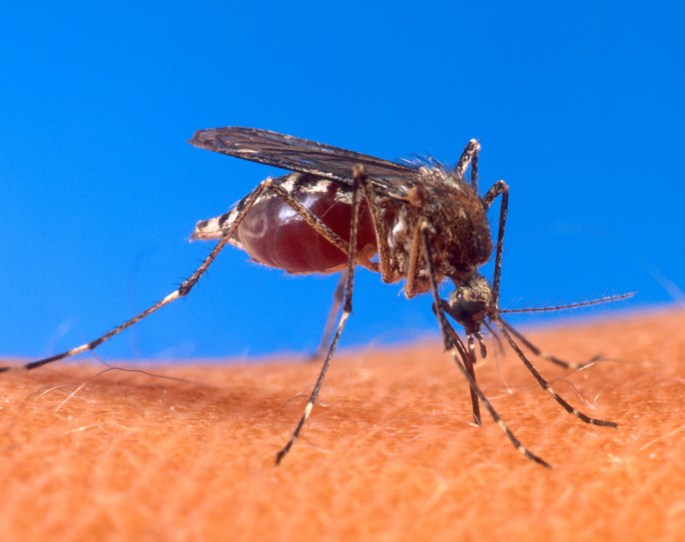
Pandora Report 8.9.2024

This week’s Pandora Report covers the recently updated priority pathogens list from the World Health Organization (WHO) and insights from the process of its development, the WHO’s plan to distribute polio vaccines in Gaza, recent research that suggests H5N1 is more widespread than previously thought, and more.

WHO Updates List of Most Dangerous Viruses and Bacteria

The WHO recently published a report outlining the findings of its global pathogen prioritization process that involved more than 200 scientists who evaluated evidence related to 28 viral families and one core group of bacteria, covering 1,652 pathogens. This updated priority pathogens list has grown to more than 30 pathogens, now including influenza A virus, monkeypox virus, and dengue virus. The pathogens were selected due to their potential to cause a global public health emergency in humans. According to the WHO report, the process emphasized “the imperative nature of collaborative efforts to attain global resilience against epidemics and pandemics.”

Furthermore, “…the approach used advocates for a scientific framework to enhance preparedness for forthcoming outbreaks, Public Health Emergencies of International Concern (PHEICs), and pandemics by focusing on research of Viral and Bacterial Families, rather than isolated pathogens deemed to present global risks.”

Previous efforts by WHO in 2017 and 2018 identified about a dozen priority pathogens, but it is important to frequently revisit and revise these lists to account for “major global changes in climate change, deforestation, urbanization, international travel, and more,” Neelika Malavige, an immunologist at the University of Sri Jayewardenepura in Colombo, Sri Lanka told Nature.

Furthermore, as Smriti Mallapaty explains in the same Nature news article, the researchers involved with this process also created a list of “prototype pathogens,” “which could act as model species for basic-science studies and the development of therapies and vaccines.” The goal of these is to help encourage more research into under- and less-studied pathogens. Mallapaty writes, “For example, before the COVID-19 pandemic, there were no available human vaccines for any of the coronaviruses, says Malik Peiris, a virologist at the University of Hong Kong, who was part of the Coronaviridae research group. Developing vaccines for one member of the family will bring confidence to the scientific community that it is better placed to address a major public-health emergency for those viruses, he says. This applies to treatments, too, he says, because “many antivirals work across a whole group of viruses”.’

WHO Plans to Send 1.2 Million Polio Vaccines to Gaza

The WHO recently announced it plans to send more than one million polio vaccines to Gaza following the detection of poliovirus in wastewater samples. WHO Director-General Tedros Adhanom Ghebreyesus explained the situation and his agency’s plan in a piece published by The Guardian, writing in part “Across Gaza, more than 39 000 people have been killed, 89 000 wounded, and more than 10 000 are estimated to be missing. Most hospitals are no longer able to function. Already, diarrhoeal diseases, respiratory infections and hepatitis A, among others, are raging through Gaza. Nearly everyone in Gaza is facing acute food insecurity and catastrophic hunger. Thousands of children are malnourished, making them even more susceptible to disease.”

“About 2.3 million people live in the 365 sq km (141 sq mile) Gaza Strip, which has become even more concentrated amid limited access to clean and safe water, and deteriorating sanitary conditions.”

He continued later, writing “While no cases of polio have been recorded yet, without immediate action, it is just a matter of time before it reaches the thousands of children who have been left unprotected. Children under five years are at risk, and especially infants under two because many have not been vaccinated over the nine months of conflict.”

“The World Health Organization (WHO) is sending more than 1m polio vaccines to Gaza, which will be administered in the coming weeks to prevent children being struck down by the disease. However, without an immediate ceasefire and a vast acceleration of humanitarian aid, including a targeted vaccination campaign focused on young children, people will continue to die from preventable diseases and injuries that are treatable.”

The Director-General later discussed other recent examples of polio thriving in places ravaged by conflict and instability: “In 2017, in wartorn Syria,  an outbreak of variant poliovirus – a mutated form of the wild virus that can spread in under-immunised populations – left 74 children paralysed. In Somalia today, a decade-long civil war has resulted in the longest unbroken chain of variant poliovirus transmission globally, circulating since 2017. In Afghanistan and Pakistan, the last two countries  where children are paralysed by wild polio, humanitarian crises and insecurity have prevented the world from stomping out the virus for good.”

Notably, an outbreak of polio in Ukraine that was detected in October 2021 was declared over in September 2023, again highlighting both the dangerous relationship between conflict and infectious disease as well as the global threat diseases like polio continue to pose.

New Study Suggests H5N1 Cases Are Going Undetected in Humans

A team at the University of Texas Medical Branch (UTMB) recently published research that “…revealed evidence of highly pathogenic H5N1 avian flu infections in two Texas farmworkers not previously confirmed to have the disease, and the investigators also cultured infectious H5N1 virus from milk and cattle samples taken from two Texas dairy farms that previously had H5N1 outbreaks.” Their article-“A One Health Investigation into H5N1 Avian Influenza Virus Epizootics on Two Dairy Farms”-is currently available as a preprint.

The team “detected signs of prior bird flu infections in workers from two dairy farms that had outbreaks in Texas earlier this year. They analyzed blood samples from 14 farmworkers who had not been tested for the virus and found antibodies against it in two. This is a nearly 15% hit rate from only two dairy farms out of more than 170 with bird flu outbreaks in 13 states this year,” explains KFF Health News’ Amy Maxmen.

Maxmen further explains, “As bird flu cases go underreported, health officials risk being slow to notice if the virus were to become more contagious. A large surge of infections outside of farmworker communities would trigger the government’s flu surveillance system, but by then it might be too late to contain.”

In a statement to NPR, Gregory Gray (senior author on the paper) said “I am very confident there are more people being infected than we know about…Largely, that’s because our surveillance has been so poor.”

“COVID-19: Lessons Can Help Agencies Better Prepare for Future Emergencies”

This recent report from the Government Accountability Office draws several important lessons learned from the US government’s response to the COVID-19 pandemic: “The nation continues to recover from the public health and economic effects of the COVID-19 pandemic. For example, COVID-19 was the tenth leading cause of death in 2023, as compared to being the third leading cause of death in 2020 and 2021. Available data also show that inflation declined between March 2023 and March 2024, but remained higher than pre-pandemic levels.”

“GAO identified lessons from the COVID-19 pandemic that could help federal agencies better prepare for, respond to, and recover from future emergencies. These lessons draw on GAO’s COVID-19 oversight work, which includes 428 recommendations to federal agencies and 24 matters for congressional consideration as of April 2024. Of these recommendations, 220 remain open. Moreover, these recommendations include those related to the three areas GAO added to its High Risk List during the COVID-19 public health emergency:

  1. the Department of Health and Human Services’ leadership and coordination of public health emergencies,
  2. the Department of Labor’s Unemployment Insurance system, and
  3. the Small Business Administration’s emergency loans to small businesses.”

“Agencies across the government could improve their preparedness for future emergencies by fully implementing GAO’s recommendations.”

“Lessons that could help federal agencies better prepare for future emergencies fall into seven topic areas. These lessons highlight instances where government agencies did well in responding to the pandemic, as well as instances where the government response could have been much better.”

“Yemen: Houthis Obstructing Aid, Exacerbating Cholera”

This piece from Human Rights Watch reports on Houthi obstruction of aid work and information access in Yemen amid a widespread cholera outbreak in the country. It explains that “Yemen’s authorities are obstructing aid work and exacerbating a deadly cholera outbreak that is spreading across the country, Human Rights Watch said today. Parties to the conflict, including the Houthis, the Yemeni government, and the Southern Transitional Council (STC), have obstructed aid and access to information and have failed to take adequate preventative measures to mitigate the spread of cholera. Houthi security forces also have detained and threatened civil society staff, including humanitarian aid workers, in their recent arrest campaign.”

“Data collected by aid agencies indicate that between January 1 and July 19 there have been about 95,000 suspected cholera cases, resulting in at least 258 deaths, according to an individual working with the Yemen Health Cluster, a group of aid organizations, authorities, and donors led by the World Health Organization (WHO). All parties to the conflict should end their violations and abuses of Yemenis’ right to health, and the Houthis should end their arbitrary detentions of civil society and humanitarian aid workers.”

“The Influence of Synthetic Biology on National Bioeconomy Strategies”

Konstantinos Vavitsas discusses policymakers’ perceptions of synthetic biology and the intersection of this with national bioeconomy strategies, writing in part “Perhaps the most highlighted policy actions around synthetic biology revolve around biosecurity. The US Congress appointed the National Security Commission on Emerging Biotechnology (NSCEB), chaired by Ginkgo’s CEO Jason Kelly, with the mission to examine the national security implications of emerging biotechnology. “When people think “biotech” plus “national security,” they usually think “biosecurity.” That’s a deeply important topic, but it’s not the core of our mission,” Caitlin Frazer, Executive Director of NSCEB, told me. “We’re looking at issues like how the military could use emerging biotechnology to fuel, feed, and heal our servicemembers, how we can use biotech to shore up vulnerable supply chains. How can we create economic opportunity in the U.S. through biomanufacturing? And, of course, how we protect against misuse of these powerful technologies by countries that don’t share our values.”’

“Software Tools for Strategic Chemical Trade Control Enforcement: Workshops Spotlight Challenges and Tools”

Christina McAllister and Braden Holt discuss a series of workshops hosted by the Stimson Center’s Partnerships in Proliferation Prevention Program in this piece, explaining in part “Several themes emerged across discussions in both workshops that provided important feedback for the development of tools to support strategic trade controls for chemical weapons nonproliferation. Cost was one – many agreed that national customs offices would benefit from tools, but said they needed to be affordable and accessible. Short timelines available to border and customs officials when performing checks on chemical imports and exports also reinforced the need to utilize systems when shippers submit documents, allowing for early detection of controlled chemicals. Emphasis was also placed on the need for tools to work in a variety of environments, including instances where internet or Wi-Fi is unavailable. There was broad agreement that, taking these concerns under consideration, better access to these tools would strengthen strategic chemical trade control enforcement.”
ICYMI: The Global Pandemic Preparedness Summit 2024

The 2024 Global Pandemic Preparedness Summit was held July 29-30 in Rio de Janeiro. Watch recordings of the proceedings (available in both English and Portuguese) here.

Assessing and Navigating Biosecurity Concerns and Benefits of Artificial Intelligence Use in the Life Sciences – August Information Gathering Meeting
From the National Academies: “This is the first in-person meeting of the consensus study, Assessing and Navigating Biosecurity Concerns and Benefits of Artificial Intelligence Use in the Life Sciences. The open session of this information gathering meeting will include initial briefings containing information relevant to study issues. The committee will also meet in closed session for project planning and review of topics and speakers for remaining meetings.”

This event will take place on August 13 and 14. Learn more and register here.

H5N1: Protecting High Risk Communities

From the Pandemic Center at Brown: “On August 16th at 12:00PM ET the Pandemic Center will host a webinar titled H5N1: Protecting High Risk Communities.”

“As H5N1 has spread among livestock, farm workers have been at increased risk of infection. Though H5N1 cases in the US have so far largely been mild, severe illness is still a possibility. There is an urgent need to protect farm workers from the worst this virus has to offer, but there has been little discussion about how to increase farm workers’ access to lifesaving tools, such as vaccines, tests and treatments. This webinar will discuss H5N1 severity and what strategies we should be using to protect the health and safety of high-risk groups.”

“This event will convene a panel of experts to discuss the current H5N1 vaccine landscape. It will be hosted by Jennifer Nuzzo, Director of the Pandemic Center and Professor of Epidemiology at the Brown University School of Public Health. The panel will include:

Nahid Bhadelia, Founding Director, Boston University Center on Emerging Infectious Diseases (CEID)

Rick Bright, CEO & Founder of Bright Global Health and Former Director of BARDA”

“This webinar is part of the Pandemics & Society series, which focuses on current pandemic threats and response systems as well as how to build preparedness for the future.”

“Please contact pandemic_center@brown.edu with any questions.”

Register here.
Pandora Report 3.11.2016

TGIF! We’ve got loads of global health security updates to keep you busy why you enjoy the warm spring weather. American special forces recently captured the chief ISIS chemical weapons engineer and you may want to avoid Wonderful Co. pistachios for a bit as they’re being linked to a salmonella outbreak.

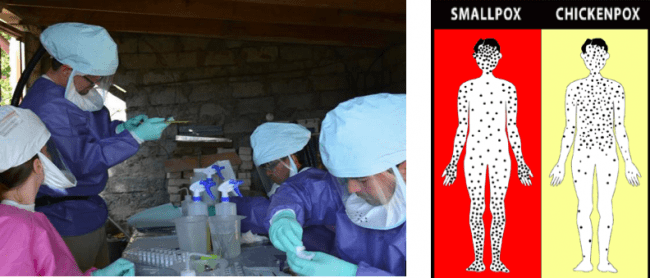
The Smallpox Battlegrounds – Laboratories and Virtual RealityScreen Shot 2016-03-07 at 10.49.30 AM
Video game fans will be excited to hear about the new Tom Clancy game, The Division, released on March 8th. This isn’t your normal action-packed video game, but rather it has something more sinister about its premiseThe Division focusses on a biochem attack involving a take over by a group called the Strategic Homeland Division aka “The Division”. The Division is compromised of sleeper agents that “act independently in the interest of restoring order after a mass event”. Now here’s where it gets spooky, the game’s premise involves a scenario that may give deja vu to many in the biodefense world- Operation Dark Winter. Operation Dark Winter was a June 2001 exercise/senior-level war game put on by the Center for Strategic and International Studies, the Johns Hopkins Center for Civilian Biodefense Studies, the ANSER Institute for Homeland Security, and the Oklahoma City National Memorial Institute for the Prevention of Terrorism. The scenario focussed on the impact and response of a smallpox outbreak coupled with tensions in the Taiwan Straits and additional crises. In a nutshell, the scenario found that “current organizational structures and capabilities are not well suited for the management of a BW attack”, media management would be challenging for the government, containment and infection prevention would present several issues, and we’d pretty much be in a whirlwind of trouble. If you’re more of a purest and The Division doesn’t appeal to you, there’s also The Collapse, which is an internet-based game that lets you simulate a smallpox outbreak. Unlike other games where the player designs the outbreak, this one is from the viewpoint of the patient. You’re patient zero with a weaponized strain of smallpox and your decisions carry with them a world of outcomes involving the spread of the disease and rate of infection. I spent some time playing The Collapse (starting at GMU for sheer irony) and found it to be very detail oriented and enjoyed the decision making components like which pharmacy I would go to, my travel destination, etc. If you’re not much of a gamer, here’s the recent WHO report on the deliberations regarding the destruction of variola virus stocks. To destroy smallpox or not to destroy smallpox, that is the question.

GMU Course Sampler & Open Houses
Looking to study and work with people that share your love of biodefense? Come check out our March 23rd GMU SPGIA Open House at 6:30pm, in Founders Hall, room 126 at our Arlington Campus! Not only will you be able to chat biodefense, but we’ll have an informational session afterward (7pm) with Dr. Koblentz (you can check out the 2/25 one here). Each session allows us to discuss global health security and answer questions related to our program and the growing field of biodefense. Can’t attend in person? Enjoy our 3/23 biodefense breakout session virtually! If you happened to miss our biodefense course sampler from 3/2, check out the recording from Dr. Koblentz’s talk on Biosecurity as a Wicked Problem.

Chinese Admission of False Korean War Allegations Involving US BW Use
Biodefense expert, Milton Leitenberg, discusses the allegations by North Korea, China, and the Soviet Union, that the US used bioweapons during the Korean War. While the Soviet Central Committee declared the allegations fraudulent in 1998, China and North Korea continued to maintain that bioweapons were used. The recent publication by Wu Zhili (previously the director of the Chinese People’s Volunteer Army Health Division during the Korean War) refutes these claims. Published posthumously, Wu’s testimonial is critical in dismantling the claims as he was “critically involved in the Chinese government’s manipulations that produced the Korean War BW allegations.” The initial allegations claimed that the US was testing bioweapons (specifically plague) on native Inuit peoples of Alaska and then was spreading smallpox in North Korea between December 1950- January 1951. The major allegation campaign began on February 22, 1952 though, as “the North Korean Foreign Minister again issued an official statement addressed to the United Nations Secretariat, charging that in January and February the US had made multiple air drops over North Korea, littering the earth with insects infected with the microorganisms that caused plague, cholera, and other diseases.” Leitenberg discusses these allegations and the Soviet admission of being “misled” and their claims that “the accusations against the Americans were fictitious…Soviet workers responsible for participation in the fabrication of the so-called ‘proof’ of the use of bacteriological weapons will receive severe punishment.” He goes on to discuss Wu’s publication and explanation of the tasks that were carried out to further the belief in US bioweapon applications.

Gain of Function Research
Researchers, Dr. Lipsitch, Dr. Relman, and Dr. Ingelsby, have joined together to discuss the realistic future for research that seeks to alter pathogens. Pointing to the National Academy of Sciences (NAS) meeting, they note that it “marks a turning point in a year-and-a-half-long policy process to consider the risks, benefits, oversight, and regulation of experiments that are designed to create influenza and other viruses that are simultaneously highly virulent and readily transmissible by respiratory droplets between mammals.” Focus has traditionally been on the pros and cons of gain-of-function (GOF) projects however, as time passes, a narrowing of concern seems to be focussed on experiments that seek to build chimeric viruses that are highly dangerous and transmissible. They recommend the following policy approach: lift the moratorium on GOFoc, seek international consensus, secure national and international agreement to restrict the performance of GOFoc studies, design a board, establish clear red lines for GOFoc research, and require the purchase by research institutions of specific liability insurance policies. You can also read the interview with the researchers regarding the implications of such research censorships. Dr. Filippa also discusses engineering a super flu here, noting that “the debate is really about risk assessment of this gain of function work and about who should be making those assessments. Should it just be scientists, should it be their institutions, should it be funders, should it be publishers or, much more broadly, should it be regulators, vaccine manufacturers, ethicists? ”

Zika Updates
CDC and NIAID officials are becoming frustrated as they feel Congress is blocking key efforts to fight the outbreak. A recently published report on research priorities to inform public health and medical practice for domestic Zika virus can be found here. The report emphasizes the growing spread of infection and subsequent need for additional research related to transmission, infection during pregnancy, and disease characteristics . The recent WHO stakeholders meeting provided updates on the most urgently needed tools to fight the growing pandemic. The roadmap includes diagnostic tests, inactivated vaccines targeted to childbearing-aged women, and new vector control mechanisms.  As of March 9th, there were 193 confirmed travel-associated Zika cases in the U.S.  A recent study found that 42% of questioned Americans believe the virus has high mortality rates. Aedes mosquitoes are also developing resistance to the go-to insecticide.

7 Sources for Understanding Epidemics
Feeling like all this Zika news has you needing to catch up on your outbreak cliff notes? The Washington Post has put together a nice list of seven books and movies you can enjoy to help ramp up your knowledge regarding the world of pandemics. This list is a great way to understand the different viewpoints of outbreaks and pandemics from social, medical, political, and scientific viewpoints. If you find yourself wanting more, here are some additional recommendations I’m throwing in: Spillover by David Quammen, Pandemic: Tracking Contagions, from Cholera to Ebola and Beyond by Sonia Shah, and The Coming Plague by Laurie Garrett. Feeling like something a little bit more dramatic? Check out Richard Preston’s The Hot Zone or Demon in the Freezer, or the movies Outbreak or World War Z. With the success of Contagion, I’m still hoping Hollywood will continue to back scientifically grounded films about pandemics (between ebola and Zika virus, they’ve got enough material!).

Stories You May Have Missed:

  • Why Are Mosquitoes Just So Good At Spreading Disease? Mosquitoes have been causing outbreaks since the days of ancient Rome and yet we’re still battling them in the fight against Zika, dengue, chikungunya, and more. “According to Janet McAllister, an entomologist with the U.S. Centers for Disease Control and Prevention (CDC), not all mosquitoes are good at transmitting disease, but the ones that are have evolved to live closer to humans.”
  • Global Health Security Agenda– GHSA was launched in 2014 as a multilateral approach to help protect the world from infectious disease threats. Endorsed by the G7, this agenda facilitates a “partnership of nearly 50 nations, international organizations, and non-governmental stakeholders, GHSA is facilitating collaborative, capacity-building efforts to achieve specific and measurable targets around biological threats, while accelerating achievement of the core capacities required by the World Health Organization’s (WHO’s) International Health Regulations (IHR), the World Organization of Animal Health’s (OIE) Performance of Veterinary Services Pathway, and other relevant global health security frameworks.”
  • Fumbling Ebola– The San Francisco-based epidemiology company, Metabiota, is being charged with making several mistakes according to the Associated Press (AP). Recovered communication reveals that the company fueled an already chaotic situation via misdiagnoses, adding to confusion, and poor sample tracking.
  • Guidelines for Ebola Survivor Care– The WHO has published guidelines on the management and care of patients who were previously infected with Ebola. Since there are roughly 10,000 ebola survivors and several have required hospitalization for complications, these recommendations are extremely prudent. The report includes counseling, considerations for special patient populations, and common sequelae and management recommendations.

Enjoying your weekly dose of the Pandora Report? Sign up to receive it every week so the fun never ends! 

Pandora Report 10.2

All this rain and grey weather (at least in DC) makes us want to curl up with a good book and luckily, we’ve got just the reading list! This week we’re sharing some top-notch work by our phenomenal faculty and alumni for you to enjoy. Earlier this week, straight out of a James Bond movie, Elon Musk presented Tesla’s Model X and its Bioweapon Defense Mode. Google had its 2015 Science Fair and a pretty amazing high school student took home top honors for her work on Ebola. Did I mention Kansas is prepping for the zombie apocalypse? Needless to say, there was a lot going on this week in the world of biodefense, so let’s venture down the rabbit hole….

 Zombie Preparedness Month Starts for Kansas 
I’m thinking we may need to take a class trip to Kansas since Governor, Sam Brownback, will be signing a proclamation to officially designate October as “Zombie Preparedness Month”! Brownback’s rationale is to emphasize preparedness in any form, stating, “If you’re prepared for zombies, you’re prepared for anything. Although an actual zombie apocalypse will never happen, the preparation for such an event is the same as for any disaster: make a disaster kit, have a plan, and practice it.” During Zombie Preparedness Month, state emergency management services will have activities and information for residents to help get their preparedness on. They’ll also be using social media to engage people people on these topics. The one thing we’ve learned in biodefense, Gov. Brownback, is to never say never!

Connecticut Teen Wins Google Science Award By Developing Affordable Ebola Test
High school junior, Olivia Hallisey, just took home the Google Science Fair top prize for developing an affordable and easy Ebola test in her project, “Ebola Assay Card”, which quickly (we’re talking 30 minutes quick!) detects the virus and doesn’t require refrigeration. Each test only costs $25 and picks up antigens on photo paper. Hallisey summarizes, “In this new device, that is stable and stored at room temperature, 30µl drops of water were used to dissolve silk-embedded reagents, initiating a timed-flow towards a center detection zone, where a positive (colored) result confirmed the presence of 500pg/ml Ebola(+)control antigens in 30min, at a cost of $25,” Hallisey hopes this project will encourage other girls to pursue their passions in science. Hallisey is truly an inspiration and we tip our hats to her passion for solving world problems while encouraging her peers!

Let’s Talk Dual-Use!
Come listen and chat with Dr. David R. Franz, former commander of USAMRIID, about balancing research and regulations when it comes to dual-use!
Date & Time: Monday, October 5, 2015, 4:30-6pm
Location: Hanover Hall, L-003 George Mason University, Fairfax, VA, see map

​Dr. Franz was the Chief Inspector on three United Nations Special Commission biological warfare inspection missions to Iraq and served as technical advisor on long-term monitoring.  He also served as a member of the first two US-UK teams that visited Russia in support of the Trilateral Joint Statement on Biological Weapons and as a member of the Trilateral Experts’ Committee for biological weapons negotiations.  He previously served as member of the National Science Advisory Board for Biosecurity (NSABB). Dr. Franz currently serves on several committees including the National Academy of Sciences Committee on International Security and Arms Control and the National Research Council Board on Life Sciences. Dr. Franz is a leader in the areas of cooperative threat reduction and health security and an expert in the development of U.S. regulations for biological threat reduction and biological security.  Dr. Franz will discuss the history and current debates related to U.S. and international regulations for select agents, dual use research of concern, and gain-of-function experiments.

1977 H1N1 Influenza Reemergence Reveals Gain-of-Function Hazards
Dr. Martin Furmanski discusses the gain-of-function (GoF) research hazards in relation to the 1977 H1N1 strain and it’s laboratory origins. Highlighting a previous article on the GoF debate, Dr. Furmanski notes that “separating the risks of vaccine development from those of basic GoF research is inappropriate, because GoF research seeks to discover antigenic and genomic changes that facilitate human-to-human transmission and/or augment virulence, with the aim of preemptively producing vaccines.” He also notes that while the 1977 H1N1 epidemic originated in a lab and it’s release was unintentional, the culprit laboratory matters little in the GoF debate.

Define Acceptable Cyberspace Behavior
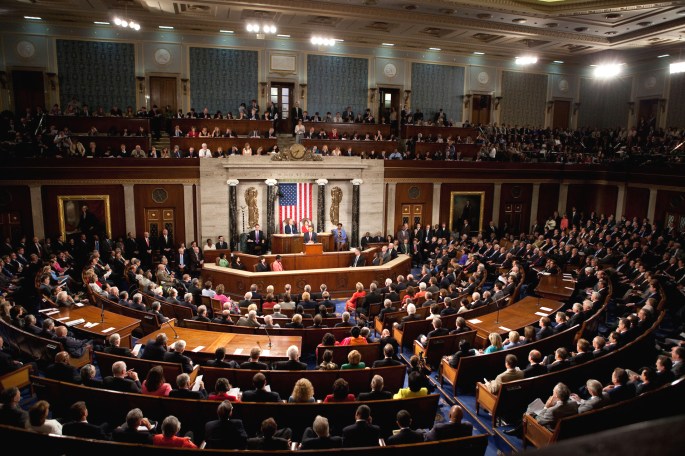
GMU Biodefense alum, Dr. Daniel M. Gerstein, discusses the US-China cybersecurity agreement and the Friday announcement between Chinese Premier Xi Jinping and President Barack Obama. The agreement highlights the mutual desire to prevent cybertheft of business secrets. Dr. Gerstein emphasizes that while this agreement is a step in the right direction, it points to larger preparedness and response capability gaps. He notes, “So while a U.S.-China agreement is a welcome step, it also underscores the greater issues facing the United States, and indeed the international community, in this largely ungoverned space.” Dr. Gerstein highlights the necessity to define cyberspace boundaries, especially as there are delays in DHS security system deployments while US vulnerabilities continue to develop.

Implementation for the US Government Policy for Institutional Oversight of Life Sciences Dual Use Research of Concern
As of September 24, 2015, all institutions and USG funded agencies are now required to comply with the policies. Agencies now must have “a mechanisms in place to evaluate research that is potentially Dual Use Research of Concern (DURC).” Institutions must also organize an Institutional Review Entity (IRE) to review and manage compliance with these requirements.

Dr. Sonia Ben Ouagrham-Gormley’s  new book, Barriers to Bioweapons, received glowing reviews in the latest issue of Perspective on Politics. Her work, which is a staple for biodefense courses, and particularly this text, focusses on the perception of risk and lethality of bioweapons while addressing the realities of these assumptions. Ouagrham-Gormley discusses the key role of tacit versus explicit knowledge in the development and dissemination barriers for bioweapons. “The author identifies important factors internal to a weapons-development program- talented individuals and cohesive groups, corporate culture, communities of practice, organization structure- as critical nodes or ‘reservoirs’ of knowledge that must be configured to optimize the sharing of ideas and information.” The case studies of Iraqi and South African programs, as well as Aum Shinrikyo, lay the foundation for her points on the role of internal and external variables that can hinder or help a bioweapons program. Whether you’re reading  it for class (GMU Biodefense folks, I’m looking at you!) or you’re looking to brush up on nonproliferation, this book is a well-written and captivating necessity to understand bioweapon development. Did I mention how awesome the cover is?
Our very own GMU Biodefense PhD alum, Dr. Denise N. Baken, has a wonderful new book being released – let’s check it out! Al Qaeda : The Transformation of Terrorism in the Middle East and North Africa examines violence and the way it is marketed by the global terrorism industry.  Authors Denise Baken and Ioannis Mantzikos frame the violence discussion through the prism of its use by Al Qaeda, Al Qaeda in the Arabian Peninsula (AQAP) and Islamic State of Iraq and Syria (ISIS).Baken and Mantzikos look at the business parameters of violence –its cost, return on investment, efficiency, and effectiveness; They propose a new approach to that violence. One that looks at violence as a controlled commodity that evolved from Al Qaeda’s initial presentation of future possibilities, AQAP exploited those possibilities and ISIS pushed the boundaries of usability.
Stories You May Have Missed:

Pandora Report 6.21.15

Changing things up this week, our lead story is a nuclear photo essay. We’ve also got Russian nuclear posturing and a bunch of other stories you may have missed.

Happy Father’s Day to all the dads out there and enjoy the rest of your weekend!

Next Exit, Armageddon: Photos of America’s Nuclear Weapons Legacy

I love a good photo essay, especially those focused on abandoned places—so this is the perfect* combination of that and nuclear history. Many times on the blog I’ve made somewhat flippant comments about visiting nuclear sites on summer vacation. However, evidently there is great public interest in this. As such, the National Park Service and the Department of Energy will establish the Manhattan Project National Historical Park that will include sites as Los Alamos, Oak Ridge and Hanford.

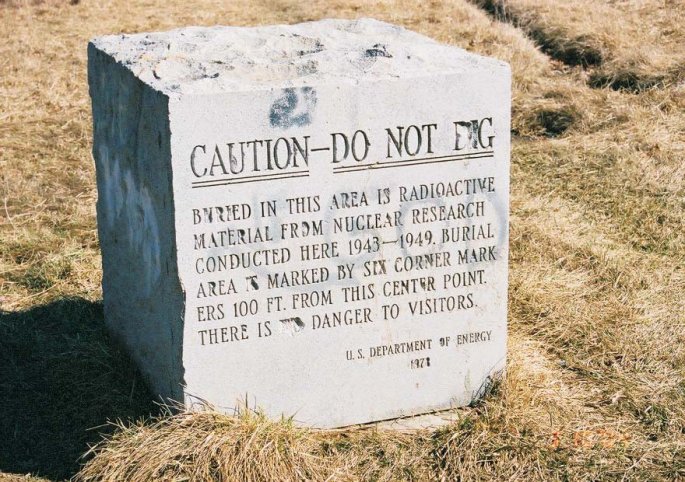
VICE News—“Elsewhere in the US, the ruins of the Manhattan Project and the arms race that followed remain overlooked. In North Dakota, a pyramid-like anti-missile radar that was built to detect an incoming nuclear attack from the Soviet Union pokes through the prairie grass behind an open fence. In Arizona, a satellite calibration target that was used during the Cold War to help American satellites focus their lenses before spying on the Soviet Union sits covered in weeds near a Motel 6 parking lot. And in a suburban Chicago park, where visitors jog and bird watch, nuclear waste from the world’s first reactor — developed by Italian physicist Enrico Fermi for the Manhattan Project in 1942 — sits buried beneath a sign that reads ‘Caution — Do Not Dig.’”

*Check out the photos. They’re truly extraordinary.

Putin: Russia to Boost Nuclear Arsenal with 40 Missiles

Everything old is new again, it seems. This week Vladimir Putin announced that Russia will put more than 40 new intercontinental ballistic missiles into service in 2015. It is said that the new missiles are part of a military modernization program. However, the announcement comes on the heels of a US proposal to increase its own military presence in NATO states in Eastern Europe.

BBC—“Nato Secretary-General Jens Stoltenberg said that the statement from Mr. Putin was “confirming the pattern and behaviour of Russia over a period of time; we have seen Russia is investing more in defence in general and in its nuclear capability in particular”.

He said: “This nuclear sabre-rattling of Russia is unjustified, it’s destabilising and it’s dangerous.” He added that “what Nato now does in the eastern part of the alliance is something that is proportionate, that is defensive and that is fully in line with our international commitments.’”

Stories You May Have Missed

Image Credit: Federal Government of the United States

Pandora Report 2.1.15

No themed coverage this week, sadly. However, we’ve got stories covering the Federal fight against antibiotic resistance, ISIS airstrikes, and super mosquitoes in Florida. All this in addition to stories you may have missed.

Have a fun Super Bowl Sunday (go team!) and a safe and healthy week!

Obama Asking Congress to Nearly Double Funding to Fight Antibiotic Resistance to $1.2 Billion

One of The White House’s goals for 2015 was to combat growing antibiotic resistance through research into new antibiotics and efforts to prevent the over prescription of these vital drugs. President Obama is requesting that Congress add additional funding to this fight, bringing the total to $1.2 billion. The funding will be a start, but there are many other things that can happen in order to fight this extremely important problem.

U.S. News & World Report—“The Centers for Disease Control and Prevention says more than 23,000 Americans die every year from infections that can withstand some of the best antibiotics. The World Health Organization said last year that bacteria resistant to antibiotics have spread to every part of the world and might lead to a future where minor infections could kill.”

Air Strike Kills IS ‘Chemical Weapons Expert’

News came Saturday morning that U.S. airstrikes in Iraq last week killed a mid-level Islamic State militant who specialized in chemical weapons. Killed on January 24, Abu Malik had worked at Saddam Hussein’s Muthana chemical weapons production facility before joining Al-Qaeda in Iraq in 2005.

Radio Free Europe/Radio Liberty—“Officials say his death could “temporarily degrade” the group’s ability to produce and use chemical weapons. Coalition air strikes have pounded the Mosul area over the past week [and] The U.S.-led coalition has carried out more than 2,000 air raids against IS militants in Syria and Iraq since August 8.”

Millions of Genetically Modified Mosquitoes Could Fight Disease in Florida

On January 11, we had a small note about the possibility of genetically modified mosquitos controlling diseases like chikungunya and dengue, but this week coverage on this issue absolutely exploded! British biotech firm Oxitec plans to release millions of genetically modified mosquitos in Florida to control the existing population and help control the spread of these diseases. The A. Aegypti species of mosquito is extremely prevalent in Florida and recently has become resistant to most chemical pesticides. Residents, of course, are up in arms over the potential release of this “mutant mosquito”.

The Weather Channel—“Technology similar to this is already in use in Florida and other states, Entomology Today points out. Sterile Insect Technique (SIT) employs a similar technique, sterilizing insects so that when they mate, no offspring are produced. “Florida spends roughly $6 million a year using SIT to prevent Mediterranean fruit fly infestations, while California spends about $17 million a year,” Entomology Today wrote.”

Stories You May Have Missed

Image Credit: Wikimedia Commons

Pandora Report 12.21.14

The winter holidays are here and with them comes the final 2014 news roundup. This week we look at superspreaders, dengue fever, and, of course, Ebola.

There will be no roundup next week as I will be spending time with family and friends. I hope all of you have the opportunity to do the same and are surrounded by those you love during this time of year. It has been a privilege and a pleasure serving as the Managing Editor of the Pandora Report since March. I hope you have enjoyed reading it as much as I’ve enjoyed writing it.

I hope to see you right back here again in 2015!

The 20% Who Spread Most Disease

How did Typhoid Mary spread the disease to dozens of people but never get sick herself?

Researchers at Stanford University are looking into the science behind “superspreaders”—the idea that some people spread more disease than others. Recent experiments have suggested that the body’s immune response might play a role in helping to spread pathogens to others, however, it isn’t clear if the immune system of the superspreader or their behavior plays a bigger role in the passage of disease.

The Wall Street Journal—“‘It’s telling us that these superspreaders…are tolerant of high levels of the pathogen and any little disturbance and added inflammation that this antibiotic treatment did to them,” said Dr. Monack. “I wouldn’t say they have stronger immune systems. I would say it’s in a state that protected them from this added disturbance in the gut.’”

Dengue Fever Vaccine on the Cards After Novel Antibody Discovery

Over the past 50 years cases of dengue fever have soared—nearly 100 million per year. Normally the infection causes a fever which lasts about a week, but some develop hemorrhagic fever which kills about 22,000 a year. Gavin Screaton at the Imperial College in London warns “it’s likely that without a vaccine this disease is not going to be controlled.” That’s why a discovery of a new antibody brings hope that vaccine development may be closer than we thought.

The Guardian—“The researchers spotted the new group of antibodies while they were studying blood drawn from patients who picked up dengue infections in south-east Asia.

They found that about a third of the immune reaction launched by each patient came from a new class of antibodies. Instead of latching on to a single protein on the virus surface – as usually happens – the new group of antibodies latches on to a molecular bridge that joins two virus proteins together.”

This Week in Ebola

It’s been a hard year in West Africa with the worst Ebola outbreak in history still ongoing. In Sierra Leone, the country with the most cases, treatment centers are overflowing with patients. The President has announced that Christmas has been cancelled as news came that the most senior doctor—Victor Willoughby—died. Dr. Willoughby was the 11th of Sierra Leone’s 120 doctors to die from the virus. For the lucky ones who survive, they must cope with after effects including blindness and joint pain. And don’t forget the stigma—a heart breaking article in the New York Times describes the plight of Ebola orphans who aren’t taken in for fear that they are ticking disease time bombs. Cuban doctors are some of the most active on the front lines, but news this week came that the U.S. embargo has delayed payment of those doctors. There are glimmers of hope though, as the U.N. Economic Commission for Africa urged debt cancellation for Ebola affected West African countries and experimental serum therapy treatment made from the blood of recovered patients arrived in Liberia.

Stateside, a child flying though O’Hare Airport in Chicago was quarantined when a high fever was discovered after screening. Johns Hopkins University was chosen as one of the winners in a global competition to create an improved protection suit for those fighting Ebola on the front lines. Lastly, an American doctor—Richard Sacra—who was infected with Ebola in Liberia and returned to the U.S. for treatment, has said that he will return to Liberia in January to continue fighting the outbreak.

Stories You May Have Missed


Image Credit: Free Images

Pandora Report 9.6.14

This week we cover dengue in Japan, dog flu in NYC, more forgotten lethal specimens in government labs, and of course, an Ebola update.

Canine Influenza Cases Spreading in Manhattan

Flu season is rapidly approaching, and evidently, it doesn’t only affect humans. Veterinarians in Manhattan have reported cases throughout the borough. The cases are likely due to dogs playing with other infected dogs at parks and dog runs. Vets warn owners to watch for coughing dogs and if they are present to take their dog to another area. The good news is, just like their human counterparts, dogs, too, can receive a flu vaccine.

The Gothamist—“According to the ASPCA, symptoms include coughing, sneezing, difficulty breathing, fever, lethargy and loss of appetite; most dogs will recover within a month, but secondary infections like pneumonia can be problematic.”


New Cases of Dengue Fever Should be a Wake-Up Call for Japan

As many as 70 people in Japan have been infected with Dengue fever—traditionally, a disease found in tropical climates—the country’s first outbreak since 1945. The diagnoses prompted authorities to fumigate an area of Yoyogi Park in Tokyo’s Shibuya Ward, which was the apparent source of the infections. Dengue fever is transmitted by mosquitos and produces an extremely high fever and pain in the joints. The disease is not transmitted person to person.

The Asahi Shimbun—“The most effective way to deal with a global dengue epidemic is to step up the efforts to exterminate mosquitoes in countries with a large number of patients, especially in urban areas.”


Forgotten Vials of Ricin, Plague, and Botulism found in U.S. Government Lab 

A strong feeling of deja vu hit this week when we learned about yet another case of forgotten vials of dangerous pathogens at U.S. labs. In this case, the containers were discovered during an investigation of NIH facilities after scientists found vials of smallpox earlier this summer. This search discovered a century (!!) old bottle of ricin, as well as samples of tularemia and meliodosis. The FDA also reported they found an improperly stored sample of staphylococcus enterotoxin.

The Independent—“The NIH does have laboratories that are cleared to use select agents, and those pathogens are regularly inventoried, the director of research services Dr. Alfred Johnson said. However, these samples were allowed to be stored without regulation.”


This Week in Ebola

We learned that new cases of Ebola in Democratic Republic of Congo are genetically unrelated to the West African strain and that researchers from the Broad Institute and Harvard are working to sequence and analyze virus genomes from the West African outbreak. Senegal is working hard to manage contacts with the Guinean student who tested positive for the virus in the capital, Dakar. Human trials of an Ebola vaccine continued in the U.S. and are planned to take place in Mali, the U.K., and Gambia. A third American infected with Ebola will return to the U.S. and will be treated at a Nebraska medical containment unit which was built for the SARS outbreak. I read an article that hypothesized that Ebola may be able to be transmitted sexually which could account for a high number of cases, while the Washington Post pointed to the fact that the West Africa outbreak is drawing attention from diseases which are more widespread and kill more people—it’s the Kardashian of diseases. Lastly, CDC Director Dr. Thomas Frieden said that this outbreak of Ebola is “threatening the stability” of affected and neighboring countries, and Dr. Daniel Lucey, of the Georgetown University Medical Center, predicts that the current outbreak “will go on for more than a year, and will continue to spread unless a vaccine or other drugs that prevent or treat the disease are developed.”


Image Credit: Wikimedia Commons

Pandora Report 08.09.14

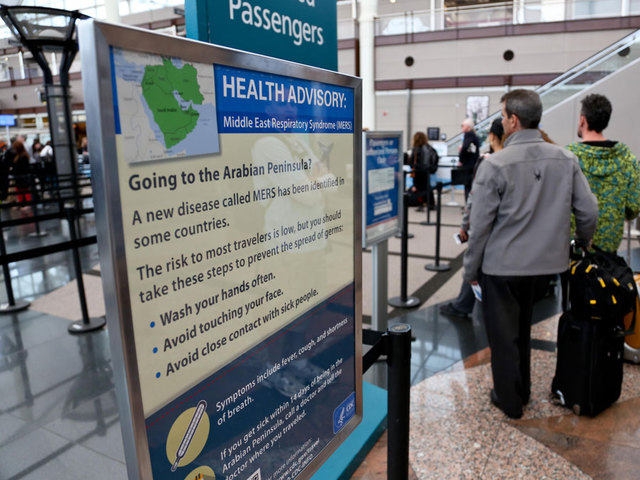
I spent about 12 hours at Dulles Airport yesterday. I didn’t fly anywhere, but I was ensuring that 120 international students were able to get from Washington DC to their host families all over the country. You may have noticed that in the security areas of Dulles Airport they have televisions that go over proper security screening procedures. On these same screens, they also show CDC travel alerts.

In June (when I was ensuring that 450 students were able to get back to their home countries), the alerts were for MERS and mosquito borne diseases like dengue and Chikungunya. Yesterday, Ebola was on alert for travelers to West Africa.

Last week we looked at the fever pitch of Ebola, today, lets look at the diseases designated by the CDCs travel alerts at Dulles.


Zika Virus: Another Threat from the Asian Tiger Mosquito

Travel alerts from the CDC often include Chickungunya and Dengue fever, but another disease from the same vector—the tiger mosquit0—is receiving alerts as well. Zika Fever, was isolated in humans in the 1970s, but has relatively few documented cases. In 2007, the virus demonstrated epidemic capacity with 5,000 cases in Micronesia. In 2013 there were 55,000 cases in Polynesia. Today the CDC has issued Watch Level 1 alerts for Zika in Easter Island, French Polynesia, and the Cook Islands and urges travelers to practice usual precautions.

Entomology Today—“Originally from Asia, the tiger mosquito was introduced to Africa in 1991 and detected in Gabon in 2007, where its arrival undoubtedly contributed to the emergence of dengue, chikungunya, and as shown by this new study, zika. The rapid geographic expansion of this invasive species in Africa, Europe, and America allows for a risk of propagation of zika fever around the world.”


Ramadan pilgrimage season in Saudi Arabia mostly free from MERS

Saudi Arabia reported only ten new cases of MERS from June 28- July 28 during the month of Ramadan. In April and May of 2014, hundreds of people were infected by MERS, which raised concerns about infection rates during Ramadan and during the Hajj, which will take place in October, when millions of pilgrims will travel to Mecca. Since 2012, Saudi Arabia has confirmed over 700 cases of infection resulting in nearly 300 deaths. The CDC designates the Hajj as an Alert Level 2, and urges U.S. residents to practice enhanced precautions.

Al Arabiya—“Saudi Arabia and the World Health Organization have said they are imposing no travel or other restrictions due to MERS during the Hajj, but have encouraged very young or old pilgrims, and those suffering from chronic disease, not to come this year.”


WHO: Ebola ‘an international emergency’

This week, the World Health Organization declared that the spread of Ebola in West Africa is an international health emergency. They urged coordinated response in order to keep the spread of the virus under control. Though no travel or trade bans have been enacted, the WHO recommends that Ebola cases or contacts should not travel internationally. This comes at a time when states of emergency have been declared in Liberia, Guinea, and Sierra Leone and the number of total cases has reached nearly 1,800 with over 950 deaths. The CDC designates outbreaks in these countries as a Warning Level 3, and urges U.S. residents to avoid non-essential travel.

BBC—“WHO director-general Dr. Margaret Chan appealed for help for the countries hit by the ‘most complex outbreak in the four decades of this disease.’

The decision by the WHO to declare Ebola a public health emergency is, by its own definition, an ‘extraordinary event’ which marks ‘a public health risk to other states through the international spread of disease’.”


Image Credit: The Denver Channel

Arthropods, Pathogens, and Bioterrorism

By Chris Healey

Mosquitos are responsible for a chickungunya fever outbreak in the Caribbean several hundred miles off the United States coastline. That outbreak is an addition to the expanding role arthropods play in the spread of illness.

Many arthropods are erroneously classified as insects. While mosquitos, lice, and fleas are indeed insects with six legs, ticks have eight legs and are technically arachnids. The term arthropod is an overarching classification encompassing mosquitos, fleas, and ticks – all common disease vectors. Insects are arthropods, but not all arthropods are insects.

Arthropods spread several of the world’s most significant diseases. Notable among them are Lyme disease, typhus, yellow fever, Japanese encephalitis, West Nile virus, and, most significantly, malaria. Of the 45 select agents designated by the U.S. Department of Health and Human Services, 12 are transmitted by arthropods.

Diseases spread by arthropods have influenced some of the greatest conflicts in history. More French soldiers are suspected to have died from louse-borne typhus than actual combat during Napoleon’s ill-fated 1812 invasion of Russia. Staggering mortality among the French army forced Napoleon to renounce Moscow and retreat back to France. During WWII, mosquito-borne malaria was a serious health threat to U.S troops throughout campaigns in the South Pacific.

Several tick-borne bacterial illnesses have been endemic to North America since antiquity, including Lyme disease and Rocky Mountain spotted fever. In recent years, mosquito-borne viruses have made their way across U.S. borders. The introduction of West Nile virus in 1999 and a 2005 dengue hemorrhagic fever outbreak in Texas have solidified emerging and foreign arthropod-borne diseases as threats to U.S. public health.

Arthropods can also serve to carry out bioterrorism. Terrorists could utilize arthropods to execute clandestine bioterror attacks through exploitation of feeding behavior. Inoculation of arthropods with the desired agent and subsequent release into unsuspecting populations could spread illness during, or shortly after, blood meals. Although possible, that scenario is unlikely due to the difficulty associated with production and maintenance of pathogen-inoculated arthropods.

A more likely bioterrorism scenario involves malevolent forces utilizing more passive means of compromising U.S. health. North America has many indigenous mosquito species – several of which can spread pathogens found in other parts of the world, such as Rift Valley Fever in Africa. Introduction of any disease capable of spread and maintenance by indigenous arthropods is a significant public health threat. Some unsubstantiated theories suggest West Nile virus was intentionally introduced to the U.S. in this way. Possibilities of an arthropod-facilitated attack has placed a heavy burden on keeping undesirable pathogens out of the country.

There are steps everyone can take to reduce their risk of arthropod-borne diseases. Mosquito control methods, such as elimination of outdoor untreated stagnant water sources, should be practiced regularly. Also, mosquito repellent, in addition to long-sleeved shirts and pants covering the ankles, should be worn whenever going outdoors.

Similar measures can be taken to prevent tick bites – wear repellent, tuck pants into socks or boots, shower after returning indoors, and perform tick checks daily.

Pandora Report 05.24.14

Highlights include the CIA and their “Immunization Campaigns,” Ricin Sentencing, Dengue Warning for the World Cup, and Bacteria and E-Cigarettes. Have a safe and wonderful Memorial Day weekend!!

CIA Drops Vaccination Cover Story in the Wake of Polio Outbreak

Shakil Afridi, a Pakistani doctor, provided polio vaccinations in the city of Abbottabad as a cover for the CIA-backed effort to obtain DNA samples from children at a compound where Osama bin Laden was later found and killed in 2011. This week, however, the White House assured the deans of prominent U.S. Public Health Schools that the CIA will no longer use vaccination programs as a cover for spy operations. The agency also agreed not to use genetic materials obtained through such programs.  This announcement comes at a time when Polio cases are growing and spreading in Pakistan—in 2013 cases in Pakistan accounted for more than 20% of all new polio cases worldwide.

CBC—“The CIA’s use of a polio vaccine program to spy on bin Laden’s compound undercut Obama’s own high-profile speech to the Muslim world in 2009, in which he touted U.S. efforts to slash the growth of polio in Pakistan, Afghanistan and Nigeria. With Obama administration assurances, Muslim scholars in two international groups issued religious decrees urging parents to vaccinate their children.”

Mississippi Man Sentenced in Ricin Letter Investigation

This week, James Dutschke was sentenced to 25 years in prison for developing and possessing Ricin. Dutschke mailed the ricin-laced letters to the President, U.S. Senator Roger Wicker, and a Lee County Mississippi Judge.

FBI—“Following an investigation, Dutschke was arrested on April 27, 2013, and indicted by a federal grand jury on June 3, 2013. A superseding indictment was filed on November 20, 2013. Dutschke pled guilty on January 17, 2014, to one count of developing and possessing ricin and three subsequent counts of mailing threatening letters laced with the substance. According to the plea agreement between Dutschke and the U.S. Attorney’s Office that was filed in U.S. District Court in Oxford, Dutschke had agreed to serve a 300-month prison sentence and had waived his right to appeal.”

Scientists Warn of Dengue Fever Risk during Brazil’s World Cup

This topic has been circulating for weeks, if not months, but with the beginning of the World Cup a few weeks away, this story has been popping up in the news on a daily basis. Of the 12 World Cup host cities, the risk of Dengue fever has prompted a high alert in three—Natal, Fortaleza, and Recife—and an increased risk in four—Rio, Belo Horizonte, Salvador, and Manaus.

Dengue fever, sometimes called “breakbone fever,” is a viral infection transmitted by the Aedes aegypti mosquito. It can range from a mild, flu-like illness to a potentially deadly one, which occurs in approximately 5% of patients. There are no vaccines or effective treatments for Dengue Fever. Brazil has had more cases of the disease than anywhere in the world—more than seven million infections between 2000 and 2013.

Chicago Tribune—“Rachel Lowe, from the Catalan Institute of Climate Sciences in Barcelona, who helped develop the warning system, said the possibility of an outbreak during the World Cup large enough to infect visitors and spread back to their home countries will depend on a combination of factors. This include having large numbers of mosquitoes, a susceptible population and a high rate of mosquito-human contact, she said.”

Here’s Why Bacteria Like E-Cigs

Many, including everyone’s favorite anti-vaxxer Jenny McCarthy, claim that e-cigs are safer for their health than traditional cigarettes. However, it addition to the harm cigarettes inflict on the immune cell, it turns out that either type of cigarette may be just as bad for the body’s natural bacteria.

Time—“Dr. Laura Crotty Alexander, from the University of California at San Diego and the VA San Diego Healthcare System, found that the vapor from e-cigs prompts bacteria to become more resistant to antibiotics. In the presence of e-cig vapor, for example, methicillin resistant staphylococcus aureus (MRSA) became more resistant to the natural anti-microbial agents that the body makes. Cigarette smoke also produces the same effect, but Crotty Alexander was surprised that the e-cig vapors did as well, given that they were not supposed to contain the health-harming carcinogens that tobacco smoke does.”


Image Credit: Wikimedia Commons