Pandora Report 9.26.2025

Welcome to this week’s Pandora Report! This issue features federal undercutting on U.S. science funding and the risk of a brain drain, the U.S. “America First” global health strategy and its implications for international aid, the narrowing of COVID-19 vaccine guidance and state-level responses, the escalating Ebola outbreak in the Democratic Republic of the Congo, and a breakthrough in biotechnology with the first AI-designed viruses capable of targeting E. coli.

Thinking About Graduate Study in Biodefense?

The Schar School of Policy and Government has several upcoming recruitment events:

For Prospective MS Students:

For Prospective PhD Students:

🔗 See all upcoming events here.

☕ Plus: Regional coffee chats with faculty and admissions staff across Maryland, Virginia, and DC. Learn more here.

💡 Tuition Benefit: Master’s and certificate students living in Maryland and DC quality for in-state tuition rates. Learn more and register here.

From Classroom to Commission: Mason Biodefense Students Shaping Biotechnology Policy

By Jay Bickell

Jay Bickell is pursuing a MS in Biodefense at George Mason University and works as a Staff Scientist at MRIGlobal supporting biorisk management programs.

Earlier this year, the National Security Commission on Emerging Biotechnology (NSCEB) released its final report, Charting the Future of Biotechnology. What emerged was not a victory lap or a reassurance, but both an inspiring reminder of the promise of biotechnology and a stark warning about what is at stake in the biotechnology innovation race. The report’s executive summary wastes no time, bluntly stating that “countries that win the innovation race tend to win actual wars, too.” From the outset, the message is clear: the U.S. cannot afford complacency in biotechnology.

Given the breadth of issues at play, the Commission relied on expertise from many different disciplines. Among those involved were George Mason University Biodefense students and alumni, who contributed their expertise and academic training to the practical work of shaping U.S. biotechnology policy.

This article explores the origins of the commission, the key findings of its report, and the role of GMU biodefense students and alumni who served as policy advisors and fellows.

The Commission

The NSCEB was established by Congress in 2022 as an independent legislative advisory body, created in response to the rapid pace of emerging biotechnology and its profound implications for both the U.S. bioeconomy and national security. Its establishment was a bicameral decision, reflecting bipartisan concern, and its commissioners brought a wide range of expertise from across science, industry, defense, and policy.

The Commission had an ambitious charge to provide Congress with an assessment of biotechnology’s role in national security and to recommend concrete steps for harnessing its benefits while mitigating risks. Modeled in part on the National Security Commission on Artificial Intelligence, the NSCEB conducted an extensive two-year study, gathering insights from more than 1,800 professionals worldwide. Beyond analysis, its task was also pragmatic in nature, to ensure recommendations were actionable and capable of being translated into policy. The NSCEB will continue turning those recommendations into bills before the commission winds down in December 2026.

The Report

The final report, Charting the Future of Biotechnology, begins with a sobering vision of a not-so-distant future where the U.S. fails to keep pace in biotechnology innovation and with it, risks losing both economic and military advantages. Over the course of nearly 400 pages the report delivers 49 specific and concrete recommendations ranging from establishing a National Biotechnology Coordination Office (NBCO) in the Executive Office of the President, to providing workforce training. Ultimately every recommendation culminates in the main recommendation that “the U.S. government should dedicate a minimum of $15 billion over the next five years to unleash more private capital into our national biotechnology sector.”

Behind the Report: GMU Students and Alumni  

Behind the report’s recommendations lies the work of 63 commission staff as well as countless other participants. Notably, among them were several students and alumni from George Mason University’s Biodefense (BIOD) program, who brought their expertise to an effort that will shape U.S. biotechnology policy for years to come.

Aishwarya Sriraman is a third-year PhD student in the BIOD program and served as a research and policy fellow supporting Commissioners in developing the report. Her work focused on recognizing how education and workforce development will build tomorrow’s biotechnology workforce. Drawing on her technical background in biochemistry and biotechnology, she helped connect the policymaking process to the realities facing biotechnology and biosecurity professionals. Aishwarya hopes “that professionals get excited by the potential of emerging biotechnology (the science and its potential impact) while also recognizing their roles and responsibilities in ensuring its success.”

Olivia Parker, joined the commission as a policy advisor in August of 2024, shortly after earning her Master of Science in Biodefense in May 2024. She credits the multidisciplinary nature of the Biodefense program as preparing her for this role. According to Olivia, “One of the things I’ve appreciated most about working on the Commission staff has been learning from my colleagues. The folks on staff come from a broad range of professional worlds, and it’s been really illuminating to see the different perspectives they bring while contributing my own.”

Kimberly Ma is a third-year PhD student in the BIOD program and is a policy advisor with the commission where she is co-leading the infrastructure workstream and closely supporting the biosecurity workstream. When it comes to thinking about policy she credits both time in Georgetown’s MS Biohazardous Threat Agents & Emerging Infectious Diseases program and GMU’s Biodefense program with complementing her hands-on career experience in U.S. government biotechnology spaces. Kimberly commented that, “Even for someone trained in molecular biology and biosecurity, I think I had not truly internalized or experienced how vast the bioeconomy is. During my time at the Commission, the breadth of folks who have shown interest in our work, provided us their expertise and anecdotes, reposted our press releases on social media, or showed up to our launch event absolutely blew my mind. I feel a sense of awe, as well as increased obligation to ensure that promoting and protecting biotech are national priorities for our country.

Looking Forward

The contributions of these Biodefense students and graduates are not just a testament to their training, they are a reminder that the future of biotechnology and biosecurity leadership is already taking shape. Their experiences reflect the heart of the Commission’s work: recognizing both the opportunities and risks that lie ahead and preparing the next generation to meet them.

Though the report is sobering in its assessment, the example set by these students and alumni offers reason for optimism. They show that the next wave of scientists and policy experts are already stepping into roles of national importance. Opportunity and risk both loom large, but as their work illustrates, the direction biotechnology takes will depend on the choices and the commitments we make today.

Science Under Siege: Federal Cuts and the Risk of a U.S. Brain Drain

From Nature: “Months into President Trump’s second term, science and scientists are under attack as never before in the United States. The administration is forcing devastating cuts to previously stable US research investments, dismantling federal science agencies and programmes, ousting independent scientific officials and blatantly disregarding evidence on issues that affect us all, including vaccines, air pollution, and fossil fuels.”

Both early-career and seasoned specialists have been left bewildered and, in many cases, unemployed by these aggressive actions. Experts warn that the U.S. risks losing scientific expertise across multiple fields – a phenomenon many are calling a “brain drain” – with recovery potentially taking decades. “There will be lasting damage, and it will likely take multiple political administration to get over and to rebuild what has been lost,” said Jennifer Jones, Director of the Center for Science and Diplomacy at the Union of Concerned Scientists.  

Scientists, however, are pushing back. Some are filing lawsuits to reinstate grants, others are compiling budgetary records to help in lawsuits, and many are speaking out against the administration’s actions, often at the risk of their own careers. Groups like Stand Up for Science, a non-profit dedicated to countering harmful policy and funding changes to science under the current administration, are working to spotlight these issues and support scientific integrity. These efforts have led to some victories, for example, with judicial decisions reinstating hundreds of terminated projects at the NIH, or the restoration of $500 million in UCLA and other University of California school research grants.

Further Reading:

America First Global Health: Cuts, Conditions, and Questions Ahead

This week, the State Department unveiled its “America First Global Health Strategy,” a policy framework emphasizing U.S. priorities in global health. Just days before, the House advanced its FY26 Labor-HHS appropriations bill, proposing severe cuts to CDC funding, eliminating certain prevention programs, and drastically scaling back USAID’s role in global health initiatives. Under the new strategy, the U.S. plans to shift from global health aid to fostering self-reliance in partner countries, requiring them to co-invest in health programs and meet “performance benchmarks” before additional U.S. foreign health assistance is released. According to the document, the administration aims to finalize multi-year bilateral agreements with recipient nations by April 2026, aiming to reduce “the culture of dependency.” Taken together, these moves reflect a broader shift in U.S. health policy toward prioritizing domestic interests over multilateral cooperation. In a related development, President Trump also called for a global ban on bioweapons at the UN, proposing the use of artificial intelligence (AI) to verify compliance with the Biological Weapons Convention (BWC). While presented as a high-tech initiative to strengthen the BWC, the plan’s limited details leave open questions about how effectively it will be implemented and whether it can gain broad international support.

Further Reading:

ACIP Narrows COVID-19 Vaccine Guidance, Prompting State and Expert Divergence

Last Friday, the CDC’s Advisory Committee on Immunization Practices (ACIP) voted to narrow its COVID-19 vaccine recommendations, reserving a routine recommendation for adults 65 and older while shifting younger groups to “shared clinical decision-making” through consultation with providers. While the vaccine remains available to anyone over six months, this change could reduce ease of access compared to prior years and has raised concerns about sowing doubt among the public. As former acting CDC director Richard Besser noted, “What this process over these two days did was it instilled doubt in a lot of people who didn’t have doubt. And it’s going to lead people who were trying to do the right thing for their families, for their children, to make wrong decisions.” Meanwhile, ACIP voted to postpone a decision on whether to delay the first hepatitis B vaccine dose for newborns, temporarily maintaining the current recommendation. In response to federal uncertainty, several states and medical societies, including the American Academy of Pediatrics (AAP), which had long worked in concert with the CDC, are breaking with federal recommendations and issuing their own vaccine guidance, citing a lack of confidence and trust in federal leadership.

Further Reading:

DRC Faces Escalating Ebola Outbreak Amid Reduced Global Aid

The Ebola outbreak in Kasaï province continues to escalate, with the latest reports indicating 47 confirmed cases and 25 deaths, according to the World Health Organization (WHO), with a probably 10 additional cases and deaths. Vaccination campaigns are ongoing, with an initial shipment of 400 doses of Ervebo (rVSV-ZEBOV) being deployed to Bulape and another 360 doses arriving in Tshikapa. The WHO has launched an appeal for US$21million to support the DRC’s governmental response. While the DRC has learned from previous outbreaks and in many ways is now better prepared to respond, experts warn cuts to global aid spending risk constraining response efforts. “Viruses do not respect political decisions or borders. Disengaging in global leadership and slashing funding to countries like the DRC will have serious consequences,” said Ms. Kate Phillips-Barrasso, Mercy Corps Vice President of Global Policy and Advocacy.

During previous Ebola outbreaks, the U.S. provided critical support through USAID, funding laboratories, vaccines, treatments, personal protective equipment (PPE), and community awareness programs. Since cuts to these programs, stockpiles of drugs and PPE have not been consistently maintained, and key prevention initiatives – like clean water and hygiene campaigns – have been scaled back. Shortages of PPE and difficulties distributing information, vaccines and treatments to remote areas, however, long predate recent funding cuts. While some analysts have speculated that China could fill the gap left by U.S. aid reductions, its capacity and willingness to do so remain limited. Beijing seems to emphasize a “trade, not aid” model, prioritizing trade over large-scale development assistance and intervening only in countries of immediate strategic interest. Humanitarian organizations stress that maintaining robust international support, rather than piecemeal substitutes, is critical to containing Ebola and supporting the DRC’s health system.

Further Reading:

AI Creates Functional Bacteriophages Targeting E. coli

Scientists at Stanford University and the Arc Institute have created the first ever viruses designed by artificial intelligence (AI), capable of infecting and killing E. coli bacteria. The work, described in a preprint paper, used AI models called Evo 1 and Evo 2, which were pre-trained on over two million phage genomes. These models were developed to generate DNA, RNA, and protein sequences. The AI models were given a template virus called ΦX174 to start with, which was simple and safe. The AI models were trained to create similar viruses aimed at infecting E. coli, especially resistant strains. From thousands of AI-generated genome sequences, the researchers identified 302 viable bacteriophages, of which roughly 16 phages showed host specificity for E. coli and could successfully infect the bacteria. “This study provides a compelling case study of what is possible today and sets the stage for more-ambitious applications in the future,” says Peter Koo, a computational biologist at Cold Spring Harbor Laboratory in Laurel Hollow, New York. “It provides a spotlight for an interesting application domain,” he adds.

Further Reading:

Avian Influenza Updates and More

By Margeaux Malone, Pandora Report Associate Editor

September Signals Start of H5N1 Resurgence Worldwide

Just as wildlife experts predicted, highly pathogenic avian influenza (HPAI) H5N1 is surging internationally as fall bird migration kicks into high gear. Europe has already logged 263 commercial poultry outbreaks of bird flu so far in 2025. Hungary leads the tally with 105 outbreaks, followed by Poland (85) and Italy (21). On Monday, Poland reported two new detections resulting in the death of nearly 4,000 birds. An outbreak in Spain earlier this month was particularly devastating, wiping out over 761,000 laying hens in a single facility in Castile and Leon.

Meanwhile, the U.S. continues to see a steady resurgence as well. Multiple Mid-West states continue to fight outbreaks in commercial turkey flocks, with over half a million cases confirmed by the USDA across the Dakotas and Minnesota since the start of September. Iowa also confirmed the presence of HPAI in Canada geese, mallards, and red-tailed hawks this week following reports of dead birds in Dubuque.

With migration season just beginning, case numbers are expected to continue. The question isn’t whether H5N1 will spread further, it’s whether current containment efforts can keep pace with nature’s own distribution network.

Further Reading:

New World Screwworm Inches Closer to U.S. Border

The New World screwworm (NWS) outbreak in Central America took a concerning turn this week as Mexico confirmed its northernmost case yet, only 69 miles from the Texas border. A young cow in Sabinas Hidalgo, Nuevo Leon, tested positive for the flesh-eating parasite, marking a significant geographic leap from the previous detection in Veracruz in July, some 370 miles south of the U.S. border. The location is especially worrying as Sabinas Hidalgo sits along the major highway from Monterrey, Nuevo Leon’s capital and largest city, to Laredo, Texas, one of the world’s busiest commercial corridors.

The U.S. response has been swift but costly for bilateral relations. USDA continues the suspension on all imports of Mexican cattle, bison, and horses while the NWS outbreak is handled, a move that could cost Mexico’s ranching industry up to $400 million if maintained through the year. In response to the new detection near the border, Agriculture Secretary Brooke Rollins stated that Washington will take “decisive measures to protect our borders, even in the absence of cooperation.” Nearly 8,000 traps across Texas, Arizona, and New Mexico have screened over 13,000 samples without detecting screwworm flies stateside. The USDA has also allocated $100 million for enhanced sterile-fly production and advanced detection tools.

With over 500 active cases across Mexico’s southern states and the parasite’s ability to infect any warm-blooded animal, this outbreak represents a significant agricultural security challenge that will require sustained binational cooperation.
Typologies of Terrorist Organizations: Conceptual Lenses and Counterterrorism Measures

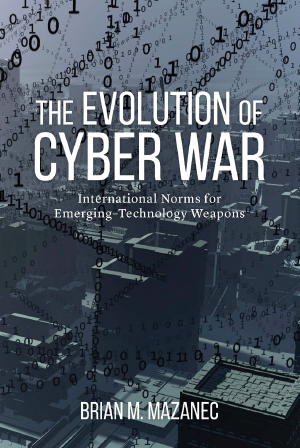
This forthcoming book was authored by Mahmut Cengiz, Mitchel P. Roth, and Huseyin Cinoglu. Cengiz is an associate professor in the Schar School of Policy and Government and a research faculty member with Mason’s Terrorism, Transnational Crime and Corruption Center who teaches courses in the Biodefense Graduate Program: “Explore the complex landscape of global terrorism with Typologies of Terrorist Organizations: Conceptual Lenses and Counterterrorism Measures. This essential volume provides a comprehensive examination of hundreds of terrorist groups and employs a detailed framework of typological classifications—religious, left-wing/revolutionary, ethnonationalist, anarchist, right-wing, ecoterrorism, state terrorism, cyberterrorism, and narcoterrorism—to analyze each group in depth, focusing on their ideologies, key actors, methods, and underlying motives.”

“What sets this book apart is its multidimensional approach, using conceptual lenses to delve into the causes of terrorist actions, the motivations driving these groups, and their strategies. This approach not only aids in combating terrorism but also enhances understanding of the broader context in which these groups operate. It provides insights into their organizational structures, tactics, weaponry, victim profiles, target types, funding sources, and networks, painting a comprehensive picture of the evolving nature of terrorism.”

“Additionally, Typologies of Terrorist Organizations offers a critical review of domestic and global counterterrorism strategies, examining how these strategies have evolved to address emerging threats. Each chapter provides a detailed perspective on counterterrorism efforts, making this book a valuable resource for understanding both the development of terrorist tactics and the responses designed to counter them.”

“Ideal for scholars, policymakers, and security professionals, this book is not only crucial for those engaged in counterterrorism but also for anyone seeking to understand the broader contextual dynamics of global terrorism. Its combination of theoretical depth and practical analysis makes it a significant contribution to the field of counterterrorism studies and an indispensable guide for navigating contemporary security challenges.”

“Upward and Onward: 2025 Preparedness Summit”

Read about Biodefense PhD student Kimmy Ma’s experience at the  the National Association of County and City Health Officials’ (NACCHO) 2025 Preparedness Summit in this article from the Pandora Report. In it, Ma writes in part, “It will by no means be a simple or easy road, but I believe my public health preparedness colleagues’ adamant desire and mindset to serve their constituents is what brings them back to their work and keep attending Prep Summit, year after year. It seems like, deep down, they never truly give up on their belief that there is a way to reach the light at the end of the tunnel and serve their communities in the process.”

“Physical Approaches to Civilian Biodefense: Identifying Potential Preparedness Measures for Challenging Biological Threats”

From the RAND Corporation: “This research project was initiated in response to emerging evidence on three possible biological threat scenarios that could have catastrophic effects on the United States: a fast scenario involving a rapidly spreading outbreak of a lethal human-to-human-transmissible pathogen, a silent scenario involving a pathogen that infects much of the population before infected people display visible symptoms, and a saturating scenario involving a pathogen that replicates and persists in the environment. Although these three broad scenario categories have been discussed elsewhere, the goal of this report is to better define the possibilities and limits of physical approaches to civilian biodefense against these scenarios. In this report, we offer initial frameworks for thinking about how the United States could achieve resilience against these scenarios (as well as any less severe versions), and we recommend actions that governments and civil society can take to work toward resilience. This work is not precise or conclusive; it can and should be verified and analyzed in a more detailed and expanded manner to support more-precise recommendations. This report is intended primarily for policymakers and technical staff, as well as philanthropists, who work on pandemic preparedness and catastrophic threat mitigation.”

Personal Protective Equipment for Influenza A (H5N1) in High-Risk Farm Settings: A Workshop

From NASEM: “A planning committee of the National Academies of Sciences, Engineering, and Medicine will organize a virtual public workshop to examine personal protective equipment (PPE) needs and best practices to protect workers in high-risk U.S. farm settings and control Influenza A (H5N1) transmission between livestock and humans. This workshop will provide the opportunity to exchange knowledge and ideas among interested and impacted parties–including technical experts, policy makers, livestock industry leaders and farm owners, and PPE users in farm settings (e.g., farmworkers, veterinarians).”

These workshops will take place 10 am-4:30pm ET on September 29-30. Register here.

Mirror Image Biology: Pushing the Envelope in Designing Biological Systems – A Workshop

From NASEM: “Most biological molecules are chiral entities where their mirror images have different structures and functional characteristics. Scientists have begun synthesizing left-handed DNA and RNA and creating proteins that can write left-handed nucleic acids. This, and other related research, is described as “mirror biology” and includes research toward creating mirror-image self-replicating living systems. The National Academies will host a foundational workshop on mirror biology, focusing on the state of the science, trends in research and development, risks and benefits of this research, and considerations relating for future governance of relevant enabling technologies.”

This event will take place virtually, September 29-30. Register here.

Doing More with Less: Practical Biosafety on a Budget

“Led by Azelia Labs biosafety experts, Katerina Semenyuk, PhD, RBP (ABSA) and Sarah Ziegler, PhD, RPB, CBSP (ABSA) this webinar will provide a comprehensive guide to maintaining a robust biosafety program in resource-constrained environments. We will address the unique challenges that arise when faced with limited funding or leadership hesitation to invest in safety protocols.”

“This session will focus on practical, actionable strategies to overcome these obstacles. Topics will include how to prioritize essential safety measures when budgets are tight, creative solutions for providing adequate personal protective equipment (PPE), and innovative approaches to maintaining equipment and facilities without costly upgrades. We will also discuss methods for effectively communicating the value of biosafety to leadership to secure the necessary support for your program.”

This online event will take place on October 2, 12-1 pm EDT. Register here.

Feeding Resilience: Risk and Readiness in Food Security

From CSR: “This event will convene a multidisciplinary group interested in food security, agriculture, climate, security, and development in-person at KSU and virtually for other US and international audiences. Throughout the day, attendees will have opportunities to network and engage with expert speakers on food and water security challenges, agricultural trade and innovation, workforce development, and the way forward in today’s global policymaking environment. The event is part of CCS’s Feeding Resilience program, which has analyzed and developed policy recommendations on food, climate, and security risks for the United States and is now deepening analysis and policy engagements for European and global audiences.”

This event will take place 8:30am-2:35pm CDT in Manhattan, KS, on October 7. Register here.

EMBRACE 2025 – Scientific Pathways to Biotoxin Preparedness Online Event

From CMINE: “Join us at the forefront of chemical and biological security for EMBRACE 2025 – a key event dedicated to cutting-edge research on biotoxins and human biomarkers of intoxication. This international symposium will spotlight ground-breaking scientific work and host the inauguration of EMBRACE’s Biotoxin Task Force.”

“What to Expect:

A unique opportunity to shape the scientific landscape of biotoxin threat preparedness and learn more about the EU EMBRACE project and the Biotoxin Task Force

A platform for showcasing innovation in biotoxin detection and response

Networking with global experts in biological forensics and toxicology”

This event will take place on October 15, 0900-1700 CEST. Register here.

Exploring Applications of AI in Genomics and Precision Health: A Workshop

From NASEM: “The National Academies’ Roundtable on Genomics and Precision Health will host a hybrid public workshop on October 28 to explore current and potential future applications for AI in genomics and precision health along the continuum from translational research to clinical applications. The workshop will:

  • Explore the current implementation of AI in genomics and precision health (e.g., variant interpretation, data integration, patient and participant identification, return of results, treatment selection).
  • Discuss potential benefits and challenges of future AI applications (e.g., data harmonization and security, workforce, and usefulness for all).
  • Consider evaluations for and impact of the accuracy of, and bias inherent to, AI technologies in genomics-related research and clinical care.
  • Examine lessons learned from applications of AI in other fields that may be transferable to genomics and precision health throughout the translational research process.”

This workshop will take place 8:30am-5:00pm ET on October 28. Register here.

Global Conference on Biological Threat Reduction

From the World Organisation for Animal Health: “In October 2025, WOAH is hosting its third Global Conference, with the goal of galvanising advocacy efforts to manage the rising risk of biological threats from across the world.”

“The Global Conference on Biological Threat Reduction – which will take place in Geneva on 28-30 October 2025 – will bring together top minds in the fields of
health-security, emerging technologies, and biothreat reduction policies, from the public and private sectors – to focus on the latest strategies, challenges and innovations in combating biological threats to our interconnected ecosystems.”

“The Conference will bring together approximately 400 participants from different sectors, including animal health, law enforcement and security, public health, international and regional organisations, investment and development partners, private sector and industry representatives, research, academia and regulatory authorities, youth organisations.”

“Attendees will engage in thought-provoking discussions and innovative technical presentations aimed at strengthening prevention, preparedness and response capabilities across the world.”

“The event will be guided by a narrative that traces WOAH’s commitment to biological threat reduction and the increasingly relevant role it plays at the health-security interface. Against the backdrop of an uncertain future, WOAH believes that synergies between sectors can drive positive change – making the world a safer and healthier place. ”

Learn more and register here.

GHS 2026

From GHS: “We’re excited to officially announce that the 4th Global Health Security Conference (GHS2026) will be held in Kuala Lumpur on the 9 – 12 June, 2026!”

“Building on the incredible momentum of GHS2024 in Sydney, we look forward to bringing together the global health security community once again – this time in one of Southeast Asia’s most vibrant and dynamic cities.”

“Registration and Call for Abstracts are now live!”

Learn more, submit abstracts, and register here.

NEW: Emerging Leaders in Biosecurity (ELBI) Fellowship

“The Emerging Leaders in Biosecurity (ELBI) Fellowship inspires and connects the next generation of biosecurity leaders and innovators. Launched in 2012, ELBI is a highly competitive, part-time program that provides an opportunity for talented graduate students and professionals to deepen their expertise, expand their network, and build their leadership skills through a series of events coordinated by the Johns Hopkins Center for Health Security. The fellowship boasts over 300 alumni with backgrounds in government, national security, private industry, science, law, public health, medicine, global health, journalism, the social sciences, and academia.”

Learn more and submit your application by October 12 here.

NEW: AI & National Security Convergence Fellowship

In this context, the Converging Risks Lab (CRL), an institute of the Council on Strategic Risks (CSR), is partnering with the Future of Life Institute (FLI) on the “AGI and National Security Convergence Project,” a new initiative endeavoring to arm decision-makers with the understanding and capabilities required to future-proof national security against the potential perils of AGI while maximizing its promise. This partnership combines CRL’s experience in training and engaging national security leaders on convergence topics through experiential learning methods with FLI’s commitment to educating policymakers on the national security implications of developing AGI.”

Learn more and submit your application by October 13 here.

NEW: Council on Foreign Relations Internships

In an ever-changing world, CFR’s work as a leading nonpartisan resource for information and ideas about foreign policy is more important than ever. At CFR, interns participate in one of the foremost paid internship programs in the foreign policy arena. They do work that matters alongside smart and dedicated staff in a diverse and inclusive environment. Interns are paid a competitive hourly wage while gaining valuable experience through exposure to leading foreign policy experts. They are also offered professional development training as a foundation for future work in the field of foreign policy and international affairs. Internship opportunities are offered through the Blavatnik Internship Program and Robina Franklin Williams Internship Program.

Learn more and submit your application by October 13 here.

NEW: Scoville Peace Fellowship

“The fellowship ensures a pipeline of the brightest, most dedicated, and diverse next-generation experts into leading think tanks and advocacy groups in order to inspire creative new approaches to the pervasive challenges to peace and security. Its goal is to bridge the gap between academia and the professional world by providing an entree for mission-driven grads eager to learn about and contribute to public-interest organizations. The fellowship was established to honor longtime nuclear arms control activist Dr. Herbert (Pete) Scoville, Jr., a Ph.D. in physical chemistry and dedicated public servant, who encouraged young people to become involved in arms control and national security.”

Learn more and submit your application by October 20 here.

NEW: Notice of Funding Opportunity (NOFO) – Addressing Agricultural Biorisk Evidence Base Gaps with Applied Research

“There is a global recognition that the current evidence base to inform laboratory and on-farm biological risk management has gaps, and that applied agricultural biosafety and biosecurity policies are not always based on evidence. This notice of funding will support the design and implementation of applied agricultural biorisk research to address evidence gaps in working with high-consequence veterinary and agricultural pathogens as identified during the RAV3N Biorisk and Biosafety Gap Assessment Workshop or similar gap analysis like the WOAH working group agent specific biorisk gap analysis. ERGP is seeking proposals that address one or more key focus area components listed below. Each proposal will go through an internal ERGP and external expert review. Successful proposals should address at least one of the key focus areas and at least one component under that area.”

Learn more and submit your proposal by October 31 here.

NEW: Cyberbiosecurity Quarterly Call for Papers

“We are pleased to announce the launch of Cyberbiosecurity Quarterly, a new academic and trade journal dedicated to the intersection of cybersecurity and the bioeconomy. Published by Kansas State University’s New Prairie Press and sponsored by the Bioeconomy Information Sharing and Analysis Center (BIO-ISAC), this quarterly journal will serve as an important resource for professionals, researchers, and policymakers working to safeguard digital and physical biological infrastructures. Cyberbiosecurity is an emerging discipline that addresses the protection of biomanufacturing, biomedical research, synthetic biology, digital agriculture, and other life sciences sectors from digital threats. This journal will explore topics at the nexus of cybersecurity, digital biosecurity, and the bioeconomy, including but not limited to:

  • Best practices for network configuration and management in biomedical environments (ingress/egress protection, segmentation, isolation, access control, traffic protection, etc.)
  • Cybersecurity Vendor Management and Assessment
  • Cyber and Digital Biosecurity Education for the Bioeconomy’s Workforce
  • The Quality-Cybersecurity Tension in Practice and Techniques for Mitigation
  • Threat Intelligence for Cyber-Physical Biological Systems
  • Regulatory and Policy Perspectives on Cyberbiosecurity
  • Incident Response and Risk Mitigation in Biomanufacturing
  • AI and Machine Learning in Digital and Cyber Biosecurity”

Learn more and submit your papers here.

Applied Biosafety Call for Papers

“The Editors of Applied Biosafety are pleased to announce a forthcoming Special Issue focused on the myriad of topics associated with global biosafety management. This special issue will showcase examples of innovative approaches, creative solutions, and best practices developed and used around the world for managing risks associated with the handling, use, and storage of infectious biological agents, toxins, and potentially infectious materials in research and clinical settings.”

Learn more and submit by November 1 here.

64th ISODARCO Course

From ISODARCO: “In recent years, the global security landscape has become increasingly volatile, shaped by a convergence of geopolitical tensions, technological advancements, and evolving nuclear doctrines. The post-Cold War order that once provided a measure of predictability in global security has eroded. Conflicts such as the wars in Ukraine and Gaza, rising tensions in the Indo-Pacific, and strategic competition between major powers have reshaped alliances and strategic postures.”

“At the same time, disruptive technologies including artificial intelligence, quantum computing, hypersonic missiles, and cyber threats – are adding new layers of complexity to both nuclear and conventional deterrence dynamics. These technologies are not only distorting the information landscape but also compressing decision-making timelines and complicating signaling mechanisms, increasing the risk of miscalculation.”

“Effectively managing nuclear escalation risks in this environment will require a combination of innovative diplomacy, technological safeguards, and renewed dialogue mechanisms to rebuild trust, reduce misperceptions, and stabilize strategic relations.”

“The ISODARCO 2026 Winter Course presents an invaluable opportunity for students and experts to discuss and examine these dynamics in depth and explore approaches to re-establishing strategic stability and reducing nuclear dangers in a volatile world.”

This course will take place January 11-18, 2026, in Andalo. Learn more and apply here.
Pandora Report 9.19.2025

Welcome to this week’s Pandora Report! This issue features sweeping changes in U.S. vaccine policy and the state-level battles they’ve sparked, major shakeups across the intelligence community and pharmaceutical supply chains, and new developments at the intersection of AI, biosecurity, and biotechnology risks. From public health politics to national security and emerging technologies, here’s what you need to know.

Thinking About Graduate Study in Biodefense?

The Schar School of Policy and Government has several upcoming recruitment events:

For Prospective MS Students:

For Prospective PhD Students:

🔗 See all upcoming events here.

☕ Plus: Regional coffee chats with faculty and admissions staff across Maryland, Virginia, and DC. Learn more here.

💡 Tuition Benefit: Master’s and certificate students living in Maryland and DC quality for in-state tuition rates. Learn more and register here.

State Pushback and Federal Tensions Over Vaccine Policy

Recent federal changes to vaccine policy under HHS Secretary Robert F. Kennedy Jr. have prompted a strong state-level reaction: blue and swing states including Colorado, Maryland, Minnesota, New Jersey, New York, Pennsylvania, and others are moving to preserve vaccine access through legislation, bills, executive orders, and regional collaborations that can issue independent recommendations and expand pharmacy-based administration of vaccines regardless of federal guidance. State lawmakers and medical experts warn, however, that these piecemeal measures may not fully mitigate the harm of an expected federal rollback of vaccine access across different age groups, leaving tens of millions – including Medicare enrollees, military members and veterans, and people on employer plans – exposed to higher out-of-pocket costs and potential loss of coverage.

Conversely, some red states, like Florida, are taking a more restrictive approach to vaccines. Florida Surgeon General Joseph Ladapo has called for mRNA COVID-19 vaccines to be “not available to anyone,” clarifying that other vaccines would remain accessible to Floridians but singling out mRNA shots as unsafe in his view. This news comes amid waning public confidence in federal vaccine policy: a recent Reuters/Ipsos poll found that only one in four Americans believe recent vaccine policy changes are grounded in scientific evidence, with the majority expressing skepticism and concerns about the politicization of public health decisions. “Infectious diseases do not respect political boundaries,” said Pennsylvania Democratic state Rep. Arvind Venkat. “We’re talking about contagious illnesses. What you do affects me and what I do affects you.”

On Wednesday, former CDC Director Susan Monarez testified before the Senate Committee on Health, Education, Labor and Pensions that she was fired for resisting Secretary Kennedy’s demands to pre-approve vaccine recommendations for the public and fire career scientists. “Even under pressure, I could not replace evidence with ideology,” says Monarez. Just days before a high-stakes meeting this week, HHS and CDC announced five new members to the Advisory Committee on Immunization Practices (ACIP), with votes expected on recommendations for vaccines for COVID-19, hepatitis B, measles, mumps, rubella and varicella (MMRV), and respiratory syncytial virus.

In a perplexing conclusion to the otherwise tense meeting on Thursday, the panel seemed to contradict itself when voting on the MMRV recommendation: the members voted 8 to 3, with one abstention, in favor of recommending that children under 4 receive MMR and varicella vaccines separately rather than the combined MMRV shot. However, on a follow-up vote regarding whether this decision should apply to coverage under the nation’s Vaccines for Children (VFC) program, the panel backpedaled, issuing eight no votes, one yes vote, and three abstentions, citing confusion over how to reconcile coverage with the updated recommendations. Analysts at Citi noted that while the decision may impact parental choice and Merck’s vaccine specifically, overall vaccination rates for the four diseases “are likely to remain stable.”

These deliberations occur against a broader backdrop of declining childhood vaccination rates across the U.S. A six-month NBC News investigation, in collaboration with Stanford University, found that since 2019, 77% of counties and jurisdictions in the U.S. have reported notable declines in core childhood vaccines–including MMR, polio, whooping cough and diphtheria shots–with some countries seeing drops of more than 40 percentage points. Rising exemption rates for school children further exacerbate the problem: among states tracking MMR vaccine data, 67% of counties now fall below the 95% herd immunity threshold needed to protect outbreaks. “As childhood vaccination rates fall, we’ll see more diseases like measles,” Dr. Sean O’Leary of the American Academy of Pediatrics said.

Further Reading:

From Intelligence to Supply Chains: Evolving National Security Challenges

The Office of the Director of National Intelligence (ODNI) is reportedly considering reductions to the National Counterintelligence and Security Center (NCSC) and the National Counterterrorism Center (NCTC), key hubs for coordinating the U.S. government’s counterintelligence activities against espionage campaigns. These changes come as part of a broader restructuring across several federal agencies and the intelligence community, including CISA, the FBINSACIA, and other agencies. A previous reorganization already reduced NCSC leadership from six senior directors and assistant directors to a single acting director, according to one former senior official, and further cuts are expected. In the meantime, the White House has nominated George Wesley Street to serve as the next director of the center.

National security concerns extend into the pharmaceutical sector. The Trump administration is reportedly weighing several restrictions on medicines sourced from China, including experimental treatments, amid warnings from prominent investors and corporate executives with close ties to the White House that such measures could help crackdown against what they view as an existential threat by China to U.S. biotechnology. A draft of the executive orders under consideration would prioritize domestic production of key medicine, including antibiotics and acetaminophen, and offer tax credits to companies relocating manufacturing to the U.S. The policy debates highlight concerns that America’s reliance on China for essential medicines represents a national security vulnerability, especially as major pharmaceutical companies like Pfizer and AstraZeneca have invested heavily in Chinese experimental drug markets.

Further Reading:

AI, Biosecurity, and the Fragile Line Between Promise and Peril

OpenAI is collaborating with the U.S. Center for AI Standards and Innovation (CAISI) and the UK’s AI Standards Institute (AISI) to strengthen safeguards in AI systems, particularly in domains with national security relevance such as cyber and chemical-biological risk domains. The partnership focuses on joint red-teaming of safeguards against biological misuse, end-to-end product testing for security issues, and rapid feedback loops to address vulnerabilities. Since July, OpenAI and CAISI have worked to identify potential security vulnerabilities in agentic systems, such as OpenAI’s ChatGPT Agent, while the UK AISI began red-teaming safeguards against biological misuse in May–ongoing collaboration to continuously improve the effectiveness of OpenAI’s safety stack.

In parallel, Boston University has recently developed an AI tool to enhance surveillance of disease outbreaks across the globe. This project known as the Biothreats Emergence, Analysis and Communications Network (BEACON), launched in April, combines algorithmic analysis and expert oversight to track emerging diseases in the U.S. and abroad. “Our main goal is to reduce the time between the reporting of a disease and its response,” said Nahid Bhadelia, an infectious disease physician who served in the Biden administration’s COVID response team. “You want a potential alarm bell.” In just three months, BEACON has flagged about 420 outbreaks and mapped 134 pathogens affecting humans, animals and other species, with active users spanning 162 countries, including the World Health Organization (WHO) and the International Criminal Police Organization (INTERPOL).

At the same time, scientists are revisiting older fears about biotechnology’s risks. In the late 2024, a team of Nobel-winning biologists and experts warned of the dangers of creating “mirror life” – synthetic organisms built from molecules with the opposite handedness of all known biology. Such organisms could theoretically infect cells while remaining potentially invisible to immune defenses, posing catastrophic ecological risks. Though purely hypothetical today, the idea dates to Louis Pasteur’s 19th-century discovery of molecular asymmetry, underscoring the long history of anxieties over humanity accidentally unleashing forces beyond its control.

Further Reading:

Avian Influenza Updates

By Margeaux Malone, Pandora Report Associate Editor

Early Birds: H5N1 Gets a Head Start on Migration Season

This week saw a flurry of new H5N1 bird flu developments across the country in both wild bird populations and agricultural settings, potentially signaling a rise in virus spread as the fall migration season takes flight.

In Maryland, Charles County health officials reported that several dead vultures found near La Plata tested presumptively positive for highly pathogenic avian influenza on September 12th. While confirmatory results are pending, the detection underscores H5N1’s continued circulation in wild bird populations, particularly among scavenging species like vultures. The public is urged not to handle sick or dead birds and report any encounters to the USDA Animal Plant and Health Inspection Service.

Meanwhile, Nebraska announced its first confirmed H5N1 detection in dairy cattle. USDA officials identified the virus in a central Nebraska herd through pre-movement milk sampling, a testament to the value of proactive surveillance measures. Genetic analysis confirmed the strain matches the B3.13 genotype seen in circulating in dairy operations in other U.S. states, including California.

Minnesota also saw its disease-free status end this week following confirmation of H5N1 in a Redwood County turkey flock that saw increased bird mortality over the weekend. This marks the state’s first detection since April 23rd, just weeks after officials declared Minnesota free from the disease on August 25th.

These new detections come shortly after outbreaks in North and South Dakota last month that have already claimed nearly 200,000 birds. South Dakota state veterinarian Beth Thompson said South Dakota is at the “leading edge” of this season’s bird flu infections with 134,900 turkeys killed across three facilities to contain the spread. North Dakota reported 60,300 turkey deaths in response to outbreaks there.

With fall migration season set to intensify over the coming weeks and months, the recent wave of detections highlights the importance of ongoing surveillance across both wild bird populations and agricultural settings. Effective coordination between state agriculture departments and federal agencies will prove increasingly vital as the virus capitalizes on seasonal bird movements to spread across the country to new flocks and farms.

Further Reading:

“Saving Lives, Spending Less: The Global Investment Case for Noncommunicable Diseases”

From WHO: “Saving lives, spending less: the global investment case for noncommunicable diseases outlines why urgent investment in cost-effective interventions for NCDs is essential for health and sustainable development. Drawing on the World Health Organization’s package of NCD best buys, the report demonstrates how these evidence-based measures can help countries reduce premature deaths, strengthen health systems, and advance progress towards the Sustainable Development Goals. It provides policymakers, donors, advocates, and partners with a clear economic and social rationale for scaling up implementation of proven solutions. By framing NCD prevention and control as both a health and development priority, the report offers a roadmap for action that delivers benefits across populations, economies, and generations. The evidence is clear: investing in WHO’s best buys is not only possible—it is imperative. The time to act is now.”

NEW: Personal Protective Equipment for Influenza A (H5N1) in High-Risk Farm Settings: A Workshop

From NASEM: “A planning committee of the National Academies of Sciences, Engineering, and Medicine will organize a virtual public workshop to examine personal protective equipment (PPE) needs and best practices to protect workers in high-risk U.S. farm settings and control Influenza A (H5N1) transmission between livestock and humans. This workshop will provide the opportunity to exchange knowledge and ideas among interested and impacted parties–including technical experts, policy makers, livestock industry leaders and farm owners, and PPE users in farm settings (e.g., farmworkers, veterinarians).”

These workshops will take place 10 am-4:30pm ET on September 29-30. Register here.

NEW: Feeding Resilience: Risk and Readiness in Food Security

From CSR: “This event will convene a multidisciplinary group interested in food security, agriculture, climate, security, and development in-person at KSU and virtually for other US and international audiences. Throughout the day, attendees will have opportunities to network and engage with expert speakers on food and water security challenges, agricultural trade and innovation, workforce development, and the way forward in today’s global policymaking environment. The event is part of CCS’s Feeding Resilience program, which has analyzed and developed policy recommendations on food, climate, and security risks for the United States and is now deepening analysis and policy engagements for European and global audiences.”

This event will take place 8:30am-2:35pm CDT in Manhattan, KS, on October 7. Register here.

NEW: Exploring Applications of AI in Genomics and Precision Health: A Workshop

From NASEM: “The National Academies’ Roundtable on Genomics and Precision Health will host a hybrid public workshop on October 28 to explore current and potential future applications for AI in genomics and precision health along the continuum from translational research to clinical applications. The workshop will:

  • Explore the current implementation of AI in genomics and precision health (e.g., variant interpretation, data integration, patient and participant identification, return of results, treatment selection).
  • Discuss potential benefits and challenges of future AI applications (e.g., data harmonization and security, workforce, and usefulness for all).
  • Consider evaluations for and impact of the accuracy of, and bias inherent to, AI technologies in genomics-related research and clinical care.
  • Examine lessons learned from applications of AI in other fields that may be transferable to genomics and precision health throughout the translational research process.”

This workshop will take place 8:30am-5:00pm ET on October 28. Register here.

Mirror Image Biology: Pushing the Envelope in Designing Biological Systems – A Workshop

From NASEM: “Most biological molecules are chiral entities where their mirror images have different structures and functional characteristics. Scientists have begun synthesizing left-handed DNA and RNA and creating proteins that can write left-handed nucleic acids. This, and other related research, is described as “mirror biology” and includes research toward creating mirror-image self-replicating living systems. The National Academies will host a foundational workshop on mirror biology, focusing on the state of the science, trends in research and development, risks and benefits of this research, and considerations relating for future governance of relevant enabling technologies.”

This event will take place virtually, September 29-30. Register here.

Doing More with Less: Practical Biosafety on a Budget

“Led by Azelia Labs biosafety experts, Katerina Semenyuk, PhD, RBP (ABSA) and Sarah Ziegler, PhD, RPB, CBSP (ABSA) this webinar will provide a comprehensive guide to maintaining a robust biosafety program in resource-constrained environments. We will address the unique challenges that arise when faced with limited funding or leadership hesitation to invest in safety protocols.”

“This session will focus on practical, actionable strategies to overcome these obstacles. Topics will include how to prioritize essential safety measures when budgets are tight, creative solutions for providing adequate personal protective equipment (PPE), and innovative approaches to maintaining equipment and facilities without costly upgrades. We will also discuss methods for effectively communicating the value of biosafety to leadership to secure the necessary support for your program.”

This online event will take place on October 2, 12-1 pm EDT. Register here.

EMBRACE 2025 – Scientific Pathways to Biotoxin Preparedness Online Event

From CMINE: “Join us at the forefront of chemical and biological security for EMBRACE 2025 – a key event dedicated to cutting-edge research on biotoxins and human biomarkers of intoxication. This international symposium will spotlight ground-breaking scientific work and host the inauguration of EMBRACE’s Biotoxin Task Force.”

“What to Expect:

A unique opportunity to shape the scientific landscape of biotoxin threat preparedness and learn more about the EU EMBRACE project and the Biotoxin Task Force

A platform for showcasing innovation in biotoxin detection and response

Networking with global experts in biological forensics and toxicology”

This event will take place on October 15, 0900-1700 CEST. Register here.

Global Conference on Biological Threat Reduction

From the World Organisation for Animal Health: “In October 2025, WOAH is hosting its third Global Conference, with the goal of galvanising advocacy efforts to manage the rising risk of biological threats from across the world.”

“The Global Conference on Biological Threat Reduction – which will take place in Geneva on 28-30 October 2025 – will bring together top minds in the fields of
health-security, emerging technologies, and biothreat reduction policies, from the public and private sectors – to focus on the latest strategies, challenges and innovations in combating biological threats to our interconnected ecosystems.”

“The Conference will bring together approximately 400 participants from different sectors, including animal health, law enforcement and security, public health, international and regional organisations, investment and development partners, private sector and industry representatives, research, academia and regulatory authorities, youth organisations.”

“Attendees will engage in thought-provoking discussions and innovative technical presentations aimed at strengthening prevention, preparedness and response capabilities across the world.”

“The event will be guided by a narrative that traces WOAH’s commitment to biological threat reduction and the increasingly relevant role it plays at the health-security interface. Against the backdrop of an uncertain future, WOAH believes that synergies between sectors can drive positive change – making the world a safer and healthier place. ”

Learn more and register here.

GHS 2026

From GHS: “We’re excited to officially announce that the 4th Global Health Security Conference (GHS2026) will be held in Kuala Lumpur on the 9 – 12 June, 2026!”

“Building on the incredible momentum of GHS2024 in Sydney, we look forward to bringing together the global health security community once again – this time in one of Southeast Asia’s most vibrant and dynamic cities.”

“Registration and Call for Abstracts are now live!”

Learn more, submit abstracts, and register here.

Applied Biosafety Call for Papers

“The Editors of Applied Biosafety are pleased to announce a forthcoming Special Issue focused on the myriad of topics associated with global biosafety management. This special issue will showcase examples of innovative approaches, creative solutions, and best practices developed and used around the world for managing risks associated with the handling, use, and storage of infectious biological agents, toxins, and potentially infectious materials in research and clinical settings.”

Learn more and submit by November 1 here.

64th ISODARCO Course

From ISODARCO: “In recent years, the global security landscape has become increasingly volatile, shaped by a convergence of geopolitical tensions, technological advancements, and evolving nuclear doctrines. The post-Cold War order that once provided a measure of predictability in global security has eroded. Conflicts such as the wars in Ukraine and Gaza, rising tensions in the Indo-Pacific, and strategic competition between major powers have reshaped alliances and strategic postures.”

“At the same time, disruptive technologies including artificial intelligence, quantum computing, hypersonic missiles, and cyber threats – are adding new layers of complexity to both nuclear and conventional deterrence dynamics. These technologies are not only distorting the information landscape but also compressing decision-making timelines and complicating signaling mechanisms, increasing the risk of miscalculation.”

“Effectively managing nuclear escalation risks in this environment will require a combination of innovative diplomacy, technological safeguards, and renewed dialogue mechanisms to rebuild trust, reduce misperceptions, and stabilize strategic relations.”

“The ISODARCO 2026 Winter Course presents an invaluable opportunity for students and experts to discuss and examine these dynamics in depth and explore approaches to re-establishing strategic stability and reducing nuclear dangers in a volatile world.”

This course will take place January 11-18, 2026, in Andalo. Learn more and apply here.

Pandora Report 3.22.2024

Happy Friday! This week’s Pandora Report covers progress on the ninth round of negotiations on a Pandemic Accord and proposed amendments to the International Health Regulations, Murthy v. Missouri and the evolving threat of health and medical misinformation, a recently launched Senate biodefense and life science research investigation, EPA’s warnings about cyberattacks against the United States’ water infrastructure and more.

Global Leaders Call for Urgent Agreement on a Pandemic Accord

More than 100 global leaders have made a call “to press for an urgent agreement from international negotiators on a Pandemic Accord, under the Constitution of the World Health Organization, to bolster the world’s collective preparedness and response to future pandemics,” according to a recent WHO press release. It comes as member states of the WHO look to finalize an agreement that would amend the 2005 International Health Regulations (IHR), which will be considered by the World Health Assembly in May. David P. Fidler explains what is at stake during this ninth round of deliberations in a recent piece for CFR’s Think Global Health, writing in part “WHO documents on the negotiations, along with commentary parsing the talks, indicate that WHO member states have much to do in a short period to deliver final drafts of a pandemic agreement and amended IHR to the World Health Assembly. Unresolved issues include problems that have long confounded global health governance, including equitable access to pharmaceutical products, financing for public health capacity-building, and government accountability. Even if the negotiations achieve breakthroughs on those problems, the task of turning reforms on paper into reality in practice confronts a world in which solidarity is increasingly in short supply.”

The letter challenges those who argue such amendments will harm national sovereignty, reading in part, “A new pandemic threat will emerge; there is no excuse not to be ready for it. It is thus imperative to build an effective, multisectoral, and multilateral approach to pandemic prevention, preparedness, and response. Given the unpredictable nature of public-health risks, a global strategy must embody a spirit of openness and inclusiveness. There is no time to waste, which is why we are calling on all national leaders to redouble their efforts to complete the accord by the May deadline.”

“Beyond protecting countless lives and livelihoods, the timely delivery of a global pandemic accord would send a powerful message: even in our fractured and fragmented world, international cooperation can still deliver global solutions to global problems.”

SCOTUS Hears Case Concerning Social Media Platforms, Pandemic Misinformation

The Supreme Court heard arguments this week in Murthy v. Missouri, a case concerning the First Amendment and whether the Biden administration violated the right to freedom of expression in its communications with social media companies regarding COVID-19-related misinformation. The lawsuit, one of 26 filed against the administration by former Missouri Attorney General Eric Schmitt, alleges that the Biden administration was “…working with social media giants such as Meta, Twitter, and YouTube to censor and suppress free speech, including truthful information, related to COVID-19, election integrity, and other topics, under the guise of combating ‘misinformation.”

NYT‘s Dani Blum explains how this has refocused attention on misinformation and its evolving nature, writing in part “Health hacks not backed by science have spread widely on social media platformsThe same kinds of conspiracy theories that helped to fuel vaccine hesitancy during the Covid-19 pandemic are now undermining trust in vaccines against other diseases, including measles, as more people have lost confidence in public health experts and institutions. And rapid developments in artificial intelligence have made it even harder for people to tell what’s true and what’s false online.”

Blum continues, writing “Misinformation commonly includes “fake experts,” according to Sander van der Linden, a professor of social psychology in society at Cambridge who researches misinformation. These are either people making health claims who do not have any medical credentials, or doctors making statements about topics that they are not experts in. “You wouldn’t want to go to an ear and nose doctor to do a heart operation,” he said. “Is this a vaccine expert, or is this a doctor who actually does no research and has no expertise on vaccinations?”’

The effects of this are being keenly felt by healthcare providers. Amanda Johnson, a primary care physician in New York City, told USA Today about her approach to working with patients who have fallen victim to such information, saying “(Frustration) doesn’t get us anywhere. I think those conversations are more likely to go poorly if you take it as a personal affront.”

The same article explains further that “She has talked about misinformation with patients, some of whom have even asked her to review social media posts they’ve seen. The most animated responses come from patients who believe they’re losing control or having something forced on them, said Johnson, who also leads NYC Health + Hospitals’ AfterCare program for New Yorkers recovering from COVID-19 or living with long COVID.”

“Many people are disparaging or dismissive when talking about people who believe misinformation, but it can happen to anyone, said Sedona Chinn, an assistant professor in the life sciences communication department at the University of Wisconsin-Madison.”

Senate Homeland Security and Governmental Affairs Committee Announces Bipartisan Biodefense and Life Science Research Investigation

In a statement this week, the Senate Homeland Security and Governmental Affairs Committee announced, “U.S. Senators Gary Peters (D-MI) and Rand Paul (R-KY), Chairman and Ranking Member of the Homeland Security and Governmental Affairs Committee, announced a joint investigation of national security threats posed by high-risk biological research and technology in the U.S. and abroad. Peters and Paul plan to hold hearings and conduct government-wide oversight on areas including high-risk life science research, biodefense, synthetic biology, biosafety and biosecurity lapses, early warning capabilities for emerging outbreaks or possible attacks, and potential origins of the COVID-19 pandemic. This bipartisan oversight effort will assess and identify measures to mitigate longstanding and emerging risks and threats that may result in serious biological incidents – whether deliberate, accidental, or natural. The investigation will also seek to increase transparency and strengthen oversight of taxpayer-funded life sciences research, laboratories in the U.S. and abroad, and detection of biological threats.”

This is likely to add fire to efforts to impose new restrictions on contracted Chinese research firms like WuXi AppTec, as highlighted by Axios. At the same time, this will likely further reveal partisan divides on the topic, particularly given Paul’s emphasis on the Biden administration’s alleged efforts to conceal critical information about the COVID-19 pandemic.

EPA Confirms China- and Iran-Backed Hackers Are Targeting US Drinking Water Systems

“The country’s water systems are being hit with an increasing number of nation-state cyberattacks, according to the US Environmental Protection Agency (EPA),” explains a recent news article. In a recent letter to governors from EPA Administrator Michael Regan and National Security Adviser Jake Sullivan, the pair wrote ‘“We need your support to ensure that all water systems in your state comprehensively assess their current cybersecurity practices.”’ They also emphasized that, in many cases, “even basic cybersecurity precautions, are not present at water treatment facilities, urging that this “can mean the difference between business as usual and a disruptive cyberattack.”

CNN reports that “The EPA will also set up a “task force” to “identify the most significant vulnerabilities of water systems to cyberattacks,” among other pressing issues, Regan and Sullivan said in their letter. The Biden officials invited state homeland security and environmental officials to a meeting to discuss cybersecurity improvements needed in the water sector.”

This comes after industrial equipment at multiple water facilities in the US was hacked late last year, displaying an anti-Israel message, according to US officials. The administration blamed the Iranian government for these attacks. Hackers backed by the Chinese state have also recently infiltrated US water facilities, in “…a hacking campaign that the Biden administration worries Beijing could use to disrupt critical infrastructure in the event of a conflict with the US. China denies the allegations.”

US Hosts Launch for New Foreign Ministry Channel for Global Health Security

Recently, the US Department of State announced that Ambassador John Nkengasong – U.S. Global AIDS Coordinator and Senior Bureau Official for Global Health Security and Diplomacy, overseeing the Department’s Bureau for Global Health Security and Diplomacy – hosted a day-long discussion program to help plan priorities and review lines of efforts for the recently created Foreign Ministry Channel for Global Health Security.

The Department’s press statement explains that “The Channel builds on the 2022-2023 COVID-19 Pandemic Prioritized Global Action Plan for Enhanced Engagement (GAP).  The meeting is the first in a series of regular engagements between senior officials within Ministries of Foreign Affairs to focus diplomatic attention and action on critical global health security priorities.  The foreign ministries, and participants from other ministries, will build on progress in this first meeting to elevate global health security issues as a national security imperative, enhance pandemic preparedness, and advance concrete global health security deliverables.  Participants will collaborate on global efforts to:

  • Strengthen pandemic prevention and early-warning capacities
  • Address misinformation and disinformation on health issues, and leverage emerging technologies to strengthen global health security
  • Mitigate the human health impacts of climate change utilizing the One Health approach, which recognizes the interconnectedness of human, animal, and environmental health
  • Enable sustainable medical countermeasures for health emergencies
  • Enhance diplomatic workforce capacity on health security.”

“‘Lab Leak’ Proponents at Rutgers Accused of Defaming and Intimidating COVID-19 Origin Researchers”

Jocelyn Kaiser covers a recent formal complaint filed with Rutgers University regarding the conduct of molecular biologist Richard Ebright and microbiologist Bryce Nickels, both employed by the university. Kaiser explains in the news piece for Science, “But now, their targets have had enough. A dozen scientists filed a formal complaint with Rutgers yesterday alleging that the two faculty members have violated the university’s policies on free expression by posting “provably false” comments that are often defamatory, and that some of their actions could even threaten scientists’ safety.”

Read more here.

“How to Better Research the Possible Threats Posed by AI-Driven Misuse of Biology”

Matthew E. Walsh recently authored this piece for The Bulletin of the Atomic Scientists, writing in part “Nonetheless, researchers have conducted experiments that aim to evaluate sub-components of biological threats—such as the ability to develop a plan for or obtain information that could enable misuse. Two recent efforts—by RAND Corporation and OpenAI—to understand how artificial intelligence could lower barriers to the development of biological weapons concluded that access to a large language model chatbot did not give users an edge in developing plans to misuse biology. But those findings are just one part of the story and should not be considered conclusive.”

“An Action Plan to Increase the Safety and Security of Advanced AI”

This action plan from Gladstone AI was completed following the release of an October 2022 State Department assessment of proliferation and security risks posed by weaponized and misaligned AI. The plan-“Defense in Depth: An Action Plan to Increase the Safety and Security of Advanced AI“-explains in part of its introduction that “This action plan is a blueprint for that intervention. Its aim is to increase the safety and security of advanced AI by countering catastrophic national security risks from AI weaponization and loss of control. It was developed over thirteen months, and informed by conversations with over two hundred stakeholders from across the U.S., U.K., and Canadian governments; major cloud providers; AI safety organizations; security and computing experts; and formal and informal contacts at the frontier AI labs themselves. The actions we propose follow a sequence that:
● Begins by establishing interim safeguards to stabilize advanced AI development,
including export controls on the advanced AI supply chain;
● Leverages the time gained to develop basic regulatory oversight and strengthen
U.S. government capacity for later stages;
● Transitions into a domestic legal regime of responsible AI development and
adoption, safeguarded by a new U.S. regulatory agency; and
● Extends that regime to the multilateral and international domains.”

“Government Commissioned Report: AI is Creating New Categories of Weapons of Mass Destruction”

This recent article in the Claims Journal covers the aforementioned report from the State Department focused on WMD threats and AI: “A U.S. State Department-commissioned report asserts that advanced artificial intelligence is creating entirely new categories of weapons of mass destruction-like (WMD-like) and WMD-enabling catastrophic…The risks associated with these developments are global, have deeply technical origins and are quickly evolving, leaving policymakers with diminishing opportunities to introduce safeguards to balance these considerations and ensure advanced AI is developed and adopted responsibly.”

Read more here.

“Why Are Large AI Models Being Red Teamed?”

Natasha Bajema covers AI red teaming in this piece for IEEE Spectrum, writing in part “In February, OpenAI announced the arrival of Sora, a stunning “text-to-video” tool. Simply enter a prompt, and Sora generates a realistic video within seconds. But it wasn’t immediately available to the public. Some of the delay is because OpenAI reportedly has a set of experts called a red team who, the company has said, will probe the model to understand its capacity for deepfake videos, misinformation, bias, and hateful content.”

“Red teaming, while having proved useful for cybersecurity applications, is a military tool that was never intended for widespread adoption by the private sector.”

‘“Done well, red teaming can identify and help address vulnerabilities in AI,” says Brian Chen, director of policy from the New York–based think tank Data & Society. “What it does not do is address the structural gap in regulating the technology in the public interest.”’

“Biodefense in the FY25 President’s Budget Request”

Lillian Parr and Dan Regan recently published this blog post with CSR’s Nolan Center in which they compare the FY25 budget request to the FY24 Continuing Resolution. They explain “On Monday, March 11, the Biden Administration released the President’s Budget Request (PBR) for Fiscal Year 2025. While the final budget appropriations bills enacted by Congress will likely differ substantially from this request, the PBR provides useful insight into the Administration’s priorities. This blog post will highlight a few notable funding lines and trends for biodefense-focused programs…The initial tranche of the PBR documents, namely the Budget of the United States Government and the budget-in-briefs from each agency, state the priority budget items and highlight significant changes in funding. This analysis is largely based on these highlights and the topline budget numbers available. Over the next several weeks the agencies will complete the release of their budget justification books, which contain the highest level of detail on budgetary resourcing. Once all of the final justification books are released, we’ll announce our updated CSR Biodefense Budget Breakdown.”

“Public Health Emergency Medical Countermeasures Enterprise Multiyear Budget: Fiscal Years 2023-2027”

ASPR recently released the Public Health Emergency Medical Countermeasure Enterprise (PHEMCE) Multiyear Budget (MYB) for fiscal years 2023-2027. “The report assesses funding needs to support medical countermeasure priorities, which would allow the U.S. Government to prepare for the next public health threat. The MYB projects an estimated overall funding need of $79.5 billion over the five-year period, an increase of $15.5 billion over the 2022-2026 report. The MYB is not a budget request and does not replace funding levels requested in the President’s Budget or accompanying documents.”

“The MYB forecasts to Congress and external stakeholders the funding required to fully prepare the country for a range of chemical, biological, radiological, and nuclear threats, without regard to the competing priorities considered in the President’s Budget. The MYB also illustrates the support needed for other key priorities — such as supporting innovative approaches to medical countermeasure (MCM) development and fostering clear, scientifically supported regulatory pathways for MCMs.”

“Ready or Not 2024: Protecting the Public’s Health from Diseases, Disasters, and Bioterrorism”

From Trust for America’s Health: “As the nation experiences an increasing number of infectious disease outbreaks and extreme weather events, TFAH’s Ready or Not 2024: Protecting the Public’s Health from Diseases, Disasters, and Bioterrorism report identifies key gaps in national and state preparedness to protect residents’ health during emergencies and makes recommendations to strengthen the nation’s public health system and improve emergency readiness.”

“Op-Ed: Proposed LDTs Rule Threatens Outbreak Containment”

Linoj Samuel and Erin Graf, Chair and Vice Chair of the American Society for Microbiology’s Clinical and Public Health Microbiology Committee respectively, recently authored this opinion piece discussing how federal regulations currently under consideration might harm the effectiveness of of laboratory-developed tests for fast-moving outbreaks. They write in part, “The Food and Drug Administration (FDA) recently proposed a rule that would require the same premarket approval for LDTs as it does for medical devices, such as prosthetic joints or pacemakers. The potential rule could bring significant harm to patients by limiting the clinical microbiology and public health laboratories that serve them. The medical device pathway under consideration is designed for commercially developed medical devices. It’s ill-suited to regulate LDTs, and it’s especially at odds with the realities of infectious disease testing. If adopted, the FDA’s rule will disincentivize clinical and public health labs from developing and deploying essential LDTs. It will create gaps in diagnosis and care, and it could potentially impact underserved communities the most.”

“Clinical, Biomarker, and Research Tests Among US Government Personnel and Their Family Members Involved in Anomalous Health Incidents”

Chan, Hallett, and Zalewski recently published this article in JAMA: “Questions  Do US government officials and their family members involved in anomalous health incidents (AHIs) differ from control participants with respect to clinical, biomarker, and research assessments?”

Findings  In this exploratory study that included 86 participants reporting AHIs and 30 vocationally matched control participants, there were no significant differences in most tests of auditory, vestibular, cognitive, visual function, or blood biomarkers between the groups. Participants with AHIs performed significantly worse on self-reported and objective measures of balance, and had significantly increased symptoms of fatigue, posttraumatic stress disorder, and depression compared with the control participants; 24 participants (28%) with AHIs presented with functional neurological disorders.”

Meaning  In this exploratory study, there were no significant differences between individuals reporting AHIs and matched control participants with respect to most clinical, research, and biomarker measures, except for self-reported and objective measures of imbalance; symptoms of fatigue, posttraumatic stress, and depression; and the development of functional neurological disorders in some.”

“Russia Appears to Be Using Chemical Weapons in Ukraine. And Admitting It.”

Matt Field covers the debate over the validity of Ukraine’s claims that Russia is using CW in the ongoing war in Ukraine for The Bulletin of the Atomic Scientists, writing in part “For Lennie Phillips, a former inspector for the Organisation for the Prohibition of Chemical Weapons (OPCW), which implements the Chemical Weapons Convention, some of Ukraine’s claims appear credible, including a segment on Russian state-controlled TV that included an interview with a man the US embassy in The Hague reports is a Russian soldier discussing the effectiveness of chemicals as weapons. “The piece on Russia’s Channel [One] alone makes the use of tear gas by the [Russian Federation] very credible,” Phillips, now a research fellow at the UK defense think tank RUSI, said.”

“The Centre for Chemistry and Technology and the Future of the OPCW”

Ian Anthony recently published this paper with the Stockholm International Peace Research Institute: “With the destruction of the final remaining stockpiles of declared chemical weapons in 2023, the Organisation for the Prohibition of Chemical Weapons (OPCW) must adjust to a new role. The inauguration of the OPCW’s Centre for Chemistry and Technology (CCT) in 2023 provides a new resource to assist the organization and the international community in reducing and eliminating the threat from chemical weapons.”

“Now that the CCT is operational, it is important to build momentum behind a substantive programme of work. Projects for the programme could be grouped into four thematic categories: understanding technological developments; chemical forensics; broadening geographical representation; and tailored training programmes.”

“The CCT should be led by a director, who should work with a newly established Office of Science and Technology to develop the centre’s strategic direction. To provide the CCT with stable and secure financing, a trust fund for the CCT should be established.”

Report Release Webinar: Future State of Smallpox Medical Countermeasures

From National Academies of Science and Medicine: “Join the Committee on Current State of Research, Development, and Stockpiling of Smallpox Medical Countermeasures as it discusses its newly released report Future State of Smallpox Medical Countermeasures on Tuesday, March 26, 2024.”

Learn more and join the discussion here.

Artificial Intelligence and Automated Laboratories for Biotechnology: Leveraging Opportunities and Mitigating Risks

From the National Academies’ Board on Life Sciences: “Please join us April 3-4, 2024 for a hybrid workshop on the opportunities and mitigation of risks of the use of artificial intelligence and automated laboratories (i.e., self-driving labs) for biotechnology.”

“The workshop will consider opportunities to leverage AI and laboratory automation capabilities for discovery and development, explore methods and approaches to identify, track, and forecast the domestic and international development of such technologies, and convene experts across sectors to highlight recent advances and explore implications for the development and use of these technologies.”

Learn more and register here.

Launch of the 2024 National Blueprint on Biodefense

From the Bipartisan Commission on Biodefense: “On the 10th anniversary of its inception, the Bipartisan Commission on Biodefense will release its 2024 National Blueprint on Biodefense: Immediate Action Needed to Defend Against Biological Threats.”

“Please join us for this momentous event at the Congressional Auditorium, Capitol Visitor Center, on April 17th at 4:30pm.”

“The Bipartisan Commission on Biodefense (formerly the Blue Ribbon Study Panel on Biodefense) was established in 2014 to provide a comprehensive assessment of the state of United States biodefense efforts and to issue recommendations that foster change.  Subsequently, the Commission has briefed White House Administrations (including then Vice President Biden); testified before Congress; convened numerous meetings with experts; released 12 reports; produced the graphic novel Germ Warfare; and mobilized biodefense conversations and actions in the private and public sectors.”

Learn more and register here.

Addressing the Challenges Posed by Chemical and Biological Weapons: Intensive Online Introductory Course for Students of Technical Disciplines

“SIPRI and the European Union Non-Proliferation and Disarmament Consortium (EUNPDC) invite graduate and postgraduate students of the technical or natural science disciplines to apply for an intensive online introductory course on chemical and biological weapons—their proliferation, the efforts to eliminate them, the various mechanisms used to control their spread—and endeavours underway to reduce the risk of chemical or biological agents in terrorist attacks. The course will take place online, during four half-days on 2831 May 2024, 14:00 to 18:00 Central European Summer Time (CEST).”

“The course will cover the fundamentals of chemical and biological weapons as well as of missiles and other means of delivery; the history of chemical and biological warfare; the evolution of international norms against these weapons; the threats associated with potential terrorist uses of chemical and biological material; bioweapons and other related scientific advances; the current challenges posed by chemical weapons; arms control treaties; and mechanisms to curb the spread of dangerous substances, including export controls.”

“The course will also discuss the role of the EU institutions and industry to address the challenges mentioned above. The course will be instructed by renowned experts on non-proliferation, arms control, disarmament, export controls, verification and related subjects from SIPRI, other European research centres, think tanks and international organizations.”

Learn more and apply here.

Registration for GHS 2024 Now Open

Registration is now open for the Global Health Security 2024 conference in Sydney, Australia. This iteration will take place 18-21 June, 2024. The call for abstracts is also still open. “The mission of the Global Health Security conference is to provide a forum where leaders, researchers, policy-makers, and representatives from government, international organisations, civil society, and private industry from around the world can engage with each other, review the latest research and policy innovations, and agree solutions for making the world safer and healthier. To that end, our mission is to help foster a genuinely multidisciplinary community of practice that is committed to working collaboratively to enhance global health security and eliminate disease, irrespective of its origin or source.”

SBA.3 International Synthetic Biology, and Biosecurity Conference in Africa

“Join us for the SBA.3 International Synthetic Biology and Biosecurity Conference in Africa, a groundbreaking event that brings together experts, researchers, and enthusiasts in the field of synthetic biology. This in-person conference will take place at the Laico Regency Hotel from Wed, Jul 17, 2024 to Friday, Jul 19, 2024.”

“Get ready to dive into the exciting world of synthetic biology and explore its potential applications in Africa. From cutting-edge research to innovative solutions, this conference offers a unique opportunity to learn, network, and collaborate with like-minded individuals.”

“Discover the latest advancements, trends, and challenges in synthetic biology through engaging keynote speeches, interactive workshops, and thought-provoking panel discussions. Immerse yourself in a vibrant atmosphere where ideas flow freely and new connections are made.”

“Whether you’re a seasoned professional or just starting your journey in synthetic biology, this conference provides a platform to expand your knowledge, exchange ideas, and contribute to the growth of the field in Africa.”

“Don’t miss out on this extraordinary event that promises to shape the future of synthetic biology and biosecurity in Africa. Mark your calendars and join us at the SBA.3 International Synthetic Biology and Biosecurity Conference in Africa!”

Learn more and register here.

Eighth Annual Next Generation for Biosecurity Competition Open for Applications

“The Eighth Annual Next Generation for Biosecurity Competition is now open. NTI | bio hosts this competition to provide a platform for the next generation of global leaders in biosecurity to develop original concepts and share them with the wider biosecurity community. This year’s co-sponsors include 80,000 Hoursthe Global Health Security Networkthe iGEM Foundation, the International Federation of Biosafety Associations, the Next Generation Global Health Security NetworkPandemic Action NetworkSynBio Africa, and Women of Color Advancing Peace, Security, and Conflict Transformation.

This year, the competition invites innovative and creative papers focused on how investments in biosecurity can both contribute to a more equitable society and reduce biological risks. The full prompt is provided below.”

“Winners of the Biosecurity Competition will be awarded the following:

  • Online publication of their paper on the NTI website
  • The opportunity to attend a high-profile international biosecurity event, such as the Biological Weapons Convention, and present their paper at a prestigious side event.”

Learn more here.

Nonproliferation Review and CNS Announce McElvany Award Winners

“The Nonproliferation Review and the James Martin Center for Nonproliferation Studies (CNS) are pleased to announce that an article examining the George W. Bush administration’s policies toward the nuclear programs of Iran and South Korea, “A tale of two fuel cycles: defining enrichment and reprocessing in the nonproliferation regime” by Sidra Hamidi and Chantell Murphy, has won the Doreen and Jim McElvany Nonproliferation Award’s grand prize.”

“In examining the Bush administration’s policies toward two states with advanced nuclear fuel cycles, Hamidi and Murphy’s article also explores the various US and international definitions of uranium enrichment and spent-fuel reprocessing. Its analysis draws on the concept of “technopolitics,” the study of the mutually reinforcing processes by which political priorities shape technological systems while technology also limits and creates new kinds of politics.”

Read more here.

Pandora Report 3.17.2017

Happy Friday! In honor of  John Snow‘s birthday (the father of epidemiology), our featured image is the Broad Street pump map he used to combat cholera in the 19th century. Don’t miss out on the early registration discount for our biodefense summer workshop!

NAS Calls for Increased Federal Regulatory Agency Preparation for Growing Biotechnology Products 
The National Academies of Science (NAS) recent press release is emphasizing the need for federal regulatory agencies to prepare for greater quantities and ranges of biotechnology products. As the biotech world constantly evolves, regulatory agencies have struggled to keep up and this latest report states that in the next five to ten years, the pace will outmatch the U.S. regulatory system. According to the report, biotechnology, like CRISPR, has a rapidly growing scale and scope, which already stresses existing staff, expertise, and resources available at agencies like the EPA, FDA, and USDA. “To respond to the expected increase and diversity of products, the agencies should develop risk-analysis approaches tailored to the familiarity of products and the complexity of their uses, the report says. For biotechnology products that are similar to products already in use, established risk-analysis methods can be applied or modified, and a more expedited process could be used. For products that have less-familiar characteristics or more complex risk pathways, new risk-analysis methods may need to be developed.  Regulatory agencies should build their capacity to rapidly determine the type of risk-analysis approaches most appropriate for new products entering the regulatory system.” Within the report, NAS notes that the federal government needs to develop a strategy to combat the current issues and strengthen their ability to scan for future biotechnology products to better prioritize.

GMU Schar School Master’s Open House 
Have you ever wanted to study topics like CRISPR, bioterrorism, global health security, and pathogens of biological weapons? Good news – we’ve got just the program for you! Come check out GMU’s biodefense MS program at our Open House on Wednesday, March 22nd at our Arlington Campus, Founders Hall (Room 126) at 6:30pm. You can talk to some of our biodefense faculty and learn about our program. Whether you’re looking to take classes in person or earn a degree online, the biodefense MS is the best for the intersection of science and policy.

DARPA Works Towards “Soldier Cell” To Fight Bioweapons 
A bio-control system to fight off invading pathogens? Sounds like something out of a science fiction movie! Well, researchers at Johns Hopkins University just received funding from DARPA to develop the capacity to “deploy single-cell fighters” that would target and eliminate the lethality of certain pathogens. “‘Once you set up this bio-control system inside a cell, it has to do its job autonomously, sort of like a self-driving car,’ said Pablo A. Iglesias, principal investigator on the project. Iglesias, a professor of electrical and computer engineering in the Whiting School, shifted his research focus from man-made to biological control systems about 15 years ago. ‘Think about how the cruise control in your car senses your speed and accelerates or slows down to stay at the pace you’ve requested,’ Iglesias said. ‘In a similar way, the bio-control systems we’re developing must be able to sense where the pathogens are, move their cells toward the bacterial targets, and then engulf them to prevent infections among people who might otherwise be exposed to the harmful microbes’.” This angle, which is being focused on bacteria outside of the body, is just one potential tool in the biodefense arsenal.

Yellow Fever Outbreak in Brazil 
Since December of 2016, Brazilian health officials have reported an ongoing outbreak of yellow fever. The CDC has moved the alert to a  Level 2 – Practice Enhanced Precautions. A report recently published in the New England Journal of Medicine looks at the outbreak and the potential for cases in U.S. territories. In Brazil, there were 234 cases and 80 deaths reported between December and February. “Although it is highly unlikely that we will see yellow fever outbreaks in the continental United States, where mosquito density is low and risk of exposure is limited, it is possible that travel-related cases of yellow fever could occur, with brief periods of local transmission in warmer regions such as the Gulf Coast states, where A. aegypti mosquitoes are prevalent.”

GMU Biodefense Represented At Biothreats Conference
If you missed out on our coverage of ASM’s 2017 Biothreats conference, here’s a spotlight on GMU biodefense students attending this captivating three-day event. GMU’s biodefense program sent four graduate students to experience and report on the conference, which addressed biothreat research, policy, and response. “The program was exciting, according to the George Mason students in attendance. Mercer and Goble recall that the conference engaged topics of specific interest to them, their degree, and their futures. ‘I attended a panel that was very closely related to disease forecasting, my graduate thesis topic,’ Mercer said. ‘I was able to hear some of the cutting-edge research in that field, which was really helpful’. ‘I didn’t really have a part I didn’t like,’ Goble said. ‘I enjoyed the niche topics that were presented in both panel discussions and poster  sessions, from emergency operations to the FDA. All of these specific topics were extremely interesting to hear about and to know they are being researched’.”

Just How Well Did the 2009 Pandemic Flu Vaccine Strategy Work?
Researchers from the University of Nottingham recently looked at the success of vaccines in terms of preventing pandemic flu and reducing hospitalizations. Their work looked at the 2009 WHO-declared pandemic of the novel A(H1N1) virus, which infected around 61 million people around the world. Vaccines against the virus were rolled out globally between September and December of 2009, with the majority being inactivated A(H1N1)pdm09 influenza virus. Their work involved reviewing 38 studies between June 2011 and April 2016 regarding the effectiveness of the inactivated vaccine, which covered around 7.6 million people. “We found that the vaccines produced against the swine flu pandemic in 2009 were very effective in both preventing influenza infection and reducing the chances of hospital admission due to flu. This is all very encouraging in case we encounter a future pandemic, perhaps one that is more severe,” noted Professor Van Tam said. “Of course, we recognize that it took five to six months for pandemic vaccines to be ready in large quantities; this was a separate problem. However, if we can speed up vaccine production times, we would have a very effective strategy to reduce the impact of a future flu pandemic.” The 2009 pandemic A(H1N1) vaccine was 73% effective against laboratory confirmed cases and 61% against preventing hospitalizations. Interestingly, when looking at the vaccines’ effectiveness in different age groups, “they were shown to be less effective in adults over 18 years than in children, and effectiveness was lowest in adults over 50 years of age. Adjuvanted vaccines were found to be particularly more effective in children than in adults against laboratory confirmed illness (88 per cent in children versus 40 per cent in adults) and hospitalization (86 per cent in children versus 48 per cent in adults).”

Deadly Fungal Infection Arrives in U.S. 
While many are asking if surveillance methods for tracking the deadly CRE bacteria are adequate, a new issue is emerging in U.S. hospitals. Despite WHO’s recent plea for increased R&D surrounding certain resistant pathogens, it seems that more and more organisms of concern are springing up in U.S. hospitals. Since last summer, roughly three dozen people have been diagnosed with a highly resistant Candida auris infection. The fungal infection has caused worry ever since it was identified in 2009 due to its capacity as an emerging and resistant organism. Candida yeast infections are pretty common and known to cause urinary tract infections however, this strain is especially concerning because it easily causes bloodstream infections, has a stronger capacity for transmission between people, and is much more hardy in terms of living on skin and environmental surfaces. “Of the first seven cases that were reported to the CDC last fall, four patients had bloodstream infections and died during the weeks to months after the pathogen was identified. Officials said they couldn’t be sure whether the deaths were caused by the infection because all the individuals had other serious medical conditions. Five patients had the fungus initially isolated from blood, one from urine, and one from the ear.”

CDC Director Warns Loss of DHHS Funds Could Weaken Infectious Disease Prevention
Acting CDC director, Anne Schuchat, recently testified before Congress to make the case for for increased funding for several programs (one being the DHHS’s Prevention and Public Health Fund). Among other things, the Prevention and Public Health Fund is responsible for 12% of the CDC’s budget. Dr. Schucat’s testimony emphasized the previous usage of these funds in terms of vaccine delivery, disease surveillance, monitoring of water supplies, and tracking hospital-acquired infections. The growth of antibiotic resistance made her testimony and plea to Congress that much more relevant and urgent. “The CDC and other government agencies have in recent years cited the numerous public health threats posed by infectious diseases in general, and have lobbied officials for increased funding for research and development of novel vaccines and treatments as well as programs to effectively distribute interventions as needed. In 2016, for example, the CDC, DHHS, and National Institutes of Health requested federal funding to combat Zika, a request that was not approved until late in the year.”

Stories You May Have Missed:

  • Science on Screen – Don’t miss this great event hosted by Lawrence Livermore National Laboratory! On March 18th, you can watch the second installment of the Science on Screen series, featuring “Lawrence Livermore scientists Monica Borucki and Jonathan Allen, who will present ‘Reconstructing a Rabies Epidemic: Byte by Byte.’ This informative and entertaining lecture will explain how biologists and computer scientists used cutting-edge, ultra-deep sequencing technology to study the dynamics of a 2009 rabies outbreak. This case study, based on a dramatic increase (more than 350 percent) in the gray fox population infected with a rabies variant for which striped skunks serve as the reservoir hosts, will be used to help illustrate the changes in the viral genome during cross-species viral transmission. This lecture is appropriately paired with the feature-length film, “Contagion” (PG-13).”
  • Clorox Gets Spot on EPA A-Team – Clorox just earned its varsity spot on the team against hospitality-acquired infections. The EPA approved two of the company’s products in killing clostridium difficile spores. C-diff is a constant battle in healthcare facilities, so having the new tool in the infection prevention and environmental disinfection toolkit, is a huge advantage for many. “In addition, the cleaners and wipes recently become EPA-registered to disinfect against other bacterial infections, such as those caused by Staphylococcus epidermidis, Candida glabrata, and Enterococcus hirae. Moreover, the products are also effective against several viral pathogens, such as Middle East Respiratory Syndrome (MERS), and Severe Acute Respiratory Syndrome (SARS), measles, and Influenza A and B, among others.”


Pandora Report 11.11.2016

The U.S. Election has concluded and whether your candidate is now our presidential elect or you’re just glad it’s all over, here’s something to celebrate – President Obama signed an executive order last week, cementing the GHSA as a national, presidential-level priority. Commitment to GHSA and fighting outbreaks on a global scale is a huge step forward to combating the health crises we’ve seen and will continue to battle in the future. Since researchers recently debunked the myth of Gaëtan Dugas as a primary source for HIV/AIDS in the U.S., check out more stories regarding the misunderstood “patient zero”.  World leaders are starting to realize that the antibiotic clock is ticking away.

Trump and the Issues Within Science
Donald Trump is the new president elect, but where does he stand on issues like Zika? Here’s a compilation of sources that cover his comments and plans for some of the top issues in science. NPR is looking at his comments on global health and humanitarian aid, while some are trying to figure out what Trump’s administration will mean for them and the need for a transition team tutorial. STAT is asking five questions regarding what the Trump administration will mean for science. Sources close to the Trump campaign have stated that two of the “best-known climate skeptics will lead his U.S. EPA transition team“.

It’s Time to Modernize the BWC 
GMU Biodefense graduate program director and professor, Gregory Koblentz teamed up with Filippa Lentzos to discuss why it’s so important for the BWC to modernize. They tackle the reality that while the convention isn’t failing, it’s definitely not flourishing. Despite its dedication to ban a whole class of weapons, the BWC is a somewhat toothless dog. “It lacks a dedicated forum to assess treaty implications of scientific advances, a robust institutional capacity, organized means of helping member nations meet their obligations, provisions for verifying compliance, and an operational role to respond in cases of a serious violations. The upcoming review conference provides a welcome opportunity to begin rectifying some of these shortcomings.” Koblentz and Lentzos point to the consistent challenges of science and technology reviews. Despite a rapidly evolving industry, the BWC hasn’t been able to keep up and maintain an international forum for the debates that are needed. Lagging behind the biotech times means the BWC is running the risk of irrelevance, not to mention the slow shift from the convention towards UNSCR 1540. In this climate, it doesn’t help that there is an even greater need for transparency. Biodefense programs have surged the last two decades, which means that transparency is increasingly important to ensure these programs aren’t biosecurity risks or being perceived as threats and becoming justifications for initiated offensive programs. The reform process is pivotal and this includes organizing a review of relevant S&T developments more systematically, renewing the mandate of an implementation unit, and setting up an Open-Ended Working Group on Providing Reassurance to encourage transparency and engagement in peer review exercises. “The Eighth Review Conference provides an opportunity to revitalize the bioweapons treaty by taking concrete actions to expand its relevance, enhance its capacity to review developments in science and technology, and strengthen the confidence of nations in the peaceful intentions of their fellow treaty members.”

RevCon began this week in Geneva and you can catch the U.S. opening statements by Thomas Countryman, Acting Under Secretary for Arms Control and International Security. You can also read Mr. Kim Won-soo’s remarks as High Representative for Disarmament Affairs. The International Committee of the Red Cross (ICRC) vice president, Christine Beerli, has also commented, noting that “States Parties should not become complacent; it remains their collective and individual responsibility to ensure that the treaty is implemented effectively. Over the past five years of annual meetings, a great deal of information has been shared and many proposals have been made on how to implement the treaty and improve its effectiveness. Disappointingly, however, there has been little collective agreement.” RevCon experts will also be focusing on new threats that may arise from technology. Guinea just became the 178th State Party to the BWC!

armas-biologicas-2NSABB Meeting on DURC and Other Hot Topics

On Friday, the National Science Advisory Board for Biosecurity (NSABB) hosted a call to review policy updates, new activities, updates from the working group on institutional oversight of the life sciences DURC policy stakeholder engagement, and updates from the Blue Ribbon panel that is currently reviewing the 2014 NIH variola incident. The conference call was fast-paced but covered substantial ground – most of it you can find on the Power Point slides. The policy updates focused on initiatives to strengthen biosafety/biosecurity stewardship. The 2016 NSABB report recommended additional, multidisciplinary evaluation prior to funding decisions and appropriate, ongoing oversight if funding were given to projects. It was noted that this is a particularly exciting time for science as we’re seeing so many advancements in human health, however the applications of these technologies are testing the oversight and policies we currently have in place to ensure science is performed safely (and securely). While they may or may not all be under the purview of the NSABB, the emergence of CRISPR and evolution of genomic sequences and gene drive techs, and abilities to create next gen of chimeras – are all examples of biotech that are evolving very rapidly and we may need to rethink how they fit our current policy and framework. NSAAB has been a part of the DURC conversation with policy focus on research responsibilities and institutional approaches. NSABB is also working on how to increase and approach stakeholder engagement in DURC polices. There were several listed strategies and topics, ranging from regional meetings at universities or panel sessions at conferences like ASM and ASV. The biggest focus was on getting dialogue and metrics across institutions, not to mention the need for feedback to evolve an objective oversight system. The Blue Ribbon panel is working on the review of the NIH variola incident but they did note that the event was handled very well and while there were obvious gaps, they were all addressed and that the interagency work between the FBI, NIH, and CDC went very smoothly.

Sverdlovsk, Three Mile Island, and Government Oversight of Biological Safety
Greg Witt is talking to us about government oversight of biological research and the lessons learned from the Three Mile Island nuclear accident (did I mention that Greg is a nuclear systems engineer?). Pointing to the biosafety failures that have happened recently (remember that time a Pasteur Institute employee improperly took MERS samples on a commercial airline???), Greg pulls together the pieces to paint a bigger mosaic of systemic failure to properly control biological agents. Pointing to similarities between these events (they even happened days apart) he notes that “both were caused, in large part, by errors in maintenance: at Sverdlovsk, technicians neglected to replace an exhaust system filter, while at TMI, staff had isolated an auxiliary feedwater pump during routine maintenance in violation of US Nuclear Regulatory Commission (NRC) rules.”

The Glamor of Bad Science02-ebola-w529-h352
Yours truly is talking about the disparaging addiction we have to dramatic science. I’m a fan of any movie that involves an outbreak, but the truth is that an overwhelming majority of these films depict infectious disease outbreaks so outrageously and dramatically, they have become anti-science. After watching the latest, Inferno, it became increasingly apparent that we’ve created a false threshold for science, specifically infectious diseases, in film. By painting the picture of diseases and outbreak response like that of Outbreak, I Am Legend, and more, we’re creating an increasingly de-sensitized culture. The result of this de-sensitization means that it takes a lot more for people to take infectious disease outbreaks seriously in real life. It’s not a genetically engineered airborne organism that will make flesh rot? Meh – not that big of a deal. Our love of bad infectious disease science in film and television could easily create a culture of poor public health support.

Ebola Was Just the Beginning…Are We Ready?
Peter Piot, Director of the London School of Hygiene and Tropical Medicine, is highlighting the realities that we simply aren’t ready for the next big virus epidemic. Piot discusses his work during the early days of Ebola in the 1970s, pointing to the challenges of attempting to figure out a novel virus while trying to put out the fires of an outbreak. Describing the 2014 outbreak as a perfect storm, he notes that the WHO response was too slow to act. The globalization of our interconnected world has made the capabilities of an outbreak much greater than 50 years ago. “Piot also believes there will be a ‘Big One’, a big influenza, similar to the likes of the Spanish Flu in World War One and we’re not quite ready for it. Yet. ‘Are we ready?’ Piot asked. ‘A little bit better than a few years ago but we’re not yet up to the job. We can’t afford to wait but we have a plan, and that’s the good news. The world has learnt from the problems of mobilisation around Ebola and we are now in a better situation; there is better technology to allow for more rapid diagnosis’.” Piot stresses the importance of investment in infrastructure, stronger global governance, and vaccine development incentives.

All Things Zika
The Florida Health Department has released their Zika updates here. PAHO has recommended that Bolivian women delay pregnancy to avoid Zika. “Fernando Leanes, PAHO representative in Bolivia, said at a press conference that it was one of several advised measures to avoid the proliferation of microcephaly cases. ‘The epidemic of Zika, from what we have seen in other countries, will have a rise and fall in Bolivia. Therefore, there are options such as delaying the decision to get pregnant in areas where Zika is spreading. This will avoid the dreaded microcephaly and the complications it represents,’ explained Leanes.” An $18 million plan was just announced to release Zika-resistant mosquitoes into urban areas of Colombia and Brazil.  “A swarm of Aedes Aegypti mosquitoes–the species that transmits dengue, yellow fever, chikungunya and Zika, have been modified to carry a bacterium called Wolbachia pipientis, which inhibits their ability to spread the viruses. Scientist released these ‘good mosquitoes’ in Brazil as part of a successful international program called ‘Eliminate Dengue’.” Many researchers are wondering why Colombia has had such few Zika-associated birth defects. They are the second largest outbreak in the world, yet have much fewer cases of microcephaly than Brazil. Researchers have noted that adult women in Puerto Rico were significantly more likely to develop Zika than men. The CDC has reported 4,175 cases of Zika in the U.S. as of November 9th, 2016.

Stories You May Have Missed:

  • How Trauma Explains Civil War– Don’t miss this event today at GMU’s Arlington campus, Founders Hall, Room 602. Eric Goepner will be discussing his research as to why “hurt people hurt people” and hypothesizing that a population’s prior traumatization predicts future civil war onset.
  • Searching for Ebola’s Hideout – The recent ebola outbreak is over, but this doesn’t mean the disease is gone. In fact, ebola is known for hiding out..so where has it gone? Leigh Cowart and other researchers are looking to stop future Ebola outbreaks by finding its hiding spot. “Such a long-term host, the quiet refuge of a pathogen, is known as a reservoir species. If a reservoir species is Ebola’s safe house, we are its luxury retirement property, a place for it to live out its last days with a bang. The trouble is that we aren’t sure where the safe house is. If we are going to be vigilant against Ebola’s re-emergence, we need to find it.”
  • The UK Forms Special Outbreak Response Team– with a five-year £20m funding, the UK is setting up a specialist team of health experts who will be able to respond to outbreaks around the world within 48 hours. “Public Health England will run the project with the London School of Hygiene and Tropical Medicine. Duncan Selbie, chief executive of Public Health England, said: ‘Speed is key in tackling infectious disease and with this new capability we can now deploy specialists anywhere in the world within 48 hours, saving and protecting lives where an outbreak starts and helping to keep the UK safe at home.'”


Pandora Report 11.6.2015

Happy Friday! The world of biodefense and global health security has been busy this week – between a growing outbreak of E. coli associated with Chipotle restaurants, to a review of Select Agent lab practices, and a recap of the Ebola outbreak in West Africa, there’s more than enough to keep you busy! Fun history fact Friday (it’s our version of “flashback Friday”), did you know that on November 6, 1971, the US Atomic Energy Commission tested the largest US underground hydrogen bomb (code name Cannikin) on Amchitka Island?

CDC/Select Agent List- 90 Day Internal Review
We’ve seen a lot of news lately regarding lab safety and biodefense reform/recommendations. With so much scrutiny regarding biosafety practices, it’s not surprising the CDC would do a deep dive into “how the agency inspects select agent labs” with a 90 day review. The review notes that while it didn’t duplicate the recommendations from Presidential Order 13546, it did find several areas for improvement, leading to nine observations and ten actionable recommendations. The categories for recommendations are inspections, incident reporting, and transparency. The findings point to several areas for improvement, ranging from the standardization of risk assessments to identify high risk activities, to the sharing of inspection data to better encourage public understanding of the work practices performed with these agents. The report highlights several areas for improvement that will hopefully lead to more stable biosecurity and public understanding of how we handle select agents. You can also check out the Federal Select Agent Program for a list of the agents and regulations involved.

2016 Presidential Candidates on Nonproliferation
GMU’s Greg Mercer is at it again with round three of his review on 2016 presidential candidates and their comments on nonproliferation. As of now, he’s reviewed the Republican candidates, but now he’s delving into the Democratic candidates. Greg reviews Hillary Clinton, Bernie Sanders, and Martin O’Malley, noting that ” in contrast to Republicans, most Democrats support the Iran deal, and generally tend to favor international arms control regimes.” With the race only heating up, stay tuned  for more of Greg’s candidate-by-candidate reviews on nonproliferation in the 2016 election.

GMU Master’s Open House and Application Deadlines!
Considering a master’s degree? Come check out the GMU School of Policy, Government, and International Affairs (SGPIA) Open House on Wednesday, November 18th, 6:30pm at our Arlington Campus in Founders Hall (Room 126). There’s even a pre-session for veterans and active duty military at 5:45pm! The Open House is a great way to learn about our different Master’s programs (Biodefense, International Security, Political Science, etc.) and ask real-time questions with faculty. Our Biodefense Program Director, Dr. Koblentz, will be there to discuss global health security and tell you about the pretty amazing things we get to do at GMU! If you’ve already attended or are planning to apply, just a friendly reminder that PhD program applications are due December 1st, and Biodefense Master’s Spring applications are due December 1st as well.

Zika Virus Outbreak in Colombia
Nine new cases have been identified in Sincelejo, Colombia, with an additional three being investigated in Barranquilla. Zika virus is a vectorborne disease that is transmitted through Aedes mosquitos. The CDC notes that vertical transmission (from mother to child) can occur if the mother is infected near her delivery and Zika can be spread through blood transfusion (although no cases have occurred this way) and sexual contact (one case of sexually transmitted Zika virus has occurred to date). Common signs and symptoms are fever, rash, joint pain, and red eyes that last several days to a week. In the past, transmission has occurred in tropical Africa, Southeast Asia, and the Pacific Islands, however, there have been cases in 2015 in Brazil and Colombia. We’ll keep you updated if transmission continues in South America!

There have also been cases of Chikungunya springing up throughout the Caribbean and Americas. The Pan American Health Organization (PAHO) initially reported just over 2,400 cases a few weeks ago, however a new report is showing 13,476 new cases. Initially starting in December 2013, this epidemic began with a single locally acquired case on St. Martin island, and is now totaling 1, 760,798 cases.

Chipotle E.coli Outbreak 
Just when you thought it was safe to go back to Chipotle (we reported that Minnesota  Chipotle customers experienced a Salmonella outbreak in August), an E. coli outbreak is making headlines in Washington and Oregon. Public health officials updated the case total to 41 people as of 11/4, with 6 patients requiring hospitalization. The source of the outbreak hasn’t been identified yet but as a precautionary measure, they’ve closed 14 restaurants. So far, the identified cases have been tied to five restaurants across six counties.

10759_lores

Stories you May Have Missed

  • CRISPR-Cas9 Utility Broadens – researchers at Massachusetts General Hospital have improved on the utility of CRISPR-Cas9 through application via bacterial sources. The team “reports evolving a variant of SaCas9 – the Cas9 enzyme from Streptococcus aureus bacteria – that recognizes a broader range of nucleotide sequences, allowing targeting of the genomic sites previously inaccessible to CRISPR-Cas9 technology.” The new application allows a more precise targeting within the genomic sequence, which may translate to therapeutic applications. CRISPR-Cas9 has been a hot topic within the science and biodefense community in relation to its potential labeling as dual use research of concern (DURC) and certain ethical debates.
  • Unvaccinated Babies Refused By Some Physicians– Vaccination status is something I’ve grappled with working in pediatrics and is one of the rare things that can turn a calm physician (or infection preventionist for that matter) red-faced and needing a breather. The Boston Globe reported on a recent survey from the American Academy of Pediatrics that touched on pediatricians dismissing families that refused vaccines. The study found that all pediatricians surveyed had encountered at least one parent refusing vaccination for their child and 20% of pediatricians “often” or “always” dismissed families who refuse one or more vaccine. Interestingly, researchers found that “doctors in private practice, those located in the South, and those in states without philosophical exemption laws were the most likely to dismiss families refusing to vaccinate their infant”.
  • Guinea Ebola Tranmission – Guinea continues to experience new cases. As we mentioned last week, the cluster of four patients from the Kondeyah village is being monitored by public health officials. An infected newborn, whose mother died from Ebola recently, is also under observation and care. The infant’s mother was a confirmed case prior to her delivery and died after giving birth. The WHO is currently monitoring 382 contacts in Guinea during this time.

Enjoying your weekly dose of the Pandora Report? Sign up to receive it every week so the fun never ends! 

Pandora Report 9.18.2015

What an interesting week! Ongoing salmonella cases, imported plague in Michigan, ISIS was found to be using chemical weapons, and a new prion disease was discovered. Pretty busy in the world of biodefense, I’d say. The Pandora Report is also fortunate to share with you a great piece by one of our graduate students, Greg Mercer, who tapped into Google Trends to look at ISIS nomenclature, and an upcoming book written by Dr. Brian Mazanec, regarding cyber warfare. So sit back and relax while we catch up on the week’s biodefense news.

US Confirmation of Islamic State Chemical Weapons

Operational_Readiness_Exercise_121014-F-LP903-827Sulfur mustard traces were found on fragments of ordnance used by the Islamic State, as well as on scraps of clothing from victims in Syria and Iraq. There have been several accounts by Kurdish officials that have claimed chemicals, like chlorine, were dispersed this summer, which is concerning for the ongoing use of these internationally banned substances. Testing done in the US was reported by officials on Friday, September 11, 2015, stating that, “there’s no doubt ISIS has used this,”. Officials have also said that the chemical residue recently found does not match known chemical ordinance that was used in the former Iraqi inventory. Overall, the use of chemical weapons is highly distressing and the method of acquisition, either manufacturing or from undeclared stocks, is under investigation.

Michigan Experiences Imported Plague Case

 A Michigan woman is the second case of bubonic plague that was traced back to the Little Rainbow area of Colorado. The Michigan resident was visiting family in Salida, CO during a music festival in late August. While her exact exposure hasn’t been established, she became ill after returning home and was hospitalized shortly thereafter. Lucky for the diagnosticians, she displayed textbook plague symptoms, leading to CDC involvement and antimicrobial treatment. Fortunately, she was released from the hospital and is beginning the long road to recovery, although it’s probably the last time she’ll attend that particular music festival or go hiking around it….

The So-Called Islamic State 2
By Greg Mercer

In February, I wrote about a topic that had been puzzling me- the contentious nomenclature of the Islamic State, or ISIS, or ISIL, or Daesh.  I decided to revisit this question now that the issue is a staple in the news, and that we’re probably saying it more frequently while thinking less about what we call it.  So I fired up my good friend Google Trends[1] again to take a look.  Google is a decent measure of public interest in a subject.  It’s the most popular search engine[2] in the world, with 66.78% of search volume worldwide as of August 2015.

Last time, I found that ISIS was the most popular term by a fair amount.[3]  This seems to be true this time around too, which isn’t terribly surprising.  Here’s what I got:
Screen Shot 2015-09-17 at 6.24.26 PM


This time around, ISIS is still the most popular, but Google’s added a feature that tells us a little more.  While I suspected that the terrorist organization was driving most of the searches for ISIS before, it’s true that ISIS is the only of the names that has other popular uses, notably an Egyptian goddess, a think tank, and of course a fictional intelligence organization.  The new “topics” option in Google Trends lets us identify search volume for an entire subject.  The dotted purple line indicates all searches for the organization, regardless of naming specifics.  Since the searches for “ISIS” specifically and all of the searches for the organization are strongly correlated, it’s safe to say that mythology enthusiasts, nuclear scholars, and Archer fans aren’t skewing the trends.

It’s also still the case that search volumes for all of the names spike with major news events- no surprise there.

I also found the search trends by country interesting, here’s a look at the different terms and how they show up globally:

Screen Shot 2015-09-17 at 7.33.14 PM
Click on image to see Google Trend analysis and additional graphs


A couple of takeaways:  Looking at the organization as a whole, the two most interested parties (by Google search) are Iraq and Iran.  That’s not too surprising.  Iran is also #1 for “Daesh”, which is used in both Arabic and Farsi and is considered more a disparaging name.  In fact, the Iranian foreign minister told Iranian state media in January (fair warning, this links to Iran Daily) that he hates the term “Islamic State” and prefers “Daesh.”  In my earlier article, I noted that other foreign policy practitioners share this sentiment, and prefer a name that doesn’t recognize the organization as a state or representative of Islam.  This is also definitely the least popular name in mainstream American media.[4]  Ethiopia and Peru are the highest by volume for ISIS and ISIL, respectively, neither of which I would have expected offhand.

It’s interesting to see how these trends break down, and to look at a single massive political issue and international crisis with such a proliferation of terms.  I think the name that finally sticks remains to be seen.

[1] This links to the search parameters I used for this article, so you can play around with the data.
[2] This site is really cool if you’re into this sort of thing- you can see what site users choose based on browser, operating system, and device type.
[3] Personally, I tried ISIL in the name of accurate translation, but I tended to use ISIS when being flippant, and then it ended up sticking.
[4] To get anecdotal, the only person I’ve heard use it is my buddy who does Arabic translation and Middle East studies for a living.

The Evolution of Cyber War

Screen Shot 2015-09-18 at 6.39.11 AMGMU’s very own, Dr. Brian Mazanec, delves into the world of cyber warfare and the reality of this threat. “Already, major cyber attacks have affected countries around the world: Estonia in 2007, Georgia in 2008, Iran in 2010, and most recently the United States. As with other methods of war, cyber technology can be used not only against military forces and facilities but also against civilian targets. Information technology has enabled a new method of warfare that is proving extremely difficult to combat, let alone defeat.” Available on November 1, 2015, we’re excited to share Brian’s phenomenal work!

Stories You May Have Missed:

  • Flu vaccination rates went up a bit for the 2014/2015 season, however, the efficacy was only 18% due to an antigenic drift. Fortunately, vaccination compliance for healthcare workers increased and overall rates showed that women were more likely than men to get vaccinated.
  • The Australian government will pass a new law, the “No Jab, No Pay Bill“, that will penalize parents who don’t vaccinate their children by withholding child care and other payments.
  • An additional 77 cases of Salmonella Poona were reported since September 9, 2015, related to the multi-state cucumber outbreak. The total infected is now 418 people across 31 states, with 91 hospitalizations.
  • A new prion disease has been identified by a team of scientists led by Stanley Prusiner. Their report outlines the discovery and the potentially infectious nature of this new prion.

The Ebola Vaccine and the Ethics of Drug Trials

By Greg Mercer

The World Health Organization recently announced that a trial of the VSV-EBOV Ebola virus vaccine in Guinea has been “highly effective,” and that randomization in the trial would be stopped to allow for expansion of the range of subjects and protection of more people against the virus.  The trial began in March, and until recently, randomized subjects so that some received the vaccine immediately, while others received it later, after the virus’ gestation period.

A paper published in The Lancet details the study, and finds that the vaccine is highly effective and likely safe to use in the affected population.  The “recombinant, replication-competent vesicular stomatitis virus-based” vaccine is administered in a single dose via the deltoid muscle.  4,123 people received the vaccination immediately, while 3,528 people received the delayed vaccination (more on the study methodology in a moment). The researchers found that no subjects developed a case of Ebola after receiving the immediate or delayed vaccination, meaning that the vaccine proved 100% effective (with p=0.0036 at 95% CI).  These findings are excellent news for researchers, government officials, and those in the affected counties, and are fascinating from a scientific standpoint.

At The New Republic, Timothy Lahey, of Dartmouth, argues that these results, while promising, aren’t necessarily confirmed.  He notes that the lack of a placebo (because of the study’s particular methodology) makes it difficult to determine effectiveness, the vaccine could have failed to protect subjects from infection in a way that the study didn’t detect, and that a statistical aberration could mean that while the vaccine is not actually 100 % effective.  Regardless of whether these potential pitfalls affected the study or not, Lahey raises an important issue in drug testing for a disease like Ebola.  He is concerned that a lower standard for vaccines could mean that lower-income countries might not receive drugs of the same quality as rich countries, and points to past failed vaccines to illustrate the fallacy of believing that all vaccines work as intended.

The ethical dilemmas of drug testing have been front and center in the Ebola crisis.  Back in November, 2014, Nature reported on public health officials weighing the question of whether to use control groups when testing treatments for a disease with 70% mortality.  At the time, some advocated for applying experimental treatments (like the ZMapp antiviral cocktail, which had been used in patients but whose effectiveness was not entirely determined) to all patients, while others argued that these treatments might not be more effective than standard care, and that randomized trials guard against harmful side effects and provide a clearer picture of a drug’s effectiveness.

The VSV-EBOV vaccine was tested in the “ring” method that was previously used in the eradication of Smallpox.  This method eschews the double-blind placebo treatments commonly associated with drug trials.  Instead, this method creates a “ring” around new cases.  Contacts and contacts of contacts were identified by Guinea’s tracking system, and eligible adults were entered into randomization blocks, and received either the immediate or delayed vaccination.  This way, all of the subjects received the treatment, but in varying circumstances to establish effectiveness.  The full study is available via The Lancet.

Ethical drug testing is a crucial consideration, and has an imperfect past.  The National Institutes of Health’s own ethics guide cites a study that led to the United States’ ethics rules: a study that withheld syphilis treatment from 400 African-American men.  And for many, there’s good reason to be concerned about the actions of international organizations and multinational corporations.  In 1996, Pfizer conducted a study of an experimental drug on children with meningitis in Nigeria. While Pfizer maintained that the study was philanthropic, allegations arose from Nigerians and international organizations that children and parents were not informed that they were part of a study, and that Pfizer withheld treatment without consent or administered dangerous drugs.  The incident spawned a series of lawsuits and a panel of Nigerian medial experts condemned Pfizer’s actions in 2006, as reported by The Washington Post.

Epidemics and drug testing present a multitude of practical and ethical concerns, but careful consideration of the issues and sound methodology can, as they did in Guinea, produce exciting scientific and humanitarian results.

Image Credit: Psychonaught

Pandora Report 7.26.15

Mason students are working through their summer courses and I’m happy to say mine is OVER! Let the summer begin (two months late)! This week we’ve got great news about Polio in Nigeria and a somber anniversary in Japan. We’ve also got other stories you may have missed.

Enjoy the rest of your weekend and have a great week!

A-Bomb Victims Remembered in Potsdam, Where Truman Ordered Nuclear Strikes

Coming up on the 70th anniversary of the atomic bombs being dropped on Hiroshima and Nagasaki, German and Japanese citizens in the city of Potsdam held a remembrance ceremony for both the victims that died in the blast and the future. Japan has become, according to the former President of the International Court of Justice, the world’s conscience against nuclear weapons and power. Why? Japan is “the only country in the world to have been the victim of both military and civilian nuclear energy, having experienced the crazy danger of the atom, both in its military applications, destruction of life and its beneficial civilian use, which has now turned into a nightmare with the serious incidents of Fukushima.”

Japan Times—“The Potsdam Conference was held between July 17 and Aug. 2 in 1945. The United States dropped an atomic bomb on Hiroshima on Aug. 6 and another bomb on Nagasaki three days later. On Aug. 15 that year, Emperor Hirohito announced to the nation that Japan had accepted the Potsdam Declaration, in which the United States, Britain and China demanded the nation’s unconditional surrender.”

Nigeria Beats Polio

Very, very, very exciting news: Nigeria has not had a case of polio in a year. A year! This makes Nigeria polio free and the last country in Africa to eliminate the disease. The achievement was possible with contributions from the Nigerian government (where elimination of the disease was a point of “national pride”), UNICEF, the WHO, the CDC, the Bill and Melinda Gates Foundation, Rotary International, and other organizations. With Nigeria’s accomplishment, there are only two other countries in the world where polio still exists—Afghanistan and Pakistan.

Voice of America—“Carol Pandek heads Rotary International’s polio program. She told VOA via Skype that a year being polio-free is a milestone for Nigeria, but noted that it is not over. “Now they need to continue to do high quality immunization campaigns for the next several years,” she said, as well as have a strong surveillance system so, should there be any new cases, they can be identified as soon as possible.”

Stories You May Have Missed


Image Credit: Fg2

Pandora Report 12.21.14

The winter holidays are here and with them comes the final 2014 news roundup. This week we look at superspreaders, dengue fever, and, of course, Ebola.

There will be no roundup next week as I will be spending time with family and friends. I hope all of you have the opportunity to do the same and are surrounded by those you love during this time of year. It has been a privilege and a pleasure serving as the Managing Editor of the Pandora Report since March. I hope you have enjoyed reading it as much as I’ve enjoyed writing it.

I hope to see you right back here again in 2015!

The 20% Who Spread Most Disease

How did Typhoid Mary spread the disease to dozens of people but never get sick herself?

Researchers at Stanford University are looking into the science behind “superspreaders”—the idea that some people spread more disease than others. Recent experiments have suggested that the body’s immune response might play a role in helping to spread pathogens to others, however, it isn’t clear if the immune system of the superspreader or their behavior plays a bigger role in the passage of disease.

The Wall Street Journal—“‘It’s telling us that these superspreaders…are tolerant of high levels of the pathogen and any little disturbance and added inflammation that this antibiotic treatment did to them,” said Dr. Monack. “I wouldn’t say they have stronger immune systems. I would say it’s in a state that protected them from this added disturbance in the gut.’”

Dengue Fever Vaccine on the Cards After Novel Antibody Discovery

Over the past 50 years cases of dengue fever have soared—nearly 100 million per year. Normally the infection causes a fever which lasts about a week, but some develop hemorrhagic fever which kills about 22,000 a year. Gavin Screaton at the Imperial College in London warns “it’s likely that without a vaccine this disease is not going to be controlled.” That’s why a discovery of a new antibody brings hope that vaccine development may be closer than we thought.

The Guardian—“The researchers spotted the new group of antibodies while they were studying blood drawn from patients who picked up dengue infections in south-east Asia.

They found that about a third of the immune reaction launched by each patient came from a new class of antibodies. Instead of latching on to a single protein on the virus surface – as usually happens – the new group of antibodies latches on to a molecular bridge that joins two virus proteins together.”

This Week in Ebola

It’s been a hard year in West Africa with the worst Ebola outbreak in history still ongoing. In Sierra Leone, the country with the most cases, treatment centers are overflowing with patients. The President has announced that Christmas has been cancelled as news came that the most senior doctor—Victor Willoughby—died. Dr. Willoughby was the 11th of Sierra Leone’s 120 doctors to die from the virus. For the lucky ones who survive, they must cope with after effects including blindness and joint pain. And don’t forget the stigma—a heart breaking article in the New York Times describes the plight of Ebola orphans who aren’t taken in for fear that they are ticking disease time bombs. Cuban doctors are some of the most active on the front lines, but news this week came that the U.S. embargo has delayed payment of those doctors. There are glimmers of hope though, as the U.N. Economic Commission for Africa urged debt cancellation for Ebola affected West African countries and experimental serum therapy treatment made from the blood of recovered patients arrived in Liberia.

Stateside, a child flying though O’Hare Airport in Chicago was quarantined when a high fever was discovered after screening. Johns Hopkins University was chosen as one of the winners in a global competition to create an improved protection suit for those fighting Ebola on the front lines. Lastly, an American doctor—Richard Sacra—who was infected with Ebola in Liberia and returned to the U.S. for treatment, has said that he will return to Liberia in January to continue fighting the outbreak.

Stories You May Have Missed


Image Credit: Free Images