This week’s edition of the Pandora Report covers the United States’ second case of H5N1 in a human, HHS’ efforts to improve its cybersecurity resources and guidance for the healthcare sector, He Jiankui’s latest work, and more.
Texas Reports First Human Case of Avian Influenza
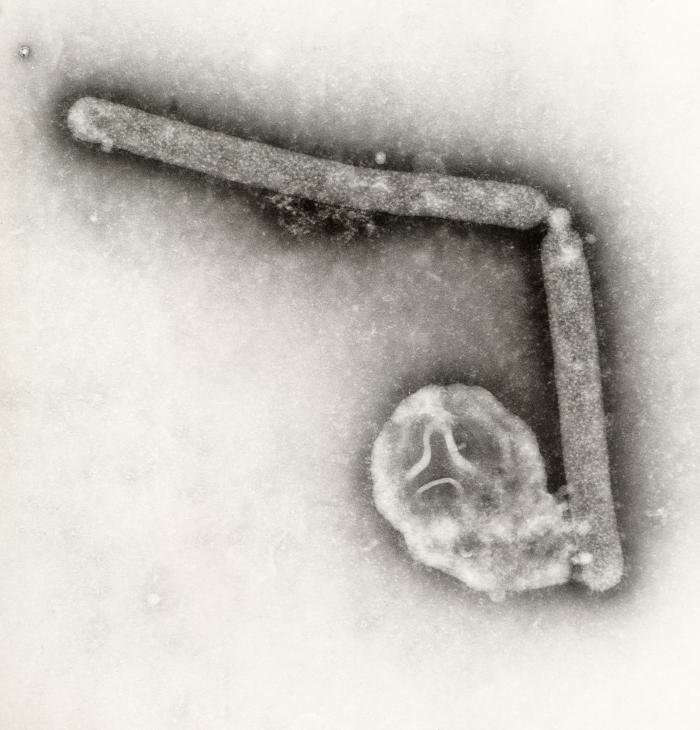
The Texas Department of State Health Services (DSHS) reported this week a human case of avian influenza a (H5N1), the second human case in the United States. The patient’s only symptom was eye inflammation, and they were tested late last week for influenza. CDC confirmatory testing was conducted over the weekend and the patient is now being treated with oseltamivir. Texas DSHS emphasized in its statement that the risk to the general public remains low, and cattle infections do not present a concern for the commercial milk supply. DSHS has issued a health alert that requests healthcare providers around affected facilities remain vigilant for possible human H5N1 cases.
The Texas Animal Health Commission announced the first cases of H5N1 in Texas Panhandle dairy cattle last month. The DSHS announcement explains that “DSHS is working with TAHC, CDC and other state and federal health agencies to investigate the human and animal cases and understand how the virus is spreading in order to protect livestock and people who work with it…DSHS is providing guidance to affected dairies about how to minimize workers’ exposure and how people who work with affected cattle can monitor for flu-like symptoms and get tested. Illnesses in people with H5N1 flu infections have ranged from mild, such as eye infection and upper respiratory symptoms, to severe, such as pneumonia and death.”
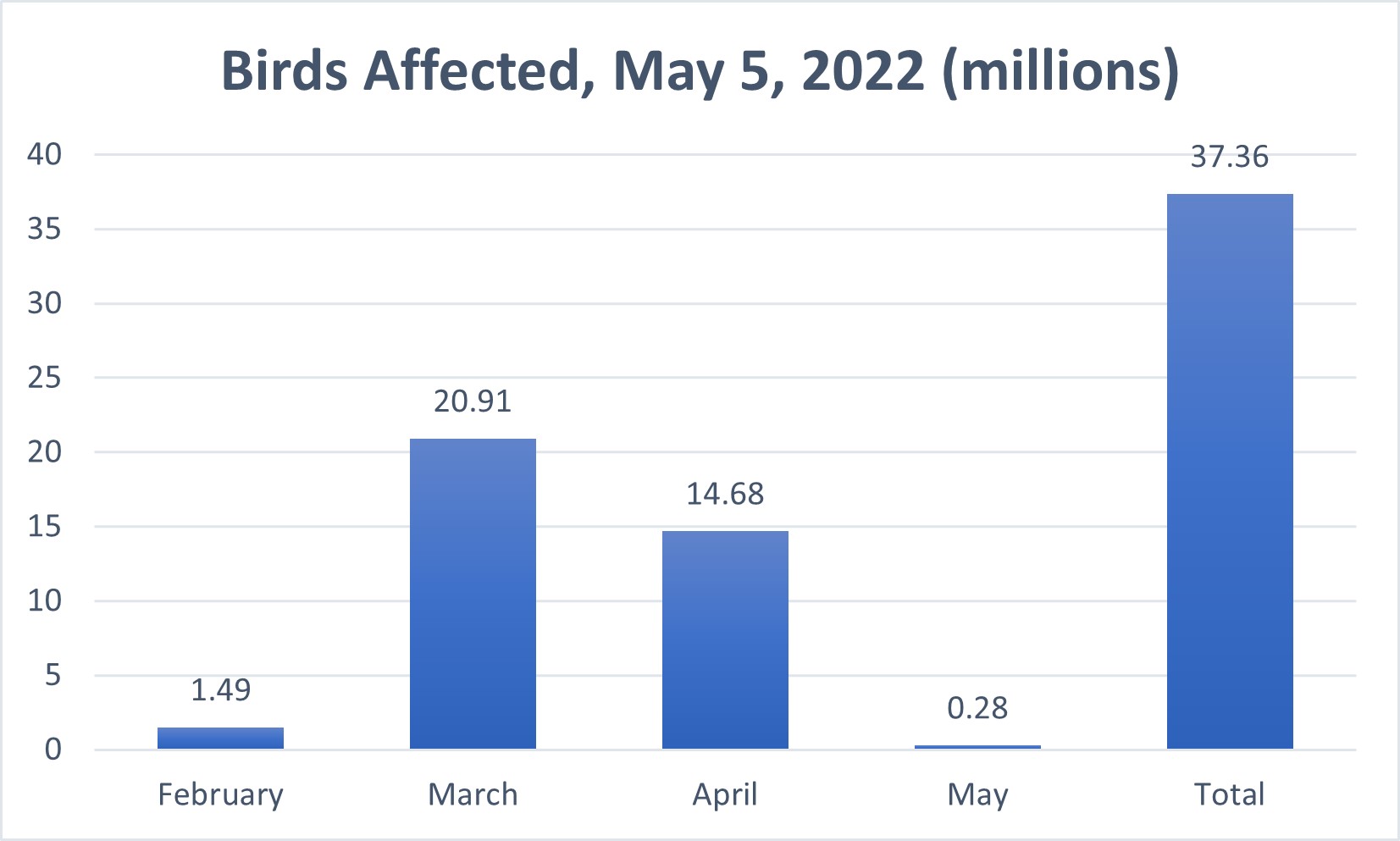
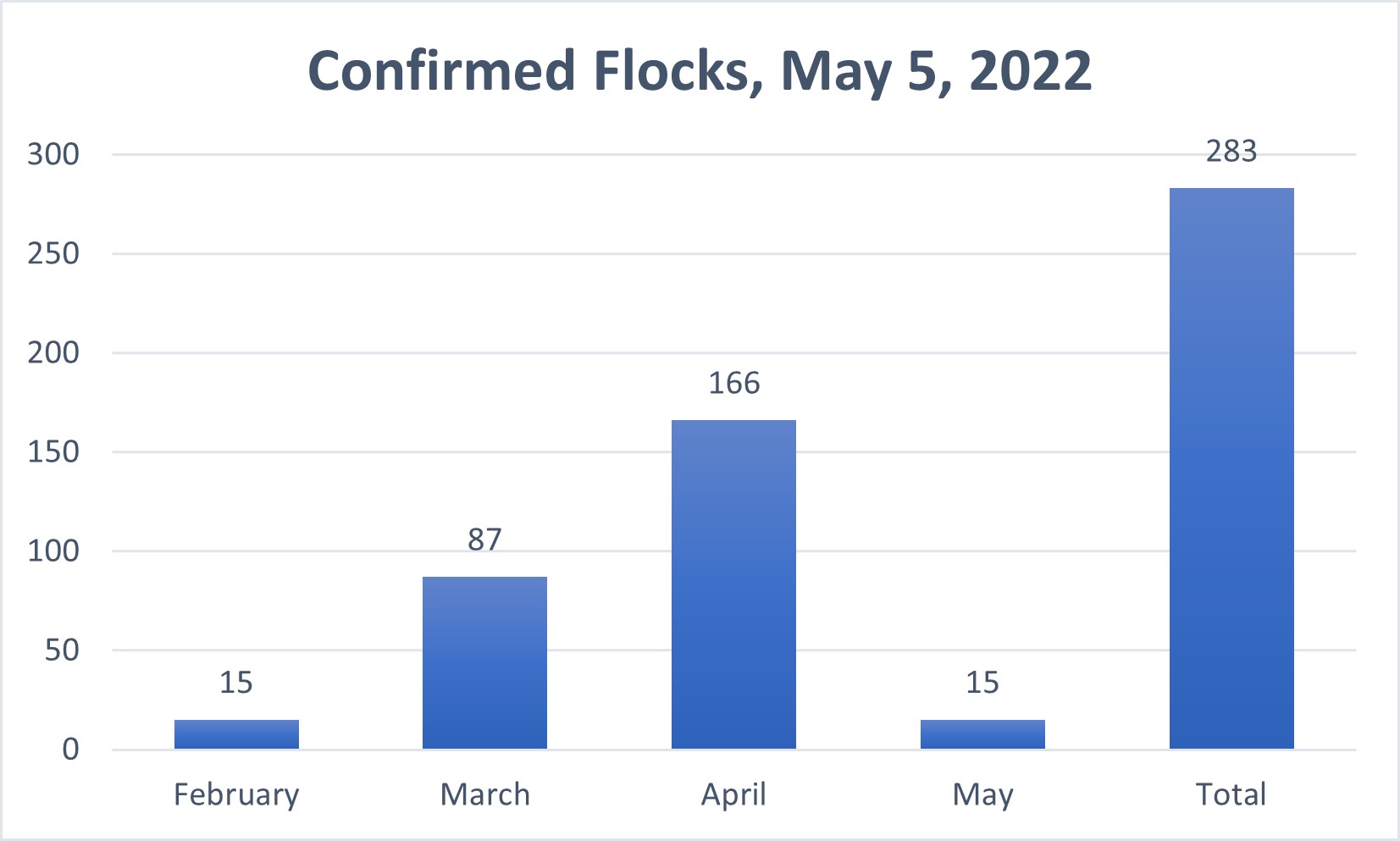
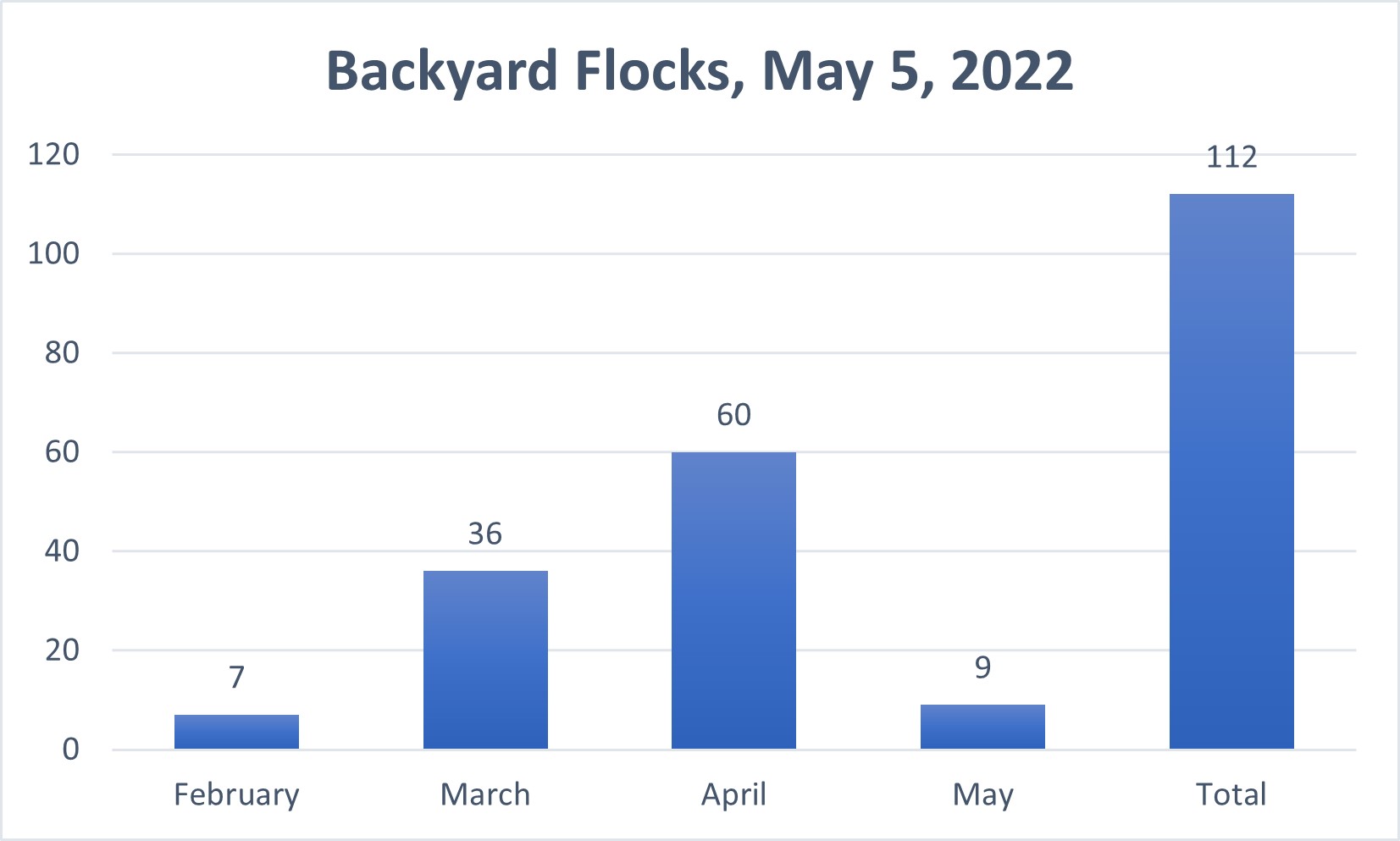
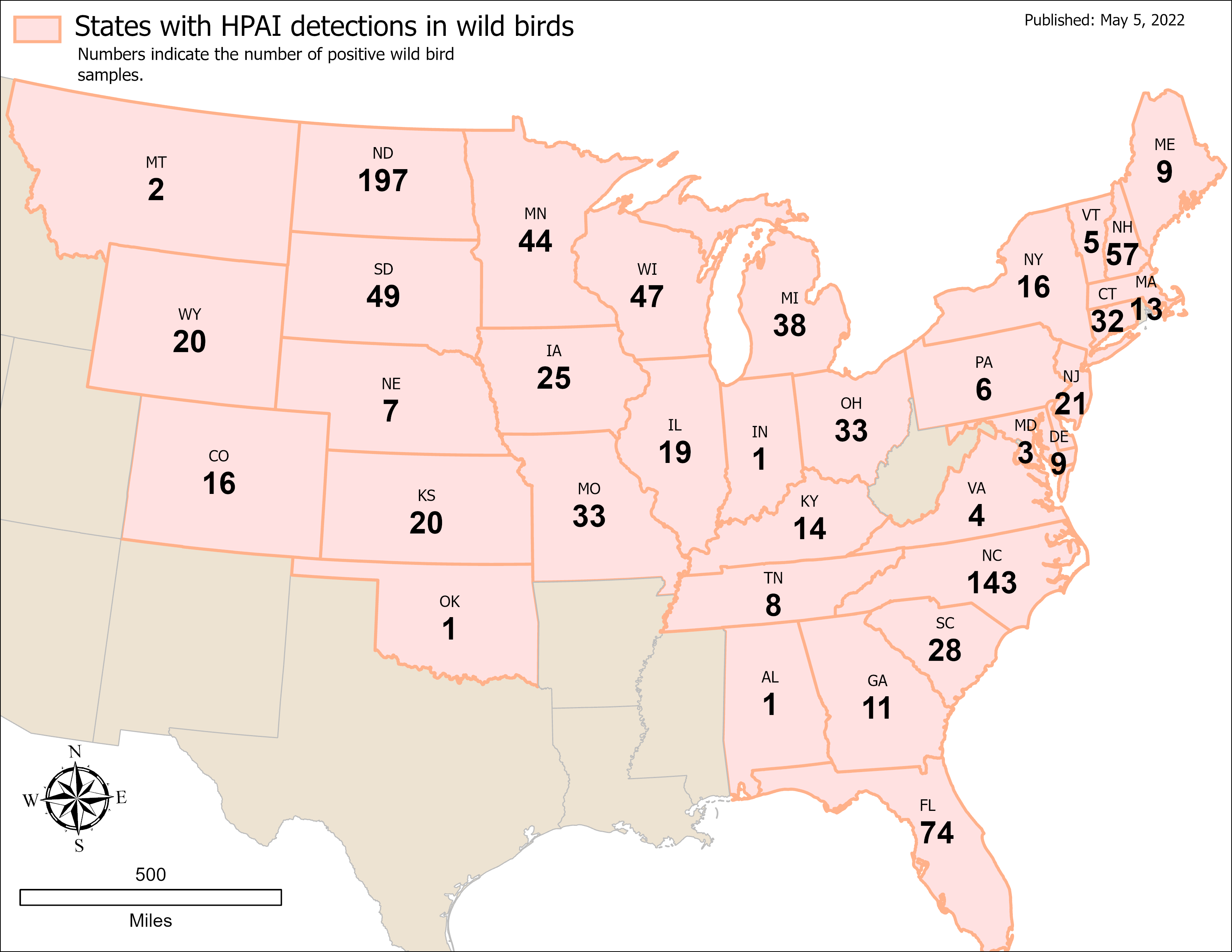
While there was a lull in spread between birds from 2016 to 2022, the recent spread from animal to animal and animal to human is concerning because there is an increased chance the virus will mutate to spread efficiently among humans. Since 2022, the US has been in its longest and largest outbreak that has spread from wild birds to domestic ones and mammals. While this is unsettling, there have yet to be key indicators that the general public is at risk.

HHS Aims to Create “One-Stop Shop” for Cyber
In the aftermath of the ransomware attack on Change Healthcare, part of UnitedHealth, the US Department of Health and Human Services announced that it is working to improve its healthcare cybersecurity resources and programs. In a March 29 webinar, Biodefense PhD Program alumnus Brian Mazanec, the current Deputy Director of HHS’ Administration for Strategic Preparedness and Response (ASPR), discussed these efforts, saying “We’re really establishing ASPR as that one-stop shop to manage this information sharing across the department, with our partners in industry, with the interagency.”
Read more about HHS’ role in healthcare cybersecurity risk management and ASPR’s efforts to improve in this area in this Federal News Network piece.
He Jiankui Out of Jail and Back in Lab
He Jiankui, a Chinese biophysicist known for creating the first gene-edited embryos in 2018, was released from prison in 2022, having served three years for his unauthorized work. He began trying to make a comeback last year, this time focused primarily on researching Duchenne muscular dystrophy, a currently uncurable genetic disease. Alongside his conviction, the Chinese government placed restrictions on He’s future work, banning him from doing anything “related to assisted human reproductive technology” while also limiting his work related to human genes.
He recently was interviewed by The Mainichi, during which he discussed his current work. As the paper explains, “After his release, he reportedly established three laboratories in China, including in Beijing and Wuhan, and resumed his research. “We will use discarded human embryos and comply with both domestic and international rules,” he explained, denying any current intent to produce more genome-edited babies.”
He continues to defend his infamous human embryo experiments, saying of the children that came from his 2018 work, “The results of analyzing their (the children’s) entire gene sequences show that there were no modifications to the genes other than for the medical objective, providing evidence that genome editing was safe. I’m proud to have helped families who wanted healthy children.”
He told the paper that he believes society will “eventually accept” human embryo gene editing “in the quest to find treatments for genetic diseases.”
Read about He’s initial controversy and the Chinese government’s handling of it in this article from Sonia Ben Ouagrham-Gormley and Kathleen M. Vogel.
“Exploring List-Based Approaches and Potential Threat Agnostic Applications in US Biodefense and Public Health – Toward a Hybrid Approach”
Yong-Bee Lim and Saskia Popescu, both alumni of the Biodefense PhD Program, recently published this article in Health Security. In it, they discuss the shortcomings of list-based approaches to prioritizing biological threats and challenges to leveraging threat agnostic approaches to these threats. They discuss these hurdles and how they might be overcome, writing in their conclusion “Threat agnostic strategies have the potential to address key vulnerabilities in current efforts and increasingly complex biological threats, but it is critical they are seen as complementary to pathogen-specific programs rather than replacements in order to successfully integrate, implement, and unlock threat agnostic activities to the best extent possible.”
“Emerging Technology and Risk Analysis: Artificial Intelligence and Critical Infrastructure”
Biodefense PhD alumnus and Schar School adjunct Daniel M. Gerstein recently co-authored this RAND Corporation research report with Erin N. Leidy: “This report is one in a series of analyses on the effects of emerging technologies on U.S. Department of Homeland Security (DHS) missions and capabilities. As part of this research, the authors were charged with developing a technology and risk assessment methodology for evaluating emerging technologies and understanding their implications within a homeland security context. The methodology and analyses provide a basis for DHS to better understand the emerging technologies and the risks they present.”
“This report focuses on artificial intelligence (AI), especially as it relates to critical infrastructure. The authors draw on the literature about smart cities and consider four attributes in assessing the technology: technology availability and risks and scenarios (which the authors divided into threat, vulnerability, and consequence). The risks and scenarios considered in this analysis pertain to AI use affecting critical infrastructure. The use cases could be either for monitoring and controlling critical infrastructure or for adversaries employing AI for use in illicit activities and nefarious acts directed at critical infrastructure. The risks and scenarios were provided by the DHS Science and Technology Directorate and the DHS Office of Policy. The authors compared these four attributes across three periods: short term (up to three years), medium term (three to five years), and long term (five to ten years) to assess the availability of and risks associated with AI-enabled critical infrastructure.”
“Inside Pentagon’s Shaky Efforts to Combat Russian Disinformation”
Bloomberg’s Jason Leopold discusses DTRA’s struggles to combat Russian disinformation targeting its work in Ukraine in recent years in this FOIA Files piece. He writes in part, “That’s what I found in the trove of acronym-heavy documents that I obtained from the Defense Threat Reduction Agency, also referred to as DTRA, the division that was singled out by Russia and accused of operating biowarfare labs in Ukraine. I filed a FOIA request with DTRA and asked for emails, memos, letters, reports, talking points – pretty much everything – to find out what happens when a government agency becomes the target of a disinformation campaign by a foreign adversary.”
“Report on New Security Challenges”
This new report from the State Department’s International Security Advisory Board identifies several new security challenges, including the emergence and spread of human, animal, and plant diseases. The report explains in part “Climate disruptions are likely to affect the frequency and severity of biological events, as changing rainfall patterns and temperatures shift the ranges of insects capable of transmitting diseases such as malaria and dengue fever, and lead to the growth and persistence of water and foodborne pathogens with the potential to cause outbreaks. In parallel, resource scarcity helps drive changing land use patterns and habitat alterations, creating new opportunities for the “spillover” of zoonotic diseases from wild animal populations to humans and their domesticated and companion animals. Once an infection occurs, the dynamic and complex flow of travel and trade can allow biological threats to spread rapidly within densely populated urban areas and across international borders, especially where weak governance and inadequate infrastructure complicate public health surveillance and response. Fear and uncertainty during infectious disease outbreaks can be exploited through the spread of disinformation and misinformation to undermine public trust in governments, institutions, and technical authorities.”
“Annotation of Functions of Sequences of Concern and Its Relevance to the New Biosecurity Regulatory Framework in the United States”
Gene D. Godbold and Matthew B. Scholz recently published this article in Applied Biosafety: “Introduction: Recent regulations from United States Government agencies reshape the screening of synthetic nucleic acids. These take a step away from categorizing hazard on the basis of “bad” taxa and invoke the function of the sequence in pathogenesis or intoxication. Ascertaining functions related to pathogenesis and distinguishing these from other molecular abilities that are unproblematic is not simple. Some have suggested that this information can be readily obtained from existing databases of pathogens.”
“Objectives: We evaluate how virulence factors are described in current databases of pathogens and their adequacy for biothreat data science. We discuss limitations of how virulence factors have been conceived and propose using the sequence of concern (SoC) term to distinguish sequences with biothreat from those without. We discuss ways in which databases of SoCs might be implemented for research and regulatory purposes. We describe ongoing work improving functional descriptions of SoCs.”
“Methods: We assess the adequacy of descriptions of virulence factors in pathogen databases following extensive engagement with the literature in microbial pathogenesis.”
“Results/Conclusions: Descriptions of virulence factors in pathogen databases are inadequate for understanding biothreats. Many are not biothreats and would not be concerning if transferred to another pathogen. New gene ontology terms have been authored, and those specific to pathogenic viral processes are being generalized to make them relevant to other pathogenic taxa. This allows better understanding by humans and better recognition by machines. A database of annotated functions of SoCs could benefit the evolving biosecurity regulatory framework in the United States.”
“Mapping America’s Biosurveillance”
Arielle D’Souza and Janika Schmitt recently created this tool for IFP that offers a comprehensive map to monitor which US federal government entities monitor biological threats. They explain in their discussion of the map that “Although the U.S. had invested ~$700M in pathogen early warning in 2019 across different federal bodies, the COVID-19 pandemic caught us off guard. It wasn’t until well into the pandemic that reliable data on infection levels across the country became available.”
“Today, biosurveillance and early warning in the federal government remain fragmented across jurisdictions. We’ve created a comprehensive visual map of the entities that monitor biological threats across the U.S. federal government. The map is a tool to understand the fragmented landscape of federal biosurveillance and early warning efforts.”
“As the map makes clear, surveillance is distributed across a wide range of federal bodies, including key players like the Department of Health and Human Services (HHS), the Department of Defense (DoD), and the Department of Homeland Security (DHS), but also lesser-known efforts within the Department of Energy, the Postal Service, and Fish and Wildlife. Efforts are often siloed, leading to gaps, duplication, and uncoordinated response strategies. New stakeholders like the Advanced Research Projects Agency for Health (ARPA-H) are expected to become part of this ecosystem, further increasing the need for coordination.”
“Biotech Matters: Great Data Competition and Interoperability with Allies and Partners”
Michelle Holko recently published this piece with CNAS, writing in her introduction “In the U.S.-China competition over biotechnology, America’s most powerful asset with untapped potential is data. Data are the foundation of discovery; data of adequate size, type, and diversity are necessary to realize the potential of artificial intelligence and machine learning (AI/ML), and to support the growing bioeconomy.1 In a world where natural resources are dwindling and current agricultural practices are at risk, using biotechnology to do things such as develop crops that can survive in a changing environment, and to make things that cannot otherwise be manufactured, will soon be essential for survival.2 Understanding and strengthening America’s biotechnology leadership requires exploring the limits of existing data relevant to the U.S. bioeconomy so that policymakers and the biotechnology community can promote data policies and practices that drive sustainability and interoperability, while preserving U.S. values, privacy, and security interests.”
“Chemical and Biological Terrorism and the Norms of the CBW Prohibition Regimes”
CBWNet recently published this working paper edited by Alexander Kelle that covers a workshop. Kelle explains in its introduction that “This workshop forms an important element in the implementation of the CBWNet work package on terrorism with chemical and biological weapons (CBW). In a nutshell, this work package seeks to analyze the emergence of CBW terrorism, assess its impact on the CBW prohibition regimes, and evaluate the measures taken to strengthen regime implementation.”
“Regulation of Toxins and Bioregulators Under the Chemical Weapons Convention and the Biological and Toxin Weapons Convention”
Michael Crowley and Malcolm Dando recently published this article in the Journal of Biosafety and Biosecurity: “In this paper we highlight how the apparent double coverage of toxins and bioregulators by both the Biological and Toxin Weapons Convention (BTWC) and the Chemical Weapons Convention (CWC) in fact masks a regulatory gap that has left such potentially dangerous agents neglected by both the control regimes during a period of rapid advances in relevant chemical, life and associated sciences and technologies. We first review what toxins, bioregulators and other mid-spectrum agents are and why they are of such concern and then examine how they are regulated under the BTWC and CWC. This paper then examines an illustrative range of contemporary chemical and life science research and associated activities of concern drawn from case study research on China, India, Iran, Russia and the United States, and assesses how the CWC and BTWC States Parties have inadequately addressed these threats. We then examine how both the CWC and BTWC Review Conferences failed to address these long-term challenges, and we end by providing a series of recommendations for how both regimes can be strengthened in this area.”
“Robust Scientific Advisory Mechanisms Future-Proof Disarmament Treaties”
Sarah Clapham and Peter J. Hotchkiss recently published this commentary piece with Nature. They argue that “The Chemical Weapons Convention has a unique Scientific Advisory Board that ensures it keeps pace with science, and its implementing body is prepared for future challenges. It is a model that could be usefully applied to other disarmament treaties.”
“Could AI Make the Next Pandemic Deadlier?”
Tom Ough interviews NTI’s Jaime Yassif in this piece for Prospect, writing in part “A report from NTI Bio, an American non-profit that develops policy-based solutions to pandemic risks, lays out how AI will, over the coming years, threaten global biosecurity. It will be central to great advances in biotechnology, but its large language models (LLMs) could democratise knowledge of how to assemble dangerous bacteria and viruses. Worse, it could plausibly be used to design and manufacture entirely new pathogens…These are troubling prospects, and I do not envy Dr Jaime Yassif her remit. Yassif, who co-authored the report I mentioned, oversees NTI Bio’s work on global health security. If there are such things as rock stars of pandemic prevention, she is one of them, appearing last year at a US House of Representatives hearing on America’s vulnerability to future pandemics. (Asked by Representative Debbie Dingell whether the US is indeed prepared, Yassif was blunt: “No.”)”
“The Evolutionary Drivers and Correlates of Viral Host Jumps”
Cedric C. S. Tan, Lucy van Dorp, and Francois Balloux recently published this article in Nature Ecology and Evolution: “Most emerging and re-emerging infectious diseases stem from viruses that naturally circulate in non-human vertebrates. When these viruses cross over into humans, they can cause disease outbreaks, epidemics and pandemics. While zoonotic host jumps have been extensively studied from an ecological perspective, little attention has gone into characterizing the evolutionary drivers and correlates underlying these events. To address this gap, we harnessed the entirety of publicly available viral genomic data, employing a comprehensive suite of network and phylogenetic analyses to investigate the evolutionary mechanisms underpinning recent viral host jumps. Surprisingly, we find that humans are as much a source as a sink for viral spillover events, insofar as we infer more viral host jumps from humans to other animals than from animals to humans. Moreover, we demonstrate heightened evolution in viral lineages that involve putative host jumps. We further observe that the extent of adaptation associated with a host jump is lower for viruses with broader host ranges. Finally, we show that the genomic targets of natural selection associated with host jumps vary across different viral families, with either structural or auxiliary genes being the prime targets of selection. Collectively, our results illuminate some of the evolutionary drivers underlying viral host jumps that may contribute to mitigating viral threats across species boundaries.”
“Eyes on Disease X: Ranking the Next Pandemic”
Jane Fieldhouse, David Wolking, Nistara Randhawa, Timothy Endy, and Angel Desai recently published this article with CFR’s Think Global Health. In it, they discuss UC Davis’ SpillOver tool and recent expansions made to it, writing in part “To direct resources toward the most high-consequence pathogens, it is paramount that leaders have an accurate concept of pandemic risk—for individual viruses as well as viral families. Several institutions are developing disease rankings at national and global levels, including the Priority Zoonotic Diseases Lists facilitated by the U.S. Centers for Disease Control and Prevention and the Research and Development (R&D) Blueprint created by the World Health Organization…Although important for informing global and national health priorities, disease-ranking initiatives are time intensive and costly processes, requiring ongoing updates as new data and pathogen discoveries emerge. To complement these efforts, the Coalition for Epidemic Preparedness Innovations (CEPI) has partnered with the University of California, Davis, to expand SpillOver, their viral risk ranking platform launched in 2021.”
“A Physician Travels to South Asia Seeking Enduring Lessons From the Eradication of Smallpox”
Céline Gounder recently published this KFF Health News commentary piece discussing her time in Bangladesh speaking with public health workers who aided in the fight to eradicate smallpox. She writes in part, “My field reporting began in summer 2022, when I traveled to India and Bangladesh — which had been the site of a grueling battle in the war on the disease. I tracked down aging smallpox workers, some now in their 80s and 90s, who had done the painstaking work of hunting down every last case of smallpox in the region and vaccinating everyone who had been exposed. Many of the smallpox campaign veterans had fallen out of touch with one another. Their friendships had been forged at a time when long-distance calls were expensive and telegrams were still used for urgent messages.”
“Another State Tries to Weaken School Vaccine Rules”
Matt Field discusses West Virginia lawmakers’ efforts to weaken the state’s school vaccine requirements in this piece for The Bulletin of the Atomic Scientists. He writes in part, “Every state in the country requires school children to be vaccinated against measles and other vaccine-preventable diseases. Those policies have been in place for decades, but during the COVID pandemic, a handful of states worked to weaken them—mainly by making it easier for individuals to claim exemptions. West Virginia lawmakers recently took the crusade against routine vaccinations a step further, passing a bill to allow private and parochial schools to set whatever rules they see fit.”
What We’re Listening To 🎧
The Security Circle-“EP 066 Dan Kaszeta: Chemical and Biological Defense Specialist, Ex-Pentagon, Ex-White House Staff, Ex-Secret Service….(and he made Chat GPT safer)”
“Dan Kaszeta is a specialist in defence against chemical, biological, and radiological weapons and warfare. Although he has lived in London since 2008, the first part of his career was in the United States. He earned a BA in Political Science and Russian language from Texas Christian University. After graduation, he was commissioned as an officer in the US Army in the small but highly skilled Chemical Corps. Dan was honour graduate of his lengthy training course at US Army Chemical School. After only brief active service, he was reassigned to the Army Reserve and spent over a decade in reserve and National Guard assignments while pursuing a civilian career.”
“He subsequently moved to Washington DC and was awarded an MA in International Affairs from George Washington University. The Tokyo Sarin attacks in 1995, combined with scarce chemical weapons expertise, meant that in early 1996 he took up the post of Disaster Preparedness Advisor at the White House Military Office, where he had responsibility for chemical and biological preparedness and training for the office of the President. After the 9/11 attacks and the anthrax terrorism, the responses to which he was heavily involved in, Dan transferred to the US Secret Service, where he joined the team protecting the President and the White House complex from chemical and biological threats.”
“In 2008, Dan relocated to London. From 2008 to 2011 he worked for Smiths Detection, managing their chemical warfare detection business in Central and Eastern Europe. Since 2011, he has been an independent security consultant and author.”
“He is the author of numerous articles and his recent publications include: ‘CBRN and Hazmat Incidents at Major Public Events: Planning and Response’ (Wiley, 1st ed 2012 2nd ed 2022), ‘Toxic: A History of Nerve Agents’ (Hurst, 2020) and ‘Forest Brotherhood: Baltic Resistance against the Nazis and Soviets’ (Hurst, 2023). Mr. Kaszeta has been selected as a Writer-in-Residence at Gladstone’s Library for 2024.”
Listen to this episode here.

NEW: Industry Summit 2024: Partners for a Resilient Future
From ASPR’s Office of Industrial Base Management and Supply Chain (IBMSC): “Join industry and government partners in exploring federal opportunities for industry engagement aligned with ASPR’s strategic vision and organizational priorities for industrial base management and the public health and health care supply chain.”
This in-person event will take place on April 22, in Washington, DC. Learn more and register here.
NEW: 3rd International Biosecurity Virtual Symposium
From ABSA: “The Symposium will bring together biosecurity professionals from a wide range of disciplines with varying expertise to share their experiences and knowledge on diverse biosecurity topics. The Symposium will offer attendees an opportunity to learn the latest in biosecurity and have thought-provoking conversations about real-world biosecurity issues, concerns, and scenarios.”
This symposium will take place May 7-8. Learn more and register here.
EBRC & NIST Sequence Screening Virtual Workshop #1
From ERBC: “Synthetic DNA enables life sciences research that can be applied to pressing societal challenges across many sectors, but could also be used in the development of biological parts, systems, or organisms that cause great harm to human, public, or environmental health. Many companies that produce and sell synthetic DNA screen ordered sequences to prevent customers from inappropriately accessing Sequences of Concern (SOCs). This project aims to improve DNA synthesis screening by enabling the development of better tools and mechanisms for screening performance evaluation.”
“This will be the first workshop in the series. Additional virtual workshops will be held over the next six months, with an in-person meeting to be held in the fall. More details to come.”
This event will take place on April 9 at 1 pm EST. Learn more and register here.
The Advancing Threat Agnostic Biodefense Webinar Series
From PNNL: “Join us as we welcome Patrick Chain, scientist at Los Alamos National Laboratory (LANL). His talk, titled “Toward Pathogen-Agnostic Detection: Advances and Challenges in Shotgun Sequencing-Based Biosurveillance” will be Tuesday, April 16, at noon PT.”
“Patrick Chain leads the Metagenomics Applications, Bioinformatics, and Analytics Teams in the Bioscience Division at LANL, while also co-managing the Division’s Genomics Program. His team pioneers innovative algorithms and methods in bioinformatics and metagenomics, applying them to various research areas such as organism detection, sample characterization, and fundamental research across different ‘biomes’. With a background including a B.Sc. and M.Sc. from McMaster University and a Ph.D. from Michigan State University, Chain brings a wealth of expertise to the field.”
“The Advancing Threat Agnostic Biodefense Webinar Series brings together like-minded science and policy members of the biodefense community to discuss relevant research activities as well as barriers and enablers of a threat agnostic approach. The webinar series is hosted by the Nuclear, Chemical, and Biological Technology Division.”
Register here.
Launch of the 2024 National Blueprint on Biodefense
From the Bipartisan Commission on Biodefense: “On the 10th anniversary of its inception, the Bipartisan Commission on Biodefense will release its 2024 National Blueprint on Biodefense: Immediate Action Needed to Defend Against Biological Threats.”
“Please join us for this momentous event at the Congressional Auditorium, Capitol Visitor Center, on April 17th at 4:30pm.”
“The Bipartisan Commission on Biodefense (formerly the Blue Ribbon Study Panel on Biodefense) was established in 2014 to provide a comprehensive assessment of the state of United States biodefense efforts and to issue recommendations that foster change. Subsequently, the Commission has briefed White House Administrations (including then Vice President Biden); testified before Congress; convened numerous meetings with experts; released 12 reports; produced the graphic novel Germ Warfare; and mobilized biodefense conversations and actions in the private and public sectors.”
Learn more and register here.
Addressing the Challenges Posed by Chemical and Biological Weapons: Intensive Online Introductory Course for Students of Technical Disciplines
“SIPRI and the European Union Non-Proliferation and Disarmament Consortium (EUNPDC) invite graduate and postgraduate students of the technical or natural science disciplines to apply for an intensive online introductory course on chemical and biological weapons—their proliferation, the efforts to eliminate them, the various mechanisms used to control their spread—and endeavours underway to reduce the risk of chemical or biological agents in terrorist attacks. The course will take place online, during four half-days on 28–31 May 2024, 14:00 to 18:00 Central European Summer Time (CEST).”
“The course will cover the fundamentals of chemical and biological weapons as well as of missiles and other means of delivery; the history of chemical and biological warfare; the evolution of international norms against these weapons; the threats associated with potential terrorist uses of chemical and biological material; bioweapons and other related scientific advances; the current challenges posed by chemical weapons; arms control treaties; and mechanisms to curb the spread of dangerous substances, including export controls.”
“The course will also discuss the role of the EU institutions and industry to address the challenges mentioned above. The course will be instructed by renowned experts on non-proliferation, arms control, disarmament, export controls, verification and related subjects from SIPRI, other European research centres, think tanks and international organizations.”
Learn more and apply here.
Registration for GHS 2024 Now Open
Registration is now open for the Global Health Security 2024 conference in Sydney, Australia. This iteration will take place 18-21 June, 2024. The call for abstracts is also still open. “The mission of the Global Health Security conference is to provide a forum where leaders, researchers, policy-makers, and representatives from government, international organisations, civil society, and private industry from around the world can engage with each other, review the latest research and policy innovations, and agree solutions for making the world safer and healthier. To that end, our mission is to help foster a genuinely multidisciplinary community of practice that is committed to working collaboratively to enhance global health security and eliminate disease, irrespective of its origin or source.”
SBA.3 International Synthetic Biology, and Biosecurity Conference in Africa
“Join us for the SBA.3 International Synthetic Biology and Biosecurity Conference in Africa, a groundbreaking event that brings together experts, researchers, and enthusiasts in the field of synthetic biology. This in-person conference will take place at the Laico Regency Hotel from Wed, Jul 17, 2024 to Friday, Jul 19, 2024.”
“Get ready to dive into the exciting world of synthetic biology and explore its potential applications in Africa. From cutting-edge research to innovative solutions, this conference offers a unique opportunity to learn, network, and collaborate with like-minded individuals.”
“Discover the latest advancements, trends, and challenges in synthetic biology through engaging keynote speeches, interactive workshops, and thought-provoking panel discussions. Immerse yourself in a vibrant atmosphere where ideas flow freely and new connections are made.”
“Whether you’re a seasoned professional or just starting your journey in synthetic biology, this conference provides a platform to expand your knowledge, exchange ideas, and contribute to the growth of the field in Africa.”
“Don’t miss out on this extraordinary event that promises to shape the future of synthetic biology and biosecurity in Africa. Mark your calendars and join us at the SBA.3 International Synthetic Biology and Biosecurity Conference in Africa!”
Learn more and register here.

Job Announcement: George Mason University, Research Faculty, Infectious Diseases
“The Institute for Biohealth Innovation harnesses the collective talent of more than 300 GMU faculty and staff and thousands of students across 34 academic departments. The IBI connects Mason researchers with potential collaborators, both within the university and externally, to take on some of biohealth’s biggest challenges.”
“The Biomedical Research Lab (BRL), is a core facility overseen by the Institute. The 52,000 square-foot regional biocontainment laboratory (RBL) was established in 2010 as one of 12 NIAID-funded RBLs to support infectious disease research and foster collaborations with other national and global laboratories. It operates as a central core facility to advance research and develop novel diagnostics, therapeutics, and vaccines against viral and bacterial infectious agents by a diverse population of internal and external investigators. The facility is capable of housing multiple species and has a variety of established animal models, with an emphasis on aerosolized exposures. The BRL is fully approved and licensed for work by the CDC and USDA and is accredited by AAALAC.”
“The research faculty will join a collaborative team that works on bacterial or viral pathogens relevant to human and animal disease. The research foci are within broad fields including but not limited to immunology and immunity in disease, host-pathogen interactions, cellular microbiology, biochemistry, animal imaging and pathology, aerobiology, and countermeasure development (diagnostics, vaccines, and therapeutics). The incumbent will work with a diverse team of internal and external investigators including faculty, postdoctoral fellows, undergraduate and graduate students, and industry professionals. The incumbent will be responsible for conducting research, providing training and mentorship, disseminating findings, and contributing to grant proposals to advance infectious disease research and countermeasure development.”
Learn more and apply here.
CEPI Calls for Experts to Join Its Scientific Advisory Committee
From CEPI: “CEPI’s call for new individuals to join its Scientific Advisory Committee, or SAC —an external expert group providing guidance and recommendations to CEPI on R&D programmes and broader outbreak response efforts—is now open through 9 April 2024.”
“CEPI is recruiting global health professionals with extensive experience across relevant scientific and product development disciplines to join its SAC, and is particularly interested in applicants from Latin America and Africa; female applicants are especially encouraged to apply.“
“Successful applicants’ scientific input, guidance and challenge will be critical in the continued implementation of the CEPI 2.0 strategy, which aims to accelerate the development of vaccines and other biological countermeasures to tackle emerging infectious diseases and enhance global preparedness for future threats.”
“New members’ terms will last three years, starting in June 2024, with the first face-to-face meeting taking place in Rio de Janeiro from 31 July to 1 August. Virtual participation will be made available for anyone unable to travel at this time.”
“Interested individuals can apply using our online form linked here.“