Pandora Report 12.22.2017

Happy Holidays from your friends at the Pandora Report! We hope you have a lovely holiday weekend and enjoy this warm cup o’biodefense. If you’re still looking for the perfect gift for a microbe-loving person in your life, check out the latest holiday pack here.

International Criminal Court Adds Use of Biological Weapons to Rome Statute
Last week, during the Assembly of States Parties to the ICC, it was decided that three new crimes would be now be classified as war crimes within the Rome Statute. “The new war crimes added to the Rome Statute are, respectively, the use of biological and toxin weapons, the use of weapons causing injuries by fragments which in the human body escape detection by X-rays and the use of laser weapons causing permanent blindness. These weapons kill without discrimination or inflict very severe suffering. Their elevation to the rank of war crimes strengthens international law. The use of these weapons during armed conflicts will become even more difficult. The inscription of these new crimes in the Statute of Rome ensures also legal certainty to the victims and gives a specific recognition to their pain.” The Belgium Ministry of Foreign Affairs has come forward noting that “It was Belgium that had proposed these amendments to the Statute, the founding treaty of the ICC, as early as 2009. Belgium has tirelessly mobilized, through its diplomatic network and the voices of its foreign ministers, its ministers of justice and even its prime ministers to promote the adoption of these amendments.”
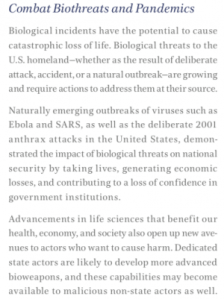
2017 National Security Strategy – Biodefense
Just in the nick of time, the National Security Strategy was released – and with a biodefense gem hidden on page 9! Pillar 1 (of 4) within the NSS includes a section on securing U.S. borders and territories, in which the “combat biothreats and pandemics” section is buried. Citing biological threats, whether it be natural outbreaks like Ebola, bioterrorism, or advancements in life sciences that have the potential to be mis-used, the NSS includes several priority actions. The three priority actions to combat biological threats are: “detect and contain biothreats at their source, support biomedical innovation, and improve emergency response. ”

Trump’s Biodefense Strategy – Naught, Nice, or MIA?
GMU biodefense MS student Janet Marroquin is taking a look at the Trump administration’s biodefense strategy and what the past year has shown us in terms of what we can expect. With the release of the NSS this past week, some direction is being given, but just how far have we come in terms of a true strategy? Marroquin delves into the nitty gritty and also gives us a holiday wish list for what we’d like to see on a biodefense strategy. She notes that “An important reform present in the proposed FY 2018 Federal budget is the call to dismantle the Academic Centers for Public Health Preparedness under the CDC and the distribution of its funds among state governments to support state-led public health preparedness.  Interestingly, this action seems to contradict expert recommendations to the federal government for the development of a centralized approach to health security.” In response to the release of the NSS, the Blue Ribbon Study Panel has released a statement and highlights, like Marroquin, the importance of a comprehensive approach.

Congrats to GMU’s Biodefense December Graduates!
We’re excited to announce the graduation of several GMU Biodefense students this winter. Congrats to our students graduating with a MS: Zamawang Almemar, Alexander Rowe, and Stephanie Smith – and congrats to those graduating with a Certificate in Biodefense: Mi Chung and Mary Oberlies. We can’t wait to see where the future takes you and the amazing biodefense adventures you’ll have!
Federal Funding Resumes for Gain-of-Function Research
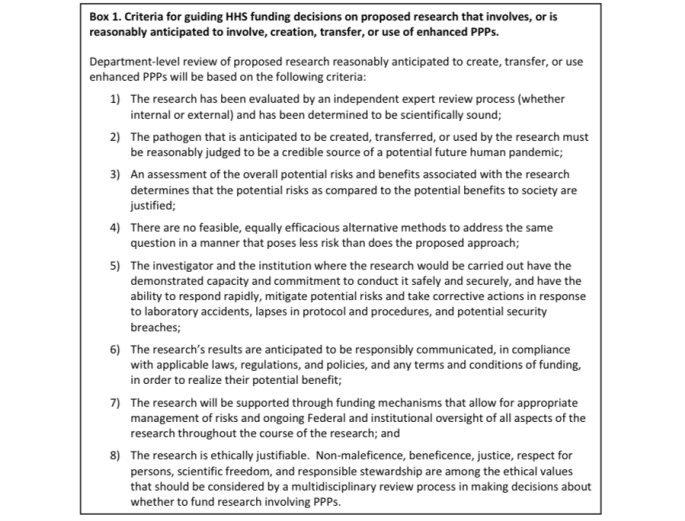
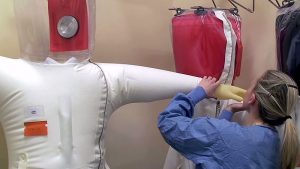
On Tuesday, it was announced that DHHS has ended the funding pause on GoF research. Suspended since the 2014 moratorium, guidance was released in January of this year by the White House Office of Science and Technology Policy (OSTP) for individual agencies reviewing research. While the OSTP P3C0 recommendations provided guidance for agencies looking to conduct, support, or planning to conduct such research, its sole purpose was “to recommend consistent and appropriate Federal agency review and reporting processes for the enhanced oversight of Federally funded research that is anticipated to create, transfer, or use enhanced pathogens with pandemic potential.” In fact, once agencies adopted a review process and satisfied such requirements, they could lift their moratorium on GoF research. It is this week’s NIH announcement however, that fully lifted the moratorium and provided framework for guiding funding decisions about such research (FYI – you won’t find many differences between the framework and the OSTP P3C0).  “The framework, condensed into a 6-page document, spells out a multidisciplinary review process that involved the funding agency and a department-level review group that considers the merits and possible research benefits and the potential to create, transfer, or use an enhanced potential pandemic pathogen (PPP).” Funding for GoF research on potential pandemic pathogens, like SARS, MERS, and avian influenza, was resumed jointly with the DHHS framework that seeks to guide funding of proposed research that would involve enhancing such pathogens. “The HHS P3CO Framework is responsive to and in accordance with the ‘Recommended Policy Guidance for Departmental Development of Review Mechanisms for Potential Pandemic Pathogen Care and Oversight’ issued on January 9, 2017  and supersedes the previous ‘Framework for Guiding U.S. Department of Health and Human Services Funding Decisions about Research Proposals with the Potential for Generating Highly Pathogenic Avian Influenza H5N1 Viruses that are Transmissible among Mammals by Respiratory Droplets’.” The new framework includes 8 criteria for department-level review, which includes “An assessment of the overall potential risks and benefits associated with the research determines that the potential risks as compared to the potential benefits to society are justified” and “The research will be supported through funding mechanisms that allow for appropriate management of risks and ongoing Federal and institutional oversight of all aspects of the research throughout the course of the research”.

GMU Biodefense Student Tackles USPS Safety
Speaking of awesome things GMU biodefense graduates are doing…Stephanie Smith is using her forensic chemistry background and new biodefense degree to tackle safety in the USPS. “I’m a forensic chemist by training, that’s what I’ve done my entire career,” she said. “I came to Mason to study the ‘bio-side’ of this complex advisor position, but I realized I was also expanding my knowledge beyond science and into the policy side.” Having studied a range of different topics like agroterrorism and biosurveillance during her time at GMU, Smith’s capstone project “was based on her idea that the method of detecting bioagents in the mail could be improved.” While she was working on her studies at GMU, she was also working at the USPS within the Security and Crime Prevention Group and was tasked with writing the job description for a new permanent scientific advisor position. “Once Smith wrote the job description for the new position of ‘Scientific and Technical Advisor, Dangerous Mail Investigations’ for the Postal Inspection Service, it was determined there was only one person qualified to fill a job that required knowledge of chemistry, biodefense, security and public policy. That would be Stephanie Smith. She got the job.”

2017-2018 PHEMCE Strategy and Implementation Plan
The latest Public Health Emergency Medical Countermeasures Enterprise (PHEMCE) SIP has been released, which highlights some of the priorities that the Department of Health and Human Services will focus on over the next five years. Within the SIP, you can find a summary of the major accomplishments, new activities, updates to the 2016 SIP activities, and specific information required annually under the Pandemic and All-Hazards Preparedness Reauthorization Act (PAHPRA). The latest SIP includes accomplishments from 2016 that include regulatory science management, Zika and Ebola response, international collaboration on MCMs, etc. Some of the new projects include Ebola response, bacterial threat projects like CARB-X, etc. You can also read the PHEMCE multi-year budget for fiscal years 2016-2020 here.

GMU Biodefense Students Visit DARPA
If you’ve ever wondered what it’s like to go inside the walls of the Defense Advanced Research Projects Agency (DARPA), this article is just for you! GMU biodefense professor Andrew Kilianski took students from one of his classes to visit DARPA and gain a better understanding of their biodefense efforts. Dr. Kilianski is currently a biological scientist at the DoD and his work focuses on combating current and future threats from weapons of mass destruction in addition to teaching classes on biosurveillance and virology in the GMU Biodefense graduate program. In this segment, biodefense MS student Janet Marroquin takes us on a tour of DARPA and some of the fascinating projects they work on. “These projects range from surveillance tools to diagnostics and therapeutics, using futuristic mechanisms such as a dialysis-like purification of pathogen-infected blood or unobtrusive nanoplatforms that continuously monitor the physiological state of the patient for the detection of infectious disease. ”

Preventing An “Outbreak Anywhere” From Becoming An “Outbreak Everywhere”
GMU Biodefense PhD student Saskia Popescu is addressing the trifecta of efforts within global health security – prevention, detection, and response. Drawing on the special edition Emerging Infectious Disease journal, she highlights the importance of prevention and the obstacles that are often met. “Prevention is the first component to health security, but in many ways, it is also the most difficult. Biological threats can come from anywhere: a naturally occurring outbreak, a laboratory accident, or even an act of biological terrorism. How do we prevent biothreats when they come from so many directions? Zoonotic diseases are one place to start as more than 60% of known diseases spread from animals and roughly 75% of new or emerging diseases in humans spread from animals.”

Is Captain America A Biological Weapon?
Attending the Biological Weapons Convention will make you ponder such things and Matt Shearer from the Johns Hopkins Center for Health Security is venturing down that rabbit hole. Article I of the BWC states that each state party will not develop, produce, stockpile, or otherwise acquire or retain “microbial or other biological agents, or toxins whatever their origin or method of production, of types and in quantities that have no justification for prophylactic, protective or other peaceful purposes;” and “weapons, equipment or means of delivery designed to use such agents or toxins for hostile purposes or in armed conflict.” Shearer poses a unique question about what constitutes a biological agent – what if there is no infection but rather a human who has been enhanced? “But normal humans, animals, and plants do not seem to count as “other biological agents” in the context of the BWC, but what about enhanced or modified versions like Captain America or, perish the thought, the accidentally enhanced Teenage Mutant Ninja Turtles? Have we been unwittingly cheering for bioweapons this whole time?”

Stories You May Have Missed: 

  • Cadavers in the Ballroom – Shockingly, this not the title of a zombie wedding movie, but rather a reality of medical conferences. This recent article found that some medical conferences, operating in grand ballrooms, utilize cadavers and body parts for teaching at their lectures. “When the deceased are cut open, there’s an increased risk of a disease being transmitted to others, said Michael Osterholm, director of the Center for Infectious Disease Research and Policy at the University of Minnesota. ‘I will be the first to acknowledge there have been no big outbreaks or situations that have occurred yet from a dead body,’ Osterholm said. ‘But I am absolutely convinced it’s just a matter of time’.”
  • Building A National Capability to Monitor and Assess Medical Countermeasures Use During A Public Health Emergency – Don’t miss the latest NAS report on MCM use. “During public health emergencies (PHEs) involving chemical, biological, radiological, or nuclear threats or emerging infectious diseases, medical countermeasures (MCMs) (e.g., drugs, vaccines, devices) may need to be dispensed or administered to affected populations to help mitigate the human health impact of the threat. The optimal MCMs determined for use during an emergency might be U.S. Food and Drug Administration (FDA) approved but used in unapproved ways (e.g., in a new age group or against a new agent); FDA approved using animal models because human efficacy testing is not ethical or feasible; or not yet FDA approved for any indication.”

Thank you for reading the Pandora Report. If you would like to share any biodefense news, events, or stories, please contact our Editor Saskia Popescu (biodefense@gmu.edu) or via Twitter: @PandoraReport
Pandora Report 12.15.2017

Welcome back to your weekly dose of all things biodefense! We’ve got a packed newsletter for you, so buckle up. Curious about CRISPR and how it works? Check out the best and worst analogies here.

Read Out On The GHSA Ministerial Meeting in Kampala
If you missed our Read-Out on the GHSA meeting in Kampala, we’ve got a great overview with attachments. The NextGen Global Health Security Network Reflections can be found here and Coordinator Jamechia Hoyle was kind enough to provide her powerpoint from the Read-Out, which you can access here. The Read-Out involved presentations and discussions from not only NextGen GHSA Coordinator Hoyle, but also Jennifer Nuzzo from the Center from Health Security, and two GMU Biodefense MS students – Anthony Falzarano and Stephen Taylor. In fact, Anthony and Stephen provided several great photos from the Kampala summit, which you can see here. “While they discussed that the dialogue was driven by high level members of government. The overall consensus was the need to bring in non-governmental and academic voices. The panel members emphasized this by showcasing the work with Next Generation Global Health Security Leaders and the continued efforts to bring young professionals and students into these working groups. From the discussion, it is evident that GHSA’s efforts are being felt in many nations. The Response Center in Uganda, while small, had the hallmarks of the CDC and other organizational support.” Dr. Nuzzo brought her talk to a close with a poignant quote from the summit – “it is much cheaper to spend on preparedness than it is to spend on response.” Attendee and biodefense MS student Janet Marroquin noted that “the containment of the Marburg virus in Uganda during the conference perfectly illustrated the benefits of improved health security measures, but it is easy to overlook this success when good health is expected as a guarantee. In addition to bringing attention to current deficiencies in global health security, the GHSA is needed to look to the future and anticipate and prevent roadblocks in implementation.”

Biological Weapons Convention Meeting of States Parties – Recap
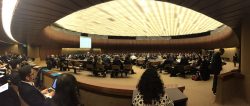
Last week, GMU biodefense PhD student Saskia Popescu attended the Biological Weapons Convention Meeting of States Parties (MSP) with the Johns Hopkins Center for Health Security ELBI program. This MSP started on somewhat of a bated breath as last year’s Review Conference was, as described by many, an epic failure. Having endorsed the Joint NGO Statement, Popescu noted that “the role of the NGOs felt even more important in such a disjointed climate where the future of the BWC was in many ways, up in the air. The importance of support and pushing for future cohesion regarding not only the intersessional process (ISP), but also S&T developments, was a significant point within the NGO statement.” As you can find in many of the live-tweeting that was occurring (#MSP2017), the MSP started off with a bang as Iran noted that they were not convinced further ISP work would be productive and if the BWC isn’t legally binding, it can’t truly be universal. Chairman Gill started the MSP with a quote from Rumi and worked tirelessly to maintain focus and forward momentum. Thankfully, despite several days of closed-door discussion, consensus was reached and the ISP was established to include 4 days of meetings of the MSP and 5 meetings of experts, which would focus on cooperation and assistance, development S&T, strengthening national implementation, assistance for preparedness and response, and the institutional strength of the BWC.  You can also find detailed overviews of each day here. A few of Popescu’s favorite moments from attending: “Sweden’s inclusion of antimicrobial resistance in their opening statement, Australia’s comments on the need for a more diverse attendance in the future and the growing presence of women within the BWC. It was also surprising how shockingly low the states costs for BWC inclusion are…and how some are delinquent by a few hundred dollars. Lastly and perhaps the most important part of the trip was getting to attend a pivotal event in biodefense history with such an amazing group of people who were all as excited and enthusiastic as I was. As we took a break to visit the WHO and peered upon the famous smallpox statue, I think it all hit us how vital this work is on a global level.”

Jurassic Ticks?
Paleontologists have recently announced the finding of a 99-million-year-old tick that not only was holding on for dear life within the feathers of a dinosaur, but provides evidence that these blood-suckers fed on dinosaurs. While this tick came from the Cretaceous period, it feels eerily similar to how Jurassic Park began. “This study provides the most compelling evidence to date for ticks feeding on feathered animals in the Cretaceous,” said Ryan C. McKellar, a paleontologist at the Royal Saskatchewan Museum in Canada who was not involved in the study. “It demonstrates just how much detail can be obtained from a few pieces of amber in the hands of the right researchers.” Imagine the kind of dino-arboviruses we might come across with this finding! It’s hard not to chuckle at the timing of the announcement since the latest Jurassic World movie trailer was released just last week.

Podcast “Syria(s) Problem: Chemical Weapons & International Norms from Power Problems“
Don’t miss this episode of the bi-weekly podcast Power Problems from the Cato Institute hosted by Emma Ashford and GMU biodefense professor Trevor Thrall. In this episode on the use of chemical weapons in Syria, GMU biodefense professor and graduate program director Gregory Koblentz discusses how the use of such weapons calls into question the utility of international norms. Some of the show notes also include the discussion of taboos against chemical weapons, and antibiotic resistance as a biological threat.

Is North Korea’s Bioweapons Threat Growing With Increasing Biotech Expertise?
Are the technical hurdles to biological weapons eroding in North Korea? Advances in the life sciences have brought forth a wealth of new capabilities, like manipulating DNA, but are we also lowering the bar for bioweapons development? There’s been increasing talk regarding the potential for North Korea to develop and deploy biological weapons. While there certainly has been a lowering of technical hurdles in some aspects of bioweapons development, has North Korea truly developed a functioning program? “The gains have alarmed U.S. analysts, who say North Korea — which has doggedly pursued weapons of mass destruction of every other variety — could quickly surge into industrial-scale production of biological pathogens if it chooses to do so. Such a move could give the regime yet another fearsome weapon with which to threaten neighbors or U.S. troops in a future conflict, officials and analysts say. Current and former U.S. officials with access to classified files say they have seen no hard evidence so far that Kim has ordered production of actual weapons, beyond samples and prototypes. And they can only speculate about the reasons.” Many note that their possession of biological agents is known but that the unknown is just how far along a bioweapons program might be. The development of a high-functioning and successful bioweapons program requires significant funding, human resources, and tacit knowledge. Dr. Sonia Ben Ouagrham-Gormley recently broke down just how realistic these concerns are (hint: she’s a GMU biodefense professor and guru on tacit knowledge). In response to this week’s increased attention on a potential program in North Korea, Dr. Ben Ouagrham-Gormley was also interviewed regarding the cost of a biological weapons program and just how much it would take to truly develop and maintain one. “The cost of maintaining an active biological weapons program is high, according to Sonia Ben Ouagrham-Gormley, associate professor in the Schar School of Policy and Government at George Mason University. She said the Soviet Union spent ‘several billion dollars’ on its program, while terrorist group Aum Shinrikyo spent about $10 million, though the latter ‘failed at every step.’ The United States spent about $700 million on its program, which was active over the course of roughly 27 years. ‘The challenge is in acquiring the expertise to handle and manipulate living organisms that are fragile and unpredictable: that requires time and a work organization that ensure continuity and stability of work,’ Ben Ouagrham-Gormley said. ‘These are conditions that are difficult to maintain in a covert program. That’s why most covert bioweapons programs have failed thus far’.”

Global Health Security and the US Export Economy
It’s easy for many to think that outbreaks only impacts public health, but the truth is that the effects of health security threats are felt across many sectors and industries. The export economy is not immune to disruption should there be a public health emergency. A recent study reviewed economic vulnerability to the US export economy that would be impacted by disruptions in 49 countries. These 49 countries are currently being targeted by the CDC and partners to improve capabilities to prevent/respond to public health infectious disease threats throughout laboratories, workforce, surveillance, and response systems. Enhancing global health security by strengthening the country capacity is the goal for these 49 countries. “US exports to the 49 countries exceeded $308 billion and supported more than 1.6 million jobs across all US states in agriculture, manufacturing, mining, oil and gas, services, and other sectors. These exports represented 13.7% of all US export revenue worldwide and 14.3% of all US jobs supported by all US exports. The economic linkages between the United States and these global health security priority countries illustrate the importance of ensuring that countries have the public health capacities needed to control outbreaks at their source before they become pandemics.” The numbers are startling, especially if you consider that the 2002-2003 SARS epidemic was estimated to have a global economic impact of almost $40 billion USD. The total value of US material goods/services exported to all countries was estimated to be $2.3 trillion in 2015. The findings of this study point to the significant economic disruption that would occur if a health security event occurred in one of these 49 countries. Global health security is truly an investment that provides a return, as we know that an outbreak anywhere is an outbreak everywhere.

Cyberbiosecurity: DNA Has Gone Digital – What Could Possibly Go Wrong?
As biotechnology and biology go full-steam ahead, there is increasing use of technology and informatics databases to support such innovation. Where does that leave us in terms of cybersecurity? Coined as “cyberbiosecurity”, many in the field, like Colorado State University’s Jean Peccoud, are drawing attention to the risk this new frontier has for researchers, industry, and the government. Peccoud and his colleagues point to the potential for accidental or intentional breaches, noting that “In the past, most biosecurity and biosafety policies were based on sample containment,” Peccoud says. “Now, it’s so easy to read DNA sequences, for example, or to make DNA molecules out of sequences publicly available from bioinformatics databases. Most projects have a cyber dimension, and that introduces a new category of risk.” Traditional biosecurity efforts focus on containment of the organism from accidental or nefarious use, but that doesn’t really focus on the computational aspect of new biotech, like synthetic biology. “The authors recommend employee training, systematic analyses to examine potential exposure to cyberbiosecurity risks, and the development of new policies for preventing and detecting security incidents. ‘Once individuals in a community are aware of cyberbiosecurity risks, they can begin to implement safeguards within their own work environments, and work with regulators to develop policies to prevent cyberbiosecurity breaches,’ they write.” Peccoud also pointed to the potential for computer viruses to impact the physical world. Citing the 2010 computer virus that caused equipment failure at an Iranian nuclear plant, such malware could result in biological outcomes that could be dangerous. It doesn’t take much of a venture down the rabbit hole to think about the automated processes that are used in laboratories, especially high-containment labs, and how they could be damaging if commandeered for nefarious purposes. So what can be done? The first step is truly recognizing the threat – “The threats are bidirectional. And not all cyberbiosecurity threats are premeditated or criminal. Unintentional errors that occur while translating between a physical DNA molecule and its digital reference are common. These errors might not compromise national security, but they could cause costly delays or product recalls.” Synthetic biology and biotech have taken us to places we would’ve never dreamed of, but it’s critical that the ability to manipulate DNA be protected through proper measures and we protect the digital components as well. The growing attention to cyberbiosecurity also comes at a time when the FDA has issued a warning on DIY gene therapy, noting that “the sale of these products is against the law. FDA is concnered about the safety risks involved.” “Last month, Josiah Zayner, CEO of The Odin, which sells DIY biology kits and supplies through its website, posted a video in which he injected himself with the gene-editing tool CRISPR during a biohacker conference in California. That video has been viewed more than 58,000 times on YouTube. In its statement, which FDA Commissioner Scott Gottlieb tweeted on November 21, the same day it was posted to the agency’s website, the regulator took aim directly at companies selling CRISPR supplies intended for self-administration.”

Biodosimetry: A Future Tool for Medical Management of Radiological Emergencies                                                                                                                          How can we better manage patients in radiological emergencies? GMU biodefense PhD student Mary Sproull and professor/graduate program director Gregory Koblentz are looking at biodosimetry as a medical management tool for this very predicament. “The field of radiation biodosimetry has advanced far beyond its original objectives to identify new methodologies to quantitate unknown levels of radiation exposure that may be applied in a mass screening setting. New research in the areas of genomics, proteomics, metabolomics, transcriptomics, and electron paramagnetic resonance (EPR) applications have identified novel biological indicators of radiation injury from a diverse array of biological sample materials, and studies continue to develop more advanced models of radiation exposure and injury. In this article, we identify the urgent need for new biodosimetry assessment technologies, describe how biodosimetry diagnostics work in the context of a broad range of radiation exposure types and scenarios, review the current state of the science, and assess how well integrated biodosimetry resources are in the national radiological emergency response framework.”

Fellowship in Grand Strategy, Security, and Statecraft
The International Security Program of Harvard Kennedy School’s Belfer Center for Science and International Affairs and the MIT Security Studies Program at the Center for International Studies in the School of Humanities, Arts, and Social Sciences are launching a collaborative program to mentor the next generation of foreign policy scholars. The Project on Grand Strategy, Security, and Statecraft is made possible with support from the Charles Koch Foundation: a $1,846,200 grant to MIT and one for $1,853,900 to Harvard Kennedy School (HKS). Those interested in this fellowship should apply to the International Security Program Fellowship when the Belfer Center’s online application system becomes available on December 15, 2017.  Those desiring to apply before then may apply through MIT’s application system. For more information, click here.

National Academies Publication – Combating Antibiotic Resistance
The National Academies has released their latest report on a one health approach to the global threat that is antimicrobial resistance. “As of 2017, the emergence and spread of antimicrobial resistance continues unabated around the world, leaving devastating health and economic outcomes in its wake. Those consequences will multiply if collaborative global action is not taken to address the spread of resistance. Major drivers of antimicrobial resistance in humans have been accelerated by inappropriate antimicrobial prescribing in health care practices; the inappropriate use of antimicrobials in livestock; and the promulgation of antibiotic resistance genes in the environment.” The report focuses on the global momentum to counter AMR, microbial movements across the one health domain, utilization of social and behavioral sciences to combat AMR, R&D, and strengthening partnerships and international cooperation. AMR is a multi-sectoral, international problem that requires a One Health approach to combat it – reports like these are a critical step towards combatting AMR

Boston University’s Needle Gets the Greenlight
After years of controversy and $200 million in federal funds spent on a BSL 4 high-containment lab, the Boston University Lab “The Needle” is finally opening. Located in the heart of the city, local citizens raised substantial opposition over biosafety concerns for the neighboring areas. It’s taken nearly a decade to get to this point, but the Boston Public Health Commission gave the official greenlight for the lab to open. “The commission’s OK was the final step allowing the study of Biosafety Level 4 pathogens — those that have no treatment or vaccine, such as Ebola. Level 4 research could begin in a month or two at the facility, called the National Emerging Infectious Disease Laboratories. Facing fierce opposition from neighbors and others concerned that dangerous germs would escape, the biolab underwent more than a dozen years of risk assessments, public hearings, and failed lawsuits. It received more than 50 permits and approvals from federal, state, and city agencies, most recently passing muster a year ago with the US Centers for Disease Control and Prevention.”

Doreen and Jim McElvany Nonproliferation Challenge
To advance this goal, the Doreen and Jim McElvany Nonproliferation Challenge will recognize the most outstanding new ideas and policy proposals published in Volume 25 (2018) of the Nonproliferation Review. The Challenge will award a grand prize of $5,000, a $3,000 runner’s-up prize, and a $1,000 honorable mention prize. The deadline to submit is 11:59 pm/EST, July 6, 2018. However, due to the limited number of pages that we can publish in a single volume, eligible articles will be accepted for publication on a rolling basis. We therefore encourage interested authors to submit early. Decisions on the winners of the scholarly award will be announced in early 2019

Stories You May Have Missed:

  • Most Americans Think A Zombie Pandemic Is Likely – We recently stumbled across this survey and were surprised to find that while a surprisingly high number of Americans think a zombie plague is going to happen, few are prepared for it. “Only 9% of respondents considered it likely that undead zombies might ever walk the earth. Nearly three times that many respondents (28%) consider it likely that a worldwide epidemic of a neurological disease that makes people more aggressive and likely to lose control of their thoughts and motor functions.”

Thank you for reading the Pandora Report. If you would like to share any biodefense news, events, or stories, please contact our Editor Saskia Popescu (biodefense@gmu.edu) or via Twitter: @PandoraReport

Pandora Report 12.1.2017

Are you registered for the Read-Out on the GHSA Summit in Kampala? Just a friendly reminder – we’ll be on hiatus next week as we attend the Biological Weapons Convention Meeting of States Parties. Make sure to look out for a packed newsletter on 12.15 as we’ll be covering both the Read-Out on the GHSA Summit and the BWC meeting! If you’d like real-time updates, check out our Twitter account @PandoraReport.

 Read-Out on the GHSA Summit in Kampala
Global health security on your lunch break? Only at the Read-Out on the GHSA Summit will you get lunch and an in-depth recap of this international health security event. Don’t miss this exciting opportunity to hear from global health practioners and young professionals who attended the 4th annual Global Health Security Agenda (GHSA) Ministerial Meeting in Kampala, Uganda in October. You’ll want to register ASAP for this exciting opportunity on December 4th, from 12-1:30pm at the George Mason University Founders Halls in Arlington. The GHSA meeting, Health Security for All: Engaging Communities, Non-governmental Organizations, and the Private Sector, was a multi-sectoral collaboration between governments, civil society, and industry dedicated to the strengthening of globaly capacity to prevent, detect, and respond to infectious disease threats. Attended by the ministers of health, finance, and agriculture and other senior officialfs from more than 50 nations, this was the first Ministerial GHSA Meeting held on the African continent. The meeting was held in late October at the same time as an unprecedented outbreak of pneumonnic plague in Madagascar and a rare outbreak of Marburg in Uganda itself. These outbreaks were timely, but unfortunate reminders, that global health security is still very much a work in progress. Our panel will include four participants who were on the ground in Kampala and actively engaged in this historical step forward for global health security. Attendees will have the opportunity to engage and hear the perspectives of esteemed public health practitioners and rising health security professionals. Lunch will also be provided. This event is free and open to the public.

Mason, Stanford Researchers Join Forces To Study The Science, Benefits And Dangers Of Genome Editing
GMU Biodefense researchers are teaming up with Stanford University to better address the complexities of genome editing and what it means for science, security, and governance. “The study is the only unclassified, independent academic project of its kind, said Gregory Koblentz, director of George Mason’s Schar School of Policy and Government biodefense graduate program and co-principal investigator. The Mason and Stanford researchers will examine scientific advances in the field of genome editing that can have benefits for human health and the bioeconomy, as well as the security aspects of preventing the misuse of this technology. They expect to deliver a suite of policy recommendations based on their research in summer 2018.” Genome editing has not been without controversy, as the technology allows the deletion and replacement of DNA within living organisms and many are concerned about the dual-use nature of such work. While there is potential to eradicate disease and strengthen agriculture, there is also worry that such technology will be misused for nefarious purposes or even poorly handled and result in negative outcomes. This collaborative effort is a huge step to ensuring we’re aware of the risks, benefits, and oversight needed for this exciting new technology.

Maintaining U.S. Investment in Global Health Security
Progress must continue on the global health security front and industrialized countries like the United States have a critical role in sustaining forward movement. “However, the work of the GHSA, including motivating and assisting countries to improve their capacities to prevent epidemics like Ebola from reoccurring, is now at a crossroad. Even though senior officials in the Trump administration have voiced support for the GHSA, and at a recent GHSA ministerial meeting in Uganda signed onto the Kampala Declaration to extend the GHSA for at least another 5 years, US funding for the initiative is ending and no commitment for future financial support has been made. Without additional funding, prospects for the next phase of the GHSA will be endangered. It is important for the United States to commit to support the GHSA to help protect the nation and the rest of the world from epidemic disease.” U.S. financial support encourages other countries to pledge funds but if our efforts waver, it may cause a domino effect. Not only does U.S. engagement encourage others to support the GHSA, but it also supports our own national security. “If vulnerable countries do not have the capacity to quickly cope with disease outbreaks, those outbreaks are more likely to spread internationally, including to the United States.” You can hear more about the importance of the GHSA from Jennifer Nuzzo (one of the authors of this paper) at the Read-Out on the GHSA Summit in Kampala event on December 4th!

Failure to Diagnose Monkeypox Highlights Nigeria’s Poor Health Infrastructure
Like most outbreaks, Nigeria’s monkeypox cases have exposed weaknesses in the country’s ability to rapidly identify and test potential patients. These inadequacies highlight gaps within their International Health Regulations compliance as there were no national labs that could test patients for the disease. “Consequently, for more than two weeks after the outbreak (from the September 22 to October 13), there was no conclusive confirmation that the suspected case was actually that of monkeypox. According to experts, the implication of this is that the country may be dealing with a dangerous outbreak, but unsure of what it is dealing with on time, thereby giving room for a lot of things to go wrong during the waiting period. For instance, during the waiting period for the monkeypox confirmation, different statistics on the actual number of cases were being bandied, even as the large number of suspected cases (94 cases) and the manifestation of the disease had already caused fright and panic.” Laboratory delays can be devastating to outbreak control as it can delay treatment, isolation, quarantine, and data collection. Public health laboratories are the early warning system in many ways. Many are drawing attention to these gaps as a way to reinforce the need to strengthen country-level laboratory infrastructure and capacity. The National Centre for Disease Control (NCDC) was established in 2011, but still is struggling to find the capacity to respond to health threats due to funding and personnel issues. As 14 more cases of monkeypox were reported in Nigeria, this services as a reminder of  why the GHSA is so vital!

The WHO Reports on Fake Drugs
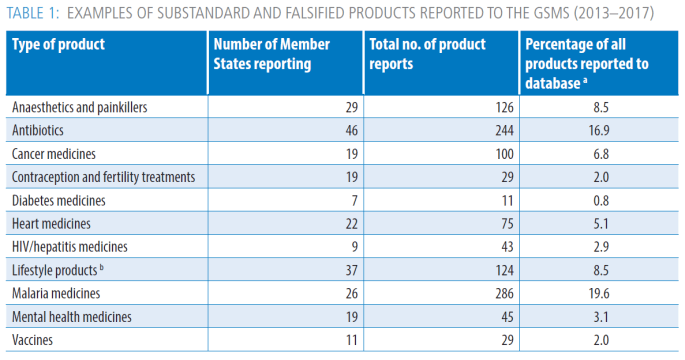
This week the WHO released a report on medical products  that shed light upon the startling realities of patient safety and public health in low and middle income countries. The report, “Global Surveillance and Monitoring System for Substandard and Falsified Medical Products”, found that 1 in 10 products circulating in such countries are either substandard or fake. The findings of this report are extremely worrying as it means that people are taking medications intended to treat life-threatening ailments and they are either fake or not effective. In many cases, the individual is paying a considerable amount of money for such medications and can have severe medical complications from contaminated or expired products. “Substandard and falsified medicines particularly affect the most vulnerable communities,” says Dr Tedros Adhanom Ghebreyesus, WHO Director-General. “Imagine a mother who gives up food or other basic needs to pay for her child’s treatment, unaware that the medicines are substandard or falsified, and then that treatment causes her child to die. This is unacceptable. Countries have agreed on measures at the global level – it is time to translate them into tangible action.” You can read the report here. The report also cites some of the work being done around this endemic issue – 17 WHO training workshops, 126 Member States and more than 400 regulatory personnel trained, 1500 product reports, etc.

How Will We Handle Contamination On An Airplane?
What would happen if you were on a plane with a patient who had a highly infectious disease like SARS or Ebola? What’s our national plan to deal with such issues? Hint: we don’t have a plan. How do flight attendants or pilots relay to ground control that a patient or entire plane needs to be quarantined? These are all the sorts of questions that need to be considered when planning and responding to such events. How would we quarantine an entire plane? On February 7, 2011, such an event occurred – a pilot issued a public health emergency to the air traffic control tower in Milwaukee, WI, for 3 (of 115) passengers with flu-like symptoms. “Airport officials soon learned something interesting about Flight 703 that could point to the presence of a communicable disease. The plane included at least 12 people who had returned from Cozumel, Mexico, on a cruise in which many of the passengers had fallen ill with flu-like symptoms. The incident revealed gaps in America’s emergency planning for communicable diseases aboard planes — gaps that were still present four years later when the U.S. Government Accountability Office investigated. ‘The United States lacks a comprehensive national aviation-preparedness plan aimed at preventing and containing the spread of diseases through air travel,’ the GAO found.” Sadly, it seems as if there’s still no plan. The creation of such a plan would require collaboration between the CDC and U.S. Department of Transportation, and while meetings have occurred, it is reported that no one has taken the lead. So, how are airports currently handling infectious disease incidents? “The lack of uniformity in dealing with communicable diseases during air travel was evident when the National Academy of Sciences asked 50 different airports in the U.S. and Canada how they expect to learn of an incident aboard a plane. They found 15 different notification procedures.” Report after report has found a gap within these response efforts and with the holiday season upon us and airline travel to be busy, it seems that should a public health emergency arise, we may be flying by the seat of our pants.

 Flu Season is Upon Us!
Flu season is starting to hit the United States as the CDC reports an up-tick is influenza positive tests. A majority of the positive specimens have been Influenza A (78% are H3, 13% have been H1N1). “Three southeastern states are reporting high or widespread flu activity, and the CDC said it received reports of five more pediatric flu deaths. In its report, which covers the week ending Nov 18, the CDC also reported one more novel flu infection, an H1N1 variant (H1N1v).Globally, flu activity in the Northern Hemisphere is rising, with H3N2 and influenza B the most frequently detected strains, the World Health Organization (WHO) said yesterday in an update.” Flu season and vaccination compliance is increasingly becoming an issue even in healthcare – in fact, many hospitals are terminating employees who don’t get their flu shot. Remember – get your flu vaccine, stay home when sick, wash your hands, and cover your cough!

Stories You May Have Missed:

  • Exclusive Interviews: Tackling Regulatory and Economic Challenges of Antimicrobial Resistance – “It is imperative for medical experts and drug discovery specialists to stay on top of the latest clinical advancements, developments and industry initiatives related to antimicrobial resistance. SMi Group will gather industry experts and government bodies to share their insights at the 20th annual conference on Superbugs and Superdrugs taking place on 19-20 March 2018 in London, UK. SMi Group recently had the opportunity to sit down with three of the event’s featured speakers to discuss some of the challenges they face in the industry and their strategies for overcoming them.”
  • Raw Flour and E. coli – this whole time we thought it was the eggs in the cookie dough that were doing it, but it seems that flour may also be a culprit for foodborne illness! “Research published today in the New England Journal of Medicine describes how raw flour, an unlikely suspect, caused an Escherichia coli outbreak in 2016. Because of its low-moisture properties, flour was not thought to be a conduit of E coli bacteria, but a multistate team of investigators discovered that flour processed in one facility was linked to the outbreak.”

Thank you for reading the Pandora Report. If you would like to share any biodefense news, events, or stories, please contact our Editor Saskia Popescu (biodefense@gmu.edu) or via Twitter: @PandoraReport

Pandora Report 11.17.2017

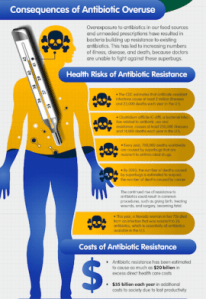
Happy Friday – we hope you had a wonderful time celebrating Antibiotic Awareness Week! As Canada reports rising antibiotic resistance despite decreasing use of antibiotics in humans and animals, it’s important we recognize the importance of stewardship and infection control. November 13-19 marks Antibiotic Awareness week, in which we observe the importance of proper antibiotic use and prescribing practices. In the United States alone, 23,000 people die a year due to an infection that was resistant to antimicrobials. Help stop antimicrobial resistance through antibiotic stewardship.

GMU Biodefense MS student Stephen Taylor

Reflections from the GHSA Ministerial Meeting in Kampala, Uganda
The recent GHSA Ministerial Meeting was not only a success, but also reaffirmed the importance of the agenda and those dedicated to combatting health security threats. We’re excited to provide you with a series of on-the-ground reflections from those who participated through the George Mason Global Health Security Ambassador Fellowship and the Next Generation Global Health Security Network. Within these reflections, you’ll get to hear from Next Generation Coordinator Jamechia D. Hoyle and a wonderful array of international students and professionals. Hoyle notes that “the meeting was called to order during a time where health security professionals were addressing a plague outbreak in Madagascar and a local Marburg outbreak in the host country, Uganda.  This alone was a vivid reminder that health security must remain a priority.” The reflections present unique outlooks on the meeting and range from detailed descriptions of the sessions to visiting the Uganda Virus Research Institute, and more. Make sure you catch reflections from GMU biodefense MS students Anthony Falzarano and Stephen Taylor!

Did Russia Accidentally Provide the Best Evidence of the Syrian Government’s Involvement in Sarin Attacks?
Russia has been trying to downplay the Syrian government’s role in chemical weapons attacks, but their latest press conference may have just backfired on them. The November 2nd press conference in which Russian officials responded to the Organization for the Prohibition of Chemical Weapons – UN Join Mission, included a presentation that revealed a bit more than anticipated. “The presentation included a series of slides, which included diagrams of two types of chemical bombs, designated the MYM6000 and M4000. Remarkably, the Russian presentation appears to be the first-time images of these munitions have been made public, and before the press conference, no other references to MYM6000 or M4000 bombs appear online.” GMU Biodefense Graduate Program Director and Professor Dr. Gregory Koblentz noted that “‘these designations match bombs declared by Syria to the OPCW’, although there appears to be no open source material that provides specifics about the types of bombs declared to the OPCW. In the press conference the source of the diagrams are described as being provided ‘by certain organisations’, but no more specifics are given.” The Russian presentation diagrams provide some pretty clear matches between munitions found during investigations into the attacks. “The only way for the Russian or Syrian governments to now deny the M4000 bomb was used is to produce detailed photographs of the M4000 bomb, showing the same parts indicated above, or, if the Syrians still claim all these bombs were destroyed after 2013, declassify and publish further information about the bomb.”

The Center for Global Security Research – Student Internship                     The Center for Global Security Research, Lawrence Livermore National Laboratory is now accepting applications for Spring 2018 student internships! “The Center for Global Security Research (CGSR) was established at Lawrence Livermore National Laboratory (LLNL) in 1996 to bring together experts from the science, technology, and policy communities to address pressing national security challenges. For more than 20 years, CGSR has engaged diverse perspectives on topics important to national security, deterrence, diplomacy, dual-use technology, arms control, nonproliferation, peacekeeping, cyber defense and energy security.”

A Field Test of CRISPR
Researchers are getting to test, for the first time, treatment of a genetic disorder with gene-editing tools infused into the patient’s blood. The 44-year-old man suffers from Hunter syndrome, which is a metabolic disorder. “The company (Sangamo Therapeutics) inserts a replacement copy of the gene, using gene editing to snip the DNA helix of liver cells in a specific place near the promotor, or on-off switch, for the gene for a protein called albumin. The cells fix the damage by inserting the DNA for the new gene, supplied by the researchers along with the gene editor’s DNA scissors, and the gene’s activity is then controlled by the powerful albumin promotor. The idea is to turn these modified liver cells into a factory for making the enzyme missing in Hunter syndrome.” This is an exciting step forward for gene-editing technologies and their ability to treat chronic diseases. Curious what CRISPR looks like in action? Check out this video here.

Call for Papers- Women’s Health in Global Perspective
World Medical & Health Policy’s call for papers on Women’s Health in Global Perspective seeks to contribute to understanding and improve policy on women’s health and wellbeing around the world. Manuscripts on all factors that influence health outcomes for women will be considered, including social determinants such as education, nutrition, poverty, violence, access to health care, job opportunities and personal freedom.  The 2018 Workshop on Women’s Health in Global Perspective will follow a successful 2016 workshop by the same name (see video at http://www.ipsonet.org/conferences/whgp/2016-womens-health-in-global-perspective-videos), which resulted in a special issue http://onlinelibrary.wiley.com/wol1/doi/10.1002/wmh3.212/full and an ongoing series of articles in WMHP highlighting global women’s health issues and their implications for economic, political and social development. Abstract submission deadline (250 words): December 15, 2017. Contact: Bonnie Stabile, Co-Editor, bstabile@gmu.edu

Three Decades of Responding to Infectious Disease Threats
NIAID Director Anthony Fauci has been fighting infectious diseases in his role since 1984. After 30+ years of work, Dr. Fauci undoubtedly has some fascinating stories, whether it be from the beginning of the HIV pandemic or SARS. “Initial responses to a newly recognized disease, now known as HIV/AIDS, in the early 1980s were criticized as being too slow, the essay notes. ‘The insidious emergence of HIV/AIDS and the lack of due attention by policymakers illustrate how some outbreaks that start subtly can grow to global proportions if they are not aggressively addressed early on,’ Dr. Fauci writes. Between the early 1980s and the early 1990s, federal funding for HIV/AIDS research increased markedly, reaching $1 billion by the end of 1992. The accelerated government response supported both research and research infrastructure, and yielded advances in countering the HIV/AIDS pandemic domestically and internationally. Ultimately, notes Dr. Fauci, sustained support for scientific research coupled with political and community engagement helped transform HIV/AIDS from a nearly universally fatal disease to a condition that can be managed with appropriate treatment.”

The One Health Commission’s Call to Action for Social Scientists
“The One Health Commission, a 501(c)(3) global non-profit organization based in the U.S., stresses recognition of human, animal, and ecosystems interconnections and facilitates collaboration of all professions required to achieve global and planetary health. The One Health Social Sciences Team invites social scientists of all disciplines to become involved in the One Health community. By forging new and innovative partnerships, collaborations across human, animal, plant and ecosystem health communities will collectively enable betterment of health and well-being for all.” To learn more and get involved please contact the One Health and Social Sciences Working Group at ohss@onehealthcommission.org.

What Should The US National Biodefense Strategy Look Like?                                                                                                     The complex nature and painful lessons of biological threats, regardless of source, have challenged U.S. biodefense efforts for decades. As the Blue Ribbon Study Panel on Biodefense pointed out in their report, there is a general lack of clear leadership and coordination. The 2016 National Defense Authorization Act required that the DoD, DHHS, DHS, and USDA, all develop a national biodefense strategy and plan for implantation. Laura H. Kahn has provided a handful of critical strategies that are necessary. “First, human-intelligence-based monitoring of rogue nations and militant groups that use bioweapons is critical. Second, a national strategy must include a plan for disease surveillance of humans and animals, with a view to predicting the next naturally occurring epidemic. This kind of work is difficult, because there are so many viruses that could spill over from other mammals or birds into humans.” Kahn also highlights laboratory security and the importance of high-containment lab biosecurity, review of the Federal Select Agent Program, investigation of large-scale wildlife die-offs, and recognizing the importance of One Health. “Threat to one component in this triad threatens them all. For that reason, animal and environmental health must be taken just as seriously as human health—which requires devoting personnel and resources to monitoring them, which requires sufficient funding for entities like the EPA and the Fish and Wildlife Service.” Kahn also draws attention to the recent GAO report on biological threat awareness and the need to share information and resources. “Most distressingly, the current administration appears willfully ignorant of scientific issues, while at the same time disinclined to fund critical scientific efforts. The White House Office of Science and Technology Policy, which is intimately involved with biodefense issues, remains leaderless and understaffed.” Overall, a national biodefense strategy will not be easy, but it must be as comprehensive and wholistic as the biological threats we face.

The World’s Deadliest Diseases: How Is Biotech Fighting Them?
Biotech has an increasingly important role of health security and infectious disease response. As we saw with CRISPR this week, it has the capacity to help treat chronic conditions, but what about infectious diseases? Rapid diagnostics and development of medical countermeasures are critical during outbreaks and can determine if an epidemic will turn into a pandemic. Ute Boronowsky, pulling on Robert Herriman’s list of the five deadliest diseases, is looking to the biotech approaches for such biothreats. Whether it be plague or amebic meningoencephalitis, biotech advances are providing new avenues for treatment and response. Naegleria fowleri (the amoeba that causes the fatal meningoencephalitis) can be difficult to track within water sources and treatment is even trickier. “In 2015, investigational breast cancer and anti-leishmania drug miltefosine was used successfully on a 12-year-old girl at the Arkansas Children’s Hospital. However, when the same drug was used on two other patients, one of them died, and the other suffered from major neurological damage. This year saw a new therapeutic approach when scientists at the Virginia Commonwealth University found evidence that Naegleria relies on matrix metalloproteases to degrade the host extracellular matrix during infection, identifying these enzymes as potential therapeutic targets.” Other biotech advances, like prion disease therapy kinase inhibitors on the unfolded protein response, or the latest Ebola vaccine, all highlight the importance of biotech advances in combatting infectious diseases.

Stories You May Have Missed:

  • Legionella in Disneyland – GMU biodefense PhD student Saskia Popescu is looking at the latest outbreak of Legionnaires’ disease and how it highlights the challenges of prevention. “There are many factors that may attribute an outbreak, such as warming climates, a large aging population, and increased attention on the disease, which all lead to a better chance of infections being reported. The recent outbreak in Disneyland is a good reminder of the inherent challenges with disinfection efforts and continued vigilance that is needed to ward off this bacterial infection. It is also a reminder that outbreaks can happen anywhere there is a water source, even Disneyland, or other areas that somehow seem to be untouchable.”
  • Bulgaria and South Africa Battle HPAI – The two countries are dealing with outbreaks related to highly virulent strains of avian influenza. “A US vaccine company announced that the US Department of Agriculture (USDA) has conditionally approved the first DNA avian flu vaccine for chickens. Also, the United Nations Food and Agriculture Organization (FAO) provided a snapshot of current highly pathogenic H5 observations and what could play out in the upcoming season, and Chinese researchers reported new findings on airborne spread of avian flu based on sampling in a live-poultry market.”

Thank you for reading the Pandora Report. If you would like to share any biodefense news, events, or stories, please contact our Editor Saskia Popescu (biodefense@gmu.edu) or via Twitter: @PandoraReport

Pandora Report 11.10.2017

Looking for a great podcast? Check out the American Society for Microbiology’s Meet the Microbiologist – especially the latest episode on biopreparedness and biosecurity with Gigi Kwik Gronvall. From island emergency preparedness to antimicrobial resistance and monkeypox, we’ve got you covered for all things biodefense this week.

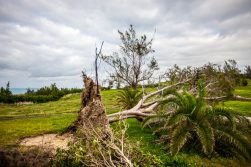
Top 5 Challenges in Emergency Preparedness: An Island Perspective
Imagine dealing with a natural disaster or health security threat like a major outbreak, but instead of being on mainland where you can rapidly get aid, you’re on an island. GMU Biodefense MS student Tara Hines provides unique insight into emergency preparedness for islands and how these efforts must overcome unusual challenges. From the health security perspective, there are always challenges, but what would be the biggest ones if you were on an island, like Bermuda? “The great part about biodefense is that it integrates public health, public safety, and basic science to provide health security. This interdisciplinary approach lets us tap into all of these areas to identify potential problems and suggest possible solutions, before a disaster strikes. Plus, biodefense work can be done anywhere and is crucial everywhere!” Tara addresses the challenges of not only collaboration and communication, but also military history and capacity, and several other factors that come into play. Make sure to read about her take on these response efforts and what it has been like responding to such events from an island.

Center for Health Security – ELBI Fellowship Application Now Open
If you’re looking to become an EBLI fellow with the Center for Health Security, good news – applications are now open! “The Emerging Leaders in Biosecurity Fellowship is an opportunity for talented career professionals to deepen their expertise, expand their network, and build their leadership skills through a series of sponsored events coordinated by the Johns Hopkins Center for Health Security.” The GMU Biodefense program is proud to have seen four students selected for this prestigious fellowship. For more insights into the ELBI fellowship, check out 2017 fellow and current GMU biodefense PhD student Saskia Popescu’s take on her ELBI experience. If you are a GMU biodefense student or alum looking to apply and hoping to get a golden ticket (aka letter of recommendation) from Dr. Koblentz – make sure to email him ASAP and make sure to send him your CV/resume/statement letter prior to December 4th.

Summit on Global Food Security and Health: “Integrating Global Food Security and National Security: Problems, Progress, and Challenges”
We’re excited to see this amazing summit on food security and national security is right around the corner. Don’t miss your chance to attend this November 15th event at the Schar School of Policy and Government, Founders Hall Auditorium. “The Fourth Annual Summit on Global Food Security and Health will take place George Mason University’s Schar School of Policy and Government on Wednesday, November 15, 2017 at our Arlington Campus from 9:00 am to 5:00 pm in the Founders Hall Auditorium at 3351 Fairfax Drive, Arlington, Va. The conference is co-sponsored by the Stimson Center, RTI International, and The Policy Studies Organization. Our focus this year is on the interrelationship between food security and national security, progress and challenges under Feed The Future (FTF) and the Global Food Security Act, and the growing importance of food security private-public partnerships, resilience, critical indigenous food security challenges, nutrition and health issues.  Summit speakers will represent a wide array of government, international organization, NGO, private sector, and academic experts. Our Summit follows the issuance of a recent USAID Feed The Future 2017 Progress Report, the enactment of the July 2016 Global Food Security Act, the related completion of new USAID global food security and food aid strategies, and the issuance of USAID’s December 2016 Feed The Future Global Performance Evaluation. The Summit will follow the World Food Prize Conference in Des Moines, Iowa , October 18 – 20 which addresses opportunities for innovative agriculture to eliminate the scourge of global hunger and poverty. Our GMU Summit takes place during a particularly important period marked by protracted uncertainty about U.S. support for International food aid, global food security, and foreign aid.” The event is free, but make sure you RSVP!

Antimicrobial Resistance, WHO Agriculture Recommendations, & USDA’s Not-So-Subtle Shade
AMR is slowly becoming the “I told you so” of infectious disease threats. Even Alexander Fleming warned of a day when antibiotics would no longer be effective. “Back in 2013, the UK’s chief medical officer Dame Sally Davies started warning the world that antibiotic resistance posed a deadly threat to humanity. But, she believes, that her lack of hard data meant few people took her seriously. ‘One crucial thing that got the whole world to take climate change seriously was the Stern Review on the Economics of Climate Change back in 2006’ she explains. ‘So we launched our own Stern Review – and found superbugs will kill us before climate change does’.” Reports since then have also highlighted the millions that will die every year due to AMR, but we’re still struggling with incentives for drug discovery and development. “Superbugs are a classic example of market failure – Dame Sally gave a timeline and a point of no return that we have to solve or we’re FUBAR. Government is too linear, industry sees no profit, VC’s don’t see any capital, labs have other problems and NGOs struggle to innovate.” While efforts to invigorate industry are underway, the WHO’s new recommendations are addressing AMR from the agriculture angle. The latest report is calling for a reduction in antimicrobial use across the board in food-producing animals and the halting of use in healthy animals for growth. “The formal guidelines issued by the WHO further recommended that when animals are diagnosed with a bacterial infection, antibiotics that are considered critically important for human medicine should not be used for treatment or to prevent the spread of the infection within a herd or flock, unless tests indicate those drugs are the only treatment option. Instead, antibiotics used for the treatment of sick animals should be chosen from those the WHO considers least important to human health.” Responding to these new recommendations, the USDA has thrown some not-so-subtle shade in their recent press release. The USDA Acting Chief Scientist, Dr. Chavonda Jacobs-Yong, has stated that the WHO recommendations are “not in alignment with U.S. policy and are not supported by sound science. The recommendations erroneously conflate disease prevention with growth promotion in animals.” Fighting AMR is a like fighting a chimeric hydra – a multi-headed, regenerating beast made of different animals – all dangerous and different. What herculean effort will be required for us to win the battle of the superbug?

Schar School Master’s Open House – Biodefense MS
It’s the last MS Open House of the season and you won’t want to miss this opportunity to learn about our biodefense graduate programs and talk to faculty. Next Wednesday, November 15th at 6:30pm at GMU’s Arlington campus, you can get the scoop on earning your master’s degree in biodefense on campus or remotely – don’t miss out!

Panel Discussion: Security in the New Era of Targeted Sanctions
Don’t miss the Fall 2017 Symposium hosted by the National Security Law Journal on November 13th at 11:30am! Hosted at GMU’s Founders Hall Auditorium, you can hear from a distinguished panel of attorneys and policy experts specializing in foreign policy, economics, and current events for this event, two of whom are George Mason professors. Dr. Gregory Koblentz, Dr. Mark Katz, and Dr. Adam Smith, will be panelists on this great symposium – infact, Dr. Koblentz will be speaking on the role of sanctions in responding to Syria’s use of chemical weapons. Mark sure to RSVP by emailing symposium@nslj.org. 

Chasing a Killer – Hunting Monkeypox
While we talk of pandemic flu and synthetic biology, it’s easy to forget some of the more mysterious, and yet, equally sinister natural outbreaks that are occurring. The Congo Republic is currently battling a surprising outbreak of monkeypox, which is a cousin of smallpox. “Over the past year, reports of monkeypox have flared alarmingly across Africa, one of several animal-borne diseases that have raised anxiety around the globe. The Congolese government invited CDC researchers here to track the disease and train local scientists. Understanding the virus and how it spreads during an outbreak is key to stopping it and protecting people from the deadly disease.” In fact, the U.S. has experienced its own monkeypox outbreak – in 2003 due to an exotic pet that was imported (sounds like the beginning of that movie Outbreak…). Zoonotic spillover is normally how these outbreaks begin and while monkeypox is not as deadly as smallpox or ebola (a mortality rate of around 10%), researchers are working to understand the ecology of monkeypox hosts and reservoirs. Take a minute to check out this article as there are some wonderful photos and maps that will take you along for this on-the-ground virus hunting expedition.

CBFP Biosciences Fellowship Program
CBFP welcomes applications from early to mid-career biological scientists working in government ministries, government-operated biological science laboratories, and/or research and diagnostic facilities with experience in laboratory operations, research, and diagnostics from Jordan, Lebanon, and Turkey. Only applications from these three countries will be considered. Selected fellows will conduct a science exchange fellowship of up to six months in duration to engage in research at a host institution including, but not limited to, the United States, Europe, and the Middle East beginning no earlier than September 2018. Applications are due December 17th, so make sure to apply here!

Canada To Prioritize Biothreat Reduction During G7 Presidency        In 2018, Canada will assume the G7 presidency role and Global Affairs Associate Deputy Minister Mark Gwozdecky has made it known that the country will prioritize biological threat reduction. “Infectious diseases have plagued mankind since the dawn of time. They’ve proven to be ruthless, persistent and all too adaptive and have been responsible for unparalleled death, suffering and economic loss,” Gwozdecky said.” He pointed to the recent outbreak of bubonic plague in Madagascar, which has infected more than 1,300 people, as an example of the ongoing challenges facing public health officials.” Efforts will also focus on the growing issue of antimicrobial resistance and the threat of biological weapons. Canada has continued to prioritize the full spectrum of biological threats and importance of biosecurity and biosafety within labs through its BSL4Znet network, which is a global information and resource sharing program to protect against biothreats. “While these threats, both natural and intentional are formidable, they are not beyond our means to overcome,” he said. “Key to this, however, will be enhanced cooperation, collaboration and collective effort.” “We look forward to engaging all of our partners to identify new ways, means and opportunities to strengthen global biological security,” Gwozdecky added.

The U.S. Government and Global Health Security
The Henry J. Kaiser Family Foundation’s latest issue brief focuses on the roe of the U.S. government and global health security. Ranging from a number of threats like Ebola, HIV, and SARS, global health security efforts are vital and must be as diverse and adaptable as the infectious diseases they thwart. “U.S. funding for its primary global health security programs –activities primarily carried out by the U.S. Agency for International Development (USAID), Centers for Disease Control and Prevention (CDC), and Department of Defense (DoD) – has remained relatively flat from FY 2006 ($390 million) through FY 2017 ($402 million), with episodic funding spikes through supplemental funding mechanisms reflecting specific outbreak events, including Ebola in FY 2015 ($1 billion) and Zika in FY 2016 ($145.5 million). The Administration has proposed reduced global health security funding for FY 2018 ($353 million).” This comprehensive report addresses the current global situation of infectious disease outbreaks and reviews U.S. government efforts and funding.

Stories You May Have Missed:

  • Financial Misappropriations, Ebola, and The Red Cross – The Red Cross organization recently confirmed that nearly $6 million in donated funds were misappropriated during the 2014 Ebola outbreak. “The organisation’s own investigations uncovered evidence of fraud, with more than $2.1m (£1.6m) lost in Sierra Leone, probably stolen by staff in collusion with local bank officials, according to a statement. In Guinea, a mixture of fake and inflated customs bills cost it $1m.” Investigations found the prices of relief goods and payrolls were inflated and while this isn’t the first time corruption has been associated with humanitarian relief, the Red Cross has yet to issue an apology.
  • Minnesota’s Drug-Resistant TB Outbreak– Minnesota’s Ramsey County is battling a deadly multi-drug resistant tuberculosis (MDR-TB) outbreak. “Six of the 17 have died, with three of those deaths being directly attributed to tuberculosis, said Kris Ehresmann, director for Infectious Disease at the Minnesota Department of Health, on Monday. Of the 17 cases, 14 were in the Hmong community and 10 are associated with individuals who participate in activities at a senior center, Ehresmann said.”

Thank you for reading the Pandora Report. If you would like to share any biodefense news, events, or stories, please contact our Editor Saskia Popescu (biodefense@gmu.edu) or via Twitter: @PandoraReport
Pandora Report 11.3.2017

Welcome to your weekly dose of all things biodefense. Today we get to celebrate Global One Health Day, in which the goal “is to build the cultural will necessary for a sea change in how planetary health challenges are assessed and addressed.”

High-Containment Laboratories: Coordinated Actions Needed to Enhance the Select Agent Program’s Oversight of Hazardous Pathogens
The latest U.S. Government Accountability Office (GAO) report is focusing on high-containment labs and how we can enhance the Select Agent Program’s oversight of hazardous pathogens. “Safety lapses continue to occur at some of the 276 laboratories in the United States that conduct research on select agents—such as Ebola virus or anthrax bacteria—that may cause serious or lethal infection in humans, animals, or plants, raising concerns about whether oversight is effective. GAO was asked to review the federal oversight approach for select agents and approaches from other countries or regulatory sectors. This report (1) evaluates the extent to which the Select Agent Program has elements of effective oversight and strategic planning documents to guide it, and (2) identifies approaches selected countries and regulatory sectors have used to promote effective oversight.” The Select Agent Program is managed through a partnership between DHHS and USDA, which oversees how labs handle these deadly pathogens. The biosecurity and biosafety failures that have occurred in recent years highlights the challenges of not only performing such work, but also oversight. The GAO report found that the Select Agent Program hasn’t assessed the risks of its current structure, has reviews that may not target the highest-risk activities, continues to have significant workforce and training gaps, etc. Eleven recommendations were made, which range from “To improve transparency, the CDC director of the Select Agent Program should work with APHIS to determine what additional information about laboratories’ use of select agents, incidents, and violations of the select agent regulations is appropriate for the program to share with registered laboratories” to “improve independence, the Administrator of APHIS should formally document the reporting structure for the APHIS component of the Select Agent Program from the APHIS director of the program to the Administrator of APHIS”. You can read the full report here or get the highlights here.

GHSA Ministerial Meeting
Last week’s Ministerial Meeting at Kampala was a success and a great time to reflect on GHSA accomplishments from member countries. You can get all the information here regarding the success stories across GHSA members. We will also be reporting on stories from those attendees who were able to join NextGeneration GHSA for the meeting, so don’t miss out on some great deep-dives from GMU biodefense students and their stories from Kampala!

COMMENTARY: Pandemic preparedness and missed opportunities             CIDRAP Director Dr. Michael T. Osterholm is honing in on a dogma for so many within public health – we need pandemic preparedness and we’re just not prepared. Unfortunately, sometimes our efforts to change this can result in a backfire. “Last week PATH issued a report titled, Healthier World, Safer America: A US Government Roadmap for International Action to Prevent the Next Pandemic. PATH, a leading international nonprofit organization, is widely recognized for its work to save lives and improve health, especially among women and children.” “The PATH report, if it commented only on epidemic preparedness, would be a home run. But by stating that the recommendations in the report will stem the risk of the next pandemic, the report ends up contributing to the ongoing mischaracterization about what pandemic preparedness truly means and what is needed to reduce any impact of a future pandemic. Understanding the difference between a pandemic and epidemic is absolutely necessary for consequential preparedness and response planning and action to be accomplished.  Let me illustrate the difference between the two and why it matters.” Osterholm points to this very vital misstep that can easily add confusion when working towards preparedness. He highlights the substantial difference between pandemics and epidemics and that ultimately, before we can truly address preparedness and response, we need to sincerely understand the discrepancies. Osterholm also highlights the biothreats we should be worried about for potential pandemics – influenza and antimicrobial resistance. Osterholm points to these two pandemic concerns while highlighting the importance of the GHSA, the vital role of early and effective detection to epidemic diseases, and that pandemic clocks are ticking. “The influenza and antimicrobial pandemic clocks are ticking; we just don’t know what time it is. Misunderstanding and misrepresenting what we need to do to be better prepared takes an understanding of what a pandemic is and what it isn’t. To date we are not doing a very good job of understanding that point and responding accordingly. The PATH report is a clear reminder.”

Early Insights from Madagascar’s Plague Outbreak: Lessons Learned from Ebola?
Have we really learned some of those difficult lessons from Ebola? Joshua Hutton, Doctoral Candidate at the University of Sussex is evaluating the current plague outbreak in Madagascar under the lens of Ebola. Hutton looks at the epidemiology and cultural impact of these diseases, their similarities and differences, and what lessons can be learned. Hutton looks at the health systems within Madagscar and the Ebola-affected West African countries, noting that Madagascar has 1 doctor per 100,000, while Liberia has 0.1 and Sierra Leone has 0.2 per 100,000. “Furthermore, both Ebola and plague elicit very strong emotional reactions. Ebola has been sensationalized by popular books and major motion pictures (such as Outbreak). Its haemorrhagic symptoms, exaggerated in popular culture, instil fear and remain memorable as an object of cultural anxiety.” “Despite these similarities, there are some obvious differences that affect the public health responses to these outbreaks. The first is that plague is a very different pathogen from Ebola. While Ebola is a virus, Y. pestis is a well-characterised bacterium. One important implication of this difference is that while treatments for Ebola remain elusive, antimicrobials to combat plague do exist. Plague is curable when caught early enough. This not only helps the response, but also reduces the heavy emotional burden placed on healthcare workers who felt helpless caring for Ebola patients without a treatment.” Hutton also notes the differences between public health responses, especially by the WHO – highlighting the lessons learned from the Ebola outbreak. “The early response to this anomalous outbreak of pneumonic plague in Madagascar seems to suggest that lessons are being learned from the Ebola outbreak. While there are distinct differences between the two outbreaks – not the least the availability of rapid diagnostics to identify infected individuals and the availability of antibiotics to treat them – the broader context, the rapid response, and the engaging of local communities produce a cautious optimism for the future.”

US-Malaysia Workshop on BWC
The November 30-December 1st workshop at the Council Chamber, Palais des Nations, will focus on BWC-relevant developments by international experts. This workshop will feature expert presentations about global activities during the past year that strengthen the BWC. The purpose of the workshop is to inform States Parties about recent developments relating to national implementation, cooperation and assistance, preparedness and response, and science and technology; and to exchange ideas about their relevance to the Convention.

 My Time As An Emerging Leader in Biosecurity Initiative Fellow                         Take a journey down the biosecurity rabbit hole with GMU biodefense PhD student Saskia Popescu and her experience as a fellow at the Johns Hopkins Center for Health Security. “The Johns Hopkins Center for Health Security has maintained a fellowship since 2012 that seeks to provide opportunities for biosecurity professionals and helps to broaden their careers through contacts and experiences. The Emerging Leader in Biosecurity Initiative (ELBI) program is something I’ve been striving to join for years. I’ll admit it – it wasn’t my first time applying and while this is a highly competitive group, I was definitely disappointed when I didn’t get that acceptance email. Fortunately, 2017 was my year and I was selected as an ELBI fellow and that’s where this adventure begins.” Popescu describes her experiences at the three workshops, the engagement with some of the top minds in the field, and just how much fun it can be to geek out with fellow biosecurity nerds.

Fourth Annual Summit on Global Food Security and Health
Don’t miss this great opportunity to focus on the interrelationship between Food Security and National Security! Held at GMU’s Schar School of Policy and Government on Wednesday, November 15th, you’ll want to make sure you register for this full-day summit! “The conference is co-sponsored by the Stimson Center, RTI International, and The Policy Studies Organization. Our focus this year is on the interrelationship between food security and national security, progress and challenges under Feed The Future (FTF) and the Global Food Security Act, and the growing importance of food security private-public partnerships, resilience, critical indigenous food security challenges, nutrition and health issues. Summit speakers will represent a wide array of government, international organization, NGO, private sector, and academic experts. Our Summit follows the issuance of a recent USAID Feed The Future 2017 Progress Report, the enactment of the July 2016 Global Food Security Act, the related completion of new USAID global food security and food aid strategies, and the issuance of USAID’s December 2016 Feed The Future Global Performance Evaluation. The Summit will follow the World Food Prize Conference in Des Moines, Iowa , October 18 – 20 which addresses opportunities for innovative agriculture to eliminate the scourge of global hunger and poverty. Our GMU Summit takes place during a particularly important period marked by protracted uncertainty about U.S. support for International food aid, global food security, and foreign aid.”

Preppers: On the Frontline of U.S. Preparedness
Are you prepared for an apocalyptic event? GMU Biodefense PhD student and VP of marketing at Emergent BioSolutions student Rebecca Fish is taking us on a deep-dive into the world of preppers. “In 2015, Emergent BioSolutions undertook a multi-phase research project to better understand the prepper movement.  A random sample of 1,022 people aged 18-65 was surveyed to explore prepping behavior.  Findings suggested that the average prepper is not as extreme as many television programs would have you believe.  Rather, your average prepper is an ordinary person trying to do his/ her best for his/her family by preparing for emergency events.  The defining characteristic of a prepper is a belief in self-sufficiency and a desire to be prepared for whatever life throws at you.” This study found some interesting data on preppers – 67% are married and 43% earn over $100,000 per year, while 45% hold a college or advanced graduate degree. The volume and commitment of preppers is also indicative of a market for MCM product and other CBRNe products. “After the 2011 Fukushima Daiiche nuclear disaster in Japan, potassium iodide tablets stocked out everywhere due to overwhelming demand. Similarly, during the Ebola crisis, CBNBC reported that sales of one type of full-body protective suit increased 131,000 percent on Amazon. Gas masks and Ebola survival guides shot up the rankings as well.” As a further example, twenty four percent of preppers in our research own a gas mask.  These data suggest that preppers have demonstrated interest in CBRNe supplies and represent a market for some preparedness supplies.” Fish not only provides new insight into the Prepper community, but also encourages us to start learning more about this group and their interests in preparedness.

BARDA Industry Day
Don’t miss out on BARDA Industry Day next week, from November 7-8th, at the Ronald Reagan Building. “BARDA remains committed to engaging with our industry and government partners to fulfill our mission, saving lives and protecting America through the research and development of medical countermeasures against serious threats. The theme of BARDA Industry Day 2017 is: Innovation in products and partnerships for flexible, dynamic response capabilities.” The keynote speakers will be Robert Kadlec, Assistant Secretary for Preparedness and Response, U.S. Department of Health and Human Services, and Senator Tom Daschle, Founder and CEO of the Daschle Group.

 New Biosecurity Threats Appear in Less Familiar Forms                                    Following the anthrax attacks in 2001, focus within biodefense and biosecurity fell upon bioterrorism and the potential attack that could impact millions of Americans. Since then, health security has evolved to include a wider range of potential issues and threats – natural, manmade, and accidental. GMU biodefense PhD student Saskia Popescu highlights some of these newer threats and that while they may be less familiar to health professionals, it is vital we involve them in the narrative of hospital preparedness. Discussing the gaps within U.S. biodefense efforts, genetic engineering, and how dual-use research impacts bio-vulnerability, Popescu implores infectious disease practitioners to soak in this knowledge. “How can we, as infectious disease practitioners, prepare or respond? First, knowledge is key. It is crucial to understand the threats, whether they are a natural outbreak, a lab breach you read about, or even just a review of the signs and symptoms of organisms we tend to worry about but may not see in the United States (such as severe acute respiratory syndrome, Middle East respiratory syndrome, anthrax, etc). Researchers should also consider the implications of their work and take the necessary review processes to ensure the proper biosecurity measures are taken.”

Should FEMA Be a Stand Alone Agency?                                                                            GMU Biodefense PhD alum Daniel M. Gerstein is at it again – evaluating DHS and the potential for major realignments in the Department. “As Congress considers reauthorizing the Department of Homeland Security, principles guiding any major realignments could include assessing whether the organization would be performing operational or staff management functions. Additionally, those principles could examine whether mission effectiveness would be improved through those major realignments and whether implemented changes would introduce new points of friction or inefficiency.” Gertstein notes several major realignments under consideration – replace the National Protection and Programs Directorate at DHS with a new Cybersecurity and Infrastructure Security Agency, remove FEMA from the DHS and make it a stand-alone department, and standing up a counter WMD organization. “As part of comprehensive department legislation, these realignments should be considered with an eye towards increasing operational effectiveness and efficiency while minimizing organizational friction in the transformed organizations and avoiding loss of key support relationships.”

Stories You May Have Missed:

  • The Unforgiving Math That Stops Pandemics– Another prime example of herd immunity and the importance of vaccination – “When talking about vaccination and disease control, health authorities often invoke “herd immunity.” This term refers to the level of immunity in a population that’s needed to prevent an outbreak from happening. Low levels of herd immunity are often associated with epidemics, such as the measles outbreak in 2014-2015 that was traced to exposures at Disneyland in California. A study investigating cases from that outbreak demonstrated that measles vaccination rates in the exposed population may have been as low as 50 percent. This number was far below the threshold needed for herd immunity to measles, and it put the population at risk of disease.”
  • Biosecurity Implications for the Synthesis of Horsepox, an Orthopoxvirus– Gigi Gronvall evaluates the biosecurity and biodefense implications of the recent horsepox synthesis. “The ability to recreate horsepox, or smallpox, will remain no matter what policy controls are put into place. It will be impossible to close off all avenues for nefarious misuse of gene synthesis, or misuse of biological materials more broadly. As a result, we advocate for the implementation of policy, regulations, and guidance that will make illicit recreation harder, more burdensome, more detectable, and, thus, more preventable without having sweeping negative consequences for the research enterprise. As part of our biosecurity efforts, we must also encourage and enable scientists to participate actively and to do all they can to safeguard their technical fields from irresponsible or illicit actions.”

Thank you for reading the Pandora Report. If you would like to share any biodefense news, events, or stories, please contact our Editor Saskia Popescu (biodefense@gmu.edu) or via Twitter: @PandoraReport
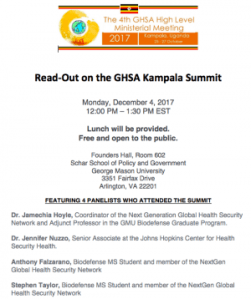
Pandora Report 10.27.2017

TGIF and Pandora Report day! Buckle up because we’ve got an abundance of biodefense news that covers GHSA, chemical weapons, synbio, and more.

 Global Health Security – WHO & PATH Reports and GHSA Ministerial Meeting
As the Global Health Security Agenda Ministerial meeting in Kampala, Uganda takes place this week, several reports were released highlighting the deficiencies in global biosecurity and biosafety efforts, as well as the importance of investing in global health security. Fortunately, on the eve of the GHSA Kampala summit, the Trump administration endorsed the future of the GHSA. Don’t forget to stay tuned to our weekly reports as two GMU Biodefense graduate students are participating (as recipients of the George Mason Global Health Security Ambassador Fellowship) in the Ministerial meeting alongside NextGen GHSA and they’ll be reporting on their experiences in the coming weeks. The first report this week is from NTI, which called on countries to improve biosecurity after WHO demonstrated that there are substantial biosecurity/biosafety gaps worldwide. NTI analyzed 39 Joint External Evaluation (JEE) peer reviews and mapped the related biosecurity and biosafety related scores. Here are their findings: “74% of the assessed countries demonstrated limited or no capacity for a whole-of-government national biosafety and biosecurity system. 64% of the assessed countries demonstrated limited or no capacity for biosafety and biosecurity training and practices. 41% of the assessed countries demonstrated limited or no capacity for linking their public health and security authorities during a suspected or confirmed biological event.” The map they’ve created is also a great visualization for how truly weak biosecurity and biosafety efforts are on a global scale. NTI also used this information to track commitments and biosecurity assistance and partners. The next report comes from PATH, which just released their work: Healthier World, Safer America: A US government Roadmap for International Action to Prevent the Next Pandemic The latest PATH analysis focuses on global health security and global efforts to respond to threats. “This paper aims to examine the benefits of investments in pandemic preparedness, as well as recommends the US Administration and Congress come together behind a comprehensive US strategy, robust investments, and continued vigilance both at home and abroad. The recommendations focus on global leadership, a US plan for international action, and research and development; underpinned by the risks of unsustainable funding, with special focus given to the Ebola supplemental funding sunset set to occur in FY2019.”

Reauthorizing & Improving The Department of Homeland Security
Don’t miss the recent National Interest series by GMU Biodefense PhD alum Daniel Gerstein  on the DHS reauthorization bill. This three-part series starts with a focus on why it’s time to improve the Department of Homeland Security. Gerstein notes that “reauthorization of the Department of Homeland Security is vital to clarifying responsibilities and setting expectations for the continued evolution of the department.” The second part in the series highlights methods for fixing the fractured department. “The question is not whether reauthorization of DHS is necessary. It  most definitely is. However, we should also ask whether the bill goes far enough and what other issues should a comprehensive DHS bill encompass? This second commentary considers whether the DHS structure with  relatively weak central authorities should be reevaluated. Interestingly, each successive secretary has sought to consolidate power and authorities at the department level. Is it time to legislate this outcome? ” Lastly, Gerstein addresses why updating the DHS Acquisition System matters. “This third commentary considers how to better align the department’s requirements, research, development and acquisition processes. Currently, the processes are not synchronized and should be harmonized to better align these critical departmental systems.”

Global Health Security Forum 2017 
Don’t miss out on this November 7th event hosted by the Center for Strategic & International Studies. The all-day event will be held at the CSIS headquarters and will even include an entire session on “Hurtling Toward a Genomic 9/11”! Don’t miss out on the “CSIS’s annual flagship conference on the top challenges facing U.S. and global security. This year’s Forum will focus on national security priorities ten months into the Trump Administration and one year prior to U.S. midterm elections.”

 The Collision Of Civil War And Threat Of Global Pandemics
Infectious disease outbreaks can be challenging for even the most stable country and those experiencing civil war are even more impacted by such biological events. Currently, there are 30 civil wars going on around the world – between cholera in Yemen, polio in Syria, and yellow fever in the DRC, countries that have experienced civil war also tend to experience infectious disease outbreaks. “The Daedalus issue, “Civil War & Global Disorder: Threats and Opportunity,” explores the factors and influences of contemporary civil wars. The 12 essays look at the connection of intrastate strife and transnational terrorism, the limited ambitions of intervening powers, and the many direct and indirect consequences associated with weak states and civil wars. Barry and Wise believe there is significant technical capacity to ensure that local infectious outbreaks are not transformed into global pandemics. But those outbreaks require some level of organized and effective governance—and political will. Prevention, detection, and response are the keys to controlling the risk of a pandemic. Yet it’s almost impossible for these to coincide in areas of conflict.” Civil war impacts not only communication, but access to health resources and can challenge early detection and response of outbreaks. Moreover, the traditional hotspots for emerging infectious diseases (tropical and subtropical areas where spillover is likely) are also areas continually “plagued by civil conflict and political instability.”

Chemical Weapons and Syria
On Tuesday, Russia vetoed a vote at the United Nations Security Council that would “renew a mandate to continue an investigation into who was responsible for the use of chemical weapons during Syria’s civil war.” The Joint Investigative Mechanism (JIM) was initially set up in 2015 to help identify those responsible for chemical attacks and is currently reviewing the April nerve agent attack in Khan Sheikhoun. “But Russia could not get enough support and instead used its veto to block adoption. Russia, along with the UK, China, France and the US, have veto powers at the Security Council. It is the ninth time Russia has blocked action against its ally Syria, something rights group Amnesty called ‘a green light for war crimes’.” The United States has already released a statement through the State Department – “We are disappointed, we are very disappointed that Russia put what it considered to be political considerations over the Syrian people who were so brutally murdered,”.

The Good, The Bad, and The Ugly of Pandemic Prediction, Preparation, and Medical Countermeasure Communication 
Pandemic preparedness often feels like a teetering game of picking your poison. Will we see an avian influenza like H7N9 or will it be a novel disease? The CDC “evaluates every potentially dangerous strain, and gives them two scores out of 10—one reflecting how likely they are to trigger a pandemic, and another that measures how bad that pandemic would be. At the top of the list, with scores of 6.5 for emergence and 7.5 for impact, is H7N9.” While there isn’t strong transmission capacity between humans with the H5 and H7 viruses, the H7 strains are more worrisome in that they require fewer mutations to get to that point. Our efforts against avian influenza pandemics go beyond surveillance, and also focus on vaccine responses. “In the meantime, vaccines are being developed to match the viruses seen in the fifth and current epidemic. Other control measures have waxed and waned. When the first of the epidemics struck, Chinese health ministries closed markets and slaughtered birds. But as Helen Branswell reports in STAT, some of those containment efforts became more lax in 2015 and 2016.” Preparedness and response exercises can also gives great insight into problems that may arise when dealing with a pandemic. A recent pandemic simulation was held during the World Bank’s annual meeting in Washington D.C., in which participants addressed everything from hospital closures to mass quarantine. “For the World Bank simulation, organizers looked at the impact on travel and tourism of an outbreak of a mysterious respiratory virus in a hypothetical country. Discussions during the 90-minute session were off the record. But in interviews after the event, organizers said the step-by-step scenario made the theoretical possibility seem very real for participants. In particular, it drove home the need for speedy, accurate information-sharing and strong coordination within and across governments and institutions.” These kinds of exercises are crucial to not only address gaps, but bring together a variety of people that will be critical to pandemic response and recovery. The Johns Hopkins Center for Health Security also just released their self-guided exercise scenario that focuses on communication dilemmas that occur during development of medical countermeasures. The exercise is aimed at public health communicator and risk communications researchers, and revolves around a novel coronavirus outbreak in 2025. “Over a 3-year period, the virus spreads to every US state and more than 40 countries, where case fatality rates vary depending on the capabilities of local health systems. In the United States, an existing drug is repurposed to treat SPARS symptoms while federal regulators work with a pharmaceutical company to fast-track the production of a SPARS vaccine. The response differs in other nations. What follows is a nationwide vaccination effort and lingering strains on the US healthcare sector from a steady stream of patients seeking treatment for serious post-SPARS complications.”

Security Implications of Genome Editing – Meeting of Experts in Hanover
Earlier this month, a meeting of scientists and experts on policy and security gathered to discuss the potential implications of genome editing technologies like CRISPR. GMU Biodefense professor Dr. Sonia Ben Ouagrham-Gormley attended, noting that “Over 100 CRISPR scientists form all over the world (China, India, U.S., Europe, Africa), and policy and security experts gathered in Hannover, Germany,  to discuss the security implication of the new gene-editing technique CRISPR.The group reviewed various threat scenarios and discussed potential policy responses. The meeting was particularly successful as both the scientists and security experts engaged in a productive dialogue about the importance of ensuring security without hampering the use of this new technology to promote progress in medicine and agriculture among other things.” The conference focused on establishing proactive international dialogue about genome editing and incorporating experts that range from ethics and philosophy to economics and political science. “Many workshop participants emphasised that it is vital to support and sustain a culture of responsibility and integrity in research and innovation and to engage with stakeholders. Moreover, researchers and policy makers must commit to continuing an open and inclusive dialogue that builds trust. As with other new and emerging technologies, a lack of communication about any uncertainties may undermine public confidence in science. Scientists and security experts should listen to concerns or fears regarding the misuse of genome editing, and provide their expertise on what is and is not likely.”

Synthesizing Biological Threats—A Small Leap From Horsepox to Smallpox
GMU biodefense PhD student Saskia Popescu discussed dual-use research concerns with GMU professor and graduate program director Dr. Gregory Koblentz and how these relate to healthcare and infectious disease professionals. Drawing on the recent horsepox synthesis, Dr. Koblentz emphasized how this opens Pandora’s box even wider for potential smallpox synthesis and misuse of synbio. Popescu highlighted these concerns and how important it is for healthcare workers to be aware of such events and vulnerabilities. “From the healthcare perspective, it may not seem like something we should worry about, but the direction of gene editing and dual-use research of concern is something that is intrinsically linked to public health. Nefarious outcomes of such experiments, regardless of the origin or intent, will inevitably make their way into an emergency department, urgent care, or worse, the community. Although we may not be seeing the implications today, as medical providers and healthcare workers, we must keep our ears to the ground, listening for these biotech advancements, and then thinking through what they mean for us tomorrow.”

Step Away From The Backyard Poultry
Do you keep poultry in your backyard? If so, you may want to rethink it as the number of Salmonella infections related to contact with backyard poultry has quadrupled since 2015. “This year, nearly every state has been pecked by outbreak strains; only Alaska and Delaware can crow about dodging them. The Centers for Disease Control and Prevention has confirmed 1,120 cases. Nearly 250 of those involved hospitalization, and one person died.But that is likely just scratching the surface of the real numbers, according to CDC veterinarian Megin Nichols. ‘For one Salmonella case we know of in an outbreak, there are up to 30 others that we don’t know about,’ she told the AP.” The issue is that chickens and other fowl can carry organisms without having symptoms and shed them in their feces. While some hatcheries will test prior to selling their birds, it’s important that owners be aware of the risks for such infections.

The Schar School of Policy & Government Presents: Strategic Trade and International Security: Policy and Practice
This Brown Bag Seminar Presentation by Dr. Andrea Viski is the place to be on Thursday, November 2nd, from noon to 1:30pm. “Dr. Andrea Viski is the founder and director of the Strategic Trade Research Institute, an independent organization dedicated to providing authoritative research on issues at the nexus of global security and economic trade. She is also the editor-in-chief of the Strategic Trade Review, a peer reviewed journal dedicated to sanctions, export controls, and compliance. She previously worked for Project Alpha at King’s College London and for the Stockholm International Peace Research Institute (SIPRI). She has published numerous articles and book chapters in the areas of strategic trade controls, nuclear non-proliferation, and international law. Dr. Viski received her Ph.D. from the European University Institute, her M.A from Georgetown University’s Institute for Law, Science and Global Security, and her B.A in International Politics from Georgetown University’s School of Foreign Service.” The seminar will be at Founders Hall 602, 3351 Fairfax Drive, Arlington, VA 22201.

Stories You May Have Missed:

  • Uganda’s Marburg Outbreak – Uganda has just confirmed the death of a 50-year-old woman as a result of the hemorrhagic fever, Marburg. “The victim, a 50-year old woman, died on October 11 at a hospital in eastern Uganda after “she presented with signs and symptoms suggestive of viral hemorrhagic fevers”, the minister said. The woman had nursed her 42-year old brother who died on September 25 with similar signs and symptoms and also participated in cultural preparation of the body for burial, she added.”
  • Big Chicken – Are you reading the latest book by Mary McKenna on antibiotic misuse in the poultry industry? “In Big Chicken, McKenna lays out in extensive detail the unintended consequences that resulted from experiments performed at Lederle Laboratories in December 1948 when scientist Thomas Jukes began adding trace amounts of the antibiotic aureomycin (later to be known as chlortetracycline) to chicken feed. The discovery that the drug could quickly fuel growth in chicks raised in confinement revolutionized the poultry industry, turning chicken into America’s favorite protein.”

Thank you for reading the Pandora Report. If you would like to share any biodefense news, events, or stories, please contact our Editor Saskia Popescu (biodefense@gmu.edu) or via Twitter: @PandoraReport
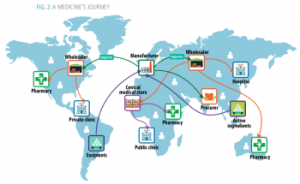
Pandora Report 10.13.2017

What could be spookier than a Friday, 13th, in October? Actually, a few things – antimicrobial resistance, biological weapons, plague in Madagascar…..

The Trump Administration’s Misaligned Approach to National Biodefense
This recent publication from Reid Kirby is casting light upon the calamitous state of current and future U.S. biodefense efforts. Kirby points to several factors that will ultimately impact the new administration’s ability to create a new national biodefense strategy – the dysfunction rampant throughout the White House, the anti-science culture that continues to bubble up, a general inability to appoint fill key positions in a timely manner, and the disparage between the Trump administration’s ability to strategize and execute effective actions. “Again, how is the Trump administration doing so far in national biodefense? To answer this question, it is helpful to think in terms of ways, means, and ends – where the “ends” amount to security itself, the “ways” are formation of strategy, and the “means” are execution of strategy. What is concerning about the Trump administration is that the ways and means through which it pursues biodefense policy are fundamentally mismatched with the execution of meaningful biodefense ends.” Kirby highlights these failures through several examples, like the administration’s continued disrespect for science, whether it be climate change or nuclear energy. The administration’s resistance against government-sponsored research (and science in general), is in direct opposition to what a new biodefense strategy will need. “The Trump administration’s worldview, and its inability to distinguish between defense and security, may well be incompatible with a biodefense strategy. Biodefense is a scientific and technological endeavor.” Kirby states that “the administration has expressed a desire to formulate a comprehensive biodefense strategy, but the ways and means it is marshalling are not in alignment with achieving that goal. The future of US biodefense is at significant risk.

North Korea’s Biological Weapons Program – The Known and Unknown
The Harvard Kennedy School’s Belfer Center has just released a new report on North Korea’s biological weapons program. There’s been significant attention recently on their nuclear program however, there is still speculation regarding the real capacity for a biological weapons program. Bioweapon programs are always challenging to determine from the outside – so much of the equipment has dual-use capacity that makes external monitoring inaccurate at best. The new report utilizes publicly available information and interviews with experts to investigate the knowns and unknowns of North Korea’s BW program. Researchers “examine where policy on North Korea’s BW stands. We focus our analysis on the policies of South Korea and the United States, rather than at an international level, as North Korea has had limited participation in the Biological Weapons Convention (BWC).” The report also provides recommendations on how to improve assessment and surveillance efforts, not to mention current policies regarding North Korea’s BW program. Within this report, you’ll also find sections regarding means of delivery, strategic and tactical usage, gaps in current policies, how to improve nonproliferation policy, etc.

GMU Biodefense MS Open House – October 19th
Next week, GMU’s Schar School will be hosting a Masters Open house for prospective students, which means you get another chance to learn about our engaging and exciting Biodefense MS programs! You’ll be able to speak to faculty, learn about admissions, and how you can study biodefense on campus or remotely, at 6:30pm on Thursday, October 19th at our Arlington campus.

Biodefense: Federal Efforts to Develop Biological Threat Awareness
The most recent report from the U.S. Government Accountability Office (GAO) is drawing attention to biothreat awareness and how key agencies, like the DHS, DoD, USDA, HHS, and EPA, work to develop such awareness, regardless of the origin of the threat. The report highlighted three categories of efforts – intelligence gathering, scientific research, and analysis activities. “Federal agencies with key roles in biodefense share biological threat information through many different mechanisms designed to facilitate collaboration among government partners, including working groups and interagency agreements. For example, agency officials reported using collaborative mechanisms to coordinate activities and avoid duplication and overlap. However, as GAO and others have noted, opportunities exist to better leverage shared resources and inform budgetary tradeoffs. Recent legislation requires key biodefense agencies to create a national biodefense strategy that has the potential to help address these issues, by, among other things, supporting shared threat awareness. Until the strategy is developed, the extent to which it will meet this need is unknown.” Due to the variety of sources that biological threats can originate from, this report was established to review how federal agencies not only develop, but also share threat information and how this impacts future biodefense efforts. GAO utilized policies, directives, and strategies that were all related to biodefense to appropriately assess processes and the main agencies that would have critical roles within biodefense efforts.

NASA Backs Research on Evolution of Viruses in Extreme Environments Understanding how viruses adapt and infect hosts is a critical component to predicting movement and hopefully, prevention. NASA has recently funded Portland State biologist Ken Stedman to study viral evolution and how hybrid viruses work. “The study stems from a bizarre virus Stedman discovered in a hot spring at Lassen Volcanic National Park five years ago. The virus’s genetic code is derived from both DNA and its evolutionary predecessor, RNA. The vast majority of life on Earth switched its genetic code from RNA to DNA about four billion years ago, so the fact that this virus has both is highly unusual, according to Stedman.” The NASA grant will allow Stedman and his research team to study hybrid viruses, who they infect, and how they were able to adapt to such extreme environments.

Pandora Report Twitter
Feeling like you need a little extra biodefense information and humor in your life outside of our weekly reports? Check out our Twitter account (@PandoraReport) for a pretty constant stream of not only informative headlines, but also a taste of the hysterical biodefense community. The hidden world of biosecurity/biodefense twitter nerdom is pretty outstanding and probably the best thing on twitter (well, we may be a bit biased, but find out for yourself!).

Seychelles Identifies A Case of Plague
As Madagascar is struggling against a severe outbreak of plague, a nearby chain of islands, Seychelles, has just identified its first imported case. Seychelles is currently working to prophylactically treat fifteen people who were in close contact with the 34-year-old man who fell ill after returning from Madagascar. This is the first case that has spread beyond Madagascar, so officials are working diligently to avoid secondary cases. The WHO is currently sending 1.2 million antibiotics to Madagascar to fight the plague outbreak that is rapidly spreading, especially since many of the cases are pneumonic. Currently, there have been 50 deaths and 500 cases in Madagascar since the outbreak began in August.

Backing the Global Health Security Agenda
After months of speculation and concern regarding the Trump administration’s support for the future of the GHSA, Secretary of State Rex Tillerson brought forth a wave of relief. In a recent keynote speech, Tillerson “voiced support for US collaboration on global infectious disease issues, including ongoing efforts to battle threats such as HIV and malaria. He also signaled US support for extending to 2024 the Global Health Security Agenda (GHSA), a partnership of 50 nations, international organizations, and nongovernmental organizations geared toward building countries’ capacity to prevent and respond to infectious disease threats.” While discussing the importance of the President’s Emergency Plan for AIDS Relief (PEPFAR), he also highlighted that HIV/AIDS is not the only biological threat that needs addressing, commenting that the GHSA was a useful framework. Tillerson noted that “While we’ve made tremendous progress since GHSA was launched in 2014, considerable work remains. That is why the United States advocates extending the Global Health Security Agenda until the year 2024. the United States commitment to working in multi-sectoral partnerships to counter infectious diseases through the Global Health Security Agenda will remain constant,”.

Strategies Against Antimicrobial Resistance
We’ve been waging war on antimicrobial resistance (AMR) for decades now, but the truth is that future strategies may require thinking outside the box. Here are some of the potential avenues for helping to stop the global burden of microbial resistance – utilizing the human micro biome to help develop new antimicrobials and deploying tiny semiconductors – “A minuscule amount of drug with some light can treat some of the worst superbug infections we tested in clinical strains acquired from a Colorado hospital,” Nagpal says. “Of course, more work and extensive studies in preclinical and clinical trials need to be done before we can administer these quantum dots to patients. However, this initial study shows a lot of promising features.” Efforts also includes infection killing polymers, changing the culture of research to move away from siloing and towards efforts across multiple channels, making existing antibiotics stronger, etc. In fact, if you want to see how AMR spreads around the world, check out this graphic from Pew Charitable Trusts.

Stories You May Have Missed:

  • Puerto Rico’s Post-Hurricane Infectious Disease Woes – Following the destruction of Hurricane Maria, Puerto Rico is now working against the clock of infectious diseases. “Four deaths in Hurricane Maria’s aftermath are being investigated as possible cases of a disease spread by animals’ urine, Puerto Rico’s governor said Wednesday amid concerns about islanders’ exposure to contaminated water. A total of 10 people have come down with suspected cases of leptospirosis, Gov. Ricardo Rossello said at a news conference.”
  • The Interesting Case of the World’s First Vaccine– a recent report on a 115-year-old smallpox vaccine vile is shedding light onto the ingredients of this revolutionary medical countermeasure. “With the evolution of science and the advanced tools now used to conduct it, it has become clear that vaccinia — the virus used in modern smallpox vaccines — is neither cowpox nor horsepox. Whether it is a virus that formerly infected some species of animals — rodents, maybe — or is something that evolved in laboratories through the deliberate mingling of pox viruses isn’t clear.”

Thank you for reading the Pandora Report. If you would like to share any biodefense news, events, or stories, please contact our Editor Saskia Popescu (biodefense@gmu.edu) or via Twitter: @PandoraReport
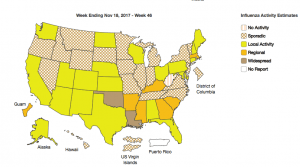
Pandora Report 10.6.2017

Welcome to your favorite weekly dose of biodefense news!

George Mason University Global Health Security Ambassador Fellowship
We’re excited to announce the selection of two GMU Biodefense students, Anthony Falzarano and Stephen Taylor, as recipients of the George Mason Global Health Security Ambassador Fellowship. As GMU Global Health Security Ambassadors, they will be attending the 4th Annual GHSA Ministerial Meeting in Kampala, Uganda as part of the Next Generation Global Health Security Network delegation. The Next Generation Network engages and facilitates contributions by emerging scholars, scientists, and professionals from government and non-governmental institutions to the Global Health Security Agenda (GHSA) and other global health security projects. The NextGen Network is led by Jamechia Hoyle, who is not only an infectious disease guru, but also an adjunct professor at GMU, teaching Global Health Security Policy. The GHSA meeting, which will take place from October 25-27, is the world’s premier meeting on global health security and will be attended by senior representatives of the Ministries of Health, Agriculture, Finance, and Security from more than 50 GHSA member states as well as implementing partners from civil society and the private sector. The theme of this year’s meeting is Health Security for All: Engaging Communities, Non-Government Actors, and the Private Sector.                                                                                                                                                       Thanks to the generous support of the Schar School, our Biodefense graduate students will be able to provide you with detailed accounts of the meeting from the front row. Following the GHSA meeting, we will be publishing their experiences and thoughts on the summit, so you’ll want to stay tuned. Anthony is a microbiologist and environmental engineer, who focuses his research on antimicrobial resistance, food and agriculture microbiology, and microbial enhanced oil recovery. Anthony also worked with Ohio State University’s Medical Center to study biofilms as a public health burden. Stephen is a biologist and Peace Corp-alum where he served in Mozambique  teaching biology, information technology, and English. Since 2015, he has worked for the U.S. Department of Agriculture at the Animal Parasitic Diseases Laboratory in Beltsville, Maryland.

Blue Ribbon Study Panel: U.S. Not Prepared to Identify Perpetrators of Biological Crimes, Terrorism, Proliferation, and Warfare
The Blue Ribbon Study Panel just released information on their recent special meeting, Biological Attribution: Challenges and Solutions, which sought to better understand the ability of the U.S. government to accurately identify pathogens and their sources, “attribute the use of biological weapons with scientific and other forms of evidence; and explore the processes used for investigative, legal, policy, and political decisions involving biological attribution.” “Effective prosecution depends on the ability to quickly and accurately attribute crimes to their perpetrators,” said Ken Wainstein, meeting chair, and former Homeland Security Advisor and United States Attorney. “In the aftermath of a biological attack, we need to find out who did it, how they did it, what disease agent they used, and where they obtained it. The biological threat is real and growing, and the Nation needs this attribution capability now.” Adds former Senate Majority Leader Tom Daschle, whose office received some of the anthrax letters in 2001, “We face some major challenges in microbial forensics and biological attribution, but we can overcome many of them. We need to do what we can to eliminate them now, before we find ourselves under attack again. We can’t afford to have another investigation drag on for years.” The Panel also addressed the impact of the President’s FY2018 budget request on biodefense efforts and how it could eliminate critical health security functions.

Fostering an International Culture of Biosafety, Biosecurity, and Responsible Conduct in the Life Sciences
GMU biodefense MS alum Kathleen Danskin and PhD student Elise Rowe are tackling the importance of biosecurity, biosafety, and responsible conduct in life sciences. Citing the lack of an internationally agreed upon definition and approach to disseminating lessons, they highlight “how these concepts are covered by relevant international treaties, international organizations, and professional organizations. While there are some efforts under way, opportunities exist to evaluate and strengthen the culture of biosafety, biosecurity, and responsible conduct in the life sciences in order to prevent the loss, theft, misuse, and diversion of biological agents, related materials, technology, or equipment, and the unintentional or intentional exposure to (or release of) biological agents.” Responding to this gap, Danskin and Rowe propose three changes: partnership between international regimes, organizations, and professional organizations to share and enhance best efforts, use of the nuclear safety and security culture as a model for creating organizational culture within life sciences, and that the international community should amplify efforts to recognize “champions of change” at the state level. “Challenges remain on how best to address the issue of operationalizing the concept of a culture of biosafety, biosecurity, and responsible conduct in order to address goals such as: (1) reducing the occurrence of laboratory-acquired infections (LAIs), incidents, and near misses, (2) ensuring that biosafety, biosecurity, and responsible conduct receive adequate attention, (3) ensuring that organizational members share the same beliefs and attitudes about risks, LAIs, and near misses, (4) increasing commitments to biosafety and biosecurity, and (5) assessing the breadth and strength of a biosafety and biosecurity program.”

Reasonable Doubts: Foreseeing Failures in WMD Security
GMU biodefense MS alum Greg Mercer is evaluating the historical failures in WMD security and what we can take away from such terrifying events. Pulling on examples from the live anthrax spores being mailed due to poor DoD lab practices to antinuclear protesters managing to get into the Oak Ridge nuclear facility, Mercer addresses serious system failures and a “culture of complacency”. Unfortunately, since the creation of nuclear weapons, there has been a colorful history of accidents and close calls. Mercer cites such examples to point out that while not spectacularly dramatic (I’m thinking of something like the film, The Rock), they nonetheless highlight significant vulnerabilities. “As a class, these organizational problems are not unique to the management of WMD. Insights into their nature, and into the sorts of practices that could help to anticipate and remedy them, may also be found further afield. Especially within the broader study of national security, a new literature has begun to emerge proposing either a new framing of the issues, or identifying tools and ideas that might be employed to guard against recurring ‘complacency’.” Mercer points to analyses, like those from Janne E. Nola, which suggest grass-roots changes that aim at fixing things at the organization level. What is to be done though? Some suggest the use of red teaming, while others point to forecasting and prediction, as a means to identifying risks and vulnerabilities. “History shows that warning signs are often ignored until disaster strikes, and that disaster is the engine of change. In the United States, the public demands change. If better institutional checks are to be placed on American nuclear and biological security, it will take a public outcry like the one that follows a disaster. The public will have to demand that the country’s nuclear- and biological-defense enterprises stop stepping out to the brink, and instead avert the disasters foreshadowed by the many uncomfortable compromises and accidents we have seen.”

Madagascar Battles Plague
The death toll has risen to twenty as government officials are banning public gatherings in the country’s capital. While plague is endemic to the country and causes roughly 400 cases a year, this spike in cases and the swift spread is concerning the WHO after already 114 cases have been reported since August. “More than half of recorded cases – 73 out of 133 – are pneumonic plague, the most virulent form, which is passed through person-to-person transmission. If it is not treated, pneumonic plague can be fatal within 24 hours. The epidemic also involves bubonic plague, which is spread by rats and kills about 50% of people it infects.” The WHO has released $300,000 in emergency funds and is asking for $1.5 to support outbreak response as the disease has quickly spread to several cities and outbreak season (September-April) is just beginning. You can read the latest WHO report on the outbreak here.

HBO VICE’s Contagion Episode
Check out the latest VICE episode regarding two interesting topics – Russian hacking and contagions. “The outbreak of an infectious disease sparks worldwide panic nearly every year. And as humans cluster themselves in denser cities and encroach closer to the wildlife harboring disease, the chances of a devastating global pandemic only intensifies. But scientists are finding that diligent surveillance of these threats could help keep the next nightmare disease at bay. VICE founder Suroosh Alvi went to Uganda to see how vulnerable humans are to a new pandemic and the options there are for staving it off.”

Bavarian Nordic Wins Up-to-$539M BARDA Contract for Smallpox Vaccine BARDA has contracted with Bavarian Nordic to ensure the U.S. Strategic National Stockpile has smallpox vaccine in the form of freeze-drived Imvamune. “The contract consists of an initial $100 million base award toward manufacturing and storage of Imvamune vaccine bulk—the third bulk contract inked between the company and BARDA. The two earlier bulk contracts total a combined $233 million. In addition, the contract includes two initial options: Up to $299 million toward the filling and freeze-drying of Imvamune produced under the three bulk awards and up to $140 million toward clinical development, regulatory commitments, and portions of the establishment and validation of fill/finish activities.” This new contract will cover roughly 13 million doses at $48 per dose.

The Risk of Adoption of Chemical and Biological Weapons by Non-State Actors in the EU                                                                                                                                             James Revill addresses growing concern over the potential for non-state groups to utilize chemical or biological terrorism within the European Union. Pulling on historical events involving CBW use by non-state actors, he addresses the current and future risks. “To achieve this, the article analyses six interlinked clusters of factors that can be seen as important in assessing the risk of whether or not to adopt such weapons. These are: the perceived relative advantage of CBW and their utilities; the complexity of such weapons; their ideological compatibility; the role of organisational structures; the visibility and ‘fashionability’ of such weapons; and the wider environmental context.” Overall, Revill finds that while there is potential for sophisticated CBWs to do great harm, they are unlikely, and the use of a “scruffy low-level chemical weapon” is much more realistic.

ABSA International 60th Annual Biological Safety Conference
October is national Biosafety Month, so don’t miss out on this conference held by the Association for Biosafety and Biosecurity on October 13-18th in Albuquerque, New Mexico. The conference will include special meetings like public health interest groups, next generation/new biosafety professionals shared interest group meetings, and great networking opportunities for biosafety and biosecurity professionals!

How the 1918 Flu Pandemic Revolutionized Public Health
As the centennial of the 1918/1919 pandemic approaches, it encourages us to really look at what has changed and what we’ve learned from such a global catastrophe. Public health itself has evolved – no longer restricted by the antiquated policies that were marked with eugenics and social stigma. At the time, influenza was not a reportable disease either, which meant that public health surveillance was shotty at best and quarantine efforts were usually too little, too late. “The lesson that health authorities took away from the catastrophe was that it was no longer reasonable to blame an individual for catching an infectious disease, nor to treat him or her in isolation. The 1920s saw many governments embracing the concept of socialized medicine—healthcare for all, delivered free at the point of delivery.” Now, disease surveillance and epidemiology are a cornerstone of public health, not to mention the development of the WHO in 1946. The 1918 flu pandemic forced us to change our approach to public health, but also taught a vital lesson – infectious disease was a global problem and not isolated to a single country, region, or group of people.

Biosafety Governance
The Federal Experts Security Advisory Panel (FESAP) just released their report on ensuring institutional compliance with biosafety, biocontainment, and laboratory biosecurity regulations and guidelines. FESAP recommendations are crucial, as they are supposed to be followed within research facilities that perform work with human, plant, and/or animal infectious agents and toxins. “The United States has a comprehensive biosafety, biocontainment, and biosecurity oversight system designed to protect laboratory workers, public health, agriculture, the environment, and national security. Biosafety and biocontainment oversight rests on a foundation of federal regulations, guidelines, and policies and is provided at multiple levels. Oversight of day to day research activities is largely a responsibility of the institutions and the investigators conducting the research with direct biosafety oversight being implemented at the local level.” In efforts to ensure compliance and build a culture of responsibility, FESAP has released guidance that aims to ensure biosafety, biosecurity, and biocontainment, while encouraging research. Some of the regulations and guidelines include: “conduct regular assessments of committees, offices, and departments with responsibilities for biosafety and biosecurity oversight to assess their function and strengthen their performance when necessary” and “promote transparency regarding institutional biosafety and biosecurity oversight.” The report also includes federal regulations and guidelines regarding research conduct, environmental regulations, dual-use research of concern oversight at the institutional level, etc.

Stories You May Have Missed:

  • BioShield Adds Ebola Vaccine To SNS & BARDA Industry Day – Project Bioshield, responsible for acquiring MCM against CBRN agents, is now adding two Ebola treatments and two vaccines to the Strategic National Stockpile (SNS). The new additions include “a single-dose vaccine licensed by Merck, a prime-boost vaccine regimen from Johnson & Johnson, and monoclonal antibody treatments from Mapp Biopharmaceutical and Regeneron Pharmaceuticals.” If you’re looking to get more information on MCM, you can also attend the 2017 BARDA Industry Day on November 7-8, at the Ronal Reagan Building. Presented by ASPR (Assistant Secretary for Preparedness and Response), the conference will give individuals the opportunity to learn about the past, present, and future of BARDA, MCM development opportunities, experiences partnering with BARDA, and more. Robert Kadlec, Assistant Secretary for Preparedness and Response, will be the keynote speaker for the event.
  • Bioweapons and Virtual Terrorism – Considering the threat of biological weapons and virtual terrorism? It was recently estimated that the cost of a bioweapon is 0.05% the cost of a convention weapon that would produce the same casualties per square kilometer. What are your thoughts on the author’s notion that biological weapons are “comparatively easy, using common technology available for the production of some antibiotics, vaccines, foods, and beverages, and delivery systems such as spray devices from an airplane, boat, or car are commonly available”?
  • History and Future of the Global HIV/AIDS Response: A Conversation with Dr. Michael Merson and Dr. Stephen Inrig– The Center for Strategic and International studies will be hosting this event on Monday, October 16th from 10-11:30am. Drs. Merson and Inrig will discuss the origins and evolution of the global HIV/AIDS response, as well as critical current and future issues affecting the fight against the disease worldwide, which were recently highlighted in papers issued by the CSIS HIV Working Group.  “This ambitious book provides a comprehensive history of the World Health Organization (WHO) Global Programme on AIDS (GPA), using it as a unique lens to trace the global response to the AIDS pandemic. The authors describe how WHO came initially to assume leadership of the global response, relate the strategies and approaches WHO employed over the years, and expound on the factors that led to the Programme’s demise and subsequent formation of the Joint United Nations Programme on HIV/AIDS (UNAIDS). The authors examine the global impact of this momentous transition, portray the current status of the global response to AIDS, and explore the precarious situation that WHO finds itself in today as a lead United Nations agency in global health. The global response – the strategies adopted, the roads taken and not taken, and the lessons learned – can provide helpful guidance to the global health community as it continues tackling the AIDS pandemic and confronts future global pandemics.” The event will be webcast live from the event page. Please register by clicking the “Register” button above and contact Sara Allinder, sallinder@csis.org, with questions.
  • MoBE 2017 Symposium to highlight research on the Microbiology of the Built Environment – October 10-12th, in Washington, D.C.  The event will highlight recent research on the Microbiome of the Built Environment and explore ways to bridge the gaps between research and applications. More specifically, The MoBE 2017 Symposium will bring together leading researchers and stakeholders to discuss MoBE findings pertinent to human health, safe drinking water, healthy built environments and urban design. Ed Yong of The Atlantic, Susan Lynch of the University of California at San Francisco and Marc Edwards of Virginia Tech will provide keynote addresses.

Thank you for reading the Pandora Report. If you would like to share any biodefense news, events, or stories, please contact our Editor Saskia Popescu (biodefense@gmu.edu) or via Twitter: @PandoraReport

Pandora Report 9.29.2017

 Homeland Security Struggles to Fund ChemBio Defense & The Invisible Threat Looming budget cuts within DHS are doing little to qualm concern that state and local infrastructure is simply unprepared to handle a biological or chemical attack. “In terms of bsecurity, ‘we are much better prepared than we were’ post-9/11, said Tom Inglesby, director of the Center for Health Security at the Johns Hopkins School of Public Health in Baltimore, Maryland. ‘But we are not where we need to be, and the progress is, in some cases, somewhat fragile’.” Internationally, the use of chemical weapons in Syria and growing tensions with North Korea are continual reminders that preparedness is vital. “The department’s science and technology directorate took a 28 percent budget cut when the omnibus bill for fiscal year 2017 was signed in May, and the chemical biological defense division is ‘taking a cut much more significant than that’ in fiscal year 2018, said John Fischer, division director. The directorate in May released a budget overview for congressional justification, which stated over $58 million would be put toward chemical, biological and explosive defense research and development for 2017, assuming a continuing resolution would remain in effect for the rest of the fiscal year. Less than $53 million was requested for 2018, according to the document. DHS did not respond to requests for an interview.” 2018 will be a year of harsh budget reductions for biosurveillance and chemical detection programs, as border security will be headlining in terms of priority. The surge of biodefense funding that was seen post-Amerithrax has certainly waned, but there is also concern for complacency and a tendency to go from fire to fire instead of working to establish robust and effective prevention and response mechanisms. Overall, this fiscal tightening will surely have an impact on prevention, identification, and response strategies for biological and chemical threats, leaving many people holding their breath that the blowback won’t be severe.

 Now more than ever, it is important we change the narrative of lackluster efforts to defend against biological threats. Budgetary slashing, lowering of barriers, and an era of increasing globalization and rapid international travel – these are all the things that should remind us that biological threats are not a figment of science fiction. “What was unthinkable back in the day is now quite common and easy,” Inglesby said. “Genetic engineering is now possible with kits from boxes at younger and younger ages with less and less training.” The dual-use nature of biological research not only has the capacity to lower the barriers to bioweapon development, but can also muddy the waters when determining if research is  offensive or defense. “That’s not the only challenge facing those sounding the alarm about biothreats. Government scientists worry that there aren’t enough biologists working on this problem. “We have relatively few biologists working in national security,” Matheny told FP. “This is one area where we’re just starting to catch up to the fact.” While the future of NBACC is still not set, such uncertainty has rippling effects when it comes to staffing. While we consider biological threats a multi-faceted enemy – natural, intentional, or accidental, it is now biodefense efforts that are facing attacks at multiple fronts. The recent de novo synthesis of smallpox has brought many of these concerns to fruition. Whether it be through the advancement of life sciences that poses dual-use risk, severe budgetary cuts, or a shifting focus onto border walls, we cannot afford to allow this threat to be invisible much longer.

 GMU Schar School MS Open House – October 19th
Have you ever wanted to study what you love to further your career? GMU’s MS in Biodefense is just that chance and we’ve got an open house coming up so you can get all the information on it. On Thursday, October 19th at 6:30pm at our Arlington campus, we’ll be hosting an information session about our in-person and online biodefense MS program. From anthrax to Zika, GMU is the place for all things biodefense!

Navigating Our Way Out of the Jungle: Modernizing Meat Inspection
It’s been over 111 years since the famous Meat Inspection Act of 1906 and we’re still struggling to keep food safety efforts at a pace that can beat risks from farm to table. “What triggered such a shift after decades of poor industry practice? The year prior, in 1905, a book by Upton Sinclair was published in a series, which would then be published in entirety in early 1906. The Jungle brought forth the unsavory and grotesque underbelly of the American meat system. Although this may not have been the focus of his book, readers took away from it that their trusted source for meat was corrupt and lacked safety mechanisms. Within the year, the Federal Meat Inspection Act was established.” Pew Charitable Trusts is working to help evaluate and strengthen the meat and poultry industry and to help reduce the impact that contamination has within the U.S. population (2 million are sickened annually due to contamination). “A June 2017 report from Pew and Cargill, an American privately held global corporation based in Minnetonka, Minnesota, highlighted some of these concerns and established an open dialogue to develop recommendations. They addressed the need to establish a risk-based oversight system, which would incorporate data from across the food-safety system. The guidance also included better risk communication, a modernized approach to slaughter inspection that would include current technology and pathogen-specific appropriate levels of protection, among other components.” Food safety and security is truly the soft underbelly of American and it’s vital that we modernize such efforts.

BBC Pandemic
If you’re one of our readers in the UK, make sure to take advantage of this new outbreak tool through the BBC. The BBC Pandemic app can be downloaded onto your phone and may just help us understand how future outbreaks spread. “Through the app, BBC Pandemic will be conducting two experiments: the National Outbreak, which is open to anyone in the UK from 27th September 2017; and the Haslemere Outbreak, a closed local study that is only open to people in the town of Haslemere, Surrey, and runs for 72 hours starting on Thursday 19th October 2017. In the National Outbreak, the app will track your approximate movement at regular intervals over a 24 hour period. (Don’t worry, it won’t know exactly where, or who you are.) It will also ask some questions about your journeys and the people you spent time with during those 24 hours. All data collected will be grouped to ensure your anonymity, and a research team from the University of Cambridge and the London School of Hygiene and Tropical Medicine will use it to predict how a flu pandemic might spread across the country – and determine what can be done to stop it.” If you’re still not sold on it, here’s another reason why apps like this can truly help future pandemic response – data modeling. Despite our best efforts, epidemiological models are only as good as the data we have available. Simulation efforts help response efforts coordinate resources and plan accordingly however, if our modeling isn’t a decent representation of the population due to limited data, it won’t be that effective. Getting information from a broad range of people helps strengthen such efforts.

Recommendations for Incentivizing the Development of Therapeutics, Diagnostics, and Vaccines to Combat Antibiotic-Resistance 
The Presidential Advisory Council on Combating Antibiotic-Resistant Bacteria (PACCARB) has been working since 2015 to curb the threat of resistant germs. The group has found that current economic efforts are insufficient and through three working groups on incentives (for vaccines, diagnostics, and therapeutics), they have released a new report. Identifying 46 critical issues that are preventing the development of new/improved products and providing 64 recommendations to address them, this new report is a robust 42 pages worth the read. For example, regarding human health and incentives for vaccine use, the group found that “federal and nonfederal stakeholders lack a common understanding about the current and potential economic value and societal impact of vaccines that can reduce AMR.” Their recommendation for this issue: “Analyses on the cost and societal impacts associated with new vaccine development and administration in the AMR arena developed via a multi-agency process that involves at least CDC, the Centers for Medicare and Medicaid Services (CMS), and the Treasury Department, in partnership with industry and public health stakeholders.” Within each section, you can find issues and recommendations categorized by economic, R&D, regulatory, and behavioral. The United Nations Foundation and the Wellcome Trust has also released a new report regarding the global efforts that have been sustained to fight AMR. “The report, published a year to the day that the United Nations (UN) General Assembly agreed to address the root causes of AMR and take action to tackle the problem, shows that many nations are following up on their pledge to encourage more responsible use of antimicrobials in human medicine and agriculture. Out of 151 countries recently surveyed, 85% say they are developing or have developed national action plans on AMR and 52% have a fully developed plan that addresses the One Health spectrum of human, animal, and environmental sectors.”

 Chemical & Biological Attacks: Underground Transport Restoration Project
After four years, this DHS-sponsored project is finally wrapping up their work studying the methods for chem-bio agent dispersion in subways. “Sandia National Laboratories’ engineer Bob Knowlton has worked on this challenge for a dozen years. His team has developed scientific sampling methods to determine the extent and nature of the contamination. Sampling also is essential to confirm the decontamination was effective and the site is safe to re-enter. Sandia researchers and their collaborators at other national laboratories and local, state and federal agencies have looked at everything from how to clean subway stations and grimy tunnels to where a surrogate for anthrax would go when released inside the New York City subway system and the best way to decontaminate a subway car.” Check out their findings on this project and from the 2016 large-scale testing they did in a mock subway system.

Little Island of Horrors – Vozrozhdeniya 
During height of the Soviet offensive bioweapons program, an ideal island, like Vozrozhdeniya, was the perfect place to test cutting-edge biological weapons. Present day, the island is a sad reminder of one of the largest state-sponsored bioweapons programs. “The island’s secrets have endured, partly because it isn’t the kind of place where you can just turn up. Since Vozrozhdeniya was abandoned in the 1990s, there have only been a handful of expeditions. Nick Middleton, a journalist and geographer from Oxford University, filmed a documentary there back in 2005. ‘I was aware of what went on, so we got hold of a guy who used to work for the British military and he came to give the crew a briefing about the sorts of things we might find,’ he says. ‘He scared the pants off me, to be honest’. Aerial photographs taken by the CIA in 1962 revealed that while other islands had piers and fish-packing huts, this one had a rifle range, barracks and parade ground. But that wasn’t even the half of it. There were also research buildings, animal pens and an open-air testing site. The island had been turned into a military base of the most dangerous kind: it was a bioweapons testing facility.” An isolated secret, this island was the testing ground for some of the worst pathogens. It was also chosen as a holding place for “the largest anthrax stockpile in human history” and while the cache’s location was never disclosed, the pits were visible from space, which meant that the U.S. pledge $6 million towards a clean-up project. Sadly, this isn’t a resolution as the open-air testing done on the island has surely left residual microbial burden, not to mention the burial pits of infected animals. Make sure to read about Dave Butler’s journey to this island and how even now, it still instills fear.

Stories You May Have Missed:

  • China to Open BSL-4– The first certified BSL-4 lab in China will be opening this year. The research institute, located in Wuhan, represents a partnership with the Chinese Academy of Sciences and the Wuhan government. “The lab is part of a 10-year-plan by the Ministry of Science and Technology that proposes to build five to seven BSL-4 laboratories by 2025 as well as one BSL-3 lab in every province. It was built with technology and equipment imported from France, and some of its future research staff have visited France for BSL-4 training. Although construction was finished in 2015, the lab has since undergone multiple assessments, Yuan Zhiming, director of the Wuhan branch of CAS, told the Science and Technology Daily. ‘The lab will become a public platform for Chinese scientists to conduct research into dangerous viruses,’ Yuan said.”
  • Signature Science-led Team awarded $2.9M contract to develop advanced genomic computational technologies in support of IARPA’s Functional Genomic and Computational Assessment of Threats Program – “The Intelligence Advanced Research Projects Activity (IARPA) awarded Signature Science, LLC a $2.9M contract for the development of new computational tools to screen DNA sequences to detect biological threats that may manifest from synthetic microbial manipulation. The challenge is to overcome the speed and precision limitations of contemporary synthetic DNA screening practices to rapidly detect and isolate a prospective threat within a segment of DNA. The research team will re-tool bio-threat detection methods, and focus detection efforts on functional genetic elements to increase analytic speed and precision, thereby dramatically improving predictive capacity to isolate the toxic gene that constitutes the threat.”
  • Medieval Plague Gives Insight Into Human Pollution History – “A recent study indicates that much less lead occurs naturally in the air than we thought—in fact, there should be almost none. Scientists measured lead trapped in an ice core from the Swiss-Italian Alps. They found that lead levels dropped dramatically only once in the past 2,000 years, during a time that coincided with the Black Death pandemic. This means that in Europe, lead levels in the air have been elevated for thousands of years. Most people think about air pollution as a problem that began with the Industrial Revolution, but we’ve been spoiling the quality of our air for a very long time. It has harmed our health throughout history, from Medieval Europe to the Roman Empire to Ancient Egypt and Peru, and continues to do so today.”

Thank you for reading the Pandora Report. If you would like to share any biodefense news, events, or stories, please contact our Editor Saskia Popescu (biodefense@gmu.edu) or via Twitter: @PandoraReport