Pandora Report: 6.3.2016

Which country do you think is the biggest consumer of antibiotics? You’ll be shocked to see the results in this infographic. The organization, No More Epidemics, has also created an infographic on pathogens and poverty, depicting the “general trajectory of infectious disease outbreaks from outbreak to epidemic, showing the potential power of interventions to interrupt the course of progression.” You may want to rethink baking this weekend as the CDC is currently working to control an E. coli outbreak related to General Mills flour. Before we start our adventure down the biodefense rabbit hole, check out this experiment showing just how far sneezes really spread (brace yourself for a “violent explosion of saliva and mucus”).

The Importance of a Resilient Health System
Sure, this may seem like a pretty obvious concept but it’s something we still struggle with. The 2014 Ebola outbreak proved it and Zika virus is just adding some salt with a side of lime juice to the wound. Between climate change, spillover, and antibiotic resistance, the need for a resilient and robust public health system has never been more dire. “The point is that resilience in the health sector is not static but rather an ongoing and evolving state of affairs. Well-performing health systems provide sustained, equitable access to essential services for all without financial hardship. They are better able to bounce back when adversity strikes; are prepared to detect and respond to emerging disease threats; are able to adapt to adverse conditions; address a wide range of health challenges; and offer innovative solutions by leveraging diverse skills and views.” USAID is working to help fix holes in the existing system through their initiatives like Fighting Ebola: A Grand Challenge for Development and the newer Combating Zika and Future Threats Grand Challenge. The world is moving at a rapid pace and with innovation and globalization, the potential for a pandemic is only a flight away. Now is the time to strengthen our public health system.

NSABB Select Agent & Gain of Function Progress
A few weeks back we discussed the National Science Advisory Board for Biosecurity’s (NSABB)’s meetings regarding Gain-of-Function (GoF) work and their risk assessment with subsequent recommendations for evaluation and oversight of proposed GoF research. Six meetings and two workshops later, NSABB approved the final proposal. The May 24th, 2016 version is similar to the earlier draft however, specific examples of “studies of concern” were provided. Seasonal flu GoF studies are not considered concerning and NSABB did modify its definition of GoF Research of Concern. “The report has new wording that is apparently aimed at critics who have argued that the HHS should not review studies it funds, because that would represent a conflict of interest. The report says the HHS review ‘should be structured to avoid real or apparent conflicts of interest,’ but doesn’t specify how that can be done.” While implementation will be challenging and require immediate initiation, it’s believed that agencies won’t have trouble adapting to the new policy. You can also check out Gryphon Scientific’s final analysis on the risks and benefits of GoF research. Enjoy Chapter 11 regarding the loss of trust in science -GMU Biodefense MS student Julia Homestead helped write it!

Ancient Plague Epidemiology F2.large
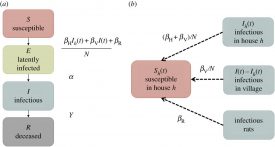
Get your Indiana Jones hat ready, we’re going back in time to look at bioarcheology and the Eyam plague outbreak of 1665-1666. Researchers used a stochastic compartmental model and Bayesian analytical models to study this outbreak that started in September 1665 in the Derbyshire village of Eyam. Updated data from parish records allowed scientists to study this specific outbreak in a more in-depth manner, leading to the discovery that both rodent-to-human and human-to-human transmission played an important role in the spread of the disease. “We also found that the force of infection was stronger for infectious individuals living in the same household compared with the rest of the village. Poverty significantly increased the risk of disease, whereas adulthood decreased the risk. These results on the Eyam outbreak contribute to the current debate on the relative importance of plague transmission routes.”

Health on the G7 Summit Agenda
Last week, international officials met for the G7 Summit and during this gathering the topic of infectious diseases and control methods came to the table. “At the G7 Ise-Shima Summit, leaders will consider issues including strengthening the response to public health emergencies, by taking into account the lessons learned from previous outbreaks, such as Ebola. In addition, they will discuss ensuring the provision of lifelong healthcare services, from maternal, newborn and child health, through to non-communicable diseases and aging, in the pursuit of universal health coverage (UHC)”. Ebola, Zika virus, and Yellow Fever are all hot topics (see what I did there…) of concern. Improving investment in pandemic response was a vital part of the G7, as well as endorsement of the Global Health Security Agenda. Hopefully, with more international awareness and investment, the practice of putting out infectious disease fires will be a thing of the past.

Zika Weekly Roundup
The WHO has released their latest global response report on the Zika virus outbreak. The report gives an overview regarding the Strategic Response Framework and Joint Operations Plan as well as current funding gaps for “critical activities until the end of June 2016, as well as the approach to setting a new strategy from July 2016 onwards.” You can also find a scoping review of the Zika literature here. 233 studies were compiled with findings that “several knowledge gaps were identified by this review with respect to ZIKV epidemiology, the importance of potential non-human primates and other hosts in the transmission cycle, the burden of disease in humans, and complications related to human infection with ZIKV.” A woman in New Jersey has given birth to a baby girl with microcephaly, making her the second Zika-related microcephaly case in the U.S. Entomologists and medical experts are participating in a Zika Symposium and you can check out some of the presentations here. President Obama commented on the need for Zika funding during his speech in Elkhart, IN, this week, noting that “we need more who are willing to work with us to lower health care costs, give us the funding we need to fight public health challenges like Zika and the opioid epidemic — Joe Donnelly is working on that diligently.” Researchers are looking at the risk factors for eye abnormalities in congenital Zika infections and scientists are now raising concern over transmission related to oral sex. Lastly, as of June 1st, 2016, the CDC has reported 618 travel-associated cases in the U.S. 

Stories You May Have Missed:

  • First Locally-Acquired Chikungunya Case in Texas–  The Texas Department of State Health Services has confirmed the first case of local transmission. ” A Cameron County resident got sick with the illness in November 2015 and was diagnosed with a lab test in January 2016. The case, however, was not reported to the local health department until last month. The investigation performed by the Cameron County Department of Health and Human Services determined the patient had not traveled, and the case was confirmed last week by testing at the US Centers for Disease Control and Prevention.”
  • Edge of the Antibiotic Abyss – There’s been a lot of talk about antibiotic resistance and the impending dangers if we don’t act soon. Here’s an overview of the concerns and recent case that is causing so much worry. While it may not get the media attention of Zika virus, this is a very real issue and recent estimates indicate that we’re teetering on the edge of the antibiotic abyss.
  • India’s HIV Blood Transfusion Transmission Reality– The National AIDS Control Organization has released their report following a petition by activist Chetan Kothari, revealing that at least 2,234 Indians have contracted HIV while receiving blood transfusions. Scarier yet, these cases occurred in the past 17 months. Kothari has pushed for investigations, citing that while it is mandatory for hospitals to screen donors, the cost of the test and limited availability of testing facilities (Mumbai has only three private hospitals with HIV testing facilities) makes this a growing threat to anyone requiring blood transfusions. India currently has around 2.09 million people living with HIV/AIDS.
  • The European Centre for Disease Prevention and Control – The ECDC has updated its rapid risk assessment for the current yellow fever outbreak that is impacting Angola, DRC, and Uganda. “In the EU/EEA, the risk of yellow fever virus being introduced is limited to unvaccinated viraemic travellers coming from areas with active local transmission.”
Pandora Report 5.20.2016

The biodefense world was pretty busy this week – between Zika funding, cloning, and debates over dual-use technologies, we’ve got a lot to recap! Check out this great infographic on mosquitoes and the diseases they spread. The “State of Innovation” report revealed a decrease in biotech patents in 2015, with many pointing to the correlation between three U.S. Supreme Court decisions that limited patentability of some biotechnologies. If you were wondering how the sale of Plum Island is going, the House has actually temporarily halted any transactions.

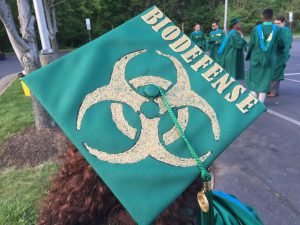
Congrats GMU Biodefense Graduates!IMG_3491
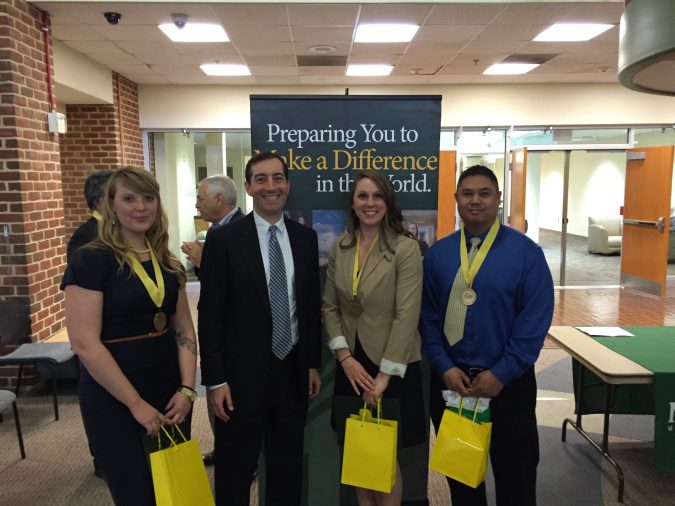
We’re so happy to announce the convocation of some of our phenomenal graduate students. Earning a MS in Biodefense- Julia Homstad (also awarded the Frances Harbour Award for Community Leadership), Brittany Linkous (earning the Outstanding Biodefense MS Student Award), Francisco Cruz, Mary Dougherty, Moneka Jani, Sadaf Khan, Brittany Ferris, Michael Smith, and Robert Smith. Graduating with their PhD’s – Jonathan Gines (also the recipient of the Outstanding Biodefense PhD Student award and his dissertation was: Designing Biorisk Oversight: Applying Design Science Research to Biosafety and Biosecurity, Patricia Kehn (Flu News You Can Use? An Analysis of Flu News Quality 2008-2010), and Mittie Wallace (Emergency Preparedness in Virginia, Maryland and DC: Using Exchange Theory to Identify Government-Nonprofit Incentives and Barriers to Collaboration). Congrats to all our Biodefense graduates in the hard work and dedication they’ve put forth to contribute to such a diverse and exciting field!

Evaluation of DoD Biological Safety & Security Implementation
The Inspector General of the Department of Defense (DoD) has released their report regarding the biosafety and biosecurity policies and practices within DoD laboratories working with select agents. The report also evaluated DoD oversight of these laboratories and compliance with Federal, DoD, and Service Policy, with careful consideration to recent GAO (among others) recommendations. Several findings were reported, which include: “DoD has not maintained biosafety and biosecurity program management, oversight, and inspections of its BSAT laboratories according to applicable Federal regulations. BSAT laboratories in Military Services were inspected according to different guidance, standards, and procedures, risking dangerous lapses in biosafety practices. Lack of coordinated oversight of DoD laboratories led to multiple, missing, and duplicative inspections, and, therefore, an excessive administrative burden that could interfere with scientific research performance.” The report also noted that public health and safety was put at risk due to the poor protection of these agents. Recommendations pushed for better internal and external tracking of inspections, coordination of external technical and scientific peer reviews, standardized training for inspectors, the creation of site-specific laboratory security vulnerability assessments, etc. Overall, the report addresses several key failures within select agent laboratories that have been gaining increasing attention. While these recommendations are a necessary first step, there is definitely an up-hill battle to better secure and work with select agents.

Public Health & Emerging Disease Outbreaks – The Importance of Communication 
Outbreak prevention and response isn’t a new concept…in fact it’s something we’ve been perfecting since John Snow took off the Broad Street pump handle. Sometimes, the fastest spreader isn’t the disease, but rather poor communication and fear. In every after-action report, communication tends to be the biggest failure. Not only do people fail to talk to each other enough, but information dissemination and comprehension tends to be poorly emphasized, when in fact it could save lives. “In particular, healthcare workers may benefit from knowing about newly found transmission risks or disease findings from a novel case under intensive care. Knowledge drives behavioural change that can save lives. We live in a global community. Even if the lives saved are not citizens of our country, withholding information because it is unlikely to benefit our own countrymen, or even delaying dissemination of important information until it is published in a scientific journal is a poor choice.” Dr. Ian Mackay and Katherine Arden point to communication failures regarding the zoonotic transmission of MERS-CoV and the illness of a nurse from the UK who recovered from Ebola and was later hospitalized for meningitis. Both instances involved poor communication, especially to healthcare workers. “Good communicators and reliable communications are vital. Create a dialogue with the public now to build a partnership for later, to reduce distrust when an outbreak, epidemic or pandemic occurs. In this way, communities know which voices to trust and where to turn for their information. Leaving an information void invites others to fill it and more often than not, it is those who delight in titillation, invention, make-believe and fear-mongering.”

Weekly Dose of Zika Virus
H.R. 5243 – Zika Response Appropriations Act of 2016 is the hot topic of discussion this week, as President Obama’s Administration is opposing the act. “While the Administration appreciates that the Congress is finally taking action to address the Zika virus, the funding provided in H.R. 5243 is woefully inadequate to support the response our public health experts say is needed.  Specifically, the Administration’s full request of $1.9 billion is needed to:  reduce the risk of the Zika virus, particularly in pregnant women, by better controlling the mosquitoes that spread Zika; develop new tools, including vaccines and better diagnostics to protect the Nation from the Zika virus; and conduct crucial research projects needed to better understand the impacts of the Zika virus on infants and children.On May 17th, the Senate voted to provide $1.2 billion to fight the growing outbreak. A team from the University of Texas Medical Branch at Galveston has traveled into uncharted territory – they are the first to genetically engineer a clone of the Zika virus strain.  Their work could help speed up vaccine development and research of the virus. As the Zika outbreak rages onwards, many are pointing to the need to understand how and why it mutated from Africa to Asia and then to the Americas.  “‘Like many arboviral agents, given the appropriate environmental and human conditions, new pathogens can be easily moved around the globe,’ Ann Powers said. And that’s what Zika did. The virus began to ripple across the Pacific—and as it traveled, it seemed to change.” The Olympic Games are fast approaching and the debate about the safety of the games has been spreading (see what I did there?). Last week you read about how some are saying the games should be cancelled, while others say it poses a minimal threat. You can also find a snapshot of Zika virus here. The WHO reported that the overall risk of Zika virus moving across the WHO European region is low to moderate during late spring and early summer. Rutgers is taking the lead on an IBM-sponsored project that will utilize supercomputing resources to identify “potential drug candidates to cure the Zika virus.” The Wilson Center is hosting an event, “Zika in the U.S: Can We Manage the Risk?” on Tuesday, May 24th, at 11am. Many are also wondering why humans and not mice are susceptible to the virus. Lastly, as of May 18th, the CDC has reported 544 travel-associated cases and 10 sexually transmitted cases within the U.S.

Governance Structures for Reducing Dual-Use Technology Risks
The American Academy of Arts & Sciences has published an examination of dual-use technology governance and the state of current efforts to control the spread of potentially dangerous technologies. “Governance of Dual-Use Technologies examines the similarities and differences between the strategies used for the control of nuclear technologies and those proposed for biotechnology and information technology. The publication makes clear the challenges concomitant with dual-use governance.” The report looks at the potential objectives of these measures, what they translate to in a technical format, and if these measures are even feasible.

Global Avian Influenza A H5N1 Trends
Researchers recently looked at the epidemiology of human H5N1 cases from 1997-2015. This was the first comprehensive analysis of human cases on a global scale. The number of affected countries rose between 2003 and 2008, traveling from east Asia into west Asia and Africa. “Most cases (67·2%) occurred from December to March, and the overall case-fatality risk was 483 (53·5%) of 903 cases which varied across geographical regions. Although the incidence in Egypt has increased dramatically since November, 2014, compared with the cases beforehand, there were no significant differences in the fatality risk, history of exposure to poultry, history of patient contact, and time from onset to hospital admission in the recent cases.”

Stories You May Have Missed:

  • Health Security Available – The newest volume of Health Security is now available online. The recent issue includes pieces on Zika and microcephaly, preparing for climate disruption, adapting to health impacts of climate change in the DoD, and more!
  • Secret Genome Meeting – Last week saw a meeting hosted by Harvard Medical School’s George Church, to discuss “feasibility and implementation of a project to synthesize entire large genomes in vitro.” Initially the meeting was open to the public and media however, the decision was made to keep it private (from the media) so that researchers, lawyers, entrepreneurs, and government officials could speak freely without fear of being misquoted. “Our ability to understand what to build is so far behind what we can build,” said Jeremy Minshull, chief executive of DNA synthesis company DNA2.0, told The New York Times. “I just don’t think that being able to make more and more and more and cheaper and cheaper and cheaper is going to get us the understanding we need.”
  • Four Countries Fend Off Avian Influenza- Cambodia, Ghana, and Indonesia have been battling H5N1 and Italy has just reported its second H7N7 occurrence this month. Ghana and Cambodia have reported significant bird mortalities, with the virus killing 155 of 505 susceptible birds. “In Ghana, the H5N1 virus turned up in four commercial layer and breeding farms in three of the country’s regions: two in Greater Accra and one each in Eastern and Central regions.”
  • Bavarian Nordic Smallpox Vaccine Contract – the pharmaceutical company announced that BARDA has ordered a bulk supply of their new IMVAMUNE smallpox vaccine. The $100 million supply of the non-replicating vaccine requires Bavarian Nordic to manufacture and store the bulk supply. “The freeze-dried version of IMVAMUNE is expected to reduce the life cycle management costs based on a longer shelf life and will replace the liquid-frozen version that is currently stockpiled in the U.S. Strategic National Stockpile (SNS).”
  • Early Detection Lyme Disease Test Successful – GMU researchers have proven that their early-detection urine test works to rapidly identify Lyme diseases. “The National Institutes of Health funded the research that led to Mason’s patented technology, which traps tell-tale clues (such as the Lyme bacteria protein) that a disease is present. The Mason technology, which is licensed to Ceres, works during the earliest stages of disease and finds the tiniest traces missed by most diagnostic tests.”

Pandora Report 2.12.2016

This week we saw a lot of movement on the Zika response front – from increased funding to research teams prepping for field work, the outbreak hype is picking up traction as the horrors of Ebola are still fresh. Natural outbreaks aren’t the only thing drawing concern this week, as James Clapper, Director of US National Intelligence, added gene editing to the list of dangers posed by “weapons of mass destruction and proliferation.” The annual worldwide threat assessment report stated that, “research in genome editing conducted by countries with different regulatory or ethical standards than those of Western countries probably increases the risk of the creation of potentially harmful biological agents or products,”. Good news for hospital preparedness, the US Department of Health and Human Services Office of the Assistant Secretary for Preparedness and Response and the CDC have announced continued funding for the Hospital Preparedness Program (HPP). The HPP supports critical healthcare preparedness efforts in order to reduce the “supplemental state and federal resources during emergencies, and enables rapid recovery.” If you’re trying to work some biodefense into your Valentine’s Day, you’ve got a few options via Jane Austen-inspired zombie adventures in Pride and Prejudice and Zombies or episodes of The Walking Dead. Whichever zombie adventure you choose, just remember to avoid cuddling with any armadillos (read on to find out why). Happy Friday!

Lassa Fever Outbreak Grows
The Lassa fever outbreak that began hitting Nigeria in August 2015 has continued to spread, worrying many health officials. 101 people have already died from the infection and roughly 175 people have become infected. The Nigeria Centre for Disease Control (NCDC) stated, “As of today, 19 [including Abuja] states are currently following up contacts, or have suspected cases with laboratory results pending or laboratory confirmed cases.” Annually, Lassa fever causes 100,000-300,000 infections and 5,000 deaths in west Africa. Nigeria’s neighbor, Benin, is also seeing an increase in cases, in which seventeen have died and fifty have been infected.

Back Down the Zika Rabbit Hole
In response to the growing threat of Zika virus, the Obama administration announced on Monday that it would formally be requesting an emergency funding of $1.8 billion to combat the outbreak. The Department of Health and Human Services (including the CDC) would obtain the majority of the funds ($1.48 billion). CDC efforts will be ramped up as its emergency operations center was moved to a level 1 (the highest level) and teams are being coordinated to study the microcephaly-infection links. You can also check out the White House press release here. The WHO will be working to prioritize and fast-track research and development projects, of which Zika virus will be included. You can also find a great timeline here. According to the CDC, as of February 3, 2016, there were 35 travel-associated cases in the US. The Lancet also just released this piece discussing the labeling of Zika virus as a public health issue of concern.  On February 16, 2016, The National Academies of Sciences, Engineering, and Medicine are holding a workshop on research priorities to inform public health and medical practice for domestic Zika virus cases.

ASM-BiodefenseScreen Shot 2016-02-10 at 11.49.22 PM 
The 2016 American Society for Microbiology Biodefense and Emerging Diseases Research Meeting took place this week in Arlington, VA. For a biodefense fan, this was a pretty amazing three-day experience. Conference attendees were treated to presentations on antimicrobial resistance, applied biodefense, medical countermeasure developments, agroterrorism, and much more. Did I mention the keynote speaker was Dr. Tom Frieden, director of the CDC? I’m not even a little ashamed to admit how great it was to see Dr. Frieden emphasize that “nature is unpredictable but what is predictable is that we can be better prepared.” He also noted that “Zika is a rapidly changing situation” and the CDC would be sending a team within the next week to start a case-control study related to infection and microcephaly. Some highlights included getting to listen to Dr. Raymond Zilinskas discuss Russian biodefense efforts and how CBR training exercises increased in 2015. Dr. Jens Kuhn from the NIH wins the award for most humor during his fascinating presentation on Marburg and Ebola research within the Soviet bioweapons program. The infection preventionist in me greatly appreciated the session on antibiotic resistance and the role of medical tourism as an exposure for patients to CRE, not to mention how travel assists global clonal expansion. The Mayo Clinic’s Dr Tosh pointed out the short term (isolation of patients, hand hygiene, etc.), medium term (new microbial therapeutics, new diagnostics, etc.), and long term (specific pathogen therapy, decolonization, and immunologic therapy) response and control mechanisms for drug resistance. Last but not least, one of the biggest objectives from the applied biodefense presentations was the need for scientists to help inform policymakers about their work to drive the best policies. I would highly encourage anyone interested in the biodefense field to attend future conferences, as it was a wonderful learning experience and the poster/exhibitor sessions were an excellent way to learn about new research and network.

Lessons Learned: Using North Korea’s History to Better Understand Iran’s Nuclear Program
GMU biodefense professors, Dr. Thrall and Dr. Koblentz, discuss the use of North Korean nuclear history as a teaching tool regarding Iran’s nuclear program. By comparing and contrasting these two countries and their propensity for nuclear weapons, they look to similarities like the fact that both countries “are located in historically dangerous neighborhoods and face militarily superior adversaries. In North Korea’s case, South Korea and the United States; in Iran’s case, a Middle East full of Sunni Arabs and a nuclear-armed Israel. From a national security perspective, both countries have obvious reasons for pursuing a nuclear capability.” Given that both countries tend to be immune towards coercion, continued engagement and confrontation is vital. Using North Korea as a model for behavior, vigilant deterrence will be necessary to prevent Iran from cheating on the nuclear deal.

Managing Emerging Health Security Threats Since 9/11: The Role of Intelligence
Dr. Patrick F. Walsh, Associate Professor of Intelligence and Security Studies at Charles Sturt University in Australia, discusses the role of intelligence throughout the evolution of biosecurity since the 9/11 attacks. Dr. Walsh calls attention to the difficulties in defining biosecurity and that “cross-disciplinary focus is both a strength and weakness to understanding biosecurity threats. It is a weakness in that the presence of multiple players in the biosecurity field can result in a more fragmented understanding and operational response to various biosecurity threats. But it is also a strength in that, if intelligence systems are optimal, a multi-disciplinary approach allows a combination of expertise to assess and manage the bio-threat or risk.” Dr. Walsh presents the role of dual-use research, stolen biological agents, and the growing concern among biosecurity regulators and national security intelligence groups regarding the dwindling role of tacit knowledge and availability of equipment and technology. Dr. Walsh points out that the character of intelligence varies depending on the issue and one must account for the role of decision making. Lastly, he reminds us that “to conceptualize the role of intelligence in improving early warning of biosecurity threats is to examine how it can provide warning through various stages of the intelligence cycle, which includes the following stages—direction, collection, analysis, and dissemination.” While the role of intelligence will continue to evolve with biosecurity threats, Dr. Walsh emphasizes that strategic early warning capabilities are dependent upon the efficacy of intelligence framework. Improving these two facets of biodefense will allow critical infrastructure to not only respond to threats of bioterrorism and emerging infectious diseases, but also the growing threats of microbial resistance and dual-use research. You can also find the article here (2016 Walsh Health Security and Intelligence Jan).

Biosecurity in the Age of Big Data: A Conversation with the FBI
Advances in life science and technology can solve many health issues, but they can also pose a threat if used within the wrong context. Dual-use research of concern, CRISPR, and biotechnologies have led to some remarkable revolutionary advances, however, where do these fit within the FBI’s security concerns for bioweapons? Keith Kozminski of Molecular Biology of the Cell met with FBI Supervisory Special Agent (SSA) and head of the Biological Countermeasures Unit at their Washington, DC headquarters, Edward You, to discuss the security implications of Big Data. SSA You detailed his work with the American Association for the Advancement of Science and the United Nations Interregional Crime and Justice Research Institute to identify the security issues associated with Big Data when it comes to biology. Whether collaborating with companies like Amazon and IBM or government agencies like the CDC, SSA You has worked to identify potential vulnerabilities and how they can be addressed without halting innovation. SSA You states that “Over the last two years, we have had the issues with regard to the Centers for Disease Control and Prevention (CDC) and Department of Defense (DoD). A lot of discussion also came when the J. Craig Venter Institute synthesized that bacterial genome. There were a lot of calls and discussions about the scientific community needing more ethics training and the need to develop a greater culture of responsibility. From a law enforcement perspective those are necessary but not sufficient. What has been lacking is the scientific community being provided security awareness—something that augments how they approach the life sciences.” While there are vulnerabilities across the board, SSA You emphasized the need for partnership between biologists and WMD coordinators to not only safeguard science, but reduce threats.

UN- Protecting Humanity from Future Health Crises: Report of the High-level on the Global Response to Health Crises 
The UN has released an advanced copy of their report regarding global health safety. Highlighting the efforts and failures within the Ebola outbreak, this report emphasizes the global burden of communicable diseases and how better response and preparedness is needed. The report points out that only a third of the 196 State Parties have fully implemented the International Health Regulations (IHR, 2005) and there has been little global investment in R&D for emerging infectious diseases. 27 recommendations were made to address issues at the national, regional, and international levels, of which one of the first was for the WHO to build a new Centre for Emergency Preparedness and Response. The report also states that “all countries must meet the full obligations of the IHR” and “appropriate financing is required. Assistance should be provided to countries requiring additional support for IHR compliance, while WHO and the new Centre for Emergency Preparedness and Response must be resourced to meet global needs.” Overall, the use of the 2014 Ebola outbreak as a case study for health security recommendations echoes the sentiment that Dr. Frieden once noted– “a disease outbreak somewhere is a risk anywhere”

Stories You May Have Missed:

  • Vaccines & Therapeutic Conference– Mark your calendars for the 14th annual conference from May 17-19, 2016, in Washington DC, that covers biodefense, antimicrobial resistance, and emerging infectious diseases. Given the recent push for emergency funding for Zika virus research, this conference will be a great resource for up and coming research.
  • Quality Training for BSL-4 Biocontainment Laboratories– Interested in BSL-4 lab training? The FDA and University of Texas Medical Branch, Galveston National Medical Branch, will host training April 25-29, 2016. Held in Bethesda, MD, the course will include faculty and subject matter experts from the FDA, academia, and more.
  • Leprosy Spike in Florida– Florida has seen an increase in leprosy cases this year. Five cases have been reported in 2016 so far and 27 were reported in 2015. The spike in cases is suspected to be a result of armadillo transmission. If you find yourself traveling in Florida, you may want to avoid armadillo cuddling.


Pandora Report 12.25.2015

Happy Holidays fellow biodefense gurus! We at the Pandora Report would like to wish you and yours a lovely holiday season, filled with happiness, health, and a side of relaxation. Your favorite weekly dose of biodefense news be taking a few weeks off from reporting while I venture to the land of Oz. Rest assure, should there be a zombie outbreak, I’ll report it first hand! Since we’ll be radio silent for a couple of weeks, we’ve compiled a pretty swanky “I love biodefense and need more of it” reading list to keep you busy. Before you venture down the biodefense rabbit hole, here is fun history fact Friday: on December 24th, 1814, the war of 1812 ended and on December 24, 1936, the first radioactive isotope medicine was administered by Dr. John Lawrence

The Revolving Door of Biosafety7898_lores
GMU Biodefense Master’s student and lab guru, Scott McAlister discusses the importance of biosafety in the changing world of global health. Through his review of the 2009 report by the Trans-Federal Task Force on Optimizing Biosafety and Biocontainment Oversight and a 2015 memorandum released by the White House to enhance biosafety, he discusses the ever changing components of US biosafety. Scott breaks down and compares each report’s recommendations, language, and what these translate to within US laboratories. Moreover, given the recent failures, have US biosecurity practices and recommendations evolved over the past 6 years? Take a look into this review to see where we hope to be and if we’ve progressed since 2009.

National Action Plan for Combating Multidrug-Resistant TB
This week the White House released its national plan for combating the growing threat of multidrug resistant tuberculosis. While US rates of TB cases have dropped, the growing threat of multidrug resistant TB (MDR-TB) and extensively resistant TB (XDR-TB) requires action. This new plan is set to span over 3-5 years and has three goals that will focus on strengthening domestic capacity, improving international capacity and collaboration, and accelerating basic and applied research and development. Extensive collaboration within US agencies and international partners will be necessary to combat the evolving threat of drug resistant tuberculosis.

We’re Not Prepared for a Biological Attack
GMU Biodefense PhD alum, Dr. Daniel M. Gersteindiscusses biopreparedness and where the US stands in his work for US News  & World Report. Throughout his in-depth analysis, Dr. Gerstein emphasizes the importance of US leadership within the Biological Weapons Convention (BWC). Pointing to the disappointing Seventh and Eighth Review Conferences, Dr. Gerstein notes, “biological warfare can no longer be considered the purview of only state actors. And this democratization of biotechnology means that the world is literally one rogue microbiologist away from a potentially devastating biological attack.” Dr. Gerstein emphasizes that authorities often fail to realize that biological weapons may not act like naturally occurring diseases or outbreaks.

Holiday Biodefense Book Club
During the cold winter months it’s always nice to curl up by the fire with a good book and relax. GMU Biodefense Master’s student, Rebecca Earnhardt, and I have picked a handful of books to spark your interest. If we could have a book club with our awesome readers, we would love it, but in the mean time, here are our recommendations for a few literary works that you might enjoy!

  • Phantom Menace or Looming Danger?: A New Framework for Assessing Bioweapons Threats By Kathleen M. Vogel — Johns Hopkins Press, 2012. The military has gathered reconnaissance of a possible biological research facility, evidence of a paper trail indicating procurement of weapons delivery systems, and collection of specialized personnel to manufacture biological agents.  Do all of these pieces point to an imminent biological weapons danger?  Kathleen M. Vogel, in Phantom Menace, argues that there is more to the picture of biological weapons development than the technical and physical aspects of manufacturing.  Through examination of three case studies, Vogel highlights the shortcomings of the dominant biotech revolution frame within biological weapons assessments.  The biotech revolution frame, as described by Vogel, misses the important social and contextual factors that affect biological weapons innovation.  The alternative offered by Vogel is termed the biosocial frame.  Vogel highlights in her biosocial frame how tacit knowledge and hands-on experience is vital to biological weapons assessments.  While Vogel does not particularly focus on political influences, I enjoyed the book because of her explanation of the importance in incorporating sociological aspects into biological weapons assessments.  I think this makes Vogel’s work a key book in the field of biodefense.
  • Innovation, Dual Use, and Security: Managing the Risks of Emerging Biological and Chemical Technologies. Editor: Jonathan B. Tucker — MIT Press, 2012. The hotly debated concept of ‘dual-use’ is explored extensively through this multipart work edited by the late chemical and biological weapons expert, Jonathan B. Tucker.  This book takes on the conceptual nuances of dual-use with four parts focused on emerging technologies within the areas of directed design, acquisition of novel molecular parts, modification of biological systems, and enhanced production and packaging capabilities.  Each section, authored by leading experts in the field of biodefense research, including Filippa Lentzos and Gerald Epstein, applied Tucker’s framework of risk assessment for dual-use potential and governability.  This framework incorporates key aspects of assessing dual-use potential, including technological monitoring, technology assessments, and governability of the technology.  The strength of this framework lies in its applicability to emerging technologies, which may enable policy makers to continuously review a particular technology or an emerging area of research.  In the concluding chapter, Kirk Bansak and Jonathan Tucker redirect attention to the intervening social processes that construct relationships between the technology and its users, and how these social processes may create an environment ripe for misuse.  To me, this book is a highly valuable and informative work on the range of dual-use issues and conceptual applications.  I think this book is an important read not only because it covers a variety of dual-use issues, but also in its wide-ranging review of relatively recent biotechnology and life science innovations.  The variety of case studies makes this book an enjoyable read!
  • Spillover: Animal Infections and the next Human Pandemic by David Quammen. New York: W.W. Norton, 2012. Not only is David Quammen one of my favorites, but his overview of zoonotic diseases and the concept of spillover will both captivate and inform you. Ranging from West Nile Virus to Ebola, Quammen presents several of the zoonotic diseases you may have heard of and others that may cause you to reconsider kissing a horse anytime soon. Each chapter presents a new disease, it’s history, and a new outbreak that should raise our attention to global health security. While he doesn’t touch much on avian influenza or multi-drug resistant organisms, his points on humans infringing upon animal ecosystems and the resulting disease spillovers are harrowing. Quammen’s adventures remind me of a microbial Indiana Jones (hint hint Hollywood, that would make an excellent movie!), even with the cheeky wit. I would recommend Spillover as a gateway to understanding the role of zoonotic diseases and the emphasis we’re seeing on One Health. While his parts on Ebola aren’t as dramatic as Richard Preston, you’ll be sure to enjoy his approach to epidemiology and the impact of spillover on global health. Quammen did extend his sections on Ebola into another book that includes information related to the 2014/2015 outbreak. If you enjoy on-the-ground reporting, you’ll find this within Quammen’s book.
  • Greek Fire, Poison Arrows, and Scorpion Bombs: Biological and Chemical Warfare in the Ancient World by Adrienne Mayor. Woodstock: Overlook Duckworth, 2003. As a lover of all things biodefense and classical, I was excited when I cam across Adrienne Mayor’s book. Combining ancient history and bioweapons? Sold! Mayor’s breakdown throughout the book reveals the mythical and historical accounts of chemical and biological weapons in the ancient world. While a bit dramatic and sometimes repetitive, I found her book to be enjoyable in that few people have combined ancient history and chem/bioweapons to such an extent. Mayor makes sure to include references to mythology that heavily impact these ancient societies. While the lines of chemical and biological weapons were sometimes muddied and some generalizations related to classical history did occur, I would recommend her book to anyone who enjoys history (especially ancient history), mythology, and CBW. Realistically, with such a catchy title, how could you resist?

Stories You May Have Missed:

Pandora Report: 11.13.2015

Given the auspicious nature of Friday, the 13th, how about we start the Easy-Bake Oven version of bioreactors? (insert evil genius laugh). Our report this week is rich in biosafety, GMU Open Houses, and updates on global outbreaks. Fun History Fact Friday – this week in 1989, the Berlin Wall came down! Before we venture down the rabbit hole, don’t forget to get your flu shot before the 2015/2016 influenza season hits too hard!

DIY Bioengineering 
If you’re in search of the perfect holiday gift for your favorite biodefense/bioengineer, you can thank the creators of Amino (personally, I think calling it the Easy-Bake Oven Bioreactor is just so much more fun). The kit starts at $700 and comes with all the essentials for your “recipe” (main bacterial culture, DNA, pipettes, incubators, agar plates and various sensors for monitoring microbial growth). Did I mention it comes in a nice color-coded, pleasing-to-the-eye plywood dashboard? MIT graduate, Julie Legault, is the master genius behind Amino, and uses the “apps” (step-by-step guides) to help make even the most science adverse individual capable of making DNA products. Liz Stinson points out that “they walk users through how to insert the DNA into untransformed bacteria cells, and how to incubate, grow, and maintain the altered microorganisms”. Just make sure your new gift comes with some information on dual-use research of concern and avoids any select agents…

Master’s Open House 
Make sure to swing by our GMU Master’s Open House on Wednesday, November 18th at 6:30pm to learn about all our different programs! Good news – you can virtually attend via this link and even ask questions live! We’ll be talking biodefense and all the ways you can use our MS degree (online or in person!). Whether its fighting food safety issues, pandemic influenza, or zombies, we’re passionately trying to make the world of global health security stronger and more diverse!

Biological Research: Rethink Biosafety 
“Biology must move forward on safety and security. Let’s not reinvent the wheel, but learn from those doing safety better.” Tim Trevan’s comments echo the sentiments of many within the biosecurity field. The anthrax mishaps at Dugway and the CDC BSL-3 lab in Atlanta compound a growing concern over the handling of select agents and the lab safety practices and processes that seem to be failing. Trevan poses the question, “what are the prospects for managing the more intractable risks globally if measures to ensure the safe handling of dangerous pathogens are failing at the best-equipped facilities in the country with the most advanced biotechnology in the world?” In his words, Trevan has hit the nail on the head and summarized the realities of lab safety culture. So what’s to be done? Trevan makes the unexpected recommendation of  using nuclear security experts to advise on biosafety and biosecurity. This strategy utilizes a practice that is also common in healthcare – a culture of safety. By focussing on the prevention of failure, instead of maximizing output, safety becomes an engrained practice in all levels of an organization, transforming it into a “high-reliability organization” (HRO). By using examples within industries like offshore oil drilling, airlines, etc., Trevan points to the growing biotech capabilities that make biosecurity that much more imperative. In healthcare, I’ve seen organizations truly transform their practices by moving to a culture of safety (and utilizing “just culture” when it comes to patient safety) and while it’s not a wholly easy process, the foundations are already present in the existing teachings of patient care. Labs have the training and knowledge for safety, but as Trevan points out, it’s time to bring in those with the expertise to help move towards a culture of safety.

Screen Shot 2015-11-12 at 9.56.04 AM
Courtesy of HDOH

Dengue Fever Outbreak in Hawaii 
If you’re considering a winter retreat to Hawaii, make sure to grab some bug spray. Hawaii Island is currently experiencing a Dengue outbreak that has just reached 33 cases. Dengue is not endemic to Hawaii and while travelers have imported cases from time to time, this is marks the first big cluster of locally-acquired cases since 2011. The Hawaii Department of Health (HDOH) continues investigations and reports (as of 11/11)  25 Hawaii Island residents and 8 visitors have been laboratory confirmed with dengue fever. The HDOH has provided maps related to exposure areas to help people avoid high-risk locations or at least use preventative measures. If you’re traveling to Hawaii Island or an area where dengue is endemic, make sure to take steps to reduce the risk of mosquito bites and the potential for transmission!

Ebola Update
Guinea has reported no new cases in the last week. While they’re still on high alert after the cases surrounding a family, they are hopeful. Liberia and Sierra Leone have hit their 90-day enhanced surveillance period, meaning they have no new cases and are now working towards the WHO’s second objective (managing and responding to residual risks). Pauline Cafferkey has made a full recovery after her hospitalizations due to post-Ebola recovery complications. Researchers at Columbia University’s Mailman School of Public Health used a new statistical model to map the outbreak. Results will be published in the Journal of Royal Society Interface, which shows the development of the outbreak and role early detection and response plays.

Stories You May Have Missed: 

  • Joint Services Mask Leakage Tester (JSMLT) Contract – the DoD has announced that Air Techniques International, Inc. has been awarded a contract regarding the maintenance of the JSMLT. The JSMLT does quality control and ensures proper fitting (portably) on CBRN protective masks.
  • H7N9 Cases in China Rise– China has confirmed two more cases that occurred in October, bringing the total case count to four. Many in public health are noting that these cases bring about a fourth wave of infections (starting in October). The two new cases were a a 62-year-old woman from Shengzhou and a 51-year-old farmer from Hangzhou.
  • Boosting Biosecurity in Nigeria & Kenya– The Institute of Human Virology at the University of Maryland have announced two grants to help build biosecurity in Nigeria and Kenya. The first grant of $13 million will go to strengthen laboratory infrastructure in Kenya, and the second of $10 million will help those in Nigeria quickly detect and respond to emerging infectious diseases.

Enjoying your weekly dose of the Pandora Report? Sign up to receive it every week so the fun never ends! 

Pandora Report 10.2

All this rain and grey weather (at least in DC) makes us want to curl up with a good book and luckily, we’ve got just the reading list! This week we’re sharing some top-notch work by our phenomenal faculty and alumni for you to enjoy. Earlier this week, straight out of a James Bond movie, Elon Musk presented Tesla’s Model X and its Bioweapon Defense Mode. Google had its 2015 Science Fair and a pretty amazing high school student took home top honors for her work on Ebola. Did I mention Kansas is prepping for the zombie apocalypse? Needless to say, there was a lot going on this week in the world of biodefense, so let’s venture down the rabbit hole….

 Zombie Preparedness Month Starts for Kansas 
I’m thinking we may need to take a class trip to Kansas since Governor, Sam Brownback, will be signing a proclamation to officially designate October as “Zombie Preparedness Month”! Brownback’s rationale is to emphasize preparedness in any form, stating, “If you’re prepared for zombies, you’re prepared for anything. Although an actual zombie apocalypse will never happen, the preparation for such an event is the same as for any disaster: make a disaster kit, have a plan, and practice it.” During Zombie Preparedness Month, state emergency management services will have activities and information for residents to help get their preparedness on. They’ll also be using social media to engage people people on these topics. The one thing we’ve learned in biodefense, Gov. Brownback, is to never say never!

Connecticut Teen Wins Google Science Award By Developing Affordable Ebola Test
High school junior, Olivia Hallisey, just took home the Google Science Fair top prize for developing an affordable and easy Ebola test in her project, “Ebola Assay Card”, which quickly (we’re talking 30 minutes quick!) detects the virus and doesn’t require refrigeration. Each test only costs $25 and picks up antigens on photo paper. Hallisey summarizes, “In this new device, that is stable and stored at room temperature, 30µl drops of water were used to dissolve silk-embedded reagents, initiating a timed-flow towards a center detection zone, where a positive (colored) result confirmed the presence of 500pg/ml Ebola(+)control antigens in 30min, at a cost of $25,” Hallisey hopes this project will encourage other girls to pursue their passions in science. Hallisey is truly an inspiration and we tip our hats to her passion for solving world problems while encouraging her peers!

Let’s Talk Dual-Use!
Come listen and chat with Dr. David R. Franz, former commander of USAMRIID, about balancing research and regulations when it comes to dual-use!
Date & Time: Monday, October 5, 2015, 4:30-6pm
Location: Hanover Hall, L-003 George Mason University, Fairfax, VA, see map

​Dr. Franz was the Chief Inspector on three United Nations Special Commission biological warfare inspection missions to Iraq and served as technical advisor on long-term monitoring.  He also served as a member of the first two US-UK teams that visited Russia in support of the Trilateral Joint Statement on Biological Weapons and as a member of the Trilateral Experts’ Committee for biological weapons negotiations.  He previously served as member of the National Science Advisory Board for Biosecurity (NSABB). Dr. Franz currently serves on several committees including the National Academy of Sciences Committee on International Security and Arms Control and the National Research Council Board on Life Sciences. Dr. Franz is a leader in the areas of cooperative threat reduction and health security and an expert in the development of U.S. regulations for biological threat reduction and biological security.  Dr. Franz will discuss the history and current debates related to U.S. and international regulations for select agents, dual use research of concern, and gain-of-function experiments.

1977 H1N1 Influenza Reemergence Reveals Gain-of-Function Hazards
Dr. Martin Furmanski discusses the gain-of-function (GoF) research hazards in relation to the 1977 H1N1 strain and it’s laboratory origins. Highlighting a previous article on the GoF debate, Dr. Furmanski notes that “separating the risks of vaccine development from those of basic GoF research is inappropriate, because GoF research seeks to discover antigenic and genomic changes that facilitate human-to-human transmission and/or augment virulence, with the aim of preemptively producing vaccines.” He also notes that while the 1977 H1N1 epidemic originated in a lab and it’s release was unintentional, the culprit laboratory matters little in the GoF debate.

Define Acceptable Cyberspace Behavior
GMU Biodefense alum, Dr. Daniel M. Gerstein, discusses the US-China cybersecurity agreement and the Friday announcement between Chinese Premier Xi Jinping and President Barack Obama. The agreement highlights the mutual desire to prevent cybertheft of business secrets. Dr. Gerstein emphasizes that while this agreement is a step in the right direction, it points to larger preparedness and response capability gaps. He notes, “So while a U.S.-China agreement is a welcome step, it also underscores the greater issues facing the United States, and indeed the international community, in this largely ungoverned space.” Dr. Gerstein highlights the necessity to define cyberspace boundaries, especially as there are delays in DHS security system deployments while US vulnerabilities continue to develop.

Implementation for the US Government Policy for Institutional Oversight of Life Sciences Dual Use Research of Concern
As of September 24, 2015, all institutions and USG funded agencies are now required to comply with the policies. Agencies now must have “a mechanisms in place to evaluate research that is potentially Dual Use Research of Concern (DURC).” Institutions must also organize an Institutional Review Entity (IRE) to review and manage compliance with these requirements.

Dr. Sonia Ben Ouagrham-Gormley’s  new book, Barriers to Bioweapons, received glowing reviews in the latest issue of Perspective on Politics. Her work, which is a staple for biodefense courses, and particularly this text, focusses on the perception of risk and lethality of bioweapons while addressing the realities of these assumptions. Ouagrham-Gormley discusses the key role of tacit versus explicit knowledge in the development and dissemination barriers for bioweapons. “The author identifies important factors internal to a weapons-development program- talented individuals and cohesive groups, corporate culture, communities of practice, organization structure- as critical nodes or ‘reservoirs’ of knowledge that must be configured to optimize the sharing of ideas and information.” The case studies of Iraqi and South African programs, as well as Aum Shinrikyo, lay the foundation for her points on the role of internal and external variables that can hinder or help a bioweapons program. Whether you’re reading  it for class (GMU Biodefense folks, I’m looking at you!) or you’re looking to brush up on nonproliferation, this book is a well-written and captivating necessity to understand bioweapon development. Did I mention how awesome the cover is?
Our very own GMU Biodefense PhD alum, Dr. Denise N. Baken, has a wonderful new book being released – let’s check it out! Al Qaeda : The Transformation of Terrorism in the Middle East and North Africa examines violence and the way it is marketed by the global terrorism industry.  Authors Denise Baken and Ioannis Mantzikos frame the violence discussion through the prism of its use by Al Qaeda, Al Qaeda in the Arabian Peninsula (AQAP) and Islamic State of Iraq and Syria (ISIS).Baken and Mantzikos look at the business parameters of violence –its cost, return on investment, efficiency, and effectiveness; They propose a new approach to that violence. One that looks at violence as a controlled commodity that evolved from Al Qaeda’s initial presentation of future possibilities, AQAP exploited those possibilities and ISIS pushed the boundaries of usability.
Stories You May Have Missed:

Pandora Report 11.9.14

We’ve got some timely stories this week: just in time for Veteran’s Day, we look at military exposure to chemical agents in Iraq, and at the beginning of flu season we look at the newest suspension of Yoshihiro Kawaoka’s H5N1 research. We’ve also got an Ebola update.

Have a great week!

More Than 600 Reported Chemical Exposure in Iraq, Pentagon Acknowledges

With Veteran’s Day on Tuesday, The New York Times uncovered an unfortunate military oversight that could affect over 600 service members. Originally, NYT found 17 soldiers who had been exposed to abandoned, damaged, or degraded chemical weapons in Iraq. Later 25 more came forward, and after a review of Pentagon records, Defense Secretary Chuck Hagel has said that hundreds of troops told the military they were exposed. The Pentagon says it will now expand outreach to veterans who believe they may have been exposed.

The New York Times—“Phillip Carter, who leads veterans programs at the Center for a New American Security, called the Pentagon’s failure to organize and follow up on the information “a stunning oversight.” Paul Rieckhoff, founder and executive director of Iraq and Afghanistan Veterans of America, said the military must restore trust by sharing information.”

Kawaoka’s Controversial Flu Research at UW-Madison On Hold Again

Once again, Yoshihiro Kawaoka has halted his research of H5N1 at the University of Wisconsin-Madison. Kawaoka created an altered version of the H5N1 flu virus to look at transmissibility between mammals. On October 17, the Obama administration said they would postpone federal funding for gain-of-function studies, including those involving flu, SARS and MERS. Roughly 50% of Kawaoka’s work involves gain of function, and he paused all experiments that “might enhance pathogenicity or transmissibility.”

Wisconsin State Journal—“The White House announcement comes in response to incidents this year involving anthrax, flu and smallpox at the Centers for Disease Control and Prevention and the Food and Drug Administration. “The incidents occurring at federal facilities this summer have underscored the importance of laboratory safety, and they also prompted calls for a reassessment of the risks and benefits that are associated with research involving dangerous pathogens,” Samuel Stanley, chairman of the National Science Advisory Board for Biosecurity, said during a meeting of the group Oct. 22.”

This Week in Ebola

The Ebola ‘outbreak’ in Texas is over and MSF has confirmed the decline of cases in Liberia, however, Ebola cases have risen ‘sharply’ in Sierra Leone. While Kari Hickox remained in the news explaining the reasons she fought against quarantine, it appears, as feared, that mandatory quarantine for volunteers returning from West Africa is causing some to re-consider their commitments. Meanwhile the U.S. Army has identified five possible bases for returning troop quarantine and the Pentagon has awarded a $9.5 million contract Profectus BioSciences, Inc. for development of an Ebola vaccine. President Obama asked Congress for $6 billion to fight Ebola in the U.S. and West Africa. NBC News reported that “The U.S. is keen to be seen as leading the international response to Ebola” but there is another country in the Americas contributing to the fight—Cuba. Also in the Americas, Canada’s policy of denying visas for people coming from West Africa is called into question, and five American airports are learning a lot about infection control. Back in West Africa, Nigeria’s success in fighting Ebola has been attributed to their fight against polio. Lastly, on the heels of Mark Zuckerberg’s $25 million donation to fight Ebola, he launched a button at the top the newsfeed that links users to places where they can donate, too.

Stories You May Have Missed


Image Credit: NBC News

Pandora Report 10.11.14

With so many stories being dedicated to Ebola, I was absolutely delighted to see coverage of influenza this week. We’ve also got stories about the proliferation of antibiotic resistant bugs in nursing homes, George Washington as the first father of vaccination, and of course, an Ebola update.

There will be no news round up next week, so I will see you all back here on October 25. Enjoy your weeks and don’t forget your flu shot!

Ebola’s Bad, but Flu’s Worse

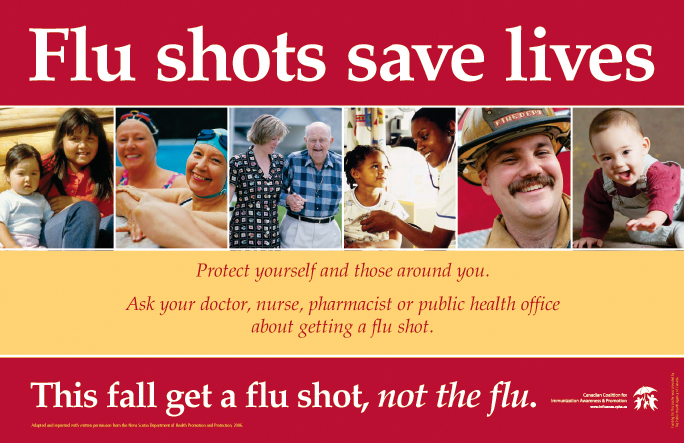
With the coverage of the Ebola outbreak in media (and even on this blog) it may have inadvertently caused unreasonable panic in the American populace. The fact of the matter is one person in the U.S. has died from Ebola. Every year, according to the CDC, more than “226,000 Americans are hospitalized with flu and approximately 36,000 die from flu-related complications.” News outlets this week quietly reported on flu vs. Ebola and offered points of clarification about both diseases as well as tips for staying well. These include getting your flu vaccination, washing hands frequently especially after using the restroom and before eating or preparing food, and avoiding touching eyes, nose, or mouth to limit spread of germs.

Times Union—“‘The reality is there are vaccinations and treatment options available for the flu that are not available for Ebola. The reason for concern is there is no magic bullet to stop Ebola,’ said [Dr.Edward] Waltz [director of the Center for Public Health Preparedness at the University at Albany]. ‘I think the most important message to get is, take action on the things that you can control. We have so many things that affect our health that we can’t control, get yourself a vaccination if it is available.’”

Medical Superbugs: Antibiotic-resistant Bacteria Carried by More than a Third of Nursing Home Residents

A study out of Melbourne, Australia, reported that more than 1/3 of nursing home residents tested were carriers of antibiotic-resistant bacteria. And this problem isn’t just plaguing other countries. In fact, a report from the U.S. Centers for Medicare and Medicaid Services found rising rates of pneumonia, urinary tract infections, viral hepatitis and MRSA. The Australian study also found that more than half of the tested residents had received antibiotics within three months of being tested. Overuse of antibiotics can lead to higher rates of superbugs or other infections like C. difficile, which can be lethal in seniors. (On a personal note, my grandmother recently died from complications after a C. diff infection.)

ABC—“‘(Our concern is) that nursing homes are acting as a kind of reservoir, if you like, of antibiotic-resistant bacteria. We know these residents have fairly frequent movement in and out of acute care institutions, and this obviously poses risks to acute care hospitals for transmission. It could be transmitted to other patients in an acute care hospital, if the resident actually has an infection they might be infected with a more resistant bacteria – they’re the two main concerns.’”

George Washington, the First Vaxxer

This week, the Daily Beast provided an excerpt from historian Tom Shachtman’s new book, Gentlemen Scientists and Revolutionaries: The Founding Fathers in the Age of Enlightenment. At a time where people are choosing to forgo vaccinations and alarm over Ebola grows worldwide, it is amazing to see George Washington—Virginian, 1st President, Founding Father, serious boss, and old fashioned speller—decide that army immunization would not only save the lives of soldiers, but indirectly safeguard a young American nation. Shachtman recounts a February 1777 letter from Washington to John Hancock, President of the Continental Congress.

The Daily Beast—“‘The small pox has made such Head in every Quarter that I find it impossible to keep it from spreading thro’ the whole Army in the natural way. I have therefore determined, not only to innoculate all the Troops now here, that have not had it, but shall order Docr Shippen to innoculate the Recruits as fast as they come in to Philadelphia. They will lose no time, because they will go thro’ the disorder while their cloathing Arms and accoutrements are getting ready.’”

This Week in Ebola

The first (and only) patient with a domestically diagnosed case of Ebola died this week in Dallas, TX amid calls, and responses, about tightening airport screening and travel restrictions. Six major American international airports have enhanced screening for travellers arriving from West Africa while airline workers at LaGuardia have protested over what they say are inadequate protections from potential Ebola exposure. In other air travel related news, a passenger was removed from a US Airways flight after joking about being infected with Ebola and a sick passenger traveling from West Africa to Newark airport does not have Ebola. A nurse in Spain did get infected with the virus this week, as other European nations fear further spread inside their countries. American Ebola survivor Dr. Rick Sacra was hospitalized and treated this week for pneumonia and another American Ebola survivor, Dr. Kent Brantly donated his blood in order to help treat an infected NBC cameraman.

Evidently one fifth of Americans, according to a Gallup poll, are concerned about getting Ebola which is causing the ‘apocalypse business’ to boom. Meanwhile, West Africans living in the U.S. are taking action to spread information within their communities about the virus and there was a wonderful piece on how Nigeria beat Ebola. Finally, CDC director Dr. Tom Frieden spoke this week on how this Ebola outbreak is like the AIDS epidemic and why he doesn’t support a travel ban to combat the outbreak. All of this comes at a point in time where the number of deaths from the outbreak has reached over 4000.

Stories You May Have Missed

Image Credit: Immunize.ca

C. botulinium’s Deadliest Toxin: To Share or Not To Share?

By Alena M. James

Two years ago, Dr. Stephen Arnon and Dr. Jason Barash discovered a new strain of Clostridium botulinum. Typical C. botulinum strains are known to express any of the seven different botulinum neuron toxins, Botulinum Toxin Types A-G.  The new strain discovered by Arnon and Barash, after studying infant botulism at the California Department of Public Health in Sacramento, was found to express neurological toxins, Botulinium Toxin Type B and a new Botulinum Toxin Type H.   Dr. Arnon and Dr. Barash published their findings of the new toxin in the Journal of Infectious Diseases in 2013, but elected to withhold from the public and the rest of the scientific community any genetic sequencing information regarding the new strain. The withholding of this information has remained a point of contention between the researchers and individuals representing various organizations wishing to study the bacteria.

After publishing a story on the case last Monday, NPR revealed that Dr. Arnon had not been engaging in scientific information sharing practices regarding the new toxin with other professionals also studying botulinum toxins. According to NPR’s coverage, Dr. Arnon remained reluctant to disseminate information on the newly discovered neurotoxin, Type H, with other scientists or with federal officials. In an article published by New Scientist, the editors of the Journal of Infectious Diseases announced that Arnon and Barash held consultations with several representatives from different federal agencies before deciding against publishing genetic sequencing information on the new stain in their scientific article.

From NPR’s coverage of this case, federal officials claim they were not responsible for the researcher’s decision to not make the genetic sequences available and never said not to publish the information. Given the lack of an antitoxin antidote available to stop the dangerous effects of the Type H toxin, many individuals desire to perform research on the strain of C. botulinum that can produce the Type H toxin. Several scientists and federal institutions have tried to request the sequences and/or live strains of Arnon’s new strain of C. botulinum. However, Arnon remains steadfast in not sharing the bacteria.

The case raises an unresolved issue that persists in the sciences. That issue is defining the parameter by which we are able to distinguish dual use research.  Dual use research in the biological sciences is research that can be performed to benefit humans, but can also be performed to harm humans. In this particular case, the Type H Toxin has been declared the most deadly toxin and has great potential to be deployed as a biological weapon.  The absence of an available antitoxin that can be administered to infected patients raises great cause for concern that the bacteria producing the toxin could be mass-produced to harm innocent people. From NPR’s story, it seems that this sentiment is shared with Type H’s discover Arnon.

Upon Arnon’s discovery of Type H, the CDC, US Army Laboratories, and DHS all expressed interest in acquiring the strain that produces this new neurotoxin. These federal institutions’ interest in studying the toxin in order to develop a cure is the same goal as numerous other scientists who want to perform research on the strain. So how does one build biodefense against a pathogen one cannot gain access?  Maybe from Dr. Arnon’s perspective, keeping Pandora’s Box closed maybe the best weapon of defense for the US against the botulinum Type H neurotoxin.


You can listen to NPR’s initial report of this story here.

Image Credit

Airborne Bird Flu Transmission: Balancing Scientific Recourse and National Security

By Chris Healey

Articles recently published in the scientific journal Cell mark the end of a long battle for one researcher in his endeavor to publish research that raises security concerns.

Ron Fouchier, a virologist with Erasmus University Medical Center in the Netherlands, published an article in Cell explaining how H5N1, the causative agent of bird flu, can be genetically modified for airborne transmission between mammals. Dr. Fouchier says his research can help prevent bird flu pandemics. However, others in the scientific community believe Dr. Fouchier will cause what he seeks to prevent.

David Relman, a researcher at Stanford University, says Dr. Fouchier is essentially giving would-be terrorists instructions on how create a deadly contagion.


The controversy began in December 2011 when the  National Science Advisory Board for Biosecurity (NSABB), a federal advisory committee composed of twenty-five members who provide expertise in areas such as molecular biology and infectious diseases, advised all scientific journals to refrain from publishing Dr. Fouchier’s H5N1 airborne transmission research.

In February of 2012, the World Health Organization released its own evaluation of the research. The WHO stated Dr. Fochier’s work had scientific value and should be shared in its entirety. Shortly after the WHO’s report, the NSABB reevaluated the research findings. In March 2012, it retracted its recommendation to refrain from publishing. The complete study, along with all its findings, was finally published in Cell on April 10, 2014.

By its nature, science is a cumulative process. Communication among professionals is essential to promote progress and mutual understanding. Experts agree scientific advancement progresses best when least inhibited by authority. Government intervention generally pushes great minds away from heavily-scrutinized areas into those less regulated.

However, national security remains a priority and precedent exists for controlling scientific literature. The Atomic Energy Act of 1946 was passed to control and restrict nuclear weapons research conducted in the United States during WWII. No similar legislation exists to prevent communication of biological findings. However, the government can take steps to restrict research with dual use findings.

Government information classification, colloquially known as identifying information as top secret, secret, or confidential, is useful for keeping government-owned information away from the public. However, research the government had no part in creating, either through federal funding or conducted by government employees cannot be given a sensitivity label.

A common practice in government funding of scientific research is the requirement of funding to be contingent upon acceptance of sensitive but unclassified contract provisions. Those provisions allow the government to have authority on whether research findings can be published.

Dr. Fouchier’s research was precarious because it was conducted in a foreign university but supported by U.S federal funds. Outside the United States, the federal government has less control over research conducted under its auspices. It is unclear if Dr. Fouchier’s research was subject to a sensitive but unclassified contract provision.

With the power of the purse, the federal government can influence research and publication decisions through threat of funding withdrawal. While federal money funds much scientific research, simply pulling funding is not a fool-proof censorship method. Private benefactors can step in for lack of government support. The government can wield no financial influence on those sources receiving no government funding, including research funded by foreign governments.

Outside of financial influence, the government can best stop publication of sensitive material through NSABB recommendation. The committee has many ties to scholarly publications and is generally well respected. Initial recommendations not to publish Dr. Fouchier’s research were very influential; it was not published until well after committee approval.

There is no straight-forward answer to questions concerning science and security dissidence. Benefits of sharing scientific research must be weighed with harm that could arise from that research.


Image Credit: James Jin/Flickr