Pandora Report 9.20.14

We are introducing a new feature for the news round up—“Stories You May Have Missed.” This final section consists of fascinating articles I’ve found throughout the week that couldn’t fit in the report. This week the round up includes the UN Security Council’s resolution about Ebola, ISIS using chemical weapons in Iraq, a surprising source to combat antibiotic resistance, and of course, an Ebola update.

Lastly, you know what time of year it is, flu season is starting…don’t forget to get your flu shot!

Have a great weekend!

With Spread of Ebola Outpacing Response, Security Council Adopts Resolution 2177

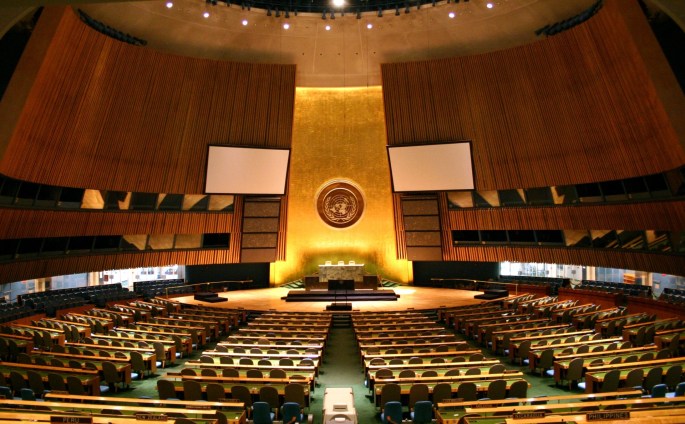
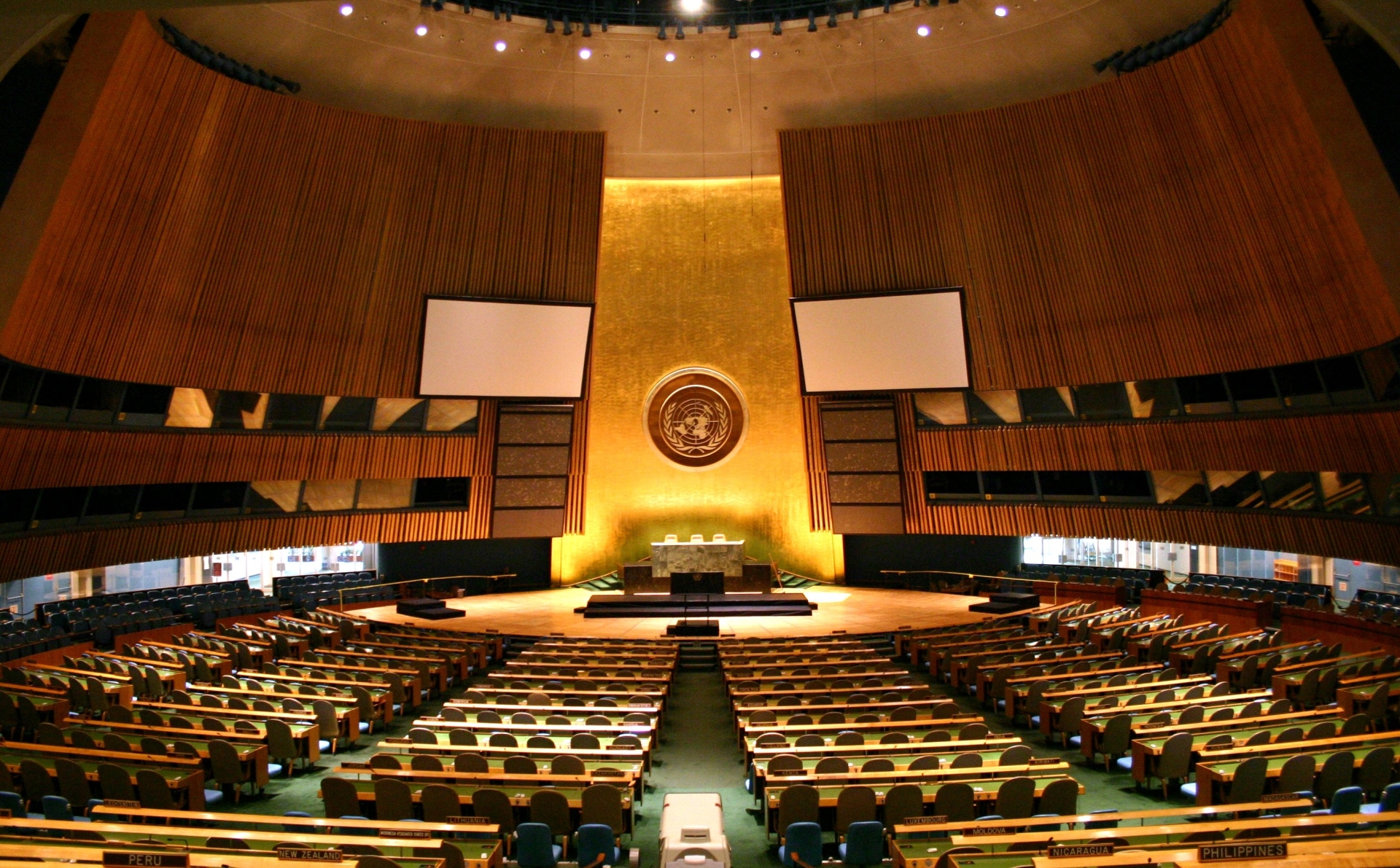
On Thursday, the United Nations Security Council met to discuss the Ebola outbreak in West Africa and unanimously adopted resolution 2177 (2014). 2177 established the United Nations Mission for Ebola Emergency Response (UNMEER) and calls on Liberia, Sierra Leone, and Guinea to speed up establishment of national mechanisms to deal with this outbreak and to coordinate efficient utilization of international assistance, including health workers and relief supplies. The resolution also calls on other countries to lift their border and travel restrictions saying that isolation of the affected countries could undermine efforts to respond to the outbreak.

The United Nations—“United Nations Secretary-General Ban Ki-Moon said that the Ebola crisis had evolved into a complex emergency, with significant political, social, economic, humanitarian and security dimensions.  The number of cases was doubling every three weeks, and the suffering and spillover effects in the region and beyond demanded the attention of the entire world.  “Ebola matters to us all,” he said.”

ISIS Uses Chemical Weapons Against Army in Iraq

There were reports this week that the IS terrorist group has used chemical weapons in an attack on the Iraqi army in Saladin province. The reported attack took place Wednesday and Thursday in Dhuluiya, which has been under control of the group for more than two months. The attack affected approximately a dozen people.

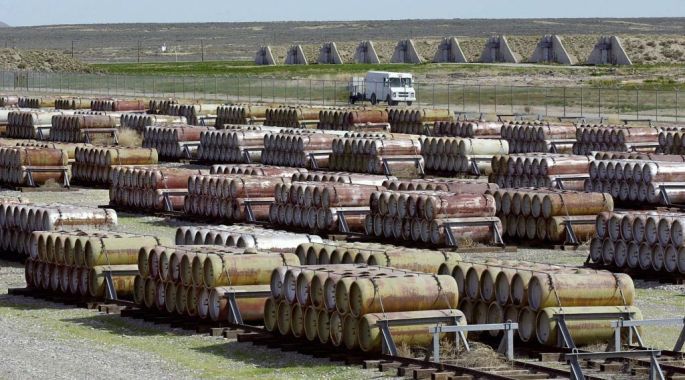
One India—“Iraq’s Ambassador to the UN, Mohamed Ali Alhakim said in a letter that remnants of 2,500 chemical rockets filled with the deadly nerve agent sarin were kept along with other chemical warfare agents in a facility 55 km northwest of Baghdad. He added that the site’s surveillance system showed that some equipment had been looted after “armed terrorist groups” penetrated the site June 11.”

Vaginas May be the Answer to the Fight Against Drug-Resistant Bacteria

A naturally occurring bacterium found by scientists from the University of California, San Francisco, School of Pharmacy might be the key to addressing the threat of a post antibiotic future. Found in the female vagina, Lactobacillus gasseri is the basis for Lactocilin, a possible antibiotic alternative. This discovery comes at a time where the WHO has declared antimicrobial resistance as “an increasingly serious threat to global public health.”

Medical Daily—“This isn’t the only implication for the L. gasseri bacteria. Researchers are also hopeful to find similar-acting bacteria in different parts of the human body. “We think they still have bacteria producing the same drug, but it’s just a different bacterial species that lives in the mouth and has not yet been isolated,” lead researcher Micheal Fischbach told HuffPost. Even though the bacteria were harvested in females, researchers are confident it will have equal results when used in men.”

This Week in Ebola

It was a terrible week for Ebola, absolutely terrible. Above, we already learned that the UN Security Council declared the virus a threat to international peace and security, but that wasn’t all that happened. President Obama pledged 3,000 troops to fight Ebola in West Africa. The WHO said that the number of Ebola cases could begin doubling every three weeks and expressed concern about the black market trade of Ebola survivors’ blood. Eight aid workers and journalists were murdered in Guinea leaving many to fear that violence could stymy relief efforts and in Sierra Leone, the government instituted a three-day lockdown in order to help health care workers find and isolate patients.

Stories You May Have Missed


Image Credit: Wikimedia

Pandora Report 7.4.14

I have to offer my apologies and my thanks. Please let me apologize for the lack of Pandora Report and the light coverage on the blog over these past two weeks. The month of June was absolutely insane between work and summer courses. Fortunately, all that craziness is finally over, so let me thank you most sincerely for your patience and understanding. With this special July 4th edition of Pandora Report, please consider things around here back to normal.

Now, onto the news!  Highlights include Syrian chemical weapon disarmament, the arrival of Chikungunya to the U.S., an anthrax incident at the CDC, an Etihad Airlines based polio campaign, and Ebola devastation in West Africa.


Syrian Chemical Weapons Transfer Complete

Earlier this week, the Pentagon reported that the transfer of Syrian chemical weapons, from a Danish cargo ship to the U.S. vessel that will neutralize and destroy the weapons, is complete. The weapons and associated materials were transferred to the Cape Ray, which will travel from Italy into international waters where the weapons will be dismantled and neutralized. The Pentagon press secretary Rear Admiral John Kirby reported that the process should take several weeks to complete.

Al Arabiya News—“The disposal process marks the culmination of a program to rid Syria of its chemical weapons stockpile after the outcry that followed chemical attacks by the Bashar al-Assad regime in the suburbs of Damascus on August 23 last year, that may have killed as many as 1,400 people.”

Polio Awareness Videos to be Shown on Flights to Pakistan

Much of my month of June was spent at Dulles airport, so I might be more excited about this story than your average person, but get ready for the coolest news story you have likely ever read about an airline! United Arab Emirates based Etihad Airlines, in response to the polio epidemic in Pakistan, will show a short in-flight movie on all their flights to Pakistan. Etihad said that the goal of the movie, titled “Leap of Faith,” is to raise awareness about “this crippling and potentially fatal disease among thousands of Pakistani workers returning home to visit their families.”

Business Standard—“‘By showing this engaging story on board our flights, Etihad Airways is supporting the efforts of the UAE in helping to eradicate polio in Pakistan,” said James Hogan, President and Chief Executive Officer of Etihad Airways.

Asif Durrani, Pakistan Ambassador to the UAE, said, “With approximately 1.25 million expatriate Pakistanis in the UAE, this is a perfect opportunity to educate our people during their journey home and ultimately help in the overall eradication of this terrible disease in our country.’”

CDC Reassigns Director of Lab Behind Anthrax Blunder 

According to the Centers for Disease Control and Prevention, sometime between June 6 and 13, up to 84 lab employees at the headquarters in Altanta, were possibly exposed to anthrax. The possible exposure, which was caused by technicians not following laboratory protocol, resulted not only in employees taking powerful antibiotics as prophylactics but also in the reassignment of the head of the Bioterror Rapid Response and Advanced Technology Laboratory, Michael Farrell, while the incident is investigated.

Reuters—“CDC spokesman Skinner on Sunday said the bioterror lab sent the anthrax bacteria to other labs in closed tubes. The recipients agitated the tubes and then removed the lids, raising concerns that live anthrax could have been released into the air.”

Mosquitos Carry Painful Chikungunya Virus to Americas

Chikungunya, a viral disease spread by the same mosquitos that spread Dengue fever, has made its way to the Americas. Fortunately, the type of mosquito that spreads the viruse, the Aedes aegypti, is not native to the United States. However, its close breed “cousin” Aedes albo, lives as far north as Chicago and is believed to be able to spread Chikungunya.

National Geographic—“There is no vaccine or medication that can change the course of the disease, though patients are given painkillers and told to drink a lot of fluids….To avoid getting chikungunya while staying in affected areas, take the usual precautions against mosquitoes: Wear long sleeves, use repellents, and keep outside areas free of standing water where mosquitoes can breed.”

West Africa Ebola Epidemic is ‘Out of Control’

With a current death count of 467, the Ebola outbreak affecting Guinea, Sierra Leone, and Liberia has become dire. Doctors without Borders’ (MSF) Director of Operations said “the epidemic is out of control.” He continued, “we have reached our limits. Despite the human resources and equipment deployed by MSF in the three affected countries, we are no longer able to send teams to the new outbreak sites.”

The Huffington Post—“The outbreak of the deadly disease is already the largest and deadliest ever, according to the WHO, which previously put the death toll at 399 as of June 23, out of 635 cases. The 17 percent rise in deaths and 20 percent jump in cases in the space of a week will add urgency to an emergency meeting of 11 West African health ministers in Accra, Ghana on Wednesday and Thursday, which aims to coordinate a regional response.”


Image Credit: Wikimedia Commons


From the Pandora Report and all of us at the George Mason Biodefense program, we wish you a happy and safe Independence Day!!

The Elimination of Syria’s Chemical Weapons: Beginning of the End or End of the Beginning?

Ahmet Üzümcü, Director-General of the OPCW, has announced that the last shipment of chemical warfare agent precursors has been loaded onto the Danish ship Ark Futura at the Syrian port of Latakia. Syria is now officially free of chemical weapons.

The OPCW deserves a lot of credit (and yes, the Nobel Peace Prize) for its Herculean efforts to disarm Syria of its chemical weapons in the middle of a civil war. While this final shipment closes a chapter on the elimination of Syria’s chemical weapons program, it does not mean the story is over. Here are five things to keep in mind before we break out the “Mission Accomplished” banner.

First, Syria should have completed this final shipment over four months ago. The OPCW’s original deadline for removing all chemicals from Syria was February 5, The delay was due to the civil war, Syria’s use of the stockpiles as a bargaining chip, and domestic politics (Syria stopped making shipments during the Syrian presidential election).

Second, the process of actually destroying these chemicals, which is supposed to be completed by June 30, has only just begun. The most dangerous chemicals, including mustard agent and sarin precursors, will be destroyed on board the MV Cape Ray. It is estimated it will take the Cape Ray between 60 and 90 days to complete its mission but since this is an unprecedented at-sea chemical destruction process, the process could take even longer depending on the weather and unforeseen technical issues.

Third, the OPCW has only eliminated Syria’s declared stocks of chemical agents. During April and May 2014, rebels reported over a dozen attacks by government forces with air-dropped barrel bombs filled with chlorine. Although chlorine is not one of the chemicals that Syria was required to declare, the use of any chemical as a weapon is outlawed by the Chemical Weapons Convention. Just last week an OPCW fact-finding mission found that “toxic chemicals, most likely pulmonary irritating agents such as chlorine, have been used in a systematic manner in a number of attacks.”

Fourth, Syria has still not destroyed 12 chemical weapon production facilities located in aircraft hangars and in underground tunnels. Syria was supposed to have destroyed these facilities over three months ago but has been dragging its feet while insisting on the right to disable, instead of demolish, the facilities.

Fifth, serious questions are starting to emerge about “gaps and inconsistencies” in Syria’s declaration of its chemical weapon program to the OPCW. Syria’s repeated delays in removing its chemical stockpile, refusal to destroy chemical weapon production facilities, and continued use of chemical weapons does not inspire confidence that it is in compliance with other aspects of the CWC. Now that the last of the declared chemicals are out of Syria, the OPCW will have more time and energy to devote to verifying the accuracy and completeness of Syria’s declared chemical weapon research, development, testing, production, and storage. Priority should be given to the 200 tons of mustard agent that Syria reportedly destroyed unilaterally before joining the CWC, Syria’s possession of the Volcano rocket which has been implicated in the August 2013 sarin attack, and Syria’s use of chlorine-filled barrel bombs.

To paraphrase Winston Churchill, this is not the beginning of the end of efforts to eliminate Syria’s chemical weapons, but the end of the beginning.

Pandora Report 06.01.14

Highlights include Ebola research at UVA, No person-to-person MERS transmission in the U.S., Syria’s inability to meet deadlines, and the continuing negative impact of Anxi-Vaxxers.  Have a great Sunday!


Ebola’s Fist: UVA Unlocks How Deadly Virus Smashes into Human Cells

Further proving the superiority of public universities in Virginia, researchers at the University of Virginia School of Medicine have discovered how the Ebola virus enters the cytoplasm of human cells. This discovery comes at a critical time when Ebola is still raging in West Africa.

Augusta Free Press—“UVA’s new discovery offers important insight into how the virus works its way into cells. After the virus is engulfed by the cell, it is contained within a vesicle where it can do no harm. But Ebola quickly escapes the vesicle, and now scientists understand how. UVA researcher Lukas Tamm, PhD, of the Department of Molecular Physiology and Biological Physics, and his team discovered that the pH level inside the vesicle triggers the surface glycoprotein on the virus to form a “fist” that lets the virus punch its way into the cell’s cytoplasm, where it can effectively turn the cell into a factory for virus production.”


Nevermind! It Turns Out the Guy Who Tested Positive for MERS Doesn’t Have it

Everyone can breathe a sigh of relief! It turns out that the Illinois man who tested positive for MERS after shaking hands with an infected man never really had it. The tests used for diagnostics registered a false positive. This means that the only cases of MERS in the United States have been imported and have not passed through person-to-person transmission.

ABC News—“‘There is good news here,” ABC News chief health and medical editor Dr. Richard Besser said. “It was concerning that this man supposedly got infected through minimal contact – a couple of meetings and a handshake. Now that it’s clear that he was not infected, we’re back to a situation where those who have been infected have either been health care workers caring for MERS patients or close contacts, often family members.’”


Syria Set to Miss Deadline for Chemical Weapons Destruction

During the past week not only was a chemical weapons inspection team ambushed and held captive in Syria, but reports are coming out that the Syrian government will not meet the June 30, 2014, deadline for removal and destruction of their chemical weapons arsenal.  UN Secretary General, Ban Ki-moon, also voiced concerned about allegations that chlorine gas has been used in recent fighting in Syria.

The Moscow Times—“The Syrian government has missed several deadlines, most recently its own promise to hand over the remaining chemicals by April 27. It has also failed to destroy a dozen facilities that were part of the chemical weapons program. The government has blamed those failures on security problems and rebel activities, but Western officials have voiced skepticism about those explanations.”


The New Measles Outbreak: Blame the Anti-Vaxxers

This week, the Centers for Disease Control and Prevention released a report that new measles cases in the United States are at a 20 year high for the first five months of 2014.  The CDC reports that 97% of measles cases have been imported by people who have travelled to other countries and brought the disease back with them and that 90% of the infections have occurred among unvaccinated individuals. In his scathing Time piece, Jeffrey Kluger highlights the worldwide struggle to eradicate polio and the capriciousness of those in the U.S. choosing to not be vaccinated against preventable, and long-dormant, diseases.

Time—“Make no mistake, the measles outbreak in the U.S. is an act of choice, of election, of a decision to get sick—or a decision by parents to put their children at risk. Fully 90% of the new cases are among people who are unvaccinated or whose vaccination status is unknown. And nearly all of those people are unvaccinated for personal, philosophical or religious reasons—as opposed to any medical condition that requires them to avoid vaccines. This is true too of recent outbreaks of mumps and whooping cough, and of the dangerously declining rate of vaccination in the U.S. overall. Nearly all of that folly can be blamed on the rumors and outright lies that continue to be spread about various conditions vaccines are said to cause—autism, ADHD, vaguely defined immune system disorders and on and on depending on which celebrity or health faddist is telling the tale.” 


Image Credit: Wikimedia Commons

Pandora Report 4.11.14

Ebola is still raging in West Africa and experts are planning for a long battle, however, every week can’t be about Ebola. So let’s jump into it!

Highlights include The START treaty, Chemical Weapons in Syria, H1N1 in otters and public outcry over Chilis (but not their baby back ribs.) Have a great weekend!

New START Data Show Russian Increase, US Decrease Of Deployed Warheads

With many Russia watchers nervously waiting to see if moves are made towards Ukraine, new data this week shows that Russia has actually increased their counted deployed strategic nuclear forces since September 2013 under the START treaty. Under the new treaty, by 2018, both Russia and the U.S. agree to no more than 1,550 strategic warheads on 700 deployed launchers. Russia has been under this limit since 2012—before the treaty was even signed—while the U.S. has yet to reduce below the treaty limits.

Federation of American Scientists– “Since the treaty was signed in 2010, the United States has reduced its counted strategic forces by 104 deployed launchers and 215 warheads; Russia has reduced its counted force by 23 launchers and  25 warheads. The reductions are modest compared with the two countries total inventories of nuclear warheads: Approximately 4,650 stockpiled warheads for the United States (with another 2,700 awaiting dismantlement) and 4,300 stockpiled warheads for Russia (with another 3,500 awaiting dismantlement).”

Another Chemical Weapons Attack in Syria?

 After Syria signed a chemical weapons dismantlement agreement in September 2013 (brokered by Russia, the U.S. and the UN), it appears they have reneged on their word. Reports from “credible” sources say that there have been chemical weapons attacks in the cities of Harasta and Jobar over the past couple weeks. With the eyes of the world on Russia and Ukraine, and U.S. naval destroyers loaded with tomahawk missiles departed from the Mediterranean, Assad may be benefitting from a lack of international oversight.

The Wall Street Journal-“There is no credible evidence to suggest that rebel groups in the Damascus area have acquired the materials or know-how to mount chemical weapons on conventional artillery pieces in their possession. It can therefore be concluded that unless the rebels theatrically fabricated the effects of a chemical attack, the Assad regime was likely responsible for carrying them out. Notably, on March 25, Syria’s U.N. Ambassador Bashar Ja’afari distributed a letter specifically warning that rebels would use chemical weapons in Jobar in order to blame the government. But if any party in the conflict would be prone to such conspiracy, it would be the Assad regime, whose decades of tutelage under the Russian KGB made their Mukhabarat (secret service) frighteningly efficient at false-flag tactics meant to smear the opposition.”

Swine Flu From 2009 Pandemic Also Struck Sea Otters

Turns out, the H1N1 pandemic from 2009 didn’t only affect humans…it affected otters! New research shows that otters off the Western coast of the United States were also infected with H1N1 as it affected people throughout the U.S. Seventy percent of the otters tested in 2011 showed antibodies (demonstrating previous infection) for H1N1. Previous research also showed that elephant seals living off the coast of California had been infected with H1N1 too.

U.S. News and World Report-“‘Our study shows that sea otters may be a newly identified animal host of influenza viruses,” study-co-author and USGS scientist Hon Ip said in a government news release. “We are unsure how these animals became infected,” lead author and CDC scientist Zhunan Li said in the news release. “This population of sea otters lives in a relatively remote environment and rarely comes into contact with humans.” The study was published in the May issue of the journal Emerging Infectious Diseases.”

Chili’s cancels fundraiser with National Autism Association

Last weekend, my favorite mid-range American restaurant, Chili’s announced that they would be partnering with the National Autism Association for a benefit on Monday, April 7. However, outcry over the NAA—and its anti-vaccination stance—forced Chili’s to change its mind (and continue to keep my business.) It is a striking demonstration of the power of consumers and social media and strikes a victory for those in favor of vaccinations and the good they bring to communities and herd immunity.

CNN-“The Chili’s spokeswoman said that the NAA was originally selected for the fundraiser “based on the percentage of donations that would go directly to providing financial assistance to families and supporting programs that aid the development and safety of children with autism.”

Chili’s, which is owned by Brinker International (EAT), went on to say, “While we remain committed to supporting the children and families affected by autism, we canceled Monday’s Give Back Event based on the feedback we heard from our guests.”’


(image courtesy of Wikimedia Commons/ Dave Bezaire & Susi Havens-Bezaire)

Destroying Chemical Weapons: A Highly Political and Technological Process

By Alena M. James

With tensions escalating between the western powers and Russia, the crisis in Ukraine has absorbed much of the international community’s attention these past few weeks. In doing so, the civil war in Syria and its efforts in cleaning up its chemical weapon’s arsenal have been placed on the backburner.  In a report titled, Russia-U.S. Tensions Could Stall Syrian Chemical Weapons Removal, NPR discussed the significance of the joint efforts of the US and Russia to get Bashar Al-Assad on board with committing to the Chemical Weapons Convention and destroying Syria’s chemical weapons stock piles.  Now that the diplomatic relations between the western powers and Russia have soured, many worry about a delay in Syria’s commitment to eradicating its chemical weapons. The possibility of such an event taking place highlights the importance of the political aspect involved in ensuring chemical weapons cleanup.

Recently, the Organization for the Prohibition of Chemical Weapons announced that approximately half of the Syrian chemical weapons stock piles have been removed in the past few months—an accomplishment that has taken the US decades to move towards. The OPCW also announced that it intends to destroy all of Syria’s chemical weapons by June 30, 2014.  Such a goal appears incredibly ambitious and critics remain skeptical of this goal being achieved in the allotted amount of time due to the stressful international relations surrounding Syria and Russia.

Over the weekend, Turkey shot down a Syrian fighter jet after accusing Syria of violating its airspace, an act which is likely to further increase heightened tensions in the region and distract from the weapons cleanup process. Prior to the Ukrainian Crisis and Russia’s annexation of Crimea, the US and Russia had played significant roles in the physical removal of the chemical weapons from the civil war torn state.  Russia provided security measures and the US provided transportation and decontamination equipment to help destroy the stockpiles.  The cleanup process was already a little behind schedule before relations between Russia and the US spiraled downward. Now with sanctions from the US and Europe against Russia, many fear that Russia will no longer provide the political support needed to influence Syria to continue removing the remaining stock of chemical weapons.

Presently, the western powers have already criticized Syria for its inability to meet earlier deadlines of chemical weapons removal.  While the delay can be linked with the current toxic political climate, lessons learned from the US’ chemical cleanup efforts suggest that years and even decades are necessary to safely cleanse a state of its chemical weapons arsenal leaving other factors to be considered as to why the cleanup process may not reach the June 30th deadline.

In a recently published article, “Deadly chemical weapons, buried and lost, lurk under U.S. soil,” The Los Angeles Timesreports on the US’ failure to destroy its own chemical weapons stockpiles dating back to World War II and acknowledges the existence of hundreds of chemical weapons still needing to be processed. According to the report, the US has more than 200 burial sites which include chemical agents such as mustard agents, blister agents, and nerve agents, like tabun produced by Nazi Germany.

Following the end of WWII, the US became the Goodwill Collection Center for the German, Japanese, and British chemical weapons stockpiles.  While some of the stockpiles were burned, the majority of the weapons were buried at the different sites around the country.  Sites located in Alabama and in Washington, DC received hundreds of chemical agents that were to be disposed of without any consideration of the possible environmental impact. Disposal methods also failed to consider the necessity of maintaining complete inventories of site locations, types of agents buried, or the amount of materials buried. In essence, the US does not know where all of the sites are until a civilian reports the presence of an odd looking canister of weapons ammunitions floating up on shore or sticking out of a garden in someone’s backyard in Northwest Washington. The lack of foresight regarding the destruction of chemical weapons at the end of WWII, has left future generations to deal with these issues; which presents a major challenge for cleanup efforts.

Director of Green Cross International’s Environmental Security and Sustainability program, Paul Walker, acknowledges several other challenges involved in the chemical weapons cleanup process.  According to Walker, the technology selected to destroy chemical stockpiles must be politically acceptable by the community where the stockpile is being destroyed. The disposal technologies and strategies employed must ensure minimal impact on public and environmental health. The communities must be a part of the dialogue when planning for the development of decontamination facilities. Alternative methods to incineration must be sought. State investments in poor communities where multibillion dollar chemical cleanup operations are taking place need to continue, and open dialogue to build consensus, address issues, and obtain proper environmental permits also needs to take place.

Dr. Duane Linder, Director of Sandia National Laboratories, also acknowledges the importance of seeking new decontamination strategies due to environmental impacts. The primary methods of chemical disposal used to be “burn it, bury it, or dump it.” Now the approaches used to disengage these weapons and the materials used to fabricate the weapons focus on the use of a process called hydrolysis, a method where hot water is added to alter the molecular arrangement of the agent. While this process helps to neutralize the agent, hazmat chemical waste is still generated but is not as toxic as the original agent. The Field Deployable Hydrolysis System, is a US built chemical destruction system that operates using the hydrolysis process.  The unit has been an incredible instrument involved in destroying Syria’s chemical weapons.

Although still facing numerous challenges, Syria seems to possess the technologies needed to reach OPCW’s June 30th cleanup deadline. However, only time will tell if the international political dichotomy between the West and Russia will impede the process.


Image Credit: Todd Lopez, defenseimagery.mil

Pandora Report 3.21.14

BREAKING NEWS

Positive Tests for Ricin at Georgetown University

Earlier this week, a white, powdery substance that tested positive for ricin, was found in a dorm room at Georgetown University. The 19 year-old student suspect who lived in the room reported that he made it and the Georgetown Voice spoke with a source who indicated the suspect possibly “intended to use the substance on another student.” Weapons-grade ricin is an extremely lethal toxin that has no available anti-toxin.

The Washington Post– “In an e-mail sent campus-wide, the university said there was no danger to the community. Law enforcement officials said they did not think that the case was connected to terrorism. School officials received no reports of anyone being exposed to the toxin, authorities said. D.C. health officials advised the school that symptoms of ricin exposure typically present themselves within 24 hours. “This window has passed and there are no reports consistent with ricin exposure,” the statement said.”


And now, our regularly scheduled Friday news…

Highlights include Polio-like virus in California, destruction of Syrian chemical weapons, the cost of Anti-Vaxxers, and domestic illness in pigs (or…the end of bacon?!) Happy Friday and have a great weekend!

Doctors continue the hunt for a Polio-like virus in California

Since September 2012, over two-dozen children in California have displayed symptoms of a rare Polio-like illness that has caused sudden paralysis, while doctors and health officials are still hunting for the cause. One possible suspect may be some sort of enterovirus, but more testing is required as the mystery continues.

San Francisco Chronicle—“Viruses can be difficult to detect after patients have been sick for a couple of weeks, and especially if they’ve already undergone treatment that can muddy test results. In the California cases, most children weren’t tested until many weeks or even months after they became sick. Waubant, a UCSF neurologist, said she is hoping to get funding to conduct immunoglobulin testing, which would determine whether the patients with polio-like illness have certain antibodies suggesting that they’d all been infected with the same virus.”

PEDv threatens future of pork industry

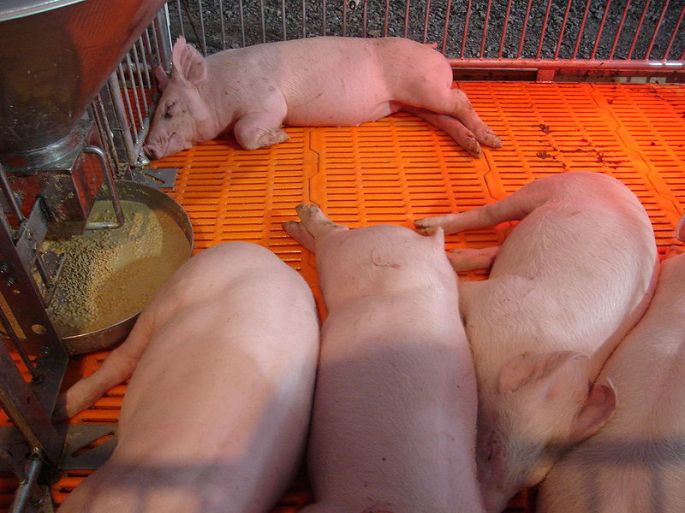
Are the days of available bacon coming to an end? A report coming out of the Dakotas paints a scary picture of the effect porcine epidemic diarrhea virus is having on the entire domestic pork industry. PEDv is a relatively new disease afflicting pigs but is has become widespread and with little known about the virus containment has become a top priority of both the pork industry and scientists.

Farm Forum—“‘PEDv has a significant economic impact,” Dr. Oedekoven, South Dakota State veterinarian said. “There is a high death rate in the naïve (newborn) population where 80 to 100 percent death losses are reported. The young piglets have no natural immunity and there is no vaccine. It’s a pretty terrible recipe. Biosecurity and sanitation are the tools being used in the industry to prevent the introduction of the disease into herds.’”

A Medical opinion on the anti-vaccination movement

With celebrities like Jenny McCarthy and Kristin Cavallari appearing in the media on an almost daily basis loudly championing the virtues of being “anti-vaxxer,” a medical doctor weighs in on the cost of that movement.

Forbes—“The result is an erosion in health gains, both individual and collective. And in some parts of the country, we are witnessing a reversal of what many believe is one of the greatest advances in medical science in the last century. And as a society, before we allow misinformation to threaten public health, we must recognize that vaccines today are safe and effective. Anything less is irresponsible. We owe it to our children and our communities to make vaccination universal.”

Will Syria meet the deadline for chemical weapon disarmament?

A deadline of June 30 has been set for Syria to hand over and destroy their chemical weapons arsenal. However, there are concerns that rocket strikes in Syria could delay this process and means the deadline will pass without completion.

Al Bawaba—“The Syrian government has repeatedly blamed security issues for its failure to meet the specified deadlines for removing its chemical weapon stockpile from the country. Damascus said last month that convoys carrying chemical weapons were subject to two attempted attacks while they attempted to transport the materials to Latakia.”

But, the U.S.-Russian brokered deal is not in danger, Russian authorities say.

ITAR/TASS—“‘We are not inclined to dramatize the fact that the milestone for their removal, February 5 this year, was not met, as it was planned by the decision of the Executive Council of the Organization for the Prohibition of Chemical Weapons (OPCW),” the ministry said. “It can be explained by the objective security situation around chemical weapons storage facilities and on the route of convoys’ movement, as well as by problems related to the logistical support of the operation. However, there is no reason at all to call into question the deadline for the liquidation of the Syrian chemical weapons potential – the first half of the current year.’”

(image courtesy of Wikimedia Commons)

Pandora Report 3.14.14

Editor’s note: As Managing Editor, I know my job is never done because the news never stops. As a social scientist, I know there is always more than one side to any story. As such, before we get into the news roundup for March 14, here are two follow up articles from our report last week.

Mount Sinai Scientists Discover How Marburg Virus Grows in Cells

Last week we learned about BCX4430, a drug that could possibly treat Marburg virus. This week, news coming out of Mount Sinai in New York outlines further research findings on the virus that can lead to greater understanding or possible development of virus inhibitors. The full findings of this research are available at Cell Reports.

Newswise — “A protein that normally protects cells from environmental stresses has been shown to interact Marburg virus VP24, allowing the deadly Marburg virus to live longer and replicate better, according to a cell culture study led by scientists at the Icahn School of Medicine at Mount Sinai. The investigators say that deciphering the molecular details of how Marburg virus and the host protein interact may help in developing inhibitors of the virus.”

Nazi Scientists May Have Plotted Malaria Mosquito Warfare (Redux)

As was pointed out by our eagle-eyed reader Jean Pascal Zanders, there, of course, is disagreement about the supposed Nazi insect weapons program. Jean writes about it on his blog, and GMU Biodefense’s own, Dr. Gregory Koblentz, is incredulous.

National Geographic – “‘Research to assess the threat posed by different biological agents and vectors, such as May’s research on mosquitoes and malaria, is especially hard to categorize as offensive or defensive,’ Koblentz says. ‘Even if May’s intent was offensive, it was very preliminary-many steps away from actually producing a viable insect-borne biological weapon.’”


And now for our regularly scheduled Friday news…

Highlights include Project BioShield, Destruction of Syrian chemical weapons, and  Clostridium difficile with antibiotics. Happy Friday!

The Only Thing Scarier Than Bio-Warfare is the Antidote

Should we be afraid of bio-terror or bio-error? In this massive, front-page Newsweek story, the author looks at the creation of the Project BioShield Act and its resulting effects including the Public Readiness and Emergency Preparedness Act and increased availability of biological threat agents used for scientific research. The Soviet bioweapons program, BSL-4 labs, and the intersection of science and government are also addressed.

Newsweek – “Though BioShield’s initial goals made sense when the threat of biological warfare seemed imminent, the act may have permanently undermined some of the essential protections against unsafe practices in at least one area of science research: the regulations that keep untested drugs off the market, and labs from leaking deadly biological agents into the environment.”

Greeks protest against Syria chemical weapon destruction at sea

Under the UN Security Council backed deal to deal to destroy Syria’s chemical weapon arsenal, provisions are included for this to happen aboard a U.S. cargo ship in the eastern Mediterranean Sea.  Under the plan, hydrolysis systems aboard the ship are to mix heated water and other chemicals to break down the lethal agents, resulting in a sludge equivalent to industrial toxic waste. This plan has prompted protests in Italy, Malta, and Greece despite assurances there will be no negative impact on the surrounding environments.

Agence France-Presse – “‘If this happens it will obliterate the island’s economy, will pollute the sea and will lead the people of the Mediterranean to a grim future.’ Pavlos Polakis, mayor of the city of Sfakia told AFP.”

Severe diarrheal illness in children linked to antibiotics prescribed in doctor’s offices

According to the CDC, an overwhelming percentage of cases of pediatric Clostridium difficileinfection occur in children who were prescribed antibiotics during the 12 weeks prior to illness for unrelated conditions—such as ear, sinus, or upper respiratory infections.  C. difficile is a bacteria that causes severe diarrhea and is potentially life threatening.

CDC – “Taking antibiotics is the most important risk factor for developing C. difficile infections for both adults and children.  When a person takes antibiotics, beneficial bacteria that protect against infection can be altered or even eliminated for several weeks to months. During this time, patients can get sick from C. difficile picked up from contaminated surfaces or spread from a health care provider’s hands.”


(image courtesy of CDC/James Gathany)

The Pandora Report 12.13.13

Highlights include pneumonic plague in Madagascar, ricin as a biological weapon, H7N9 in live markets in Hong Kong, Myanmar’s ratifying the BWC, and destroying sarin at sea. Happy Friday!

Madagascar hit by ‘pneumonic and bubonic plague’

In addition to the death of approximately 20 villagers who died of bubonic plague last week, a further two cases of pneumonic plague have been discovered. Pneumonic plague can be spread via aerosol. It must be treated within 24 hours; any later and the fatality rate approaches 100%. Understandably, there is concern amongst health officials in Madagascar that the disease will spread to neighboring villages and towns.

BBC – “Pneumonic plague is caused by the same bacteria that occur in bubonic plague – the Black Death that killed an estimated 25 million people in Europe during the Middle Ages. But while bubonic plague is usually transmitted by flea bites and can be treated with antibiotics, pneumonic plague is easier to contract and if untreated, has a very high case-fatality ratio, experts say. Madagascar’s health ministry director-general Dr Herlyne Ramihantaniarivo confirmed to the BBC that two cases of the plague had been reported”

Texas woman pleads guilty to ricin letters sent to Obama, Bloomberg
A Texan woman has been charged in the case involving ricin-laced letters sent to President Obama and Mayor Bloomberg. We’ve discussed the debate surrounding the classification of  ricin as a weapon of mass destruction before, so we do think its interesting they’ve charged her with use of a biological weapon.

CNN – “A Texas woman pleaded guilty Tuesday to a biological weapons charge after she was accused of sending ricin-laced letters to President Barack Obama and New York City Mayor Michael Bloomberg, prosecutors announced. Shannon Guess Richardson, 35, pleaded guilty to possession of a toxin for use as a weapon, prosecutors said in a statement. She could be sentenced to up to life in prison. A sentencing date has not yet been scheduled. Richardson, an actress, was accused of sending the letters earlier this year.”

Shenzhen Finds H7N9 Flu Virus in Markets Near Hong Kong
Three of 70 samples taken from 13 of Guangdong’s  live poultry market have tested positive for H7N9. For some reason, one of the vendors whose stall tested positive for H7N9 was still allowed to sell chickens. China is usually extremely vigilant concerning containment and effective biosurveillance, so the hesitation to shut the live poultry markets is a little baffling.  However, the stalls are  apparently being disinfected daily.

Bloomberg Businessweek –  “The 12 live poultry stalls at the Hengan Paibang market in Longgan district, one of the markets where authorities found a positive sample, were open today. The stalls get their chickens from the Buji Poultry Wholesale Market in Longgan, according to the market’s manager. ‘There’s been no order yet to shut down,’ said Zhang Jinghui, manager of the Paibang market. ‘We need to wait for instructions from the village committee. We are disinfecting the stalls everyday.’ About 30 chickens, ducks, pigeons and geese were stored in metal cages at his stall, next to a shed for slaughtering the poultry and a metal-spinning vat for defeathering.”

Myanmar Prepares to Ratify Chemical, Biological Weapons Treaties
While Myanmar, formerly known as Burma, has signed both the Chemical Weapons Convention and the Biological Weapons Convention, it has yet to ratify either treaty. There is still some debate over whether the military junta previously in charge had used chemical weapons on the rebels. Myanmar has been cooperating with IAEA inspectors to increase overview of its nuclear program.

Radio Free Asia – “Myanmar’s government asserts the country has no chemical, biological, or nuclear weapons programs. But ethnic armed rebel groups including the Kachin Independence Army (KIA) have accused the Myanmar military of using chemical weapons as recently as last year in their long-running war in the country’s borderlands. In the 1980s and early 1990s, the U.S. government voiced suspicions of a possible chemical weapons program under the military junta in Myanmar, naming China and North Korea as possible suppliers. Since then the U.S. has been less vocal in its concern about the issue. According to global security nonprofit organization the Nuclear Threat Initiative, there is currently ‘no evidence’ to suggest Myanmar has a chemical weapons program.”

Scientists raise alarm over plan to destroy Syria’s chemical weapons at sea
The Department of Defense’s plan to neutralize Syria’s chemical weapons, through hydrolysis, at sea, is coming under sharp criticism. The use of the technology at sea is unprecedented, and requires a tremendous deal of very careful estimating. Of course, when dealing with agents like sarin and VX, very careful estimating is not always enough. News of the criticism comes at the same time as the UN confirmed the repeated use of chemical weapons in the Syrian conflict. 

Washington Times – “‘There’s no precedence. We’re all guessing. We’re all estimating,’ said Raymond Zilinskas, director of the Chemical and Biological Weapons Nonproliferation Program at the James Martin Center for Nonproliferation Studies, who worked as a U.N. biological weapons inspector in Iraq in 1994. ‘For example, you don’t know if the sarin is pure. The Iraqi sarin was rather impure, and had a lot of contaminants, and we don’t know if that’s amenable to hydrolysis,’ said Mr. Zilinskas, a professor at the Monterey Institute of International Studies at Middlebury College. Under the Pentagon plan, the toxic stockpile would be transported to the Syrian port of Latakia, loaded onto a non-U.S. vessel and shipped to a third country. From there, a U.S. cargo ship would take the arsenal to sea for destruction. Richard M. Lloyd, a warhead technology consultant at Tesla Laboratories Inc. who tracks weapons being used in Syria, said he has little confidence in the regime’s ability to transport the weapons safely.”

In case you missed it
Drug Resistant H7N9 Retains Pathogenicity

(image: Wmeinhart/wikimedia)

The Pandora Report 11.15.13

Highlights include H7N9 vaccines, using bacterial toxins as antibiotics, updated numbers for the Mexican cholera outbreak, the dolphin morbillivirus, Albania refusing to host the Syrian CW arsenal, H6N1, and MERS in camels. Happy Friday!

Vaccines for H7N9 Ahead of Pandemic Fears
As the Northern Hemisphere braces for winter, fears of a resurgence of H7N9 cases are rising. Although the cooler weather has brought a few new cases, it’s still to early to tell whether another large-scale outbreak is imminent. Luckily, both Novartis and Novavax have developed vaccines capable of eliciting strong immune responses to H7N9. The Novavax vaccine generated a significant immune response in 81% of study participants, while the Novartis vaccine generated an 85% response. The real story is the time frame – it took both companies just a few months to have a viable vaccine in clinical trials, which is both impressive and encouraging should an outbreak occur.

Fierce Biotech – “Novartis and partners at the Craig Venter Institute in San Diego were able to launch a clinical trial in August after the virus was identified in March. The project was funded by BARDA. The H1N1 scare back in 2009 spurred a global, multibillion-dollar effort to stockpile vaccines. The campaign highlighted just how long it took to develop and manufacture new vaccines and then spurred a backlash after governments around the globe rushed to buy stockpiles only to see the threat evaporate. In Europe some health officials accused pharma companies of capitalizing on the fear of a lethal pandemic, and memories of the controversy will likely influence any new moves to guard against a new outbreak. This winter’s alarm may also fizzle, but these companies have demonstrated that new vaccines can be developed in record time.”

Bacterial Toxins Suggest New Antibiotic Targets
A group of researchers at MIT have found a bacterial toxin which may result in the development of novel antibiotics. The toxin, SocB, is used as a part of the toxin/antitoxin interplay by Caulobacter crescentu to check bacterial growth if necessary. It binds to a highly conserved protein, DnaN, suggesting the possibility of developing new, broad-spectrum antibiotics.

Bio-IT World – “To regulate their own growth and proliferation, bacteria maintain an intricate network of toxin-antitoxin (TA) systems, in which they produce a mix of toxins and targeted antitoxins that can skew toward a disruptive level of toxins in poor environmental conditions to limit growth. Some bacteria have been found to contain as many as 50 of these TA systems, all prepared to check bacterial growth should anything trigger a reduction in antitoxins…[SocB] inhibits replication in Caulobacter crescentus by binding to a protein that participates in numerous crucial reactions in the replisome, playing roles in mismatch repair, translesion synthesis, and especially DNA replication itself.”

WHO: Update on Cholera Outbreak in Mexico
The cholera outbreak which began in September is continuing apace in Mexico, with four cases in the last week bringing the total laboratory-confirmed case count to 180. The majority of the cases are concentrated within the state of Hidalgo, just north of Mexico City. This is the first outbreak of cholera in Mexico in over a decade. The strain is 95% identical to that of the Haitain outbreak, which was caused by an influx of infected UN aid workers following the 2010 Haitian earthquake. The Haitian outbreak, described as the “worst in recent history” by the CDC, is ongoing, with 684,085 cases to date.

WHO – “The health authorities of Mexico continue to strengthen outbreak investigation and surveillance at the national level and continue to ensure the availability and quality of care in medical units. Health professionals at different levels of the health care system are being trained in prevention and treatment of the disease. Measures are being implemented to ensure access to drinking water and basic sanitation at the community level. Awareness campaigns, particularly around safe water and food consumption are being carried out in Spanish and indigenous languages. An antimicrobial susceptibility test for Vibrio cholerae O1 Ogawa was conducted by the Institute of Epidemiological Diagnostics and Reference (InDRE) which demonstrated that the bacterium was susceptible to doxycycline and chloramphenicol, with reduced susceptibility to ciprofloxacin and resistance to trimethoprim/sulfamethoxazole.”

Dolphin-Killing Virus Spreads South, May Be Infecting Whales Too
There’s been a lot of coverage recently of the morbillivirus infecting dolphins, killing 753 of the animals since July.  The virus has subsequently spread to two species of whales, humpback and pygmy respectively. In humans, measles belongs to the genus Morbillivirus, but to date there have been no documented cases of strains of morbillivirus jumping from a dolphin or other marine mammal to a human, and the likelihood of it doing so remains very low. However, the virus may be able to infect dogs, so if you see a stranded dolphin, keep Fido away as you’re calling animal control.

Wired – “The outbreak began along the coast between New York and Virginia this summer. Now, carcasses are washing ashore in the Carolinas and Florida. Researchers have identified the cause as dolphin morbillivirus, a pathogen that’s related to human measles and canine distemper…The die-off has already been classified as an Unusual Mortality Event by the federal government – a designation that frees up resources and sends investigators and responders to the hardest-hit areas. It’s already exceeded the pace set by the last major morbillivirus outbreak on the East Coast, an event that lasted for 11 months, between June 1987 and May 1988, and ultimately claimed 742 dolphins.”

Albania shuns Syria chemical weapons destruction
How does one destroy a chemical weapon? It’s a question we’ve asked before here on the Pandora Report, and one which our October Biodefense Policy Seminar Speaker, Dr. Paul Walker, answered pretty clearly – very carefully (for a slightly more detailed answer, his full talk is available on our YouTube channel). According to the BBC, there has been a slight hiccup in the destruction of the Syrian arsenal. Following mass protests, the Albanians, who were supposed to host and destroy the materials, have flat out refused to do so. This has left the poor OPCW investigators scrambling to find a different destination for the weapons before the Friday deadline for submission of final plans lapses. Someone get these people (another) medal!

BBC – “The Balkan nation recently destroyed its own chemical stockpile, and the US had requested that it host the dismantling of Syria’s arsenal. Under the deal brokered by Russia to remove Syria’s chemical weapons, it was agreed that they should be destroyed outside the country if possible. Mr Rama attacked the Albanian opposition for having criticised the government’s willingness to consider the idea. A key meeting of the Organisation for the Prohibition of Chemical Weapons (OPCW) – the international watchdog supervising the destruction – had adjourned for several hours, awaiting Albania’s decision.”

In case you missed it:

First Human Infection with H6N1
MERS Confirmed Live in Camel

(image: Docklands Tony/Flickr)